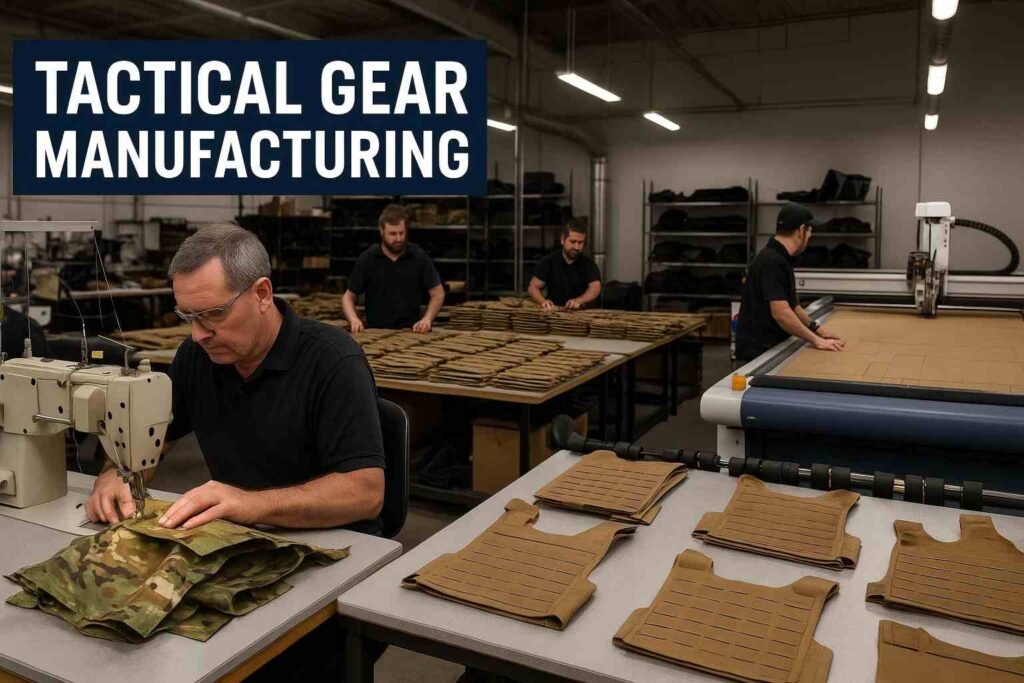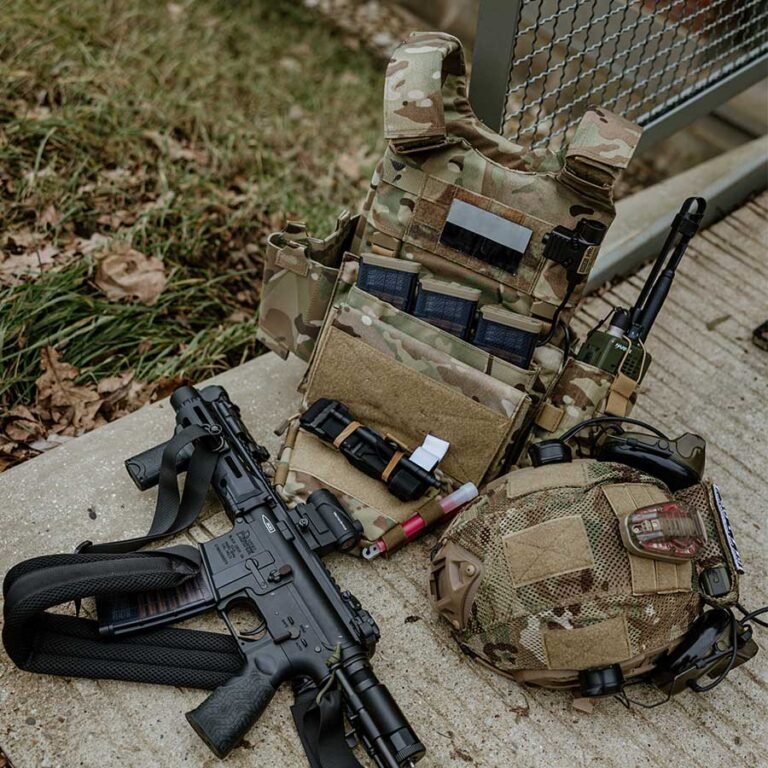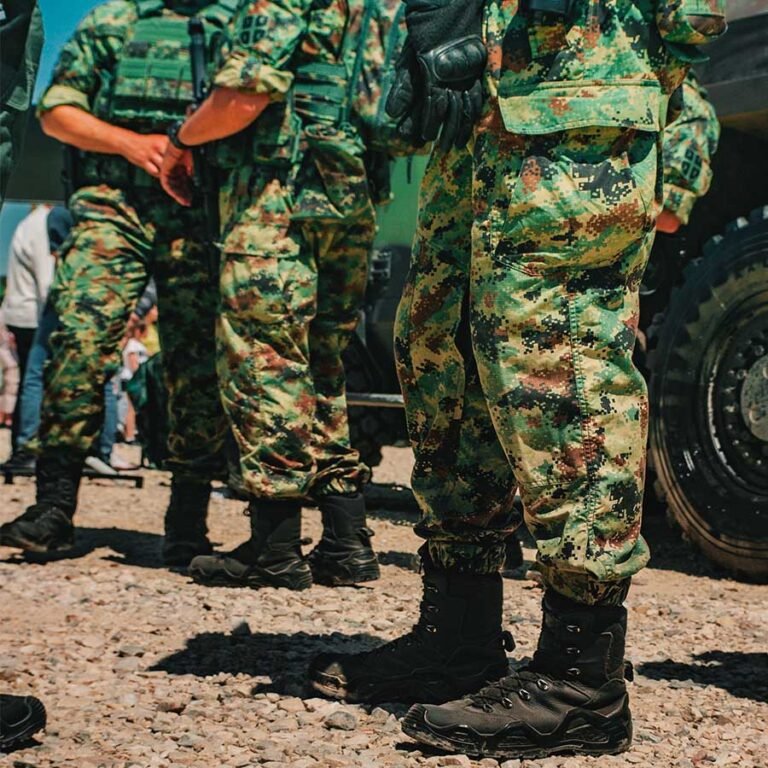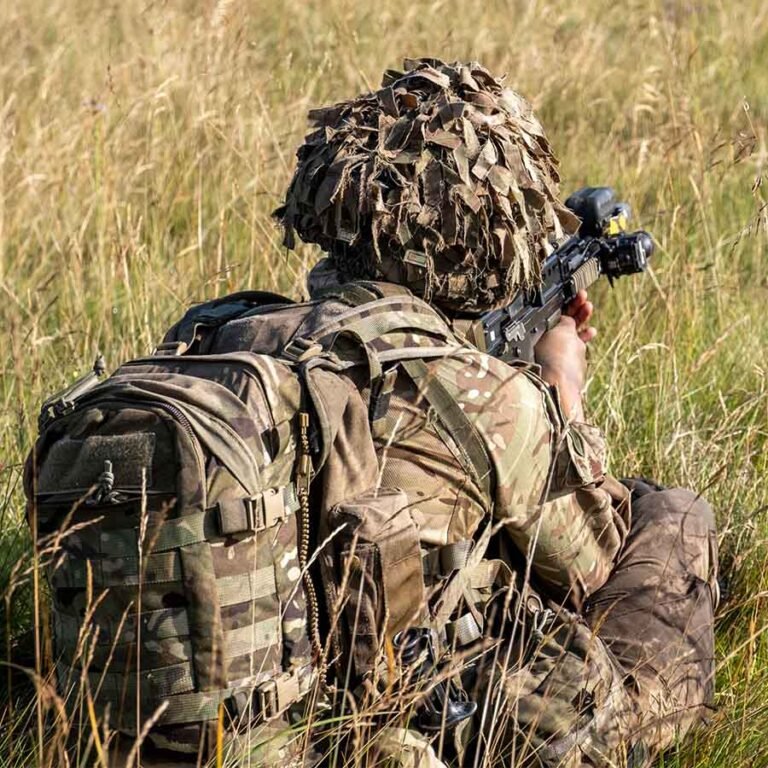
Why OEM Tactical Gear Manufacturing Matters Today
In today’s defense and security landscape, tactical equipment is not just gear—it’s a critical operational asset. Military, law enforcement, and private security buyers worldwide are moving away from generic catalogs toward contract-manufactured tactical gear, seeking solutions that align with their mission profiles, regional compliance requirements, and brand identity.
A production partner, a tactical gear manufacturer, is a specialized production partner that builds equipment according to your specific designs or standards. The result? Equipment that matches your exact needs—from ballistic ratings to MOLLE configurations—without compromising on quality, identity, or compliance.
For government tenders and specialized security operations, OEM partnerships reduce procurement risks and offer end-to-end quality control that off-the-shelf products often fail to guarantee.
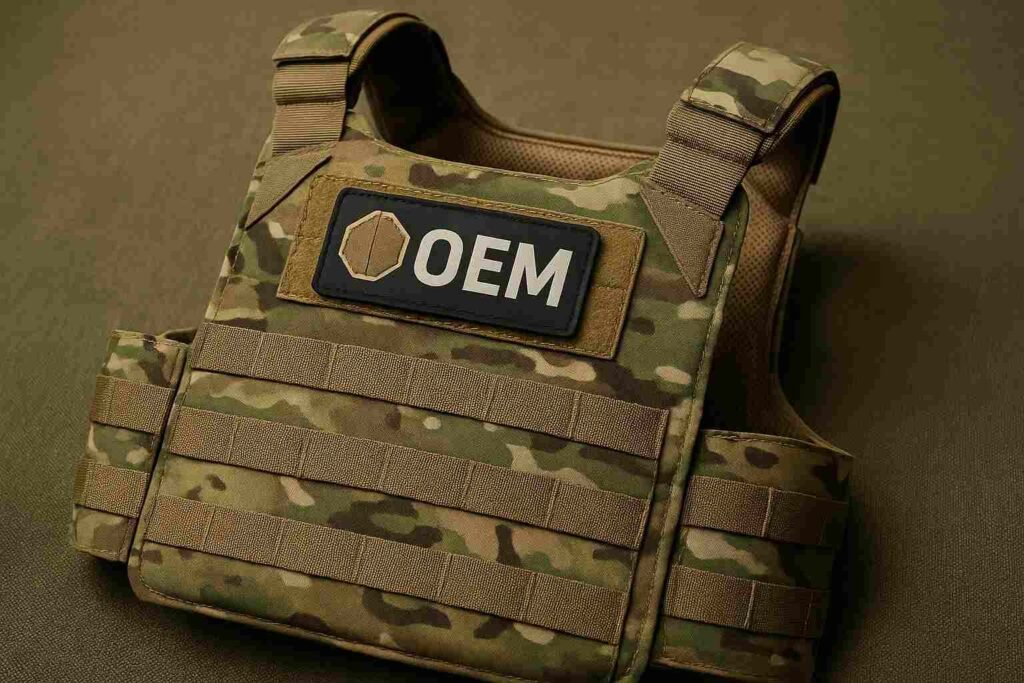
What Defines a Reliable OEM Tactical Gear Manufacturer
Choosing the right tactical gear production partner can determine whether your mission succeeds—or fails. Here’s what truly sets reliable manufacturers apart:
➤ Design Engineering Support
Look for in-house CAD teams, prototype workshops, and technical experts who can translate concepts into field-ready gear.
➤ Customization Flexibility
From IRR-compliant fabrics to custom pouch layouts and colorways like Coyote Brown or MultiCam®, a top-tier OEM should offer deep customization.
➤ Regulatory Compliance
Certified components matter. A reliable partner works with NIJ-tested inserts, IRR-approved textiles, and conforms to ISO/BSCI standards.
➤ Scalable, Consistent Production
Whether it’s 500 or 20,000 units, you need QC at every stage, backed by SOPs, pre-shipment inspection, and full traceability.
➤ Export Support & Documentation
For global buyers, proper HS codes, EU/US label compliance, and logistics coordination are as critical as the gear itself.
Checklist Before You Commit:
- Can the manufacturer prototype in <10 days?
- Do they hold NIJ or IRR certification records?
- Can they support tender documents like CAD specs or COAs?
For buyers evaluating durability and textile performance, we also explain the differences between 500D vs 1000D Cordura® materials and their impact on tactical use.
OEM vs ODM: Which Model Fits Your Procurement Strategy?
Understanding the difference between OEM and ODM helps avoid costly missteps. At ArmorGuard, we offer both. But for institutional buyers, OEM is often the only route that meets tender specifications, mission-critical needs, and branding requirements. We break down the pros and cons of OEM vs ODM tactical manufacturing in detail to help you choose wisely.
➤ OEM is ideal if you:
- Have proprietary designs
- Need compliance with exact specifications
- Require long-term brand control
➤ ODM works when you:
- Need faster lead times
- Can accept pre-developed designs with light customizations
- Want to enter the market with proven layouts
At ArmorGuard, we offer both. But for institutional buyers, OEM is often the only route that meets tender specifications, mission-critical needs, and branding requirements. We break down the pros and cons of OEM vs ODM tactical manufacturing in detail to help you choose wisely.
Tactical Certifications That Matter
When lives are on the line, specs must be verifiable—not just promised. Serious OEM partners provide:
➤ NIJ 0101.06/0101.07 Certification
Ensure your ballistic inserts, carriers, or vests are lab-tested and certified to US National Institute of Justice standards.
✅ For a deeper look at how to evaluate NIJ-certified plate carriers for field use, including IIIA to IV ratings, see our full article.
➤ IRR Compliance for Military Operations
For NATO or covert missions, infrared reflectivity must be controlled. Your OEM should supply verified IRR test data on materials.
✅ Understanding how IRR-compliant tactical gear performs under NATO optical conditions is essential for stealth-critical missions.
➤ ISO & BSCI/SEDEX Certification
These include signal quality control, social compliance, and process repeatability. ISO 9001 is essential for multi-year government frameworks.
✅ Expert Note: Ask suppliers to provide sample COAs (Certificates of Analysis) and third-party lab test results during the contract manufacturer vetting phase.
The OEM Tactical Gear Process: From Idea to Delivery
Working with an OEM isn’t just about manufacturing—it’s about process control, speed, and trust. A mature OEM workflow typically includes:
- Initial Consultation & Specs Collection
- CAD Modeling & Prototype Sampling (7–10 days)
- Sample Testing & Iterations
- Pre-Production Approval
- Mass Production with Batch QC
- Custom Branding, Packaging & Export Prep
- Global Logistics (FOB, CIF, or DDP terms)
ArmorGuard handles each stage in-house, ensuring minimal delays, maximum confidentiality (NDA-ready), and full traceability. Avoid vendors who skip prototyping or outsource production—both are red flags in high-compliance projects. Want a step-by-step breakdown of MOQ and sampling strategy for tactical gear? Read our dedicated tactical gear procurement guide for B2B buyers.
Who Should Use Tactical Gear OEM Services?
OEM is not just for massive contracts. It’s ideal for:
- Defense Procurement Officers
Needing certified gear that meets specific operational protocols. - Special Police Forces
Requiring custom loadouts for urban, covert, or maritime deployment. - Private Security Companies
Protecting infrastructure, high-profile clients, or remote assets. - Tactical Gear Brands
Seeking white-labeled, exclusive products without building a factory.
Use Case: A European distributor bidding for a NATO contract required IRR-compliant plate carriers with EU-compliant packaging. OEM was the only route to meet both technical and documentation needs on time. Discover the most suitable tactical gear for private security contractors in our product-specific analysis.
Why ArmorGuard Is Built for Global OEM Buyers
ArmorGuard isn’t a trading company—we’re a full-spectrum tactical gear manufacturer based in Thailand with vertical control over the supply chain. Here’s why B2B buyers across the globe choose ArmorGuard:
| Capability | Buyer Advantage |
| In-house prototyping | Rapid validation of complex design specs |
| NIJ / IRR material sourcing | Built-in compliance with global standards |
| ISO 9001 / 14001 certified | Quality you can trust on repeat orders |
| MOQ flexibility | Start with 500 units or scale as needed |
| Tender document support | Datasheets, CAD drawings, tech specs ready |
| NDA & white-label support | Total brand confidentiality |
We also provide insights on navigating tactical gear tender requirements and assembling your government bid documents effectively.
✅ Compliance Insight: We routinely support clients with third-party audits, pre-shipment inspection, and full export clearance for US and EU buyers. For a detailed checklist, check our guide on tactical gear compliance for EU and US buyers.
Choose the Right Partner, Not Just a Factory
OEM tactical gear manufacturing isn’t just about product. It’s about precision, compliance, and the long-term confidence that comes from working with a partner—not just a supplier.
ArmorGuard supports procurement teams across Europe, the Middle East, and Southeast Asia with complete export documentation and regional compliance.ArmorGuard exists to deliver that partnership.
Want to talk specs? Please speak with our OEM consultants to explore prototyping, compliance, or private-label options tailored to your next contract.