Why Tactical Gear Projects Fail Before Production Starts
In the world of tactical gear procurement, the most significant risks often surface before production even begins.
Procurement teams, especially those working on government or institutional tenders, often find themselves in a time crunch—discovering only too late that their chosen supplier can’t prototype, sample, or deliver within the necessary window. The result? Missed tender deadlines, failed compliance reviews, or worse—contract cancellation.
Key Insight: Many tender-driven buyers underestimate the impact of Minimum Order Quantity (MOQ) and sample approval timelines on overall project viability.
MOQ Myths: What You Don’t Know Can Cost You Bids
MOQ isn’t just a factory setting—it’s a strategic variable that can either enable or kill your procurement plan.
Myth #1: All OEMs accept low MOQs.
Truth: Many tactical gear manufacturers reserve low MOQ only for catalog items or ODM configurations—not for custom, mission-specific gear.
Myth #2: You can negotiate MOQ after award.
Truth: Tender contracts often require confirmation of production capability before award decisions are made.
✅ At ArmorGuard, we offer tiered MOQ levels—from as low as 500 units for early-phase tenders up to 10,000+ units for framework agreements. Need help finding a flexible OEM? Begin with our comprehensive guide to becoming a full OEM tactical gear manufacturer.
Sampling Delays: Why Weeks Matter in Tender Deadlines
In high-compliance procurement, your sample isn’t just a formality—it’s your ticket to participate.
Most tenders require:
- Pre-approval of physical samples
- IRR/NIR compliance test results
- NIJ certificate reports or lab test records
- CAD drawings or tech packs for evaluation
Common Pitfall: Suppliers without in-house prototyping can take 4–6 weeks to deliver a usable sample, burning through your tender timeline.
What ArmorGuard Offers:
- Prototyping in 7–10 business days
- CAD-to-sample matching verified in-house
- Sample testing under IR optics for IRR/NIR
- On-demand documentation (COAs, specs, lab reports)
Lead Time Management: A Timeline You Can Actually Control
Successful procurement planning is all about reverse engineering the clock.
Here’s a tactical breakdown:
| Stage | Estimated Time |
| Specs finalization | 3–5 business days |
| Prototype + Sampling | 7–10 business days |
| Sample Validation | 3–7 business days |
| Mass Production (5K MOQ) | 25–35 days |
| QC + Export Prep | 7 days |
| Logistics (FOB/EXW/DDP) | Varies by region |
Pro Tip: If your tender has a 90-day cycle, your vendor’s lead time should be no more than 60 days total, including samples.
What to Ask Before You Place the PO
Before you commit to a tactical gear OEM, ask the following:
- Can you support sampling within 10 days?
- Do you accept split MOQ by SKU (e.g., vest + pouch)?
- Can you provide documentation for tender submission (IRR, NIJ, ISO)?
- How is packaging handled for export tenders (label, barcode, customs)?
- Do you support private label or white label under NDA?
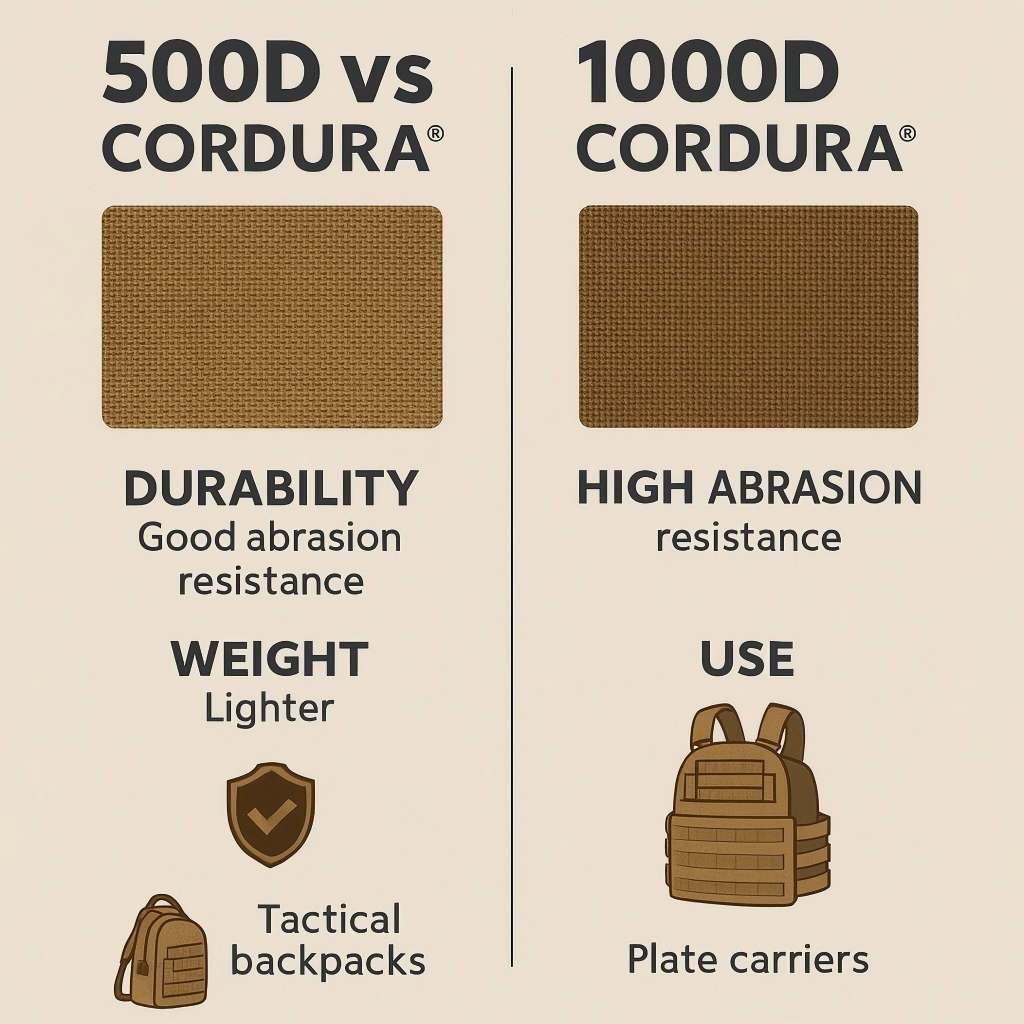
Not sure which material suits your deployment? See our 500D vs 1000D Cordura® comparison for insights.
How ArmorGuard Supports Tender-Driven Clients
At ArmorGuard, we’ve structured our OEM model to support tender success from day one:
| Capability | Your Advantage |
| MOQ flexibility | 500–20,000 units, depending on phase |
| Rapid prototyping | 7–10 day sample turnaround |
| Tender documentation | Includes COAs, CAD files, and IRR/NIR test results |
| OEM/Private Label options | Build brand equity with zero manufacturing risk |
| Global logistics | Export-ready documentation + labeling compliance |
Learn how our tactical gear certification checklist helps buyers avoid compliance issues before final bidding.
Smart Buyers Plan Early
Tactical gear procurement isn’t just about specs and price—it’s about controlling the timeline, ensuring documentation, and fostering supplier responsiveness. The best tactical programs begin early, communicate clearly, and partner with OEMs like ArmorGuard, which understand the high-stakes demands of government or private tenders.