Why Tactical Loadouts Must Include Medical & Survival Gear
In modern tactical operations, bullets aren’t the only threat. Hemorrhage, dehydration, and hypothermia are equally fatal if not immediately addressed. Whether you’re part of a military unit, law enforcement team, or private security group, having medical and survival gear built into your loadout is no longer optional — it’s essential.
Operational data and field experience show that the first 60 seconds after an injury are critical. If personnel must dig through backpacks or rely on others for medical supplies, valuable time is lost. An adequately designed plate carrier or tactical vest should seamlessly integrate life-saving gear into its configuration.
Essential Medical & Emergency Items in Tactical Loadouts
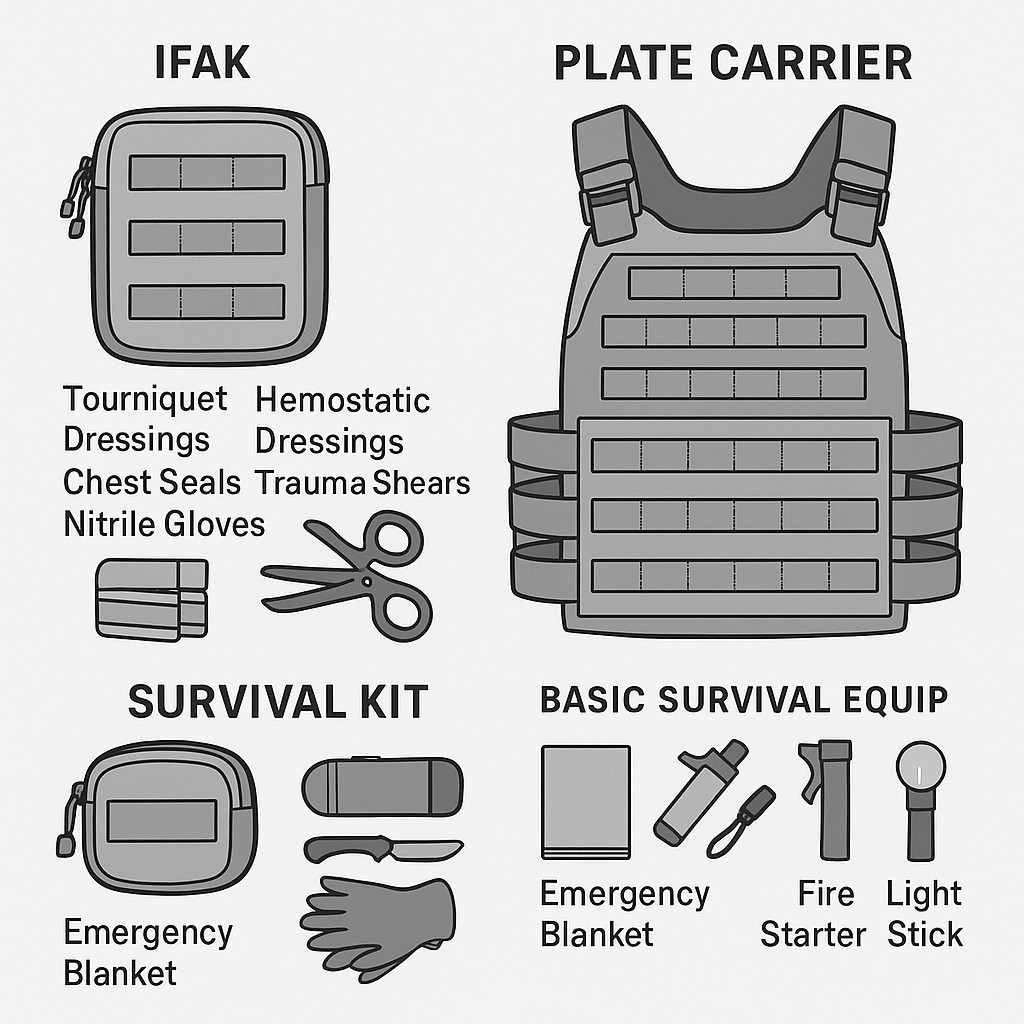
✅ IFAK – Individual First Aid Kit
This should be compact yet fully functional, and typically includes:
- Tourniquets
- Hemostatic dressings
- Chest seals
- Trauma shears
- Nitrile gloves
✅ Basic Survival Equipment
Especially important for missions in remote or volatile areas:
- Emergency blanket
- Water filtration tablets or straws
- Fire starter
- Light sticks or compact LED lights
- Compact multi-tool
✅ Airway and Bleed Control Essentials
- Nasopharyngeal airway tubes
- Pressure bandages
- Emergency trauma bandages (ETBs)
The more hostile or remote the mission zone, the more extensive this gear needs to be — and the better it needs to be positioned for quick access.
Smart MOLLE Configuration: Placing for Access & Efficiency
Poor placement of medical gear can be just as dangerous as not having it at all.
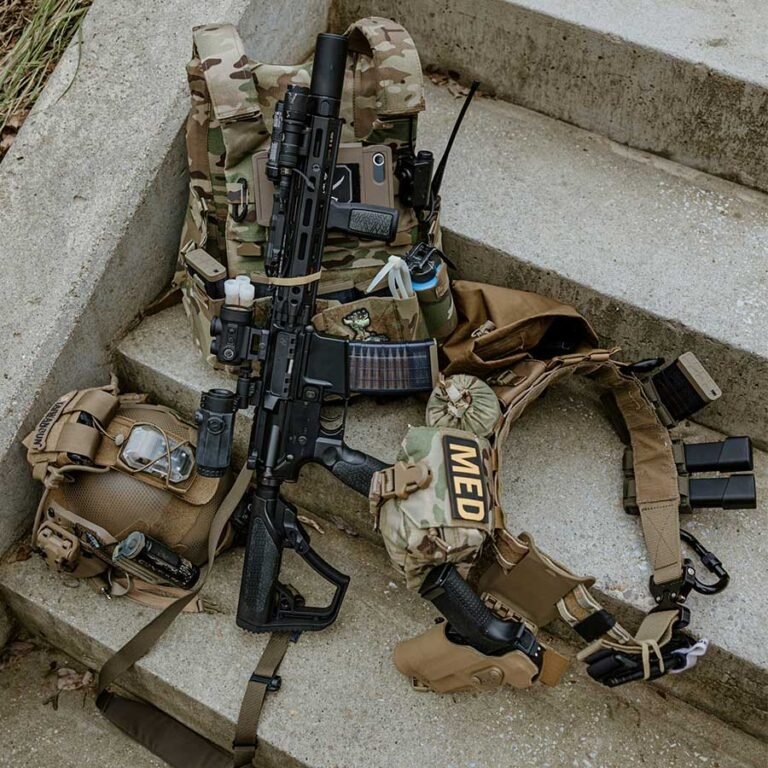
✅Where to Mount IFAK and Survival Kits:
- Front Lower Panel: Accessible with both hands, ideal for tourniquets or chest seals.
- Side Panels: Commonly used in trauma kits; beware of potential interference with arm movement.
- Back Panel: Suitable for team-based gear, hydration packs, or fire-starting kits.
Key Guidelines:
- Keep IFAKs on the non-dominant side to allow the dominant hand to operate tools.
- Use pull-tab or tear-away designs for faster access under stress.
- Avoid placing gear over rigid plates or in positions that block weapon draws or reloads.
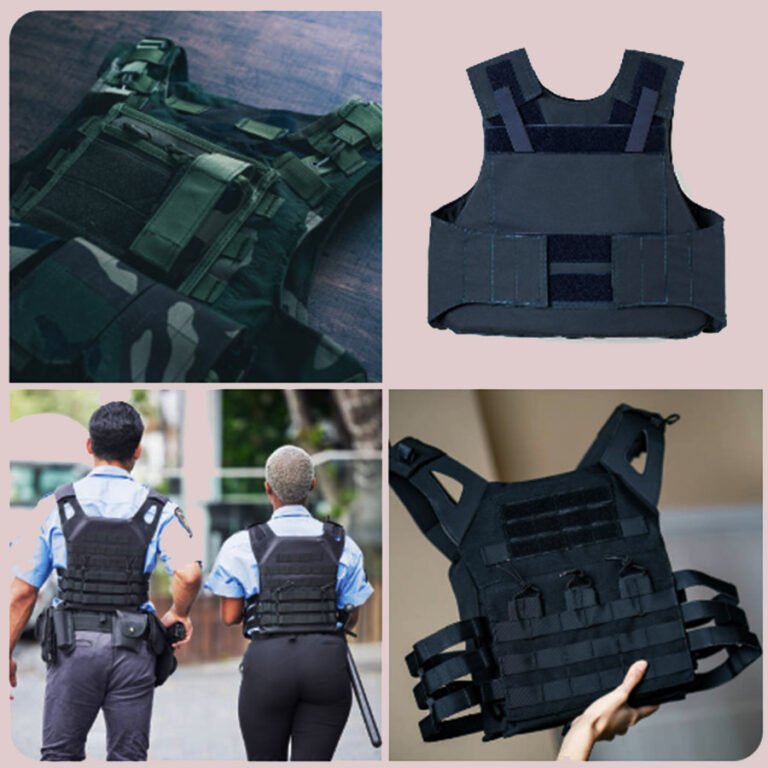
Armorguard’s vests with MOLLE real estate offer extensive layout flexibility — but planning is key to maximizing effectiveness.
Balancing Load Weight and Movement
Every pouch, plate, and accessory adds to the overall weight. Add poorly placed medical gear to the mix, and you risk:
- Fatigue on long missions
- Poor mobility during dynamic entry or evasive actions
- Imbalanced body posture and shoulder strain
Loadout Optimization Tips:
- Choose lightweight, compact versions of medical tools
- Prioritize dual-function gear (e.g., tourniquet holder with shears slot)
- Consider quick-release systems for modular switching between loadouts
- Balance isn’t just about physical weight — it’s about combat readiness.
Common Mistakes in Medical Kit Integration
❌ Burying the IFAK under other gear
❌ Using oversized pouches that swing or dangle during movement
❌ Ignoring modular compatibility (non-MOLLE components on MOLLE grid)
❌ Improper sealing or exposure to weather
Avoiding these errors can save seconds in critical moments, and those seconds save lives.
Armorguard Modular Loadout Systems
Armorguard designs tactical vests and modular gear systems to help operators move smarter and survive longer. For clients with integration needs, our OEM-ready product lines include:
| Feature | Armorguard Modular Solution | End-User Benefit |
| IFAK-Ready Carrier Design | MOLLE rows on abdomen & cummerbund | Easy access to medical tools |
| Quick-Release Loadout Panels | Compatible front flaps with med/survival pouches | Fast loadout swaps without gear repack |
| OEM Medical Kit Integration | Custom-designed pouches for TQs, trauma gear | Consistent configuration across units |
| Light & Durable Materials | 500D nylon with IRR coating | Rugged performance in hostile environments |
| Scalable Systems | Add-on hydration & rescue components | Mission-based adaptability |
Tactical Advantage Comes from Preparation
The most advanced body armor can stop bullets — but the right loadout can prevent death after the hit. Tactical readiness means preparing for more than combat; it means planning for contingencies, injury, and isolation.
By integrating medical and survival gear directly into your kit, you increase survivability, improve efficiency, and equip your team with the tools to fight—and survive—longer. Armorguard is proud to provide the modular, field-tested solutions that make this possible.