
Ballistic Materials Compared: Aramid vs. UHMWPE vs. Hybrid Systems

An in-depth comparison guide by ArmorGuard for tactical procurement teams and ballistic product designers. Why Material Choice Matters in Ballistic Protection The selection of ballistic materials defines how body armor performs under real threat conditions—directly influencing its weight, flexibility, and protection rating. Modern ballistic engineering focuses on optimizing material density, tensile strength, and energy absorption […]
Understanding NIJ Ballistic Levels: How to Choose the Right Protection for Your Mission (2025 Update)
A complete guide by ArmorGuard for procurement officers, tactical brands, and law enforcement agencies. What Are NIJ Ballistic Levels? NIJ ballistic levels define the resistance capability of body armor against specific ammunition types. Each level—IIA, II, IIIA, III, and IV—represents a progressive increase in protection, standardized under the NIJ 0101.06 and upcoming NIJ 0101.07 protocols. These classifications ensure […]
The Complete Guide to Ballistic Protection Manufacturing (2025 Edition)
What Is Ballistic Protection? Ballistic protection refers to the engineering and production of materials designed to resist or absorb the kinetic energy of bullets and fragments. Built in compliance with international ballistic protection standards, ArmorGuard utilizes lightweight fibers, hybrid composites, and ergonomic construction to safeguard soldiers, law enforcement officers, and tactical operators. Ballistic protection is […]
Tactical Loadout Efficiency: Strategies to Cut Weight Without Sacrificing Safety
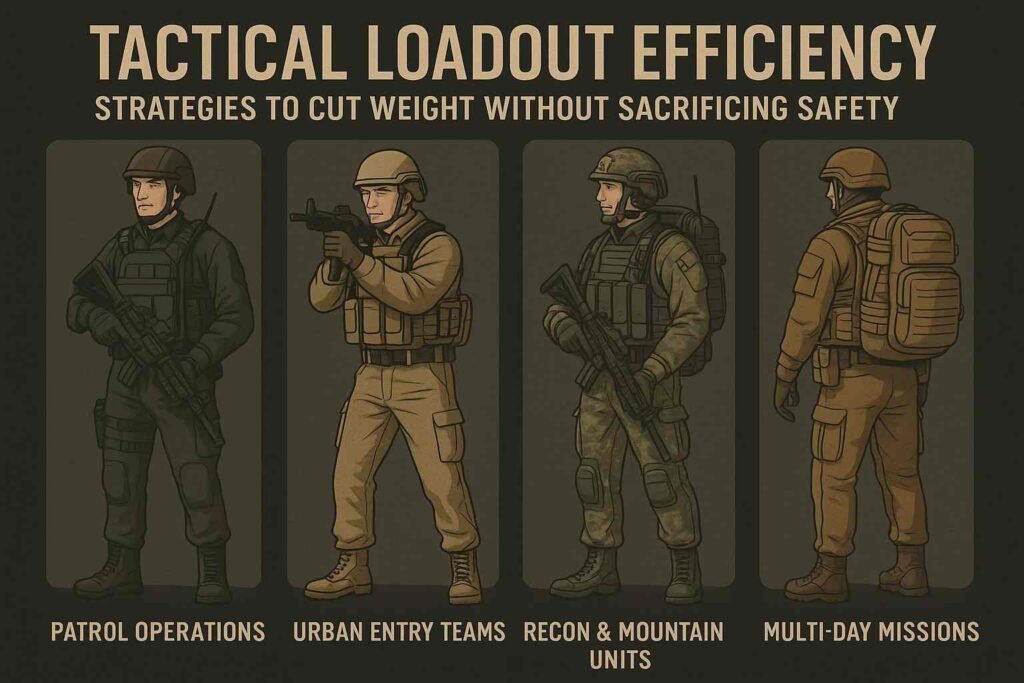
Patrol Operations: Endurance Over Hours Patrol missions often span several hours or even days, requiring operators to remain mobile, alert, and responsive. In such conditions, every gram of weight makes a difference. Loadout Strategy: Patrol loadouts must support sustained movement without inducing fatigue, especially under hot, uneven terrain or in long-footprint security routes. Urban Entry […]
Ballistic Testing & NIJ Levels: What You Should Know Before Buying Armor
What is Ballistic Testing? Why It Matters Ballistic testing is the scientific process used to evaluate the effectiveness of body armor against various types of ammunition. It ensures that armor performs under pressure — literally — and protects the wearer against real-world threats. For tactical units, law enforcement agencies, and government procurement teams, understanding ballistic […]
Building a Tactical Loadout with Medical & Emergency Response in Mind
Why Tactical Loadouts Must Include Medical & Survival Gear In modern tactical operations, bullets aren’t the only threat. Hemorrhage, dehydration, and hypothermia are equally fatal if not immediately addressed. Whether you’re part of a military unit, law enforcement team, or private security group, having medical and survival gear built into your loadout is no longer optional […]
From Steel to Polyethylene: Evolution of Armor Materials & Weight Reduction
Why Material Matters in Modern Armor In today’s tactical environments, protection is no longer the only requirement for body armor. Modern missions require gear that strikes a balance between defense, mobility, endurance, and modularity. At the core of this evolution is material science. For procurement officers, OEM clients, and tactical professionals, understanding the differences in […]
Choosing the Right Plate Carrier: Comfort, Fit & Protection Essentials
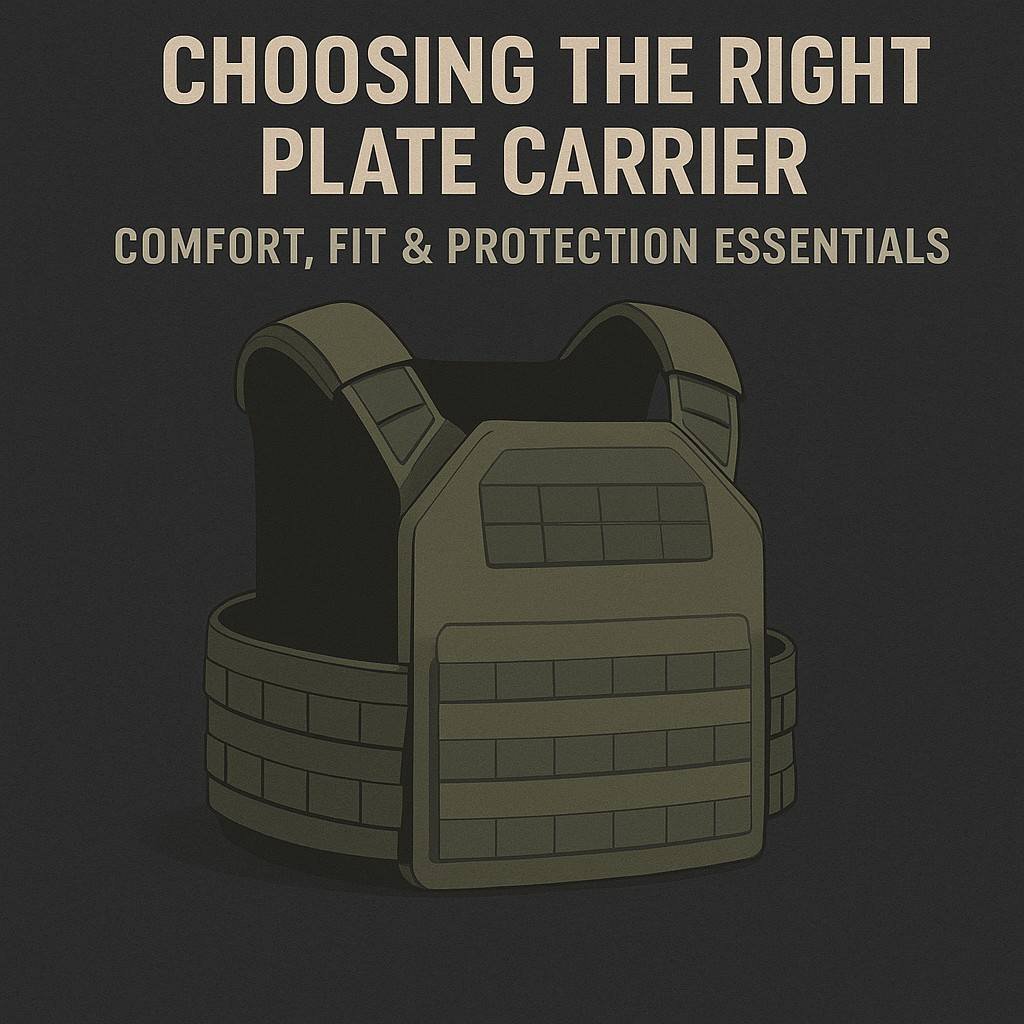
Why the Right Plate Carrier Matters For law enforcement agencies, military units, and private security contractors, the right plate carrier isn’t just gear — it’s a critical piece of personal protection. Whether deployed in urban patrols or remote field operations, tactical vests must strike a balance between safety, comfort, and adaptability. Poorly chosen gear can […]
Tactical Gear Compliance Checklist for EU and US Buyers
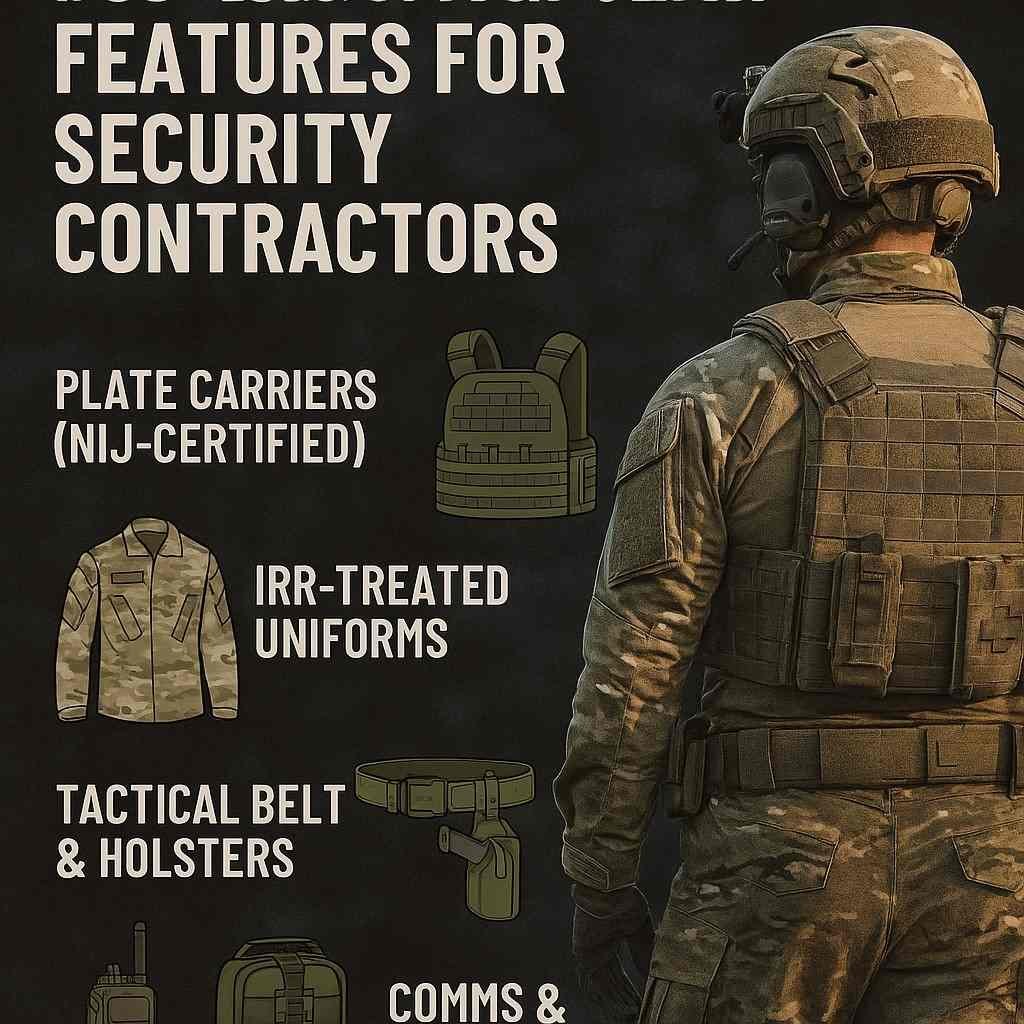
Why Tactical Gear Compliance Matters for Global Buyers When exporting or importing tactical equipment—whether it’s plate carriers, ballistic helmets, or IRR-treated uniforms—compliance isn’t optional. It’s a legal, logistical, and competitive requirement. Gear that doesn’t meet EU or US regulatory standards may be delayed at customs, rejected by end users, or fail to qualify for government […]
Best Materials for Tactical Gear: 500D vs 1000D Cordura Explained
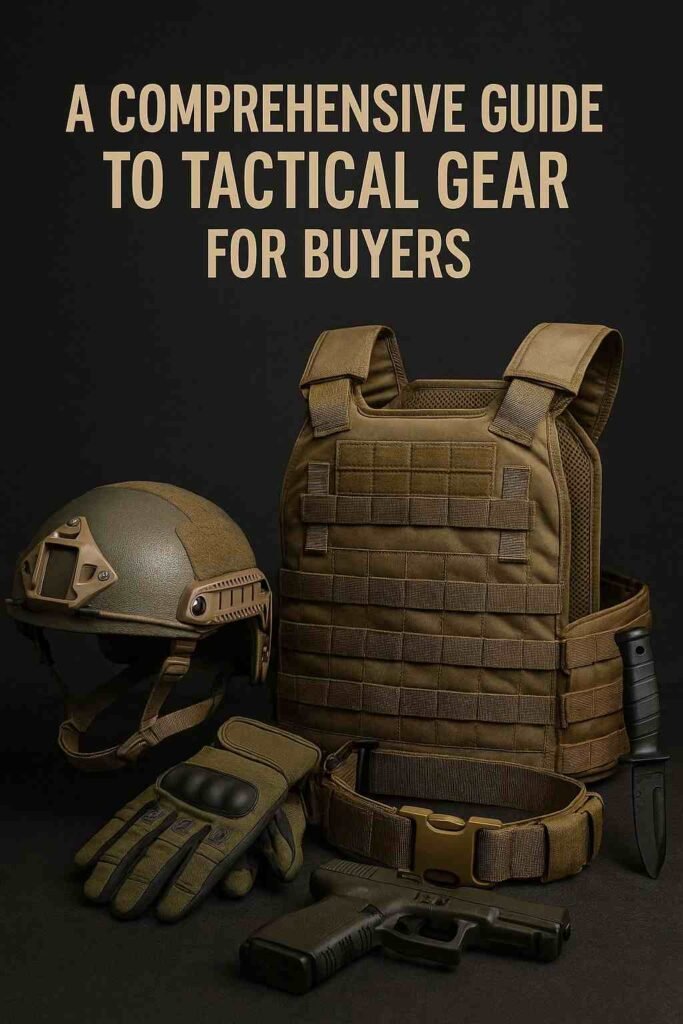
Why Material Choice Matters in Tactical Gear For tactical gear manufacturers and procurement officers, the fabric you choose isn’t just about texture—it defines performance, durability, and compliance. Among all materials, Cordura® stands out as the gold standard. But should you choose 500D or 1000D?Understanding the difference between these two grades of Cordura® is critical, especially […]