Tactical Vests and Body Armor get thrown around a lot, but most people still aren’t sure what actually protects you—or how to choose the right setup. Myths and marketing only make it more confusing.
This guide cuts through the noise with clear answers on protection levels, fit, materials, and real-world use so you can pick gear that works when it matters.
1.What is a Tactical Vest
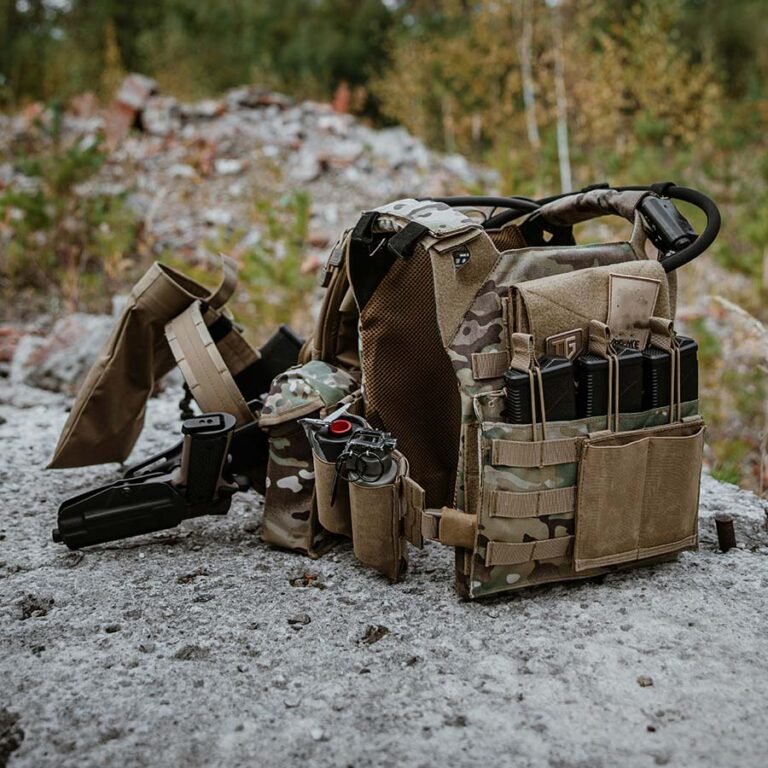
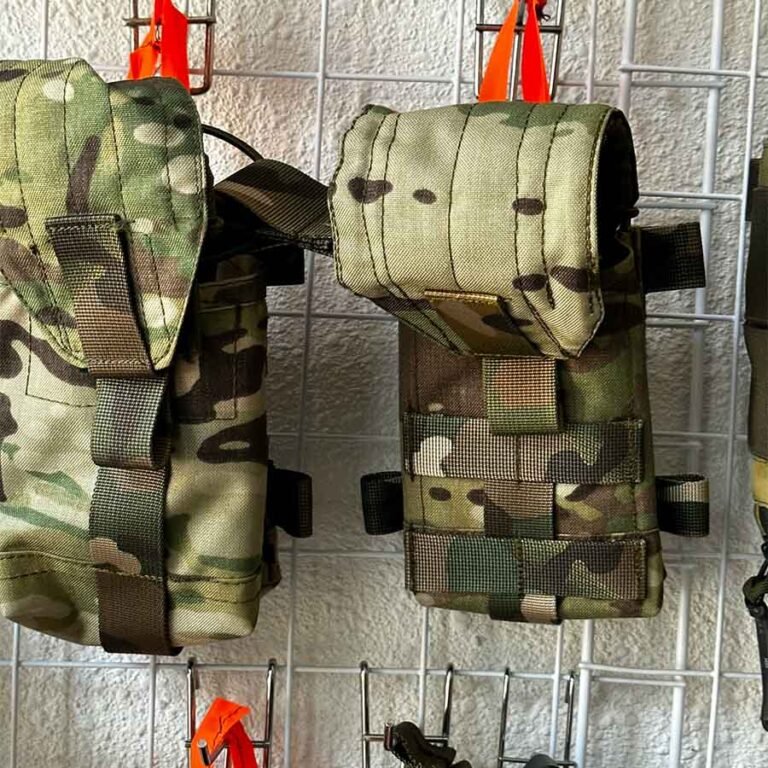
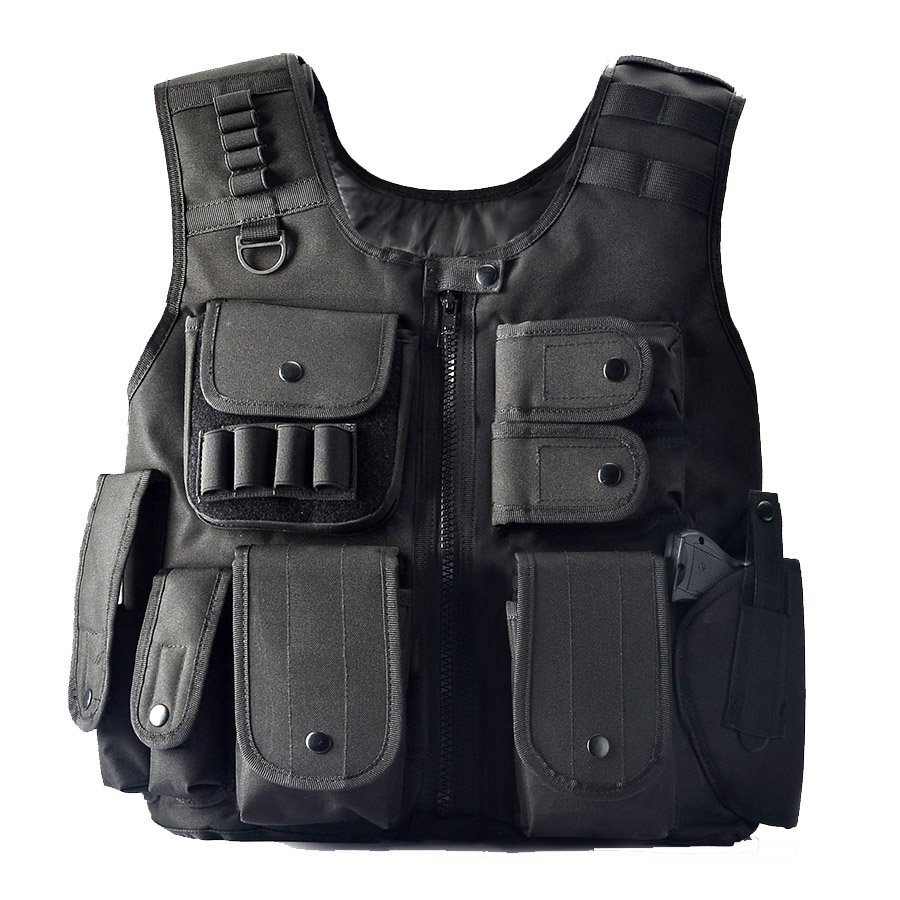
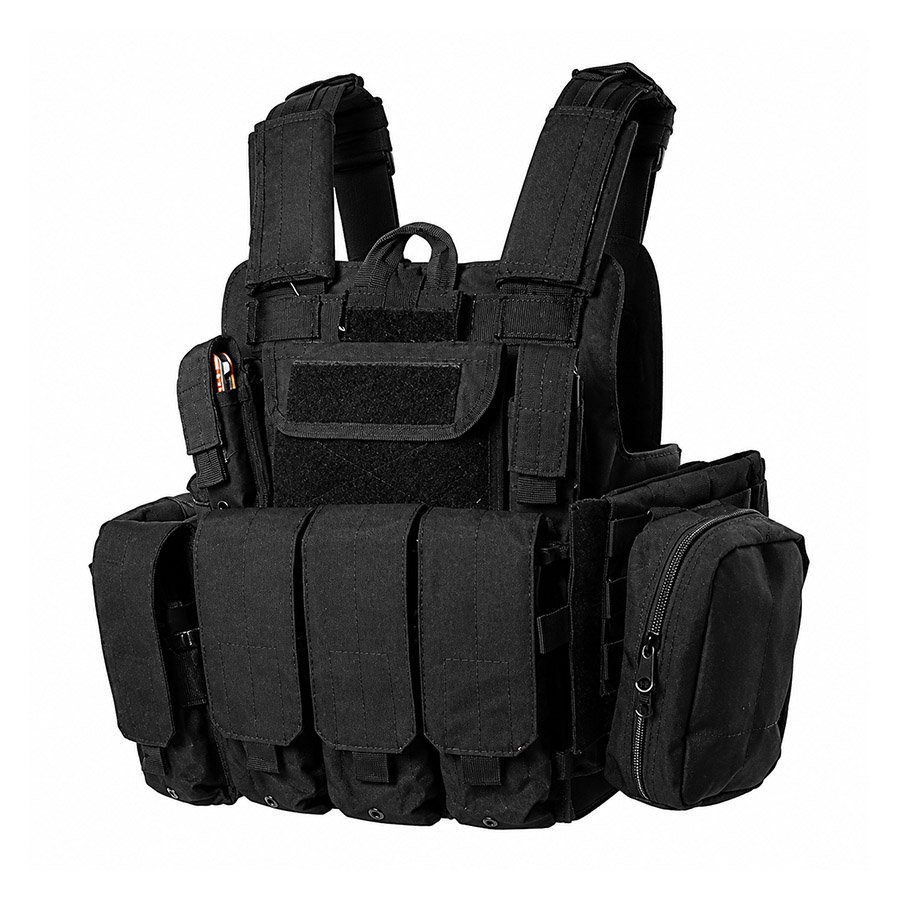
Tactical vest is a sturdy, adjustable vest that contains a pouches and straps inside. Its design allows soldiers, police officers, or outdoor enthusiasts to carry ammunition, tools, and armor plates while keeping their hands free.
2.What is a Plate Carrier
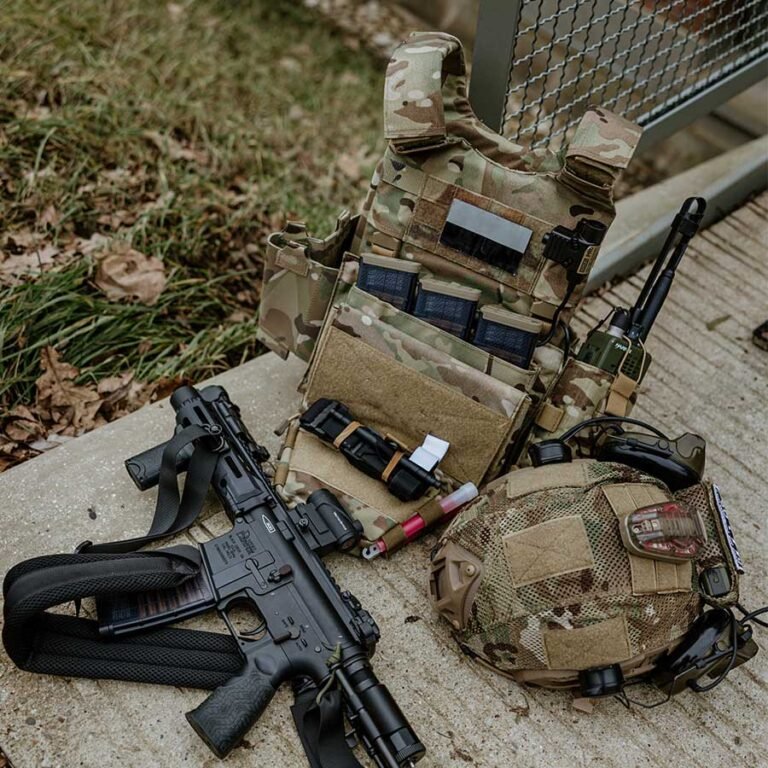
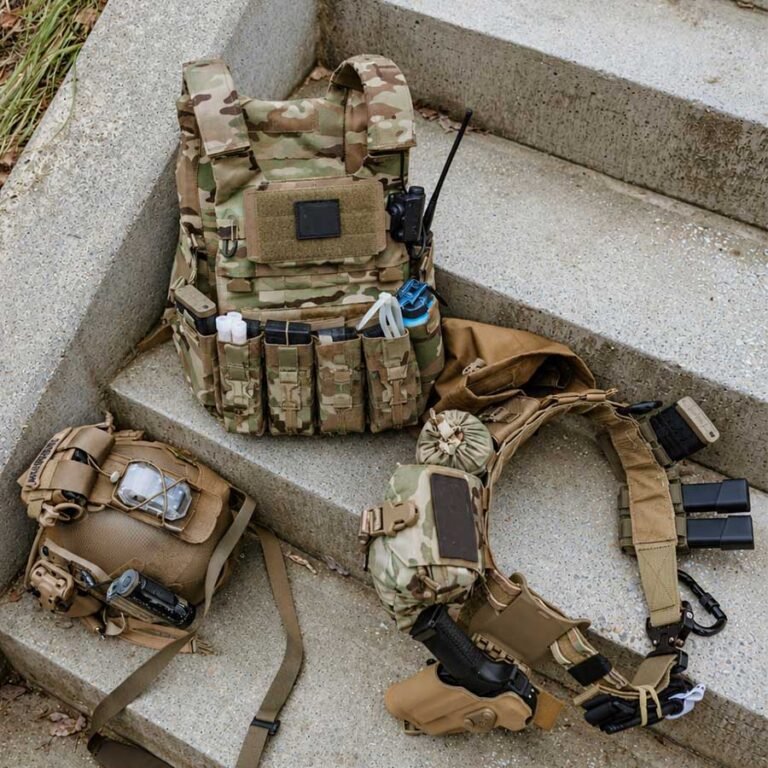
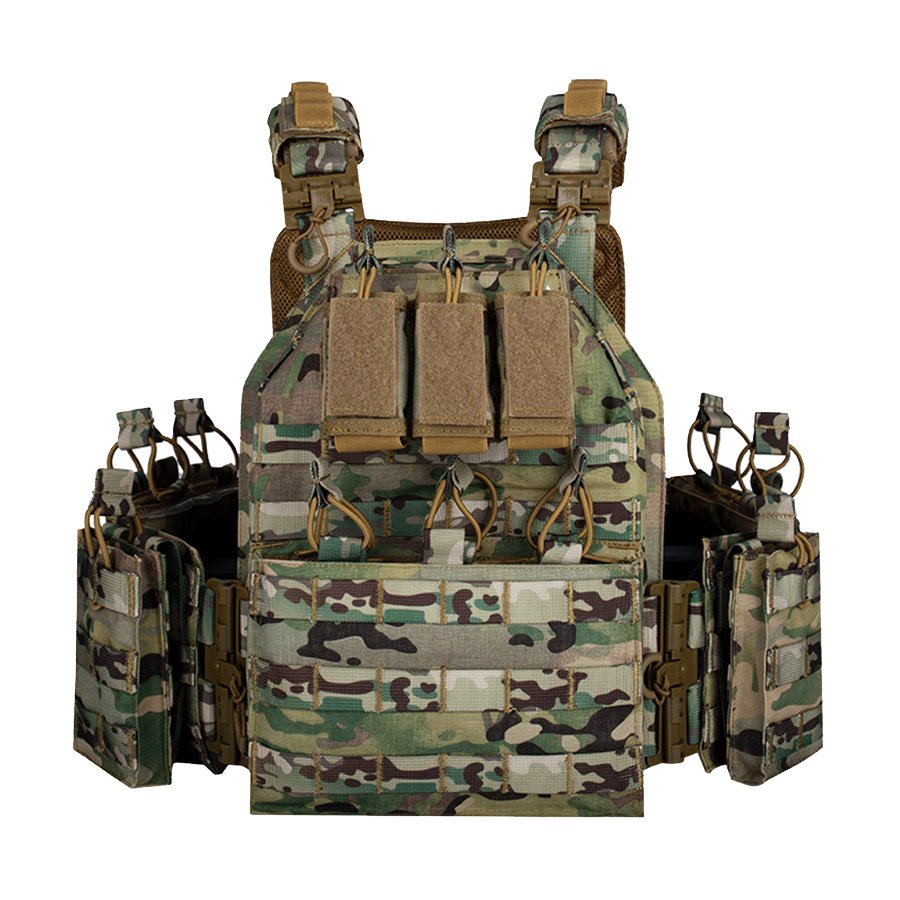
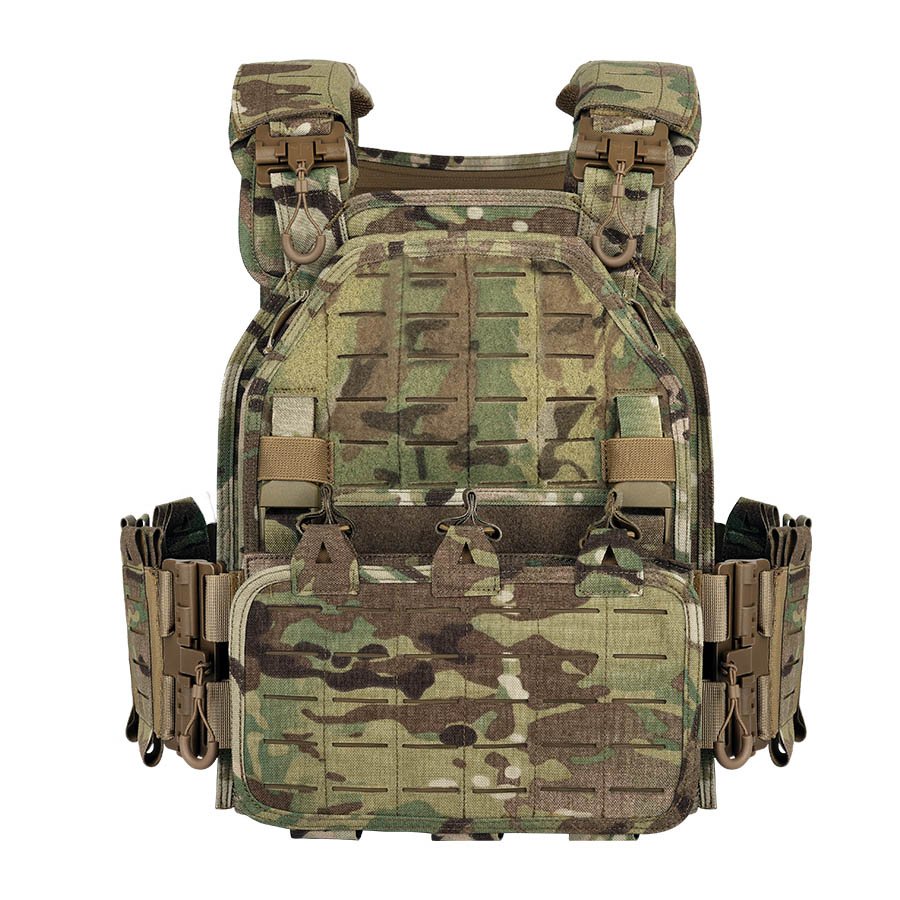
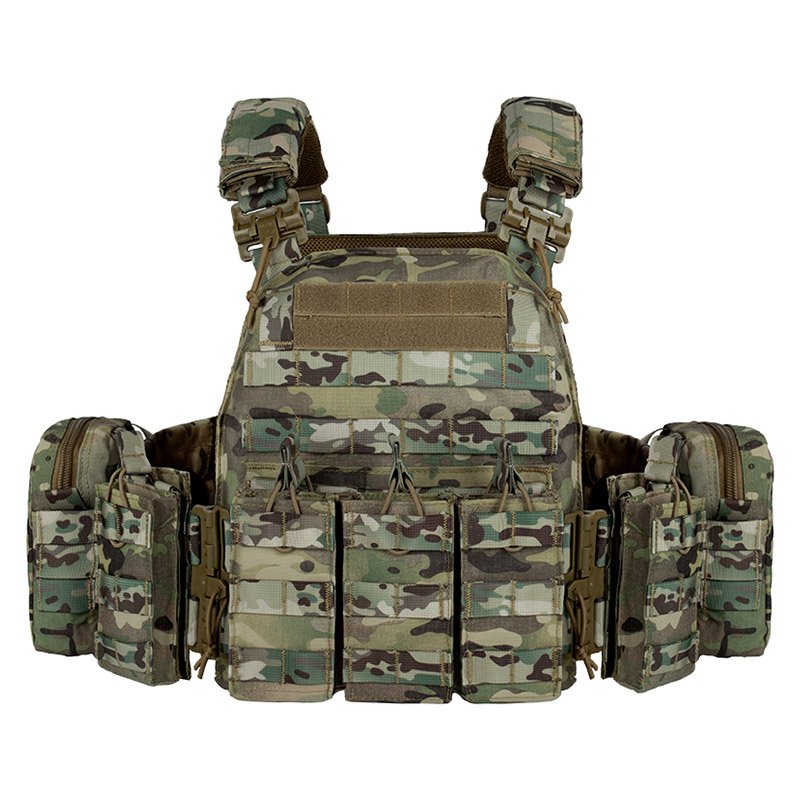
Plate carrier is a tactical vest designed to hold ballistic armor plates to resist specific threats. It usually has adjustable straps and MOLLE webbing, used to connect pouches, magazines, radios, and other essential gear.
3.What is a Body Armor
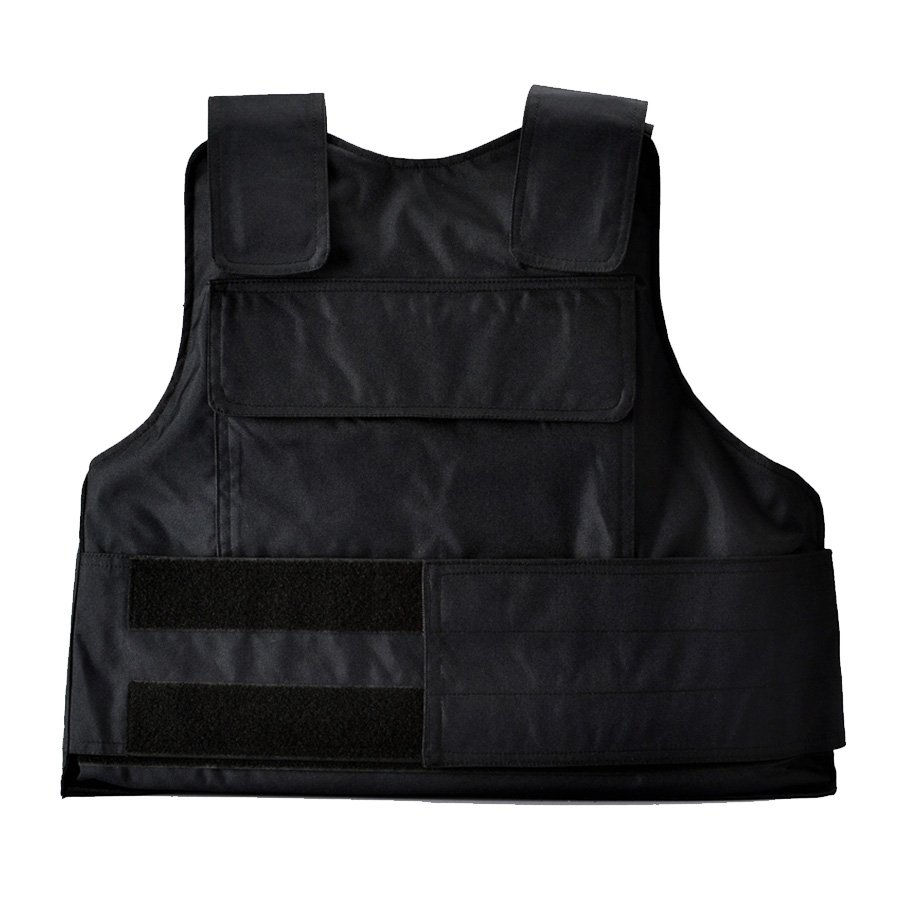
Body armor is a protective equipment designed to help reduce the injuries caused by bullets, fragments, and other threats. It usually has soft or hard armor plates and is typically used by military personnel, police, and security professionals.
4.What is the Difference Between Tactical Vest, Plate Carrier, and Body Armor?
Tactical vest is mainly about carrying stuff. It’s loaded with pouches, straps, and MOLLE webbing so you can hang ammo, radios, med kits, and tools while keeping your hands free. It doesn’t necessarily provide ballistic protection.Some can hold plates, but that’s not the main point.
Plate carrier focuses on protection. It’s a simpler vest built specifically to hold hard armor plates that stop bullets. It is designed specifically to hold hard armor plates over your chest and back to protect vital organs against rifle fire
Body armor is the actual protective material. It can be soft panels that stop handgun rounds or hard plates for rifles. You’ll find it inside plate carriers or some tactical vests—it’s what does the stopping, not the vest itself.
5.Is a Tactical Vest Inherently Bulletproof?
No, tactical vests inherently are not bulletproof. The design purpose of most tactical vests is to carry equipment such as magazines, radios, and medical kits, rather than to stop bullets.
Some models can accommodate soft or hard armor plates for ballistic protection. You should always check the product specifications and protection level, as vests without suitable armor inserts cannot provide ballistic protection.
6.Does an Empty Plate Carrier Offer Any Ballistic Protection?
No, empty plate carrier do not provide any ballistic protection. It is just the shell that holds the plates – without them, there are basically only fabrics and straps.
7.Soft Body Armor Vs. Hard Armor Plates: What is the Difference?
Soft body armor are made of flexible materials made from layers of tough fabric like Kevlar. It can block most handgun bullets and some shrapnel while maintaining enough comfort to be worn under clothes all day long.
Hard armor plates is a rigid board – ceramic, steel, or polyethylene – that slides into a plate carrier. They are heavier and bulkier, but can stop high-power rifle bullets that soft armor can not handle.
Lightweight Concealable Plate Carrier Vest Waterproof
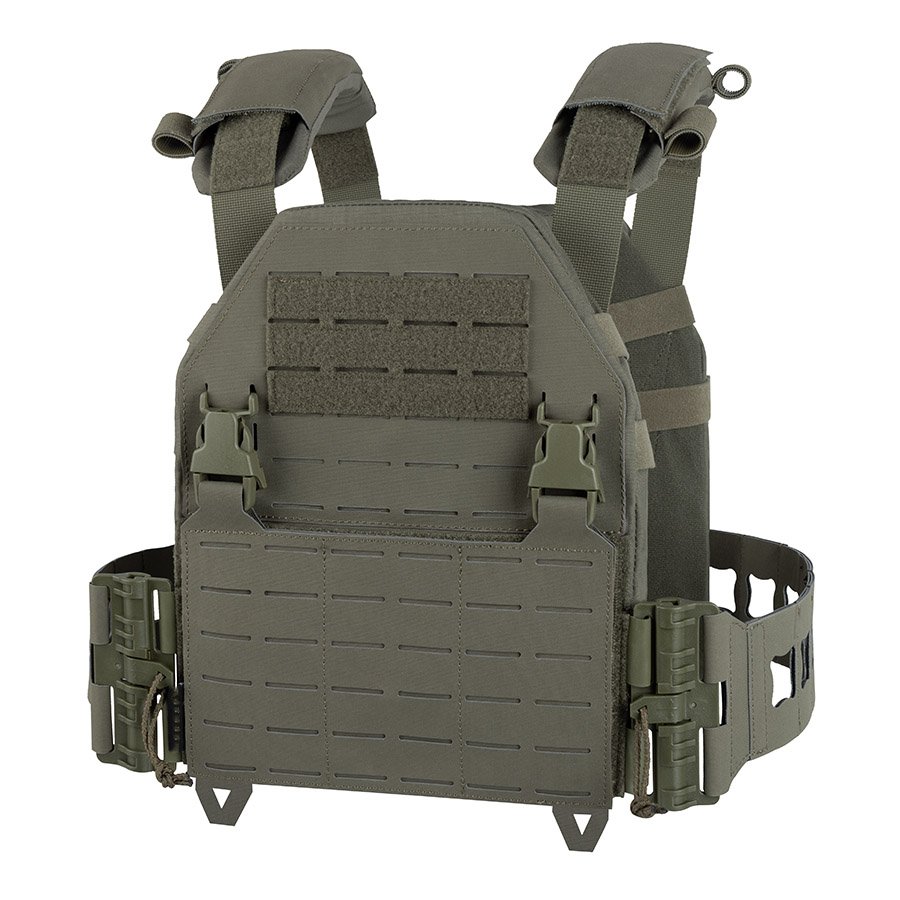
Lightweight Modular Plate Carrier Vest Armorguard
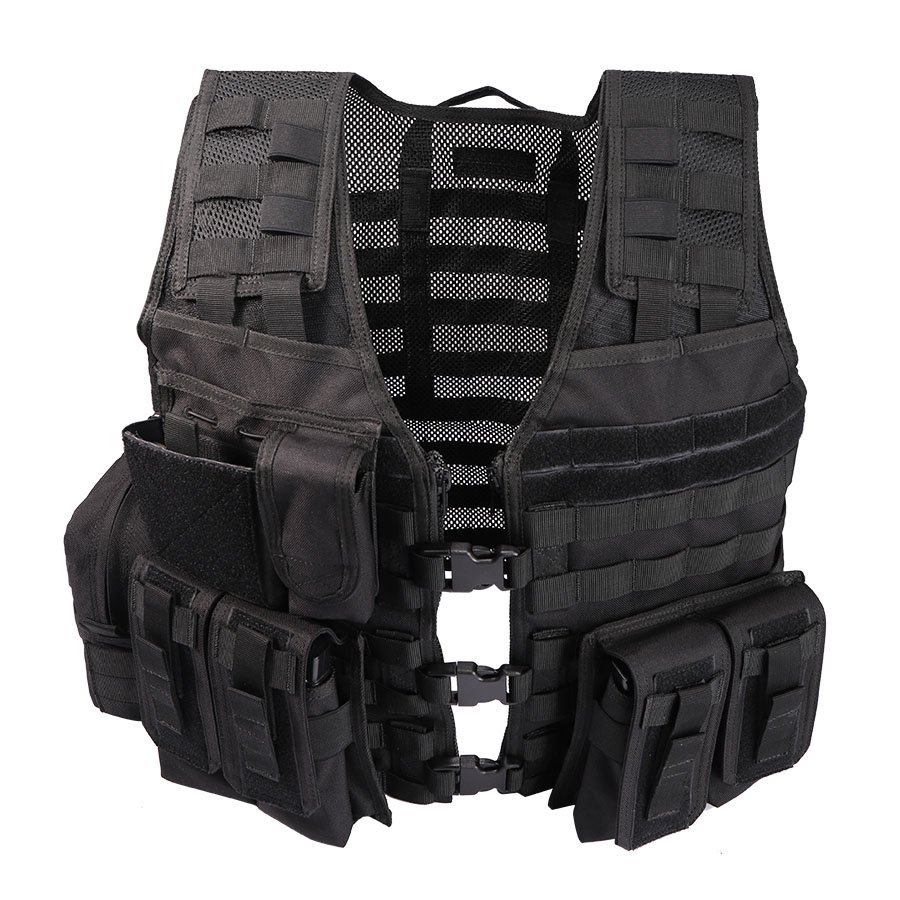
Lightweight Police Outer Vest With Magazine Pouches
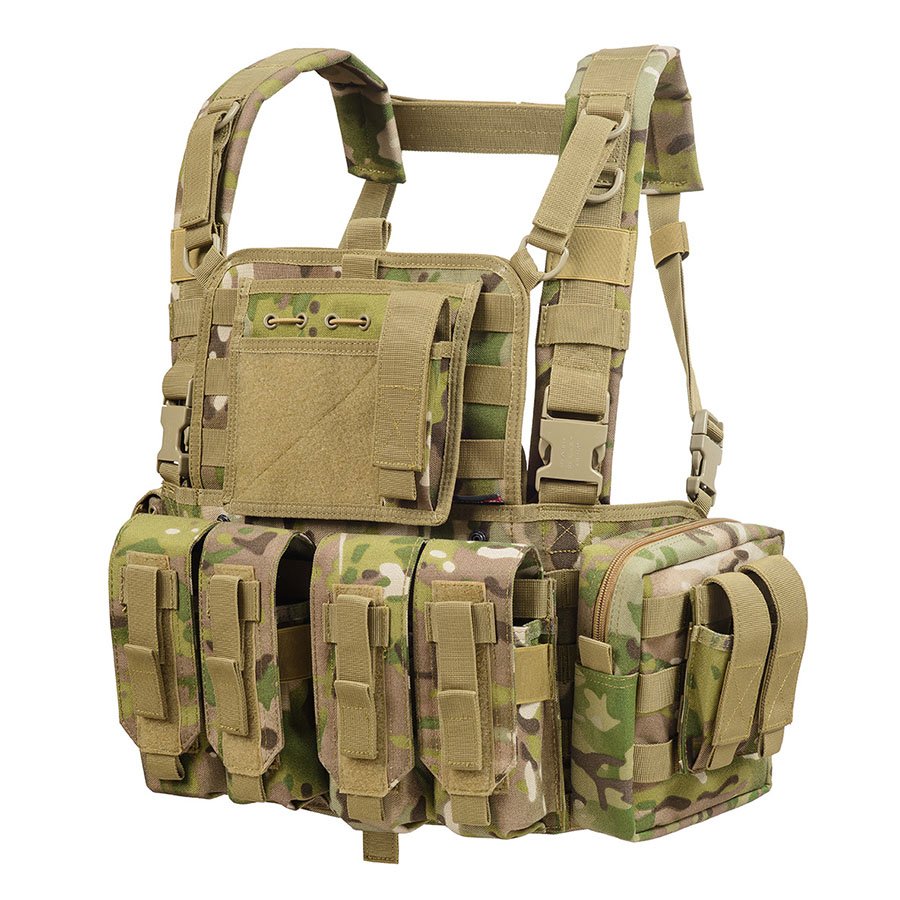
Military Plate Carrier Chest Rig Multicam Color
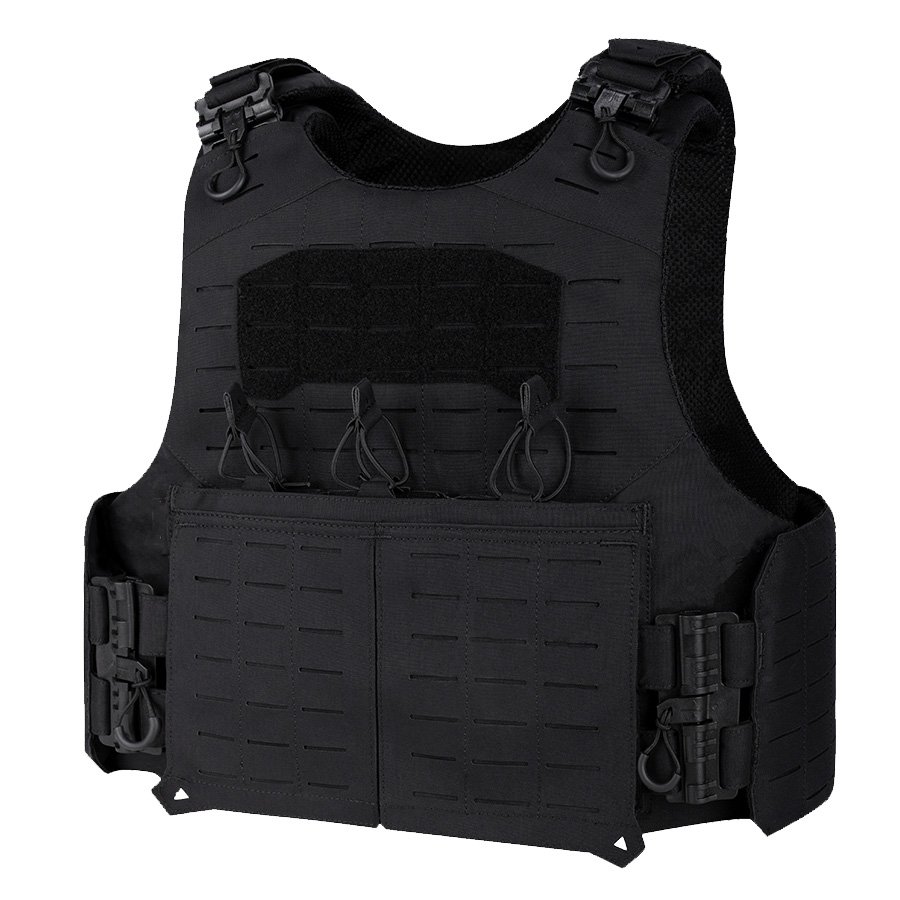
Lightweight Black Plate Carrier Vest Laser Cut Molle
Camo Ballistic Plate Carrier With Magazine Pouches
Best Multicam Plate Carrier With Laser Cut Molle
Molle Black Tactical Vest With Integrated Pouches
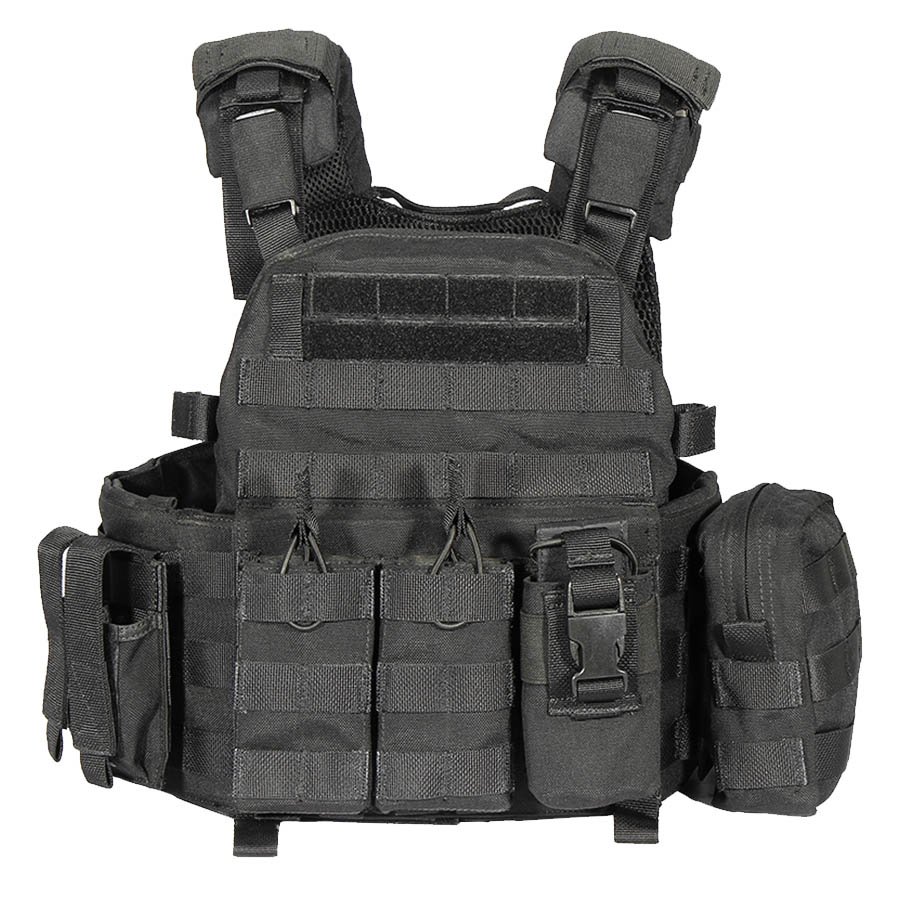
Best Military Plate Carrier With Side Pouches
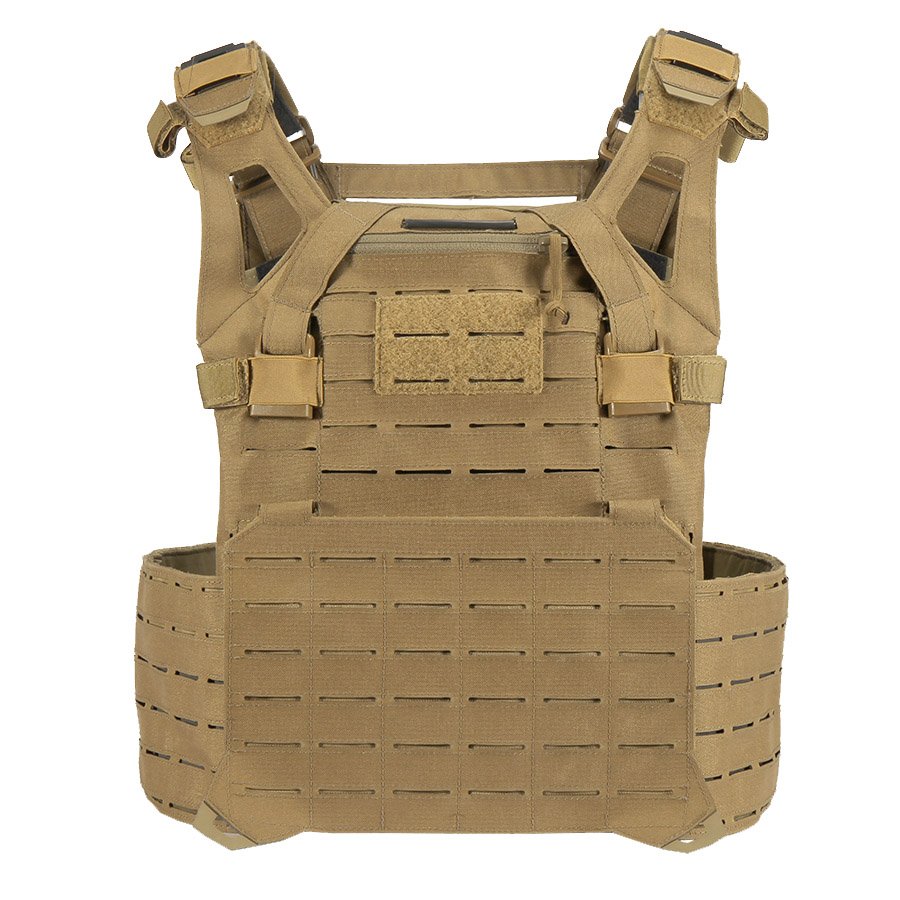
Lightweight Plate Carrier With Pouches Coyote Brown
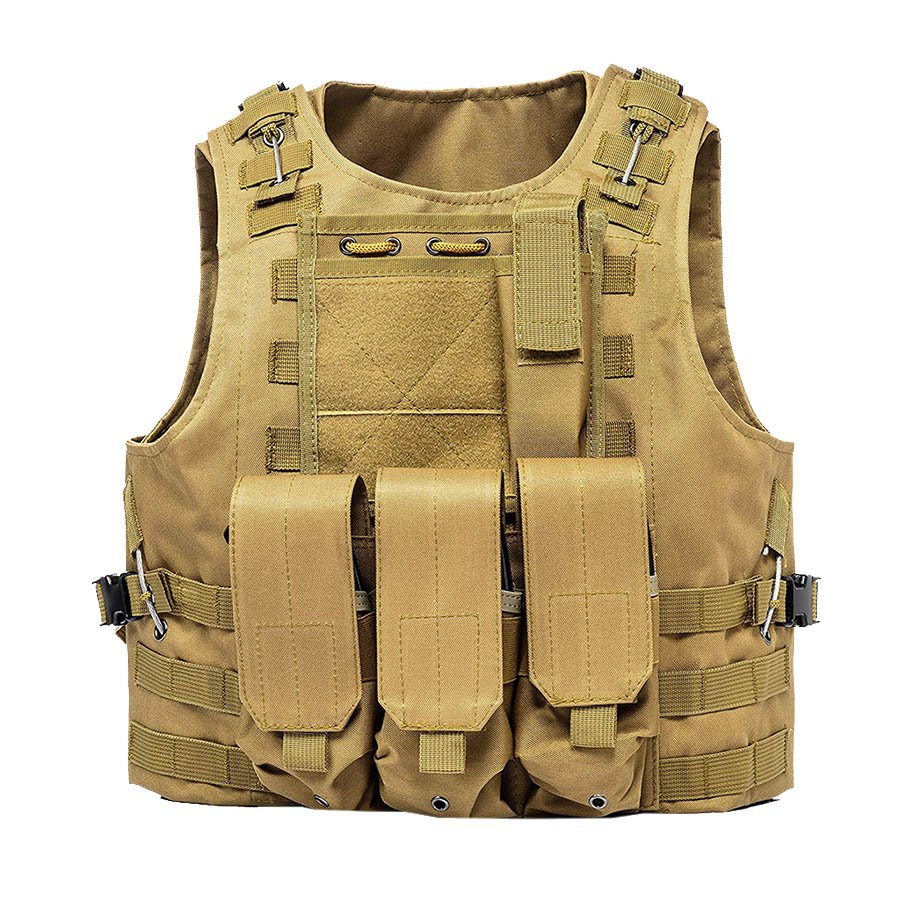
Tan Magazine Carrier Vest With Molle Webbing
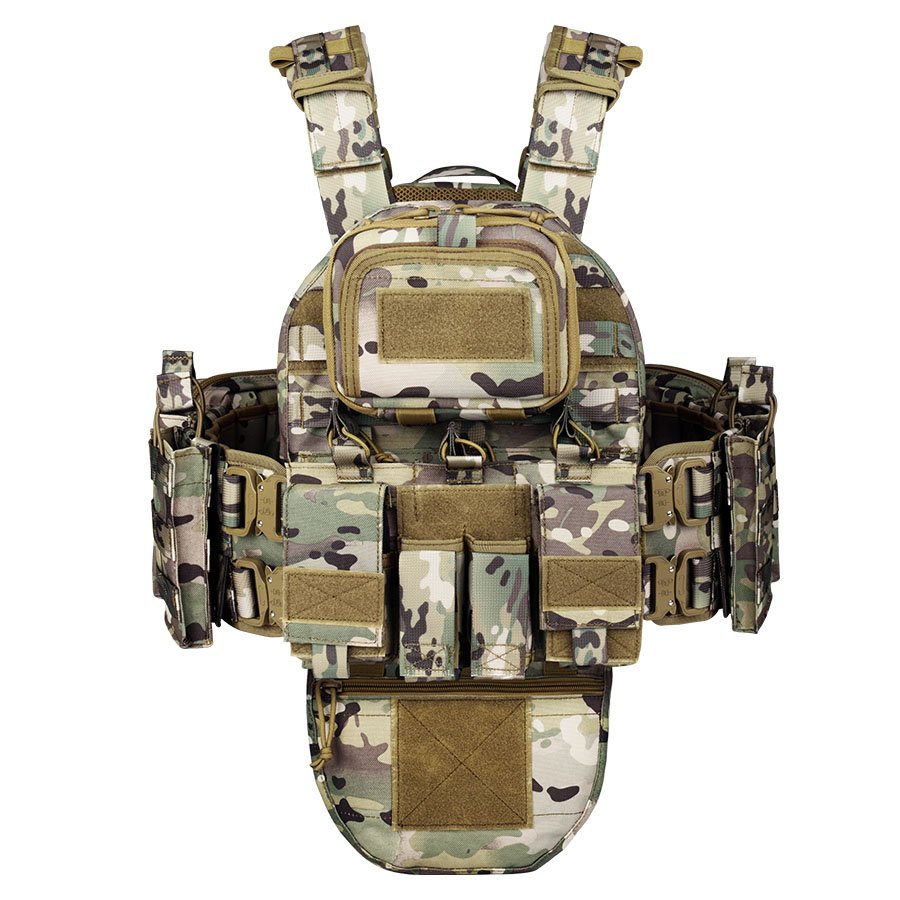
Quick-release Tactical Body Armour Camouflage
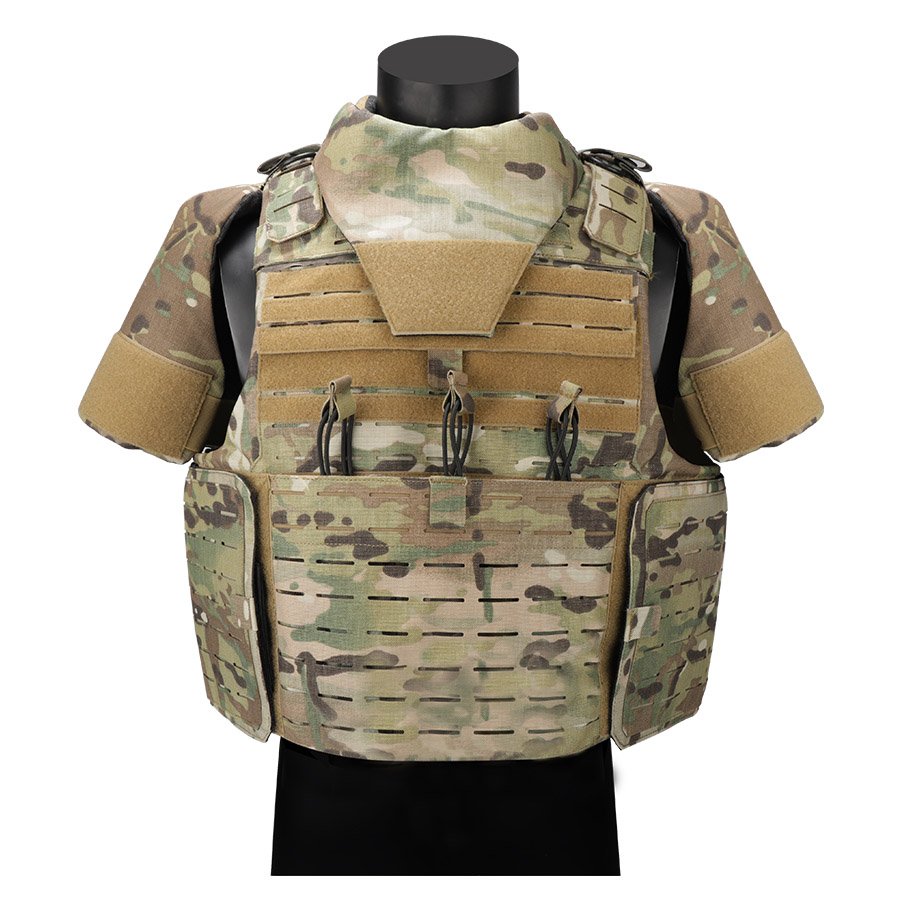
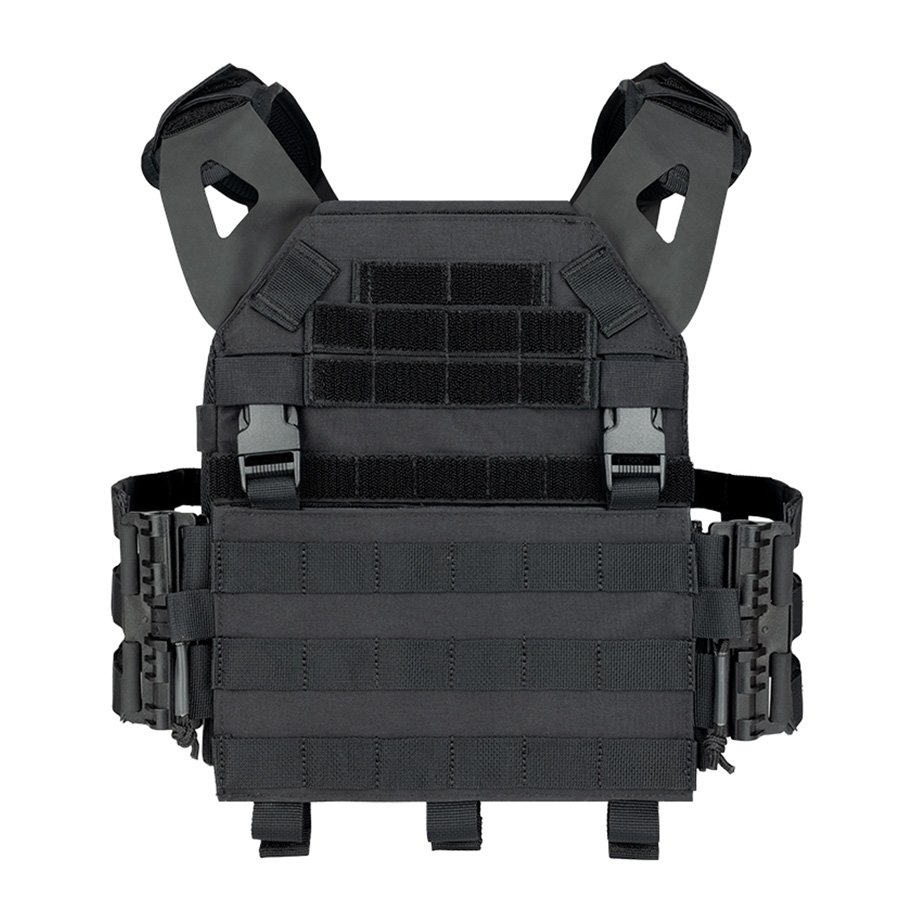
Lightweight Black Plate Carrier Vest-Armorguard
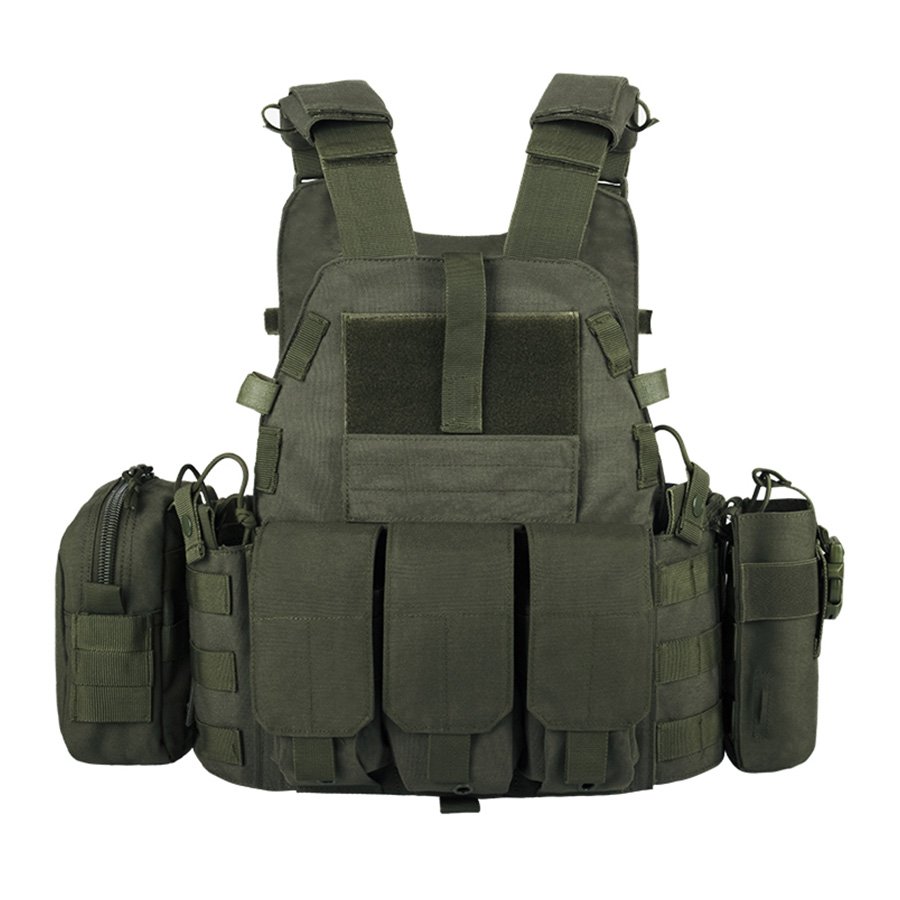
Lightweight Plate Carrier With Pouches Wholesale
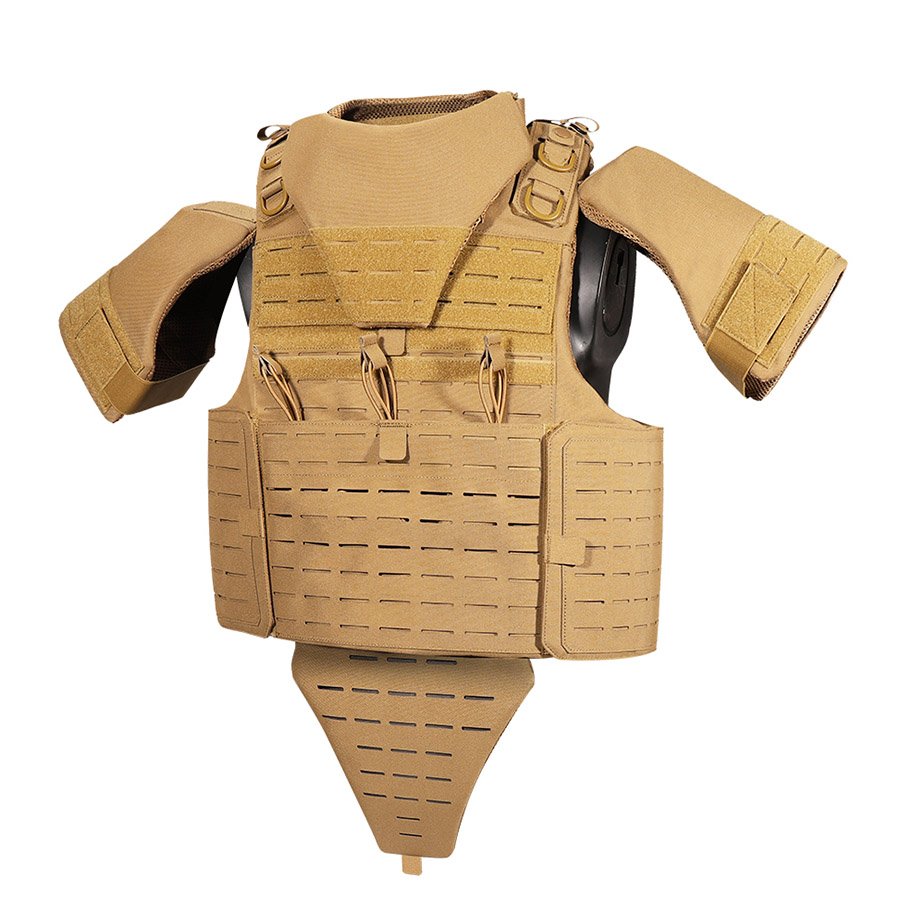
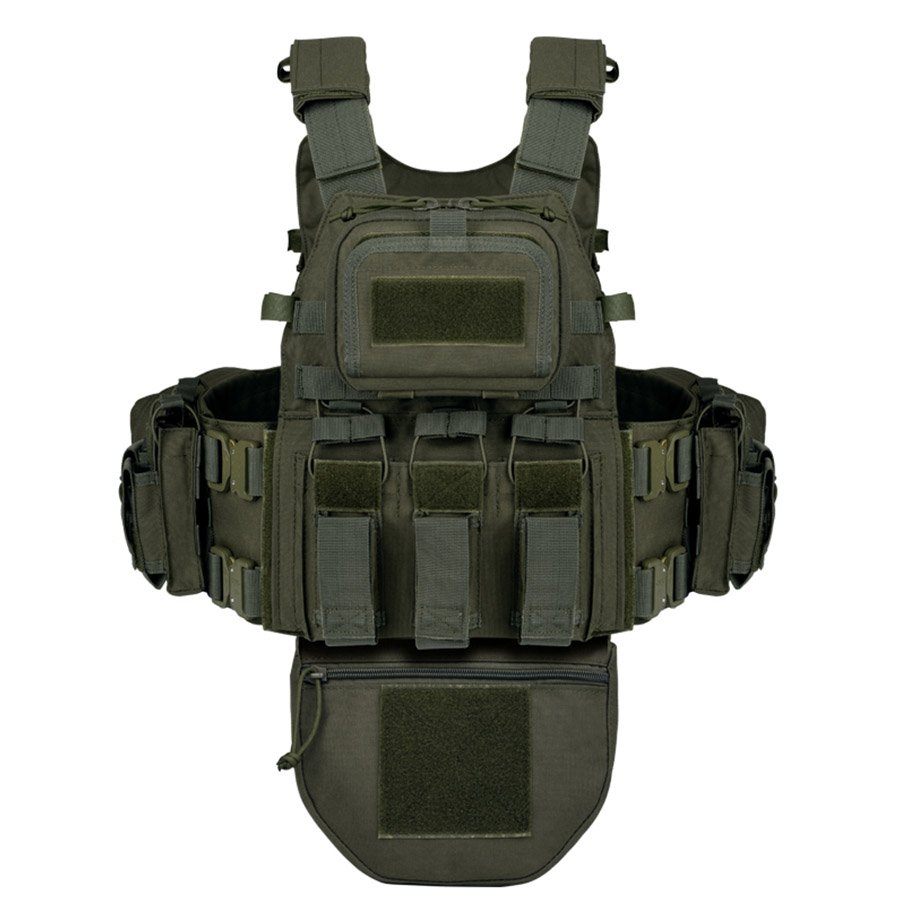
Armor Plate Carrier With Magazine Pouches
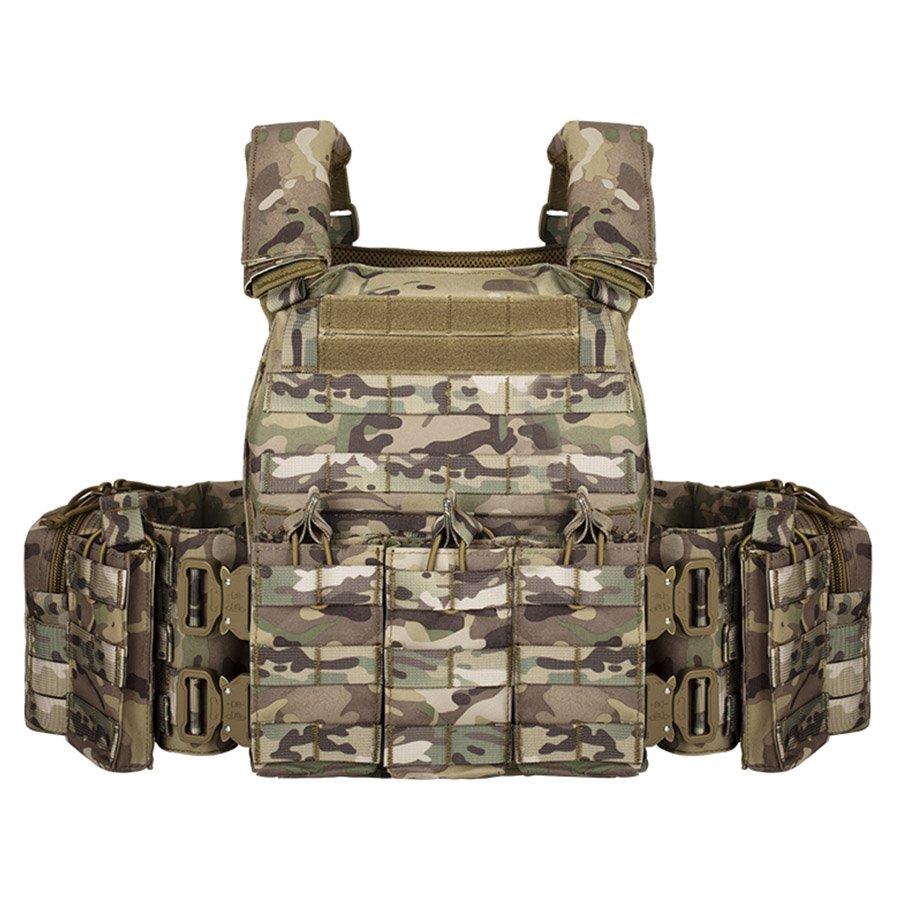
Armorguard Camo Molle Tactical Vest With Magazine Pouches


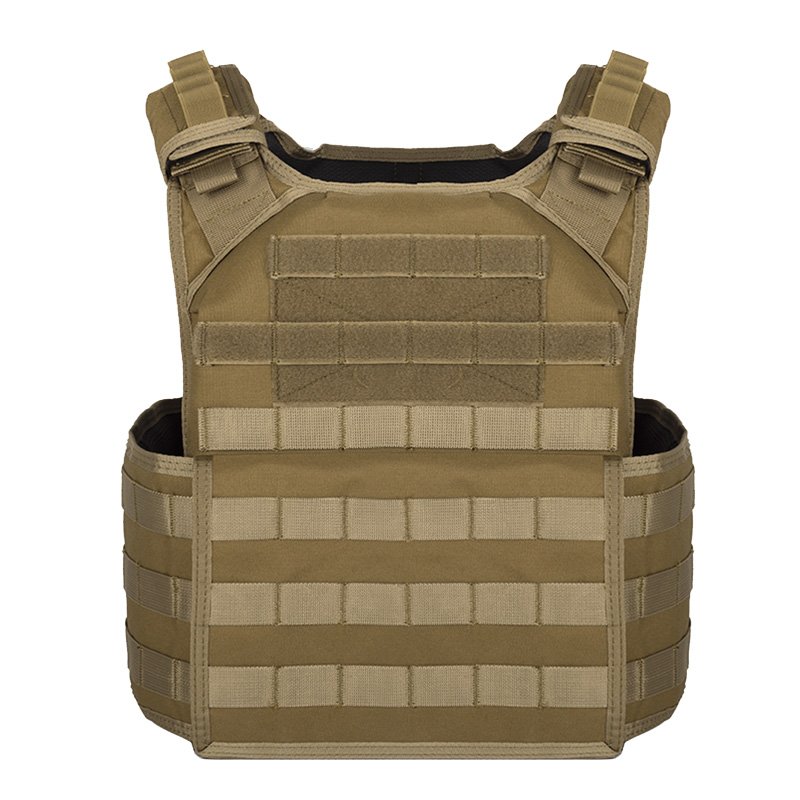
Tan Lightweight Plate Carrier With Molle System

Tactical Plate Carrier Vest Hydration Compatible
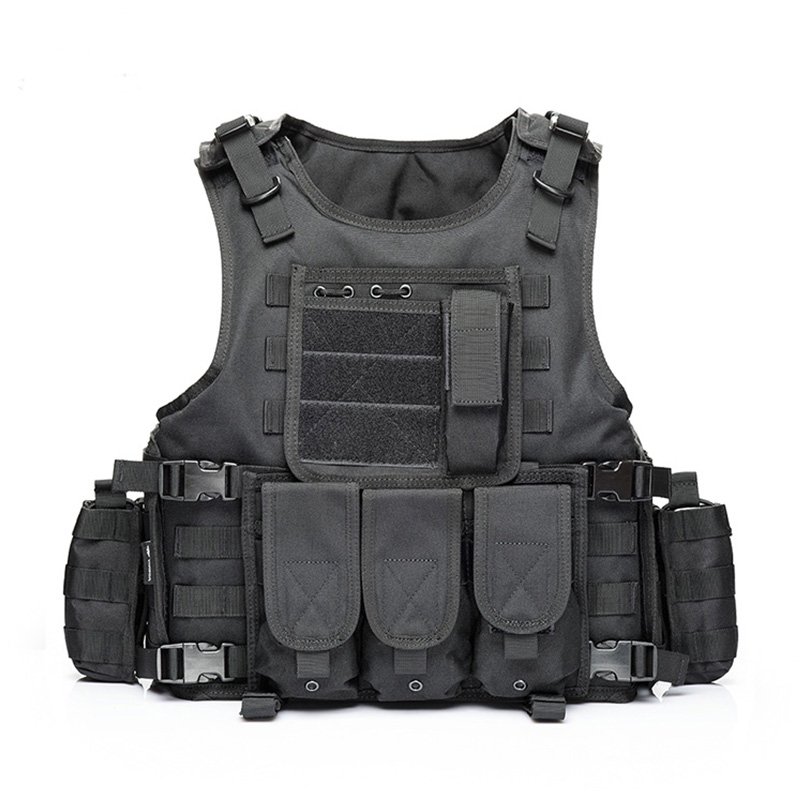
Durable Police Vest Carrier For Law Enforcement
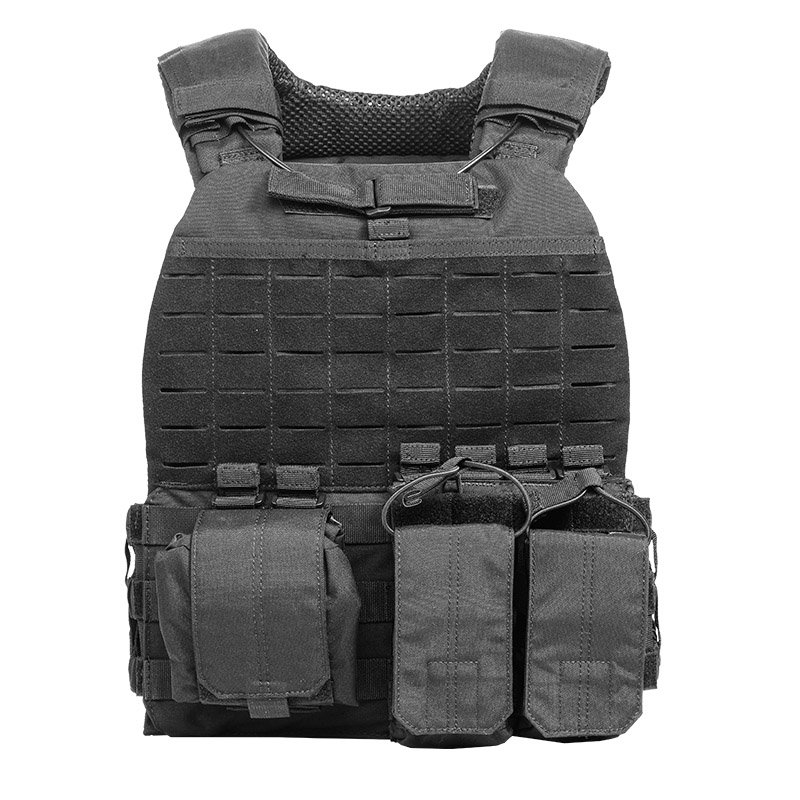
Adjustable Straps Tactical Molle Vest Gray
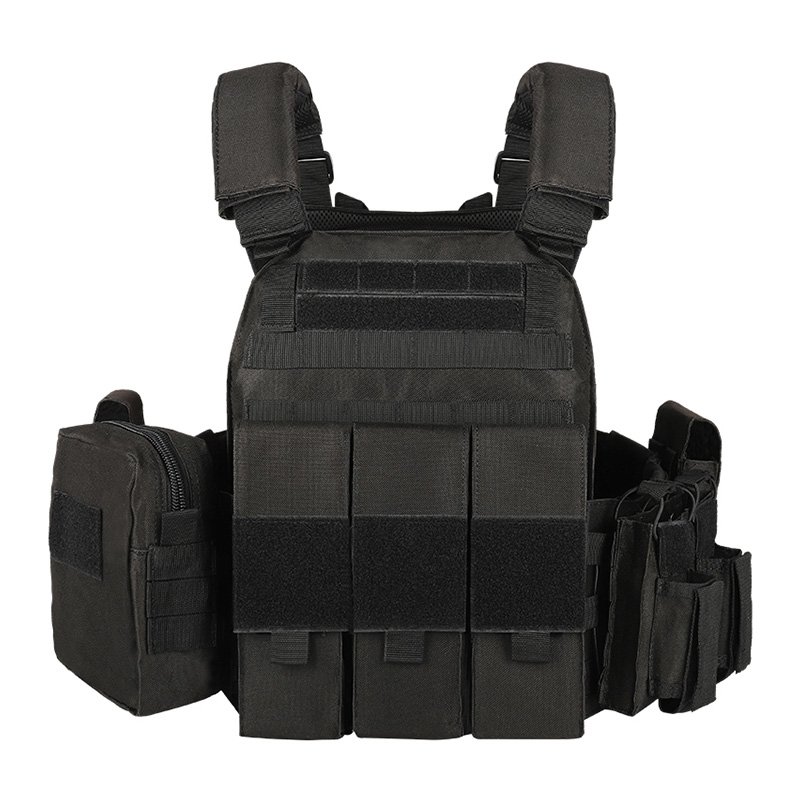
Military Plate Carrier With Mag Pouches Black
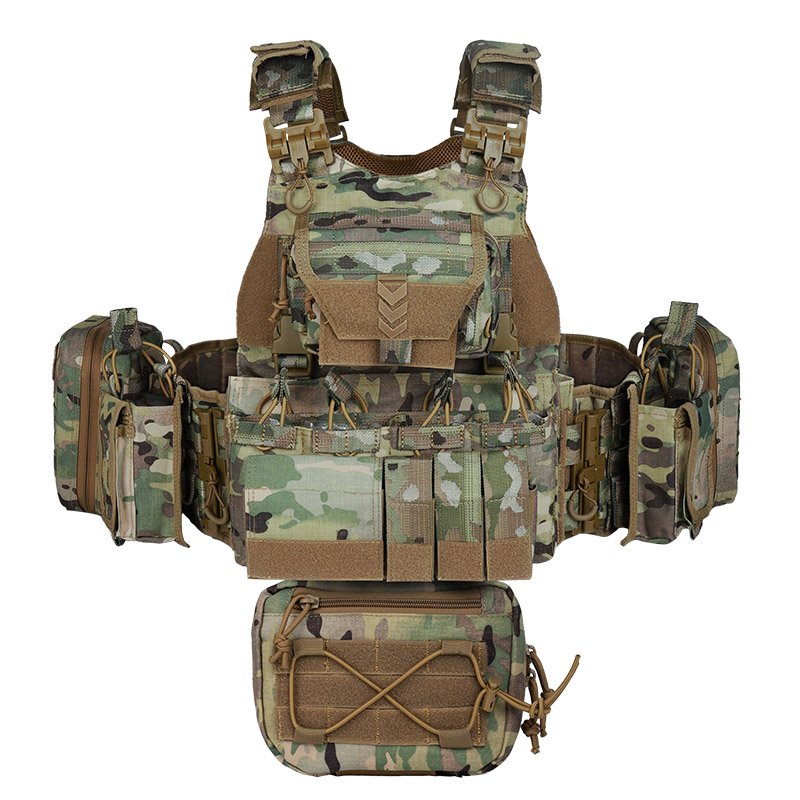
Quick Release Tactical Body Armor With Pouches
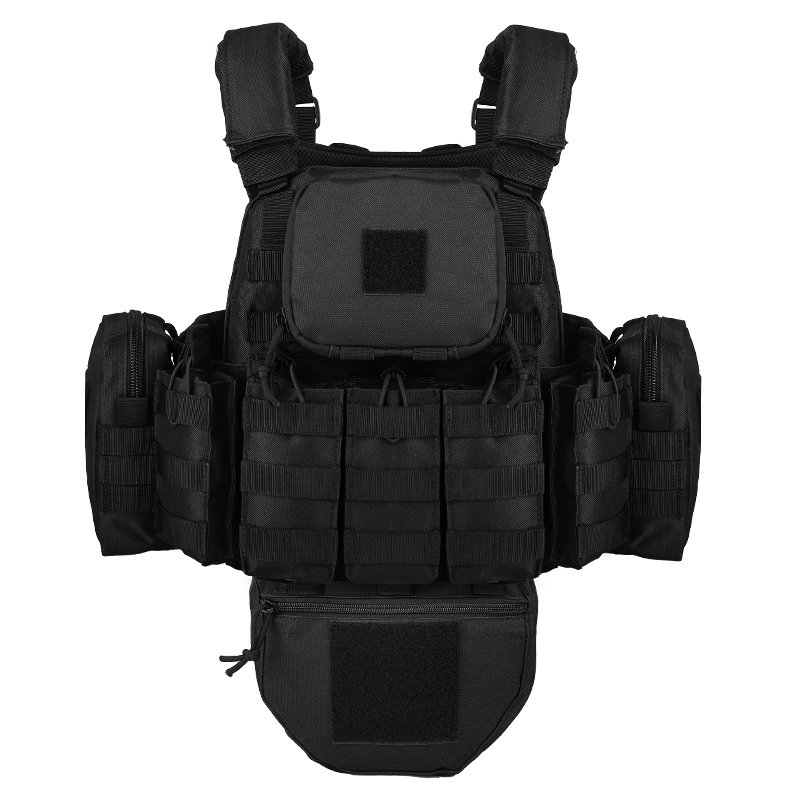
Multi Functional Tactical Plate Carrier Vest in Black
8.What Does Nij Certified Mean, and Why is It Important?
NIJ certified means that the body armor has been tested and listed as compliant with the applicable standards of the National Institute of Justice (NIJ) in the United States. These standards evaluate the performance of armor under specific ballistic threats.
This is important because it can help buyers verify protection claims and compare products. Please make sure to check the official NIJ compliant product list, as not all products advertised as “NIJ certified” are actually listed.
9.What is the Difference Between Nij Level IIIA, Level III, and Level IV ?
Level IIIA is the top soft armor rating. It stops most handgun rounds, including .44 Magnum and .357 SIG, while staying flexible and relatively light.
Level III steps up to hard plates. These handle standard rifle rounds like 7.62 NATO, the kind you’d face from many assault rifles.
Level IV is the highest. Its plates stop armor-piercing rifle rounds, including .30-06 AP, making it the go-to for serious high-threat situations.
10.Which Body Armor Level Stops Rifle Rounds (E.g., 5.56 Nato, 7.62x39, .30-06 Ap)?
Level III plates stop most common rifle rounds like 5.56 and 7.62×39. Level IV is needed for armor-piercing ones such as .30-06 AP.
11.Can Level IIIA Soft Armor Stop Rifle Bullets?
No, Level IIIA soft armor only stops handgun rounds. Rifle bullets will punch straight through it.
12.Is Body Armor Stab-proof or Spike-proof Against Sharp Weapons?
Most body armor are not stab proof or stab proof. A regular ballistic vest can stop bullets, but it can still be cut or punctured by knives and spikes. You need special stab proof or dual-purpose armor to resist sharp weapons.
13.Ceramic Vs. Steel Vs. Pe (Uhmwpe) Armor Plates: Which is Best?
There is no single ‘best’ plate – it depends on what you need. Ceramics are lightweight and have good resistance to high-power or armor piercing rounds, but it can crack after a hit. Steel is very hard, can handle multiple shots, and has a lower cost, although it is heavy and can can send fragments flying.
UHMWPE (PE) plates are the lightest, can float in water, and have strong multi hit performance, but they are more expensive and not always as resistant to certain AP threats. Choose based on weight, threat level, and budget.
14.Why Do Tactical Experts Recommend Against Steel Body Armor ?
Steel plates can create dangerous spall—sharp metal fragments that fly off when a bullet hits. Those bits can injure your neck, face, or arms even if the plate stops the round. That’s why many experts prefer ceramic or PE instead.
Mesh Tactical Safety Vest With Reflective Strips

Green Mesh Tactical Vest Multiple Integrated Pouches

Fluorescent Safety Vest With Reflective Strips


Armorguard Black Airsoft Vest With Magazine Pouches
15.How Heavy is a Fully Loaded Plate Carrier System?
A fully loaded plate carrier usually weighs 15–30 pounds (7–14 kg). That includes front and back plates, maybe side plates, plus mags and gear. It depende on the armor plates, carrier, magazines, pouches, and other gear.
16.How Do I Properly Fit and Position a Plate Carrier on My Torso?
Position the front plate so the top sits just below your collarbone and the bottom stays above your navel. Keep the sides snug but still let you breathe easily. Adjust the shoulders so it rides high and doesn’t shift when you move. Check comfort, stability, and mobility while standing, sitting, and moving.
17.Should Armor Plates Sit Over the Stomach or Cover the Sternal Notch?
The top of the plate should sit right around the sternal notch, just below your collarbone. Keep the bottom above your navel so it covers the heart and lungs without hanging over the stomach and limiting movement.
18.What is the Difference Between SAPI, ESAPI, Shooter's Cut, and Swimmer's Cut Plates?
SAPI (Small Arms Protective Insert ) and ESAPI (Enhanced SAPI) refer to military armor plate types. SAPI plates are the standard military shape—basically a rectangle with the corners clipped for a solid mix of coverage and movement. ESAPI is the upgraded version of that same shape, built to stop tougher threats like armor-piercing rounds.
Shooter’s cut trims the upper corners more so you can shoulder a rifle easier. Swimmer’s cut goes even further with bigger side cuts for max mobility, though you lose a bit of side coverage.
19.What is a Cummerbund on a Plate Carrier, and How Should It Fit?
Cummerbundle is a wide side panel that wraps around your torso and connects the front and back of the plate carrier. It helps to maintain stability and usually provides space for placing mages or other gear.
It should be tightly attached to the body so that the plate doesn’t move around, but still allows you to breathe and move freely. Tighten it enough to feel secure without digging in or restricting your ribs.
20.Do I Need Trauma Pads Behind Hard Armor Plates?
Yes, trauma pad is a good idea. Hard board can stop bullets, but the impact force can still bruise or crack the ribs. The trauma pad behind the plate absorbs some blunt force, making the hit a lot more survivable.
Military Plate Carrier Chest Rig Multicam Color


Armorguard Modular Multicam Chest Rig With Molle

21.What Are the Top-rated Plate Carrier/Body Armor Brands on the Market?
Popular plate carrier brands include Crye Precision, Spirit Systems, Ferro Concepts, and Agilite. Other well-known brands include FirstSpear, LBT, and TYR Tactical. The best choice depends on fit, durability, comfort, intended use, and verified armor compatibility.
If you are looking for a reliable supplier or brand for body armor, please check out this article: Top 18 Body Armor Suppliers

22.What is the Best Budget-friendly Plate Carrier for Entry-level Setups?
For entry-level setups, you could look for well-known brand plate carriers that have durable stitching, adjustable straps, and standard plate compatibility. Compare the options of Condor and other budget friendly manufacturers, and check the size, reviews, and materials before purchasing.
23.What is the Best Body Armor Setup for Civilian Home Defense Vs. Law Enforcement/duty Use?
For home defense, a lightweight IIIA soft vest or a simple plate carrier with IIIA plates is usually enough – quick to throw on and easy to move in.
Duty use needs a tougher plate carrier with a Level III or IV plates, side coverage, and space for radios, mags, and gear that can handle long shifts.
24.Is It Legal for Civilians to Buy and Own Body Armor in the United States?
Yes, most American civilians can legally buy and own bulletproof vest / body armor. In many states, the main exception is convicted felons, with a few places having additional regulations. Be sure to carefully check the local laws to ensure that nothing goes wrong.
25.Can You Travel or Fly on a Commercial Airplane With Body Armor?
Generally speaking, yes. Body armor is usually allowed in carry-on or checked luggage on U.S. flights, but airline policies and destination laws may vary.
Before traveling, especially international travel, please check TSA guidelines, airline rules, and local regulations.
26.Does Body Armor or Ceramic Plates Have an Expiration Date?
Yes, body armor and ceramic plates usually have a manufacturer’s specified service life, typically around 5-10 years, depending on the product. Heat, moisture, impact, and improper storage can all affect performance.
Always check the labels and follow the manufacturer’s inspection and replacement guidelines.
27.How Do You Clean, Wash, and Maintain Tactical Vests and Ballistic Panels?
Before cleaning the vest, remove the ballistic panels first. Wash the carrier with mild soap and a sailor, then air dry. Do not machine wash, soak, or use chemicals on ballistic panels unless specifically permitted by the manufacturer. Store the armor in a cool and dry place and regularly inspect it.