When I look at the body armor industry, I do not see a simple ranking of the “best” companies. Instead, I see a range of body armor brands that have earned their standing through years of sustained effort under real-world pressure.
As a tactical gear manufacturer, I have spent a great deal of time studying how these names built their enduring reputations. What follows is neither a buyer’s guide nor a supplier directory.
How Reputation Forms in Ballistic Protection
Body armor reputation is cumulative. It grows from repeated delivery under scrutiny—military programs, large law-enforcement contracts, independent testing regimes, and the quiet feedback that comes back from people who wear the gear every day.
The industry itself has moved through distinct phases. Soft armor became commercially viable in the 1970s. Hard plates expanded rapidly after the early 2000s. In the last decade the focus shifted toward lighter multi-threat solutions and better integration with carriers and load-bearing systems. Different companies played different roles in each phase.
Geography also left its mark. American body armor brands often developed under the tight feedback loops of domestic law enforcement and special operations. European body armor companies tended to emphasize multi-threat protection and modular systems shaped by different procurement cultures. Other regions brought scale, specific operational requirements, or unique manufacturing ecosystems.
Continuity and Institutional Trust
Some body armor brands became default references because institutions kept coming back to them over decades.
Point Blank Enterprises built its position through long involvement with U.S. military and federal programs. The company has absorbed and developed multiple product lines while maintaining a focus on both soft and hard solutions that meet rigorous certification standards. What stands out is the consistency of delivery across changing requirements.
Safariland followed a different path. It started with duty gear and expanded into armor, becoming deeply embedded in American law-enforcement supply chains. The brand’s reputation rests less on a single breakthrough and more on the volume of officers who have worn its products over many years of daily use.
In Europe, Mehler Protection (part of Mehler Systems) earned similar institutional standing. German engineering culture and a strong emphasis on multi-threat protection helped the company become a regular supplier to police and military users across the continent. The focus on complete systems—vests, helmets, and platform protection—reflects a different procurement tradition than the U.S. model.
BAE Systems brings a larger defense-contractor perspective. Its armor work sits inside a broader portfolio of military systems, which has allowed it to approach personal protection as one element of integrated survivability rather than a standalone product category.
Special-Operations and High-Mobility Focus
A second group of brands built recognition by solving problems that prioritized mobility, speed of issue, and feedback from operators who push equipment hard.
Velocity Systems grew out of the need for rapid, high-performance solutions for U.S. special operations and elite law-enforcement units. The company’s emphasis on custom work and short lead times reflects the operational tempo of its core users. Its carriers and armor packages are often discussed in terms of how they fit into complete load-bearing systems rather than as isolated plates or panels.
NFM Group, based in Norway, developed a similar reputation in the European special-operations and military clothing space. The company’s background in combat clothing and load-bearing systems shaped an approach that treats armor as part of a larger modular ecosystem. Scandinavian design priorities around weight, function, and field practicality are visible in the work.
Hesco began with barrier systems but expanded into personal armor plates that gained traction with both military and law-enforcement users. The brand’s plates are frequently referenced for their balance of protection and weight in mobile operations. Production for the armor line has strong U.S. roots even though the parent company originated in the United Kingdom.
Marom Dolphin brings an Israeli perspective shaped by continuous operational demand. The company’s plate carriers and load-bearing equipment developed under conditions that leave little room for theoretical design. That pressure shows in the practical, field-oriented details of the products.
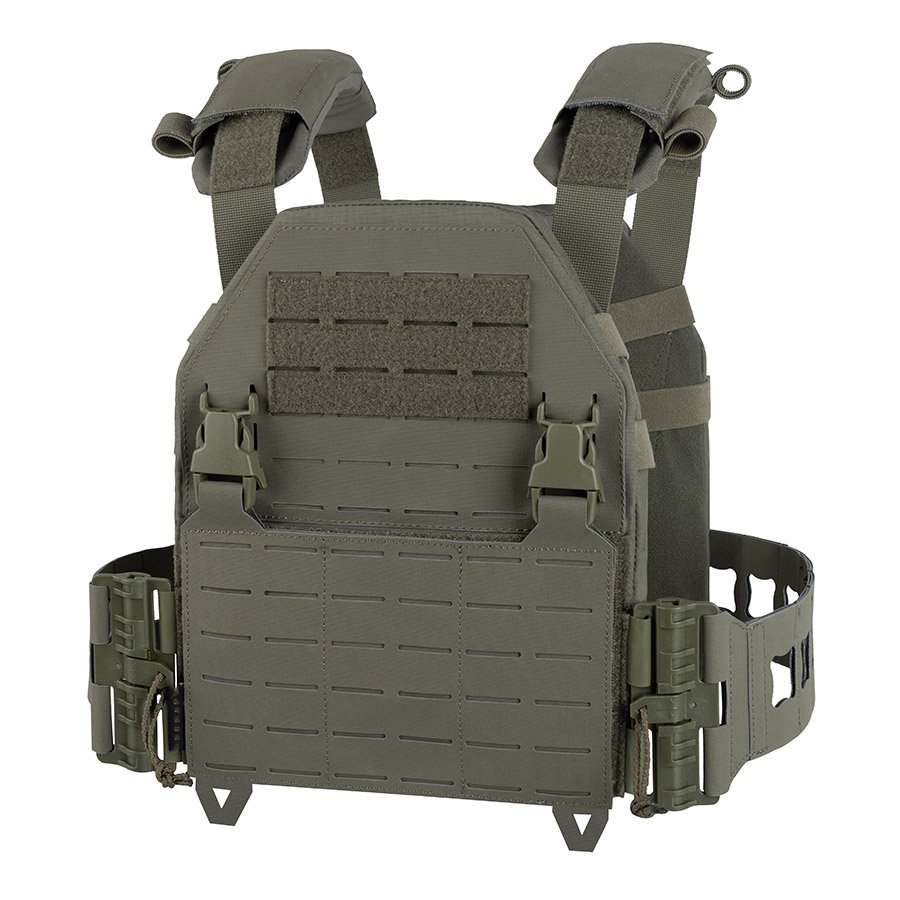
Lightweight Modular Plate Carrier Vest Armorguard
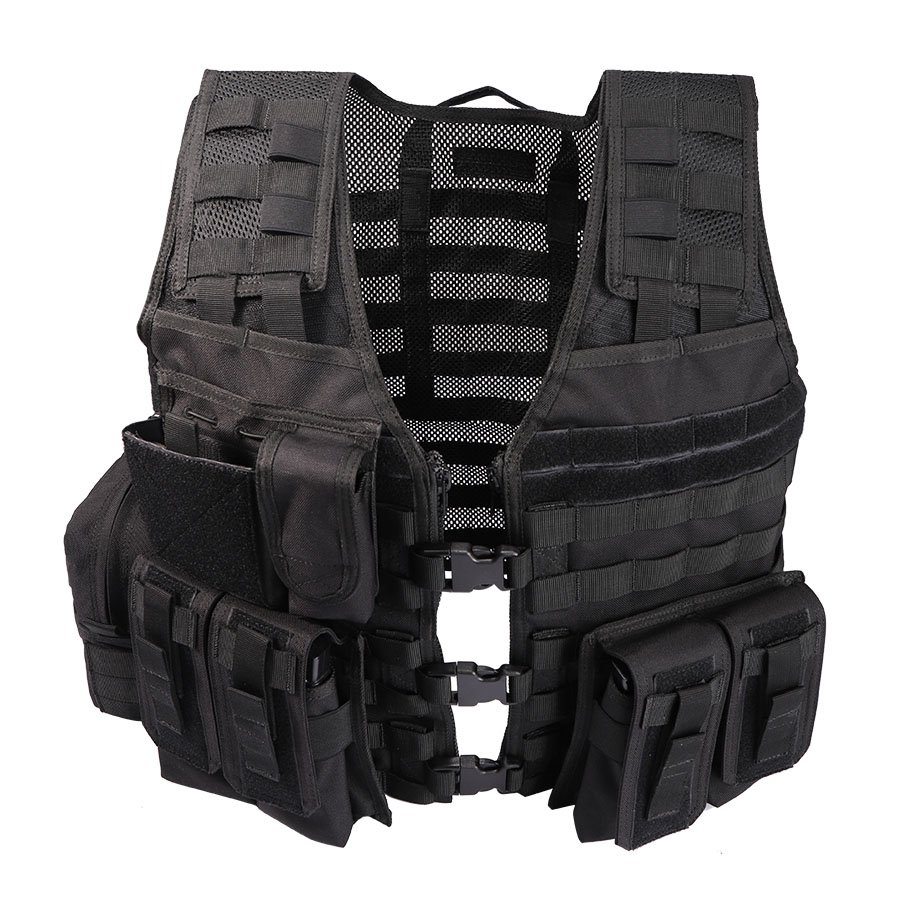
Lightweight Police Outer Vest With Magazine Pouches
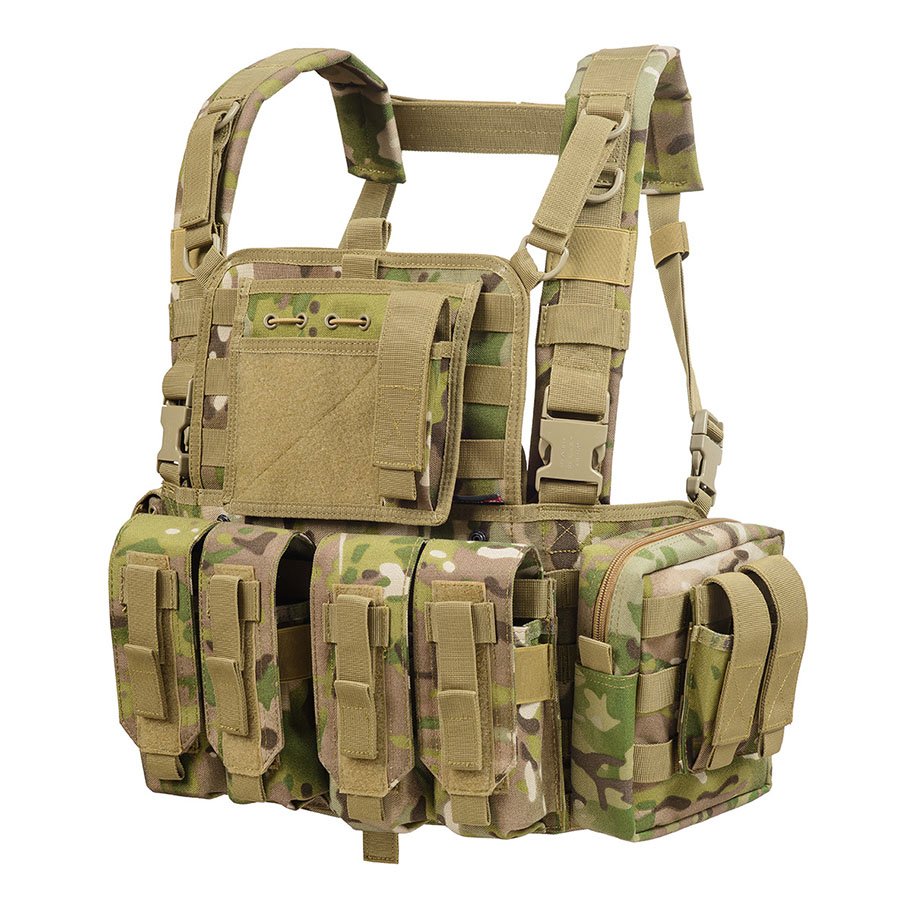
Military Plate Carrier Chest Rig Multicam Color
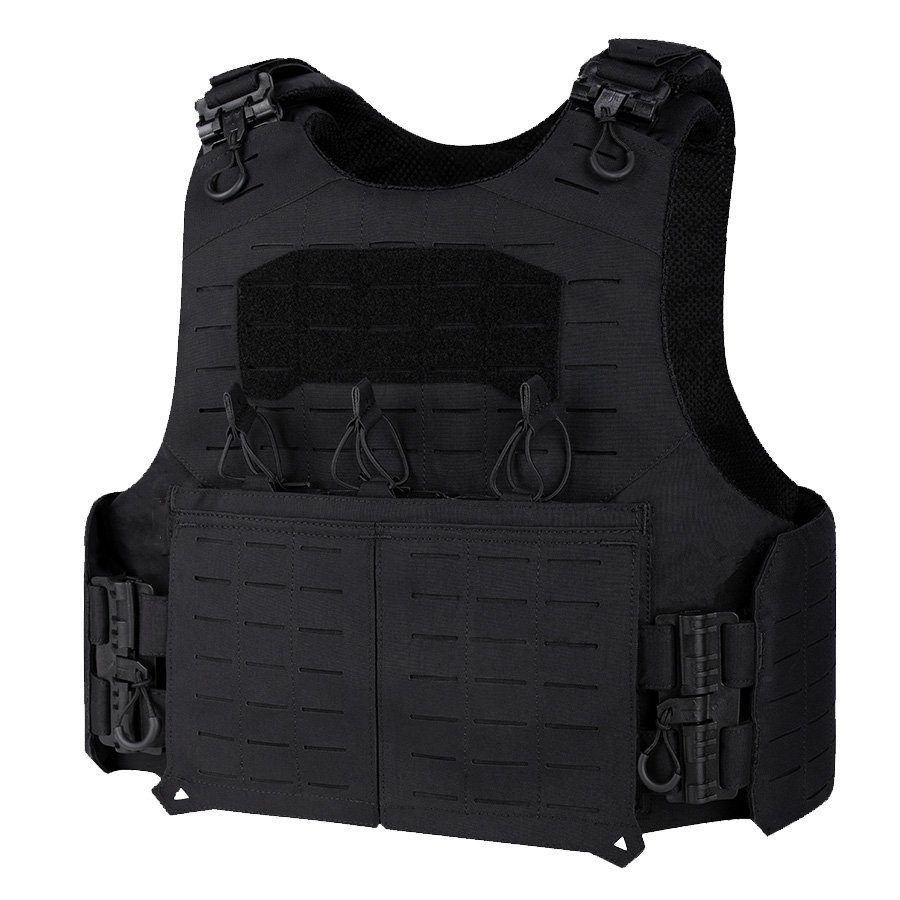
Lightweight Black Plate Carrier Vest Laser Cut Molle
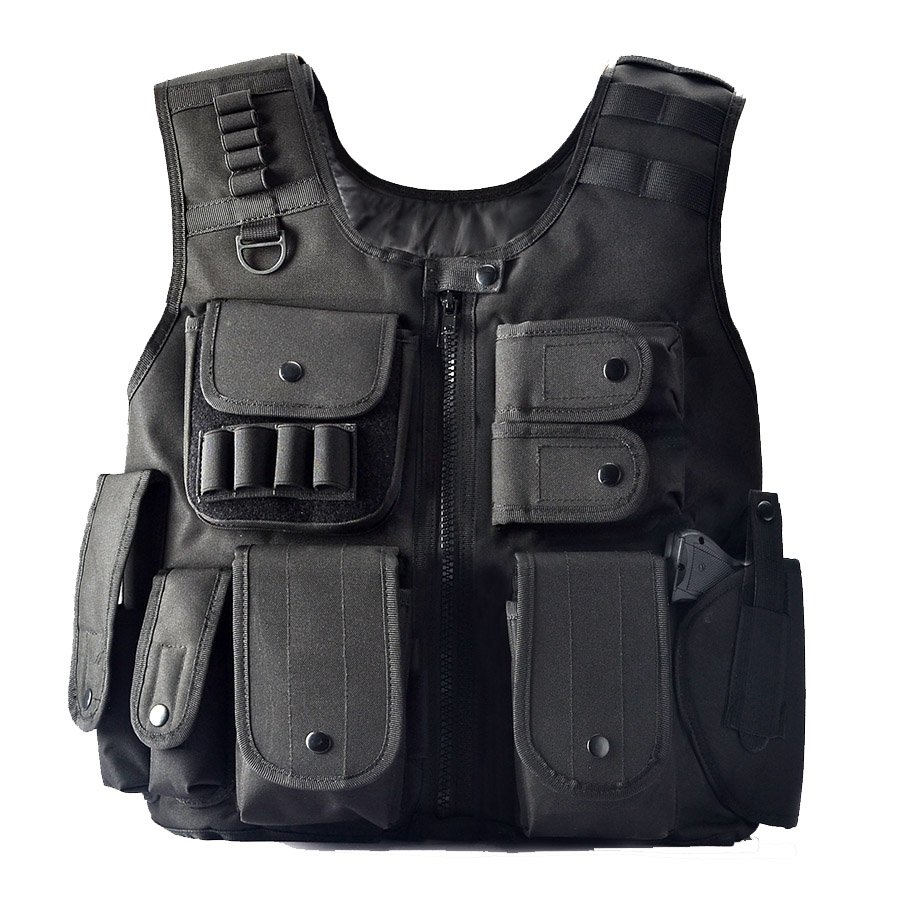
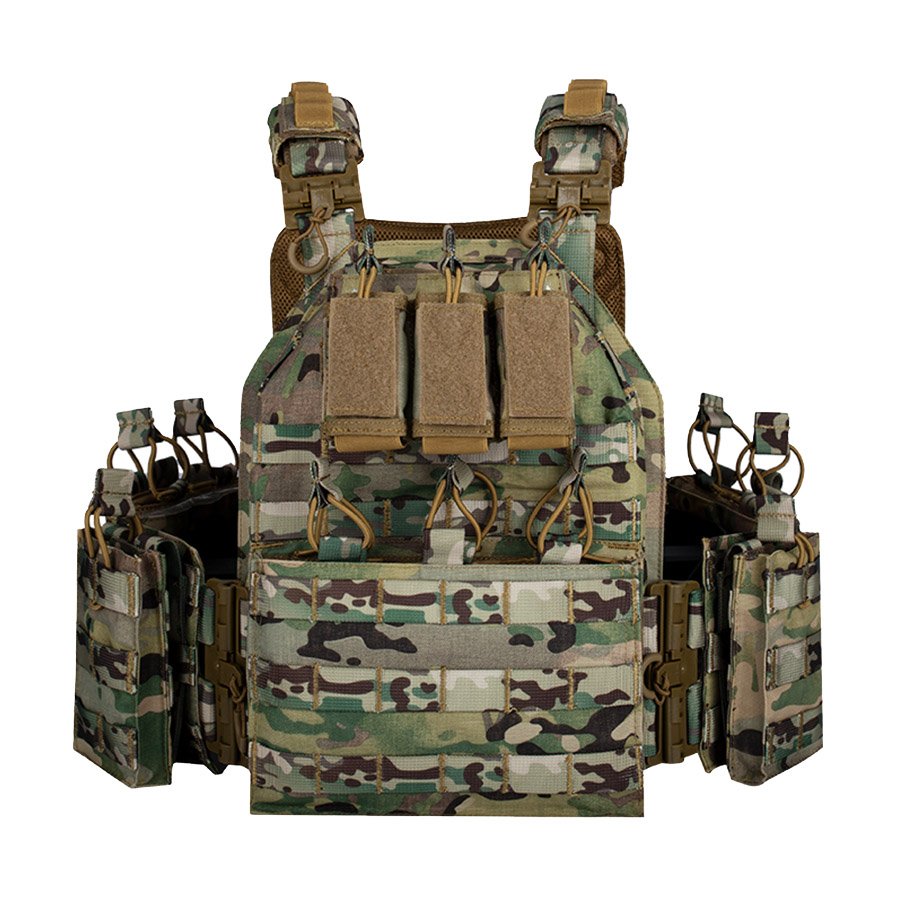
Camo Ballistic Plate Carrier With Magazine Pouches
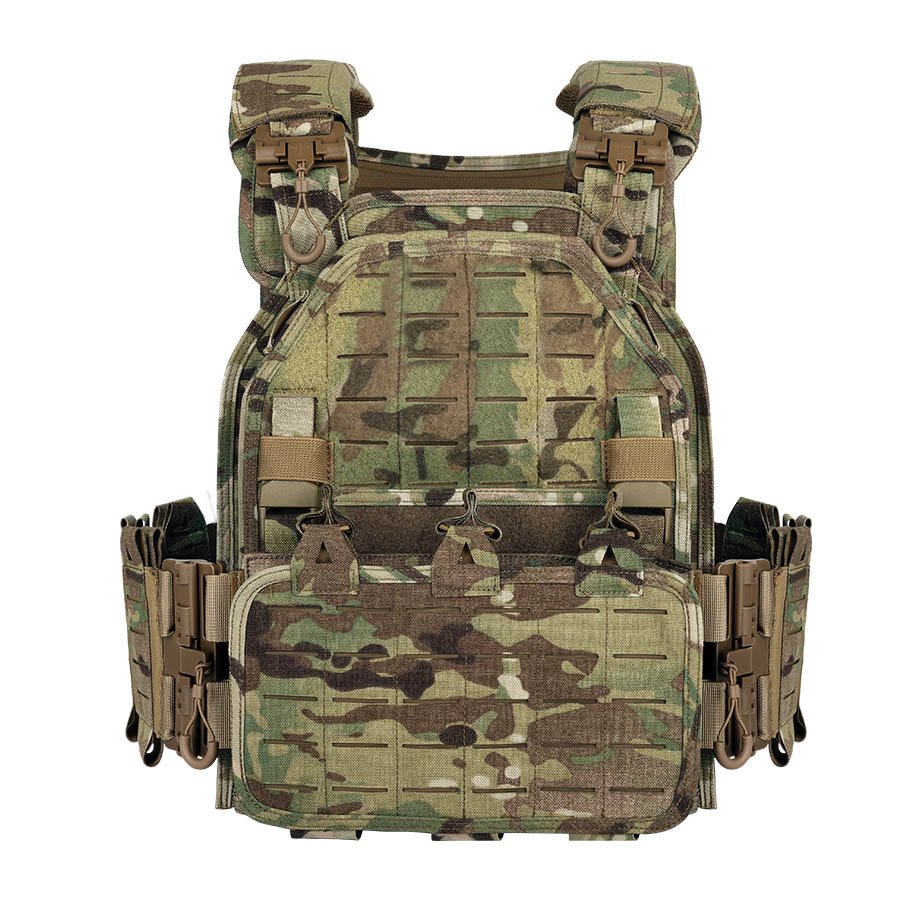
Best Multicam Plate Carrier With Laser Cut Molle
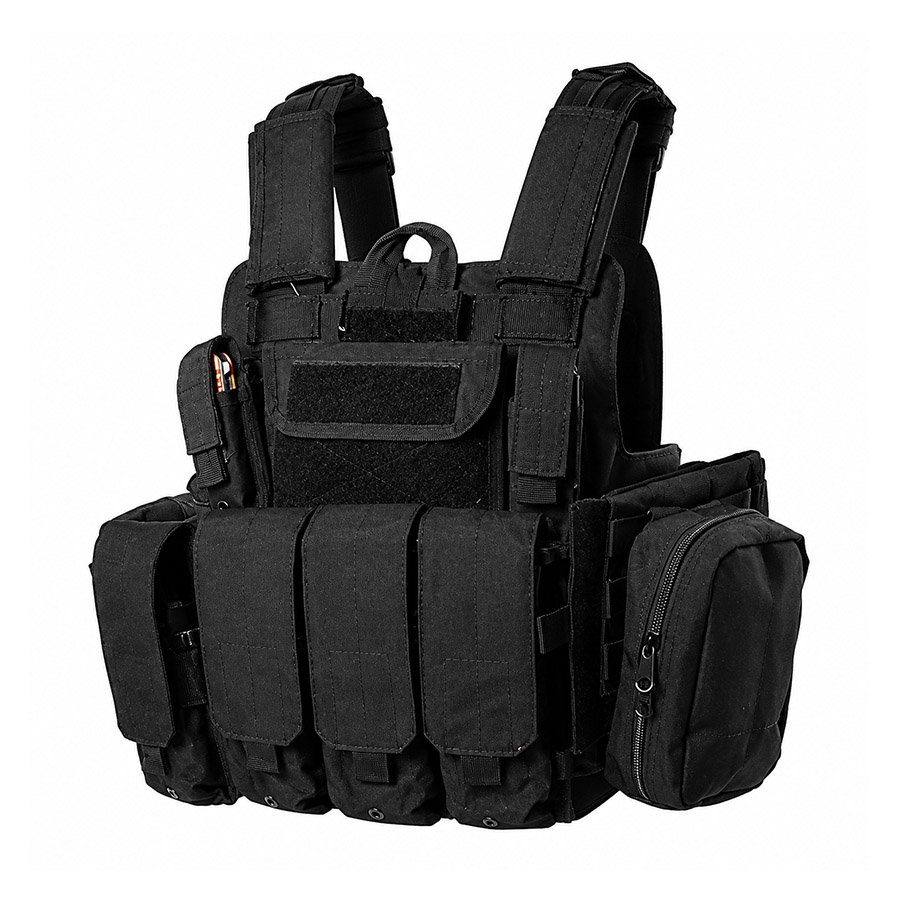
Molle Black Tactical Vest With Integrated Pouches
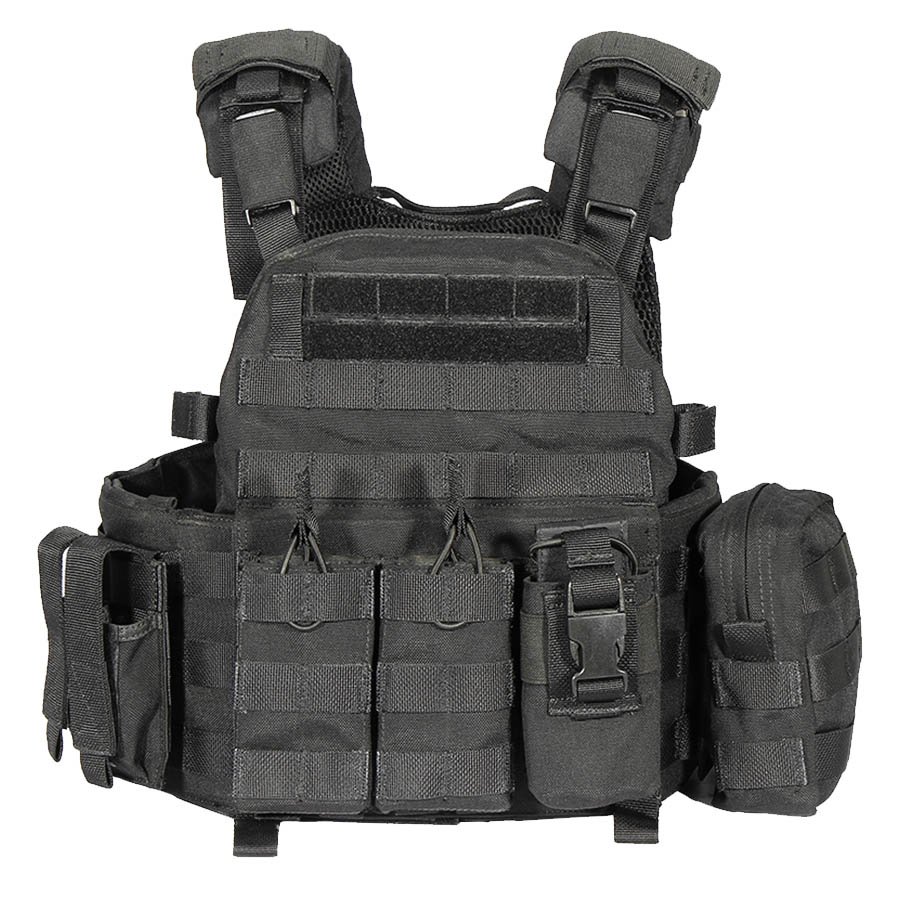
Best Military Plate Carrier With Side Pouches
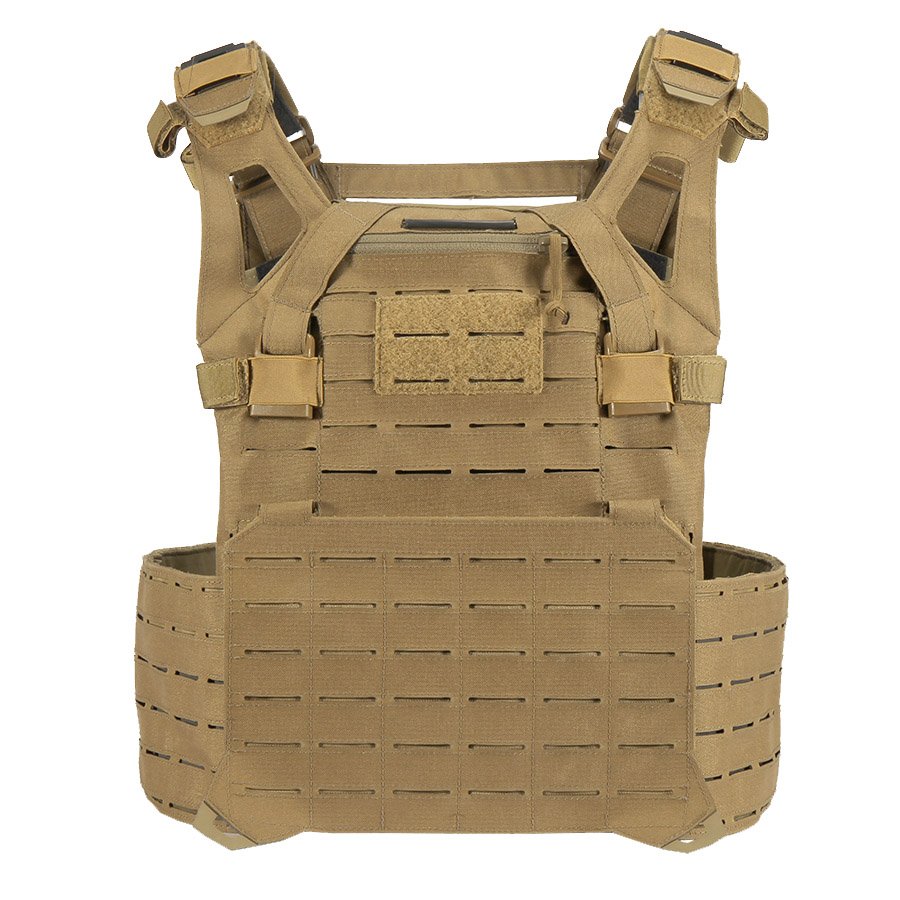
Lightweight Plate Carrier With Pouches Coyote Brown
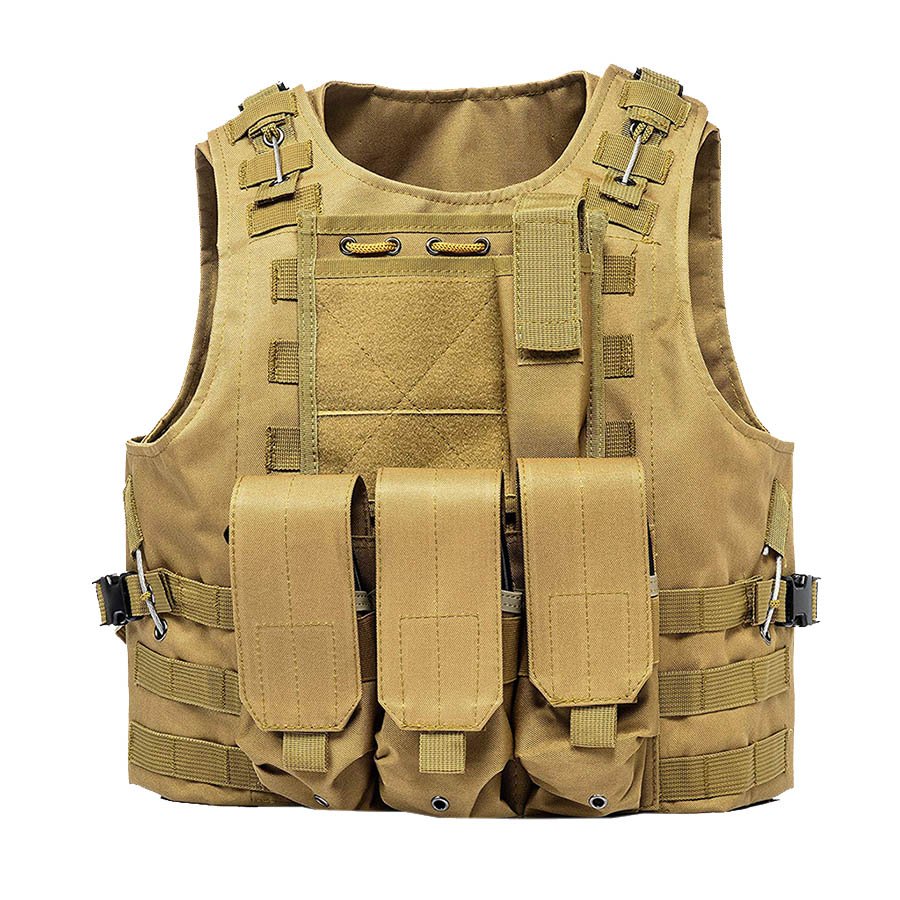
Tan Magazine Carrier Vest With Molle Webbing
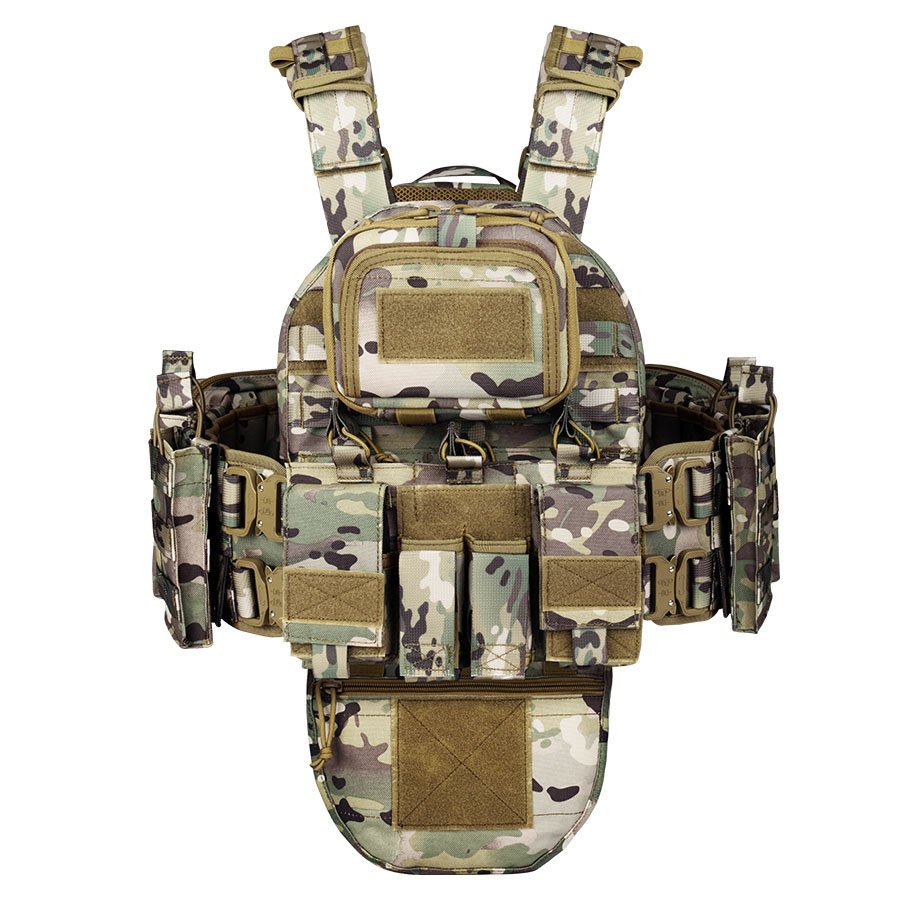
Quick-release Tactical Body Armour Camouflage
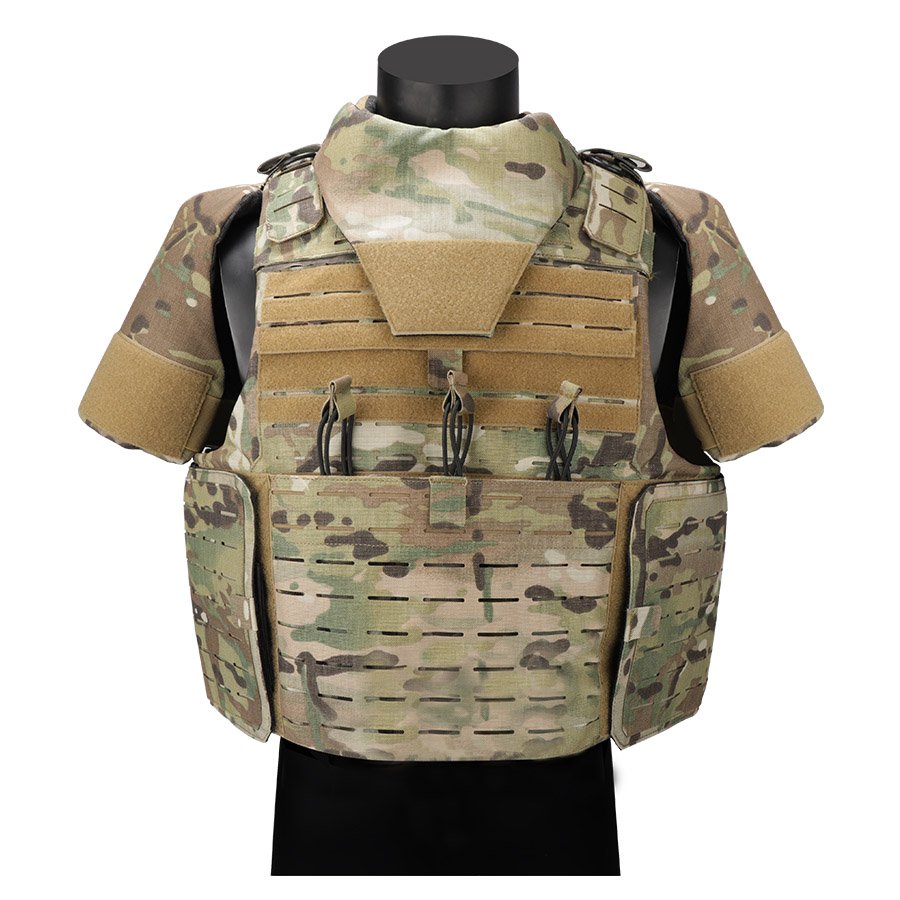
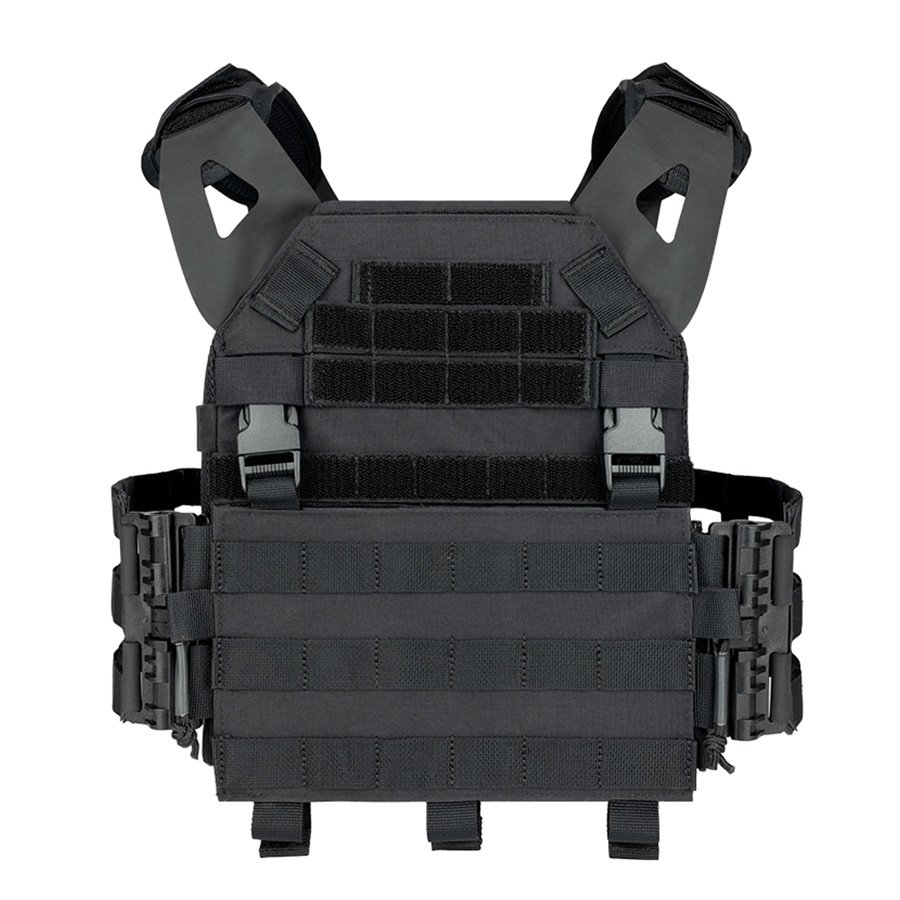
Lightweight Black Plate Carrier Vest-Armorguard
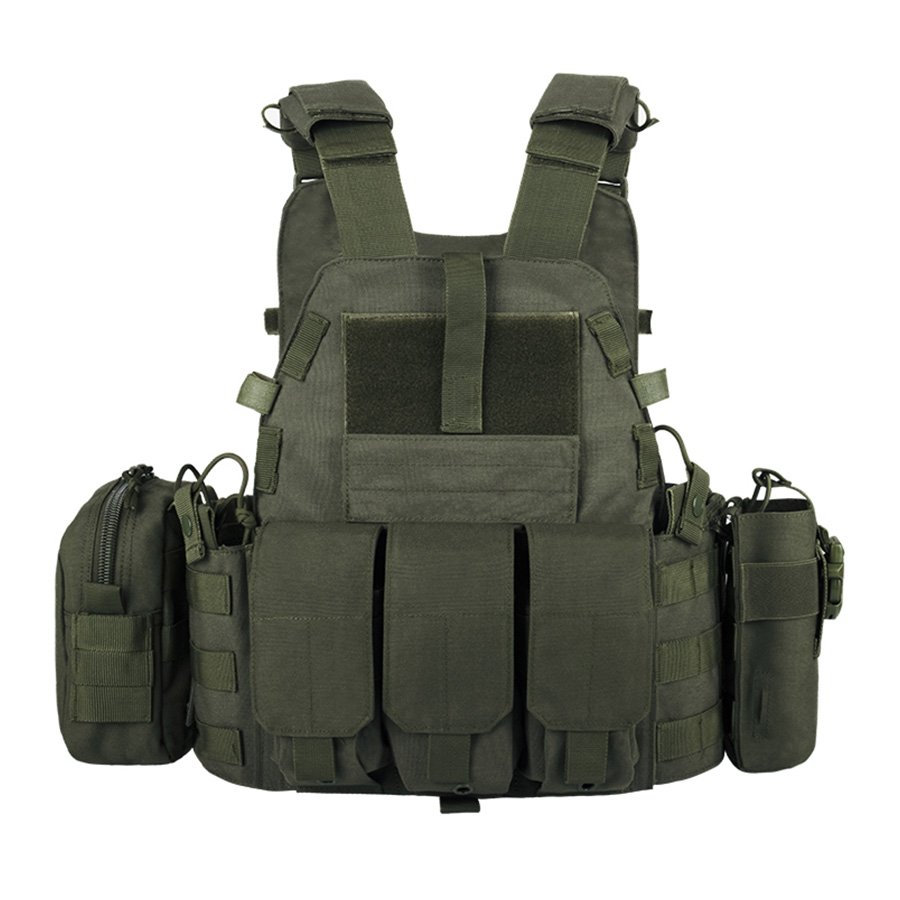
Lightweight Plate Carrier With Pouches Wholesale
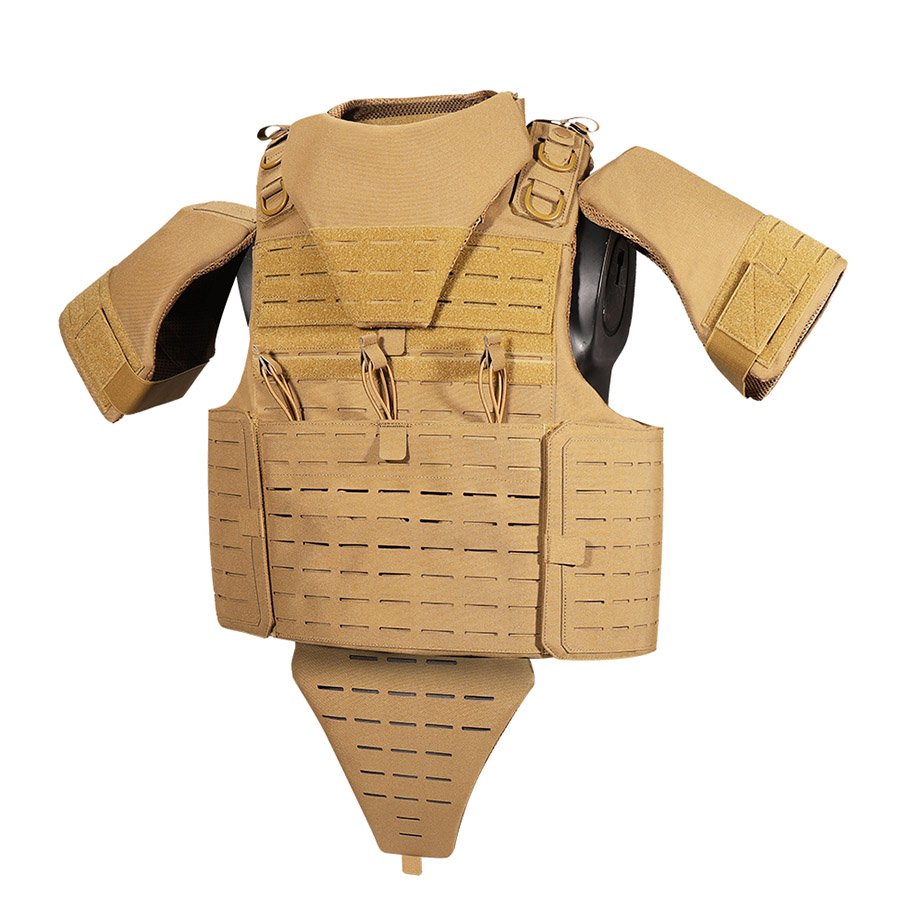
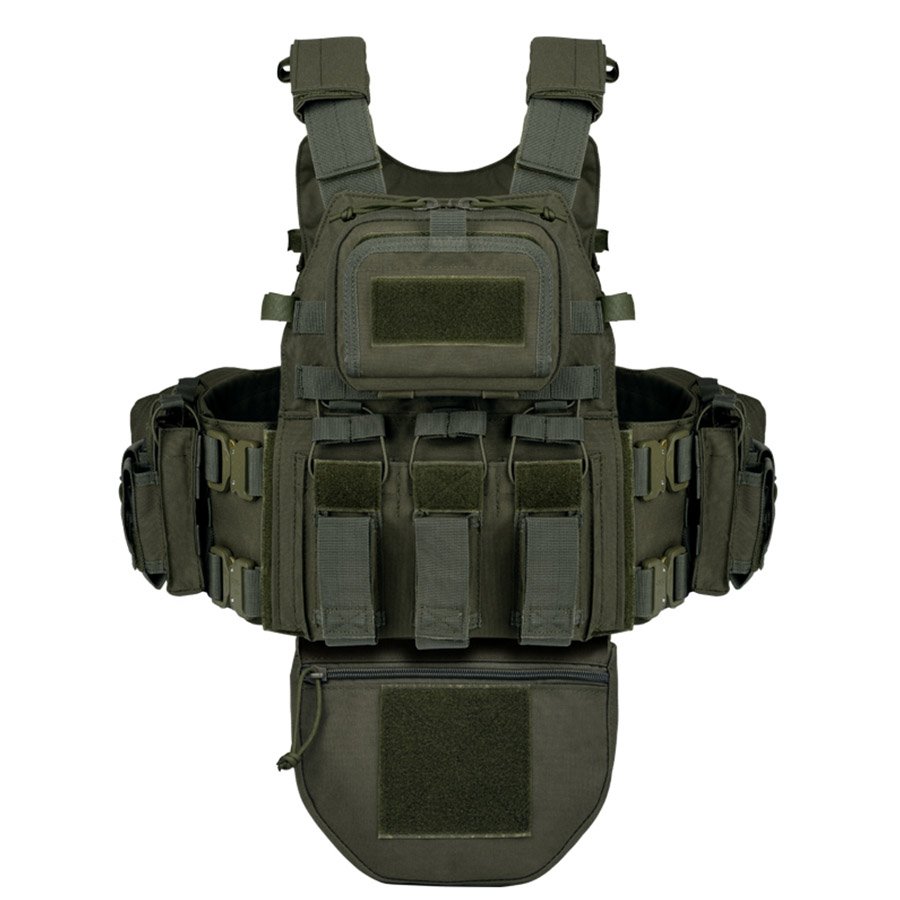
Armor Plate Carrier With Magazine Pouches
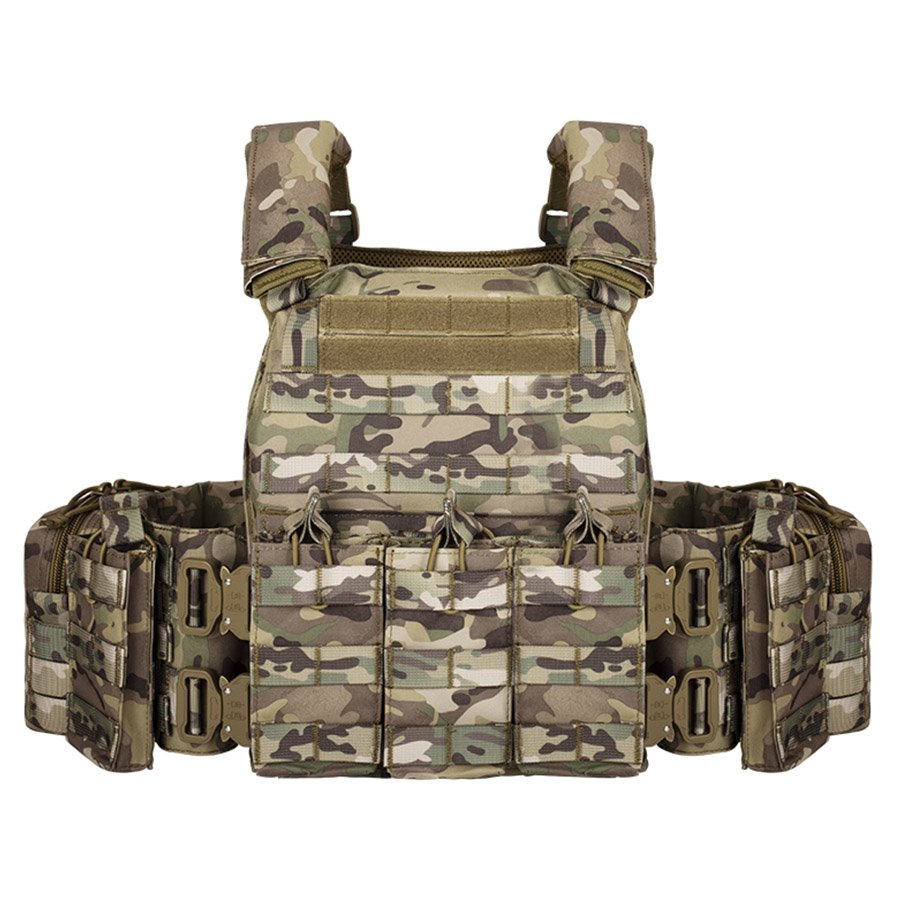
Armorguard Camo Molle Tactical Vest With Magazine Pouches


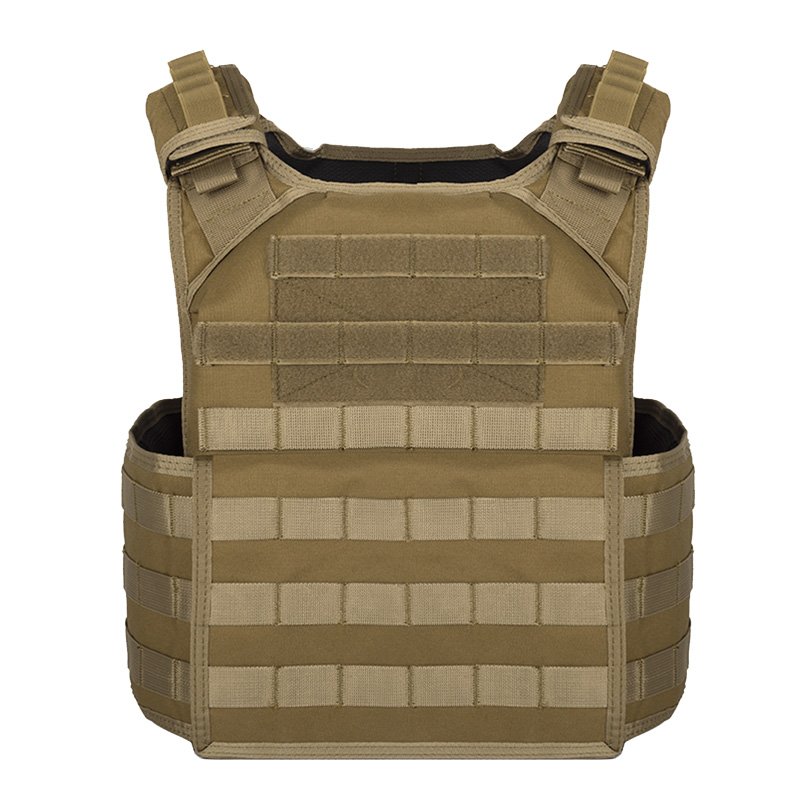
Tan Lightweight Plate Carrier With Molle System

Tactical Plate Carrier Vest Hydration Compatible
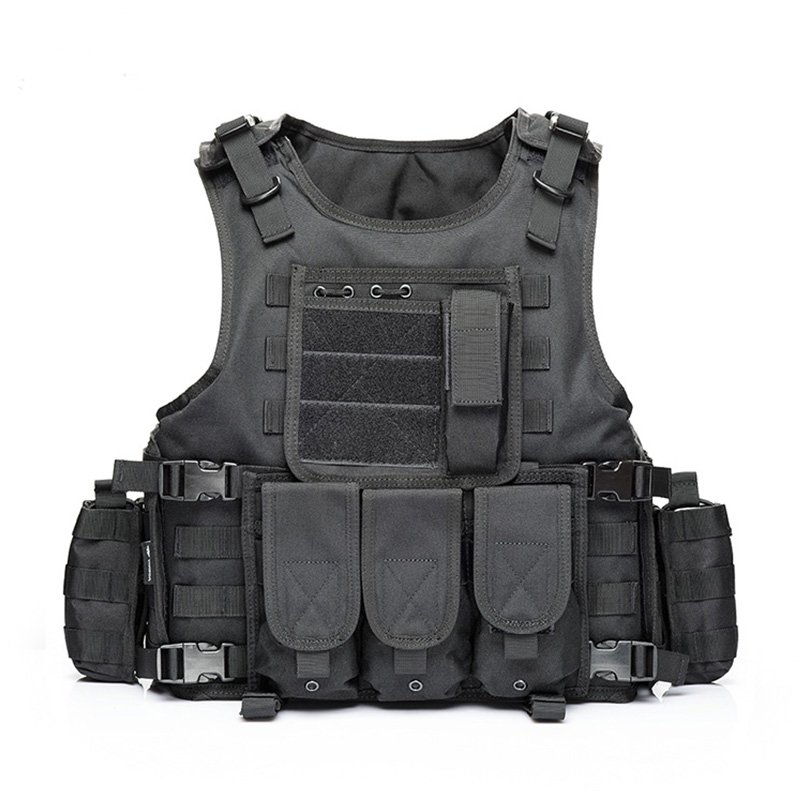
Durable Police Vest Carrier For Law Enforcement
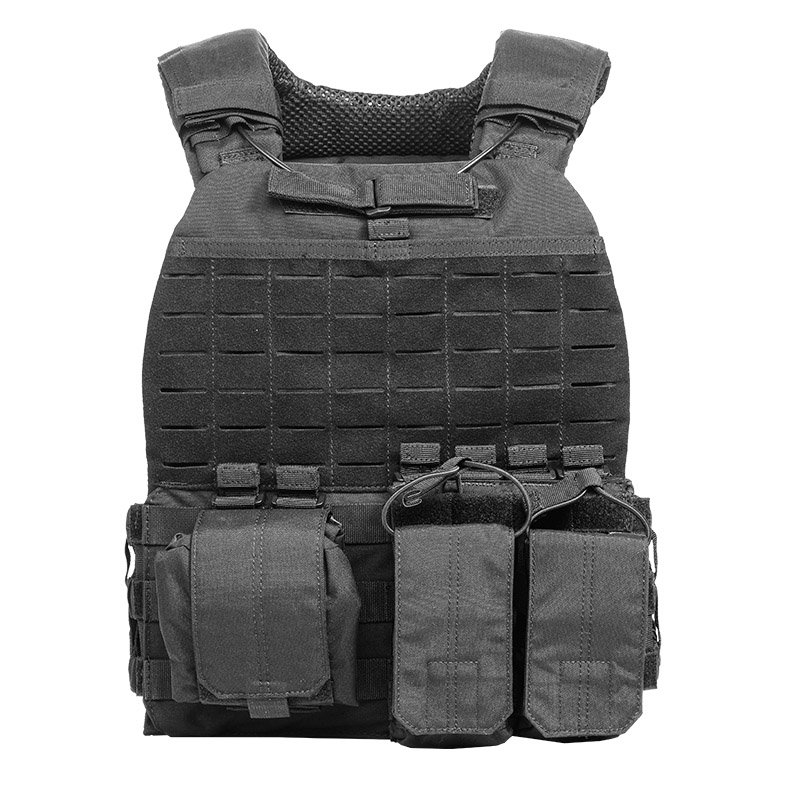
Adjustable Straps Tactical Molle Vest Gray
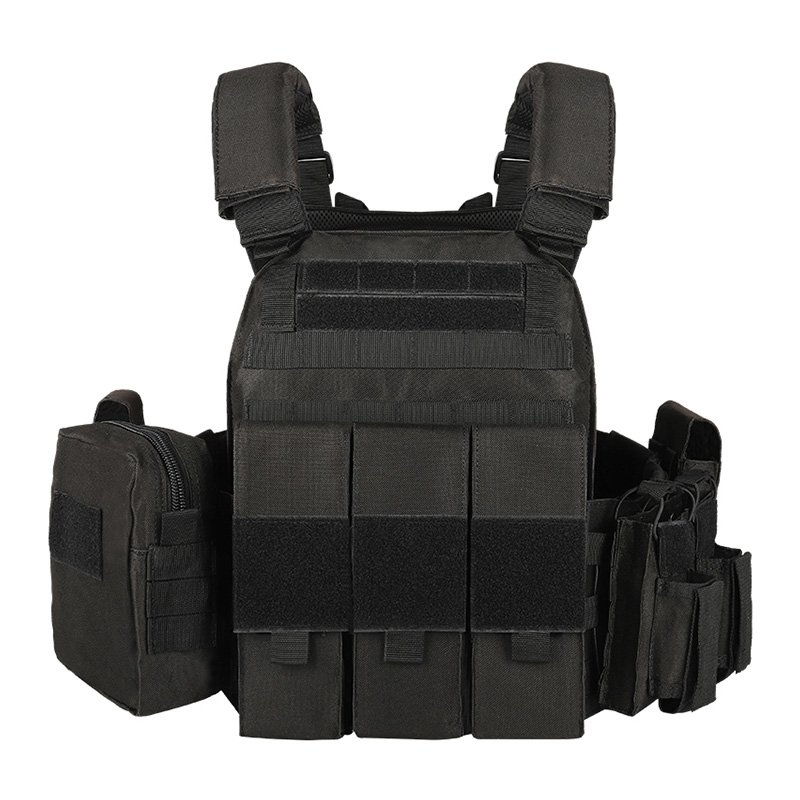
Military Plate Carrier With Mag Pouches Black
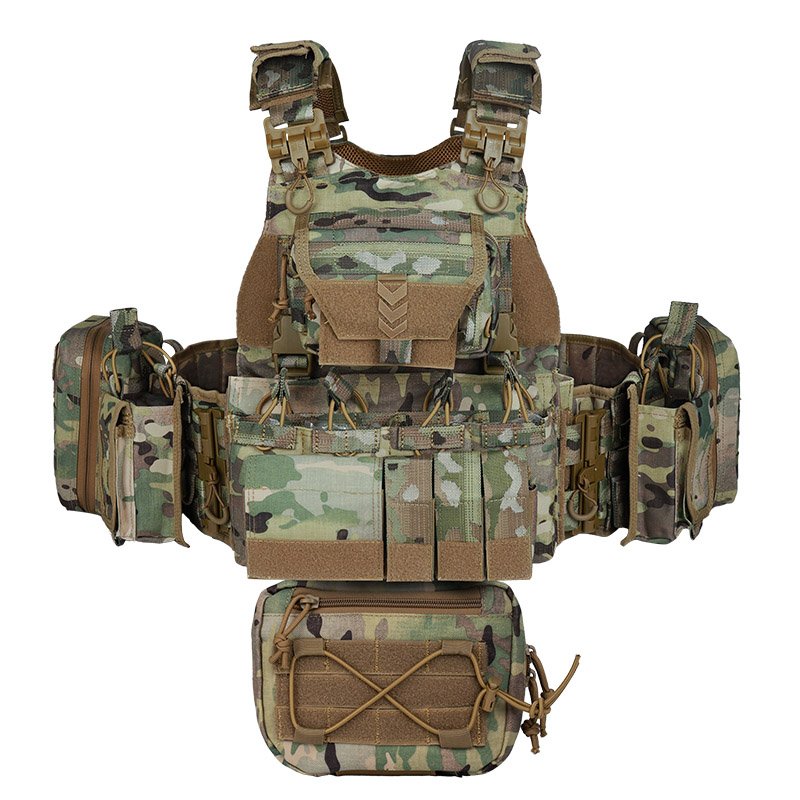
Quick Release Tactical Body Armor With Pouches
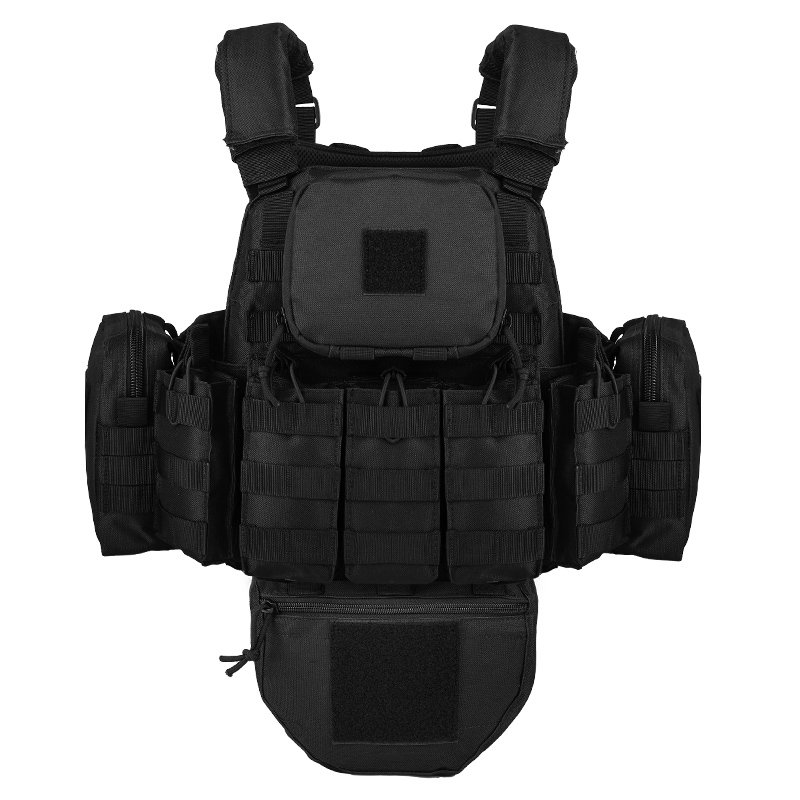
Multi Functional Tactical Plate Carrier Vest in Black
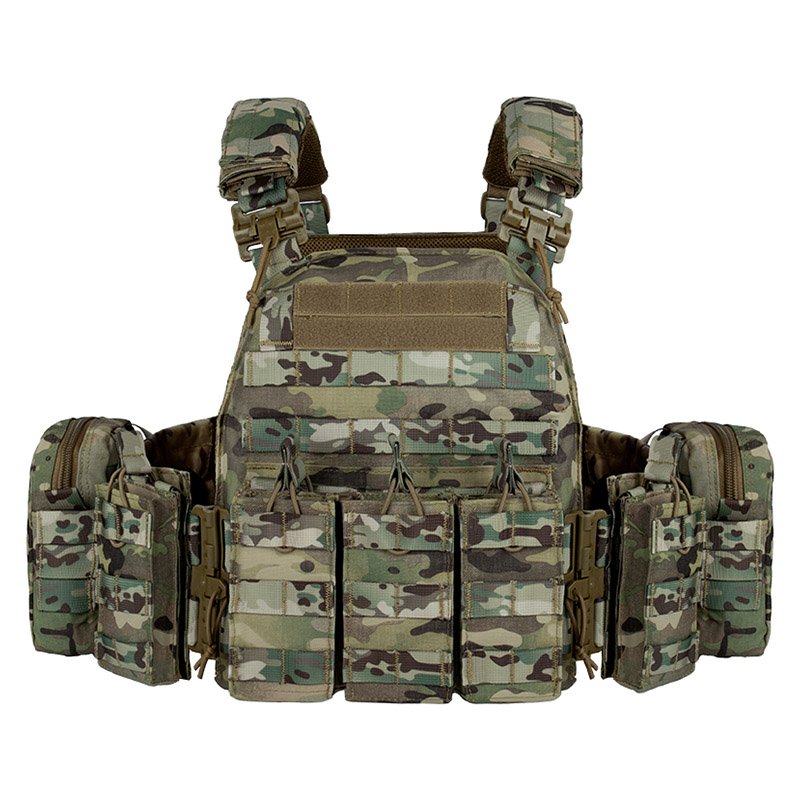
Hard-Armor and Materials Specialists
Some body armor companies earned their standing primarily through advances in hard plates or materials processing.
HighCom Armor focused on American-made hard armor and related systems, building a reputation for NIJ-compliant plates and consistent manufacturing. The company’s work sits at the intersection of ceramic and composite technologies that have driven weight reductions across the industry.
RMA Armament took a more direct-to-user approach while still meeting certification requirements. Its plates became widely discussed in both professional and civilian tactical circles for offering serious protection at accessible price points without abandoning U.S. production.
NP Aerospace, a British company with deep roots in composite materials, contributed advanced plate and helmet technologies. Its background in lightweight composites for demanding environments influenced how the industry thinks about the relationship between protection level and weight.
Armor Express grew by serving the U.S. law-enforcement market with both soft and hard solutions, later expanding through merger activity.
Regional Approaches with Global Reach
Other body armor brands developed distinctive identities by answering the specific demands of their home regions and then carrying those strengths outward.
EnGarde Body Armor in the Netherlands built a strong position in soft armor by leveraging European materials expertise, particularly advanced polyethylene fibers. The emphasis on lightweight, comfortable concealable protection reflects both local user needs and the materials ecosystem available in Europe.
MARS Armor in Bulgaria established itself as a reliable producer of complete ballistic systems for military and law-enforcement customers across multiple markets. The company’s ability to deliver consistent quality from a Central European base illustrates how regional manufacturing capacity can support global contracts.
Australian body armor companies such as Craig International Ballistics and Australian Defence Apparel developed under the particular requirements of their domestic forces and then expanded.
Protection Group Danmark brought a Nordic focus on quality materials and practical design into the European market. Marom Dolphin, already mentioned, also fits this regional-to-global pattern from the Israeli side.
Armorguard Tactical in Thailand represents a scale of production capacity serving both domestic and export demand. It offer OEM and ODM service.
Spartan Armor Systems, while U.S.-based, became known for making serious hard armor more accessible to a wider range of users, including civilian and smaller-agency markets.
Related Resources:
What These Body armor Brands Reveal When Viewed Together
Looking across the groups, a few patterns stand out. Soft-armor specialists and hard-plate specialists solved different parts of the same problem. Companies that integrated carriers and armor often created more coherent systems, while open modular approaches left more choice to the end user.
European multi-threat thinking and American rifle-threat prioritization produced different product emphases that still influence design choices today.
The brands that lasted longest tended to treat certification and testing as ongoing disciplines rather than one-time hurdles. They also showed an ability to absorb operator feedback without losing manufacturing consistency.
Materials partnerships—whether with fiber producers or ceramic specialists—often proved as important as in-house design work.
For a body armor manufacturer, these patterns matter. They suggest that reputation grows from the intersection of technical reliability, institutional trust, and the capacity to adapt when the threat picture changes.
They also show that different paths can lead to recognition: deep institutional embedding, specialized high-end performance, materials innovation, or regional excellence scaled outward.