Have you ever felt overwhelmed by the technical terms in the world of protective gear? This Body Armor Glossary serves as a clear and practical guide to help you understand essential concepts in body armor and tactical vests.
Whether you are a professional or enthusiast, it simplifies complex terms to support informed decisions and greater confidence.
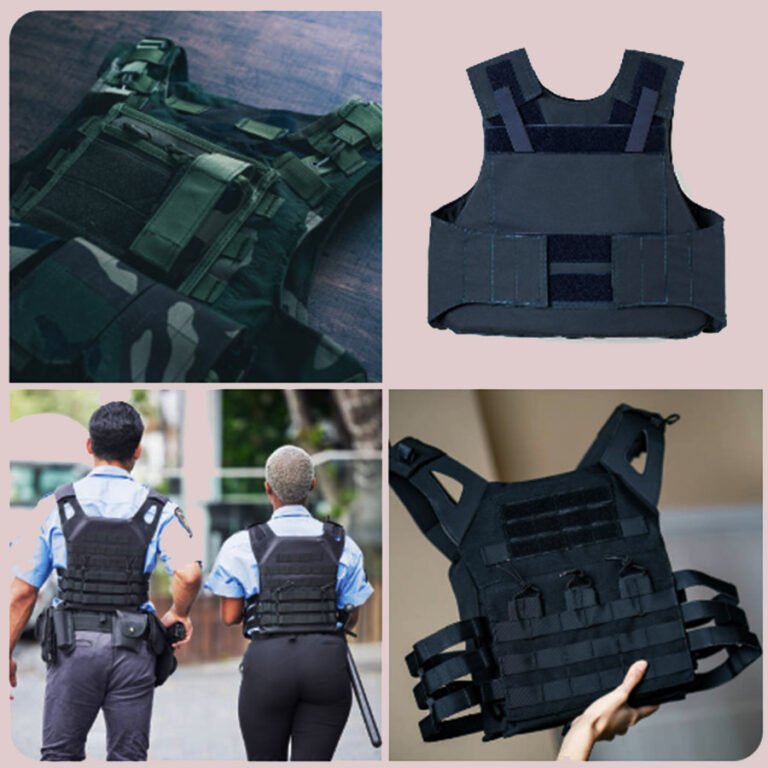
Tactical Vest & Body Armor Glossary -Types of body protectors
Body Armor
Body armor is a protective equipment designed to reduce or prevent injuries caused by bullets, debris, and other ballistic threats. It is widely used by military personnel, law enforcement officers, security teams, and civilians working in high-risk environments.
Body Armor are generally divided into soft armor and hard armor. Soft armor can withstand most handgun bullets, while hard armor combines ballistic plates to enhance protection against rifle threats and armor piercing ammunition.
Tactical vest
Tactical vest is a load-bearing garment designed to carry basic equipment such as magazines, radios, medical kits, and tools. It improves accessibility, organization, and operational efficiency during military, law enforcement, security, and outdoor activities.
Tactical vests come in various configurations, including chest equipment, onboard carriers, and modular MOLLE vests. Some models are only designed for gearboxes, while others can accommodate bulletproof armor plates to provide additional protection.
Plate carrier
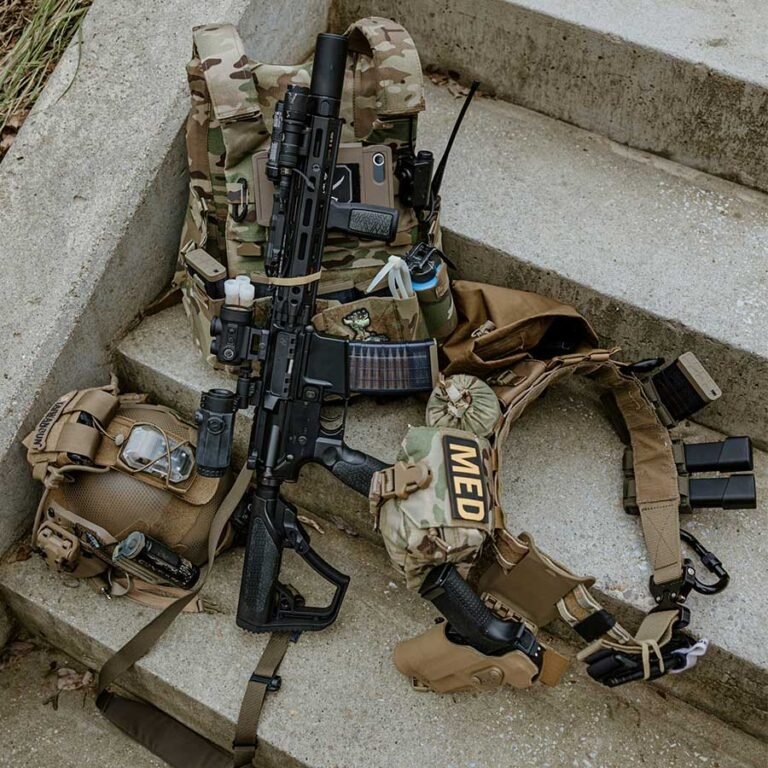
plate carrier is a lightweight modular vest designed to accommodate rigid ballistic armor plates. It provides protection against rifle threats while emphasizing mobility and equipment attachments, rather than full body coverage.
It was originally built for military and law enforcement purposes, featuring MOLLE webbing, adjustable shoulder straps, and a quick release system. It is classified as a hard armored carrier, supporting independent or ICW boards for flexible high-risk use.
The differences between Body Armor, Tactical vest, and Plate carrier.
Body Armor
Body Armor refers to any wearable bulletproof vest that can withstand bullets, punctures, or debris. It includes two types: soft armor and hard armor.
Tactical vest
Tactical vest is a type of clothing that focuses on practicality and is primarily designed for carrying equipment and bags through MOLLE. It may or may not include armor.
Plate carrier
plate carrier is a tactical vest specifically designed to secure rigid ballistic plates to protect rifles, prioritizing maneuverability.
Main difference
Main difference: Body Armor focus on protection, tactical vests focus on load-bearing, while plate carrier combine the two for high threat missions.
The plate carrier can be considered both body armor and a tactical vest when equipped with ballistic plates, while standard tactical vests are not necessarily protective armor.
Tactical Vest & Body Armor Glossary-Armor Types
Soft armor
Soft armor is a body protection device made of flexible bulletproof materials such as such as aramid fibers or UHMWPE, designed to absorb and disperse the energy of handgun bullets and fragments. It is commonly used in concealed vests to provide personal protection.
It is lightweight, flexible, and comfortable to wear for a long time, but is usually not suitable for high-speed rifle threats unless used in combination with hard armor plates in a hybrid protection system.
Hard Armor
Hard armor refers to a rigid ballistic plate designed to prevent high-speed rifle bullets. Unlike flexible soft armor, it uses materials such as ceramics, steel, or ultra-high molecular weight polyethylene to provide excellent protection. These boards are inserted into the carrier to protect important organs in high threat situations.
Hard armor is mainly used for military and law enforcement purposes and is classified as NIJ Class III or IV. It provides multiple strike capabilities, but is heavier and less flexible than soft armor, making it ideal for open tactical operations.
Ballistic plate
Ballistic plates are rigid armor inserts designed to block high-speed rifle bullets. It slides into the plate carrier to protect important organs from penetration threats that cannot be handled by soft armor.
These plates are made of materials such as ceramics, steel, or UHMWPE and are classified as NIJ Class III or IV hard armor. They provide powerful multi hit protection, but are heavier and less agile than soft armor.
Concealable Vest
Concealable vest is a low-key bulletproof vest designed to be worn underneath clothing, providing cautious protection for law enforcement and security personnel, preventing handgun threats while maintaining mobility and daily comfort.
It typically uses soft armor plates, lightweight materials, and flexible structures. It is classified as a concealed bulletproof vest, prioritizing concealment and comfort over load-bearing capacity or modular device connectivity systems.
Overt Armor
Overt Armor is a visible bulletproof vest worn outside clothing. It provides strong protection against ballistic threats while allowing for easy access to equipment and quick donning. This type emphasizes maximum protection and modularity, rather than concealment.
Stab Resistant Vest
Stab Resistant Vest is a type of protective bulletproof vest designed to reduce injuries from sharp objects such as knives, spikes, or needles. It is typically used in safety, correctional, and law enforcement environments. It focuses on puncture resistance and scratch resistance, rather than bulletproof protection.
Plate carrier & Body Armor Glossary -Body Armor Ratings
The NIJ standard is an official testing and certification guideline developed by the National Institute of Justice in the United States. They set minimum performance requirements for bulletproof vests to ensure reliable protection against ballistic threats.
These standards classify armor into protection levels such as IIA, II, IIIA, III, and IV. NIJ certification is widely accepted worldwide and can help buyers and institutions choose safe and effective equipment.
Download the latest NIJ Standard ⇒
- Level IIA : Soft armor, capable of withstanding 9mm and. 40 S&W pistol bullets at lower speeds.
- Level II : Soft armor, capable of withstanding higher speed 9mm and. 357 Magnum bullets.
- Level IIIA (NIJ Level IIIA) : The highest soft armor level. Block powerful handgun bullets such as. 357 SIG and. 44 Magnum.
- Level III (NIJ Level III) : Hard armor plate that can withstand 7.62x51mm NATO rifle bullets.
- Level IV (NIJ Level IV) : The highest level of hard armor. Block armor piercing rifle bullets such as. 30-06 AP.
| NIJ Level | Protection Type | What It Stops |
| Level IIA | Soft armor (lightest protection) | 9mm FMJ (lower velocity), .40 S&W |
| Level II | Soft armor | 9mm FMJ, .357 Magnum |
| Level IIIA (III-A) | Soft armor | .357 SIG FMJ, .44 Magnum |
| Level III | Hard armor (rifle-rated) | 7.62×51mm NATO FMJ, 7.62×39mm |
| Level IV | Hard armor (armor-piercing rated) | .30-06 M2 AP (armor piercing) |
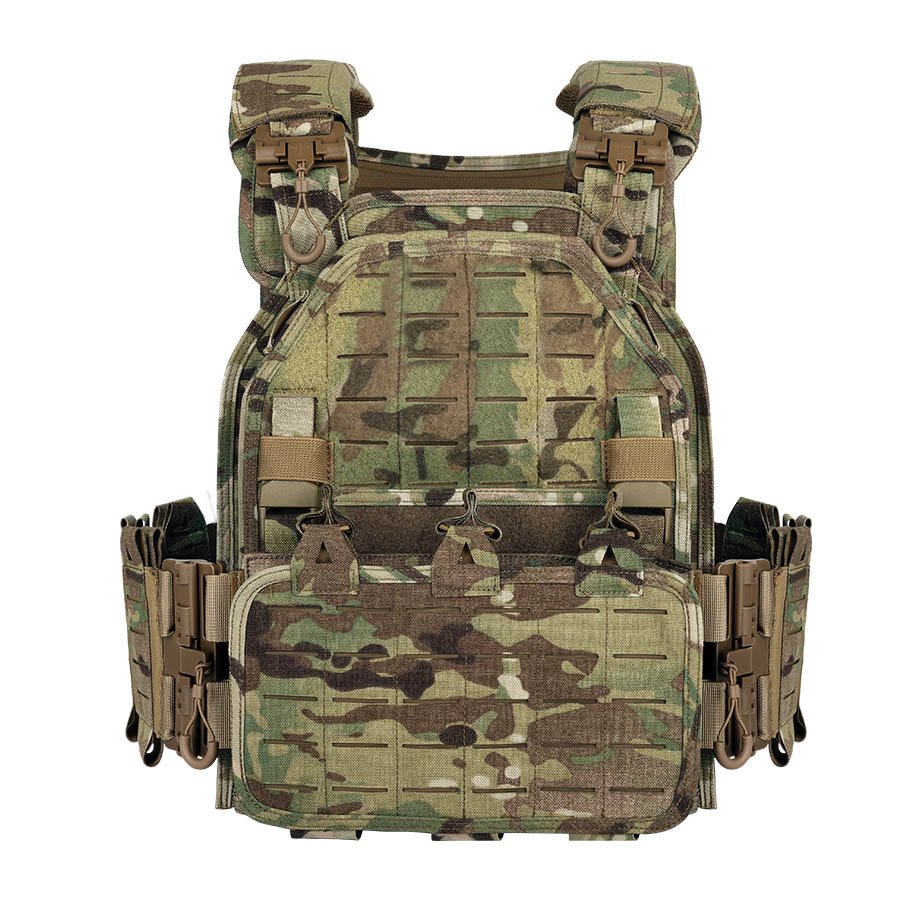
Best Multicam Plate Carrier With Laser Cut Molle
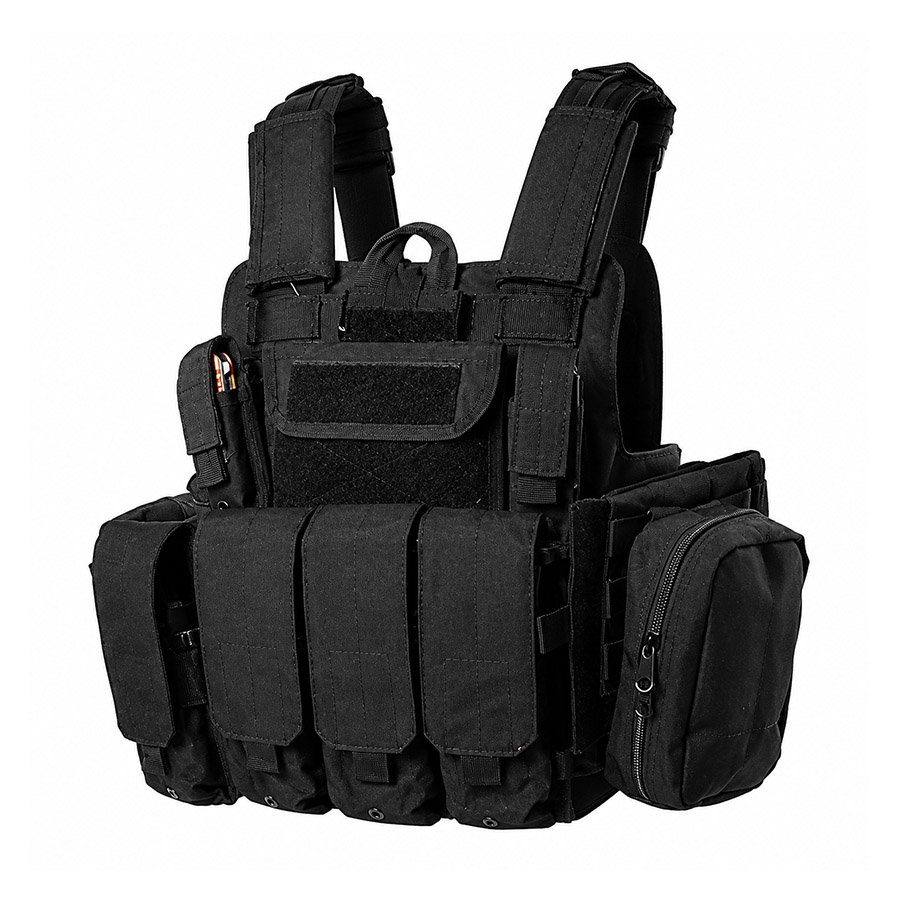
Molle Black Tactical Vest With Integrated Pouches
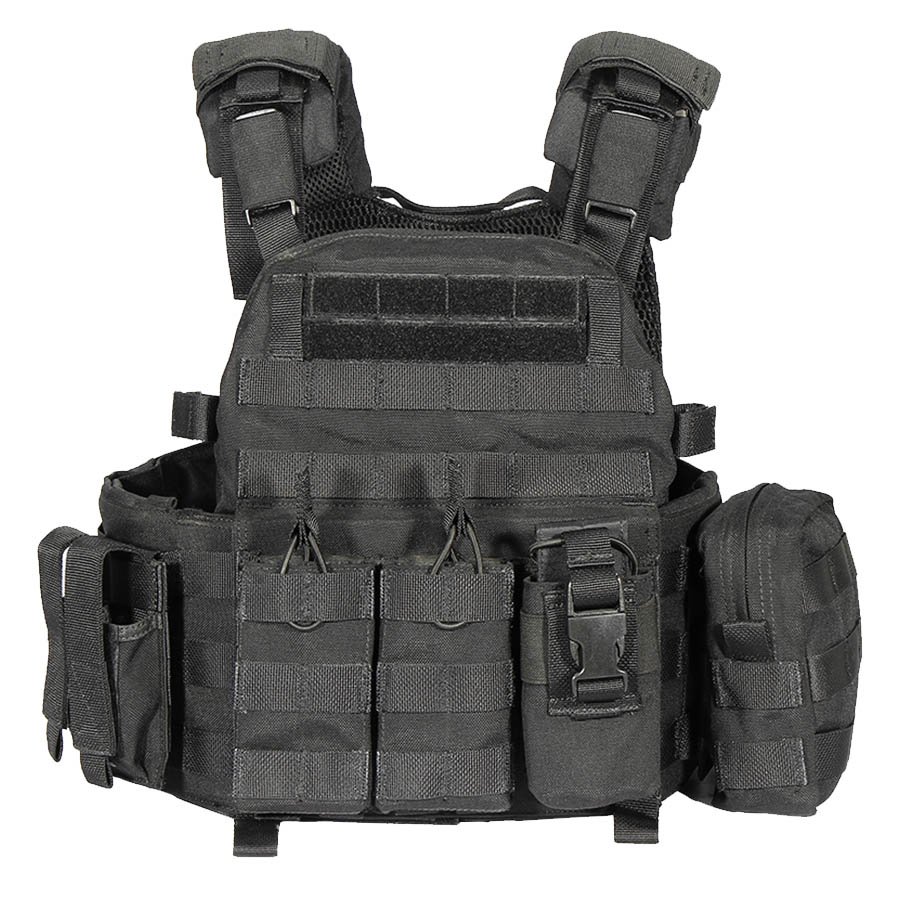
Best Military Plate Carrier With Side Pouches
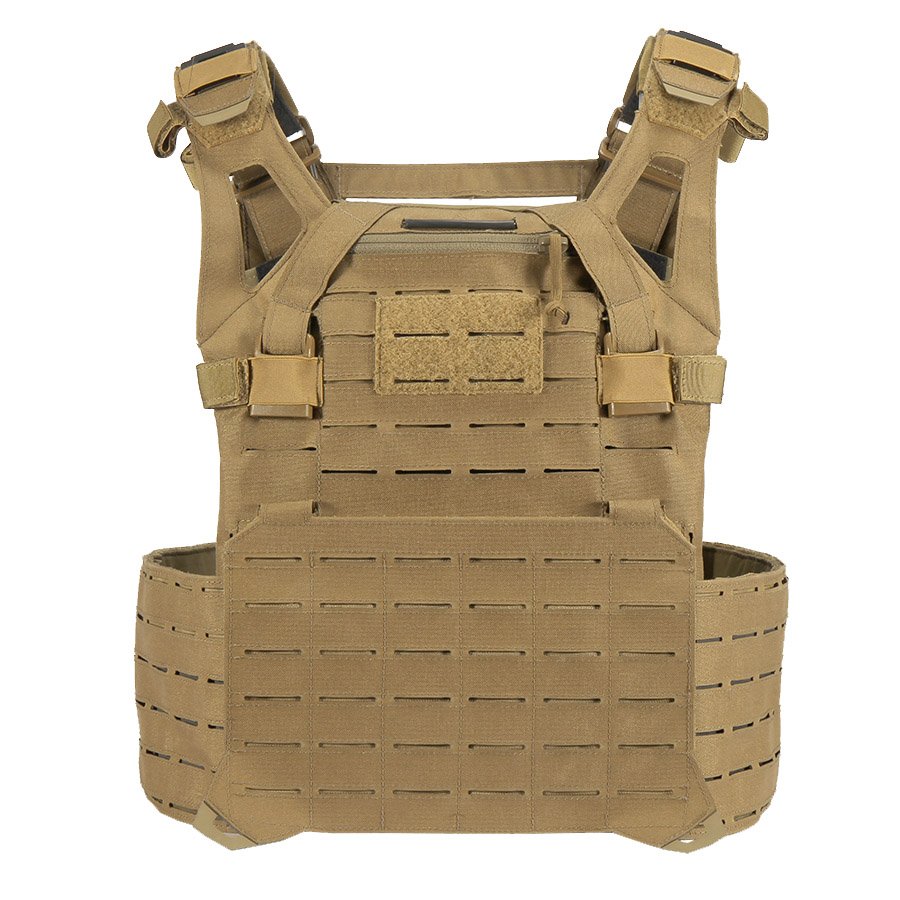
Lightweight Plate Carrier With Pouches Coyote Brown
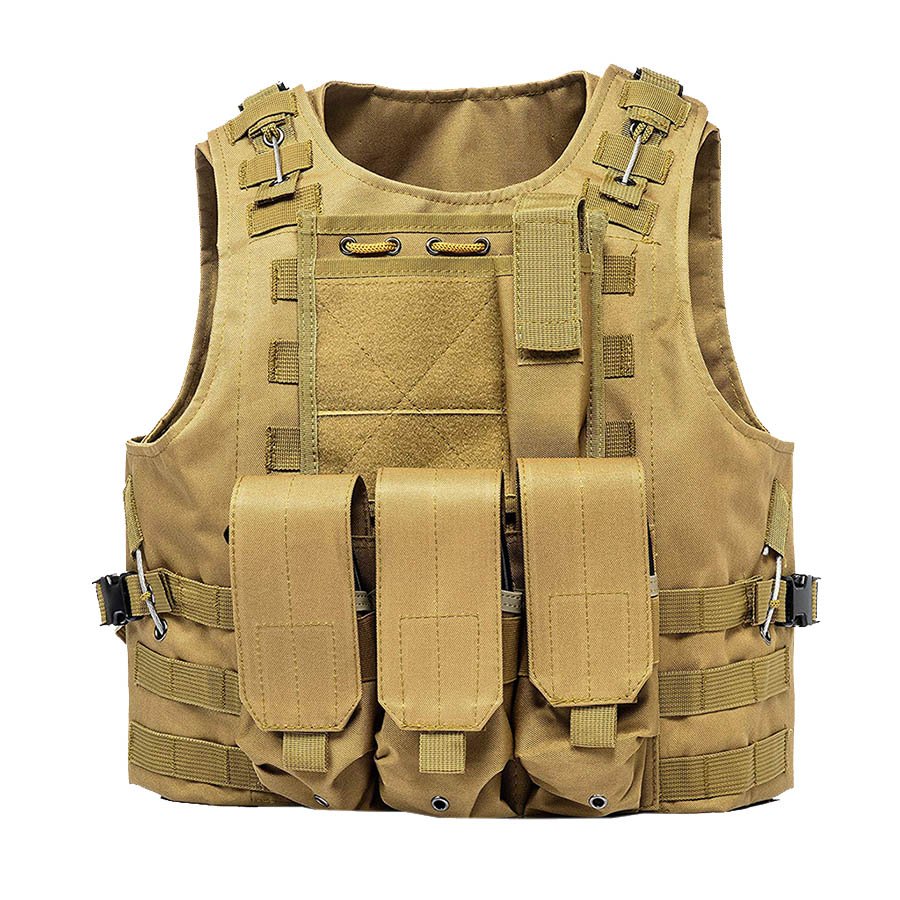
Tan Magazine Carrier Vest With Molle Webbing
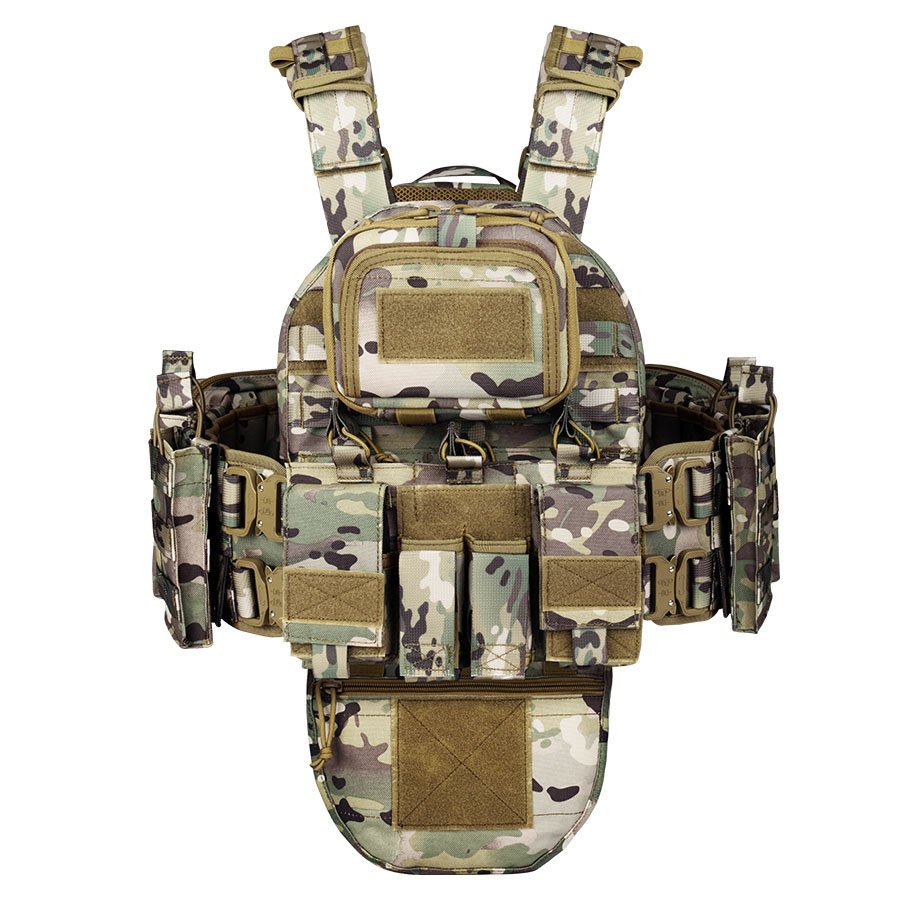
Quick-release Tactical Body Armour Camouflage
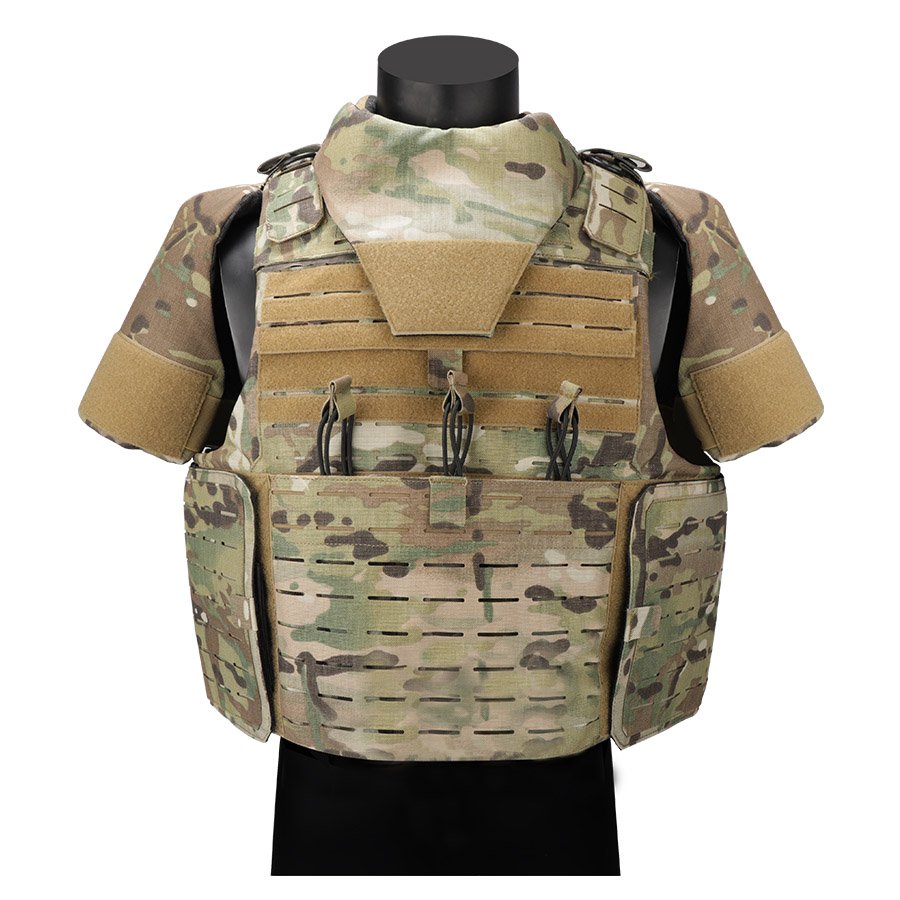
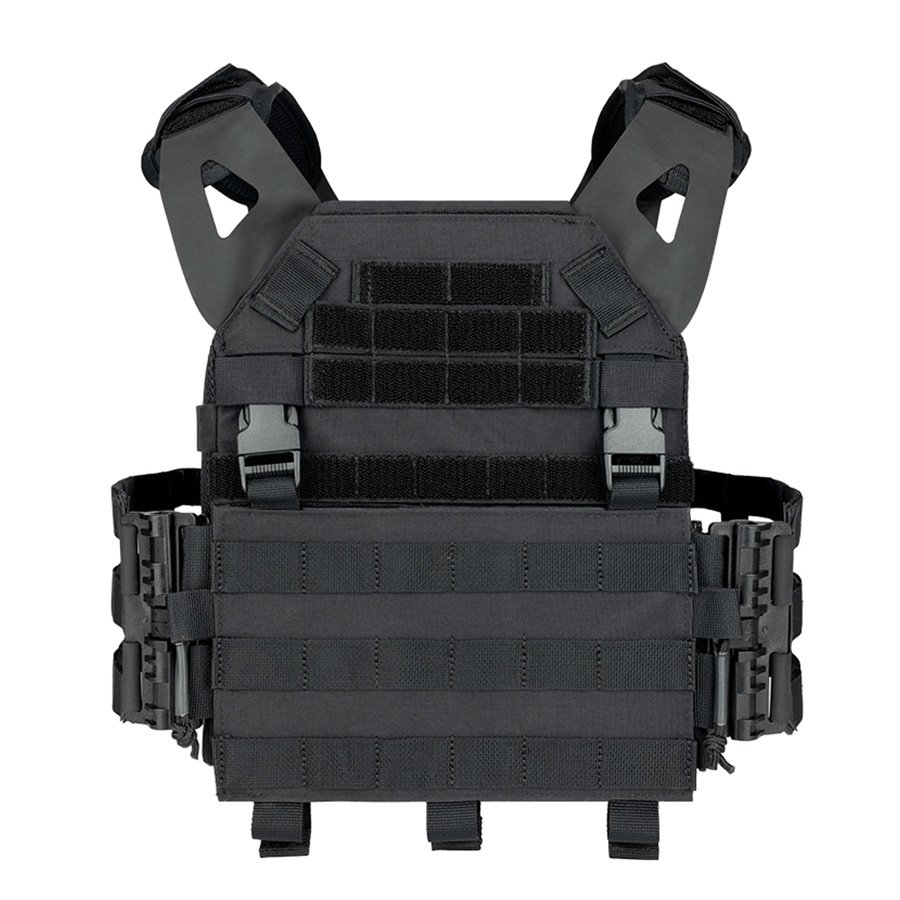
Lightweight Black Plate Carrier Vest-Armorguard
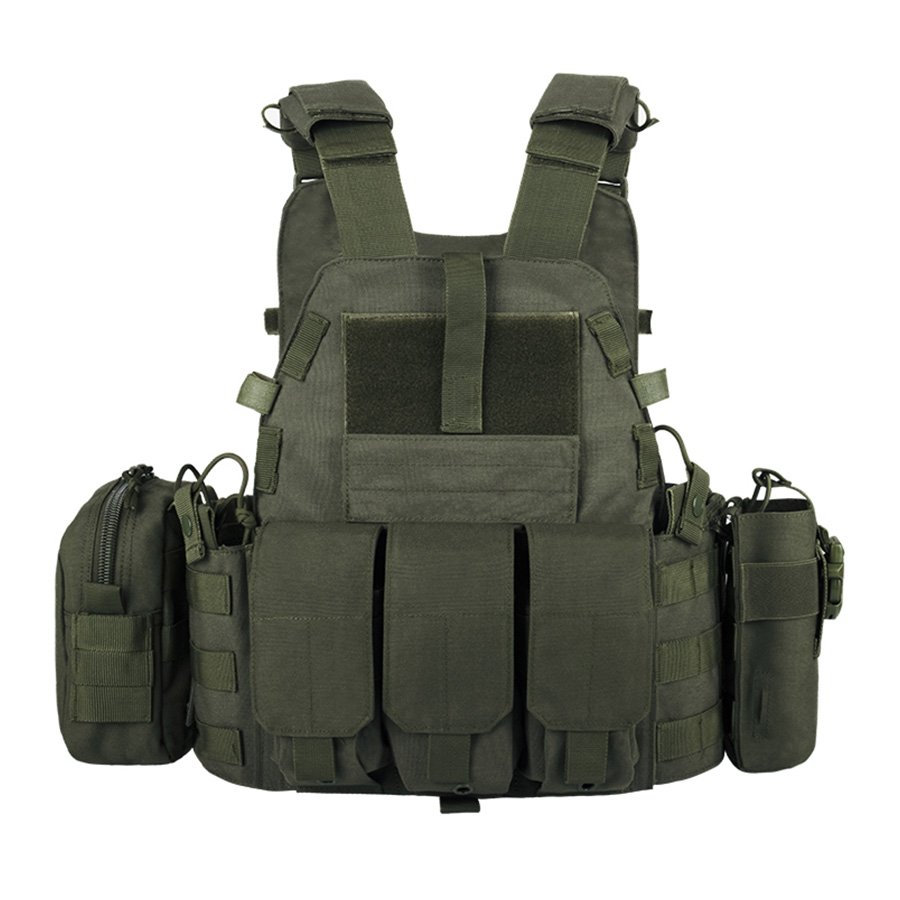
Lightweight Plate Carrier With Pouches Wholesale
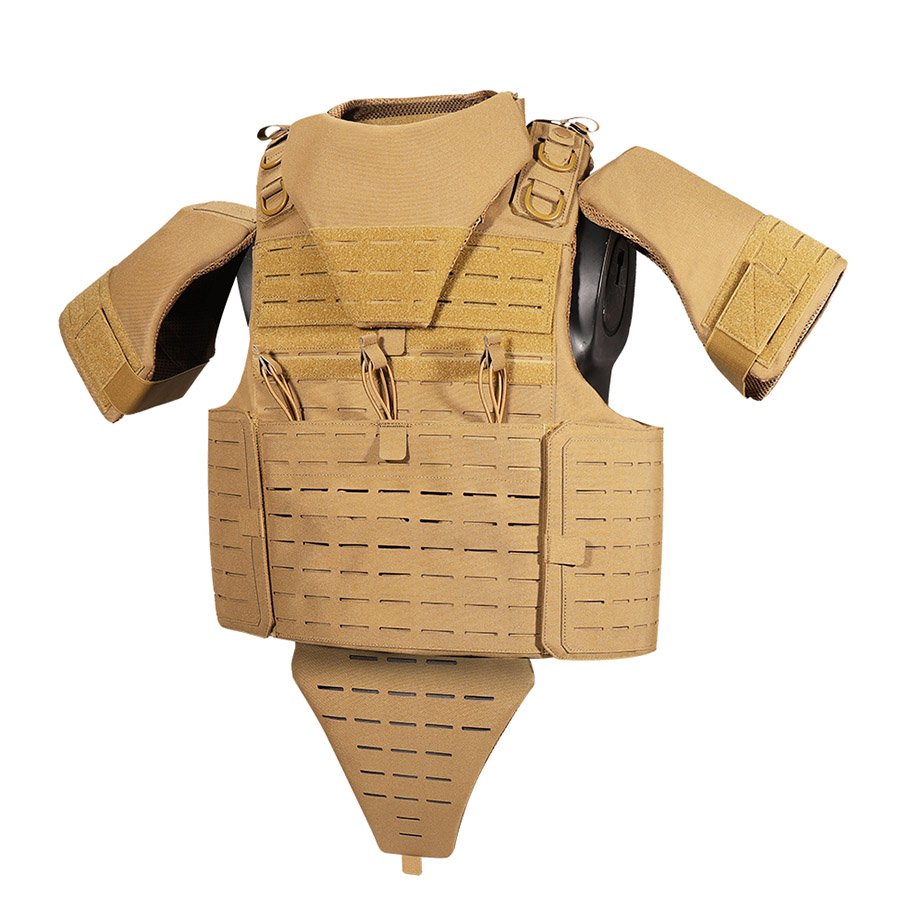
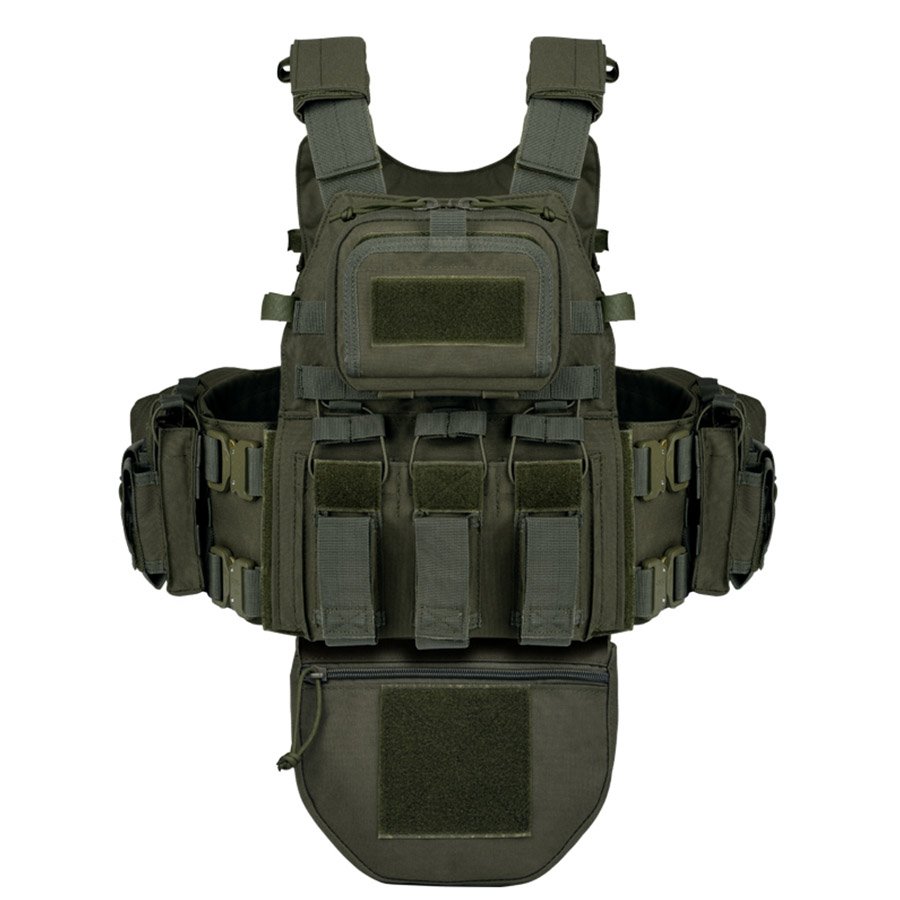
Armor Plate Carrier With Magazine Pouches
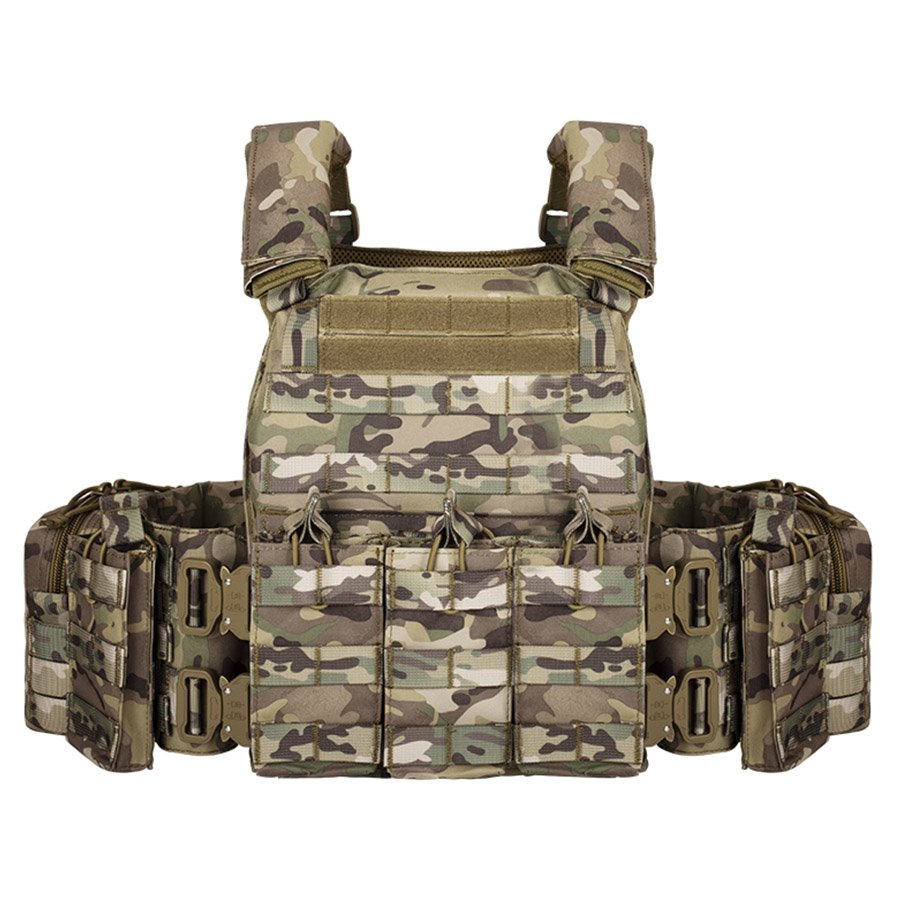
Armorguard Camo Molle Tactical Vest With Magazine Pouches


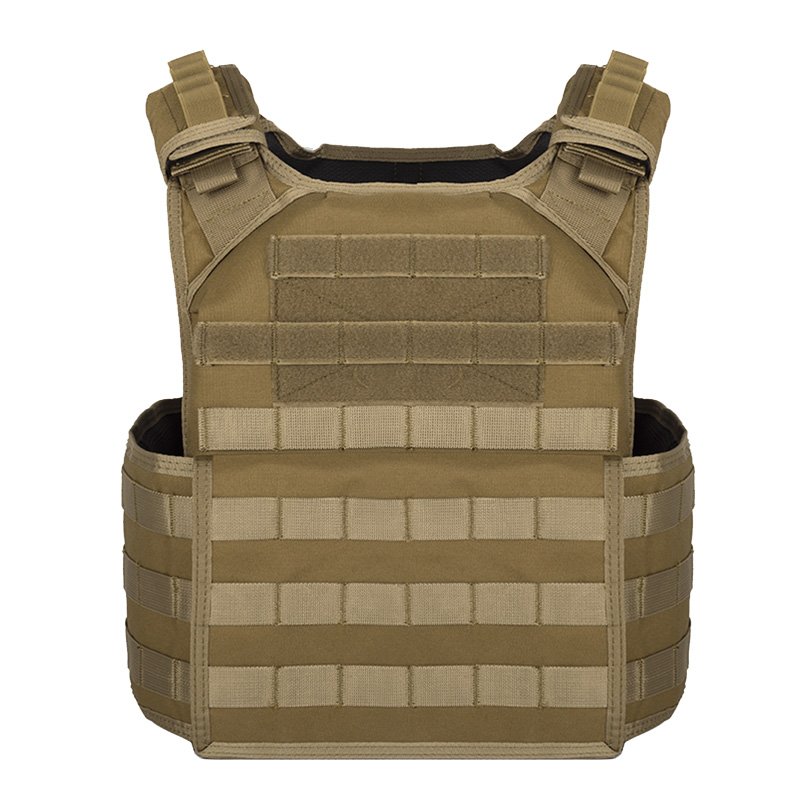
Tan Lightweight Plate Carrier With Molle System

Tactical Plate Carrier Vest Hydration Compatible
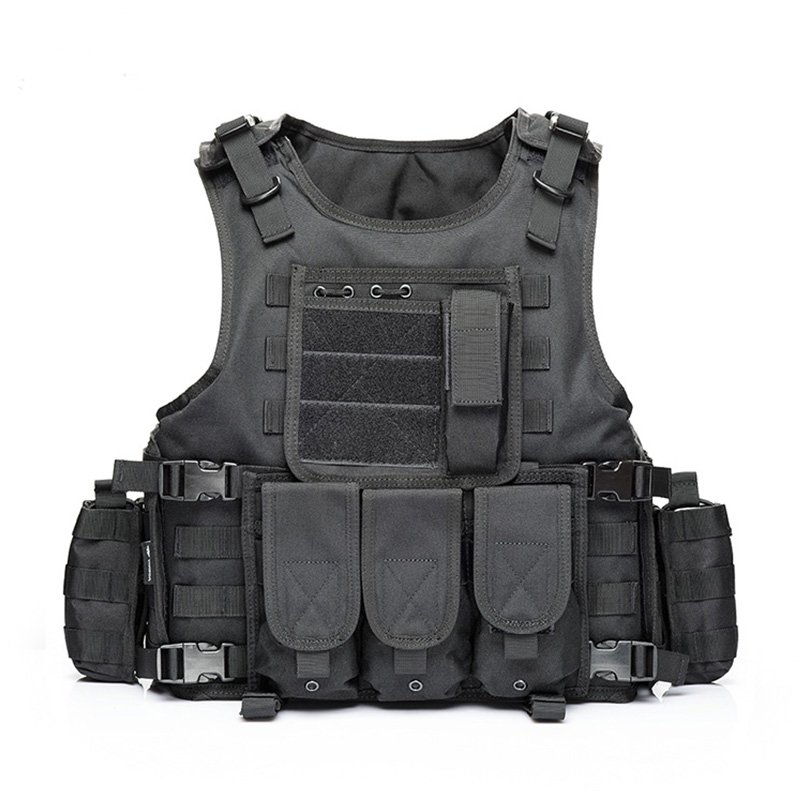
Durable Police Vest Carrier For Law Enforcement
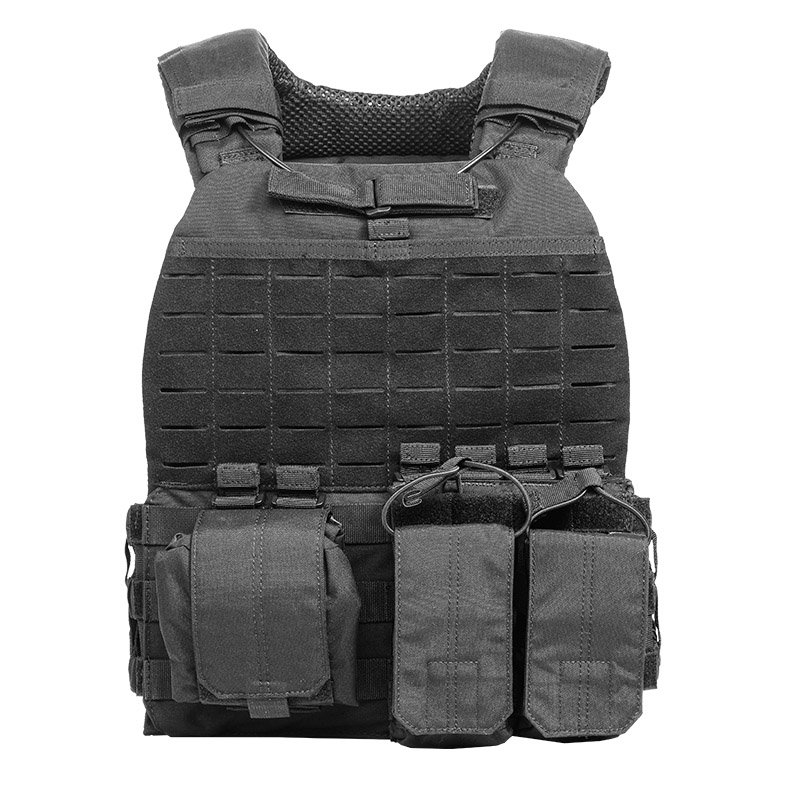
Adjustable Straps Tactical Molle Vest Gray
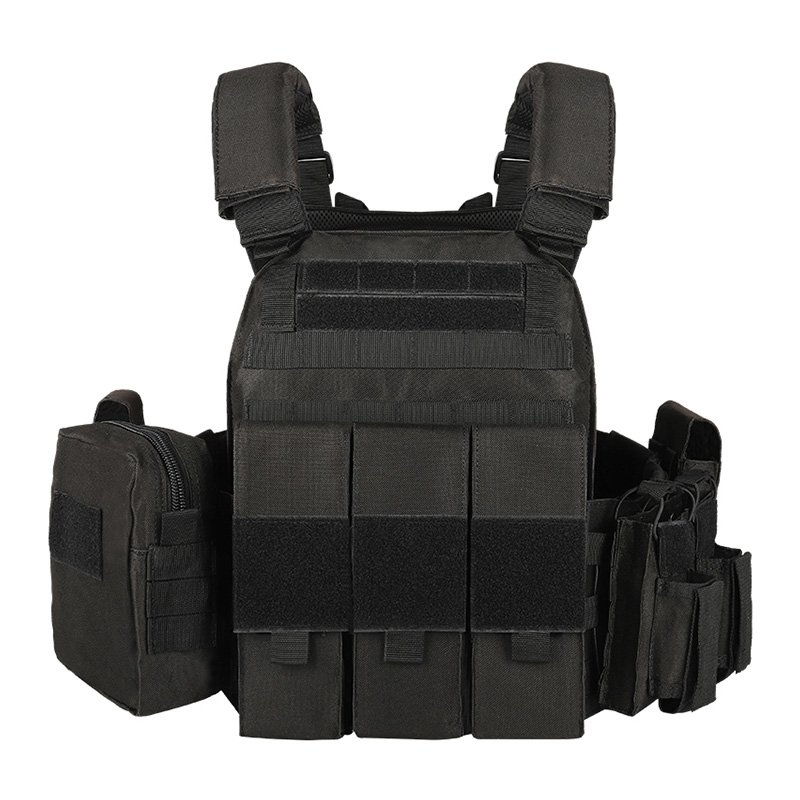
Military Plate Carrier With Mag Pouches Black
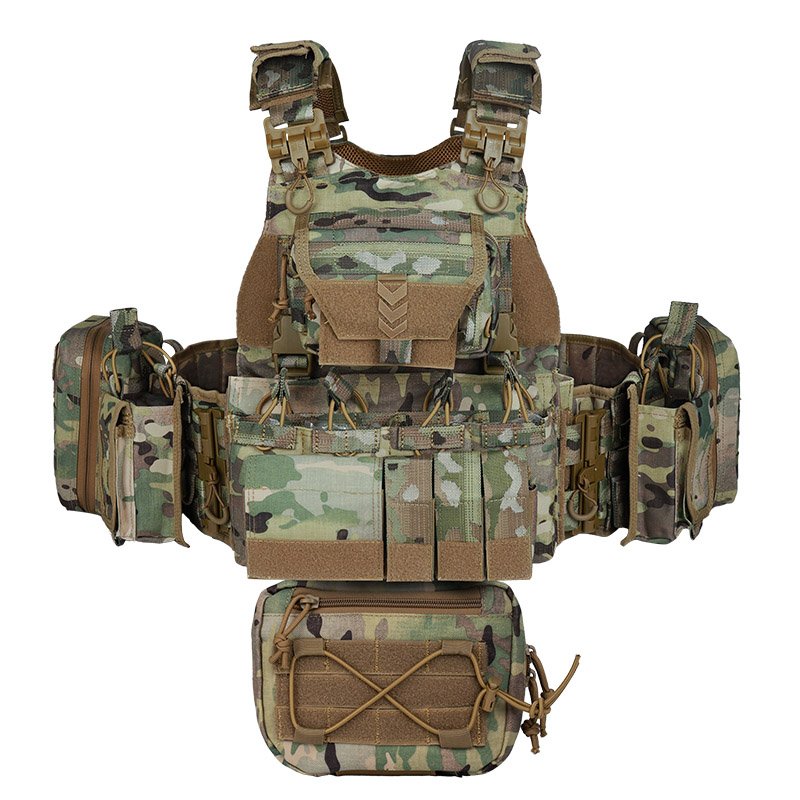
Quick Release Tactical Body Armor With Pouches
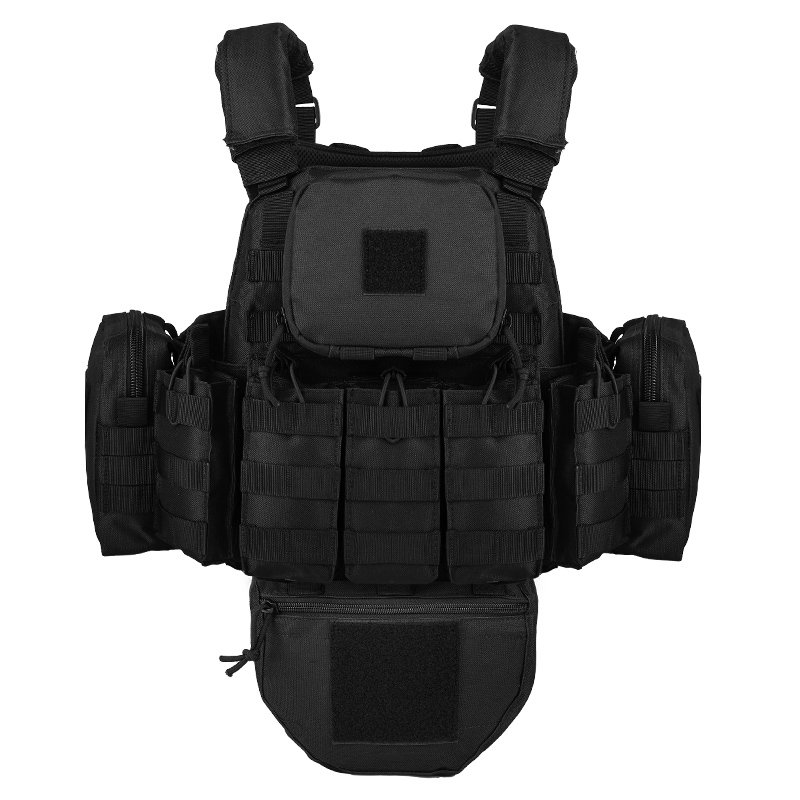
Multi Functional Tactical Plate Carrier Vest in Black
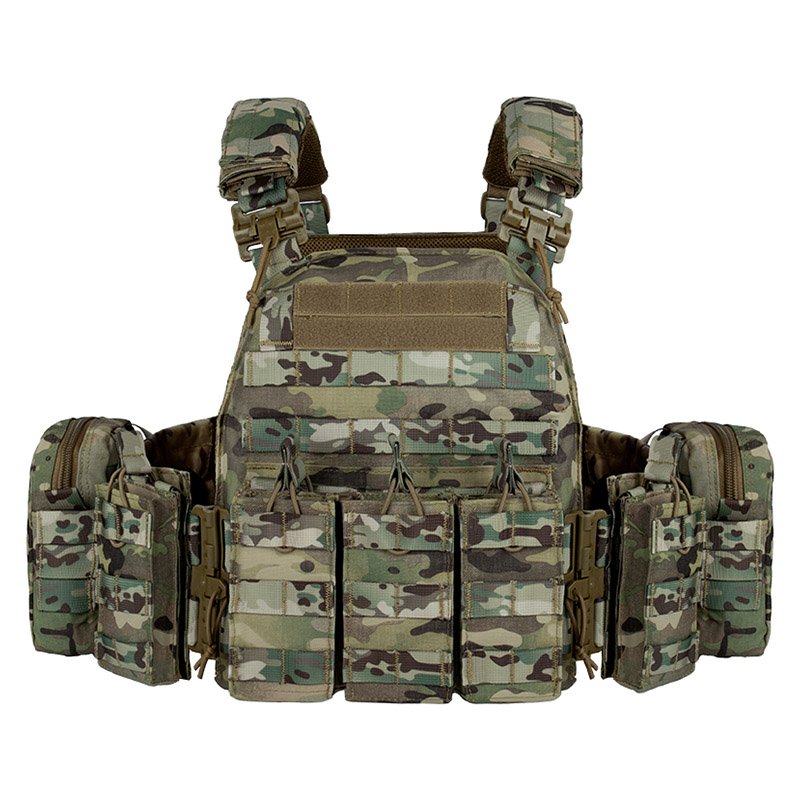
Tactical Vest & Body Armor Glossary -Modularity & Features
MOLLE
MOLLE is a modular connection system with horizontally arranged webbing on tactical equipment. It allows users to securely connect bags, leather covers, and accessories for customized loading.
MOLLE was developed by the US military in the late 1990s to replace the old system. It is now a standard configuration for aircraft carriers and tactical vests to enhance multifunctionality.
PALS webbing
PALS webbing is a horizontal nylon mesh sewn at regular intervals onto tactical equipment. It forms the basis for connecting bags and accessories using the MOLLE system.
PALS was developed by the US military and can achieve fast and secure modular customization. It is a standard configuration for both onboard and tactical vests, capable of achieving various weight-bearing capabilities.
Quick Release System
The Quick Release System is a safety mechanism on plate carriers and tactical vests that can quickly remove the entire armor. It usually uses a pull tab or cable to immediately remove the buckle and strap in emergency situations.
It is common in military and law enforcement equipment and can enhance safety during water operations or medical crises. This function can be quickly removed while maintaining a stable fit during normal use.
Trauma Pad
Trauma pad is a cushioning insert placed behind a ballistic plate in a board carrier. It absorbs and disperses impact energy, reducing blunt force trauma to the body even when the bullet is stopped.
It is usually made of foam or special materials to improve comfort and safety. It is widely used in military and law enforcement hard armor installations to increase protection against non penetrating strikes.
Side Plate
The side panel is a smaller bulletproof insert placed on the side of the board carrier. They protect important organs from lateral threats missed by the anterior and posterior plates. Usually classified as Level III or IV, they provide stronger coverage while maintaining maneuverability.
Shooter’s Cut
Shooter’s Cut is a conical apex design on the ballistic plate. It improves the shooter’s shoulder flexibility and rifle shoulder. It is popular on military and tactical vehicle boards, reducing interference while maintaining important organ coverage
Swimmer’s Cut
Swimmer’s Cut is an aggressive inclined plate design that can remove more material from the top corner. It maximizes the flexibility of the shoulders and arms. Compared to standard or Shooter’s Cut plates, it provides a better range of motion.
Back deformation (BFD)
Back deformation (BFD) refers to the measurable indentation formed on the back of armor when hit by a bullet. It shows how much blunt force is transmitted to the body even if the projectile does not penetrate.
The NIJ standard limits BFD to a maximum of 44mm. Lower deformation indicates better energy absorption and reduced risk of serious injury.
Plate carrier & Body Armor Glossary -Plate Types
SAPI Plate
SAPI plates are U.S. military Small Arms Protective Insert plates. They provide level III protection against ordinary rifle bullets in the plate carriers. They are lightweight, designed specifically for the maneuverability of fighter jets, and are standard equipment for the military.
ESAPI Plate
ESAPI plates are Enhanced Small Arms Protective Insert plates used by the U.S. military. They provide excellent IV level protection against armor piercing rifle bullets. They are heavier than standard SAPI, but more advanced and can improve battlefield survivability.
Plate carrier & Body Armor Glossary -Materials
Aramid Fiber
Aramid fiber is a high-strength synthetic material widely used in soft body armor. Known for its excellent heat resistance, low weight, and outstanding energy absorption, it forms the core of flexible bulletproof.
UHMWPE (UltraHigh Molecular Weight Polyethylene)
UHMWPE is a lightweight, high-performance polymer. It is commonly used for soft and hard armor plates, providing protection against bullets and debris while reducing the overall weight of the vest, improving maneuverability and wearer comfort.
Ceramic(ceramic body armour)
Ceramics are a high hardness material used for hard armor plates, reducing penetration into the body by destroying or passivating incoming projectiles upon impact.
It is commonly used for NIJ III and IV grade steel plates and is typically combined with backing materials such as UHMWPE or aramid fibers to absorb residual energy and reduce blunt trauma.
Steel(Steel body armour)
Steel is a sturdy metal alloy commonly used in ballistic armor plates due to its high durability, cost-effectiveness, and ability to withstand multiple projectile impacts without cracking or shattering.
It is typically used for NIJ III and some IV grade steel plates to provide reliable rifle protection, but it is heavier than ceramic or UHMWPE and may peel off without a protective coating.