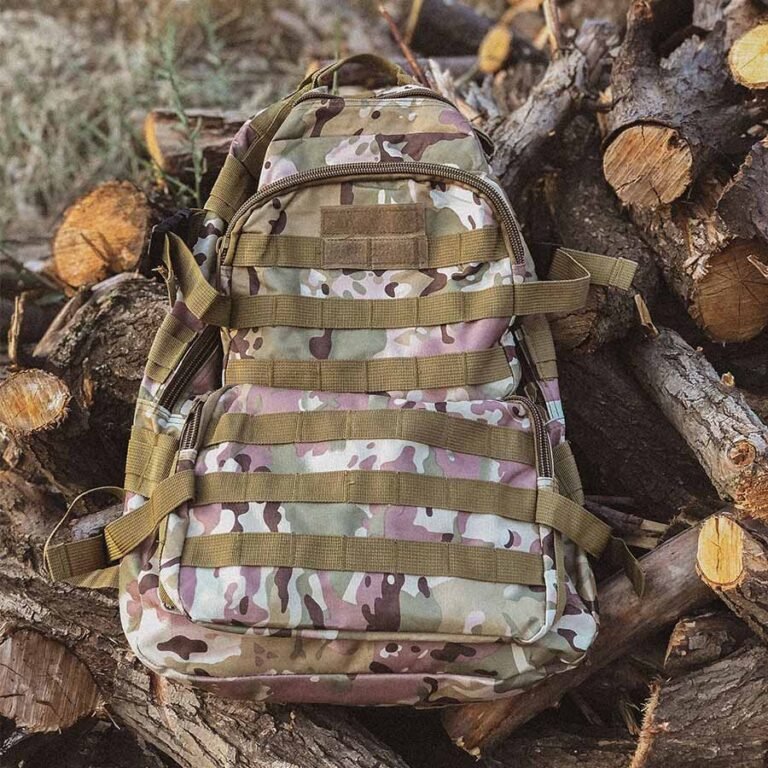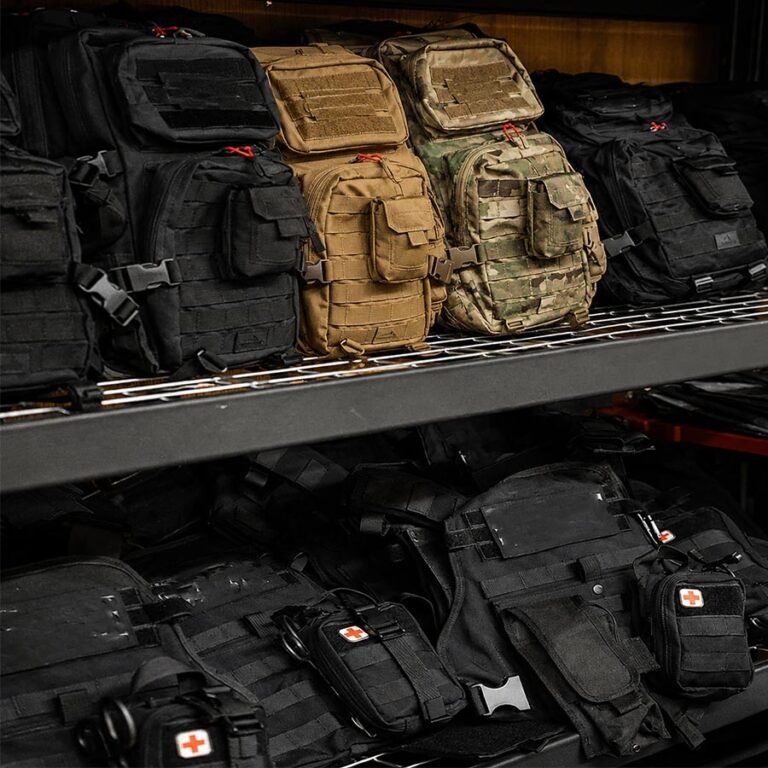
Когда я впервые начал знакомиться с военным и тактическим снаряжением, повсюду встречались тактические аббревиатуры — от униформы и бронежилеты к рюкзакам и системам снаряжения. Понимание этих терминов поможет вам легче следить за обсуждениями и выбирать подходящее снаряжение.
В этой статье я расскажу о наиболее распространённых тактических сокращениях и объясню их значение, что поможет энтузиастам быстро освоить основы тактического мира.
Список тактических аббревиатур и сокращений
1. УНИФОРМА И КАМУФЛЯЖНЫЕ УЗОРЫ
BDU — боевая форма
BDU — это стандартная боевая камуфляжная форма вооружённых сил США, введённая в 1981 году. Она отличалась рисунком «лес» или «пустыня», имела конструкцию с четырьмя карманами и широко использовалась до тех пор, пока в середине 2000-х годов её не заменила форма ACU.
DCU — боевая форма для действий в пустыне
DCU — это трёхцветная боевая форма в пустынном камуфляже, которая использовалась в вооружённых силах США с начала 1990-х до середины 2000-х годов. Она пришла на смену шестицветному камуфляжу “шоколадный чипс” и широко применялась в Ираке и Афганистане до появления формы ACU.
ACU — боевая форма сухопутных войск
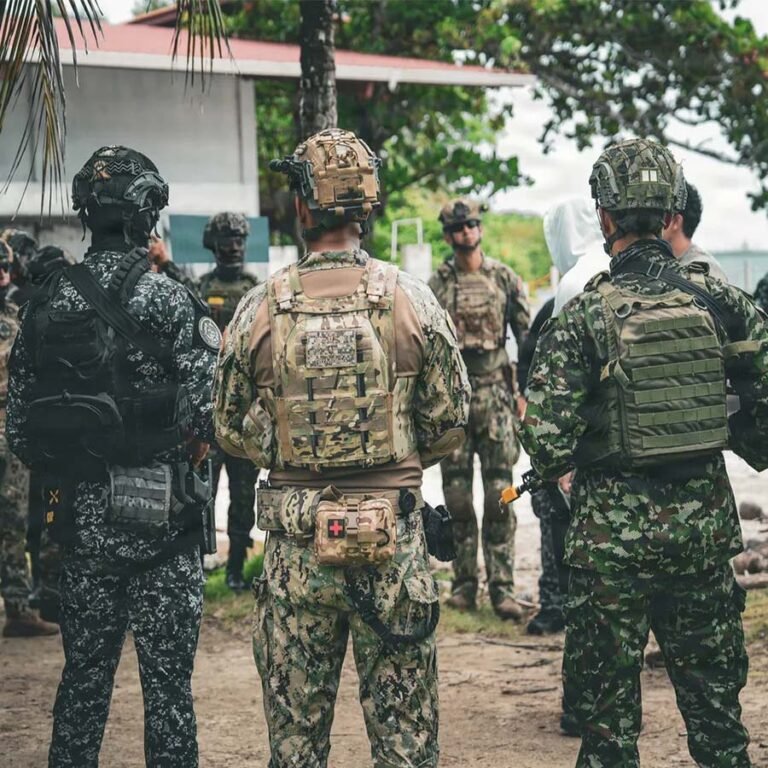
ACU (Army Combat Uniform) — основная боевая форма Армии США, введенная в 2004–2005 годах на смену BDU. Она отличается цифровым рисунком (первоначально UCP, позже OCP), улучшенной посадкой и модульной конструкцией, предназначенной для использования в современных полевых условиях.
В чём заключаются различия между BDU, ACU и DCU?
BDU была введена в 1980-х годах и на протяжении десятилетий оставалась стандартной боевой формой. Она была разработана в основном для лесистой местности и отличалась прочной тканью, камуфляжным рисунком и традиционными карманами на пуговицах.
DCU представляла собой адаптированную для пустынных условий версию боевой униформы (BDU), разработанную для жарких и засушливых регионов, таких как Ближний Восток. В ней использовался трёхцветный пустынный камуфляжный рисунок и более лёгкие материалы, что позволяло улучшить маскировку и повысить комфорт в песчаных условиях.
ACU В 2000-х годах она заменила как BDU, так и DCU в качестве современной боевой формы. В ней были внедрены такие усовершенствованные элементы, как застежки-липучки, улучшенная конструкция карманов, повышенная совместимость с бронежилетами и снаряжением системы MOLLE, а также обновленные камуфляжные рисунки, такие как UCP и OCP.
Одним словом, BDU — это классическая лесная форма, DCU — пустынный вариант, а ACU — современная боевая форма для любых условий.

G2/G3/G4 — система боевой экипировки 2-го/3-го/4-го поколения
Тактические аббревиатуры G2/G3/G4 обозначают последовательные поколения системы боевой одежды (рубашки и брюки) компании Crye Precision.
G2 обеспечили повышение мобильности и доступность на рынке.
G3 стала широко распространенным стандартом благодаря эластичным вставкам и продуманной конструкции карманов.
G4 отличается более легкой эластичной тканью VTX, обновленной компоновкой карманов и повышенной прочностью, что делает её идеальной для современного тактического использования.
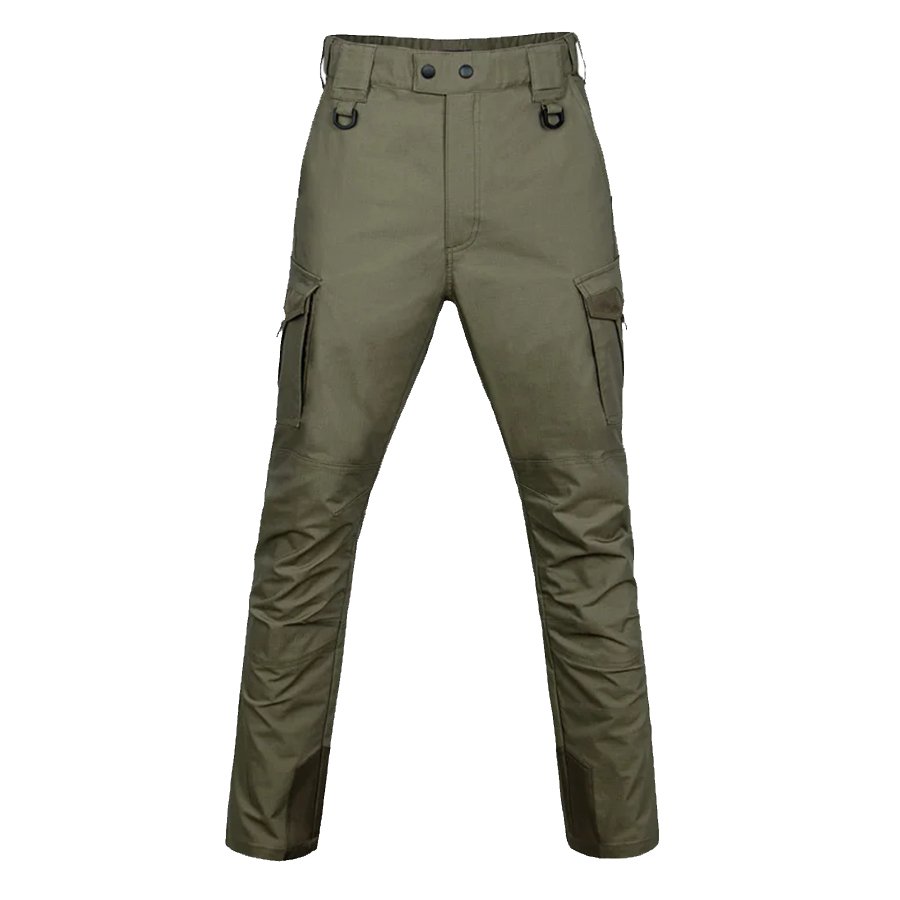
Водонепроницаемые боевые брюки Ranger Green для мужчин
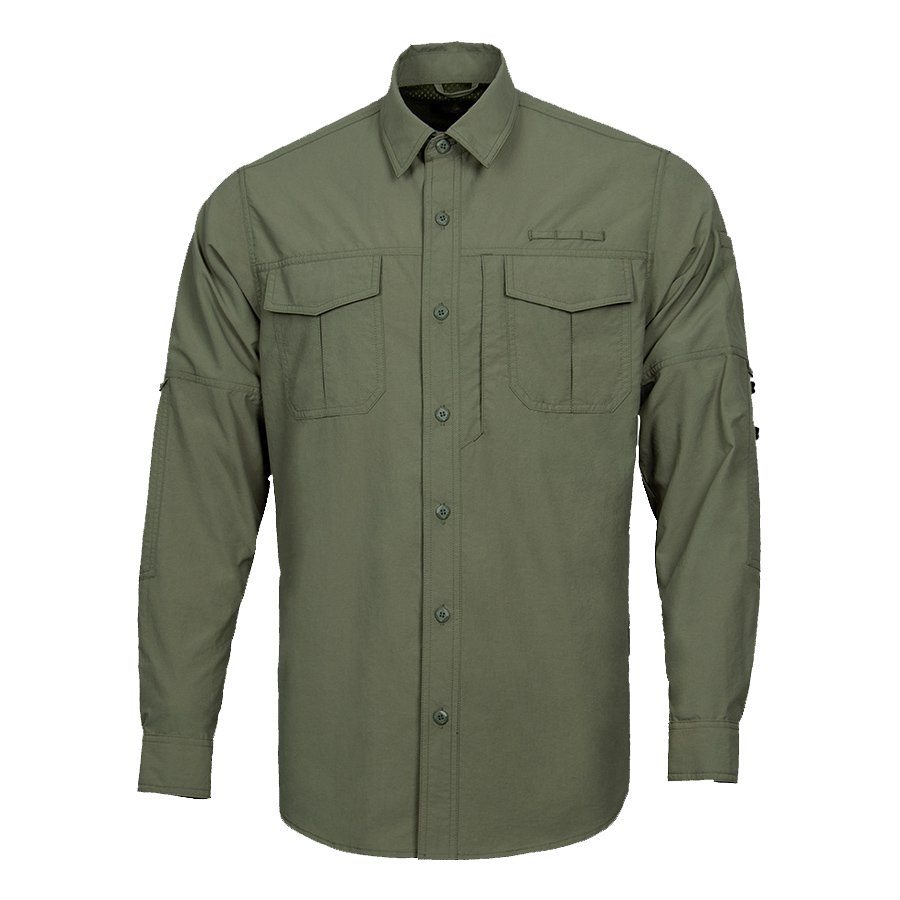
Стильная дышащая мужская тактическая рубашка с длинным рукавом
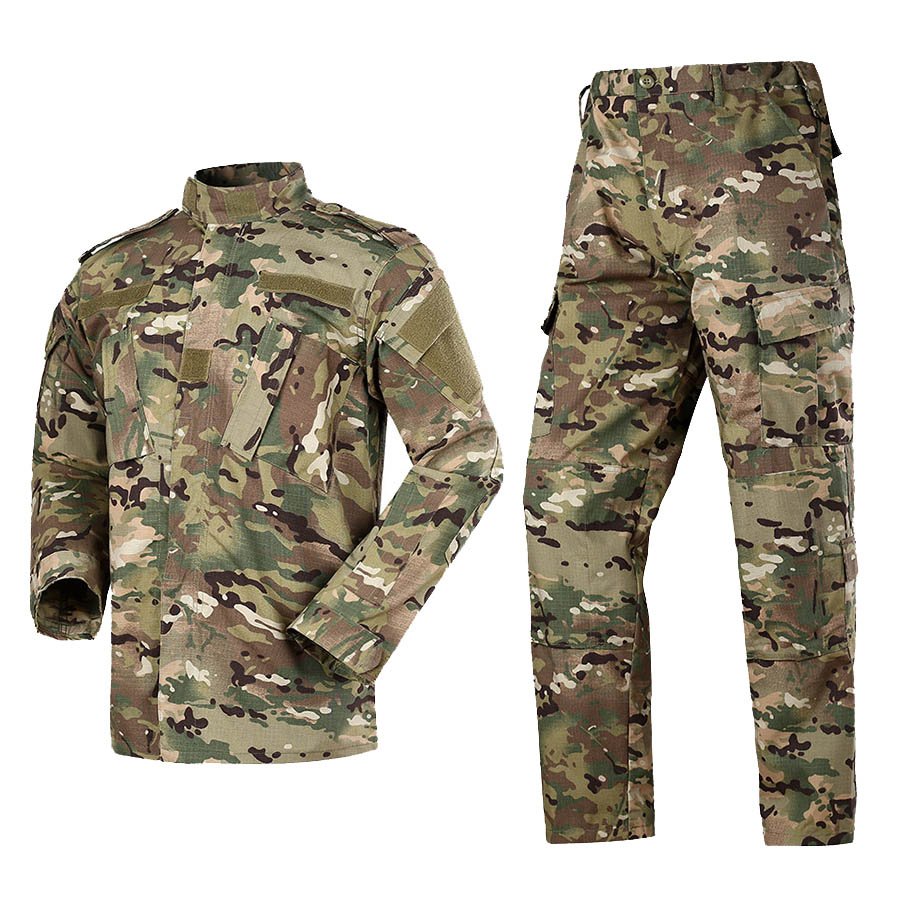
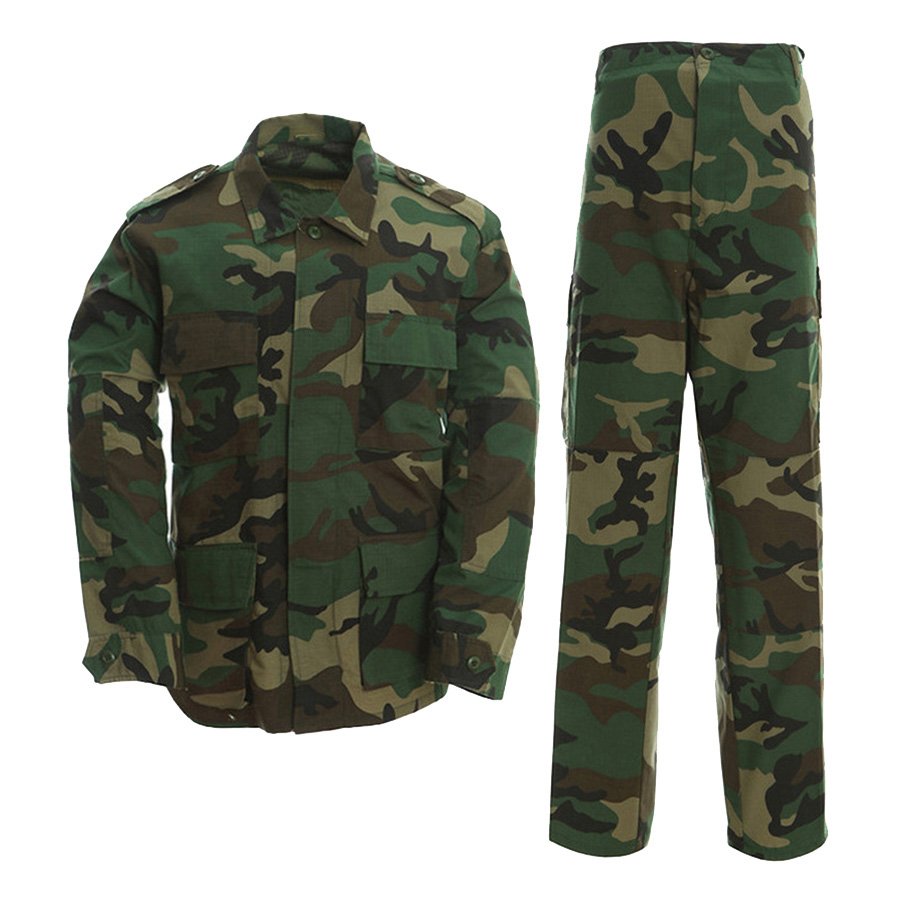
Армейская камуфляжная форма BDU для мужчин
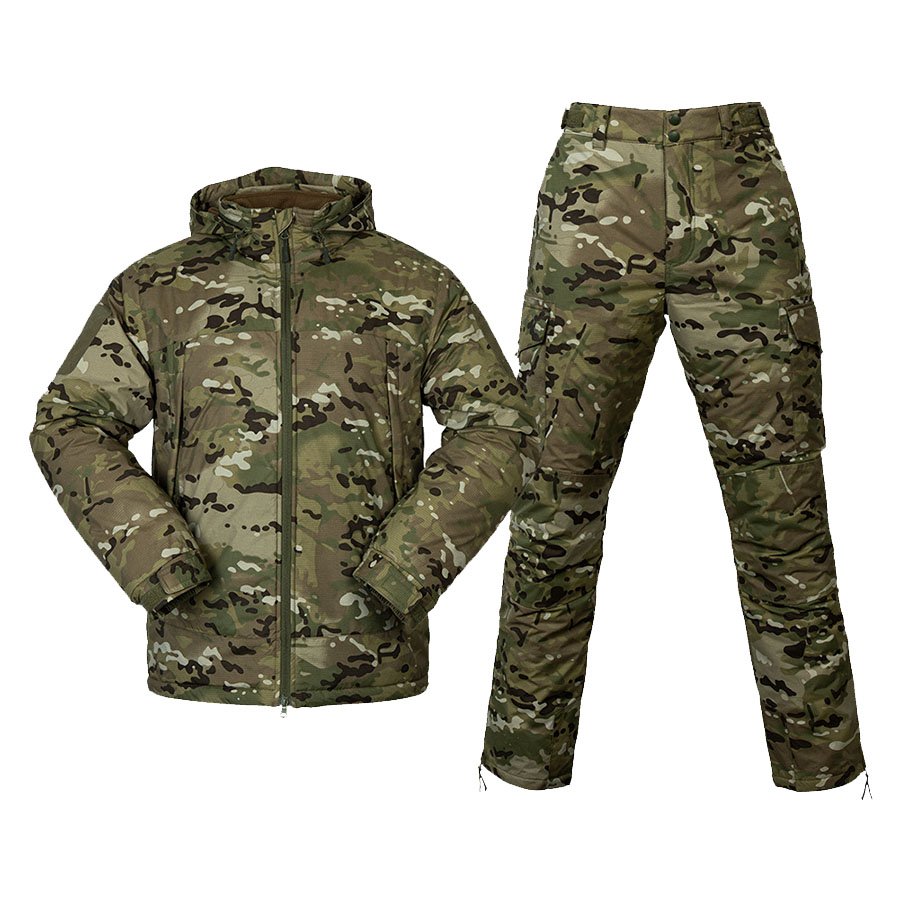
Комплект куртки и брюк военного боевого костюма
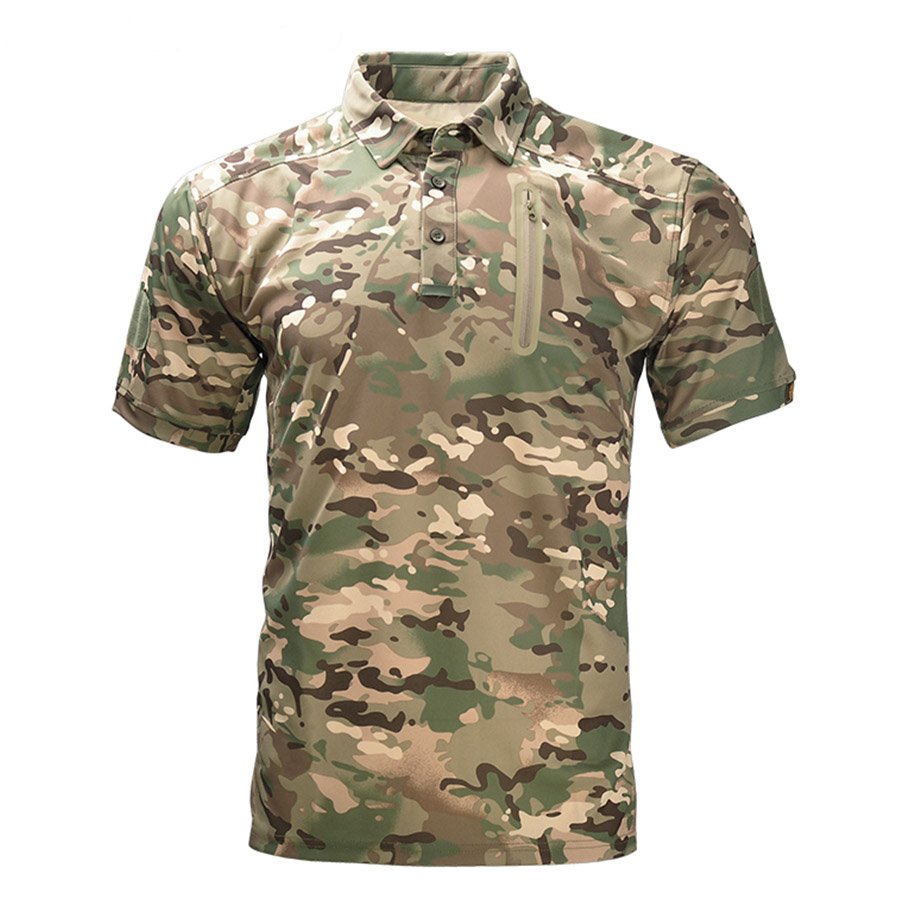
Комбинированная футболка с коротким рукавом Multicam
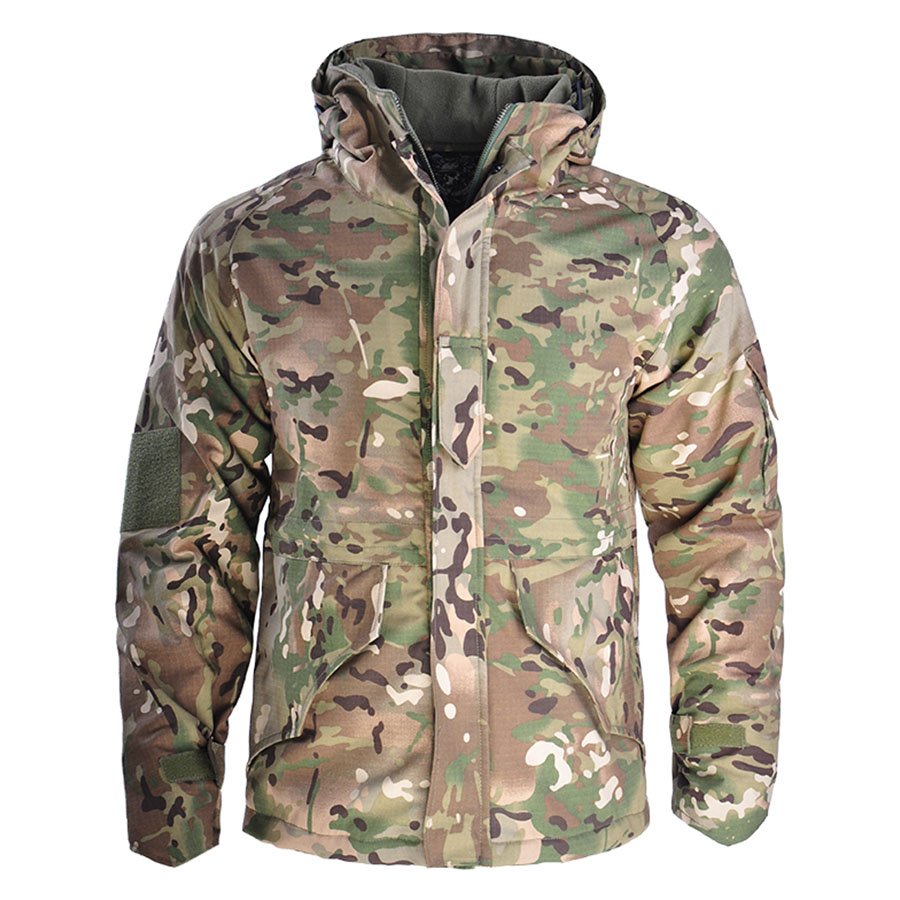
Водонепроницаемый камуфляж тактическая куртка для мужчин
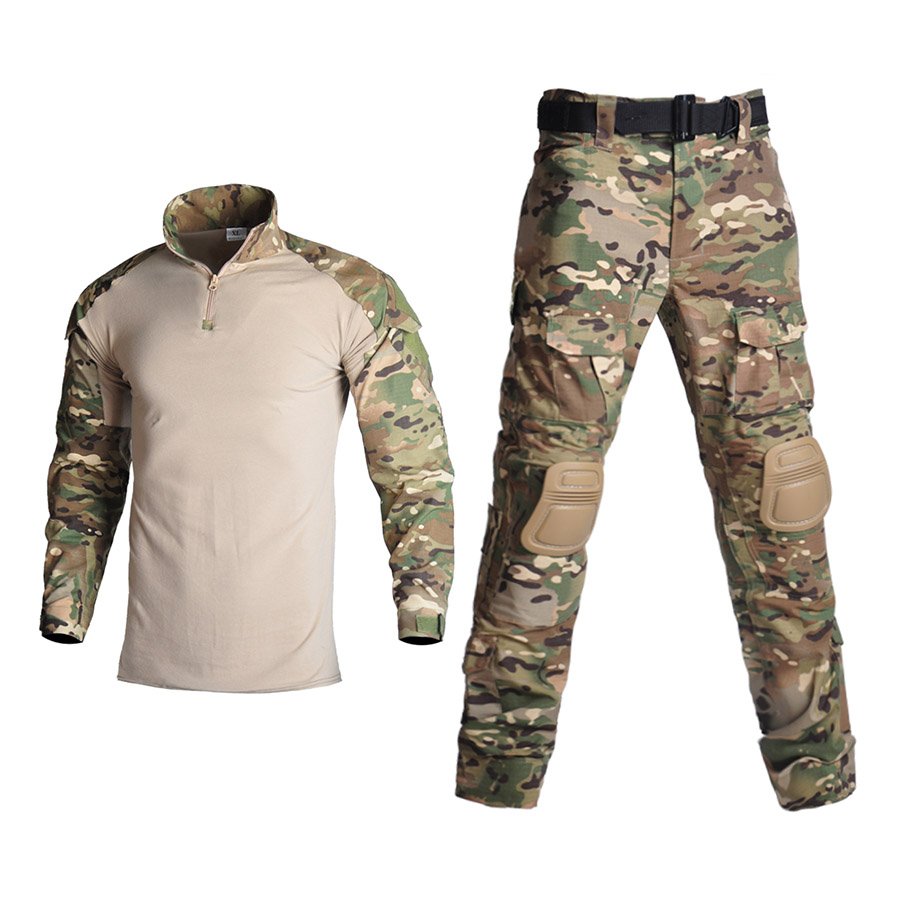
Комплект тактической боевой формы с камуфляжным рисунком
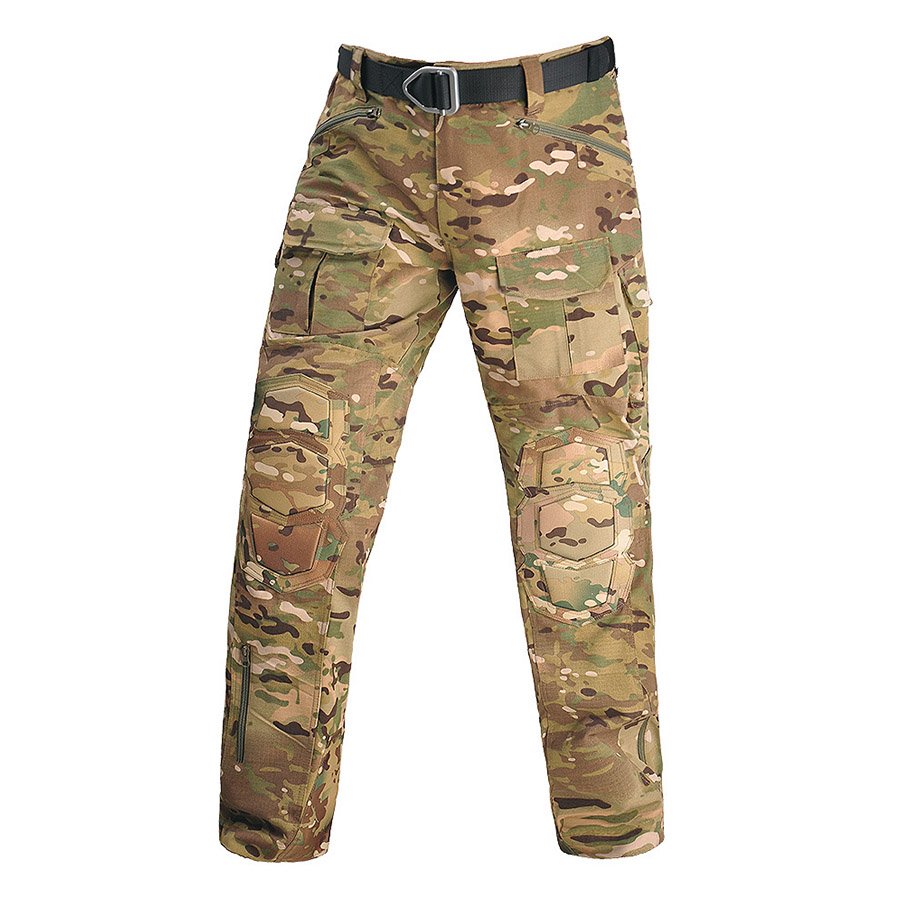
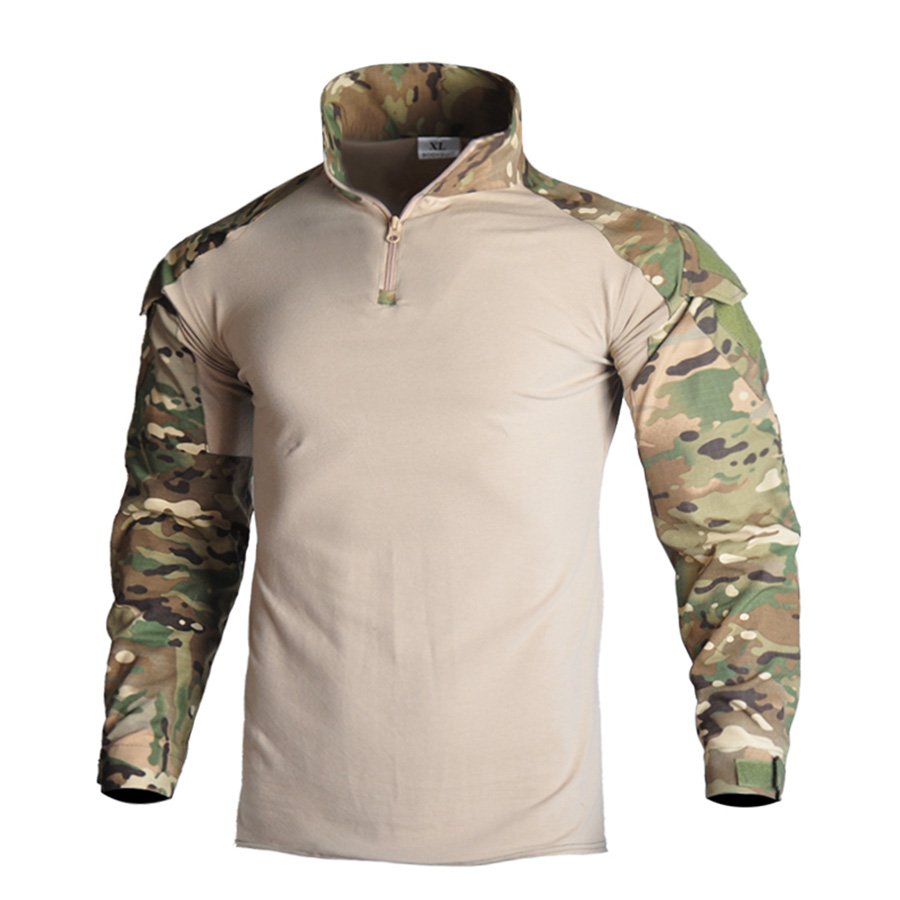
OCP — оперативный камуфляжный рисунок
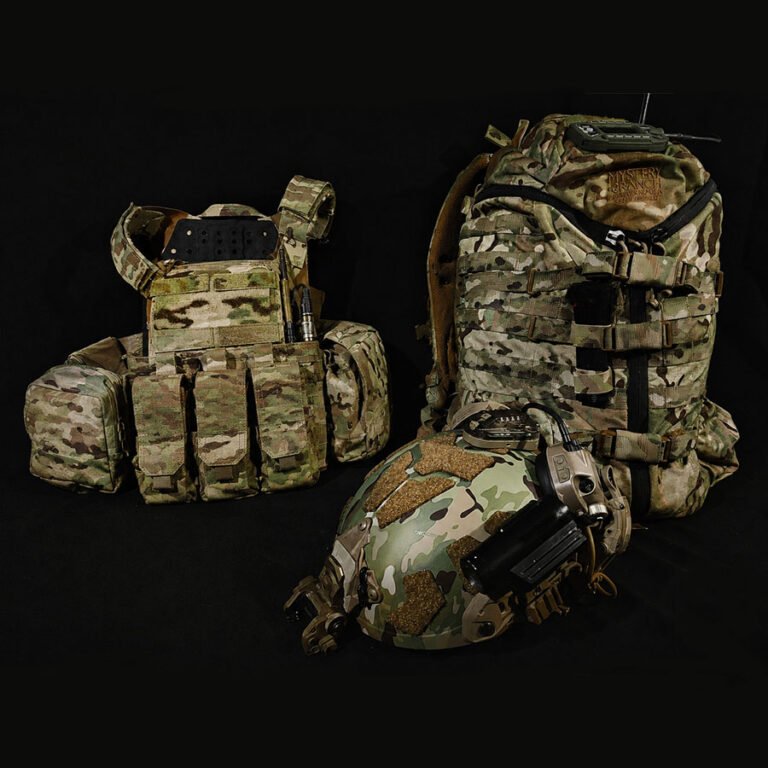
OCP — это действующий в настоящее время камуфляжный рисунок Армии США для различных типов местности, принятый на вооружение в 2015 году взамен неэффективного универсального камуфляжного рисунка (UCP). Также известный как «Scorpion W2», он очень похож на камуфляж MultiCam и применяется на боевой форме Армии США (ACU) для обеспечения лучшей маскировки в различных условиях местности.
UCP — универсальный камуфляжный рисунок
UCP — это цифровой пиксельный камуфляжный рисунок, использовавшийся на боевой форме армии США (ACU) с 2004 года до середины 2010-х годов. Разработанный как универсальный рисунок для любых условий, он показал низкую эффективность на большинстве типов местности и был заменен оперативным камуфляжным рисунком (OCP).
CP — камуфляжный рисунок
CP чаще всего под этим понимается камуфляжный рисунок (особенно промежуточный вариант OEF-CP/MultiCam, использовавшийся в Афганистане) или компания Crye Precision, разработавшая камуфляж MultiCam, а также популярные боевые униформы и снаряжение серий G2/G3/G4, широко используемые в военных и тактических кругах.
2. ЖИЛЕТЫ, ПЛАСТИНЧАТЫЕ КАРТАЧИ И БРОНЕЖИЛЕТЫ
LBV — жилет для переноски грузов
LBV — это тактический жилет, который распределяет вес магазинов, боеприпасов и снаряжения по всему туловищу. Он позволяет носить снаряжение, не занимая рук, и стал одним из распространенных предшественников современных броненосных жилетов и систем MOLLE.
PC — бронежилет
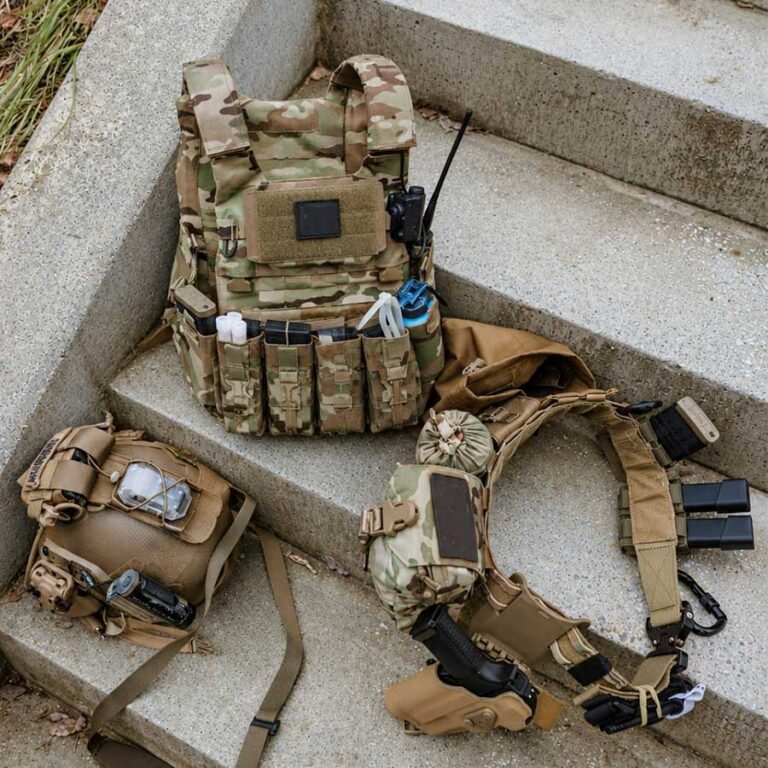
Военная аббревиатура PC обозначает легкий тактический жилет, предназначенный в первую очередь для размещения жестких баллистических пластин, обеспечивающих защиту от винтовочных выстрелов. Как правило, он оснащен системой крепления MOLLE для установки сумок и отличается большей модульностью и меньшей громоздкостью по сравнению с традиционными бронежилетами.
MTV — модульный тактический жилет
MTV — это система бронезащиты Корпуса морской пехоты США, введенная в эксплуатацию в середине 2000-х годов. По сравнению с более ранней броней «Interceptor» она отличается улучшенной модульностью, распределением веса и комфортом, при этом сочетая в себе мягкие бронеэлементы и жесткие бронеплиты.
OTV — внешний тактический жилет
Военная аббревиатура OTV обозначает внешний носитель системы бронезащиты «Interceptor Body Armor», используемой вооруженными силами США. Он предназначен для крепления мягких бронепанелей и установки жестких пластин (SAPI/ESAPI), обеспечивая защиту туловища от осколков и пуль.
IOTV — усовершенствованный внешний тактический жилет
IOTV — это модернизированный бронежилет Армии США, пришедший на смену более ранней модели OTV. Он обеспечивает более равномерное распределение веса, оснащен системой быстрого снятия, отличается улучшенной модульностью и позволяет размещать в себе как мягкие бронеэлементы, так и жесткие бронеплиты, что обеспечивает повышенную защиту и комфорт.
NIJ — Национальный институт юстиции (стандарты на бронежилеты)
NIJ (Национальный институт юстиции) — это американское агентство, которое устанавливает стандарты баллистической защиты для бронежилетов. Его система классификации (уровни II, IIIA, III, IV и т. д.) определяет типы угроз со стороны пистолетов и винтовок, которые бронежилет должен способен остановить, и служит основным ориентиром для гражданских, правоохранительных и тактических средств защиты.
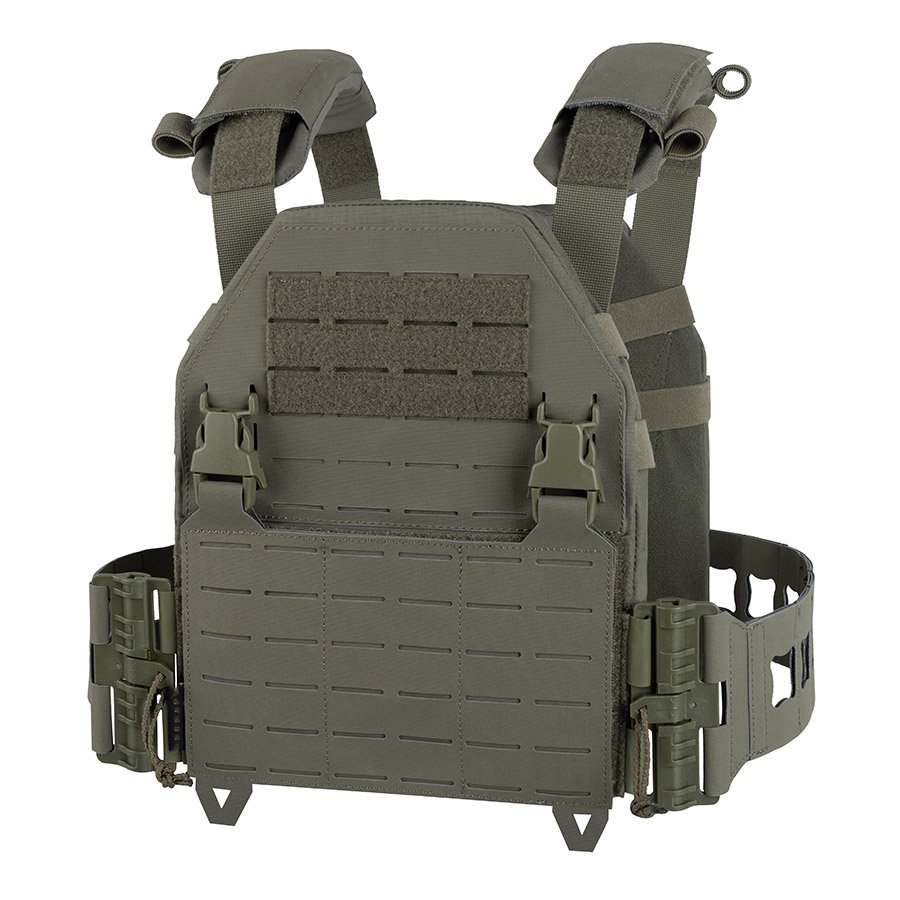
Lightweight Modular Plate Carrier Vest Armorguard
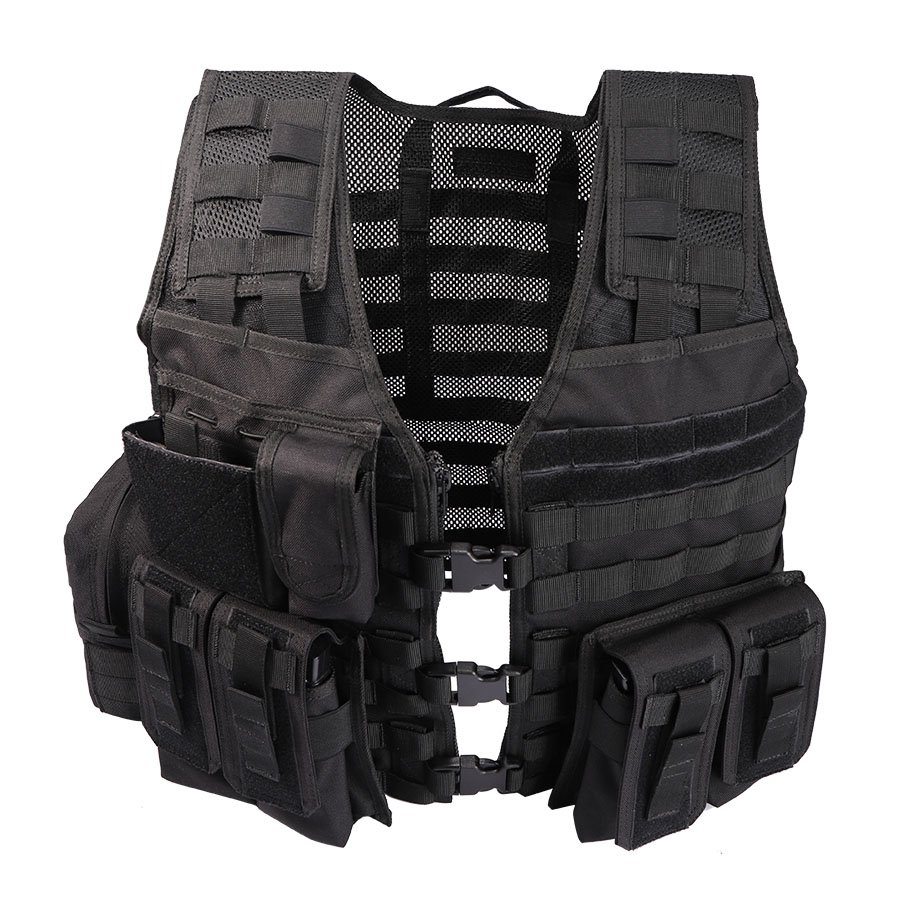
Легкий полицейский бронежилет с карманами для магазинов
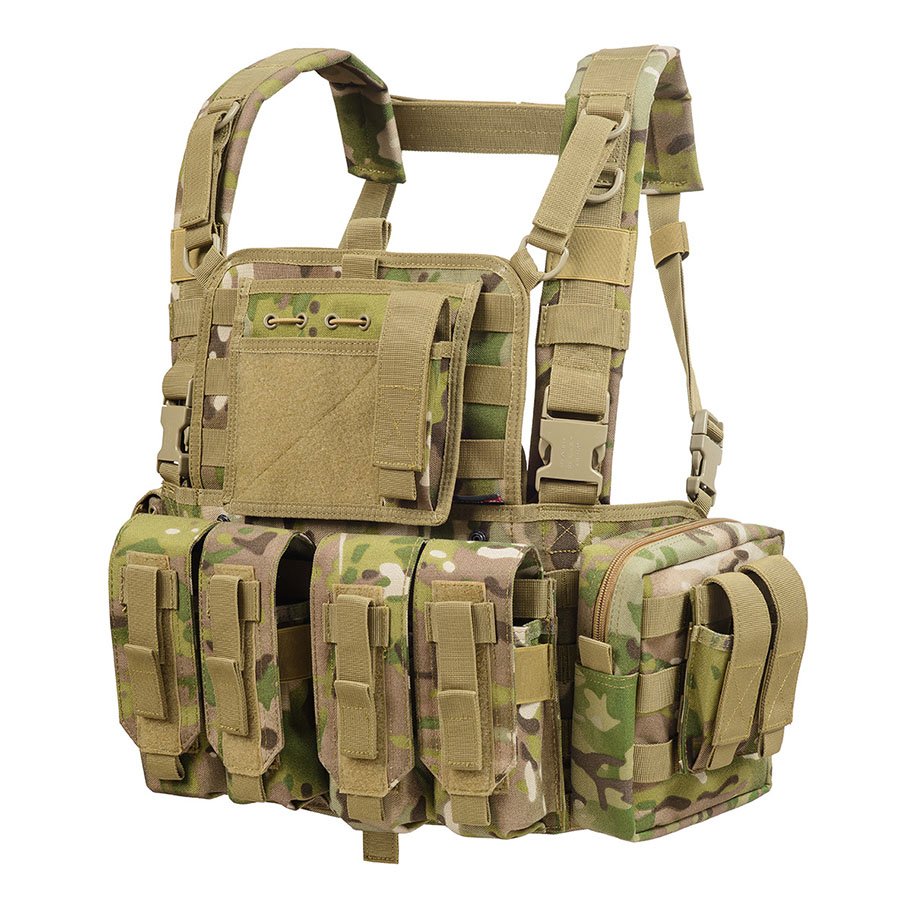
Военный нагрудный ремень для бронежилета, цвет «Multicam»
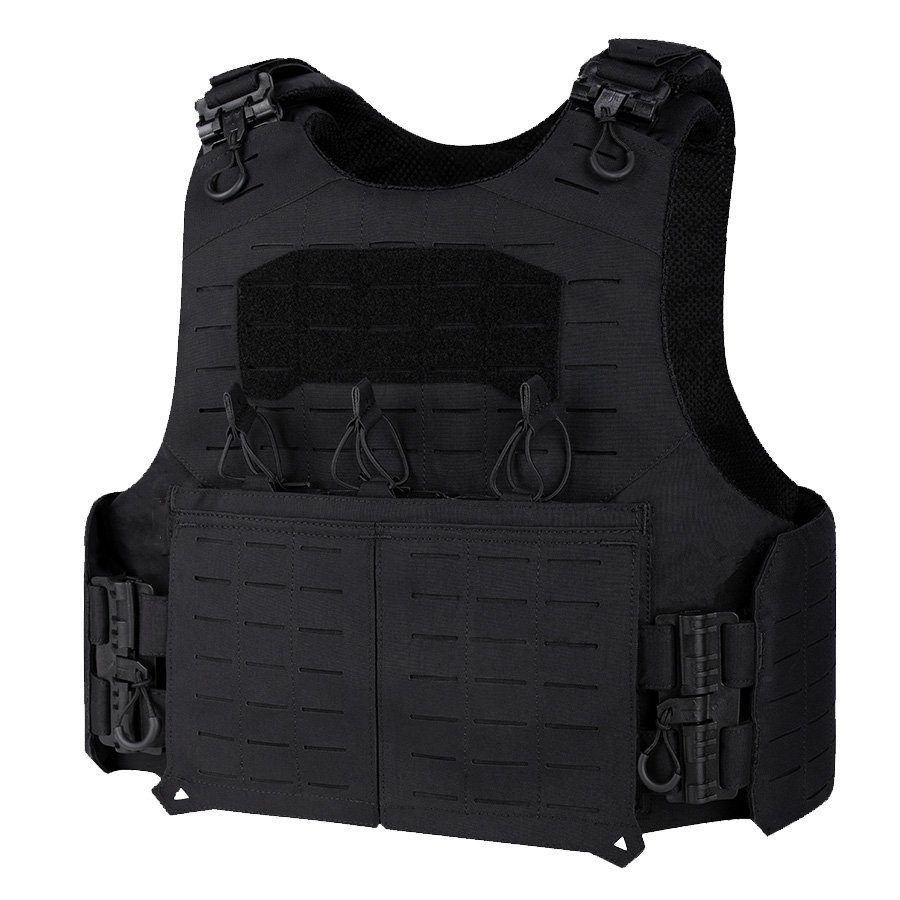
Легкий черный жилет-пластинкодержатель с лазерной резкой и системой MOLLE
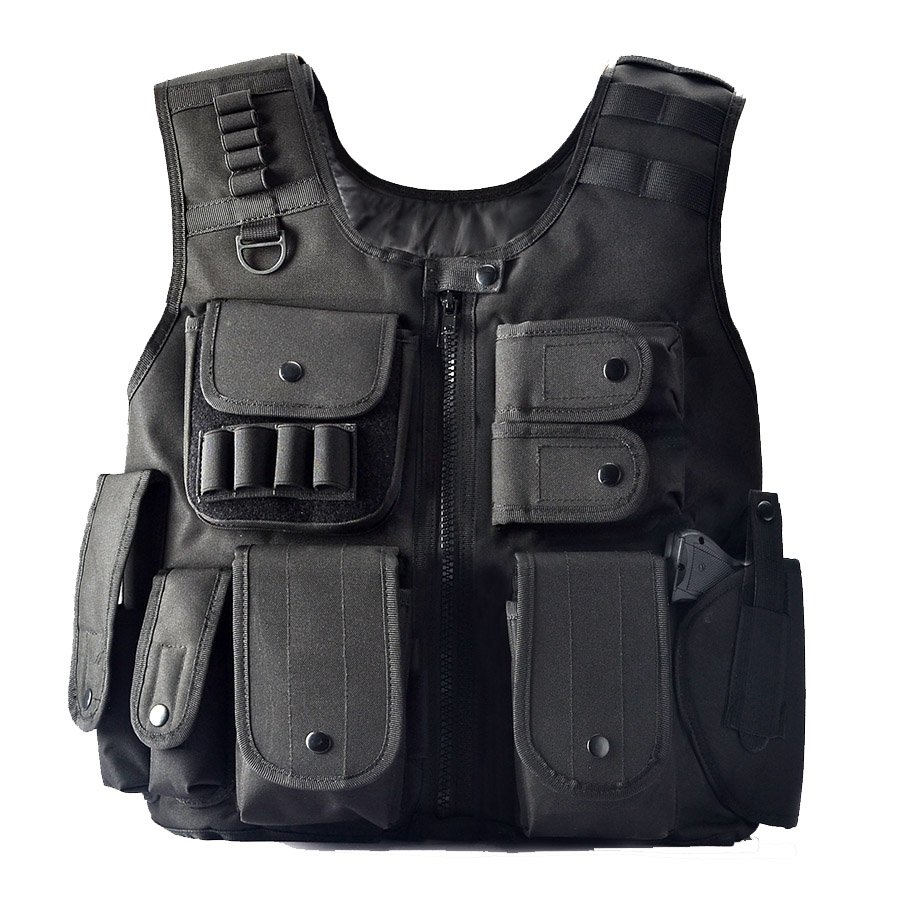
Прочный тактический жилет SWAT для правоохранительных органов, черный
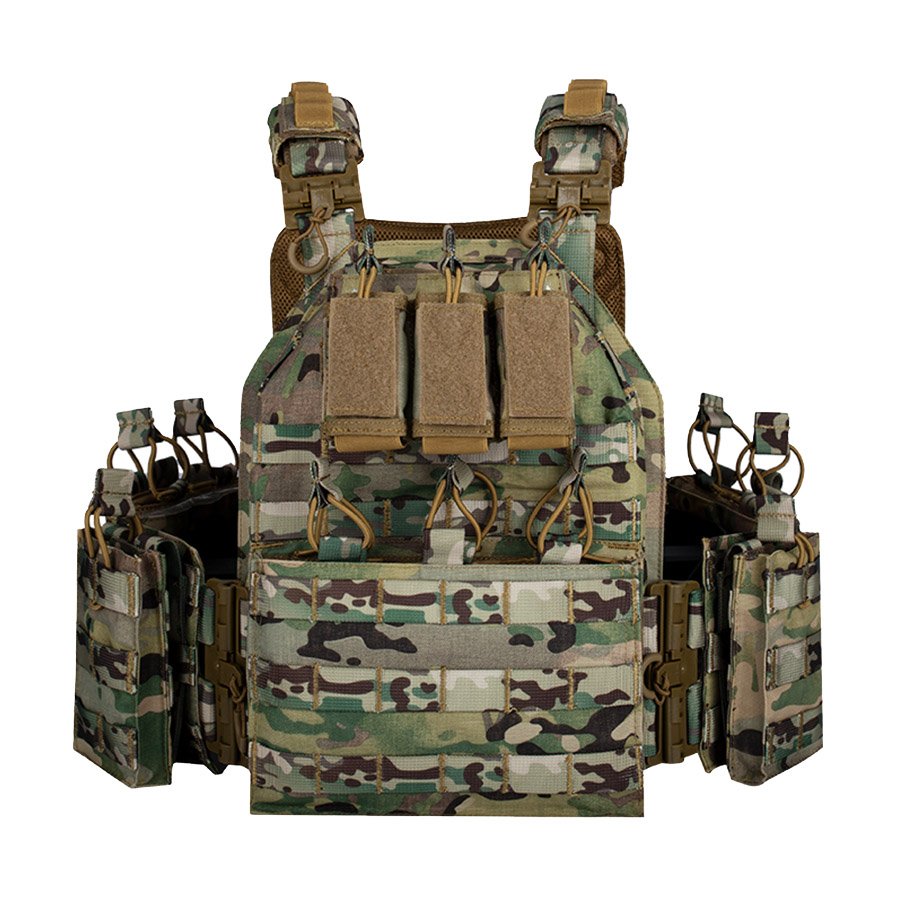
Камуфляжный баллистический жилет с карманами для магазинов
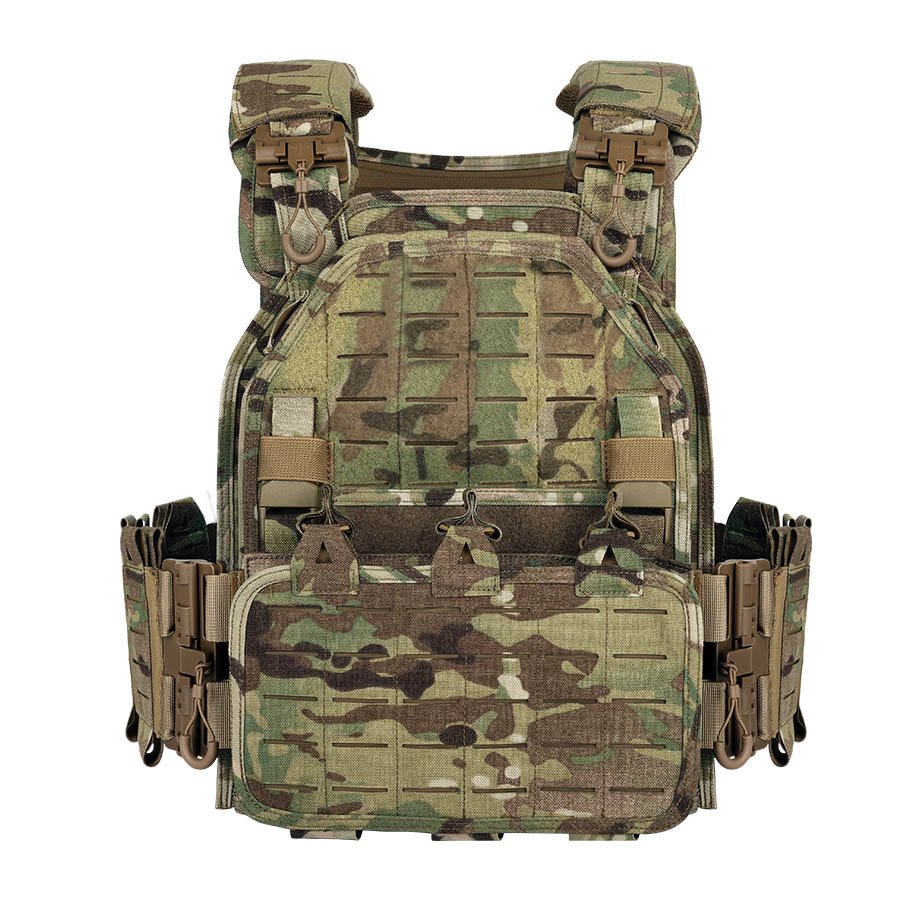
Лучший многокамерный пластинчатый жилет с системой MOLLE, изготовленной методом лазерной резки
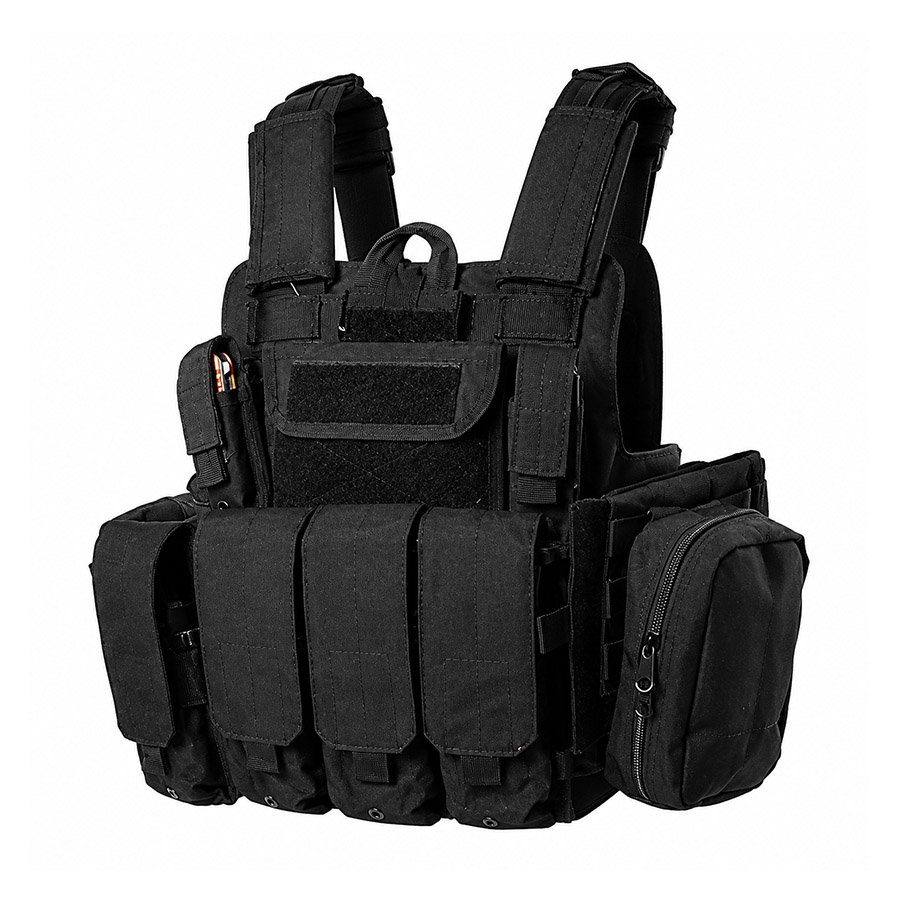
Тактический жилет Molle черного цвета со встроенными карманами
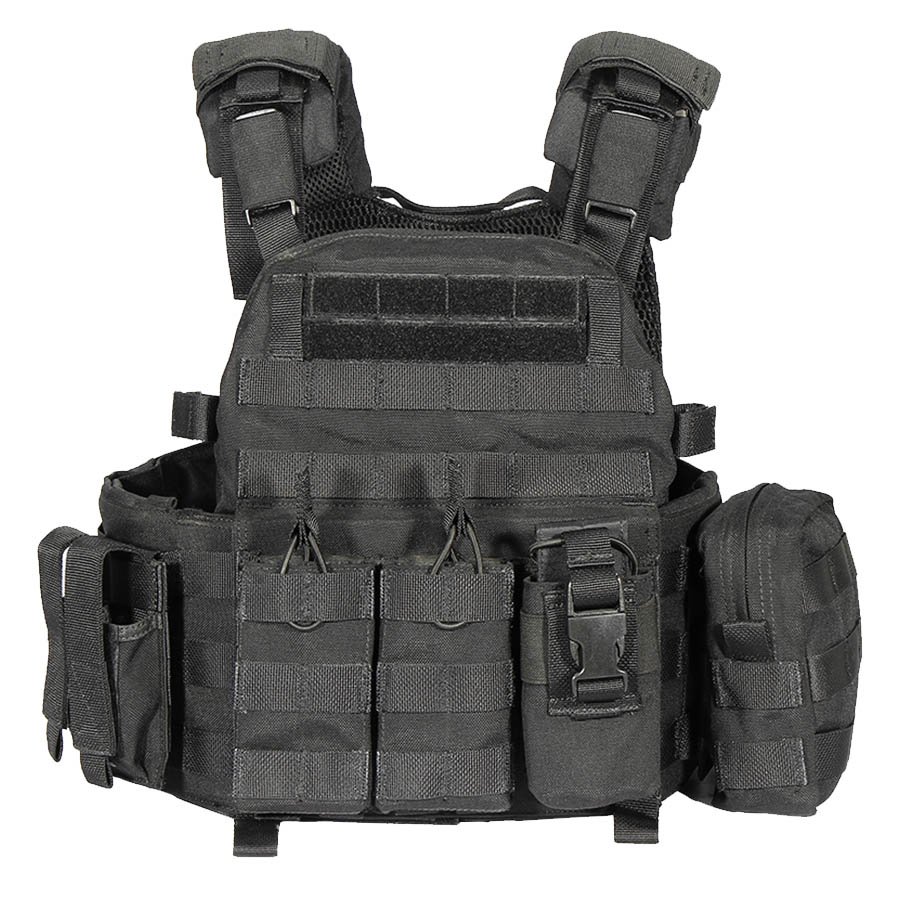
Лучший военный жилет-носитель с боковыми карманами
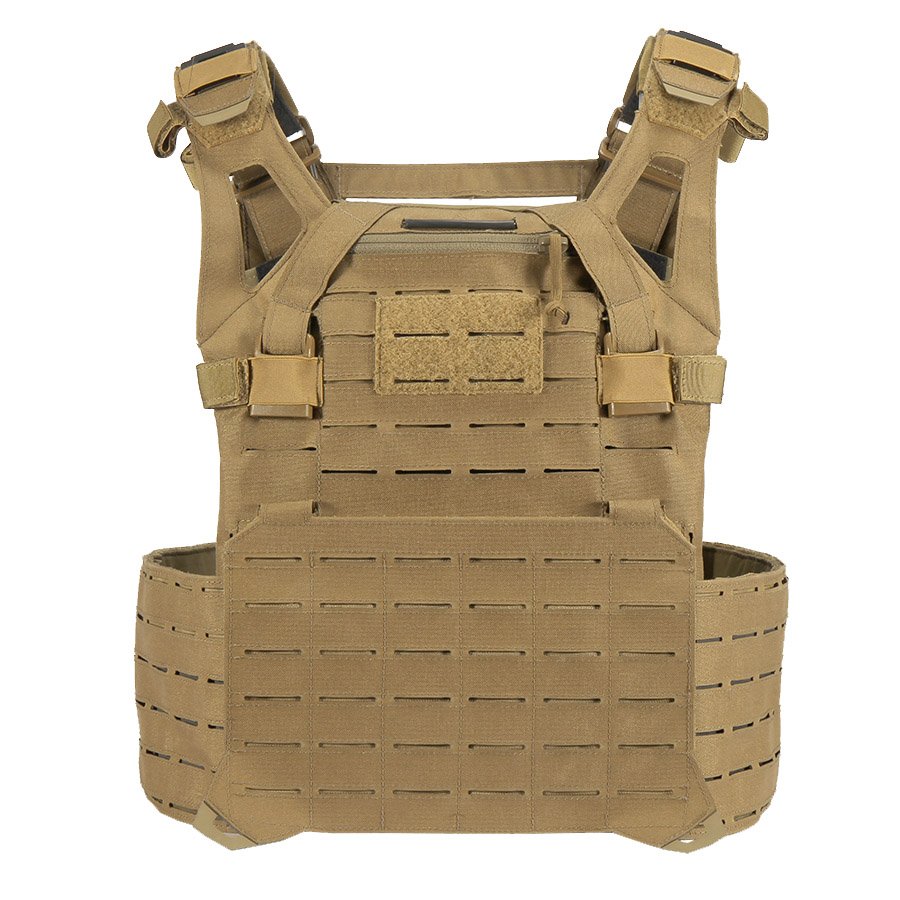
Легкий пластинчатый жилет с карманами, цвет «койот-браун»
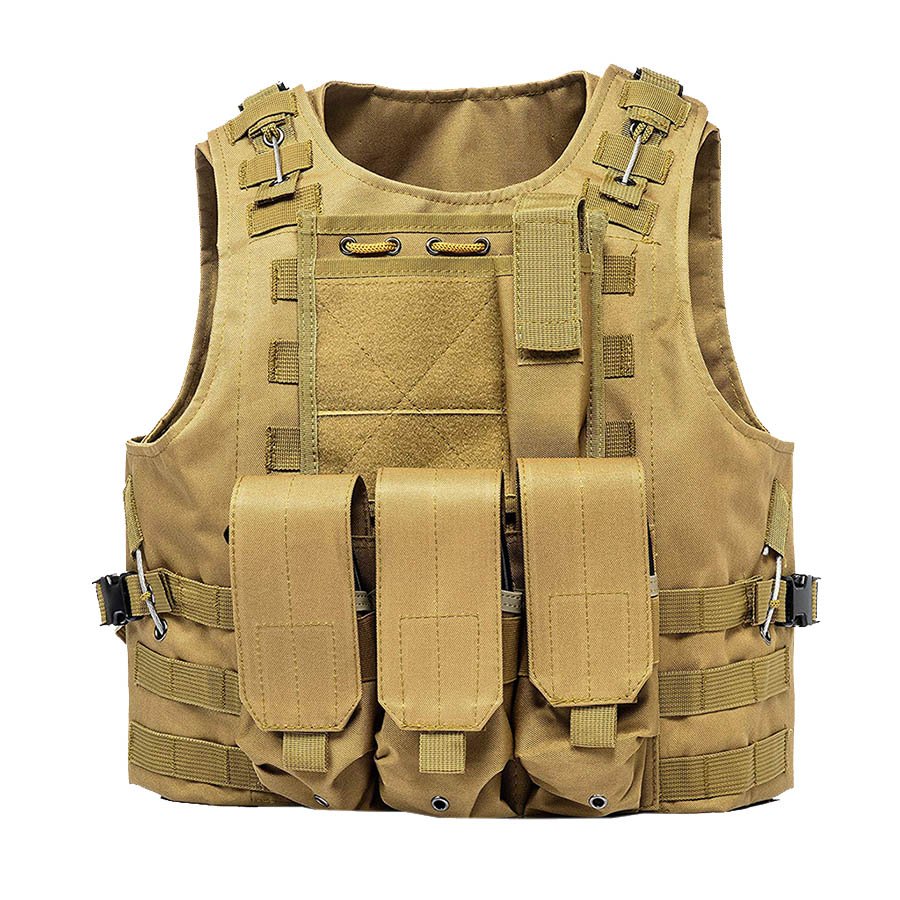
Бежевый жилет для переноски журналов с системой крепления MOLLE
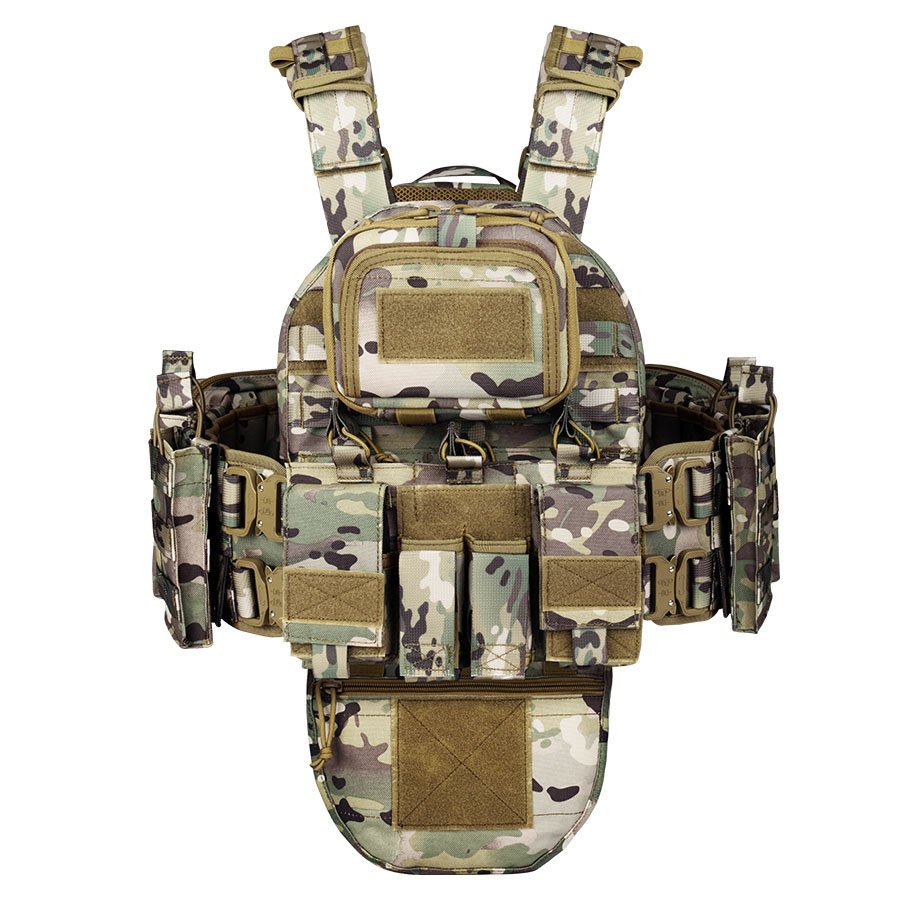
Тактический бронежилет с системой быстрой смены, камуфляжный
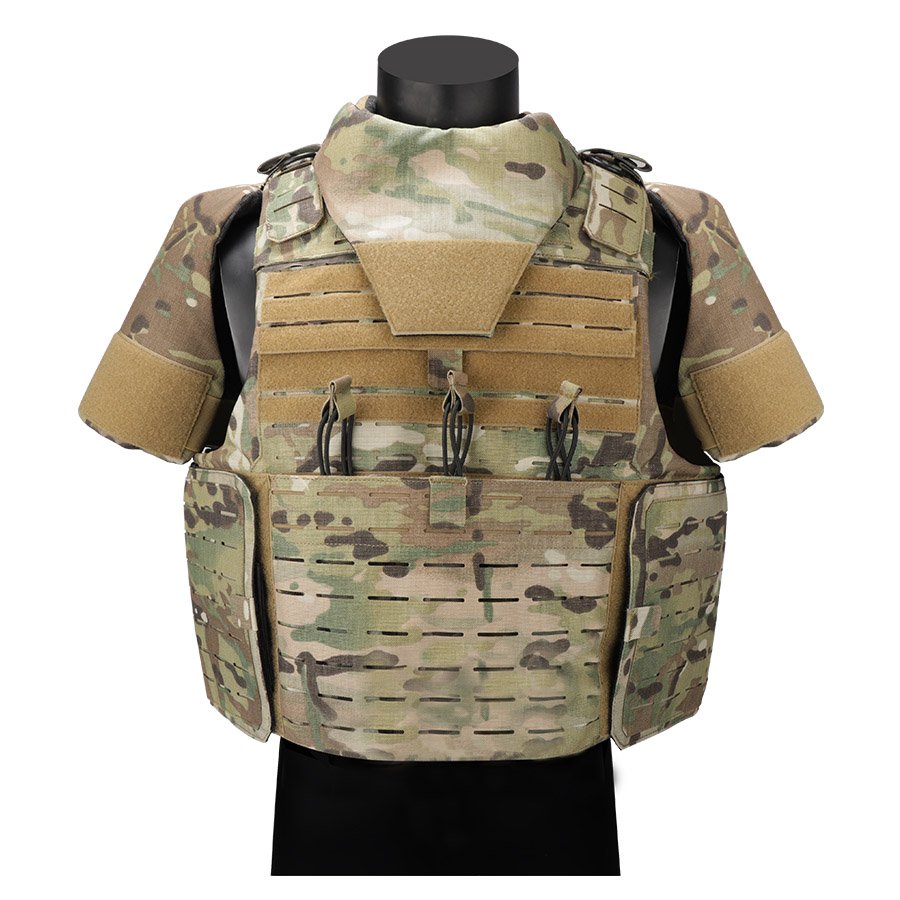
Бронежилет Molle с полной защитой, камуфляж Multicam
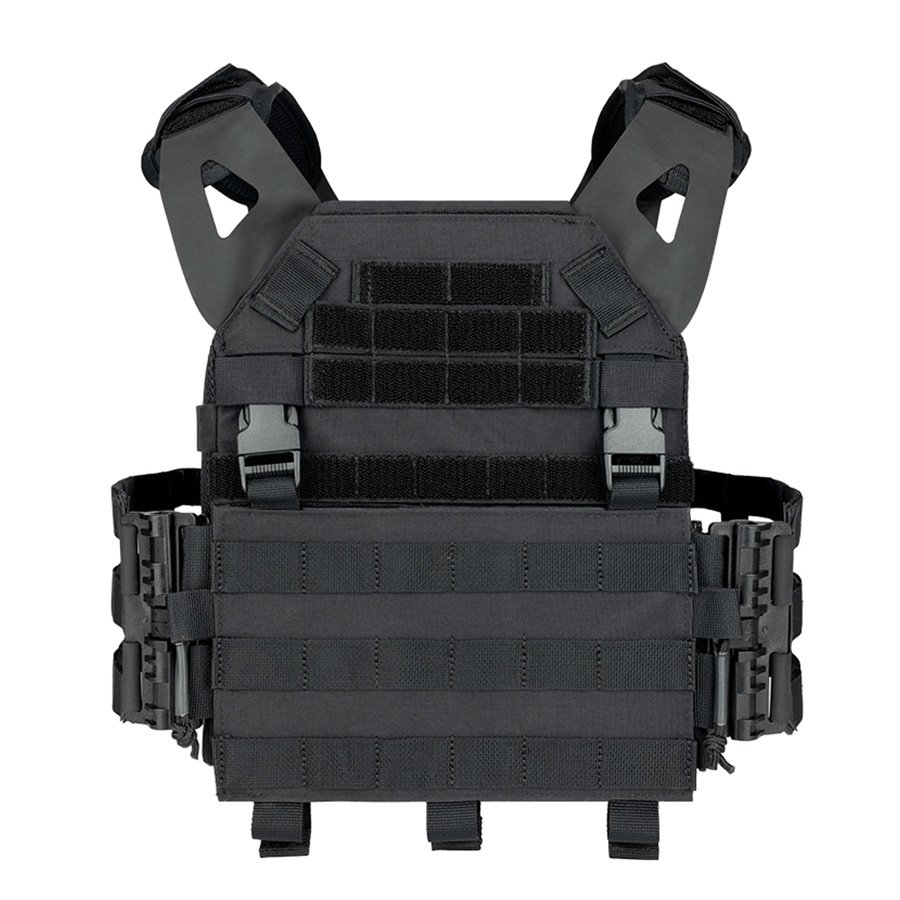
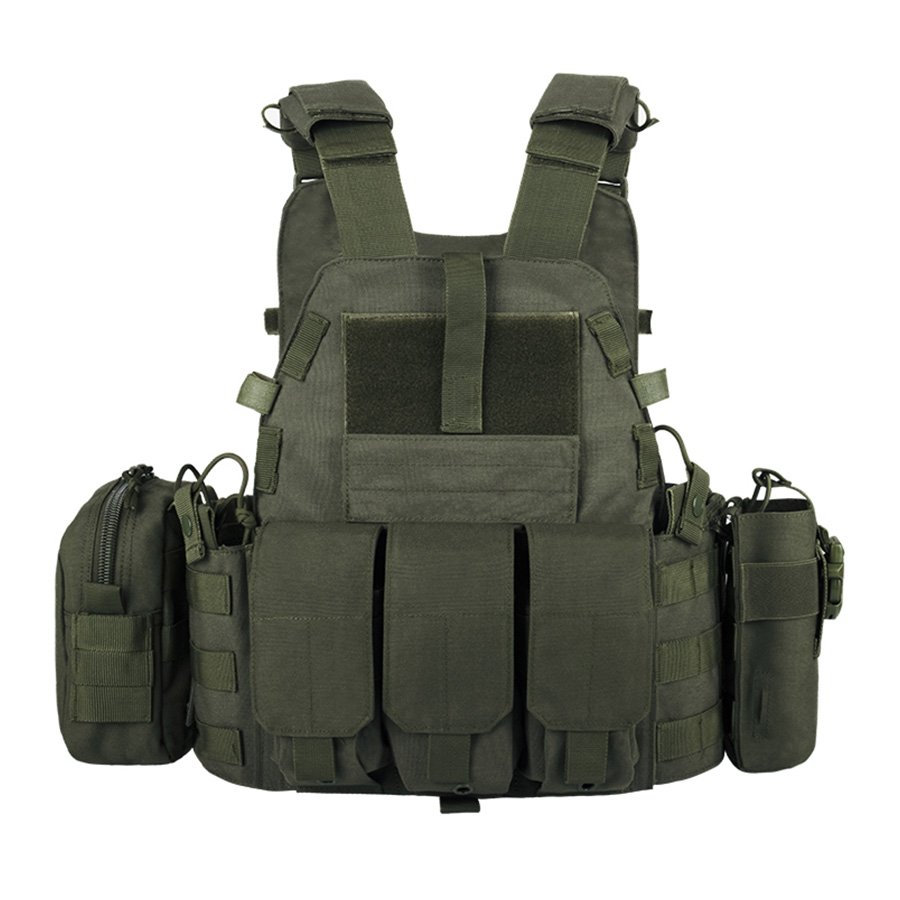
Легкий носитель пластин с подсумками оптом
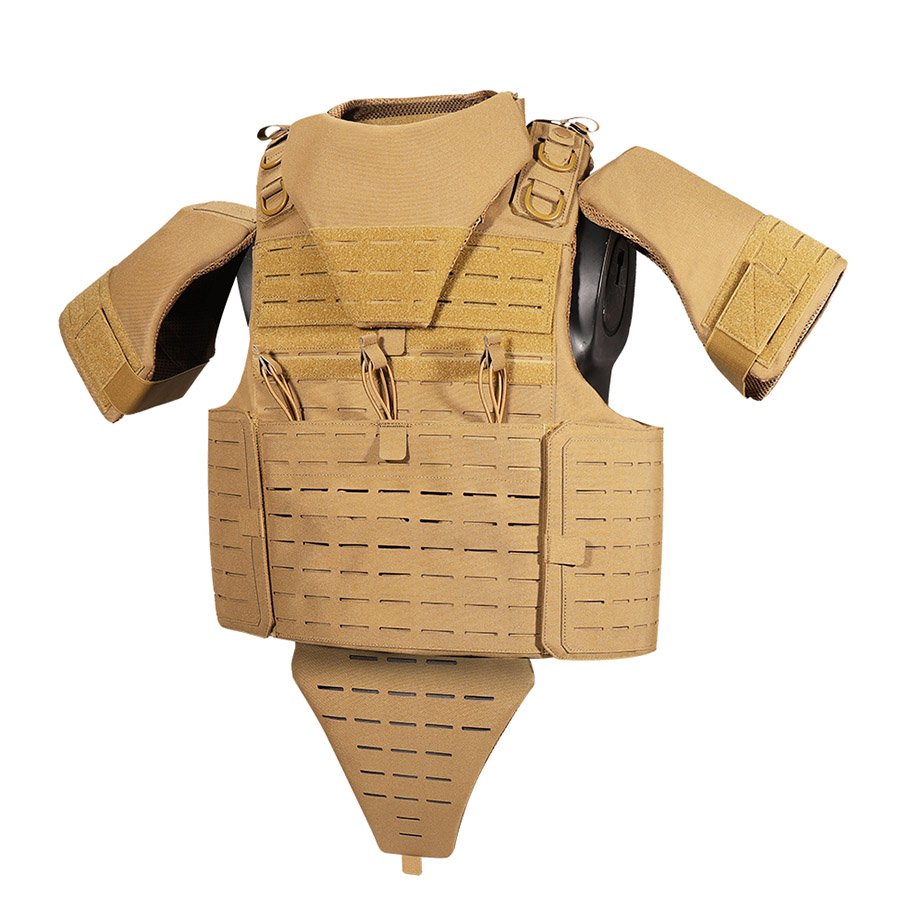
Molle Tactical Full Body Armor-Armorguard
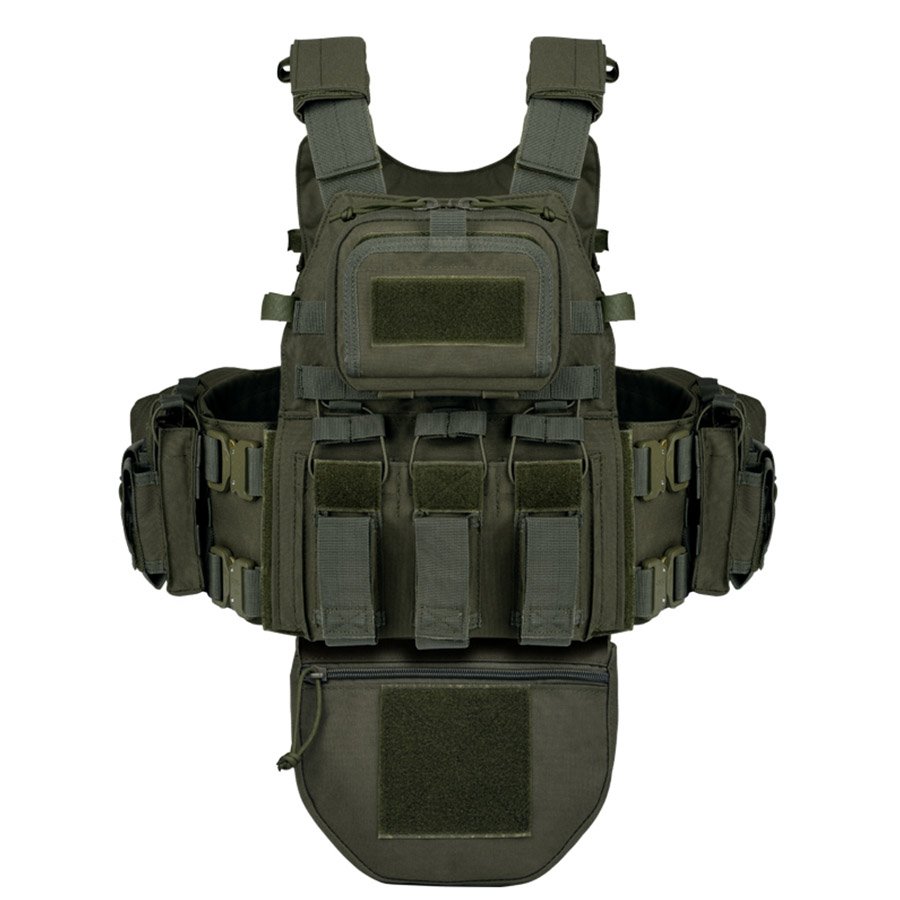
Носитель бронепластин с подсумками для журналов
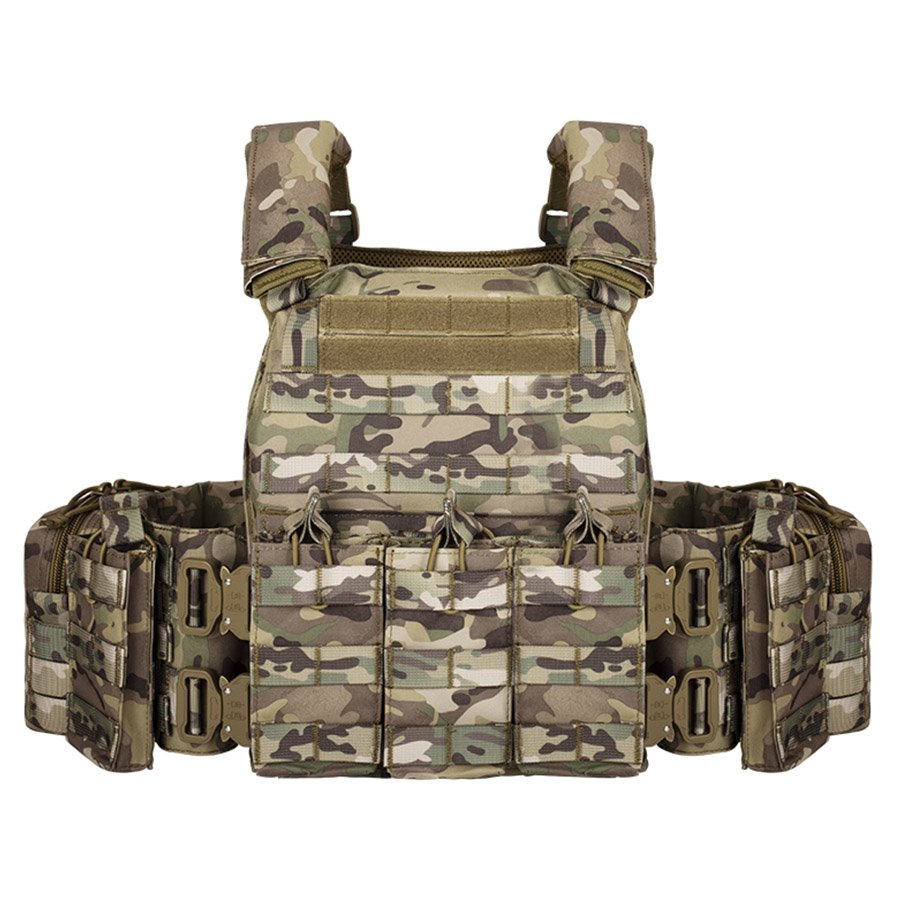
Тактический жилет Armorguard Camo Molle с подсумками для журналов

Molle Police Plate Carrier с подсумками для журналов

Мужской тактический жилет Multicam с поддержкой гидратации
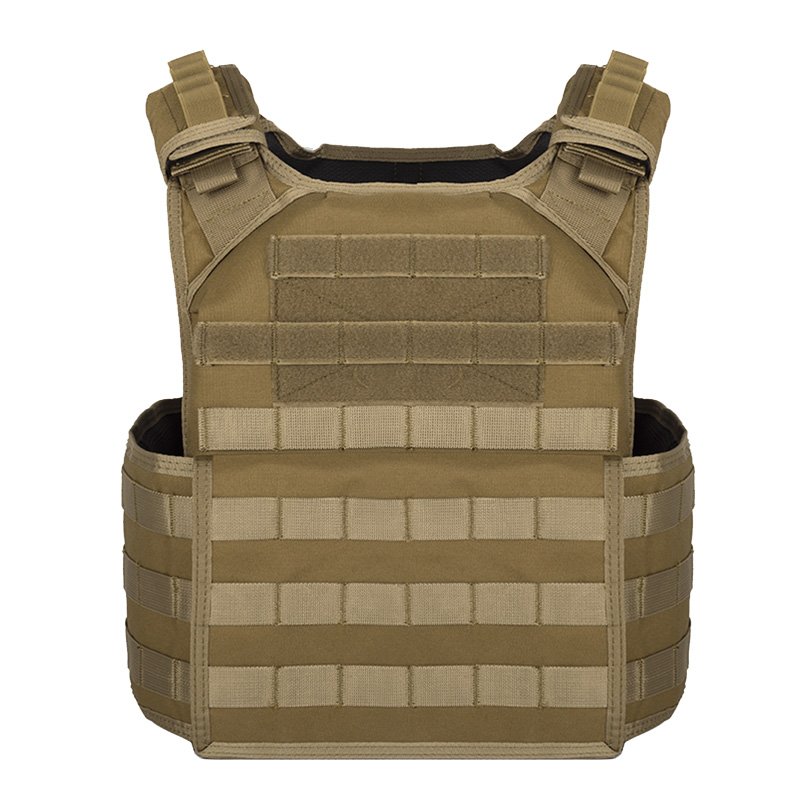
Tan Lightweight Plate Carrier With Molle System

Тактический жилет Plate Carrier Vest Hydration Compatible
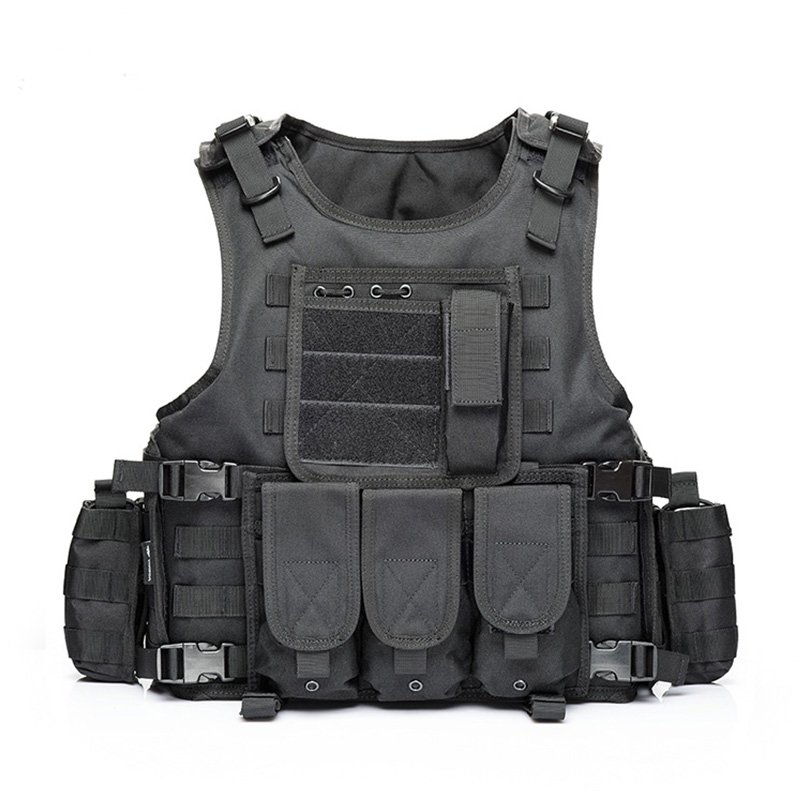
Прочный полицейский жилет-носитель для правоохранительных органов
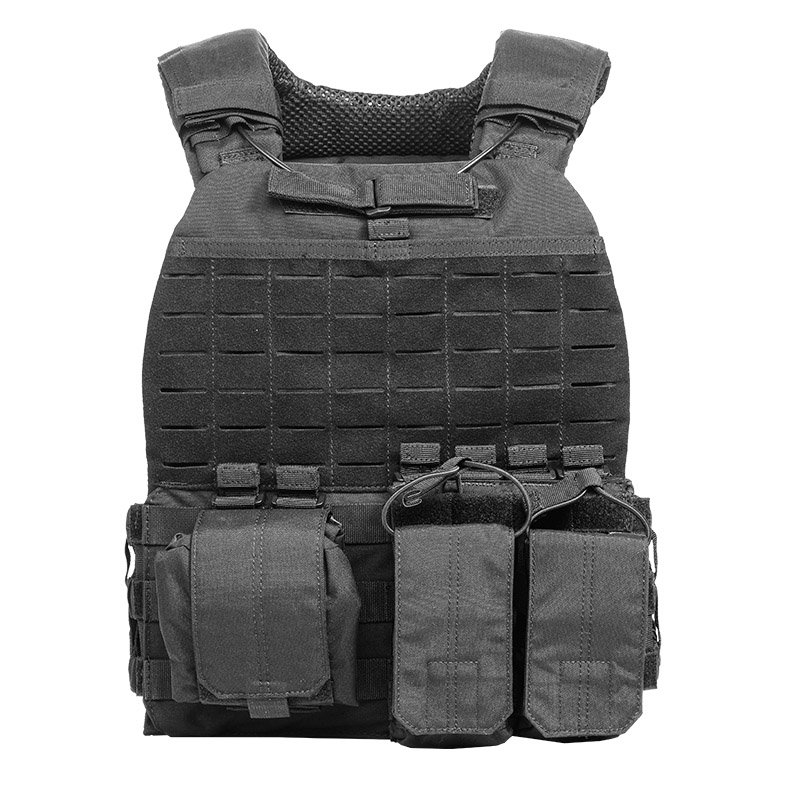
Регулируемые ремни Тактический жилет Molle Серый
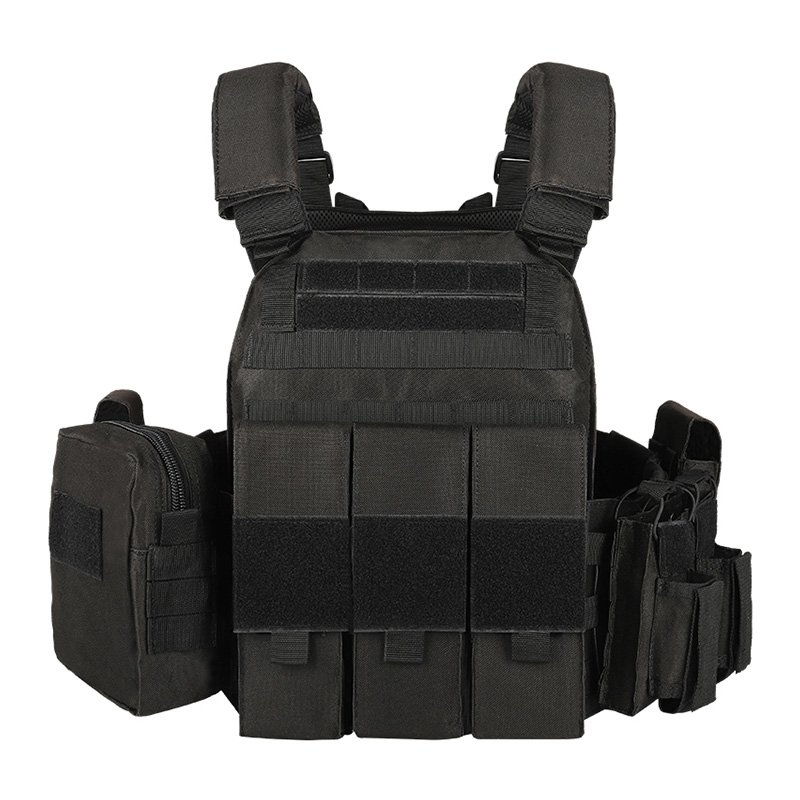
Военный носитель пластин с подсумками для патронов черный
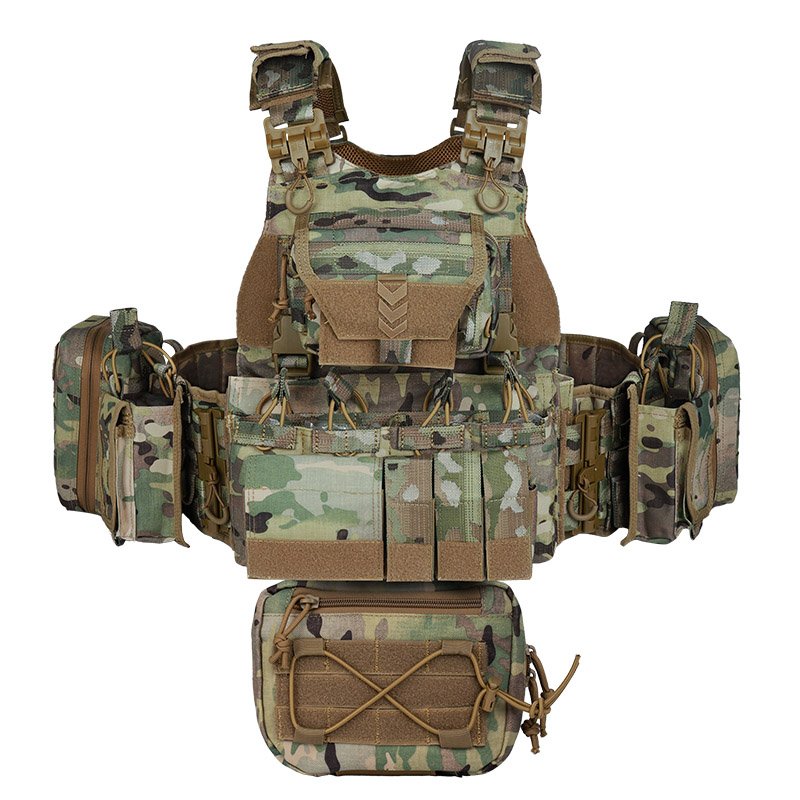
Тактический бронежилет с быстрым креплением и карманами
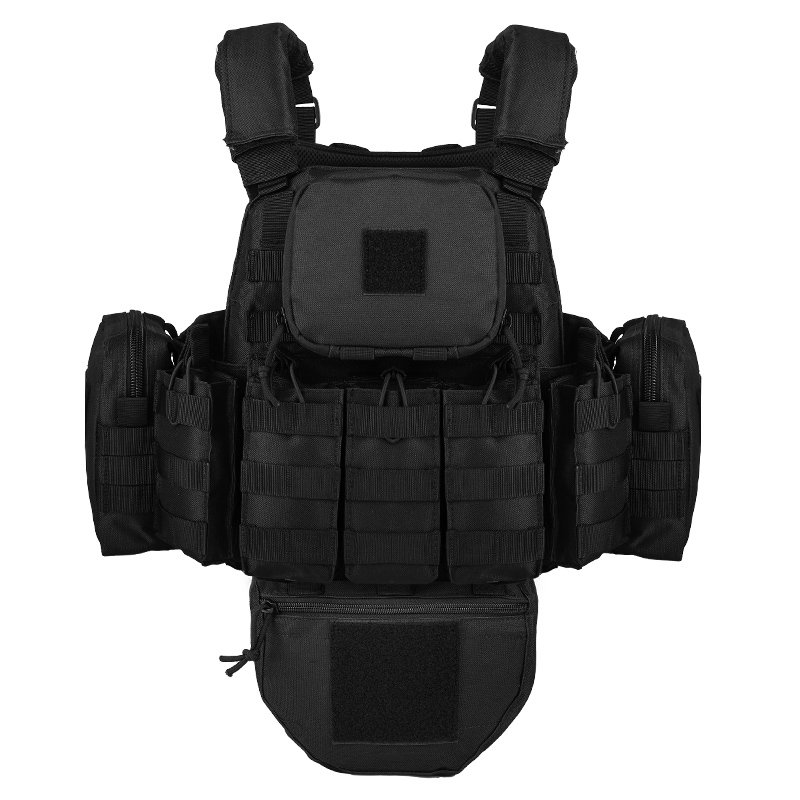
Многофункциональный тактический жилет Plate Carrier Vest в черном цвете
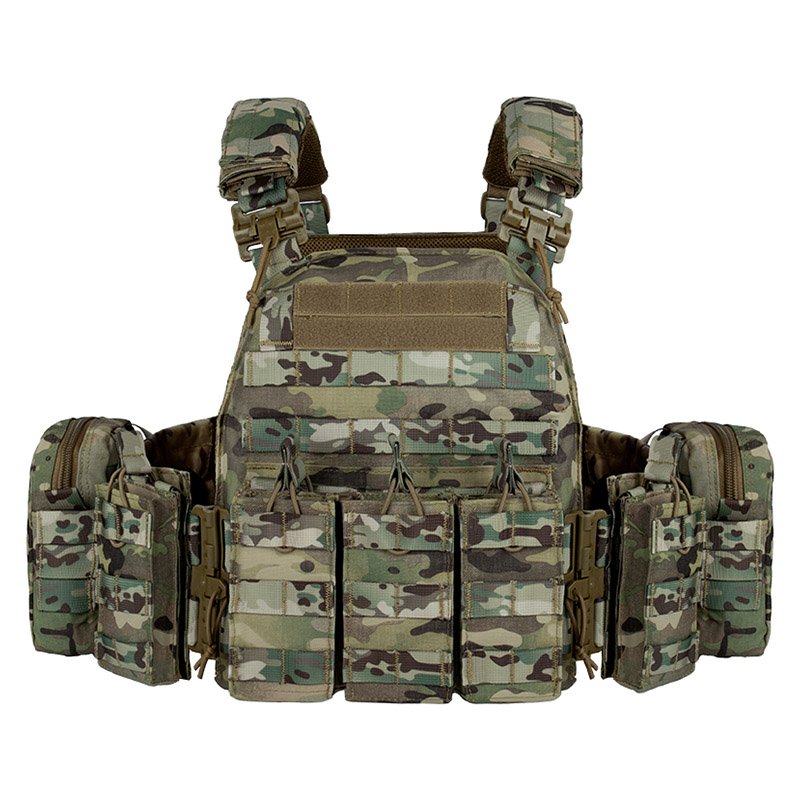
Быстросъемный тактический жилет с молле
3. ТАКТИЧЕСКИЕ СУМКИ
ALICE — Универсальное легкое индивидуальное снаряжение для переноски
Тактическая аббревиатура ALICE обозначает систему переноски грузов, разработанную для вооружённых сил США в 1970-х годах. Она состоит из рюкзака с внешней рамой, плечевых ремней, пояса и сумок и широко использовалась до тех пор, пока в начале 2000-х годов её в основном не заменила модульная система MOLLE.
BOB — аварийный рюкзак
BOB — это портативный аварийный комплект, укомплектованный необходимым снаряжением для выживания, продуктами питания, водой, одеждой и инструментами. Он предназначен для быстрой эвакуации в случае стихийных бедствий или угроз и, как правило, позволяет одному человеку продержаться не менее 72 часов.
EDC — вещи для повседневного ношения
Под термином «EDC» понимаются предметы первой необходимости, которые человек обычно носит с собой для повседневного использования, самообороны или на случай непредвиденных ситуаций. К типичным примерам относятся нож, фонарик, мультитул, кошелек, ключи, а иногда — огнестрельное оружие или аптечка.
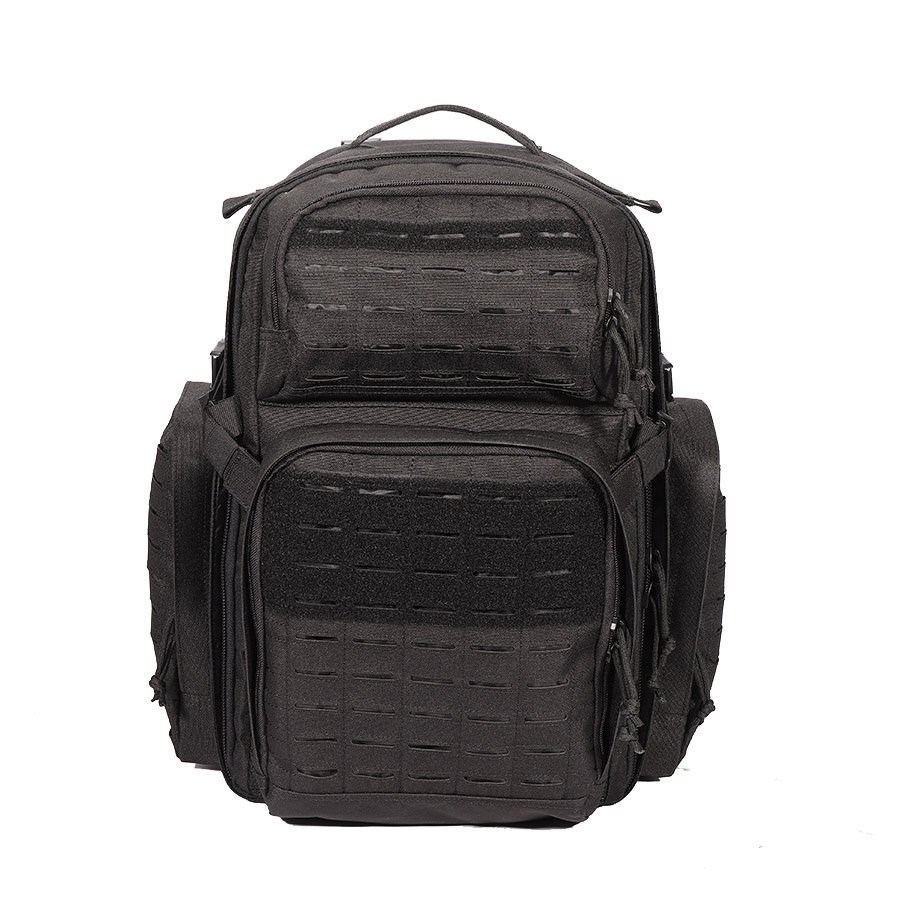
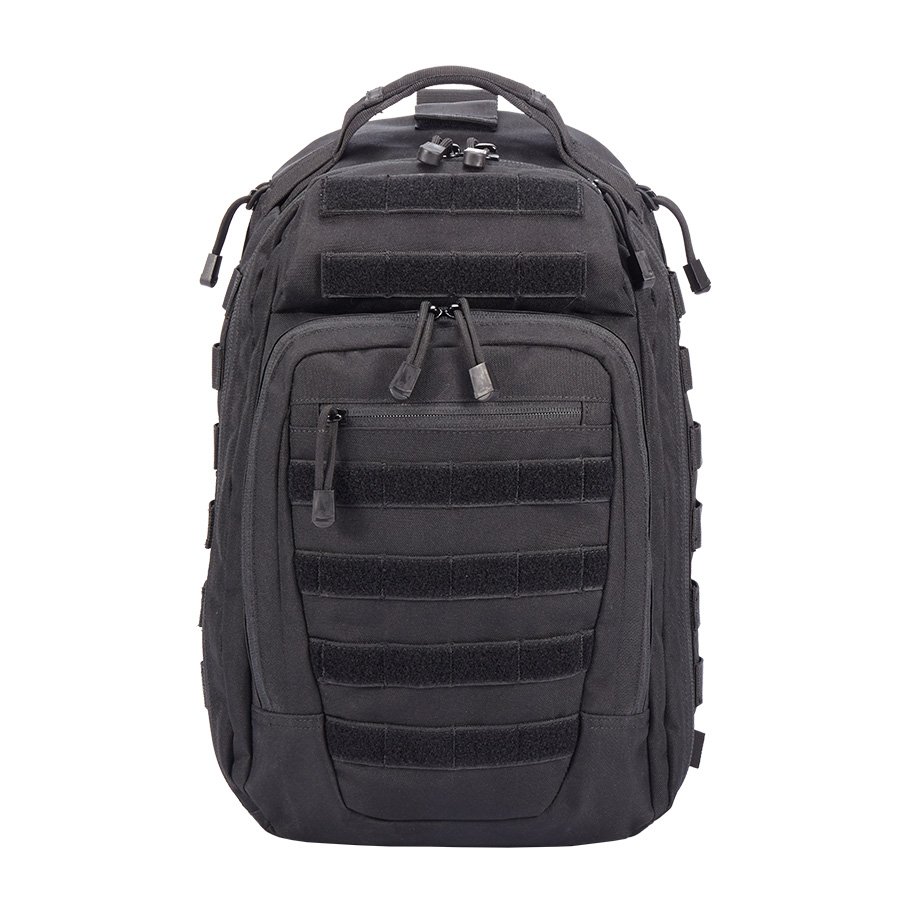
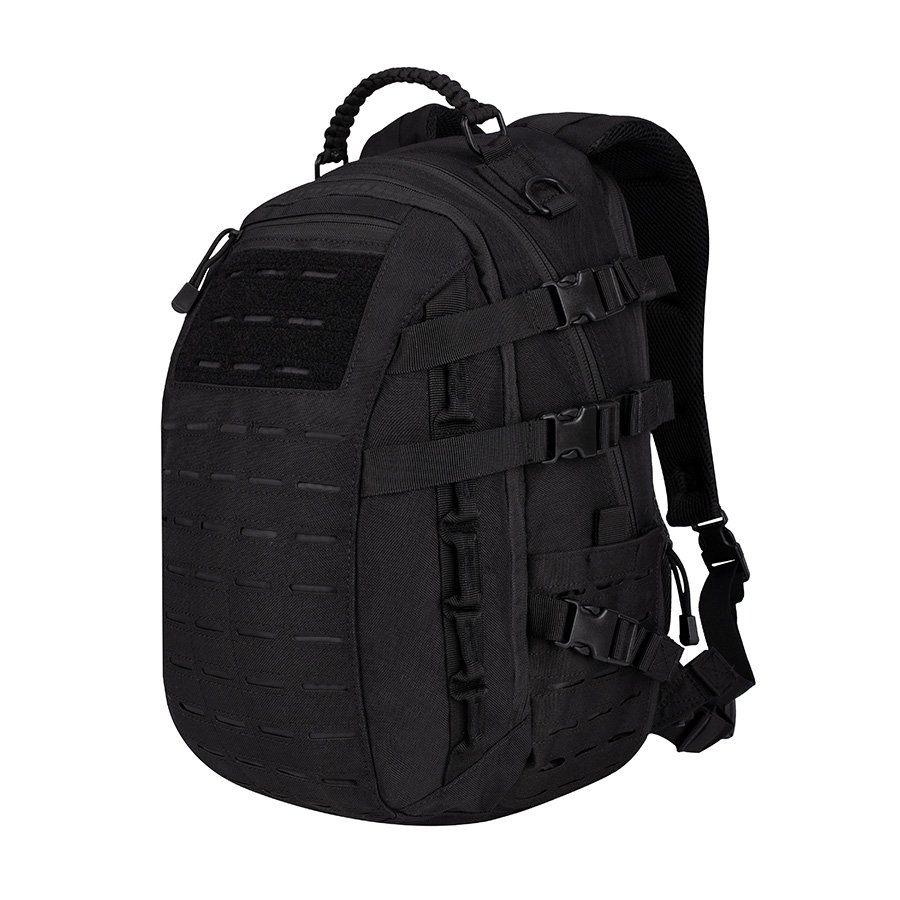
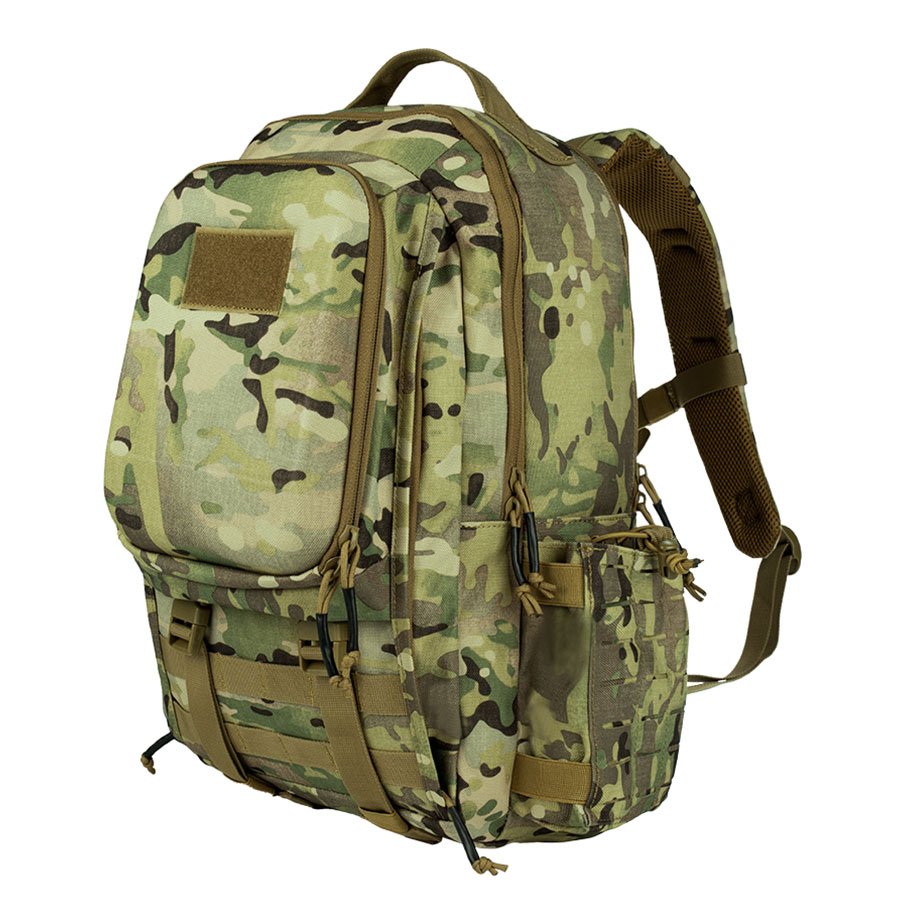
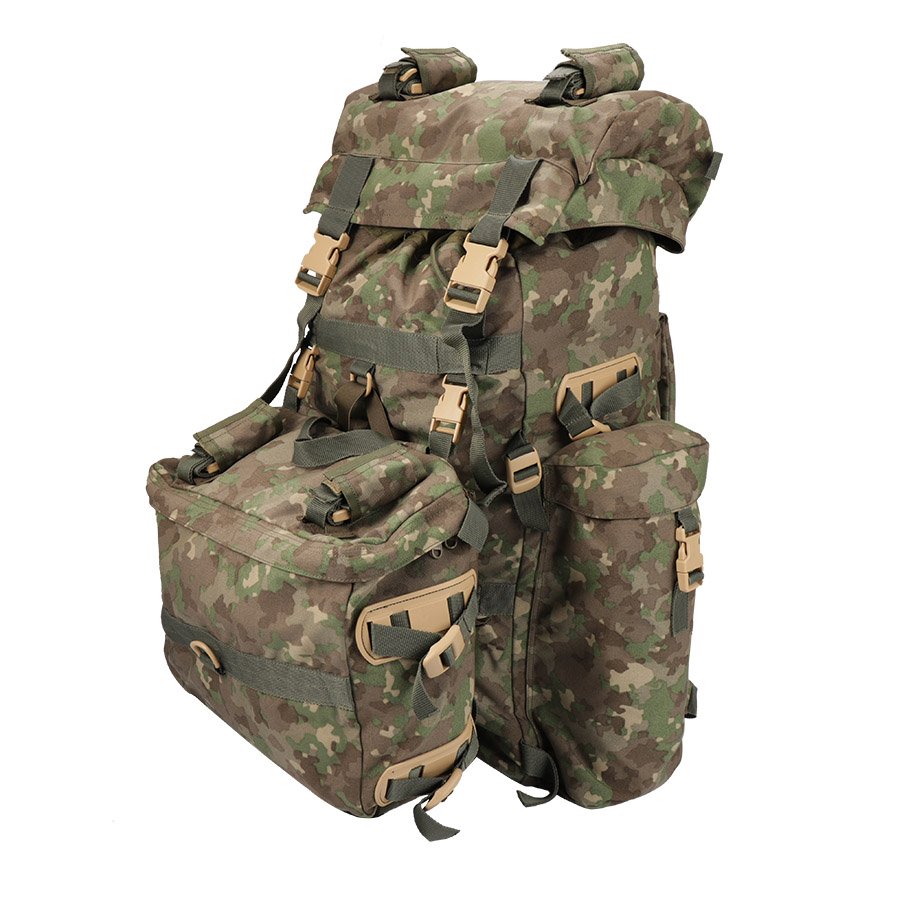
Большой модульный военный рюкзак в камуфляжном исполнении
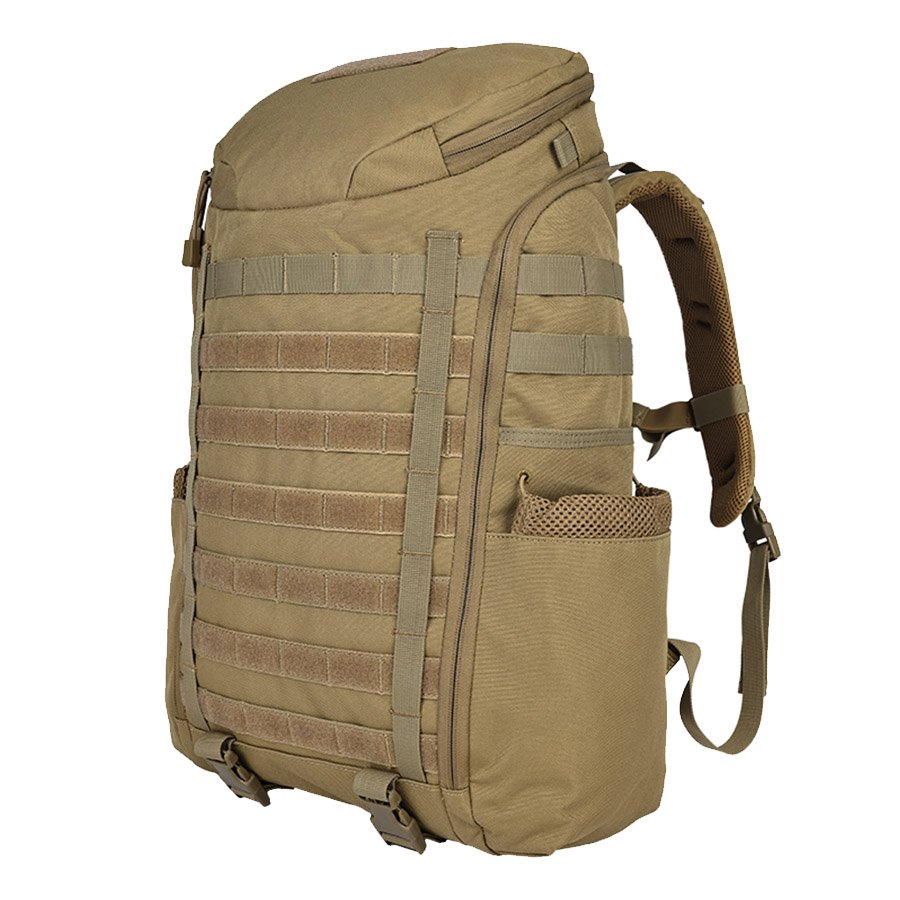
Штурмовой рюкзак с верхней крышкой на молнии и системой MOLLE, цвет «койот-браун»
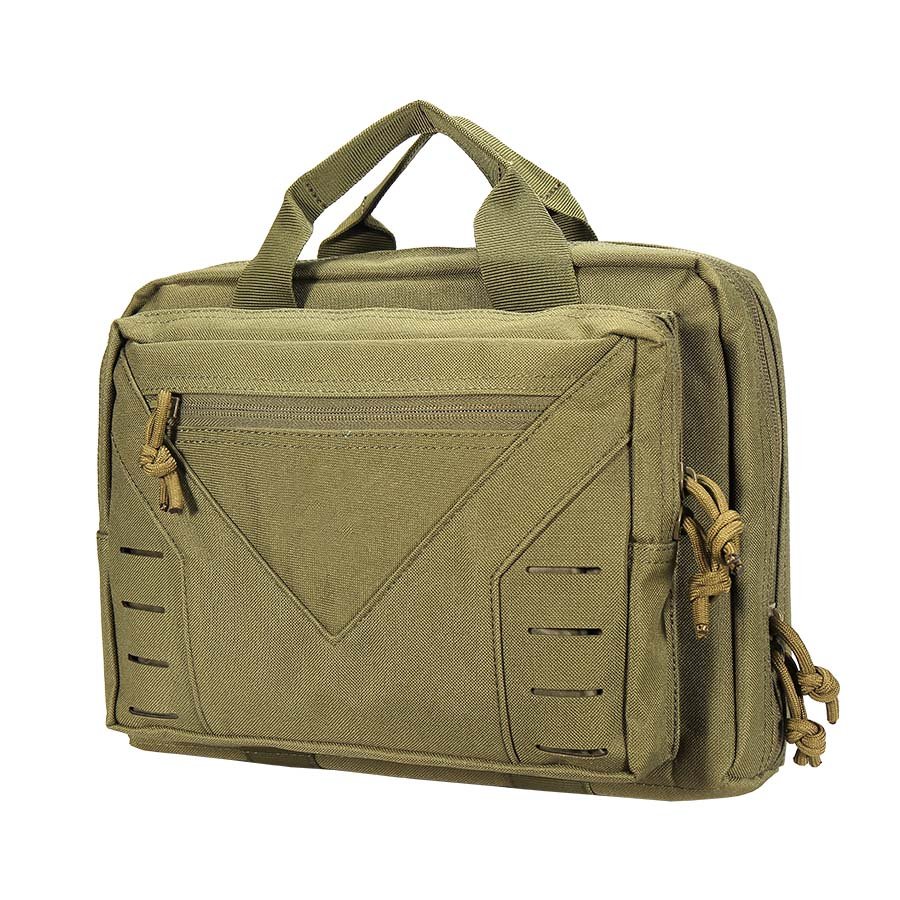
Прочная сумка для ноутбука военного образца с системой MOLLE, выполненной методом лазерной резки
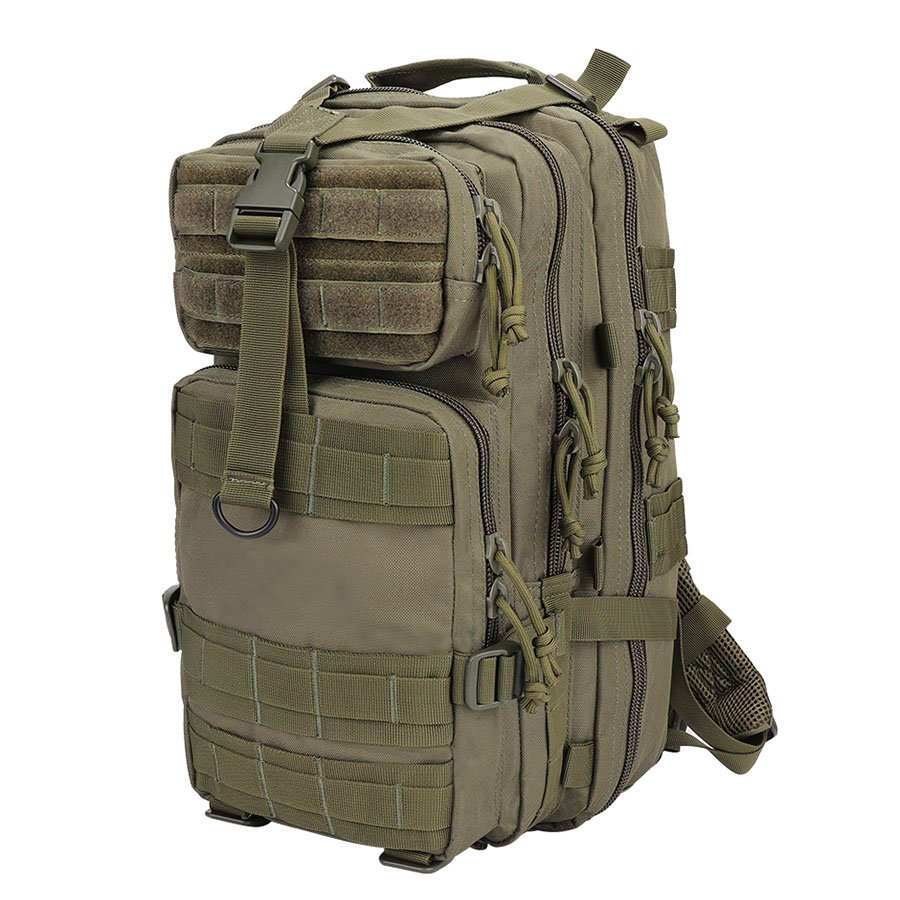
3-дневный водонепроницаемый тактический рюкзак, легкий
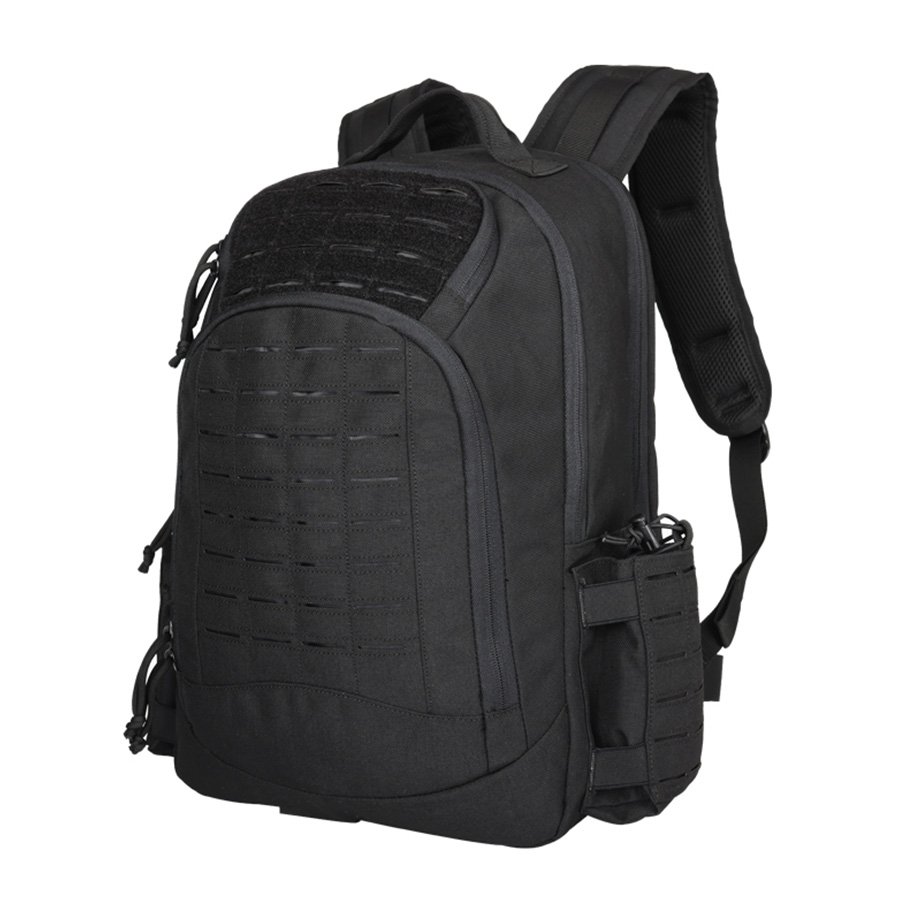
Водонепроницаемый тактический рюкзак EDC с системой MOLLE, изготовленной методом лазерной резки
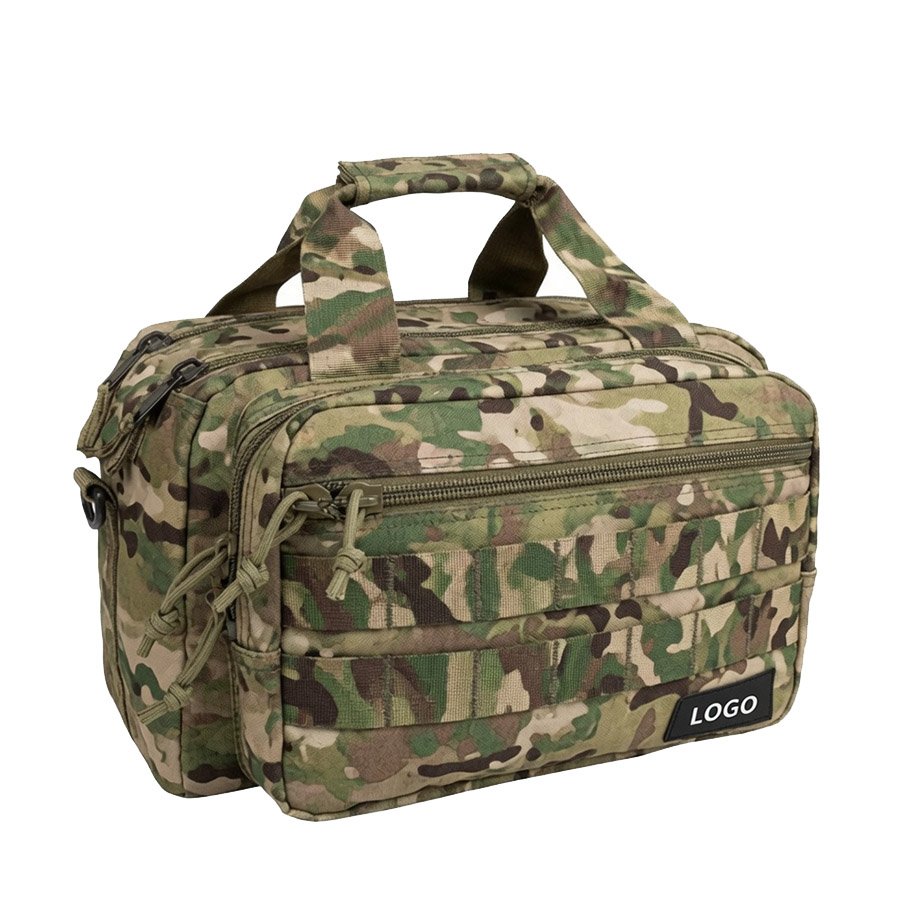
Тактическая сумка для стрельбища «Camo» с системой крепления MOLLE
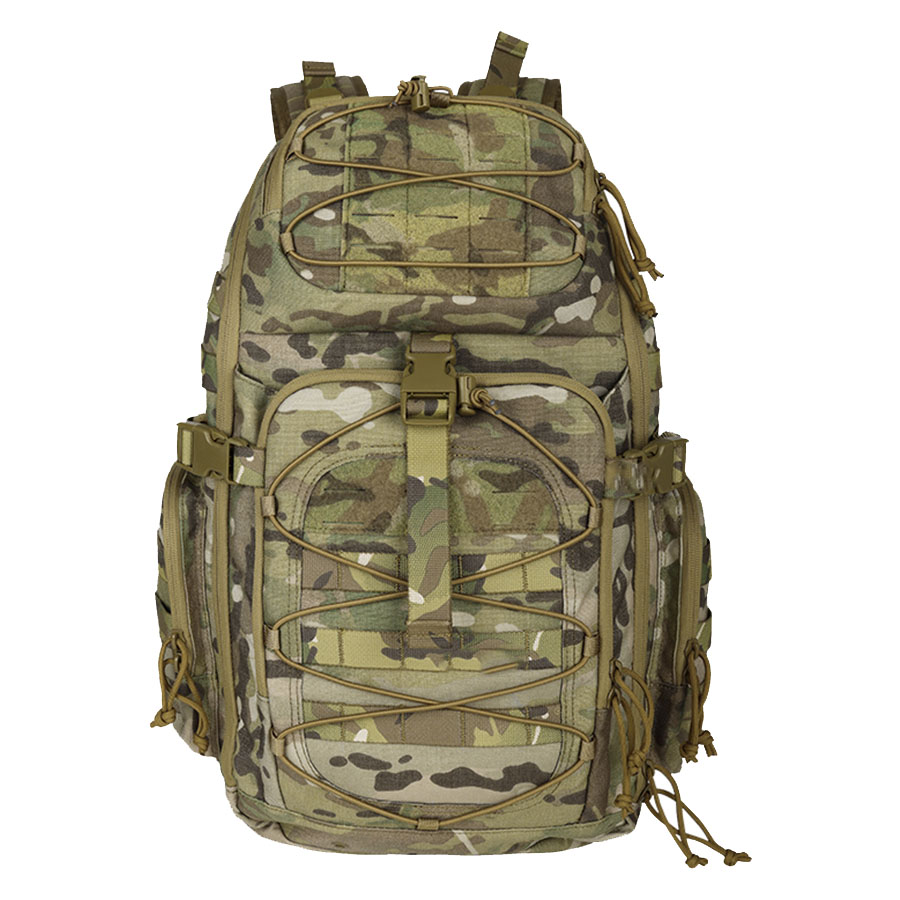
Тактический рюкзак Multicam с компрессионными ремнями
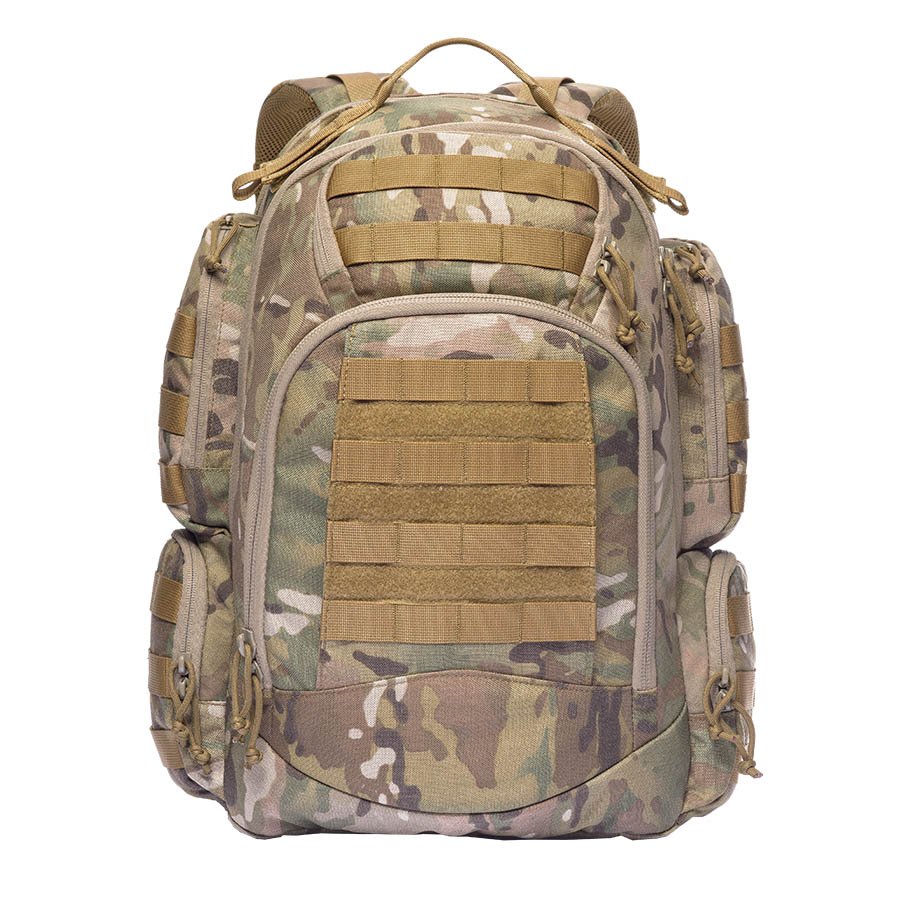
Тактический боевой рюкзак для походов и кемпинга
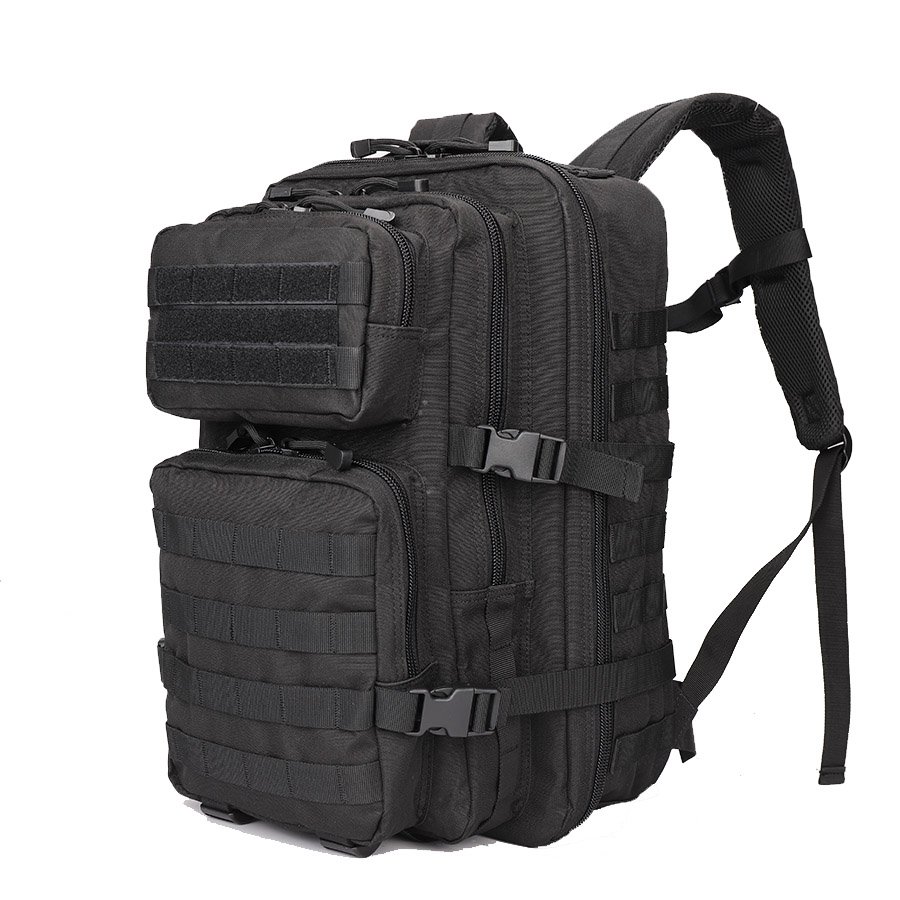
Большой тактический рюкзак с системой MOLLE для походов и путешествий
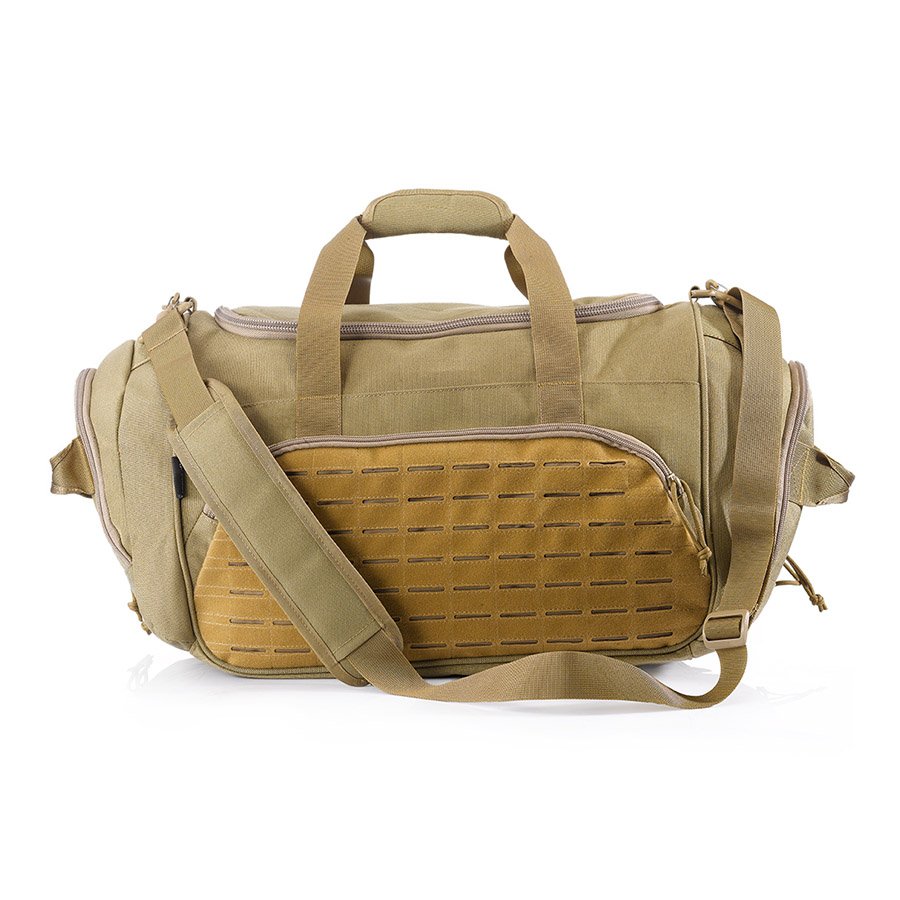
Модная нейлоновая тактическая спортивная сумка для активного отдыха, цвет «тан»
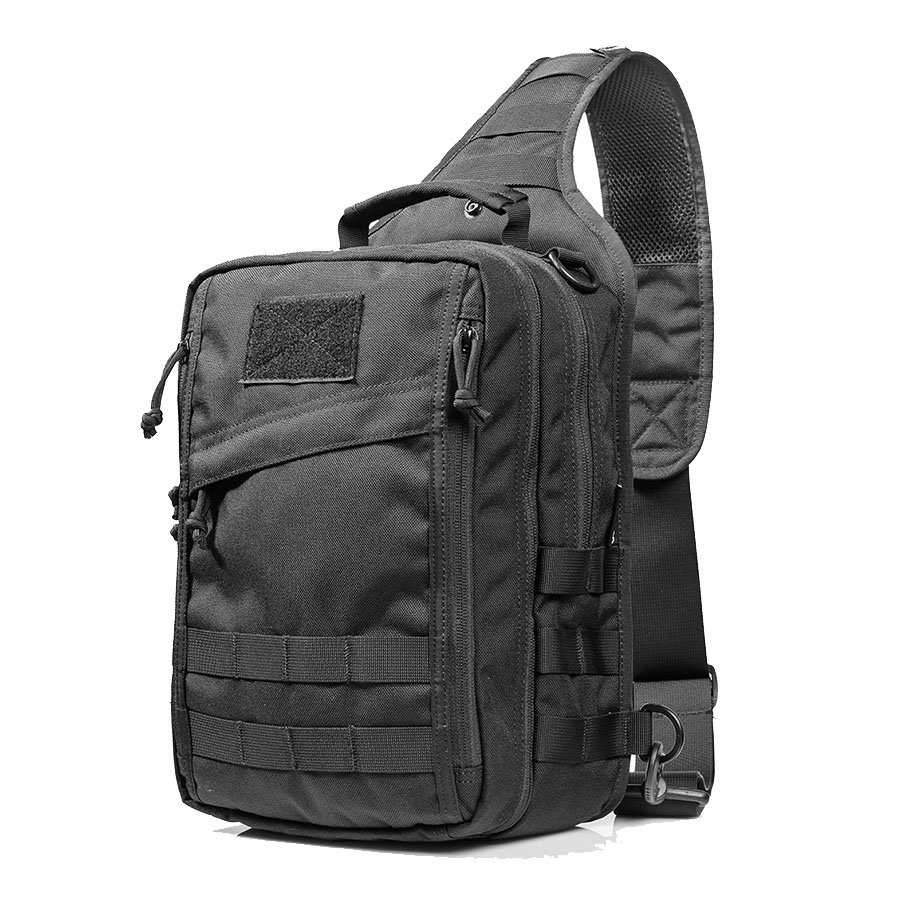
Лучшая тактическая сумка через плечо с карманом для кобуры
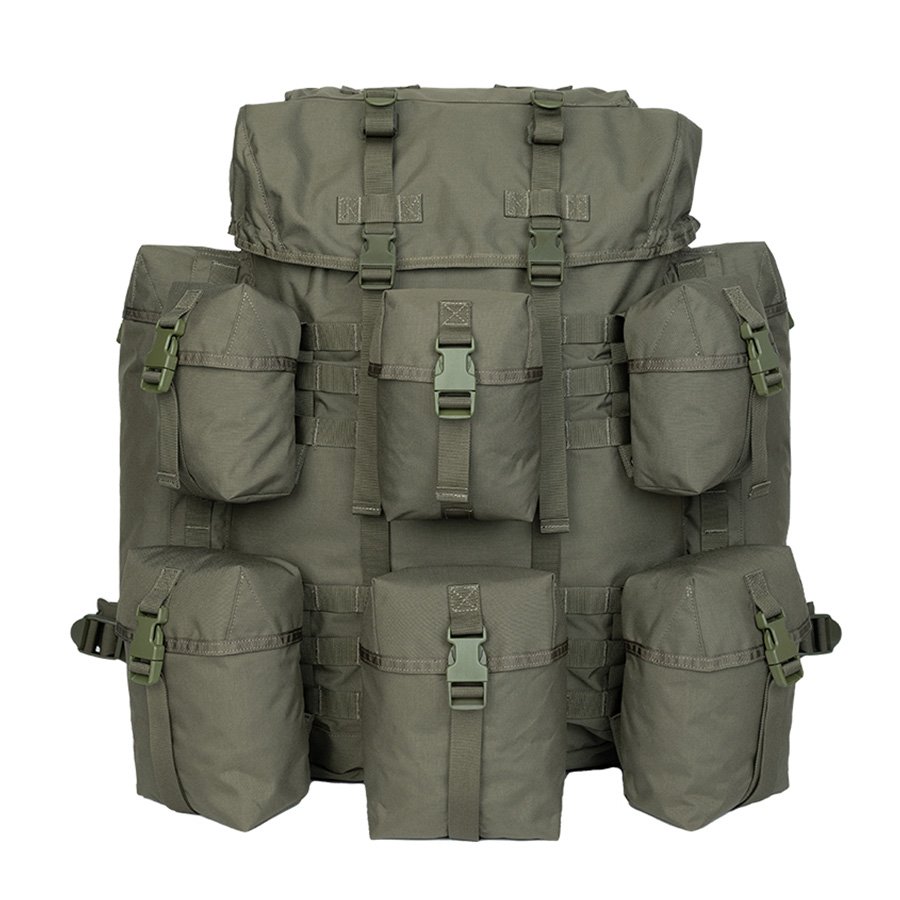
Тактический рюкзак ALICE с каркасом — Armorguard
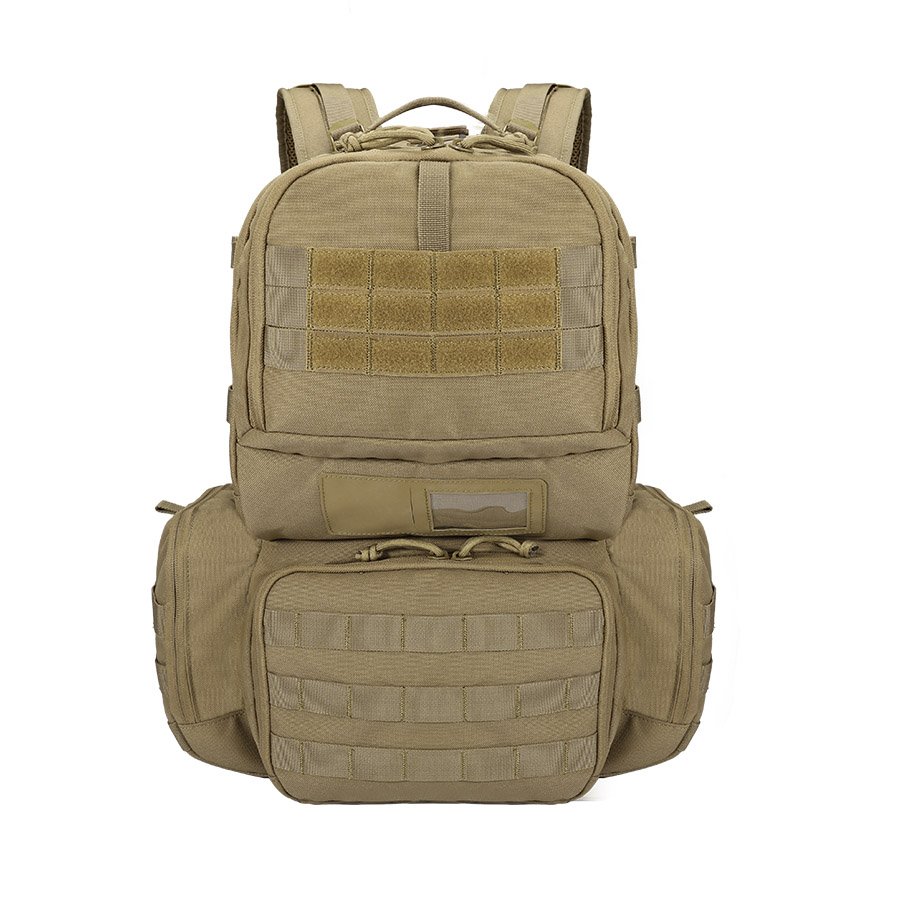
Большой военный тактический рюкзак, цвет «тан»
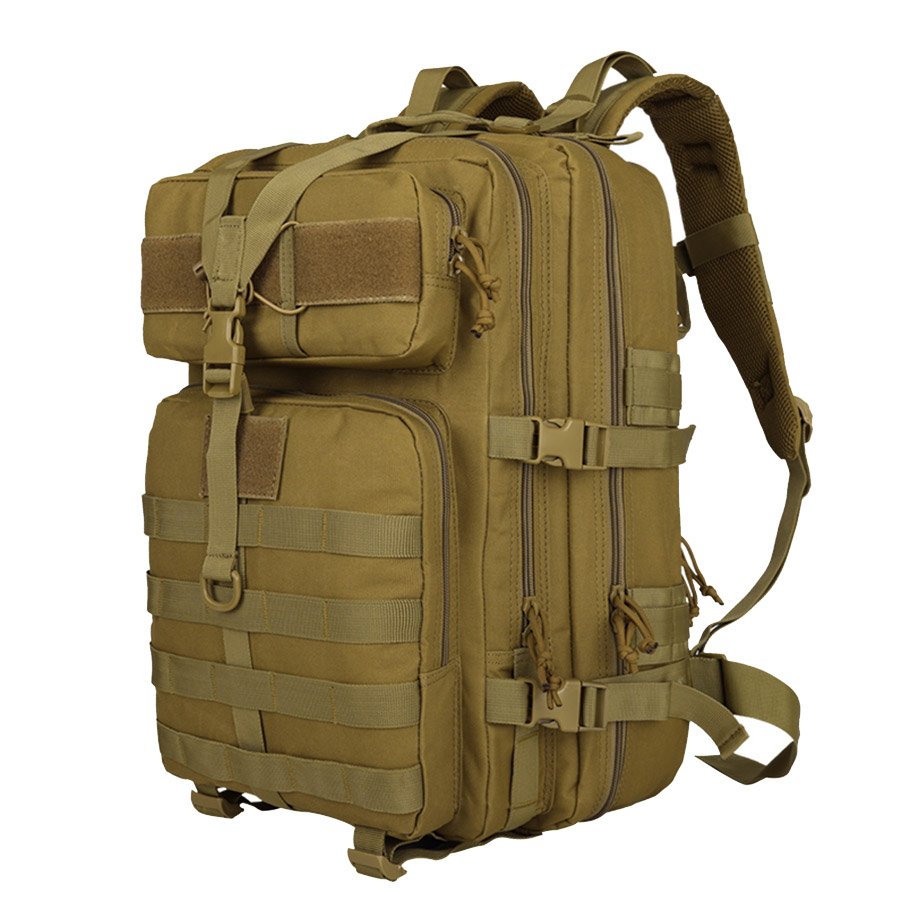
Водонепроницаемый тактический рюкзак Molle цвета хаки
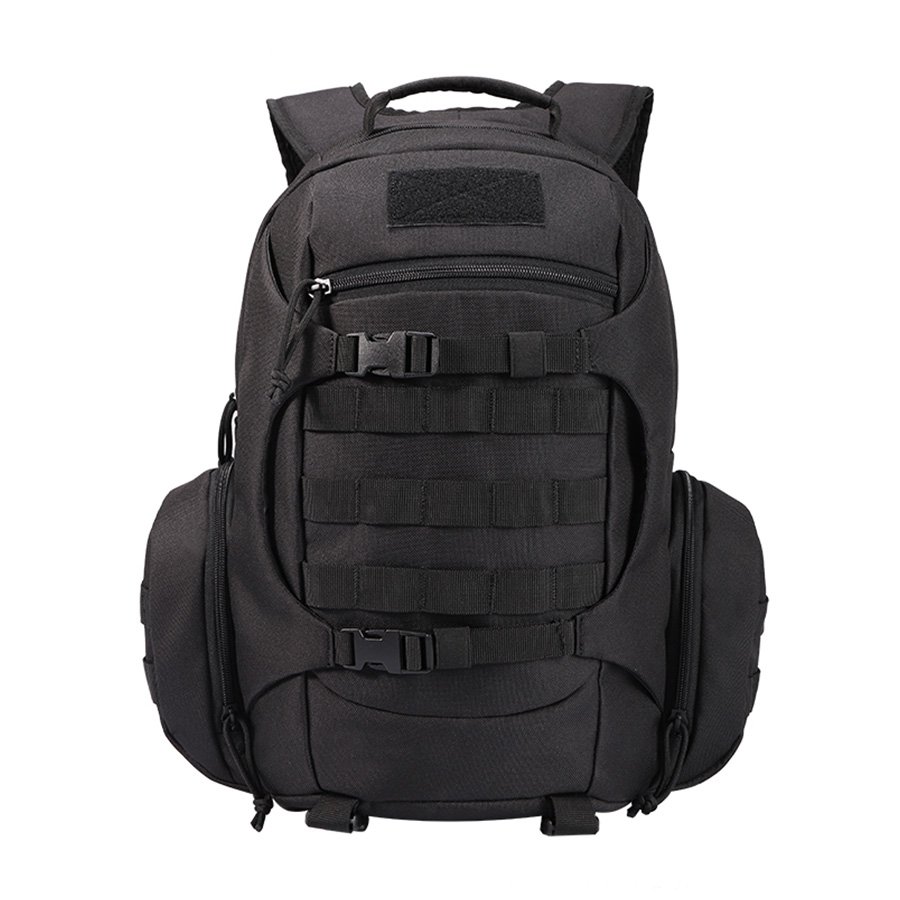
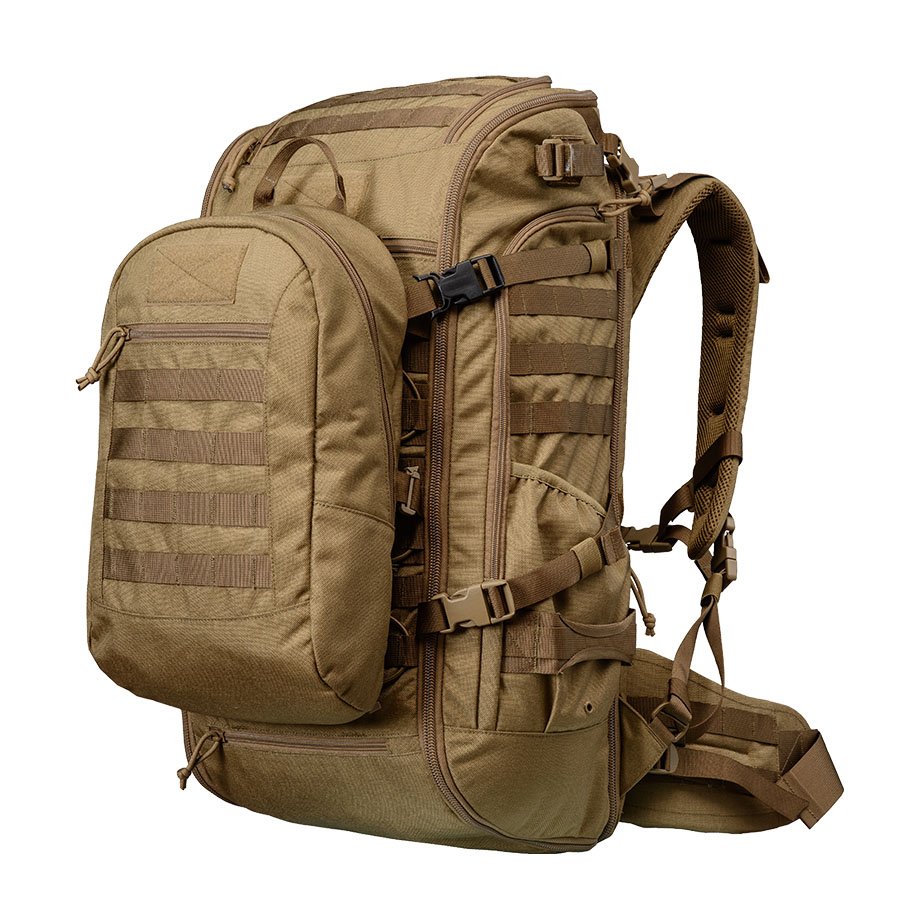
Военный рюкзак с отстегивающимся отделением
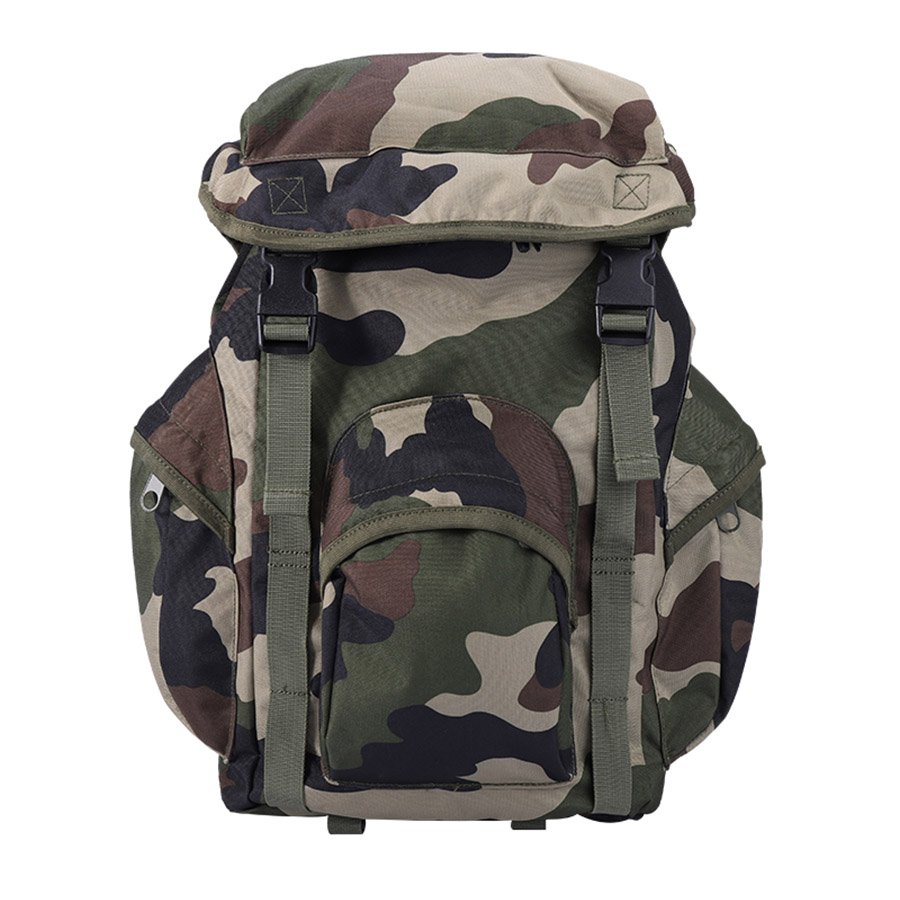
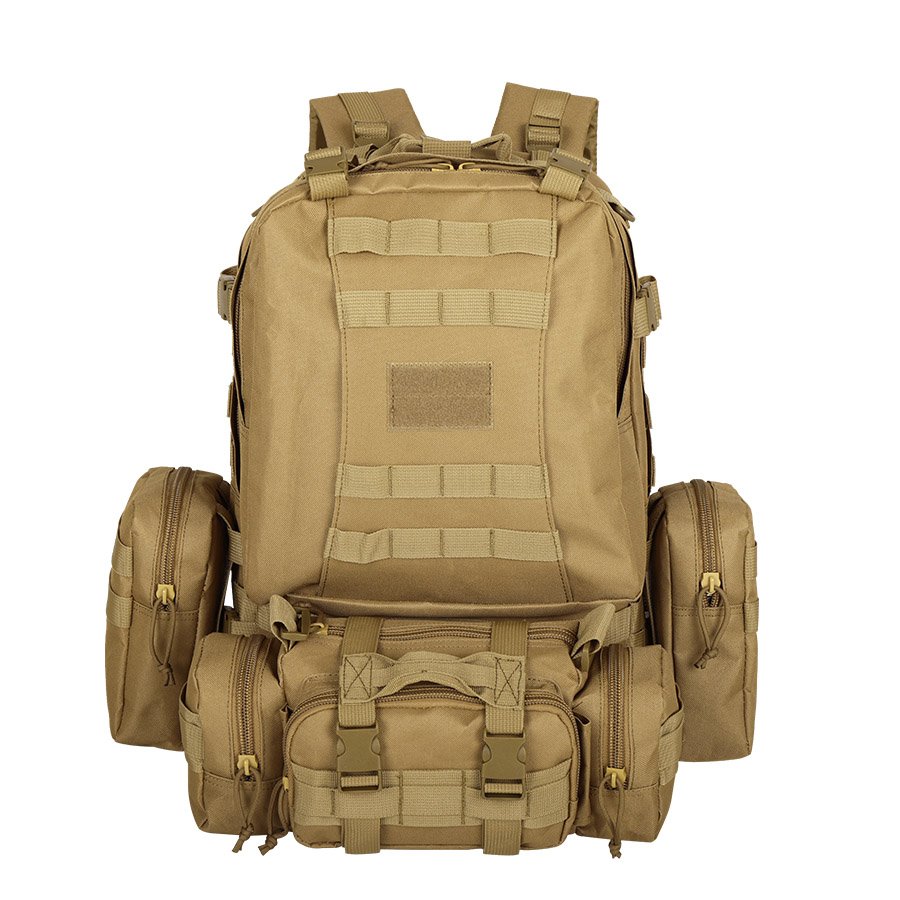
Модульный армейский штурмовой рюкзак с отсоединяемой сумкой
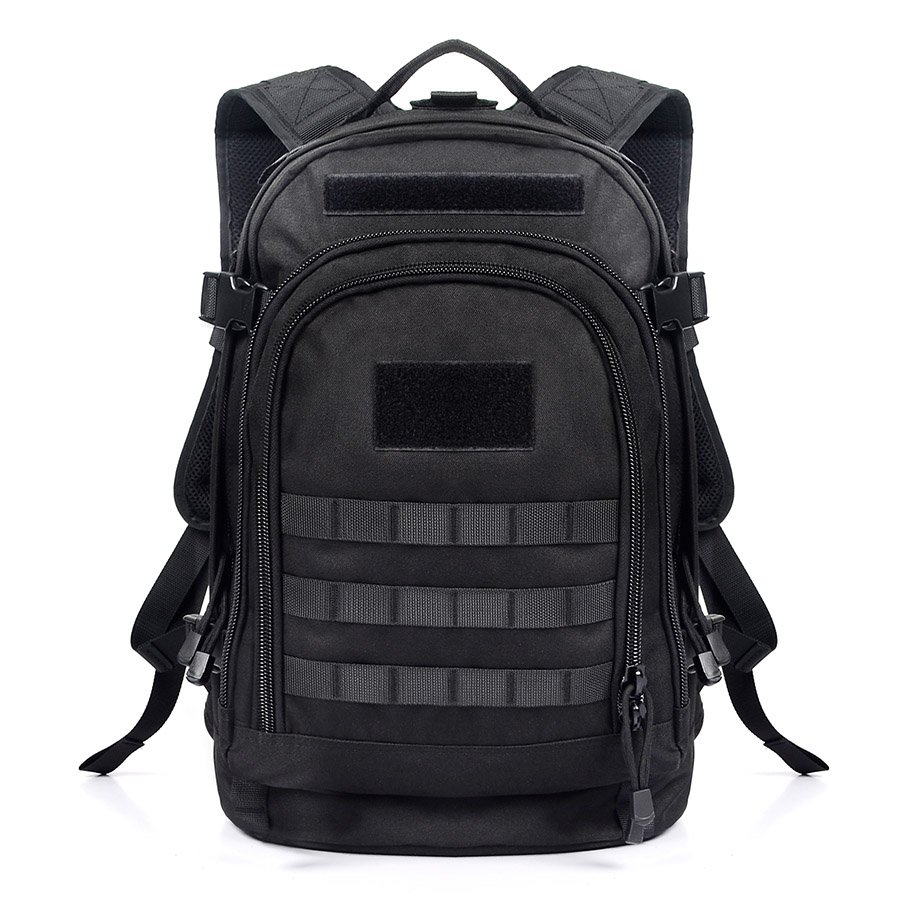
Штурмовой рюкзак Armorguard Oxford Molle с липучкой
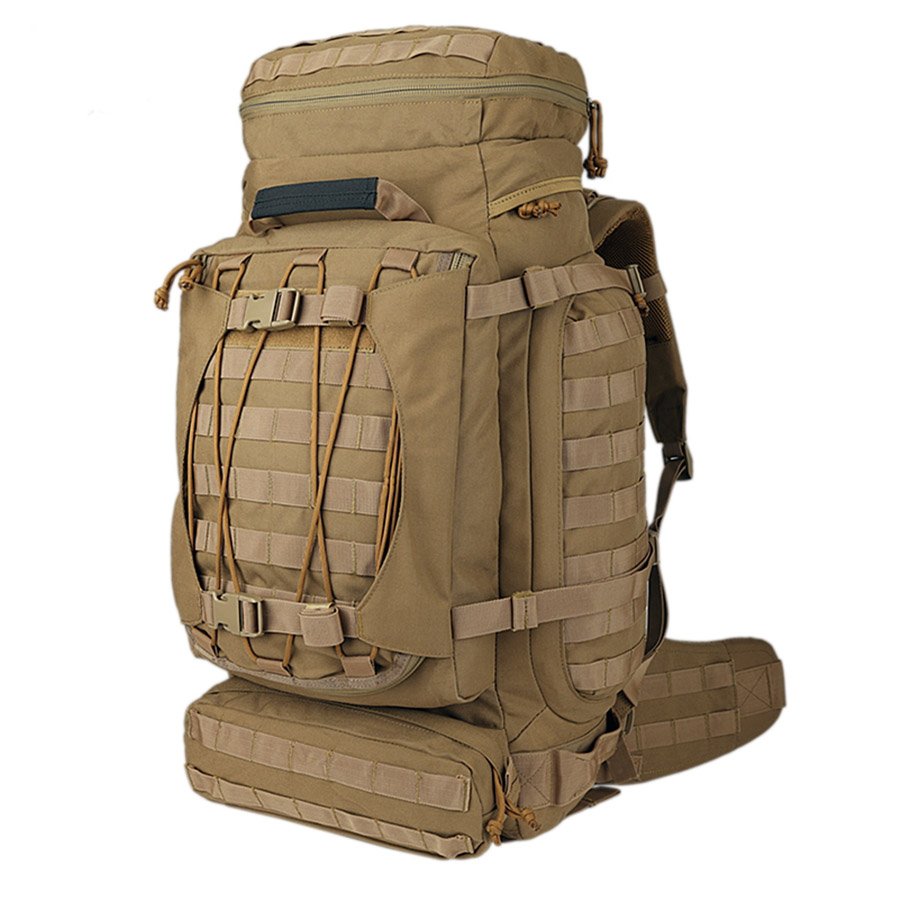
Оптовая продажа больших военных рюкзаков
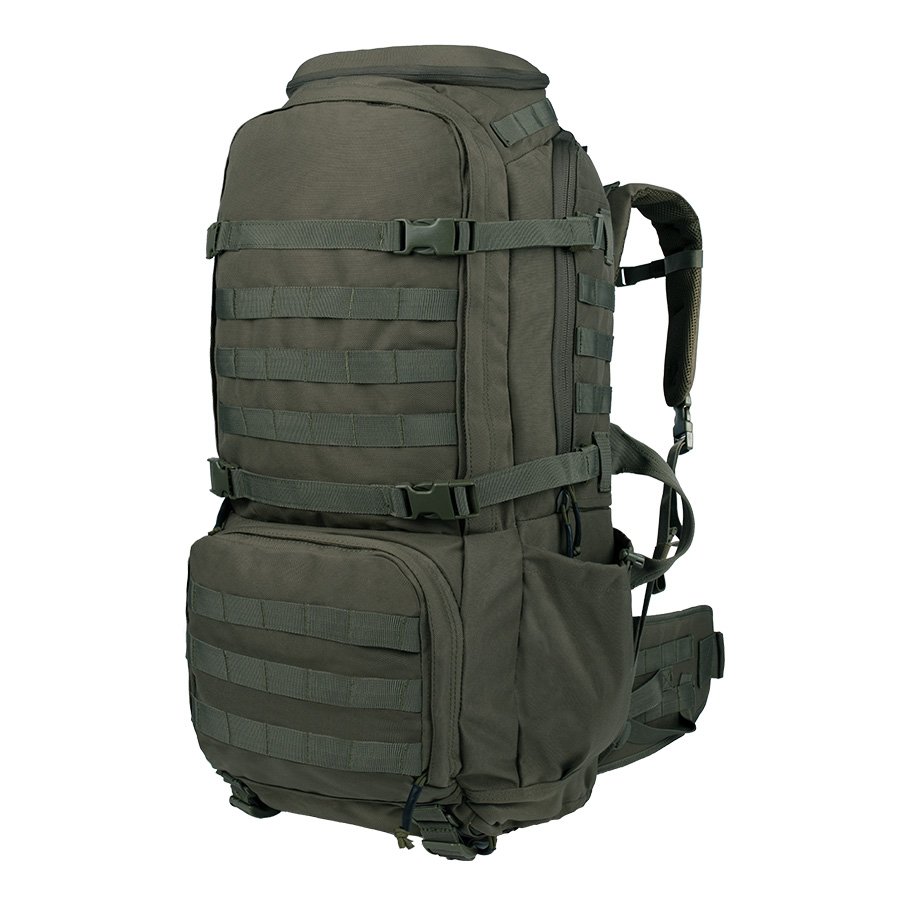
Armorguard Большой армейский походный рюкзак с системой Molle
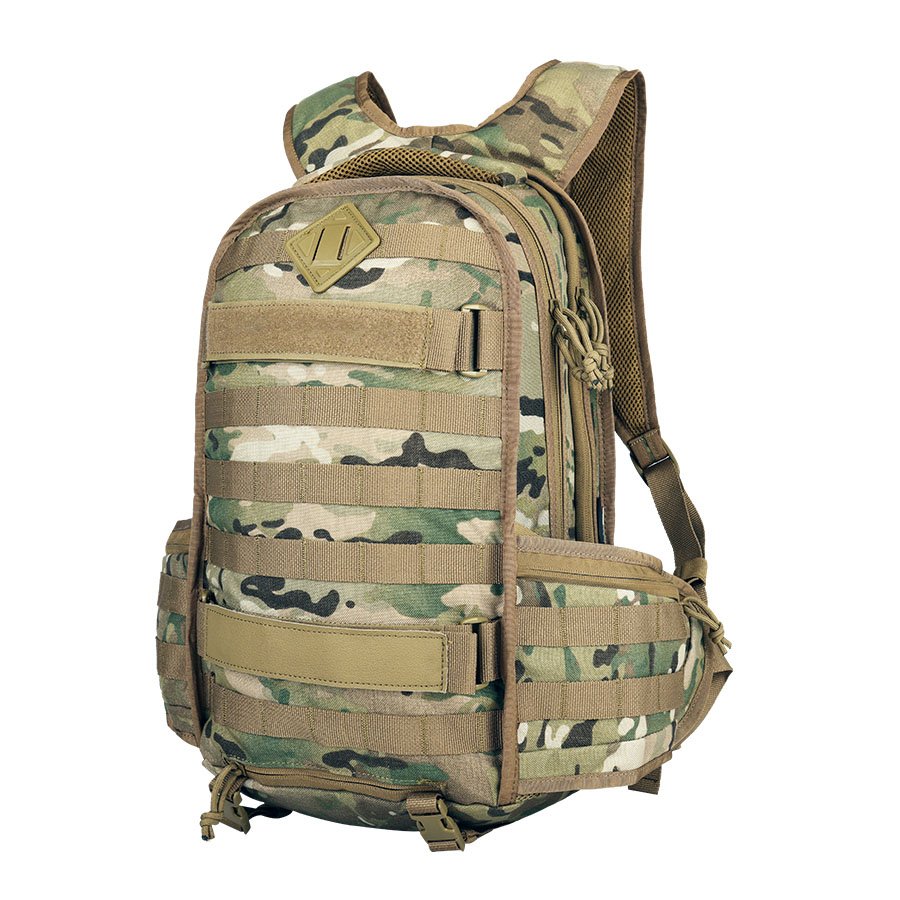
Armorguard Molle Army Camo Backpack 40L
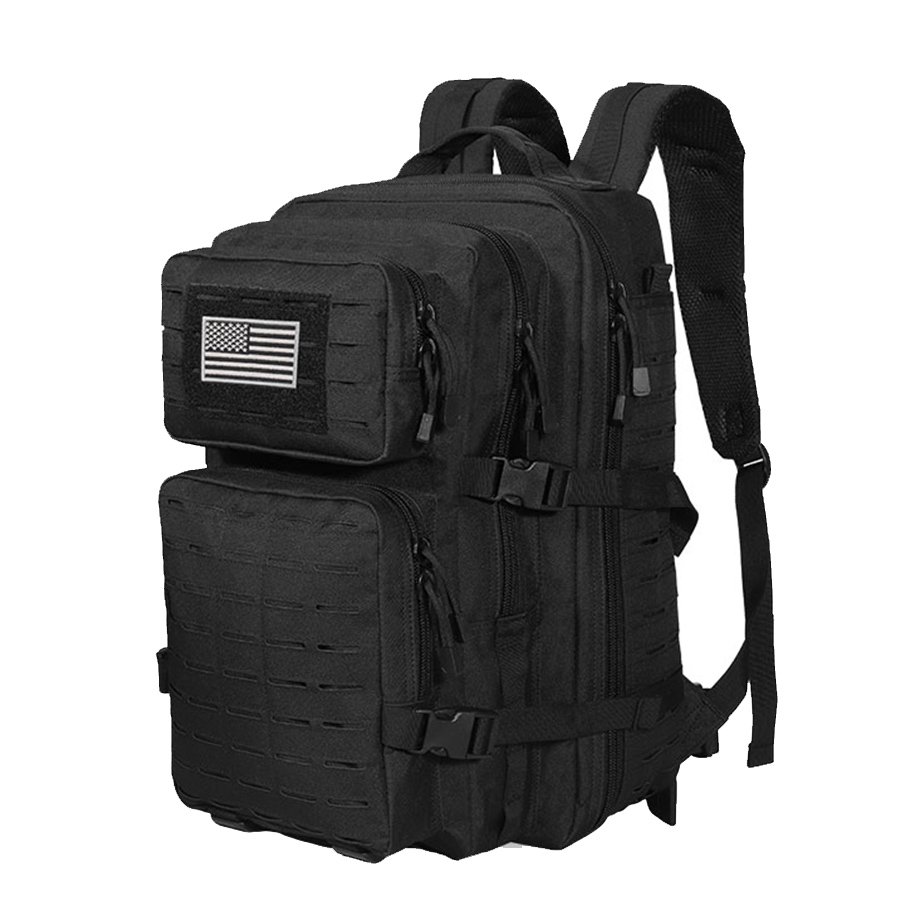
Armorguard Рюкзак в военном стиле с лазерной резкой Molle
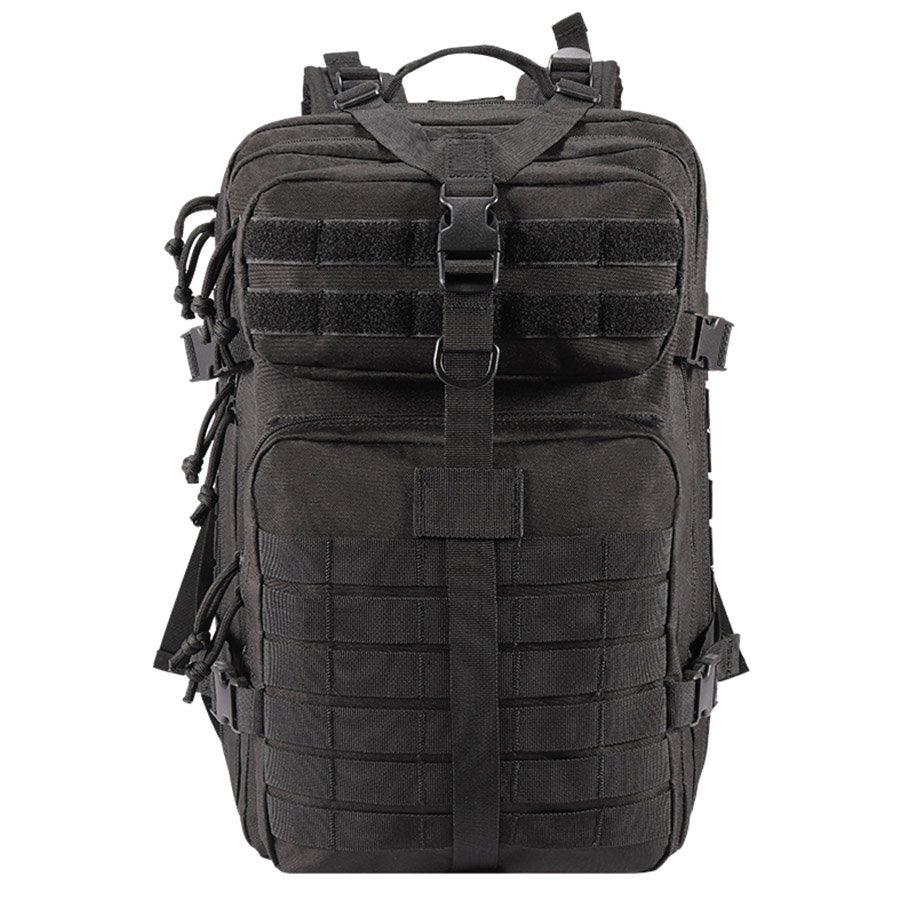
Рюкзак Armorguard 3P Tactical Black Backpack With Molle
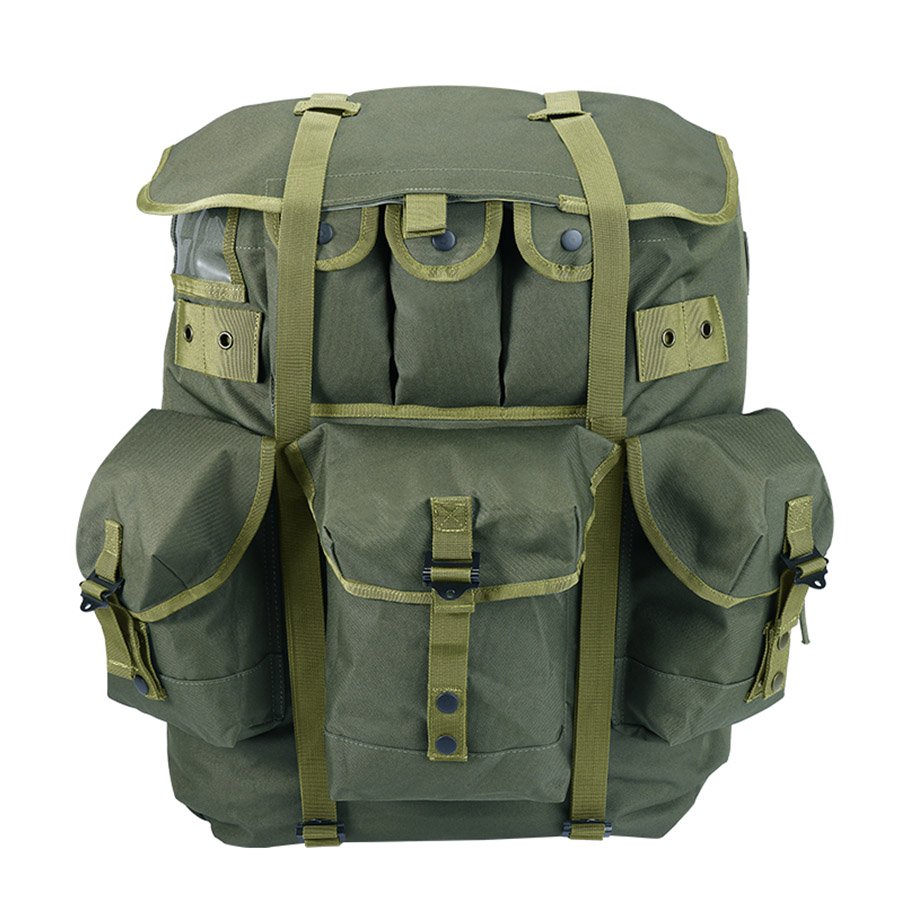
Armorguard Большой военный рюкзак ALICE с каркасом
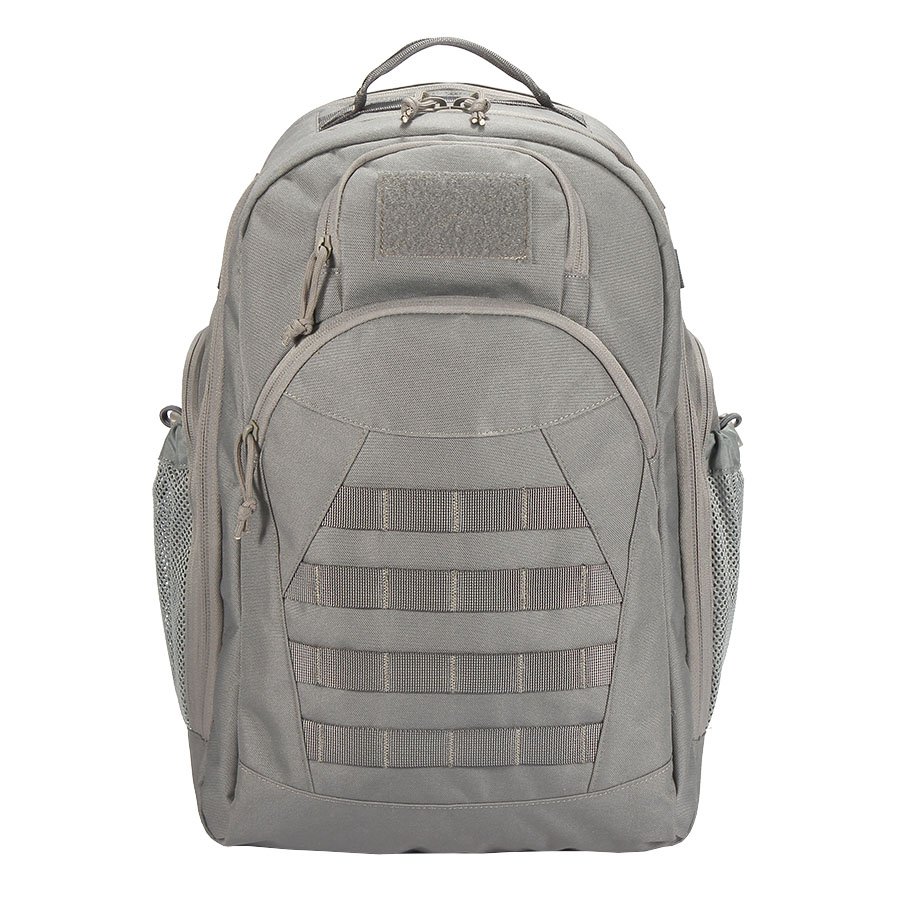
Armorguard Molle Тактическая сумка для ноутбука Водонепроницаемая
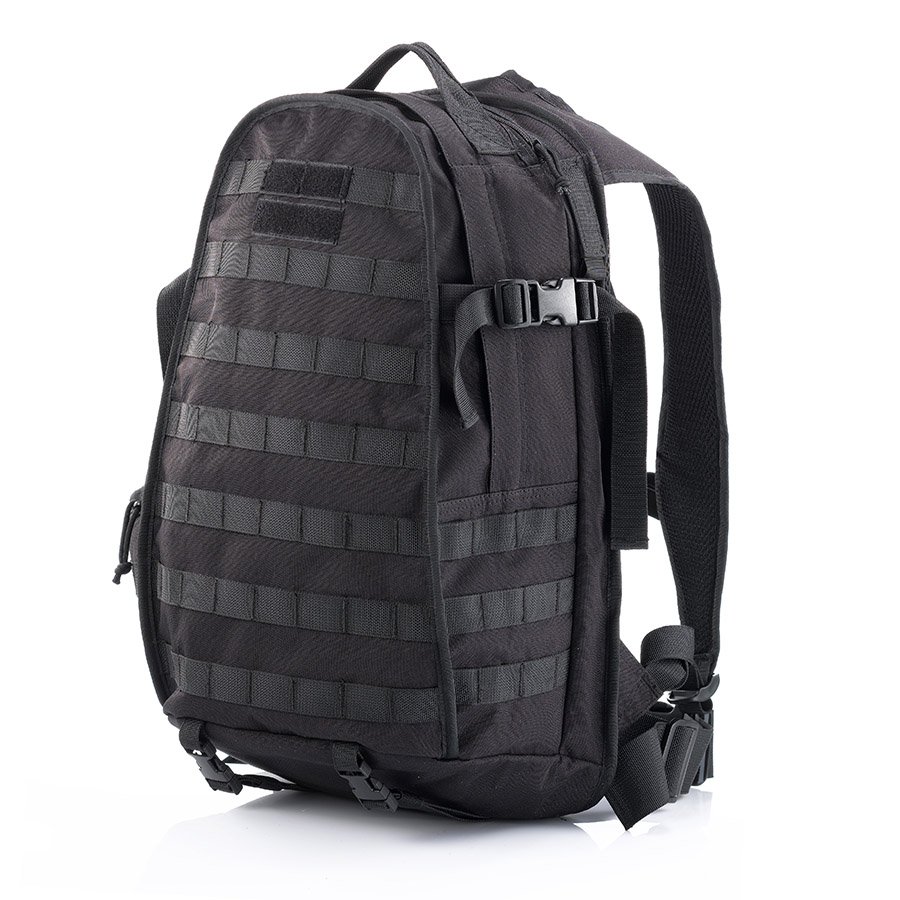
Armorguard Molle Assault Backpack Waterproof

Большой армейский рюкзак с гидратационным пакетом
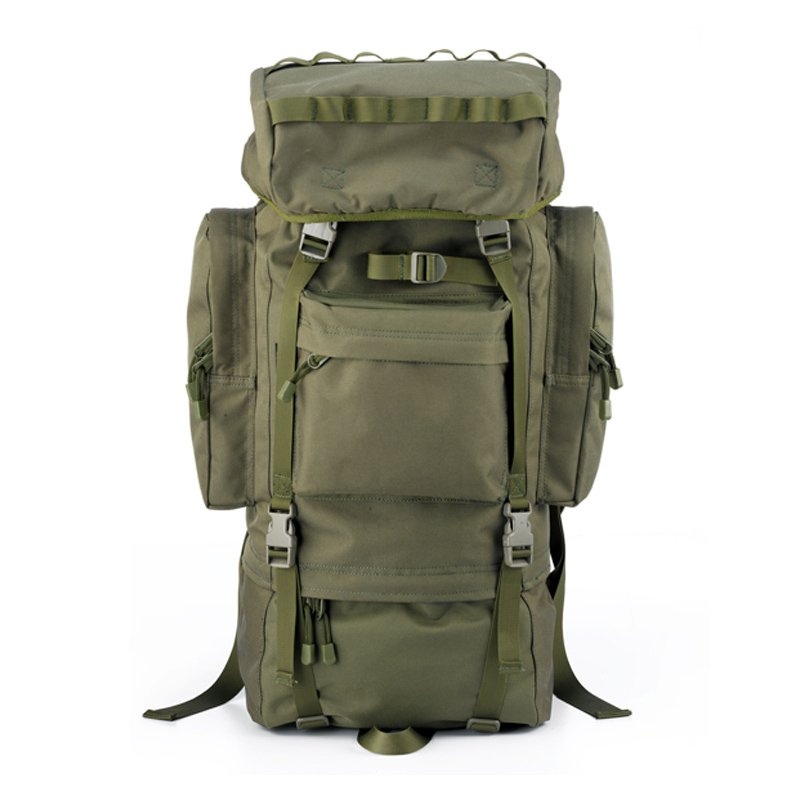
Большой тактический походный рюкзак с множеством карманов
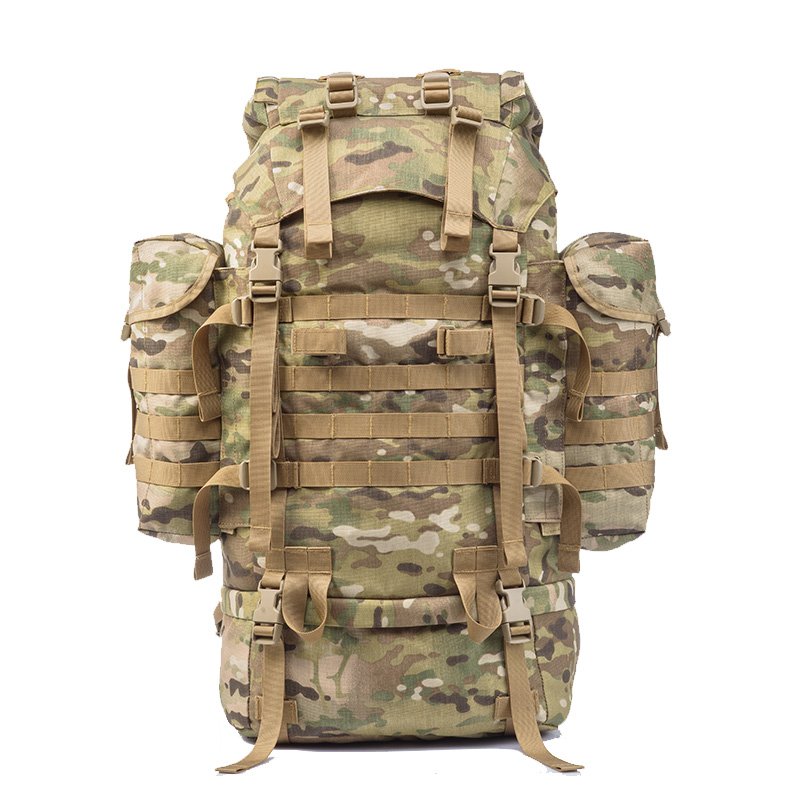
Рюкзак в военном стиле Multicam с молле
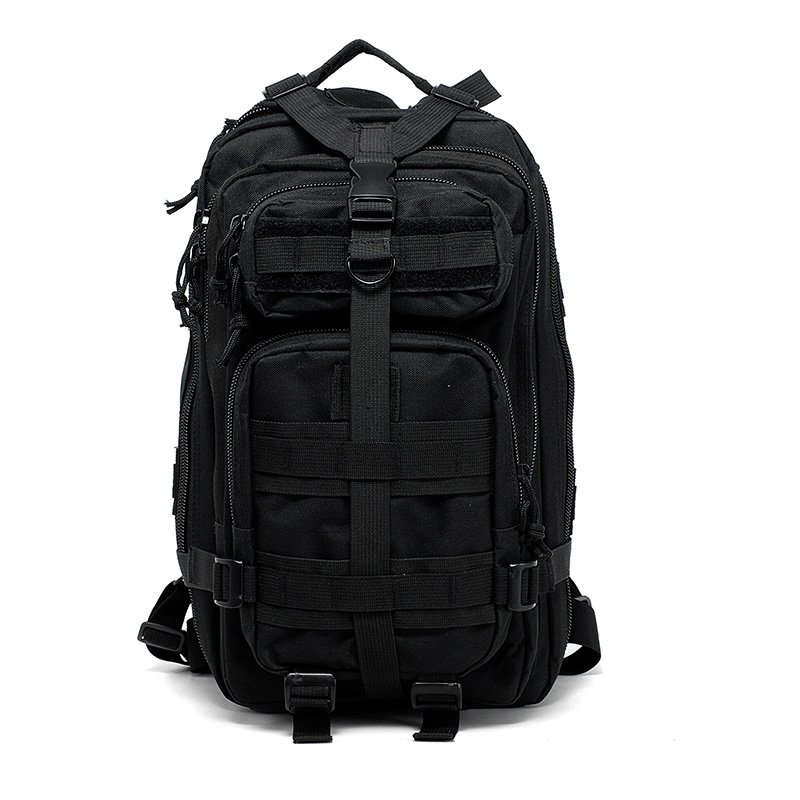
3P Black Small Tactical Pack Lightweight
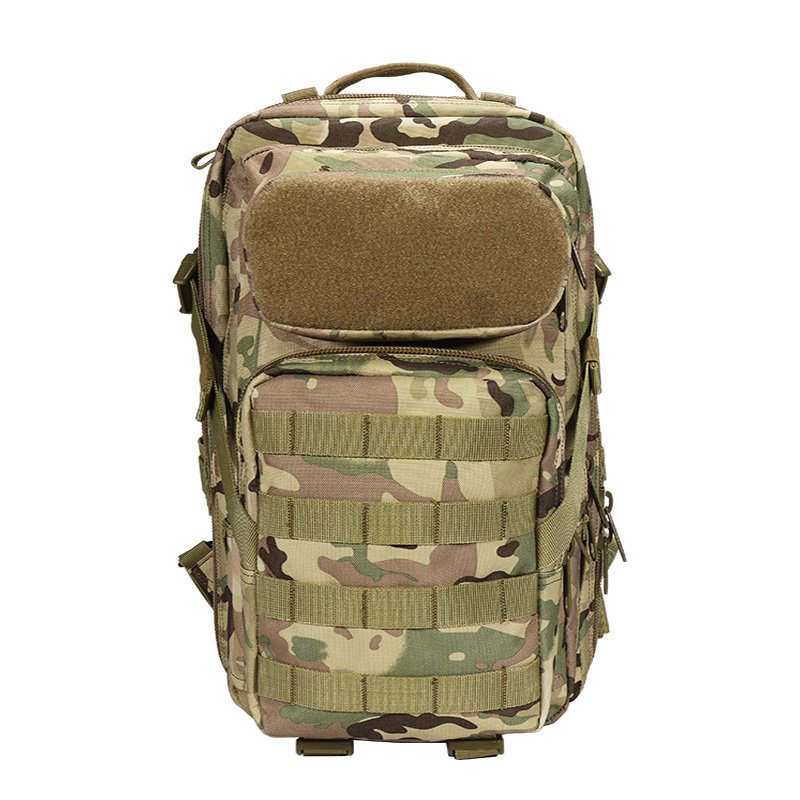
Компактный небольшой тактический рюкзак с системой MOLLE
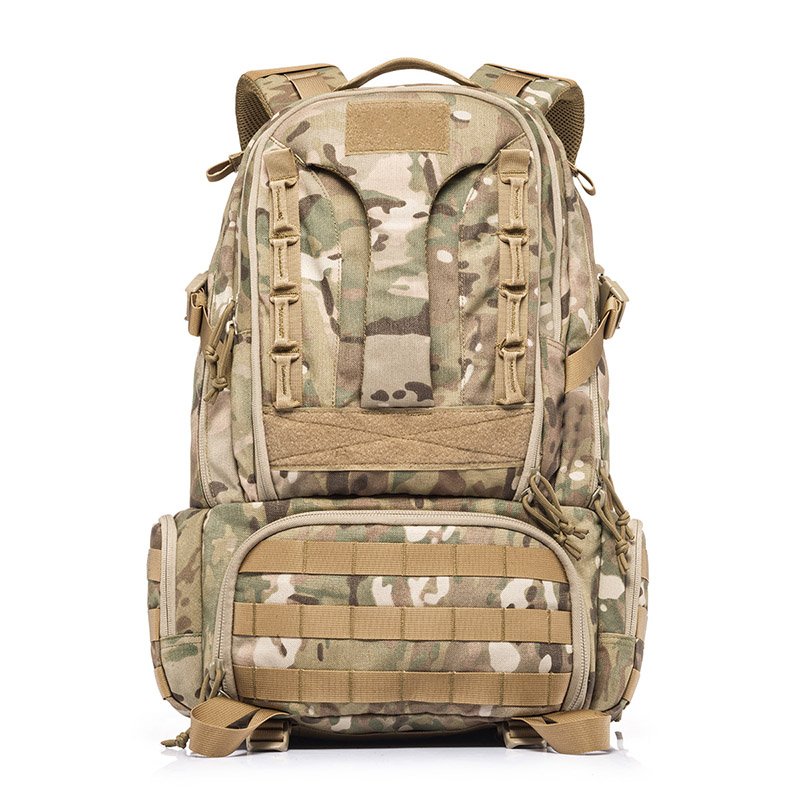
Тактический штурмовой рюкзак Molle с отделением для обуви
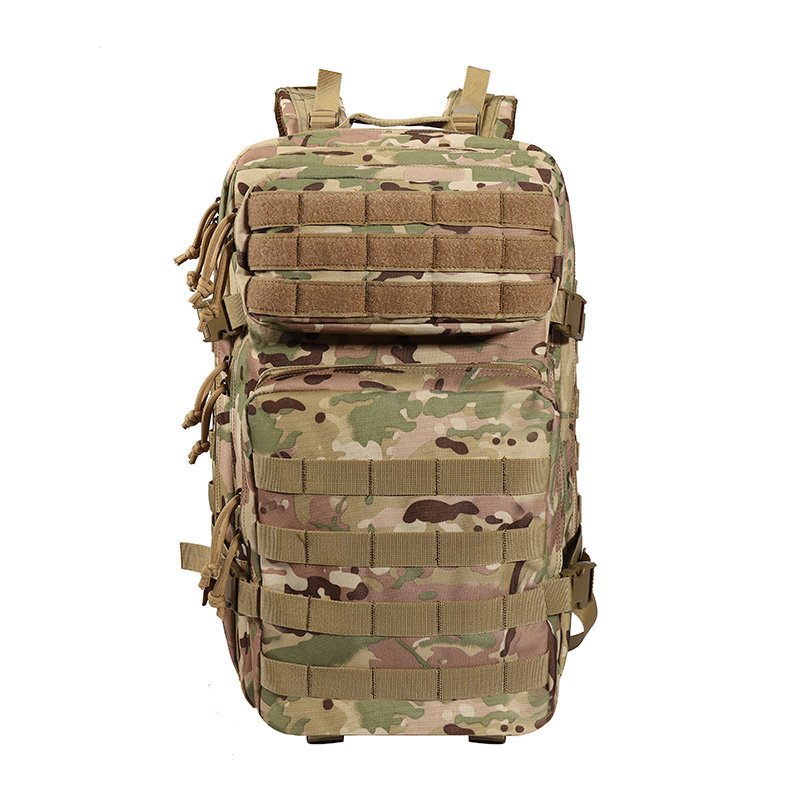
Тактический рюкзак Molle Camouflage Водонепроницаемый
4. ШЛЕМЫ И ГОЛОВНЫЕ УБОРЫ
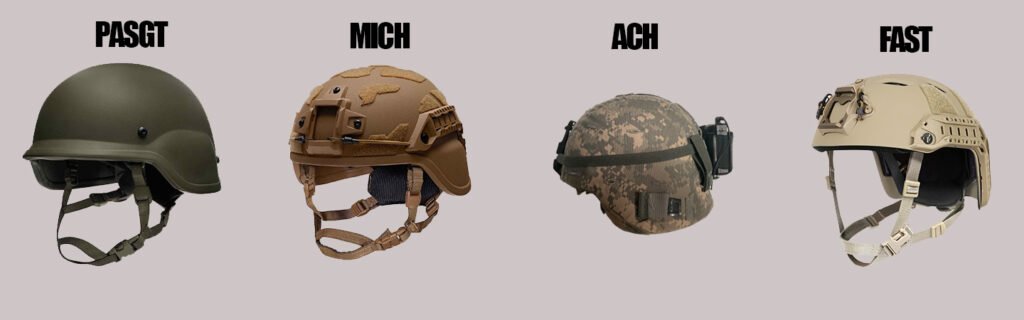
PASGT — система индивидуальной бронезащиты для сухопутных войск
PASGT — это система защиты, разработанная для вооружённых сил США в 1980-х годах и состоящая из кевларового шлема и бронежилета. Шлем, который часто называли “K-pot”, обеспечивал более высокую баллистическую защиту по сравнению со стальным шлемом M1 и широко использовался до тех пор, пока его не заменили на ACH и MICH.
MICH — модульный интегрированный шлем связи
MICH — это боевой шлем вооружённых сил США, разработанный для подразделений специального назначения. По сравнению с более ранними шлемами PASGT он обеспечивает улучшенную баллистическую защиту, модульную конструкцию для крепления дополнительного оборудования, а также более удобную интеграцию с коммуникационными гарнитурами.
ACH — усовершенствованный боевой шлем
ACH — это стандартный боевой шлем Армии США, пришедший на смену шлему PASGT. Он обеспечивает повышенную баллистическую защиту, меньший вес, более удобную посадку, а также оснащен модульными направляющими и креплениями для приборов ночного видения и аксессуаров.
FAST — шлем с технологией «Future Assault Shell»
FAST — это модель с высоким вырезом боевой шлем Конструкция, первоначально разработанная компанией Ops-Core. Она отличается боковыми направляющими, козырьком для приборов ночного видения и приподнятой линией среза, обеспечивающей лучшую совместимость с наушниками и обзор обстановки; широко используется подразделениями специального назначения.
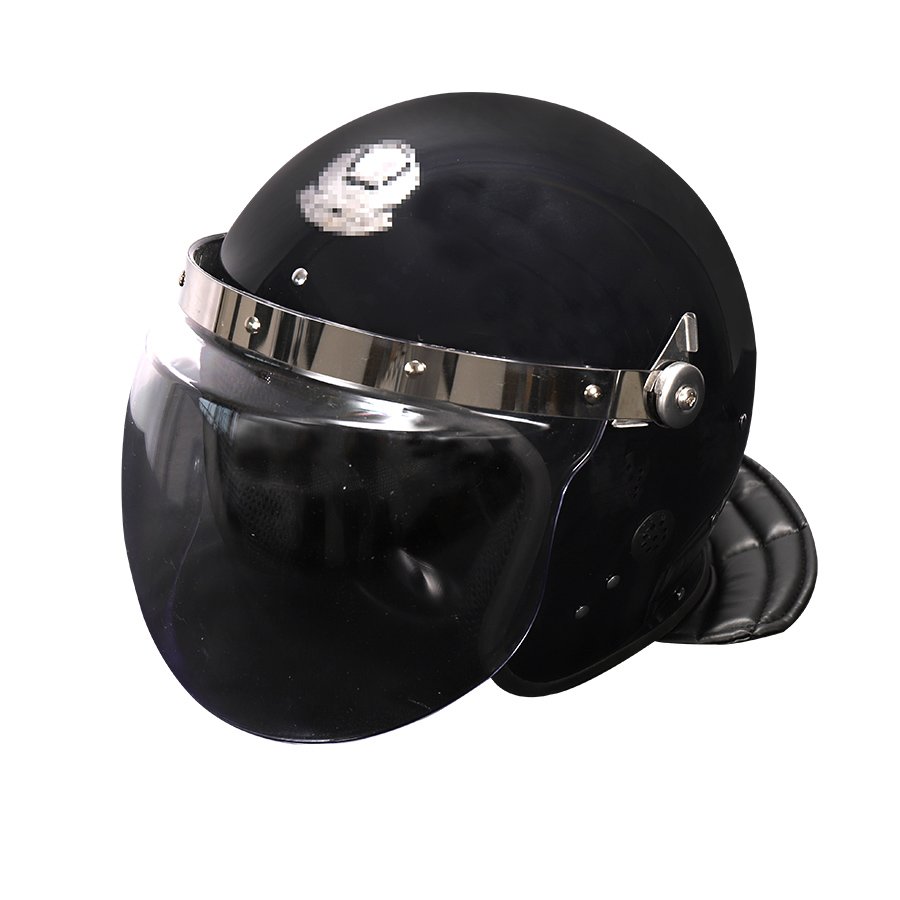
Полицейский черный анти-бунтарский шлем с защитой шеи
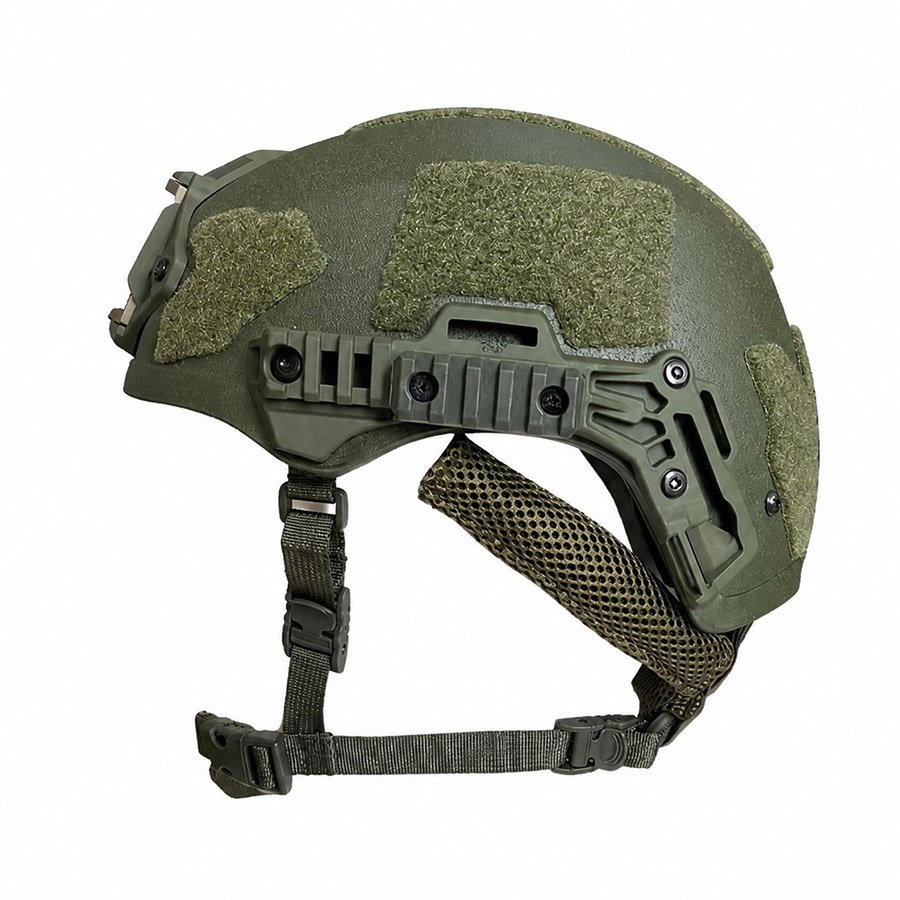
Тактический баллистический шлем для военных и легионеров
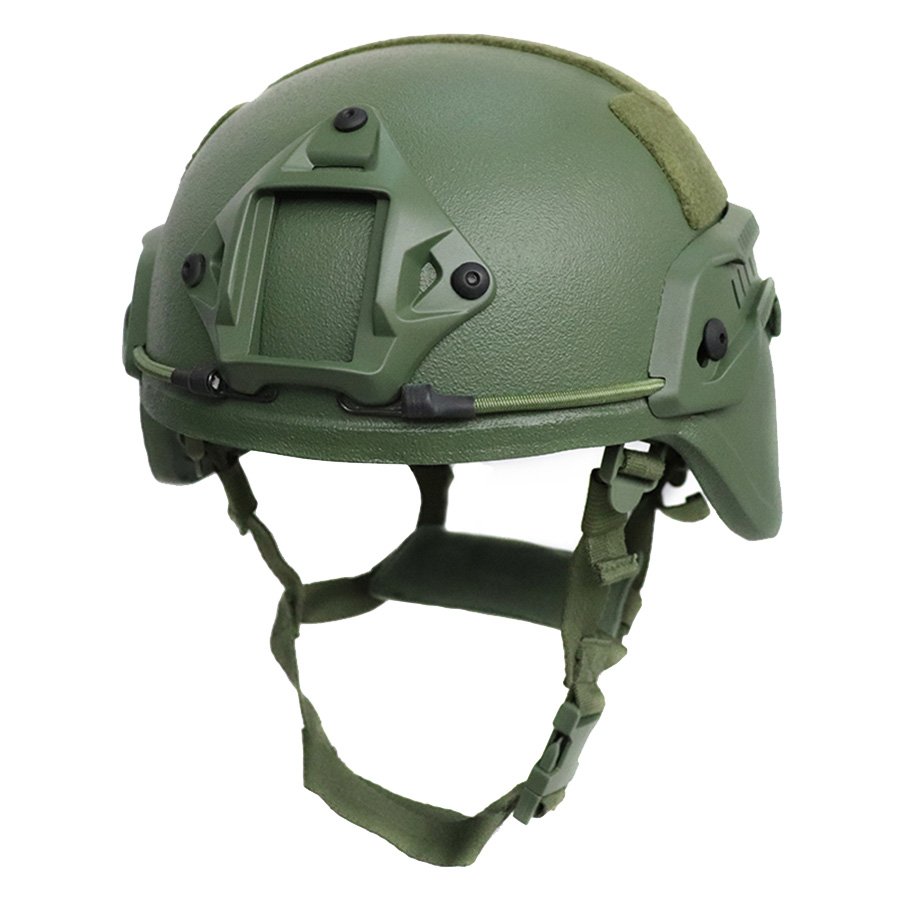
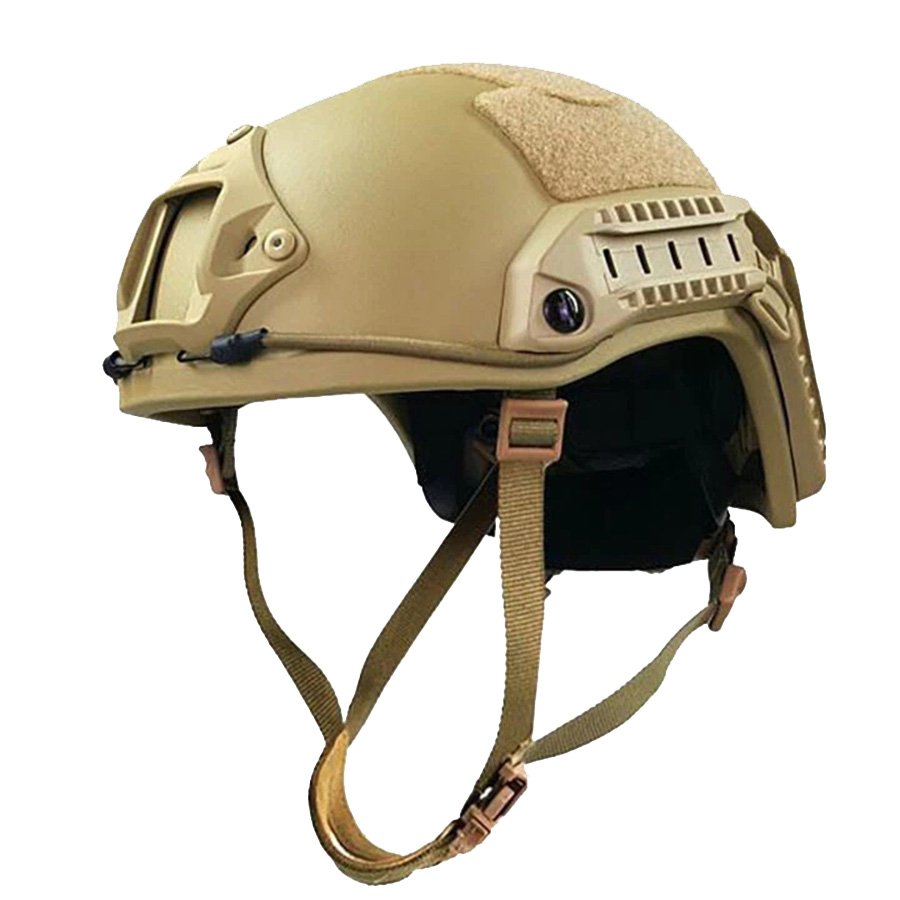
Тактический шлем-бронежилет Ballistic FAST
5. ГРУЗОВОЙ ВАГОН И ЛЕНТЫ
MOLLE — модульная система переноски грузов
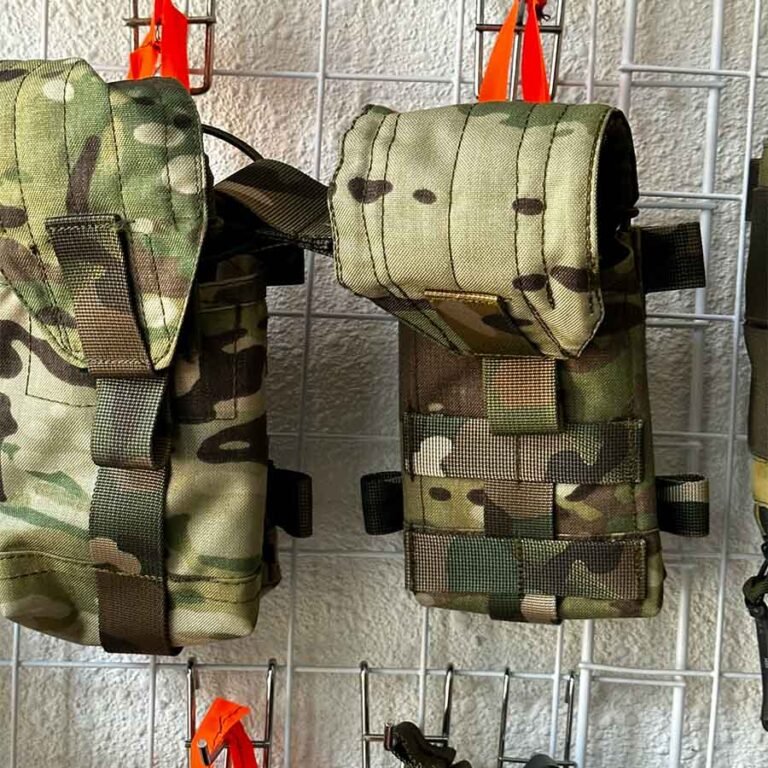
MOLLE — это модульная система снаряжения, в которой используются сетчатые ремни PALS для крепления сумок и аксессуаров к жилетам, рюкзакам и ремням. Она заменила устаревшую систему ALICE и по-прежнему остается стандартом для тактической переноски снаряжения.
PALS — система крепления сумок с помощью лестничного механизма
PALS — это стандартизированная сетка из рядов прочной нейлоновой тесьмы, пришитая к тактическому снаряжению. Она позволяет надежно крепить и переставлять сумки, кобуры и аксессуары. PALS является основным способом крепления в системе переноски грузов MOLLE, используемой на жилетах, рюкзаках и ремнях.
LBT — тактический ремень для переноски грузов
LBT — это армированный тактический пояс предназначен для переноски необходимого снаряжения, такого как кобура, магазины, жгут, сумка для отработанных патронов и аптечка. Он распределяет вес по бедрам и часто используется в качестве “боевого ремня” или основной платформы для снаряжения в военных и тактических условиях.
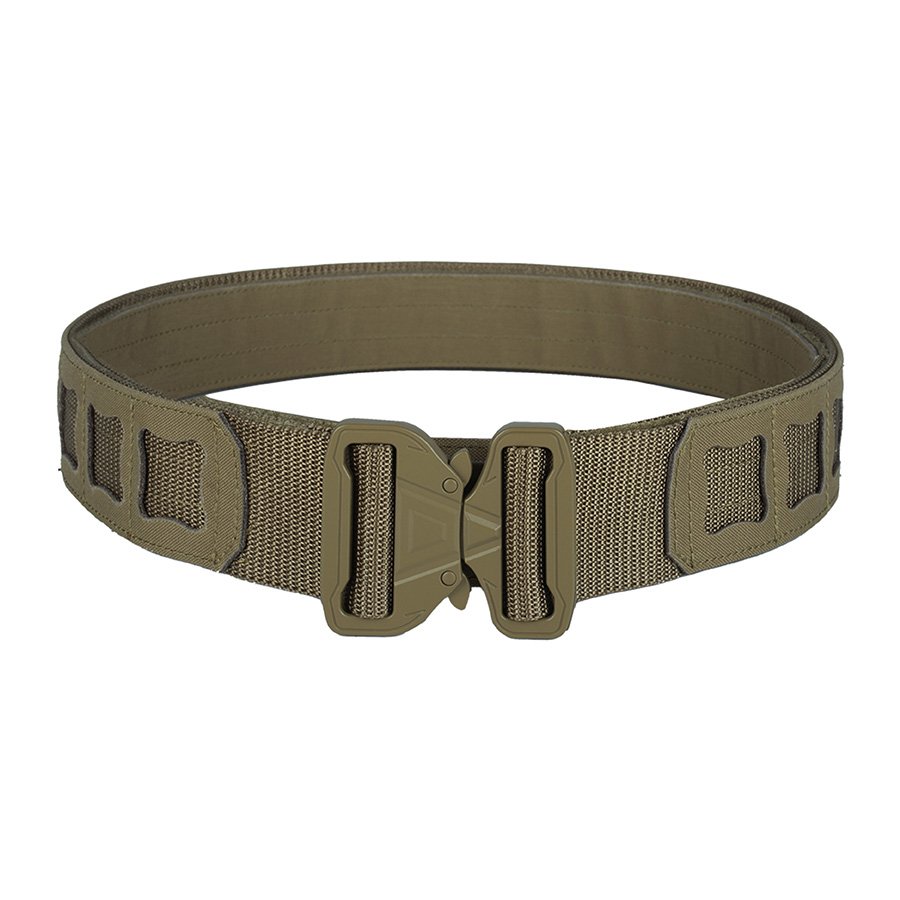
Тактический ремень из нейлона с быстрой разъемной застежкой, цвет «койот-браун»
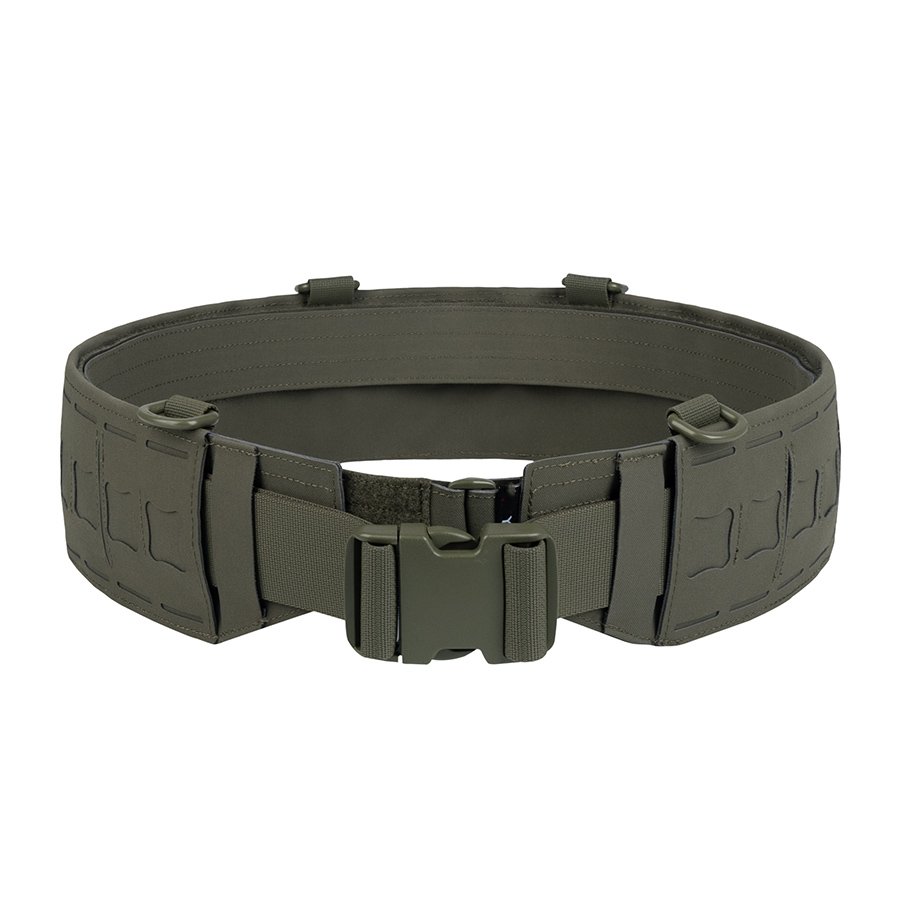
Мужской военный ремень повышенной прочности с системой MOLLE, изготовленный методом лазерной резки
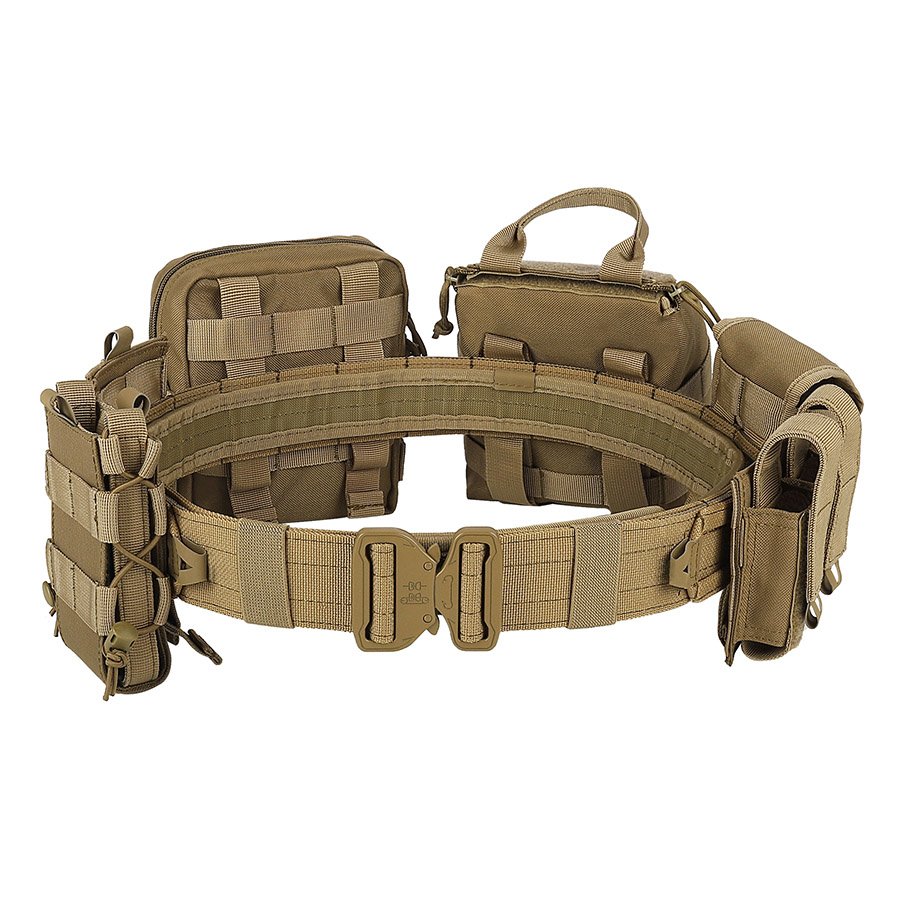
Тактический боевой пояс для сотрудников правоохранительных органов и любителей активного отдыха
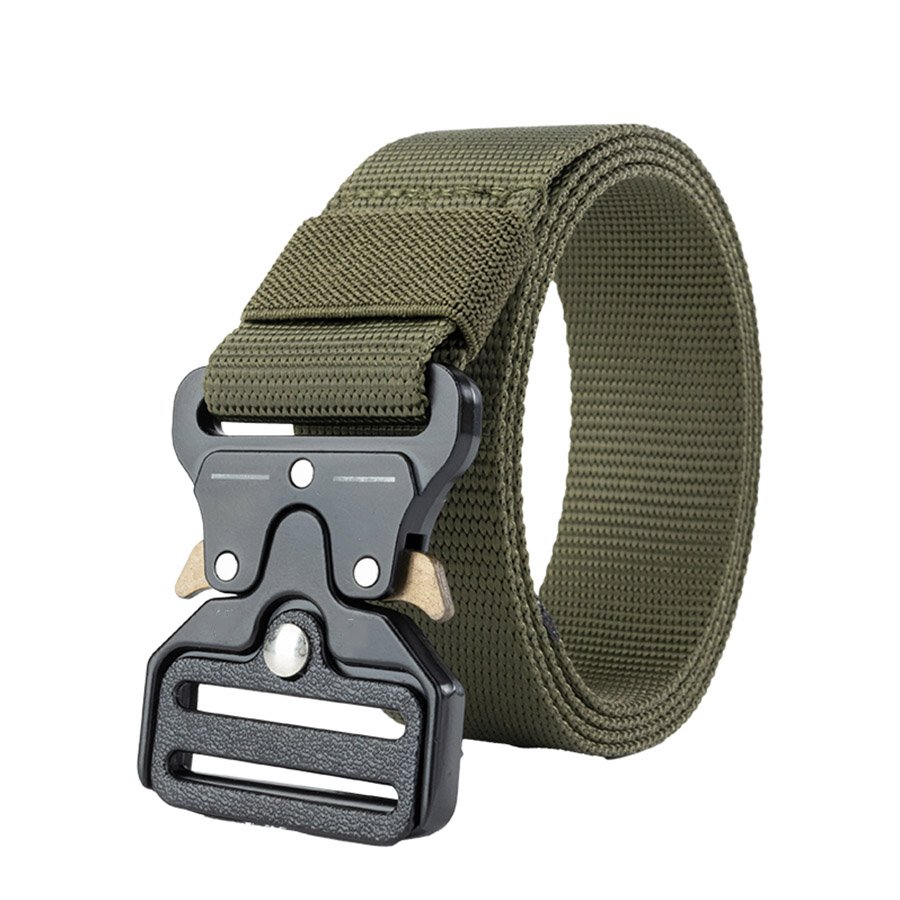
Быстроразъемный ремень повышенной прочности с металлической пряжкой
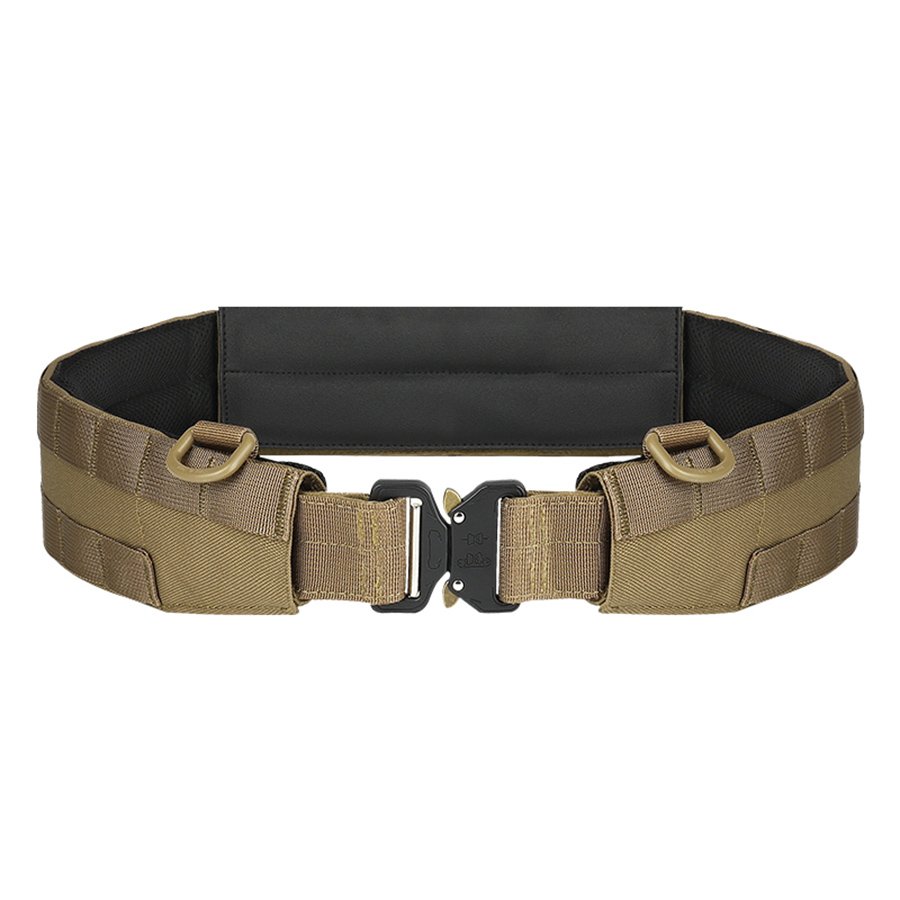
Тактический боевой ремень «Койот Браун» с металлической пряжкой
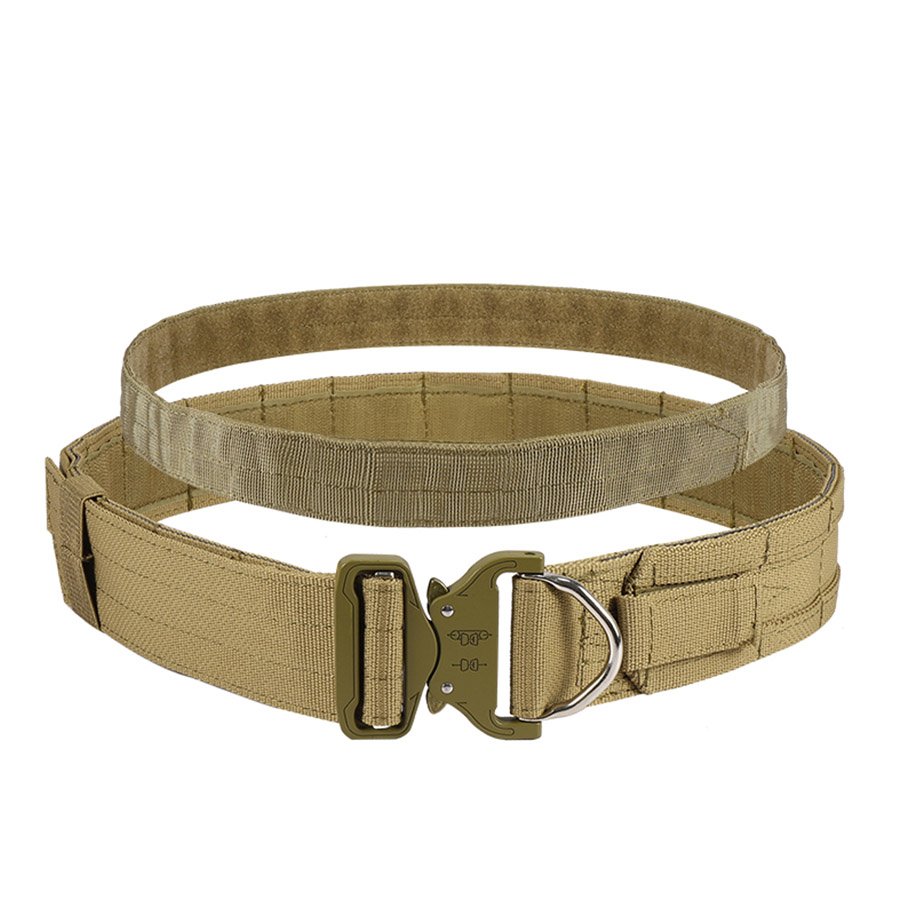
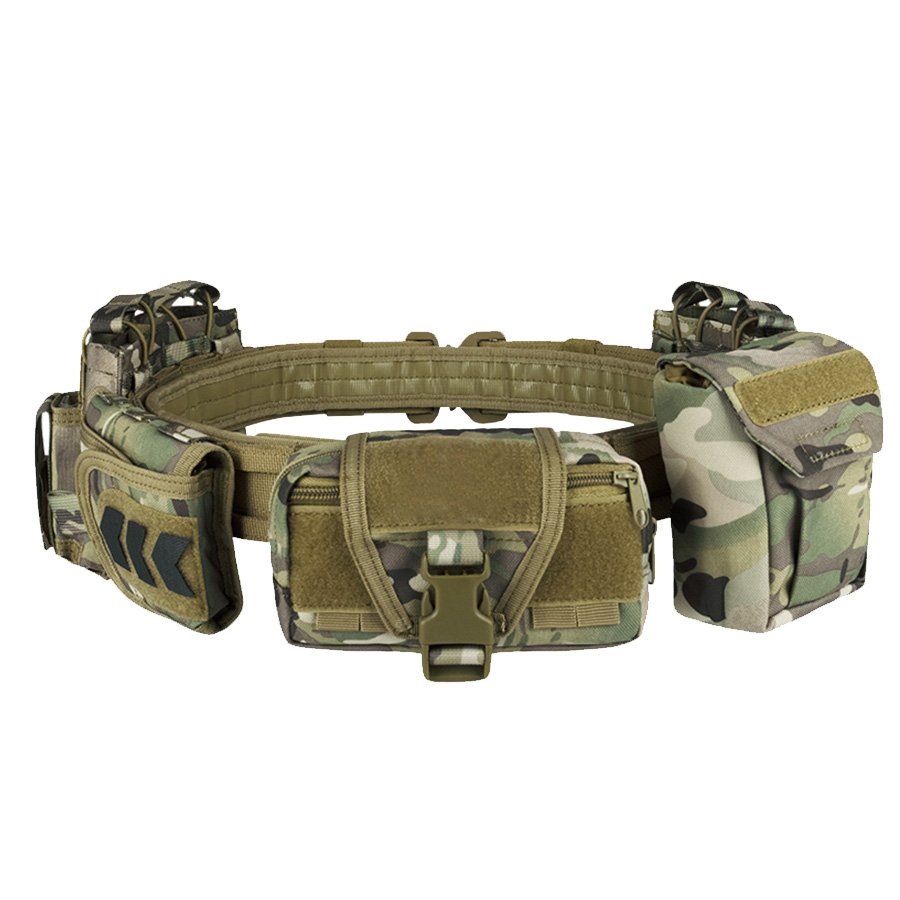
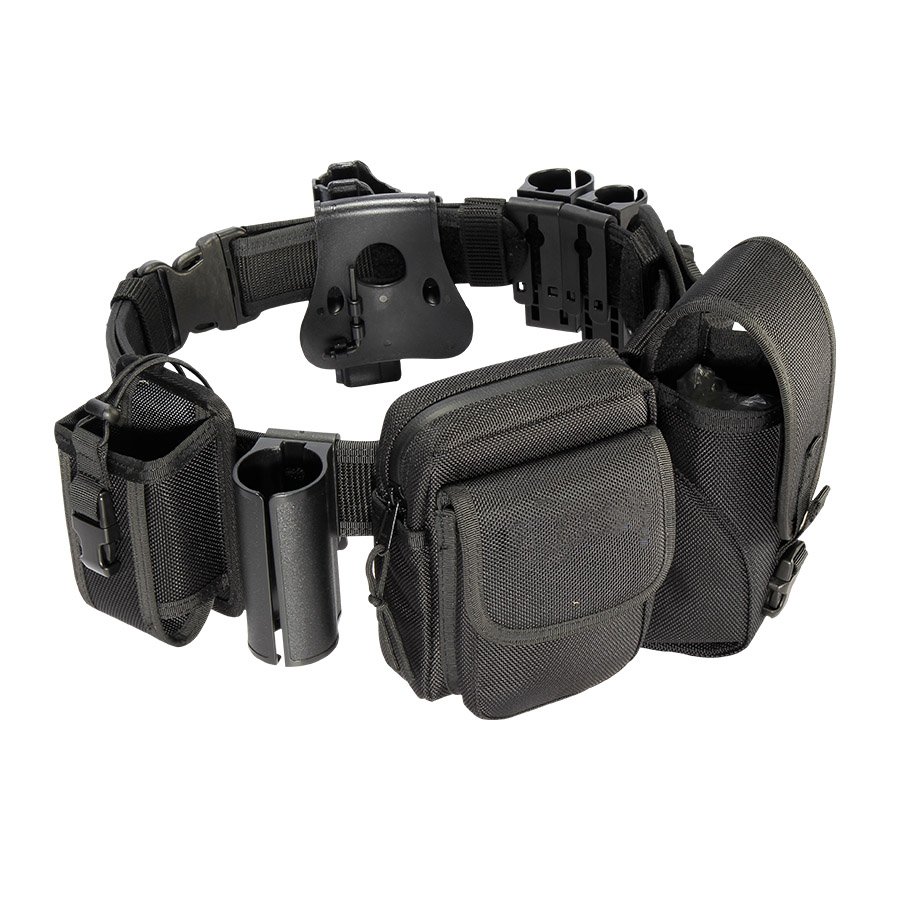
Черный полицейский ремень для правоохранительных органов
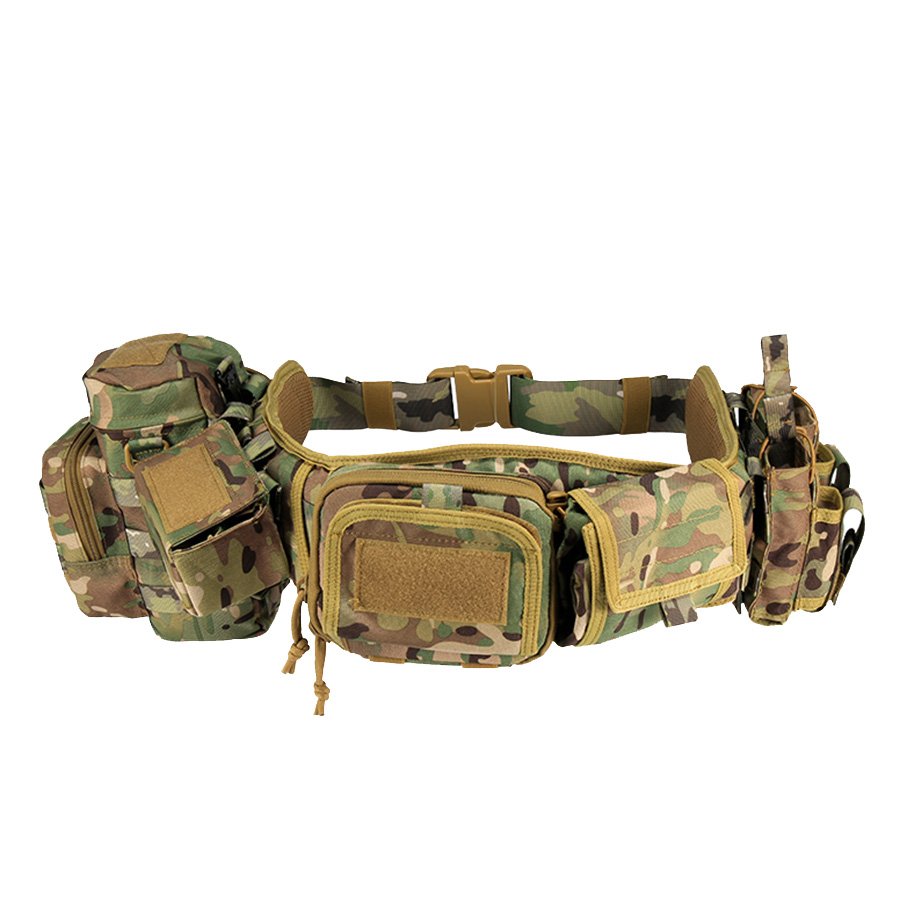
Тактический пояс на липучке Armorguard Camo с подсумками
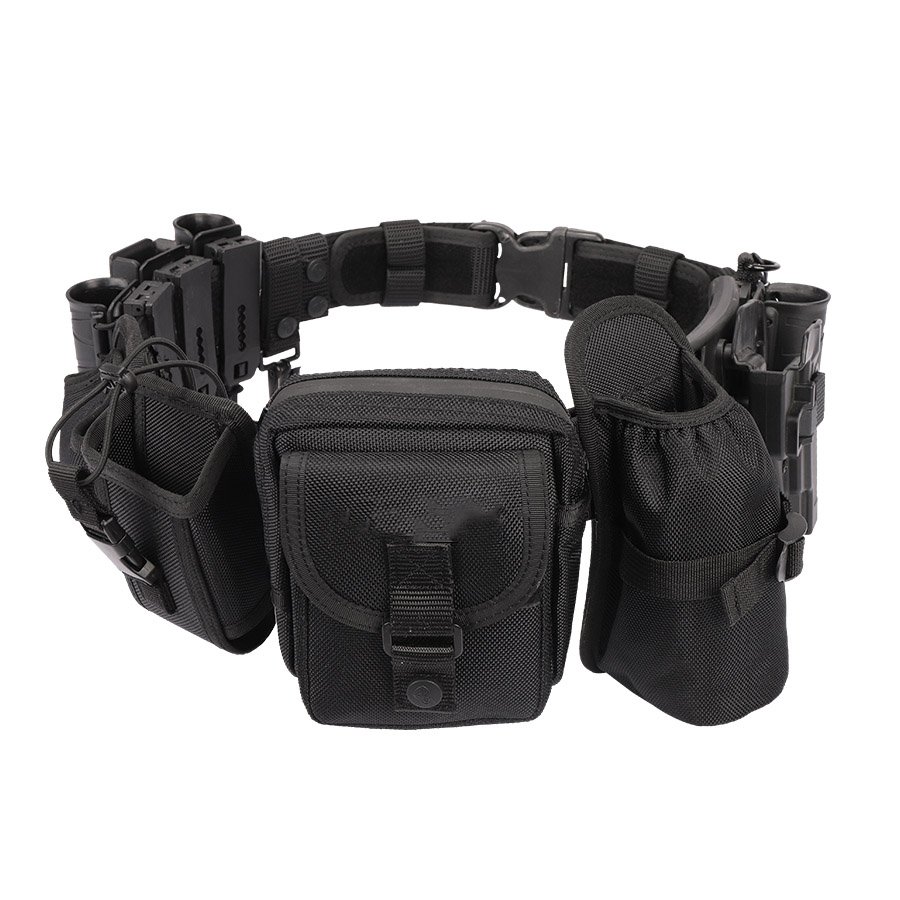
Пояс Armorguard Police Law Enforcement Duty Belt With Holster
6. ОПТИКА И ДАТЧИКИ
NVG — очки ночного видения
Приборы ночного видения (ПНВ) — это электрооптические устройства, которые усиливают естественное освещение или используют инфракрасное излучение для обеспечения видимости в темноте. Они надеваются на голову или шлем и входят в стандартную экипировку для проведения военных и тактических операций в условиях слабого освещения.
ИК — инфракрасный
ИК (инфракрасный) — это излучение с длинами волн, невидимыми невооруженным глазом, которое широко используется в тактическом снаряжении: в приборах ночного видения, ИК-лазерах, осветителях и маркерах. Эти устройства позволяют операторам видеть, прицеливаться или подавать сигналы в темноте, оставаясь незамеченными невооруженным глазом.
7. Прочее
SAR — Поисково-спасательные работы
Под поисково-спасательными операциями (SAR) понимаются скоординированные действия по поиску, оказанию помощи и эвакуации людей, оказавшихся в чрезвычайных ситуациях. В условиях тактических операций и на открытой местности поисково-спасательные команды используют специализированное снаряжение, навигационные приборы, медицинское оборудование и навыки выживания при выполнении задач, связанных с поиском пропавших без вести, ликвидацией последствий стихийных бедствий, действиями в зонах боевых действий или в труднодоступных районах.
IFAK — индивидуальная аптечка первой помощи
IFAK — это компактная аптечка, предназначенная для оказания первой помощи в экстренных ситуациях в условиях тактических операций, военной службы и активного отдыха. Как правило, она содержит средства для оказания помощи при травмах, такие как жгуты, давящие повязки, герметичные накладки на грудную клетку, марлю и медицинские инструменты, необходимые для быстрого лечения опасных для жизни травм.
SF — Спецназ
Тактический акроним «SF» обозначает элитные воинские подразделения, подготовленные для выполнения специальных задач, таких как нетрадиционная война, борьба с терроризмом, разведка и прямые боевые действия. Личный состав спецназа проходит углубленную подготовку по боевым навыкам, выживанию, обращению с оружием, средствам связи и тактическим операциям, при этом зачастую действуя в сложных условиях с использованием специального снаряжения.