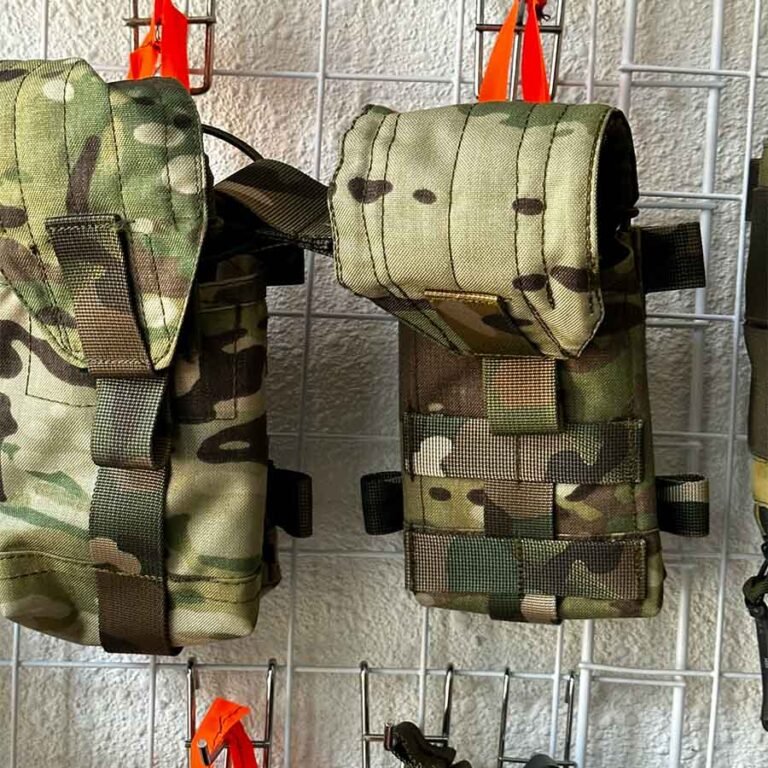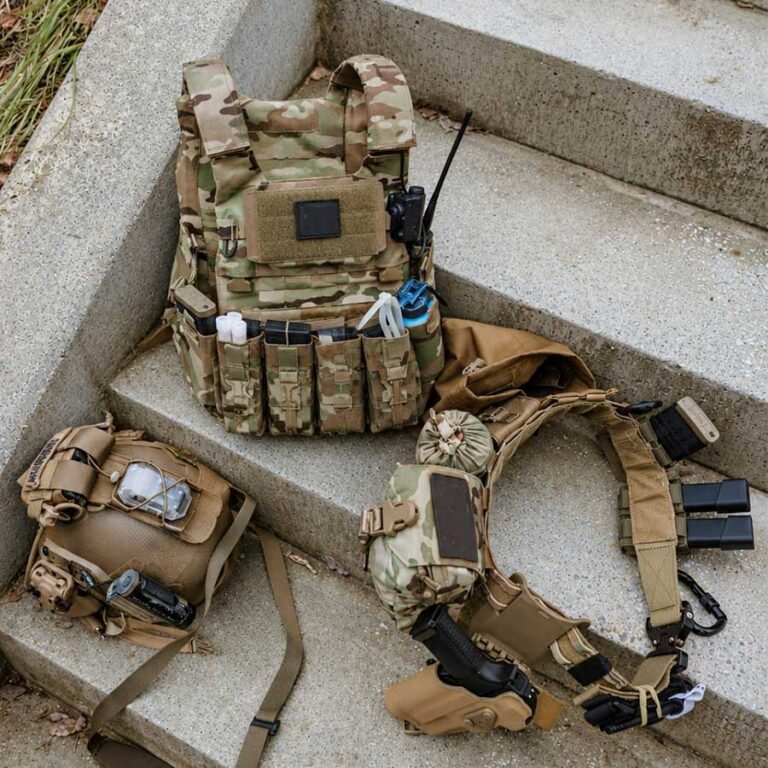
Как специалист в сфере тактического снаряжения, я внимательно слежу за развитием рынка тактического снаряжения. Постоянно растущий спрос, меняющиеся потребности клиентов и непрерывные инновации открывают новые возможности для этой глобальной отрасли.
В этой статье я подробно рассматриваю последние рыночные данные, региональную и продуктовую сегментацию, основные факторы спроса, крупнейших мировых поставщиков и новые тенденции, а также делюсь практическими советами для всех, кто работает в этой отрасли или инвестирует в неё. Давайте углубимся в эту тему.
Объем мирового рынка тактического снаряжения и прогноз на будущее
В последние годы мировой рынок тактического снаряжения неуклонно расширялся, увеличившись с 1 TP 4 T 11,9 млрд в 2019 году до 1 TP 4 T 16,8 млрд в 2025 году.
Этот рост отражает исторический совокупный годовой темп роста на уровне примерно 5,91 TP3T, что объясняется увеличением оборонных бюджетов некоторых стран, модернизацией правоохранительных органов, а также растущим спросом на защитное снаряжение и снаряжение для активного отдыха со стороны гражданского населения.
Если говорить о перспективах, то ожидается, что к 2034 году объем рынка достигнет 28,4 млрд долларов США, со среднегодовым темпом роста около 6,01 TP3T, начиная с 2026 года.
Ожидается, что продолжающиеся военные закупки, модернизация средств индивидуальной защиты, а также более широкое внедрение этих систем в ведомствах, отвечающих за безопасность и готовность к чрезвычайным ситуациям, позволят сохранить эту динамику до конца прогнозируемого периода.
Анализ рынка тактического снаряжения по типам продукции (2025 г.)
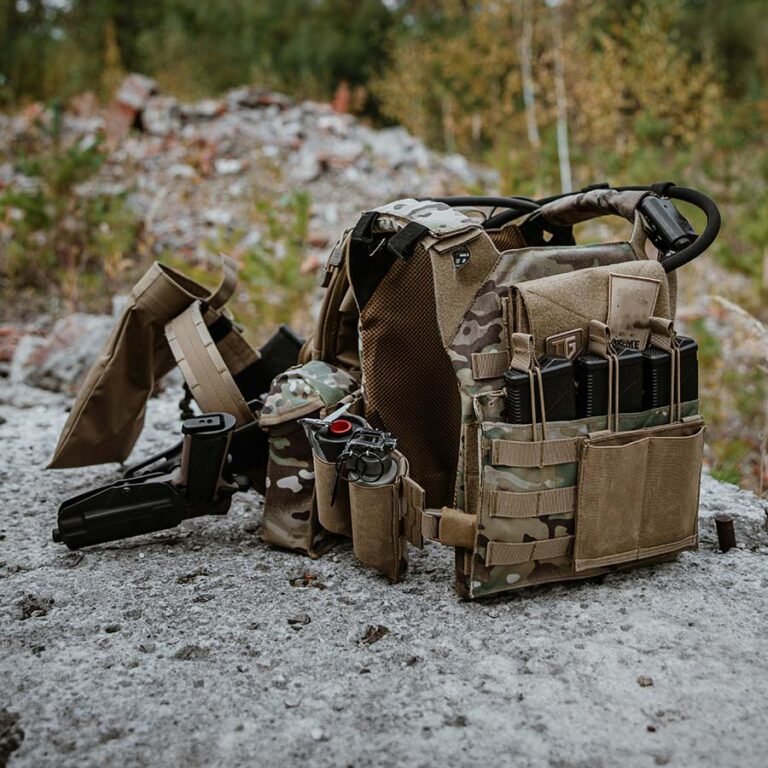
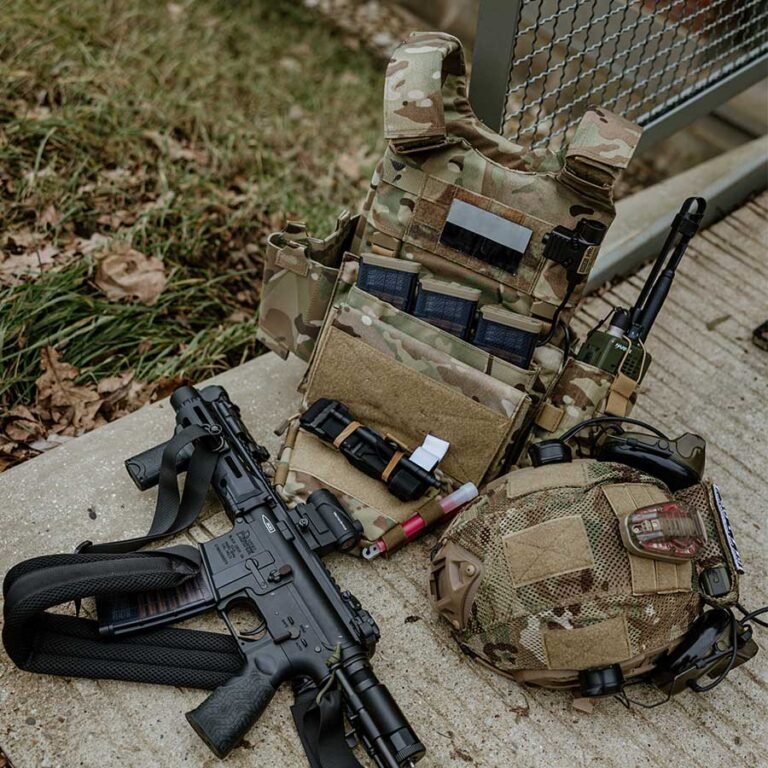
В 2025 году объем мирового рынка тактического снаряжения составит около $16,8 млрд, а в его ассортимент войдут одежда, бронежилеты, обувь, рюкзаки, тактические жилеты, очки, перчатки и другое тактическое снаряжение.
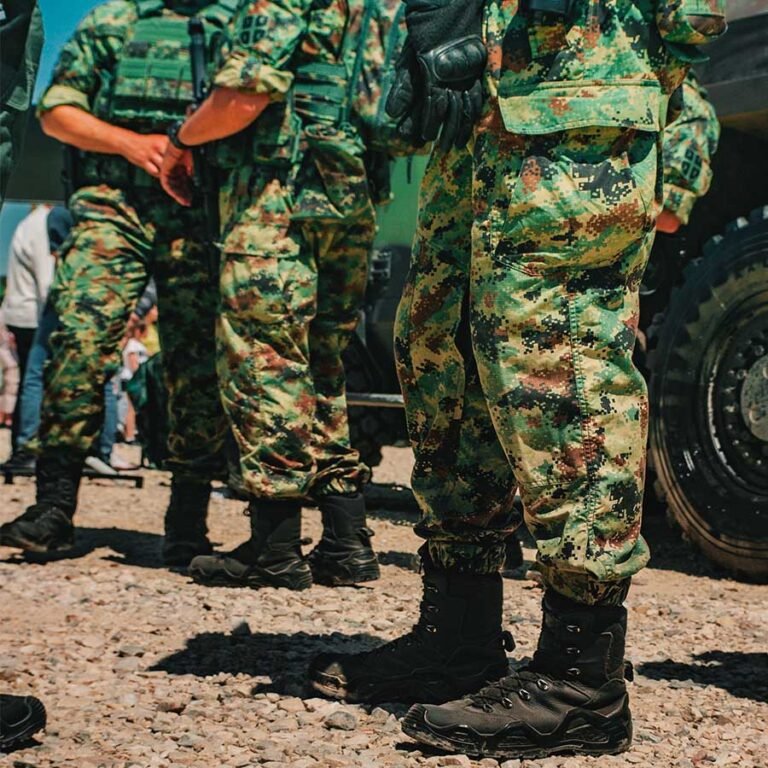
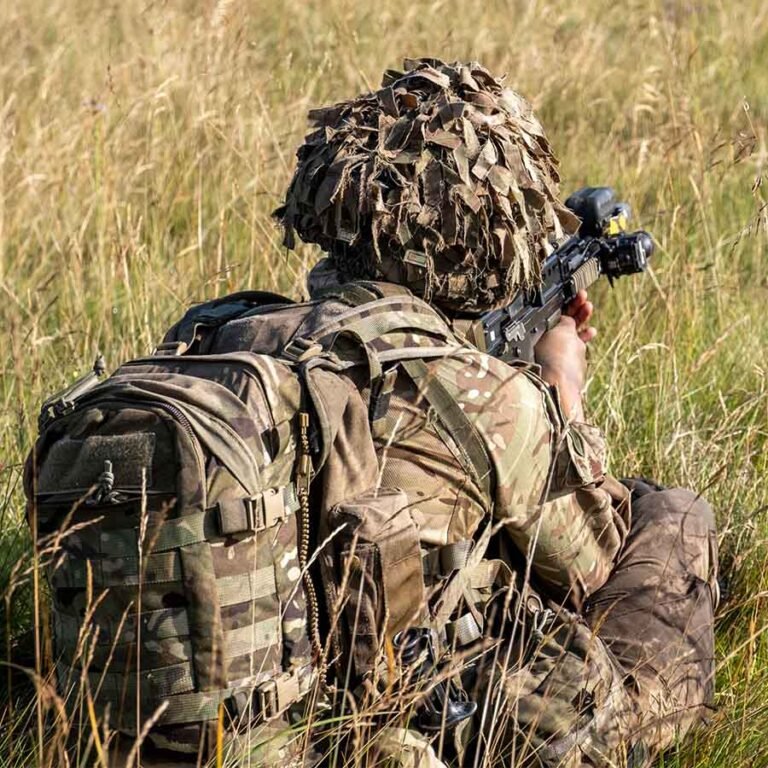
Тактическая одежда является крупнейшей категорией продукции, на долю которой приходится 28,31 TP3T рынка; за ней следуют бронежилеты (18,71 TP3T) и обувь (15,21 TP3T). На долю тактических рюкзаков приходится 11,41 TP3T, а на долю тактических жилетов — 9,61 TP3T. На долю очков, перчаток и прочей продукции приходится 5,81 TP3T, 4,41 TP3T и 6,61 TP3T соответственно. (Данные из Dataintelo)
Лидирующие позиции сегмента тактической одежды обусловлены высоким и стабильным спросом на боевую форму, тактическую одежду и огнестойкую одежду со стороны военнослужащих и сотрудников правоохранительных органов. На втором месте находится сегмент бронежилетов, что объясняется растущим спросом на средства защиты от пуль и осколков, а также развитием технологий в области производства легких материалов, таких как кевлар и UHMWPE.
Между тем, бронежилеты также являются самой быстрорастущей крупной категорией продукции, причем по оценкам, их среднегодовой темп роста в период с 2026 по 2034 год составит 6,81 TP3T. Рост в этой сфере обусловлен планами по модернизации, повышенными требованиями к безопасности, а также спросом на более легкие, модульные и высокоэффективные системы защиты.
Большой потенциал демонстрируют также тактические рюкзаки, ожидаемый совокупный годовой темп роста которых составляет 6,21 TP3T, что обусловлено все более широким внедрением систем переноски, совместимых с системой MOLLE и имеющих модульную конструкцию, на военном, правоохранительном и гражданском рынках.
Анализ рынка тактического снаряжения по регионам (2025 г.)
В 2025 году на мировом рынке тактического снаряжения будут наблюдаться значительные региональные различия. Северная Америка является крупнейшим региональным рынком, на долю которого приходится около 36,91 TP3T мировой выручки; за ней следуют Европа с 26,41 TP3T и Азиатско-Тихоокеанский регион с 18,21 TP3T. На долю Ближнего Востока и Африки приходится около 12,21 TP3T, а на долю Латинской Америки — около 6,31 TP3T. (Данные Dataintelo)
Лидирующие позиции Северной Америки обусловлены значительными расходами США на оборону, отлаженными системами закупок для вооруженных сил и правоохранительных органов, развитыми предприятиями-производителями тактического снаряжения, а также высоким спросом со стороны гражданского населения на тактическую экипировку и товары для активного отдыха.
В 2025 году Европа станет вторым по величине региональным рынком. Продолжающийся конфликт между Украиной и Россией стал мощным катализатором спроса на всем европейском континенте, чему способствуют растущие инвестиции в оборонную сферу и ускоренные закупки тактического оборудования со стороны крупнейших европейских стран.
Факторы, определяющие спрос на рынке тактического снаряжения
Рынок тактического снаряжения развивается за счет двух основных групп спроса: модернизации вооруженных сил и растущих рынков гражданского снаряжения и снаряжения для активного отдыха, которые обеспечивают устойчивый спрос на защитное, функциональное и многофункциональное снаряжение. (Данные Dataintelo,СИПРИ,Statista)
1. Модернизация вооруженных сил
Рост мировых расходов на оборону: В 2025 году мировые военные расходы достигнут примерно $2.89 триллиона, что станет 11-м годом роста подряд. Увеличение оборонных бюджетов в некоторых странах способствует закупке и обновлению униформы, бронежилетов, тактических жилетов, обуви и другого снаряжения для военнослужащих.
Ускорение процесса перевооружения в Европе: В 2025 году военные расходы Европы увеличатся на 14% и достигнут $864 млрд. Усиление опасений по поводу безопасности и модернизация вооруженных сил побуждают страны обновлять средства индивидуальной защиты и грузоподъемное снаряжение.
Геополитическая напряжённость и пополнение запасов: В 2026 году война между США, Израилем и Ираном неизбежно приведёт к резкому увеличению расходов на тактическое вооружение со стороны этих трёх стран и других государств Ближнего Востока. Разумеется, не стоит забывать и о продолжающемся конфликте между Россией и Украиной, который до сих пор не прекратился.
2. Развлечения для всех и активный отдых на природе
Расширение участия в мероприятиях на открытом воздухе: В 2025 году в активном отдыхе на природе приняли участие рекордное число американцев — 1832 миллиона человек. По сравнению с 2019 годом число участников увеличилось почти на 30 миллионов, что привело к расширению потребительского рынка долговечного оборудования для активного отдыха и тактического снаряжения.
Рост популярности пеших прогулок, кемпинга и других видов активного отдыха на природе: По данным Ассоциации индустрии активного отдыха, популярность таких видов активного отдыха для начинающих, как пешие походы, кемпинг и рыбалка, продолжает расти, а спрос на тактические рюкзаки, обувь, одежду, перчатки и многофункциональные аксессуары продолжает увеличиваться.
Тактические виды спорта и стрельба: В 2024 году более 52,7 миллиона американцев занимались спортом и стрельбой, что способствовало росту спроса на тактическую одежду, сумки для стрельбища, очки, перчатки и другое снаряжение.
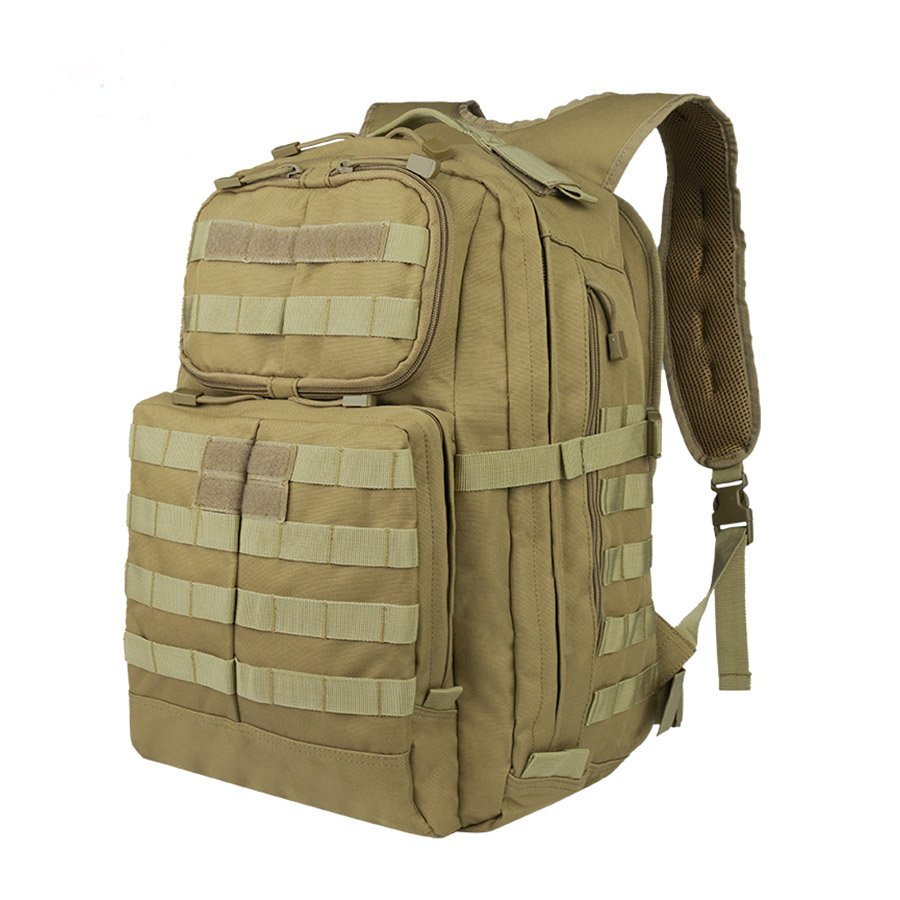
Тактический рюкзак цвета хаки для путешествий и походов
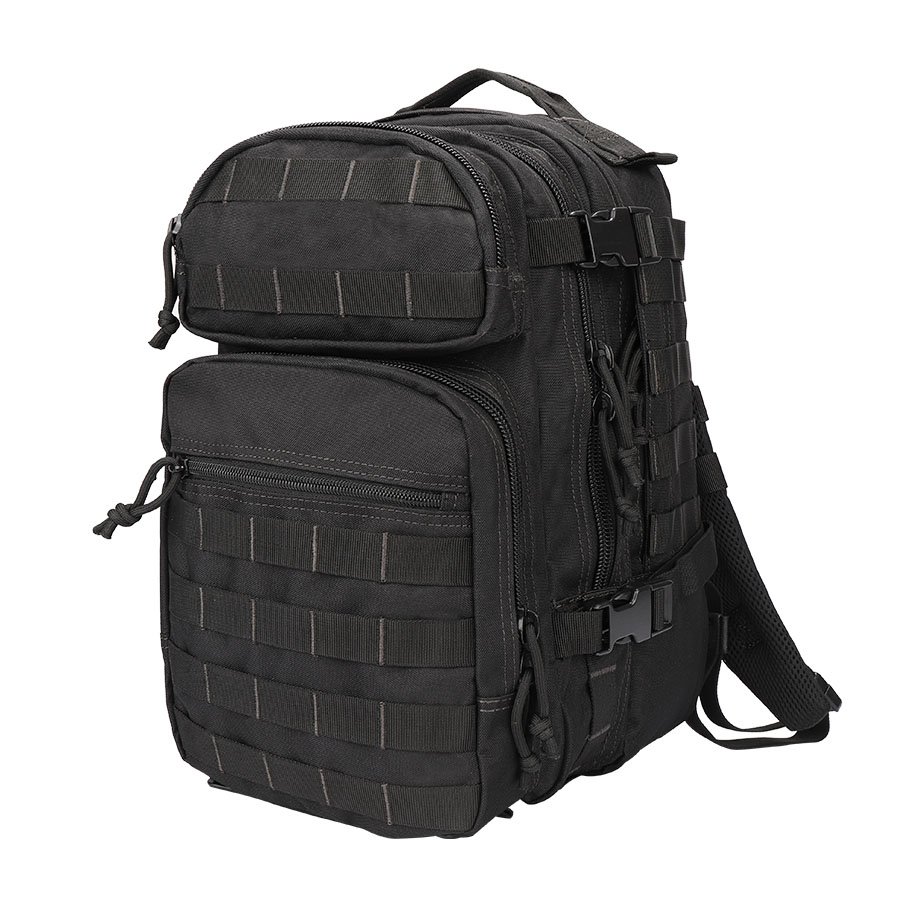
Тактические рюкзаки 3P Oxford черного цвета с системой MOLLE
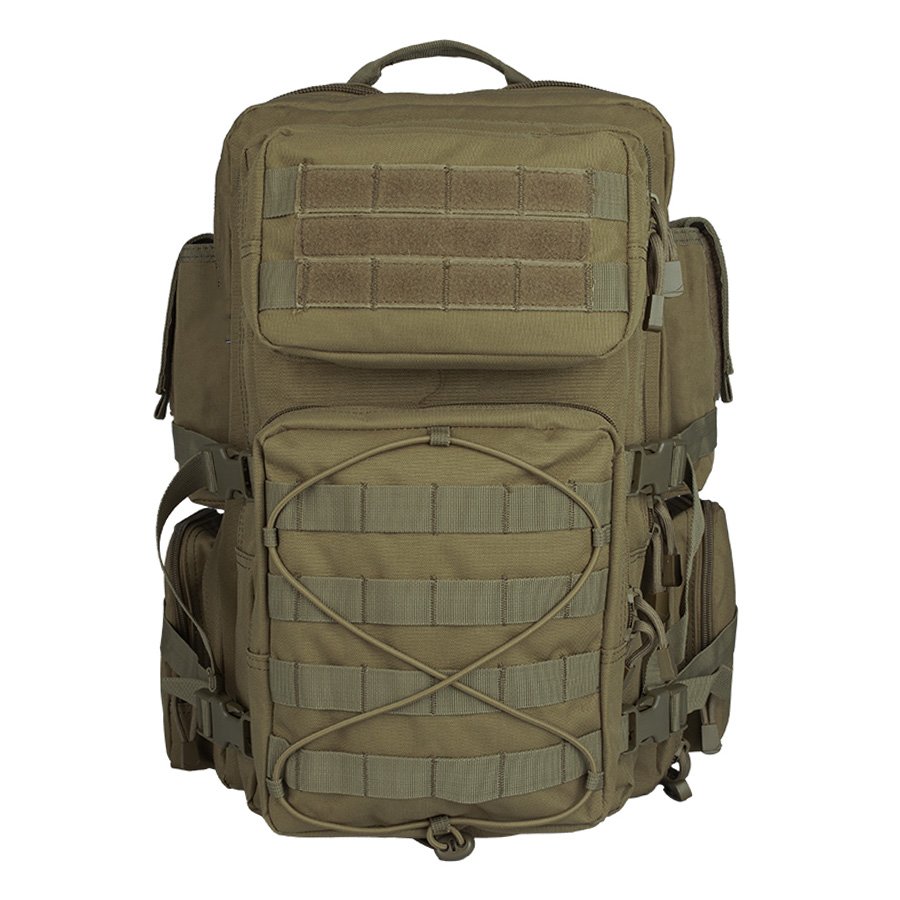
Прочный большой тактический дорожный рюкзак 3P объемом 40 л
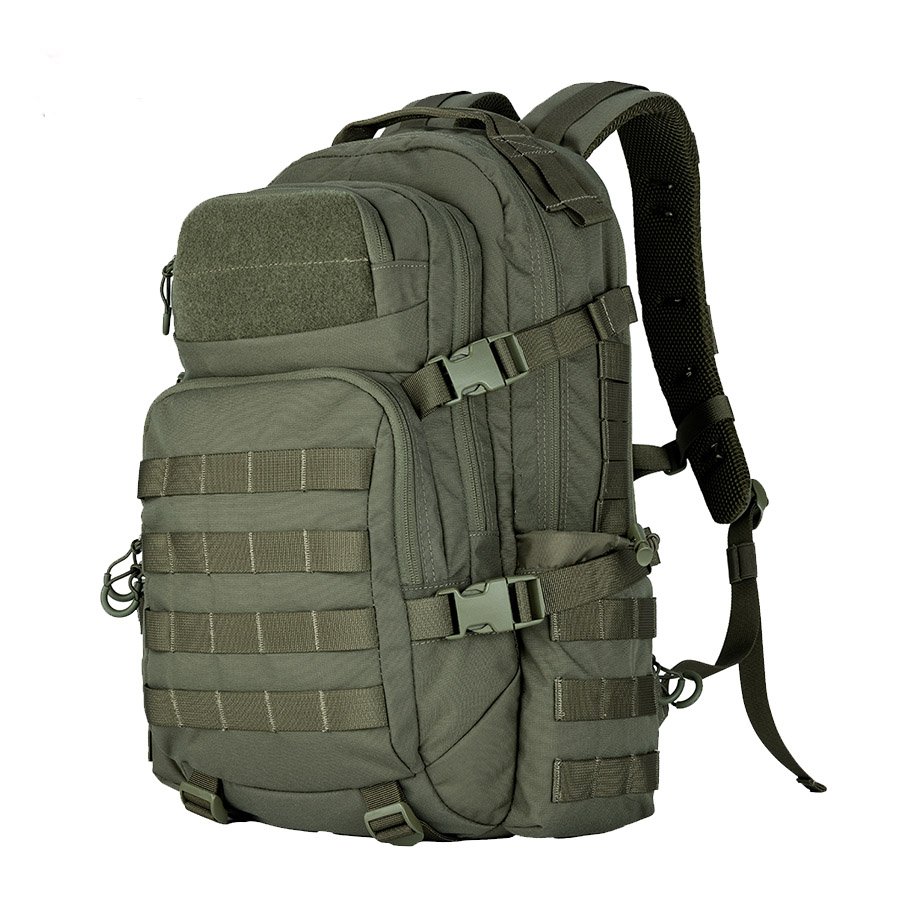
Военный рюкзак из нейлона с большой панелью на липучке
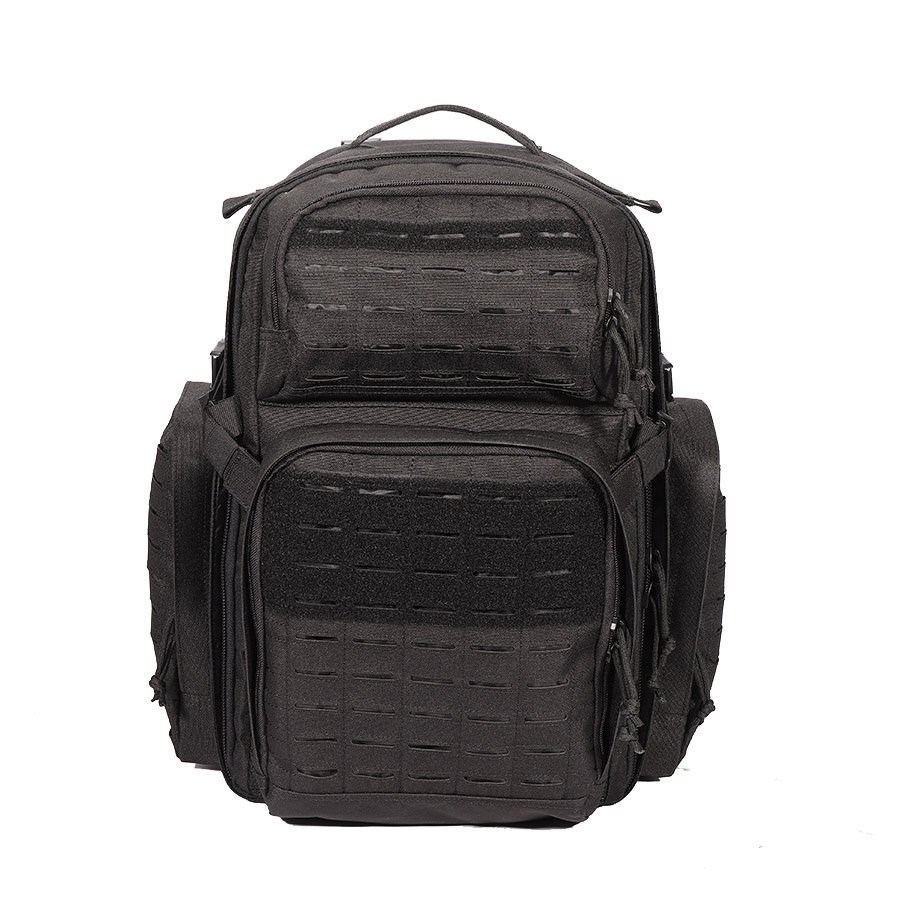
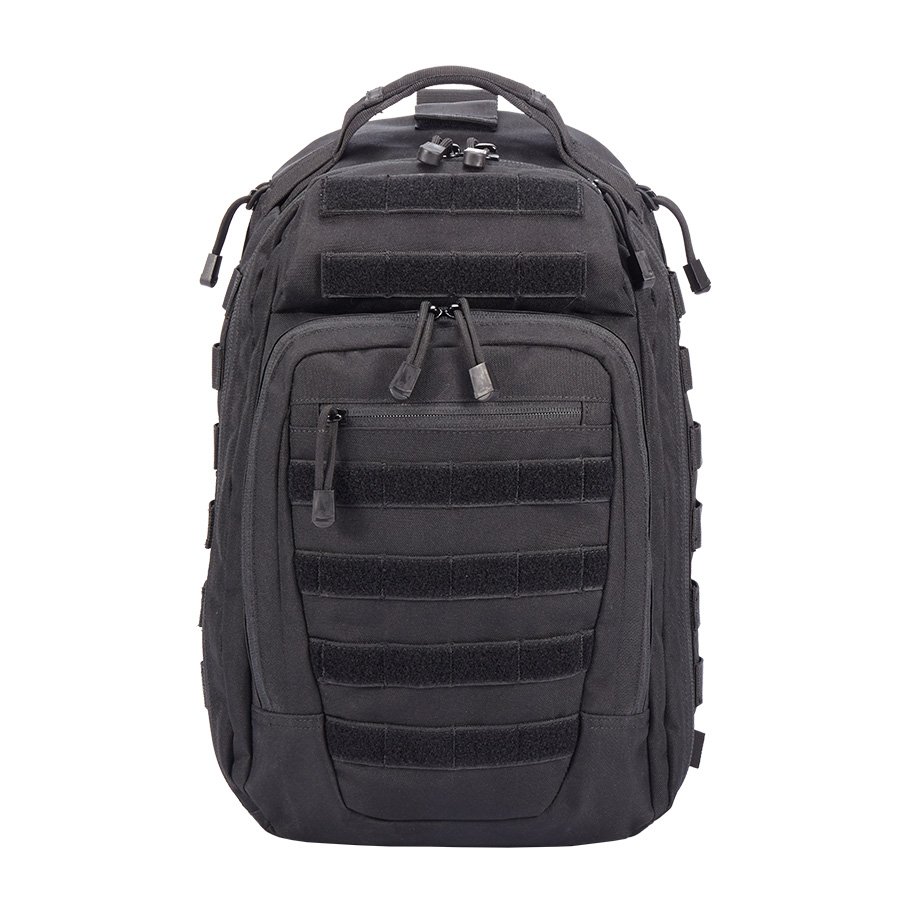
Легкий тактический походный рюкзак с застежками-липучками, 30 л
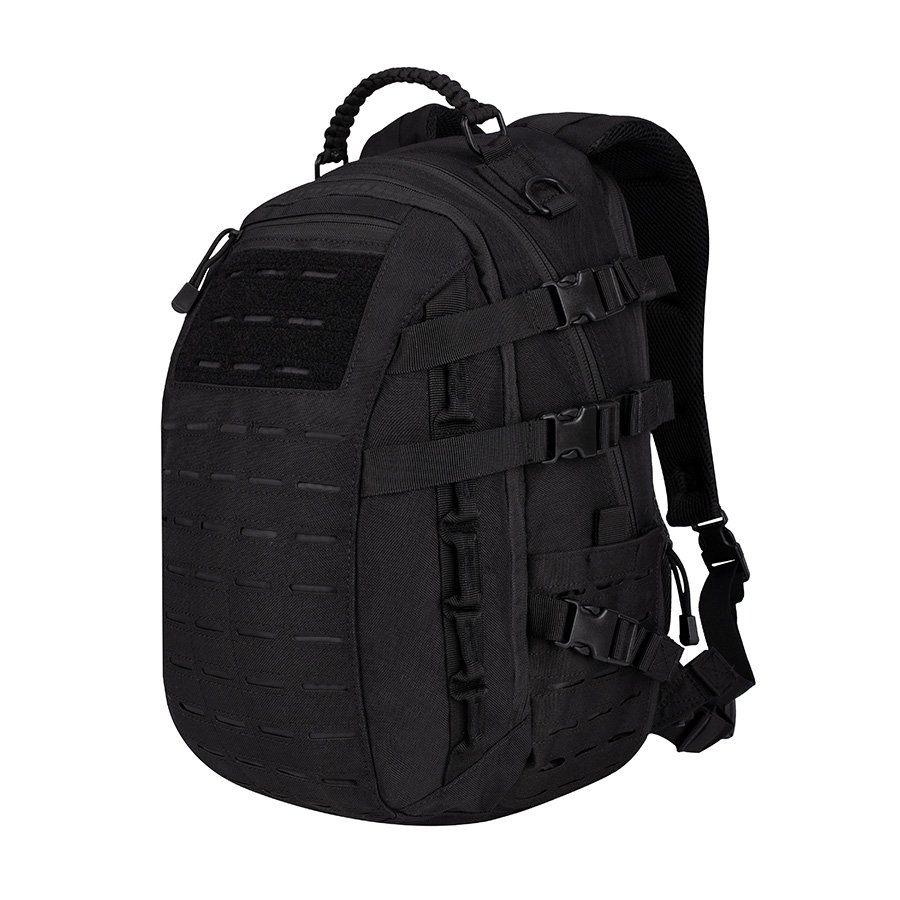
Военный рюкзак «Molle» чёрного цвета с лазерной резкой, объём 25 л
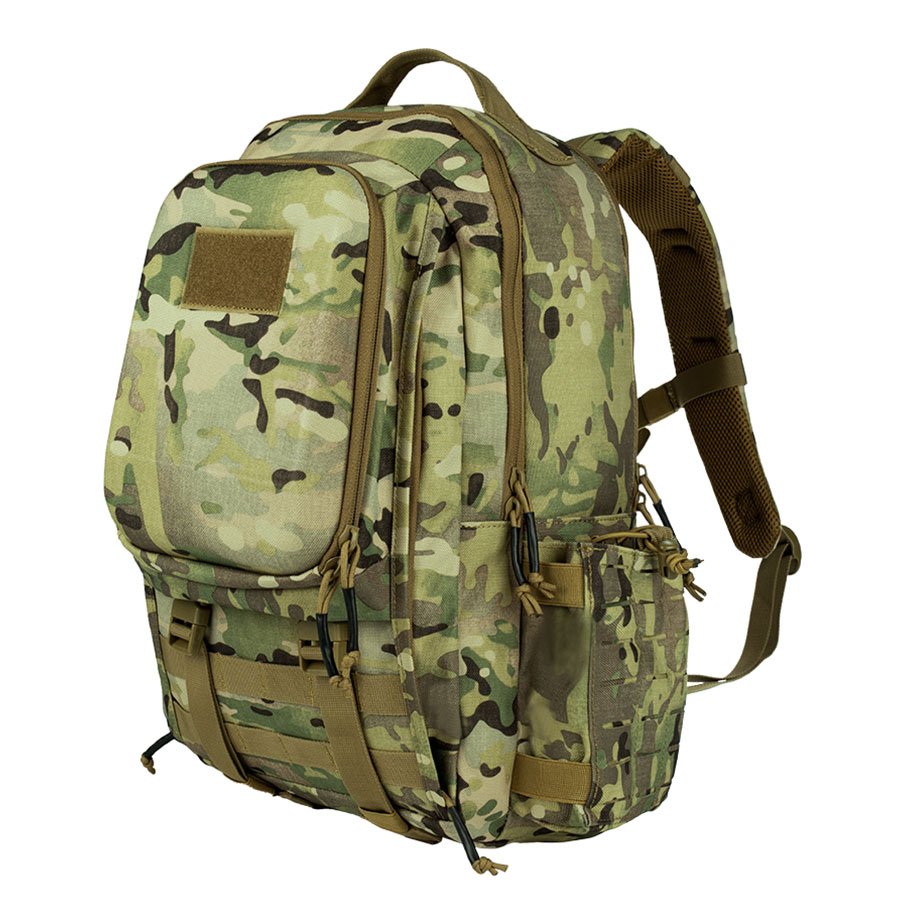
Лучший военный рюкзак с камуфляжным рисунком, водонепроницаемый
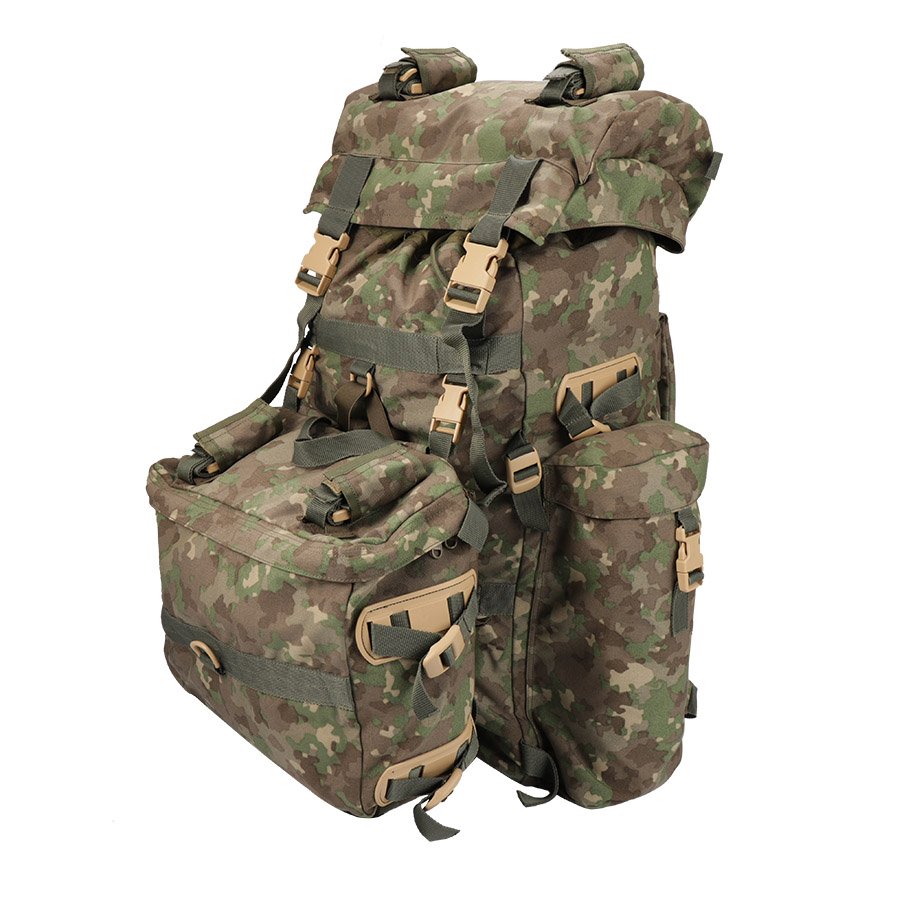
Большой модульный военный рюкзак в камуфляжном исполнении
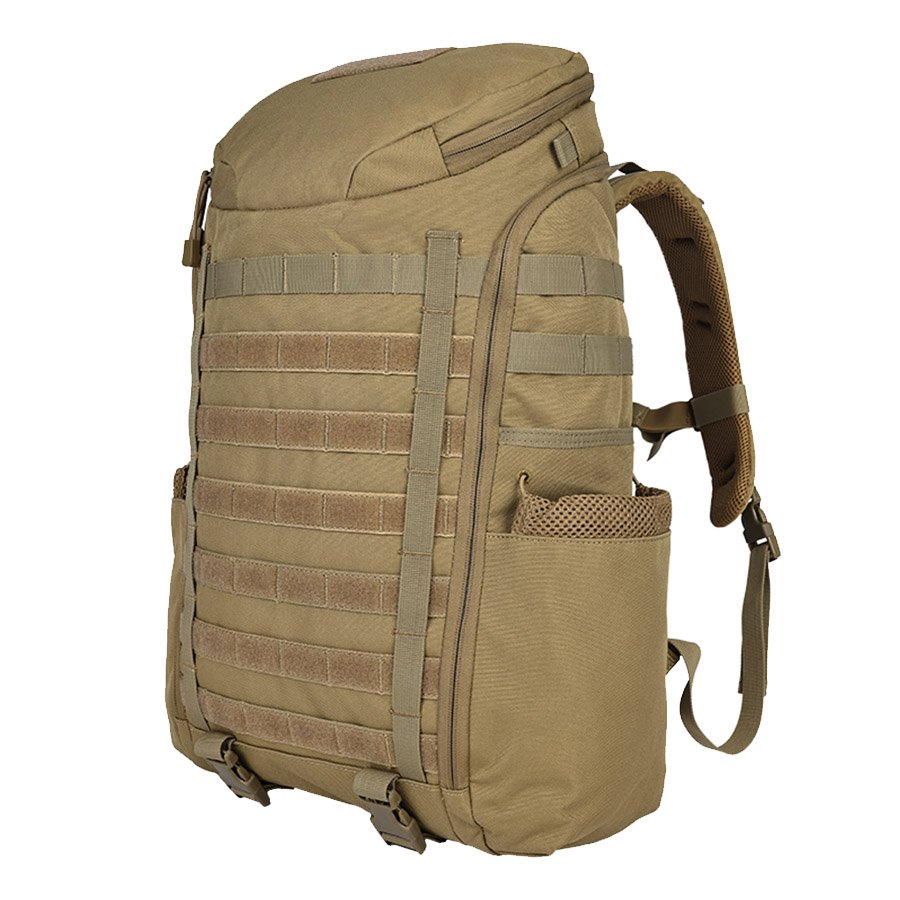
Штурмовой рюкзак с верхней крышкой на молнии и системой MOLLE, цвет «койот-браун»
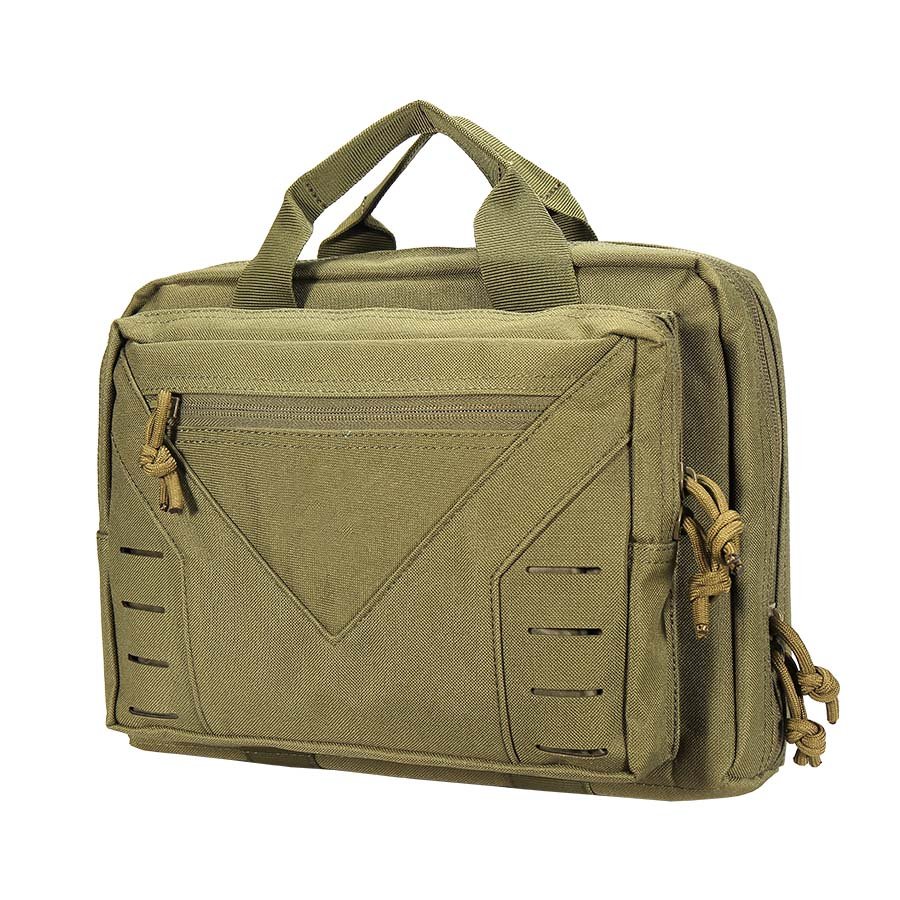
Прочная сумка для ноутбука военного образца с системой MOLLE, выполненной методом лазерной резки
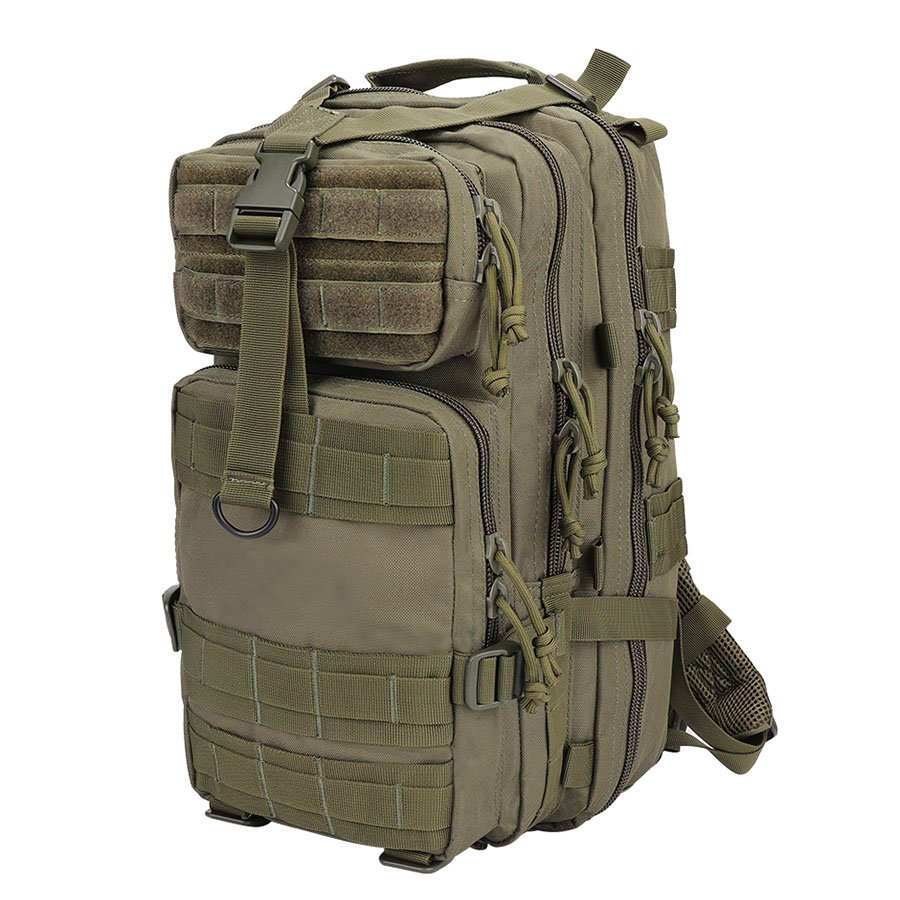
3-дневный водонепроницаемый тактический рюкзак, легкий
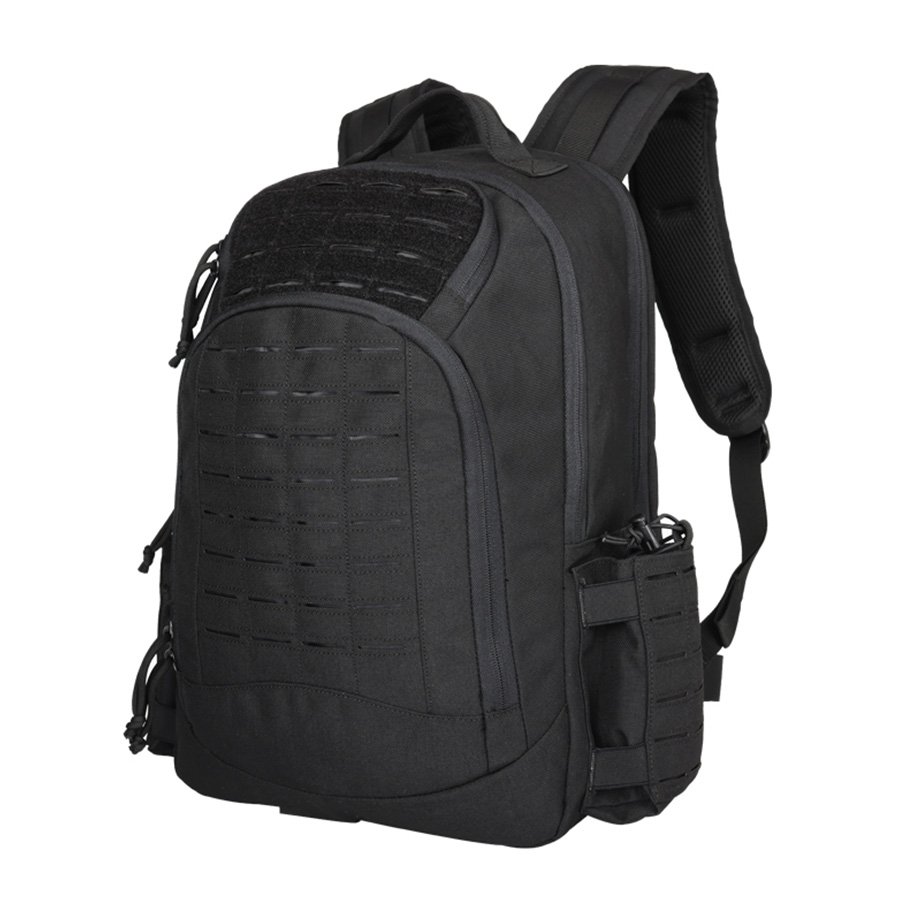
Водонепроницаемый тактический рюкзак EDC с системой MOLLE, изготовленной методом лазерной резки
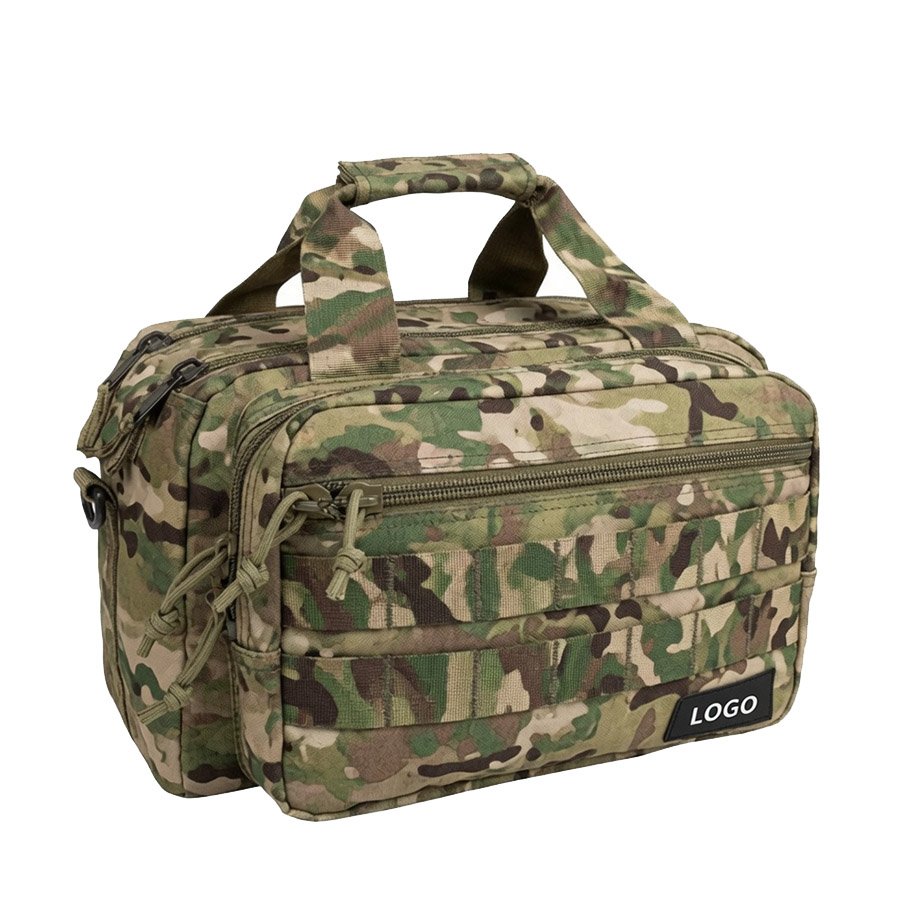
Тактическая сумка для стрельбища «Camo» с системой крепления MOLLE
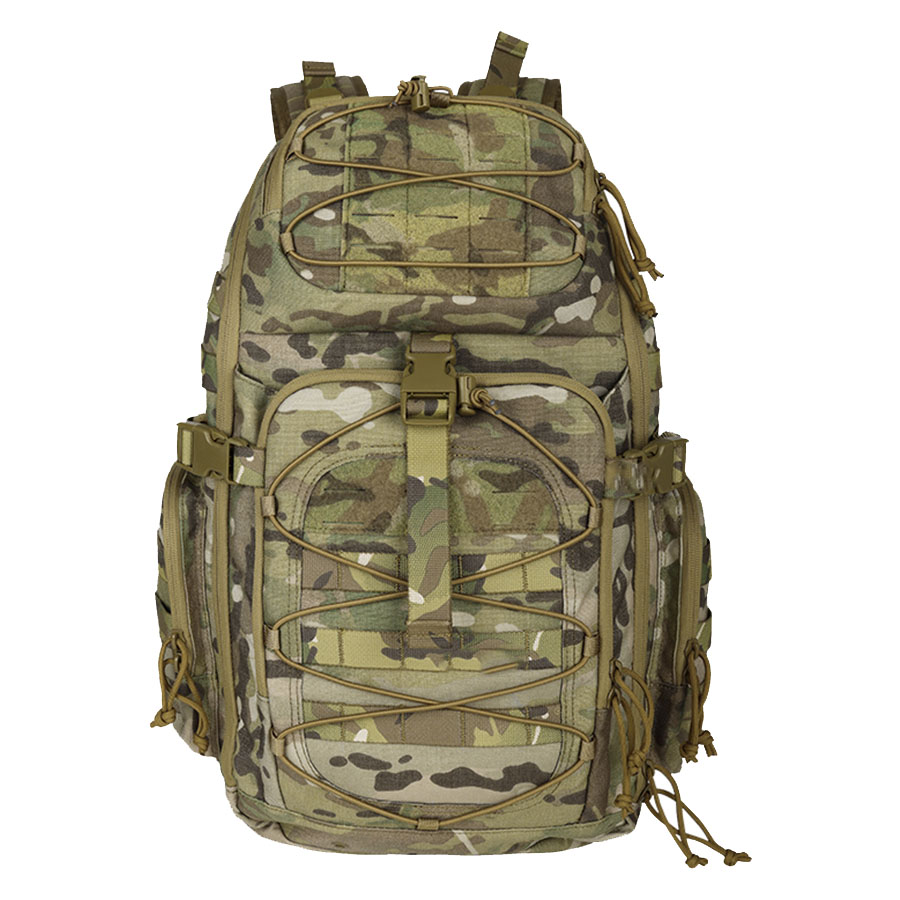
Тактический рюкзак Multicam с компрессионными ремнями
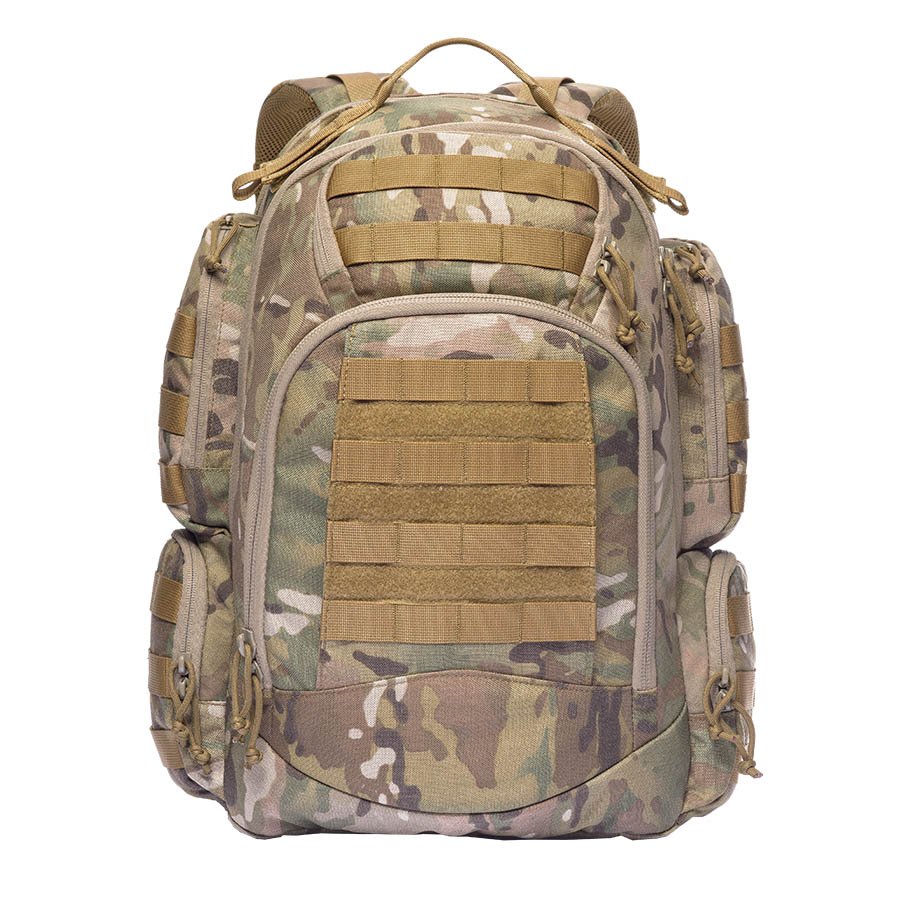
Тактический боевой рюкзак для походов и кемпинга
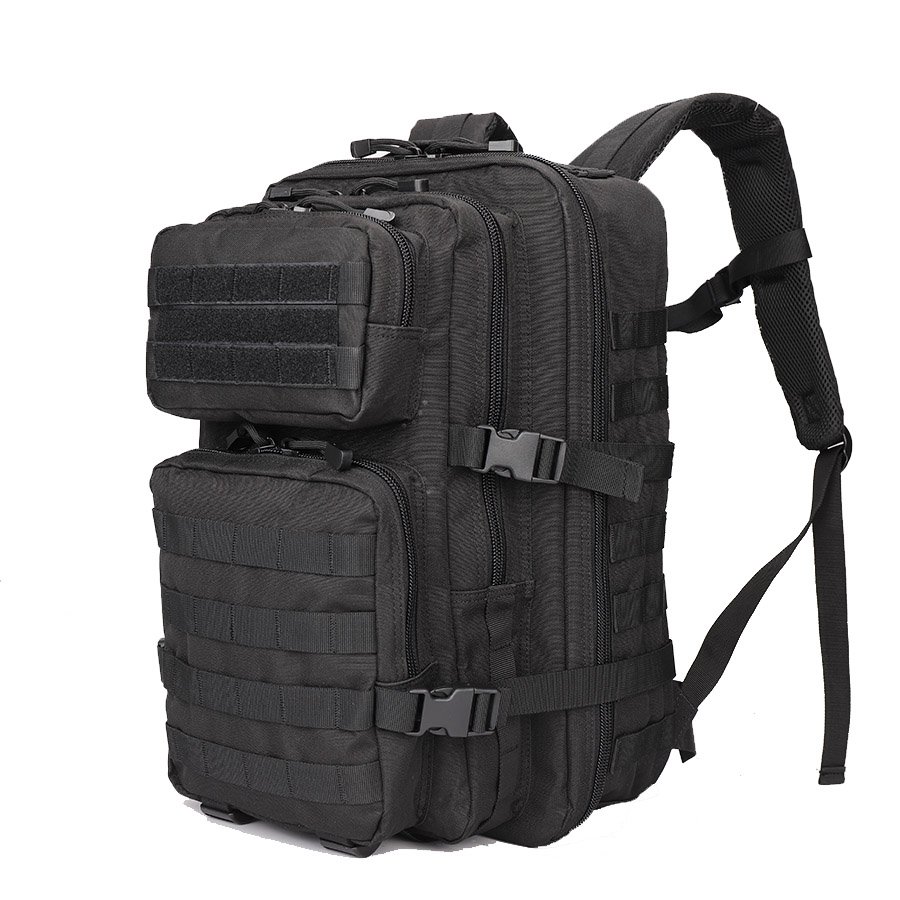
Большой тактический рюкзак с системой MOLLE для походов и путешествий
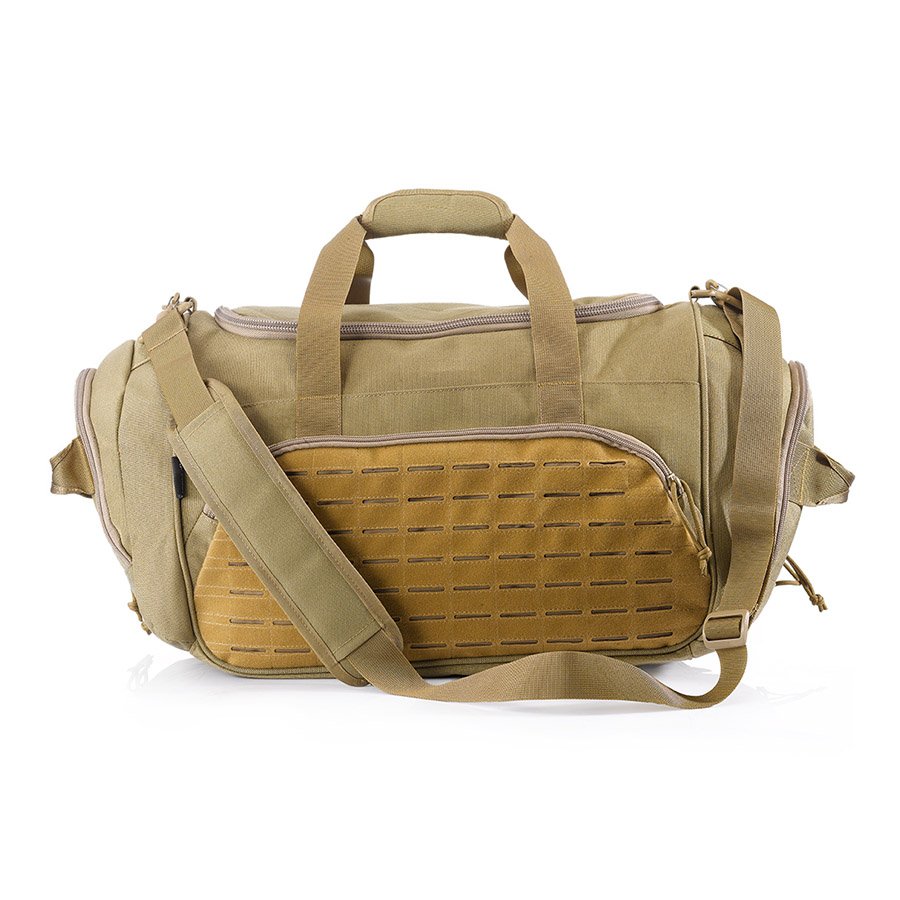
Модная нейлоновая тактическая спортивная сумка для активного отдыха, цвет «тан»
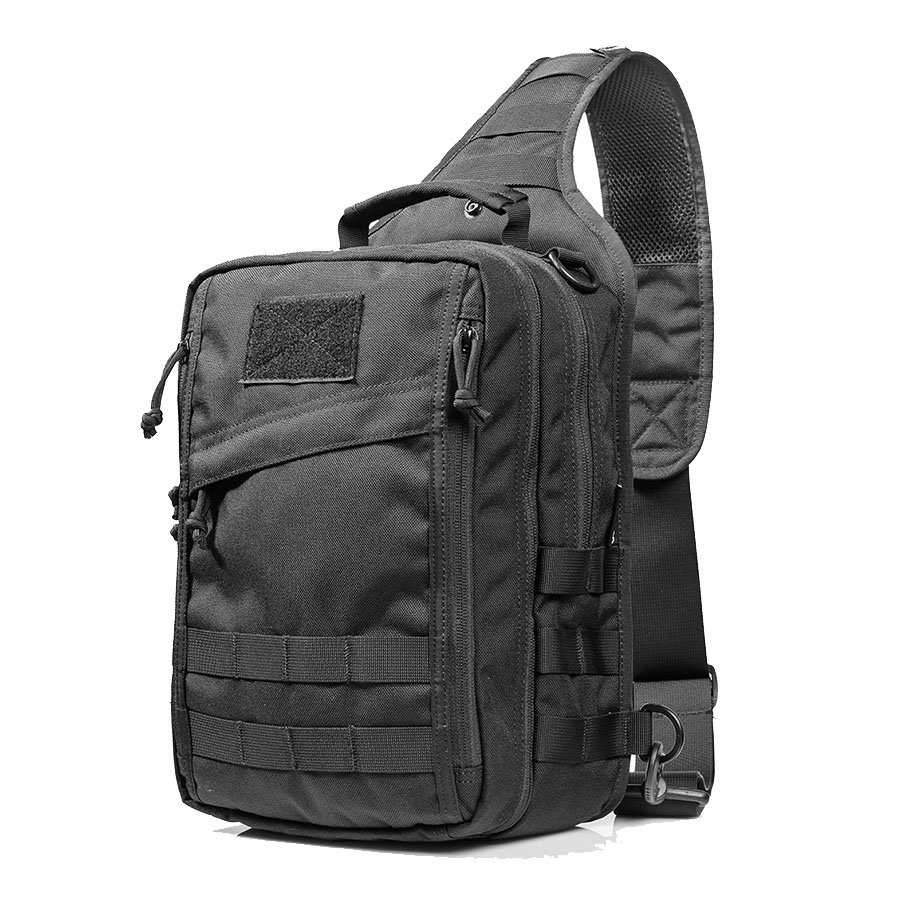
Лучшая тактическая сумка через плечо с карманом для кобуры
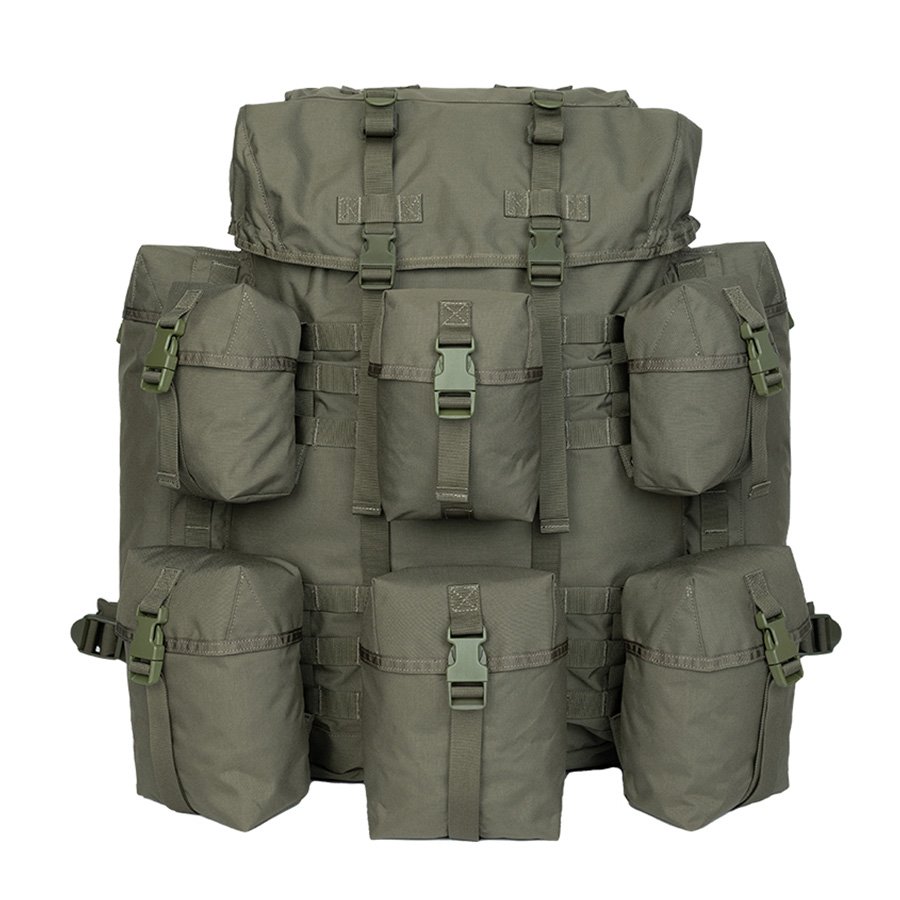
Тактический рюкзак ALICE с каркасом — Armorguard
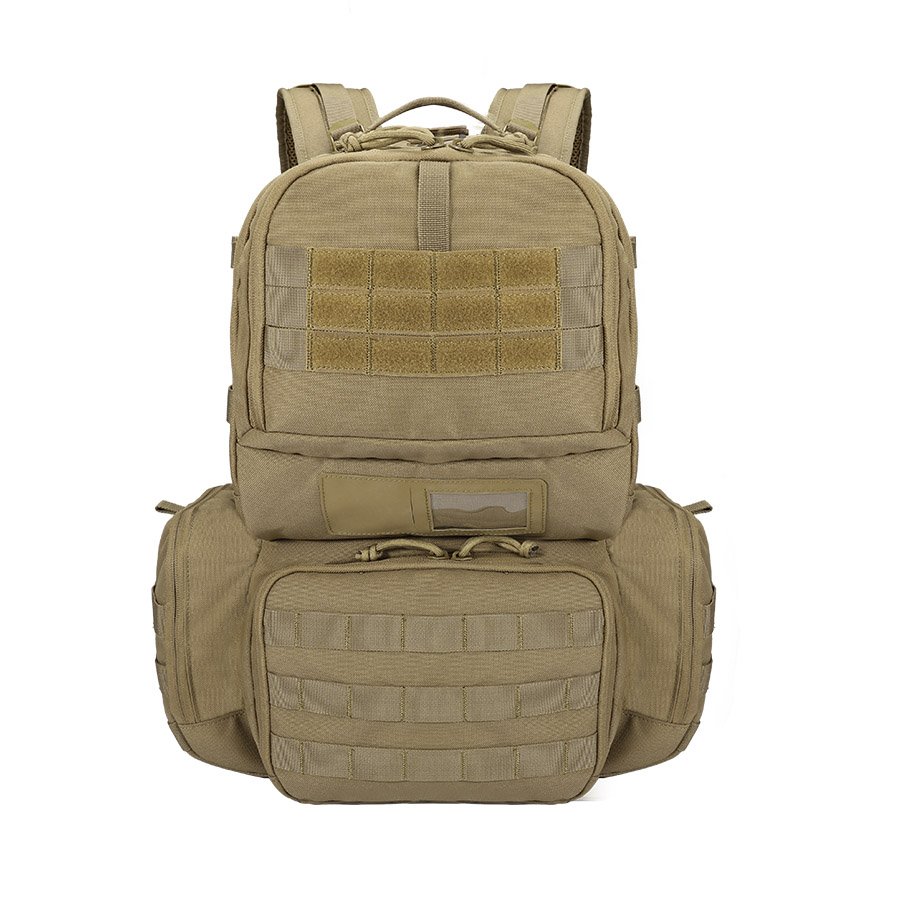
Большой военный тактический рюкзак, цвет «тан»
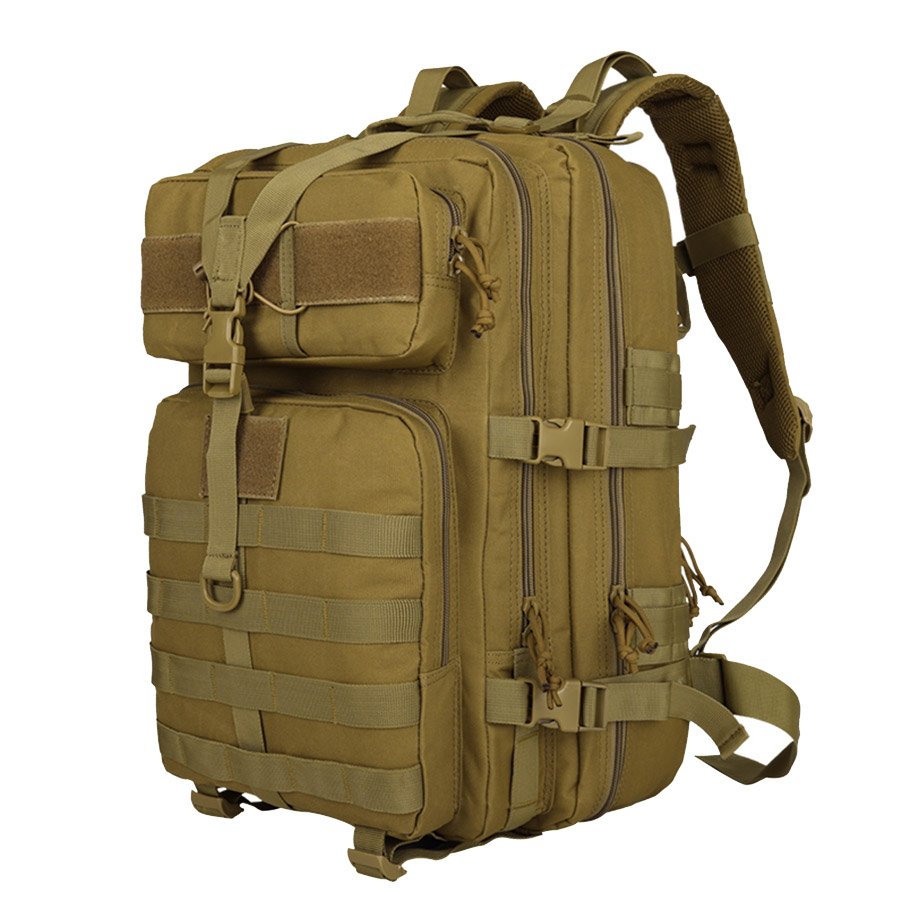
Водонепроницаемый тактический рюкзак Molle цвета хаки
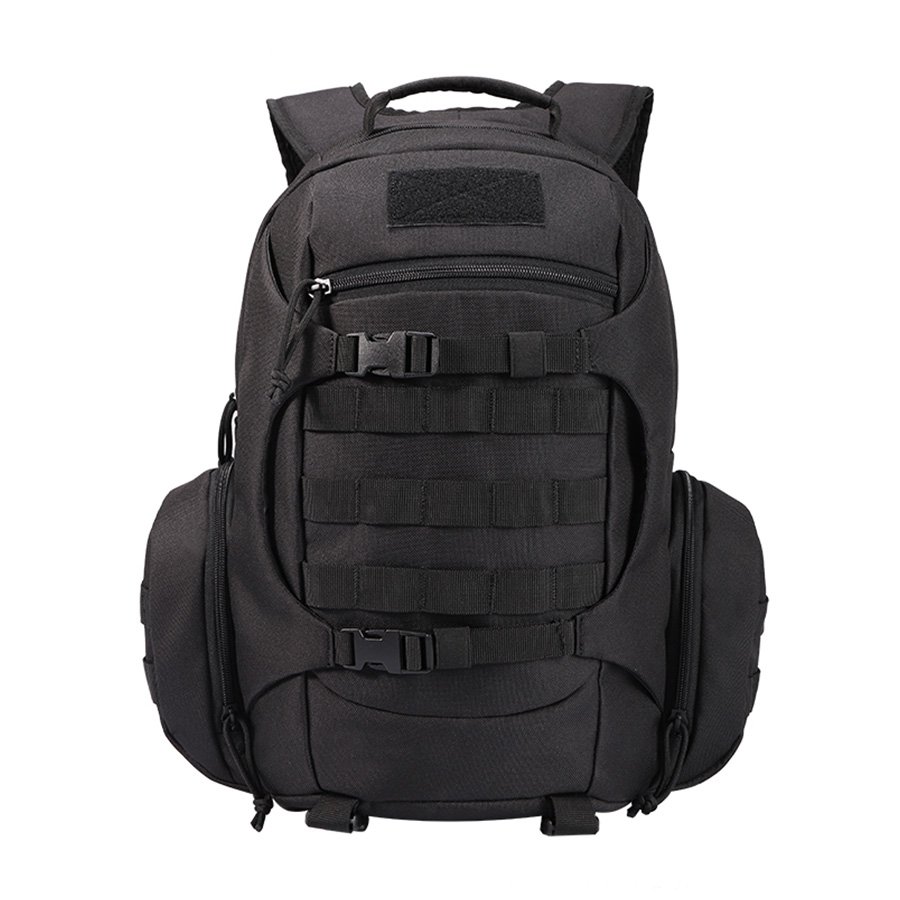
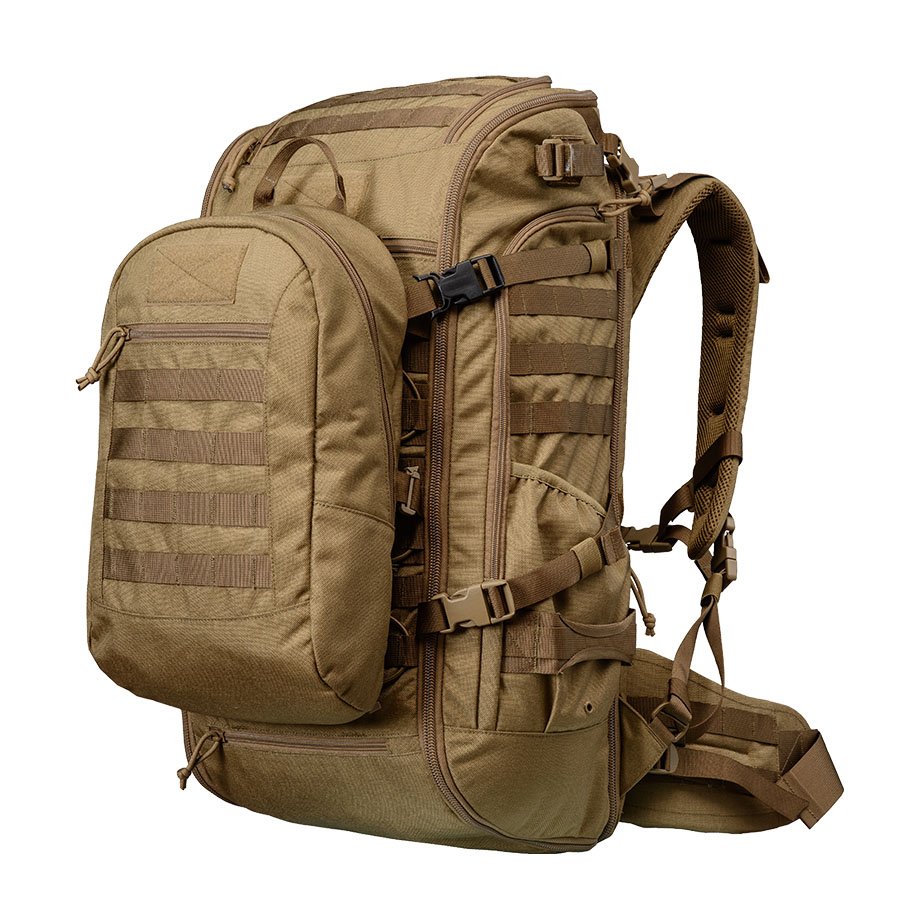
Военный рюкзак с отстегивающимся отделением
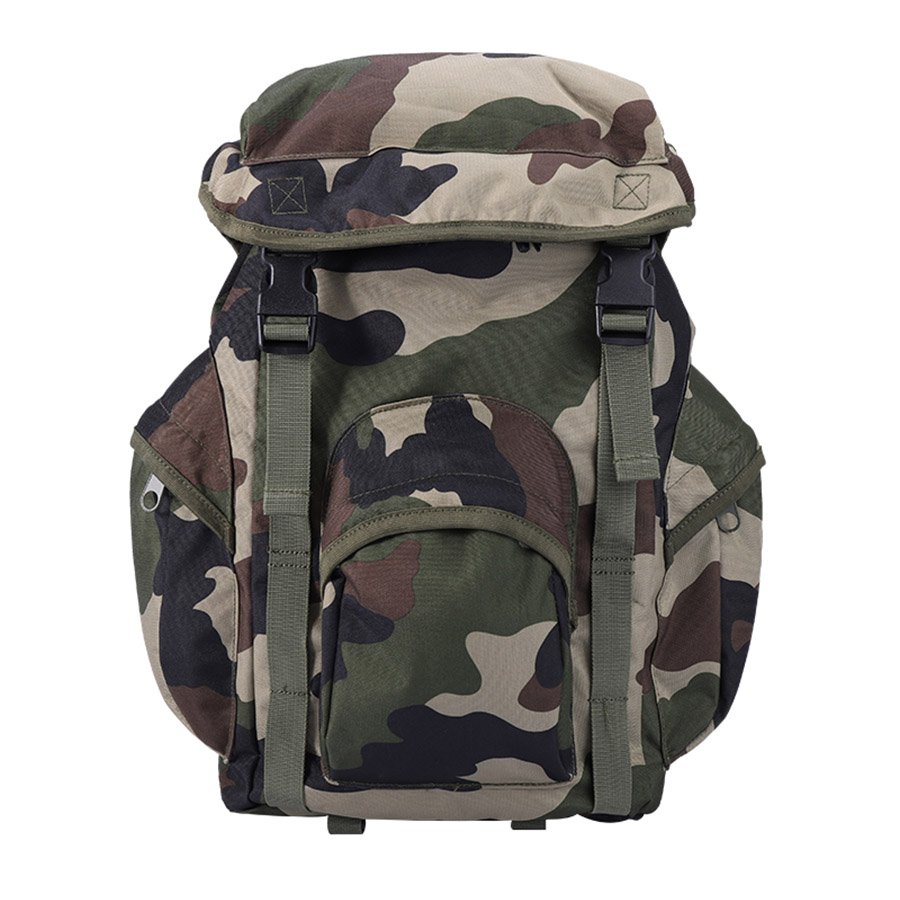
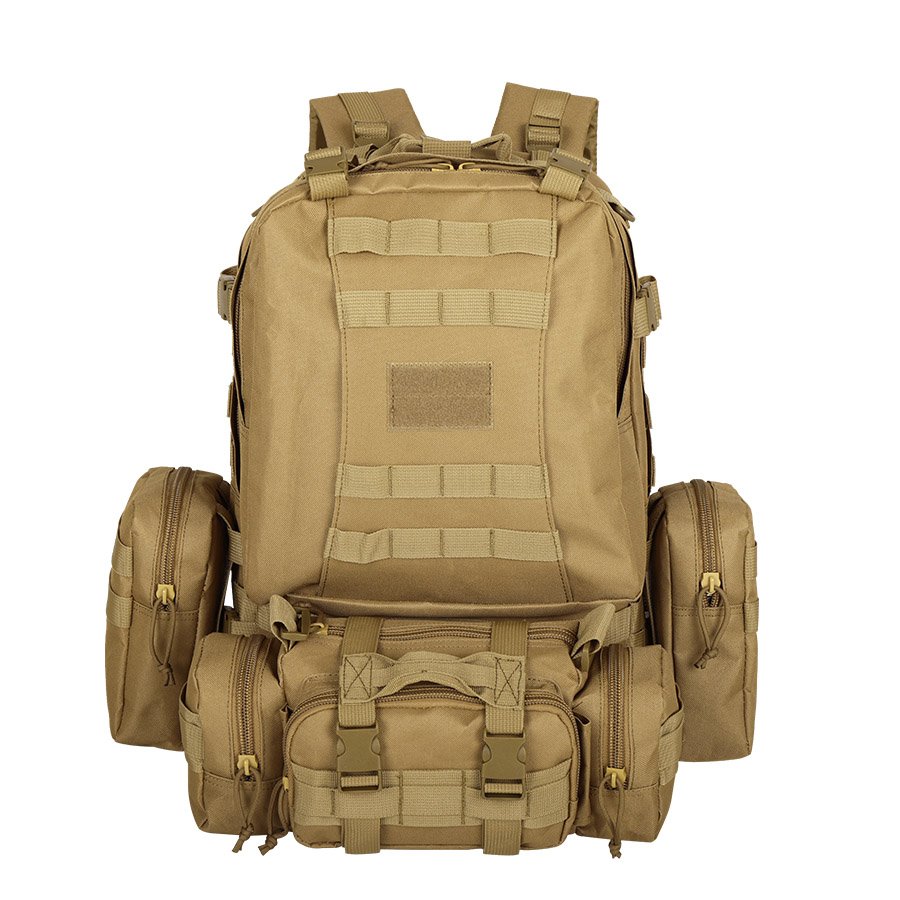
Модульный армейский штурмовой рюкзак с отсоединяемой сумкой
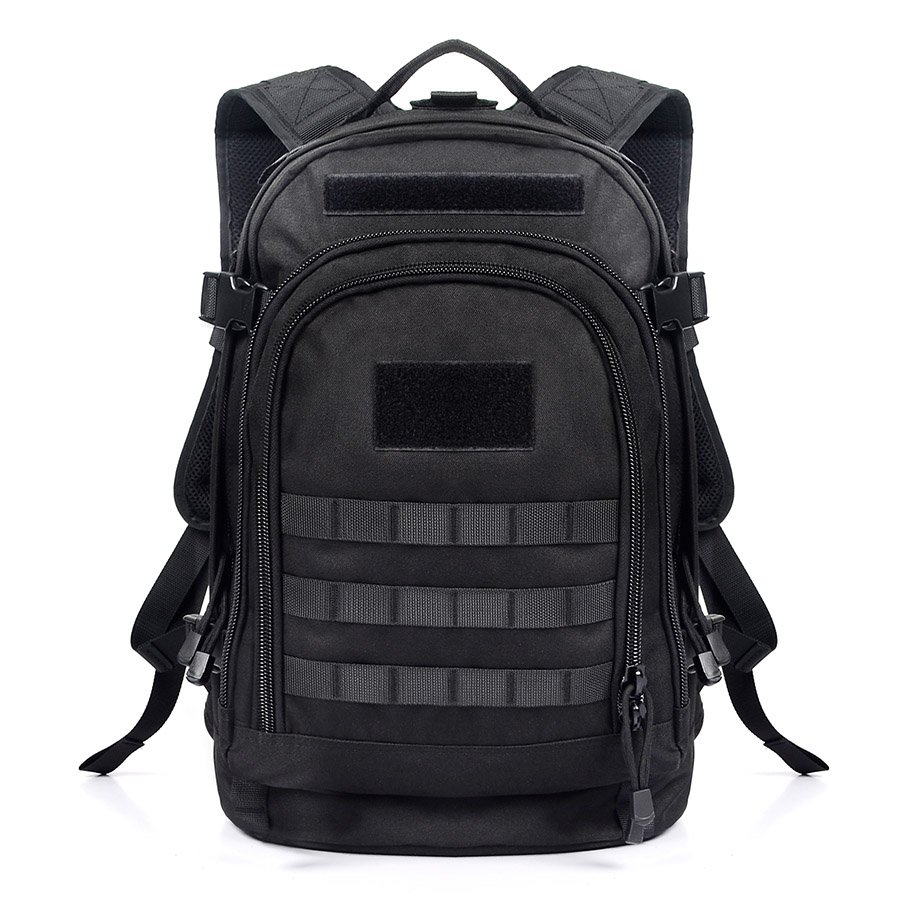
Штурмовой рюкзак Armorguard Oxford Molle с липучкой
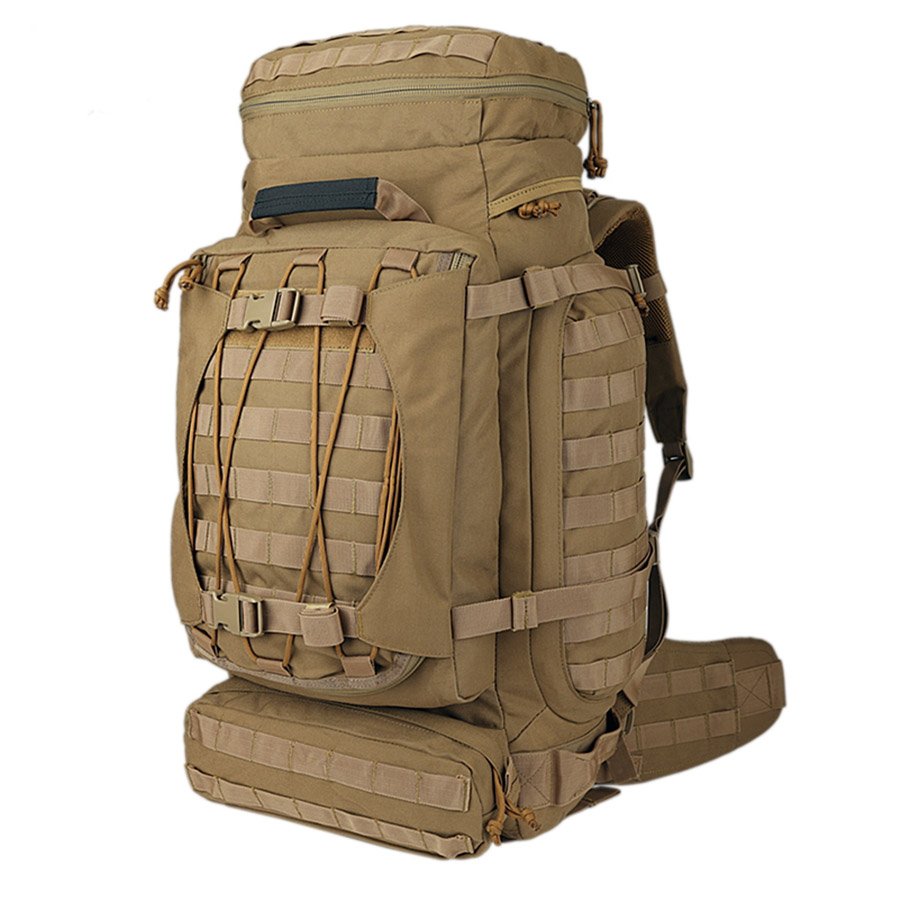
Оптовая продажа больших военных рюкзаков
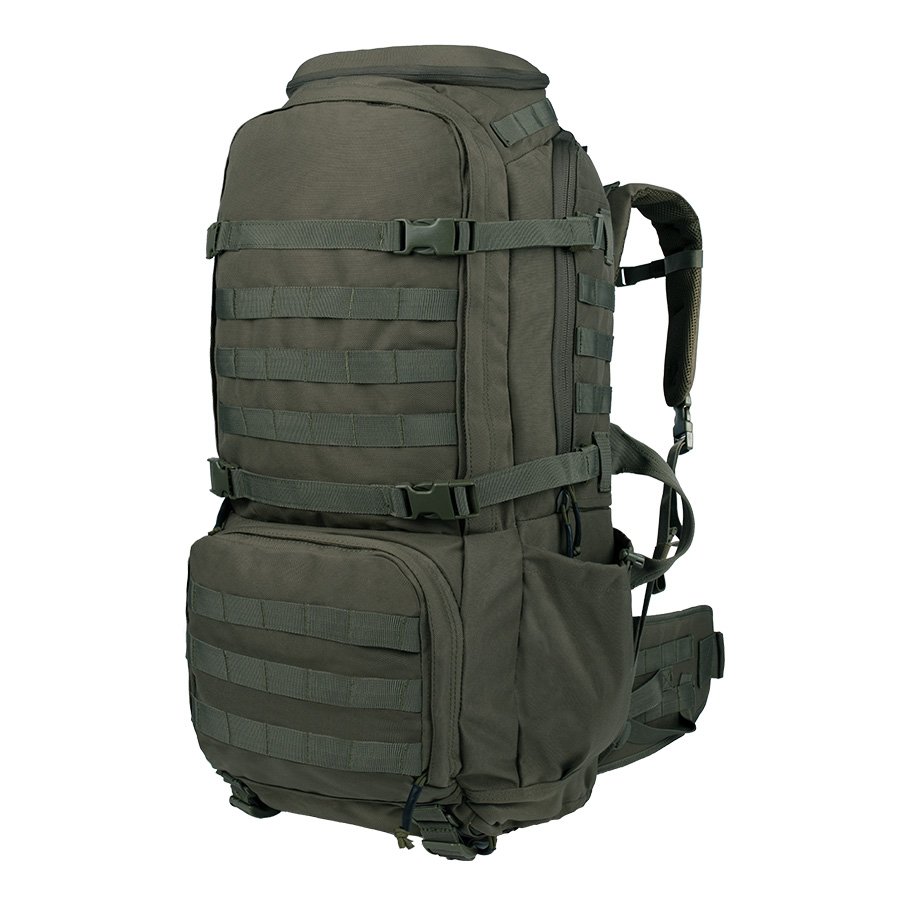
Armorguard Большой армейский походный рюкзак с системой Molle
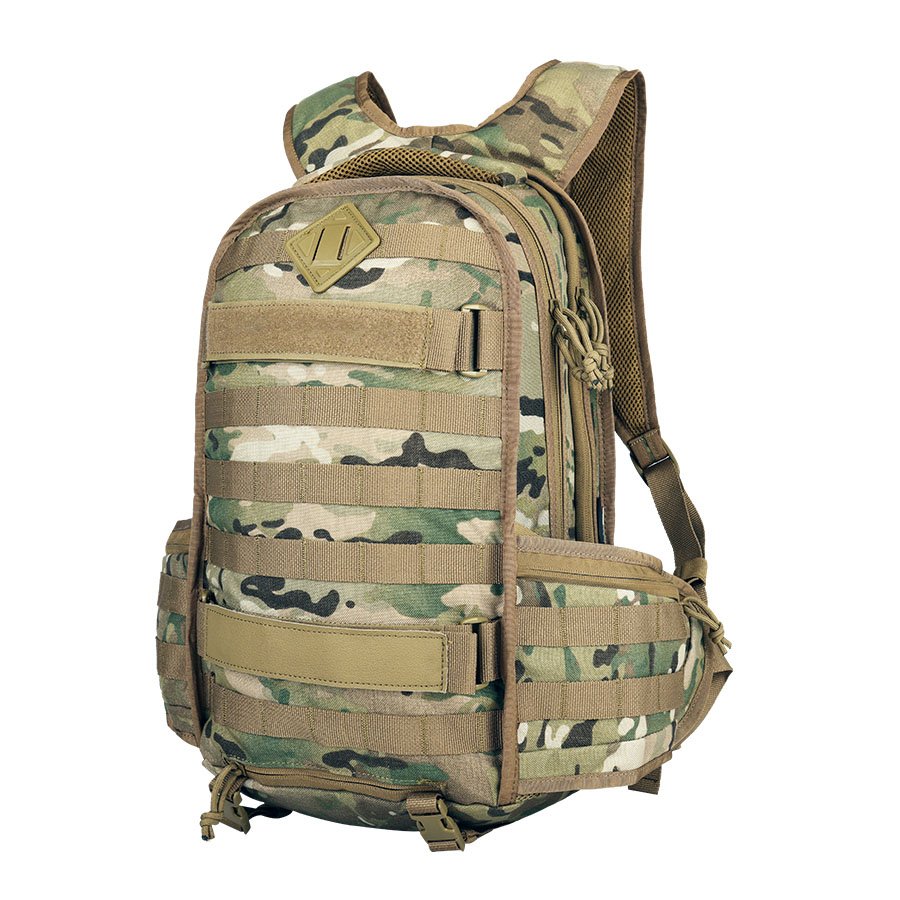
Armorguard Molle Army Camo Backpack 40L
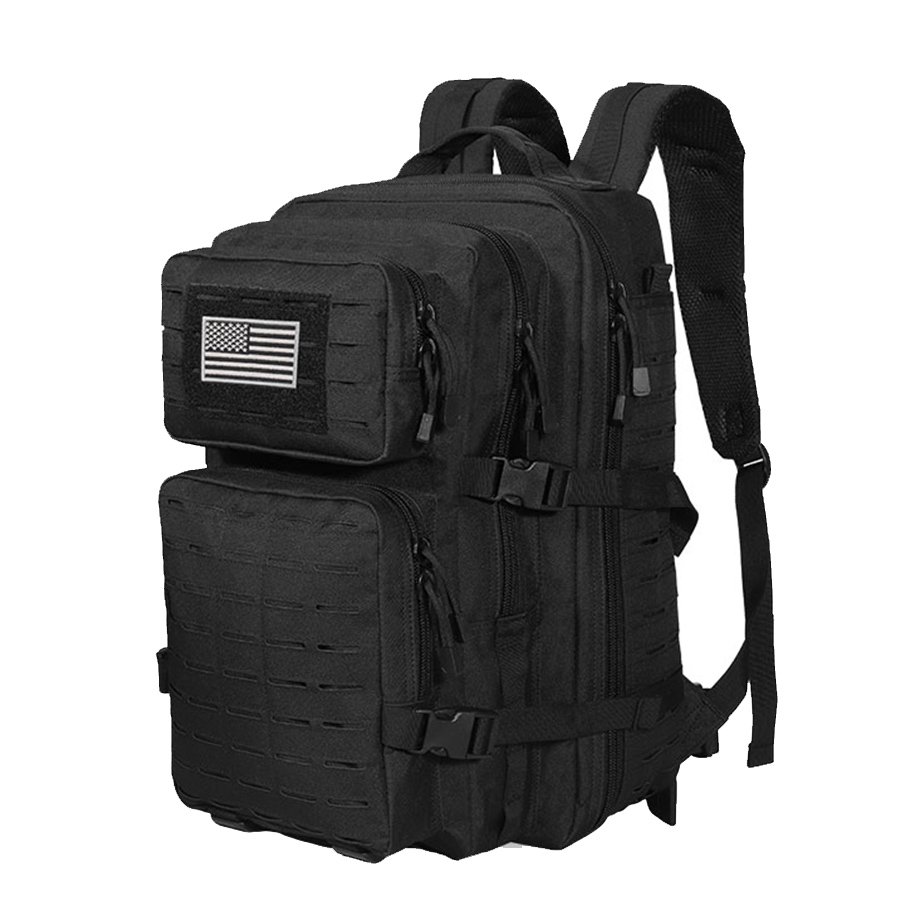
Armorguard Рюкзак в военном стиле с лазерной резкой Molle
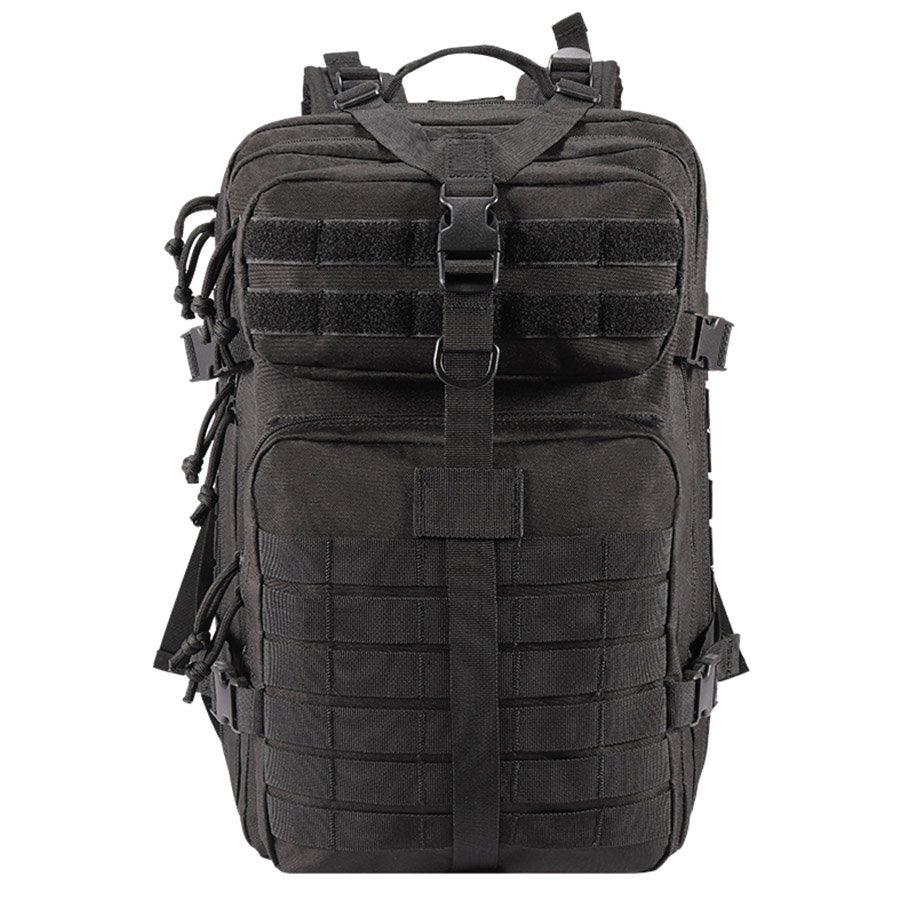
Рюкзак Armorguard 3P Tactical Black Backpack With Molle
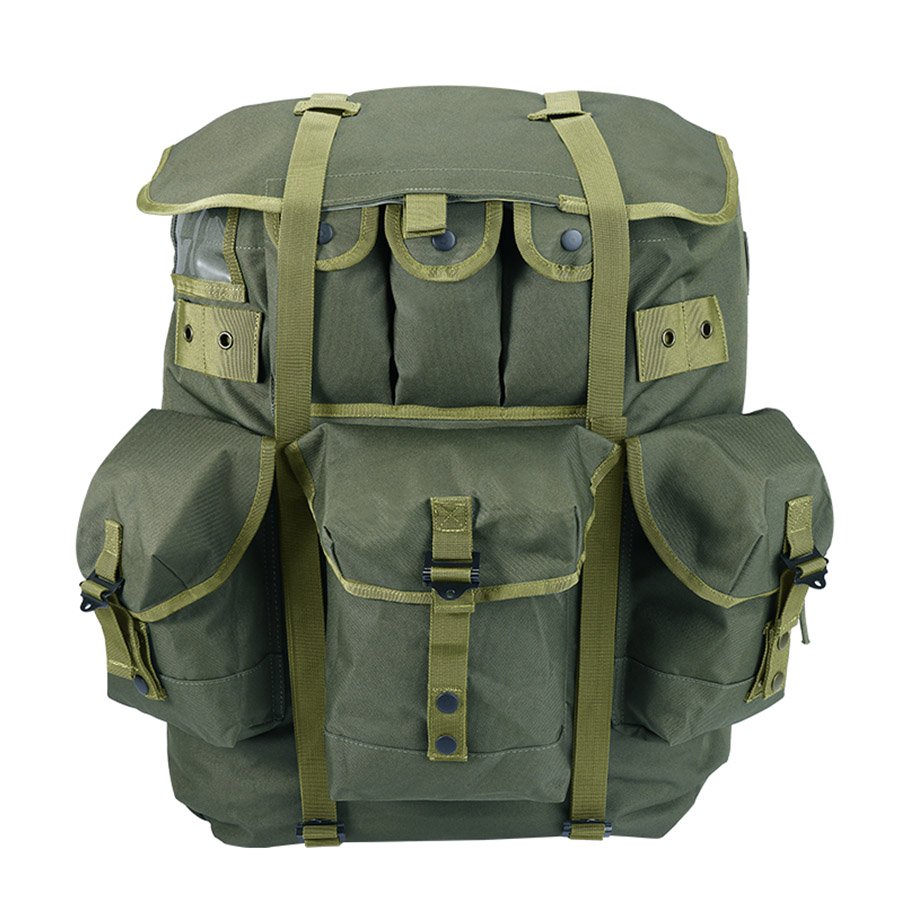
Armorguard Большой военный рюкзак ALICE с каркасом
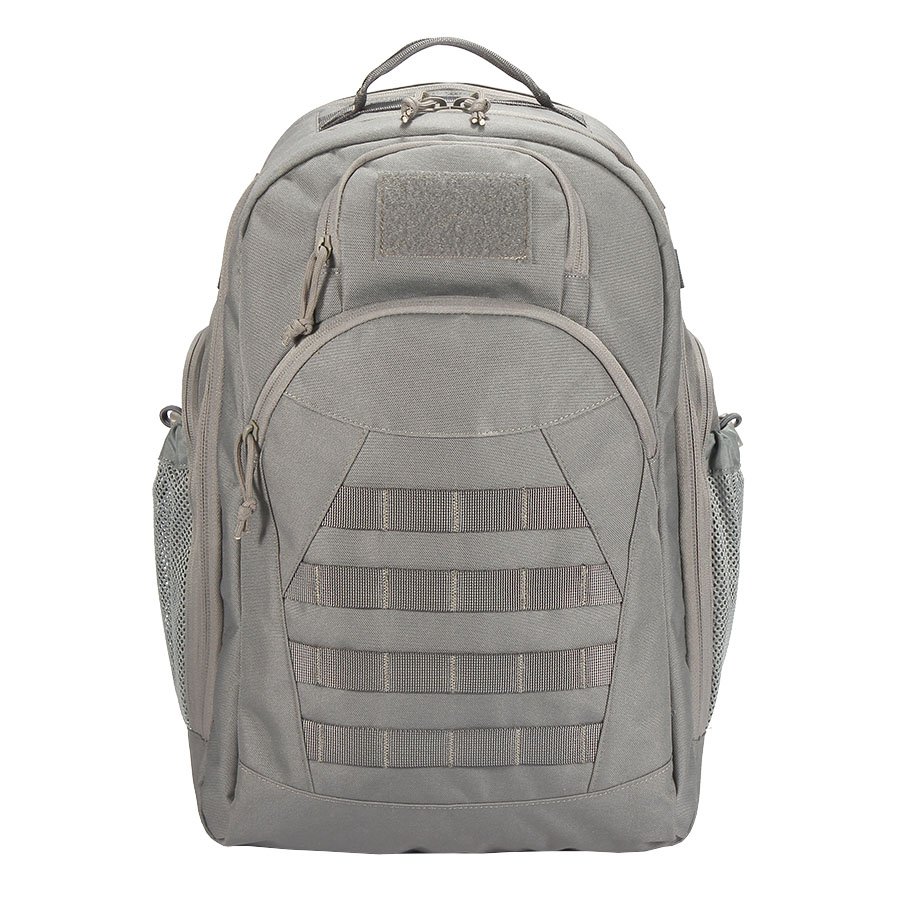
Armorguard Molle Тактическая сумка для ноутбука Водонепроницаемая
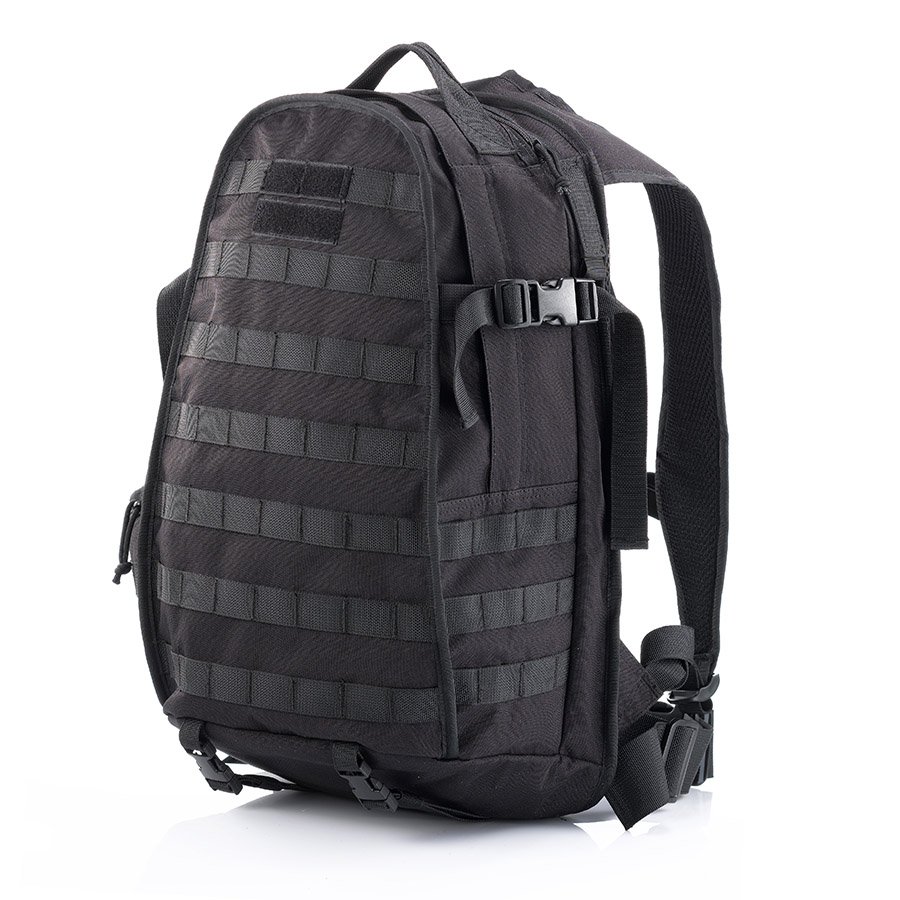
Armorguard Molle Assault Backpack Waterproof

Большой армейский рюкзак с гидратационным пакетом
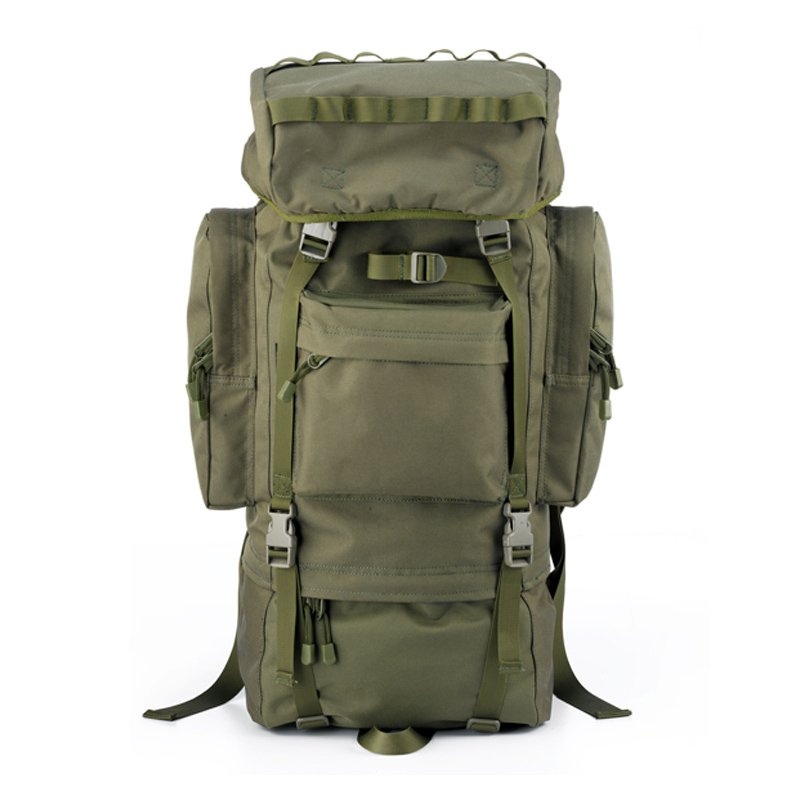
Большой тактический походный рюкзак с множеством карманов
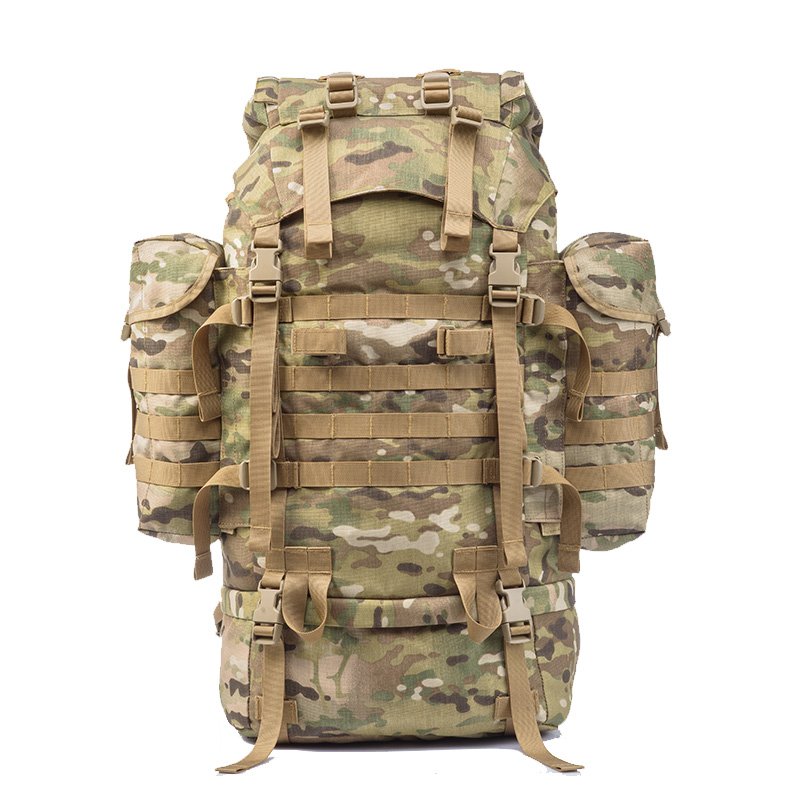
Рюкзак в военном стиле Multicam с молле
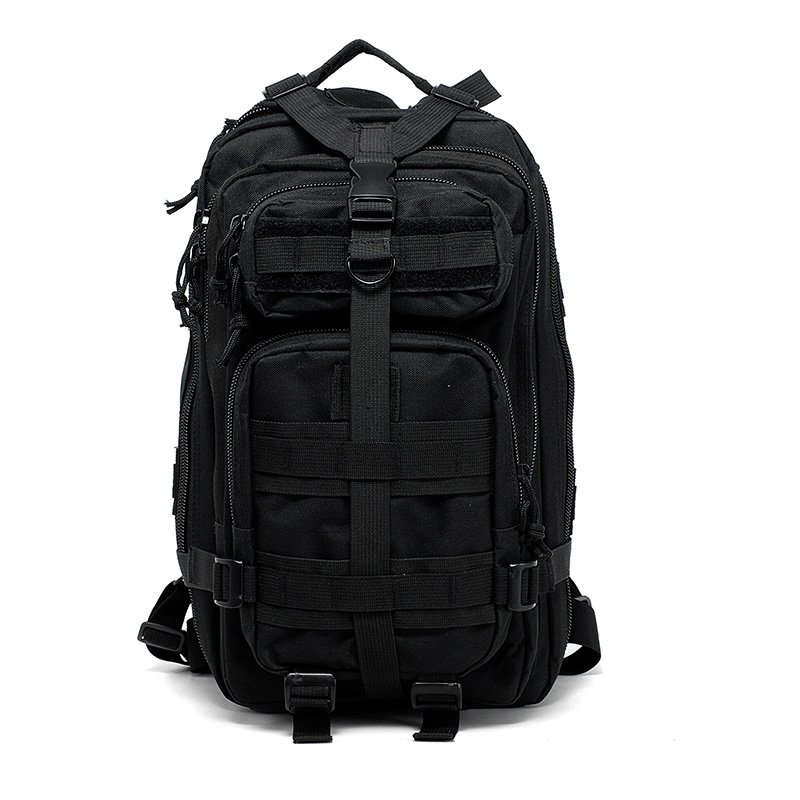
3P Black Small Tactical Pack Lightweight
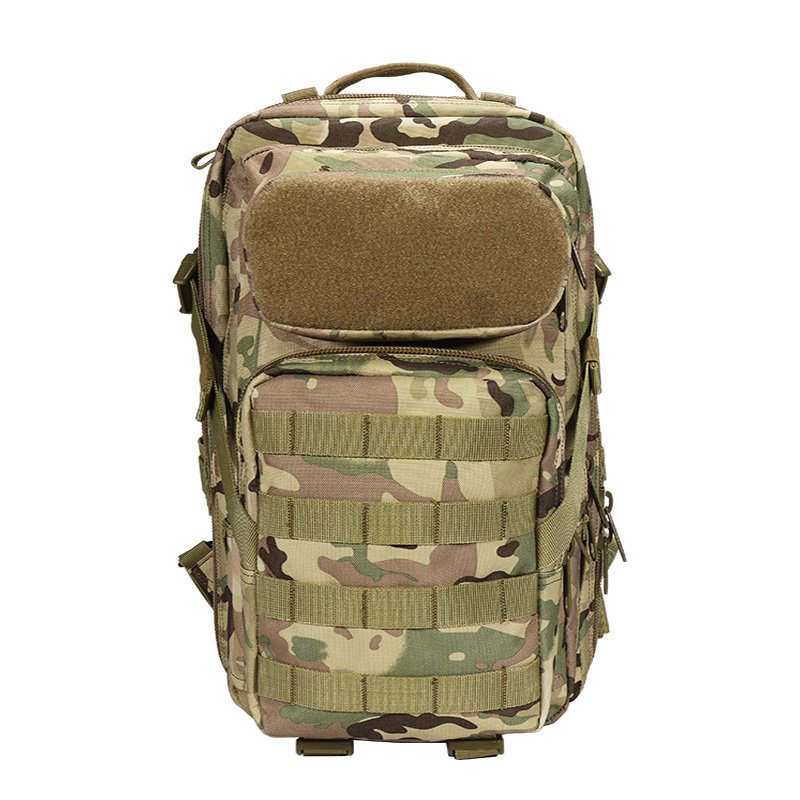
Компактный небольшой тактический рюкзак с системой MOLLE
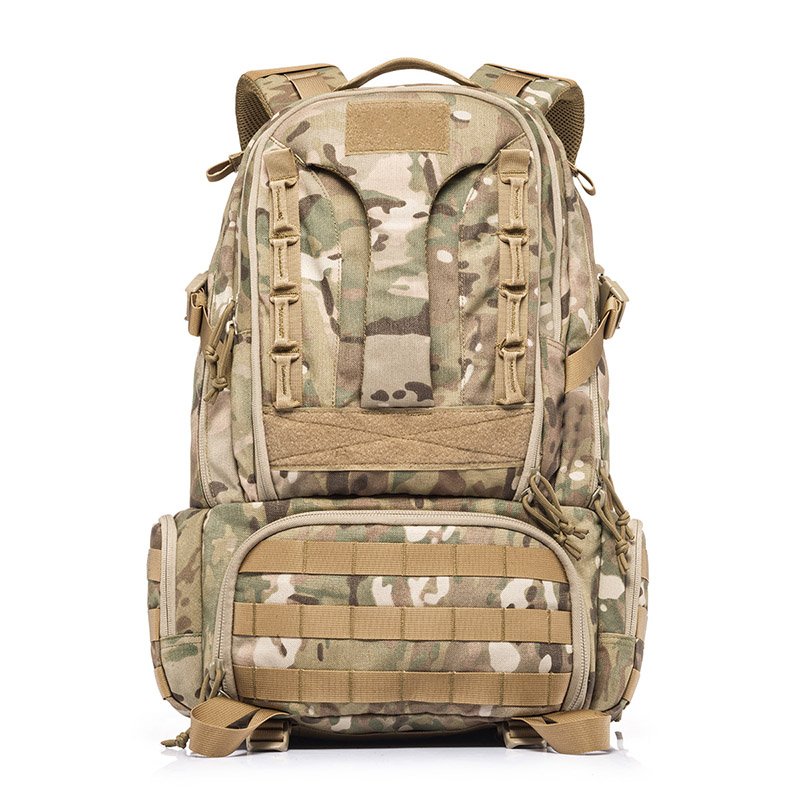
Тактический штурмовой рюкзак Molle с отделением для обуви
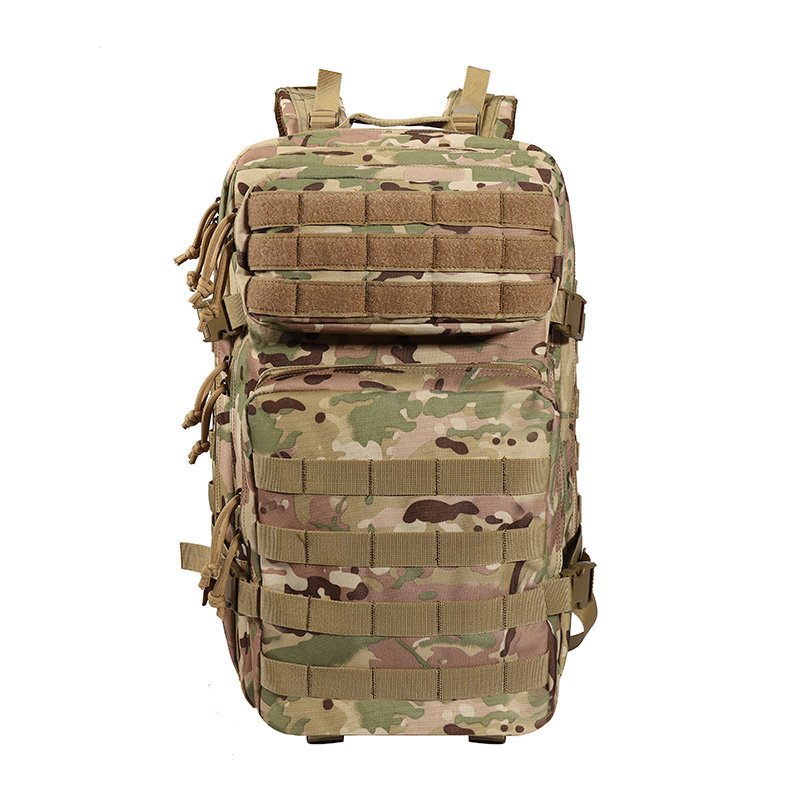
Тактический рюкзак Molle Camouflage Водонепроницаемый
Крупнейшие мировые поставщики тактического снаряжения
Мировой рынок тактического снаряжения продолжает расти, при этом ведущие поставщики занимают основную долю рынка. Они предоставляют свои услуги военным, правоохранительным органам, службам безопасности и гражданским пользователям по всему миру.
«Прямое действие» (Польша): Специализируется на производстве броненосных жилетов, нагрудных ремней, тактических ремней, рюкзаков, сумок и боевой одежды, предназначенной для военнослужащих, сотрудников правоохранительных органов и участников спецопераций.

Helikon-Tex (Польша): Крупный европейский поставщик тактической и туристической одежды, униформы, рюкзаков и снаряжения, обслуживающий рынки военной и правоохранительной сферы, стрелкового спорта, а также гражданского туризма.

5.11 Tactical (США):Предлагает широкий ассортимент тактической одежды, обуви, сумок, униформы и снаряжения для сотрудников правоохранительных органов, военнослужащих, сотрудников экстренных служб и гражданских лиц.

Safariland (США): Поставляет бронежилеты, служебное снаряжение, кобуры, защитное снаряжение и сопутствующие тактические решения для правоохранительных органов, вооружённых сил и профессиональных охранных служб.

Avon Technologies (Великобритания): Специализируется на средствах защиты органов дыхания, системах защиты от химических, биологических, радиологических и ядерных угроз (CBRN), касках и снаряжении для обеспечения выживаемости, предназначенных для военных и служб экстренного реагирования.

Crye Precision (США): Известна камуфляжем MultiCam, боевой одеждой, бронежилетами, средствами защиты и системами переноски грузов, используемыми военными и специализированными подразделениями правоохранительных органов.

Elbit Systems (Израиль): Разрабатывает передовые системы для военнослужащих, оборонную электронику, средства связи и комплексные решения в области оборудования для современных вооружённых сил и силовых структур.

Point Blank Enterprises (США): Крупный поставщик бронежилетов, тактических жилетов и средств защиты для военнослужащих, сотрудников правоохранительных органов и специалистов в сфере безопасности.

DuPont Kevlar (США): Поставляет технологии производства пара-арамидного волокна, используемого в баллистической защите, бронежилетах, шлемах, перчатках и других видах высокоэффективного защитного снаряжения.

Конечно, существует множество других известных поставщиков и брендов тактического снаряжения. Подробнее читайте здесь:
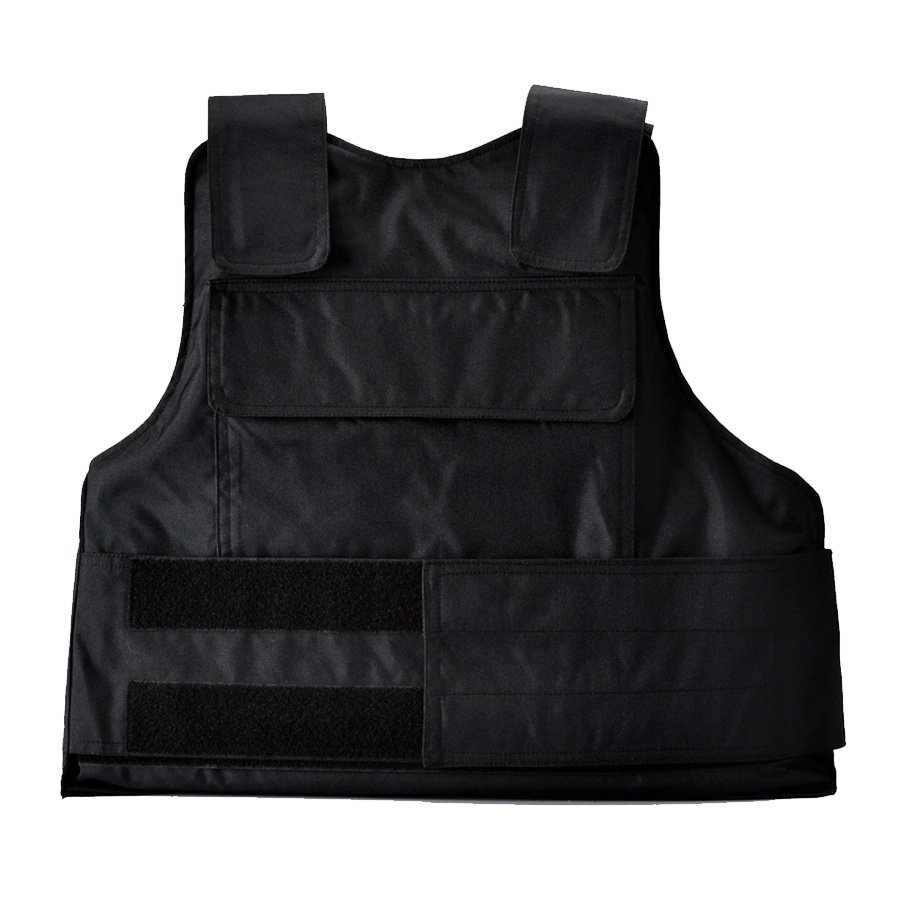
Легкий жилет-пластинкодержатель, который можно скрытно носить, водонепроницаемый
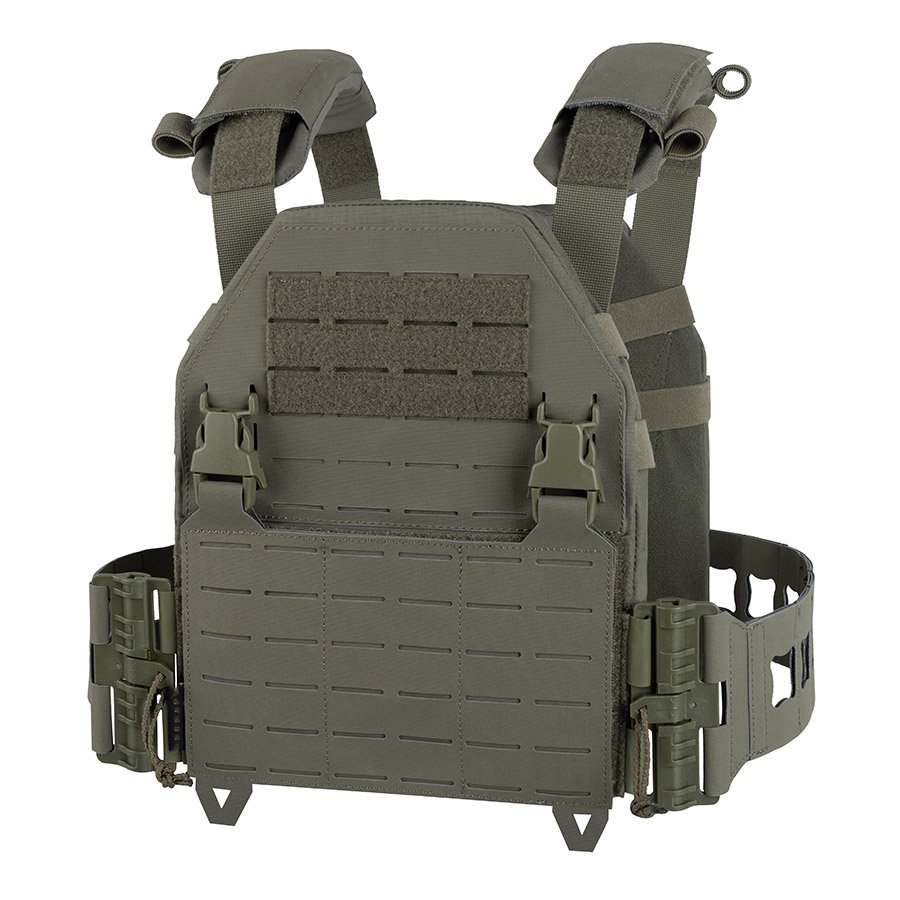
Легкий модульный жилет-пластинкодержатель Armorguard
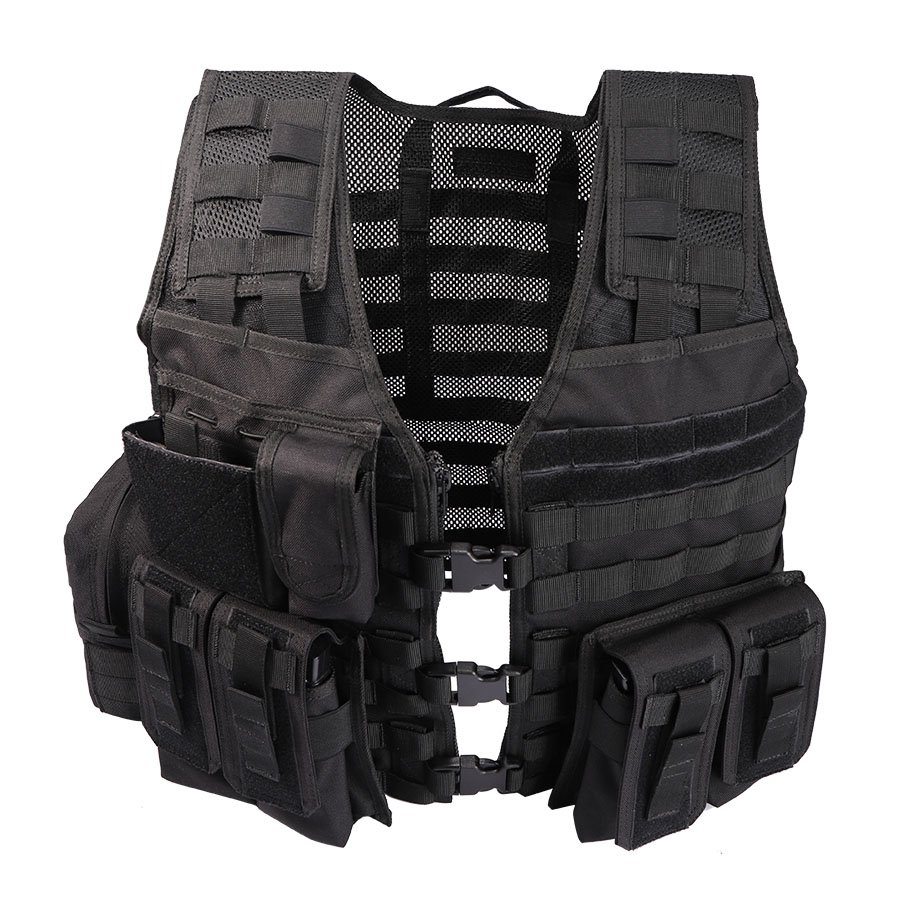
Легкий полицейский бронежилет с карманами для магазинов
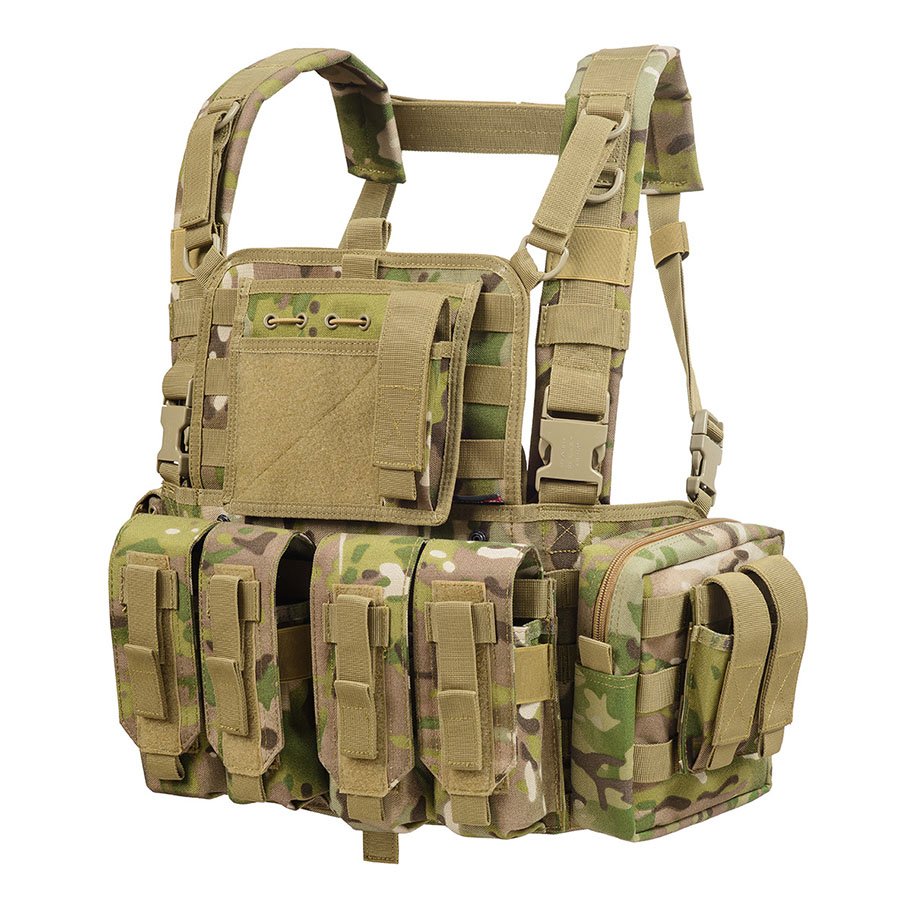
Военный нагрудный ремень для бронежилета, цвет «Multicam»
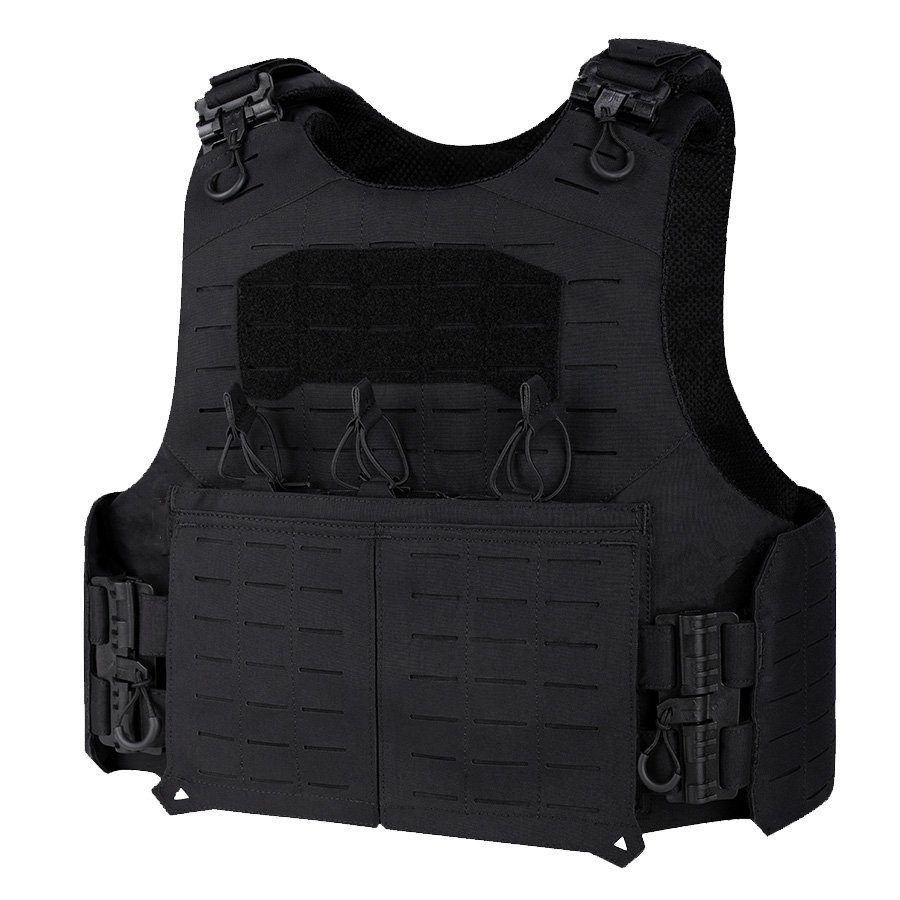
Легкий черный жилет-пластинкодержатель с лазерной резкой и системой MOLLE
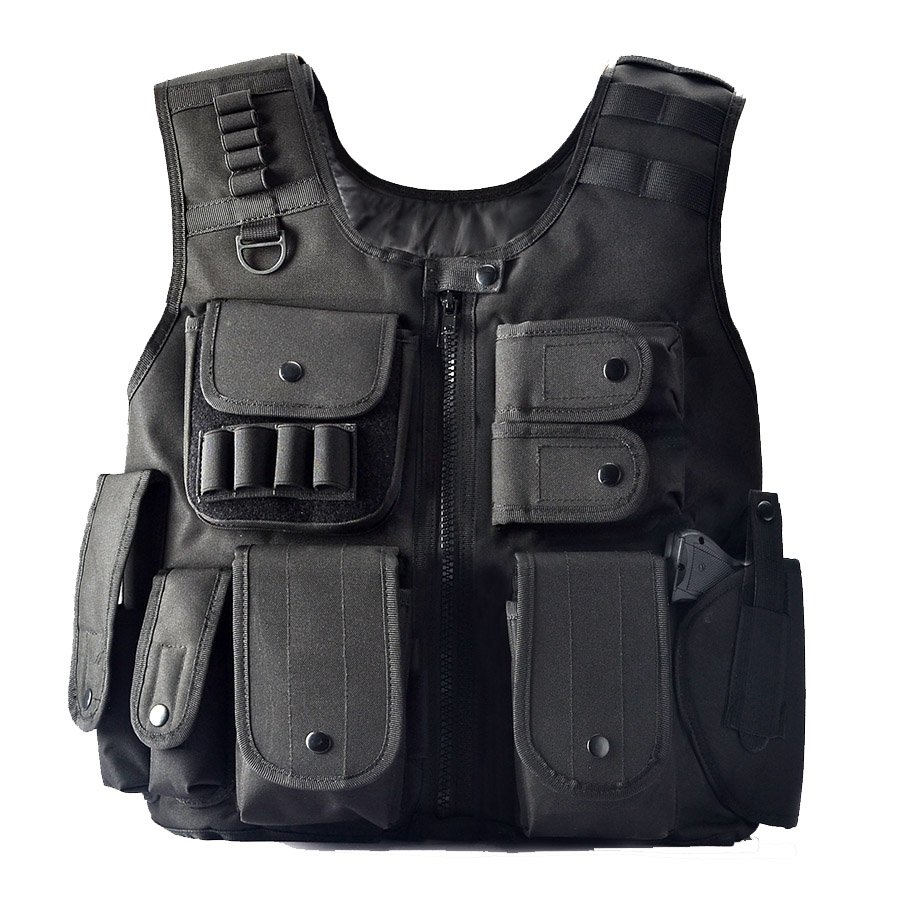
Прочный тактический жилет SWAT для правоохранительных органов, черный
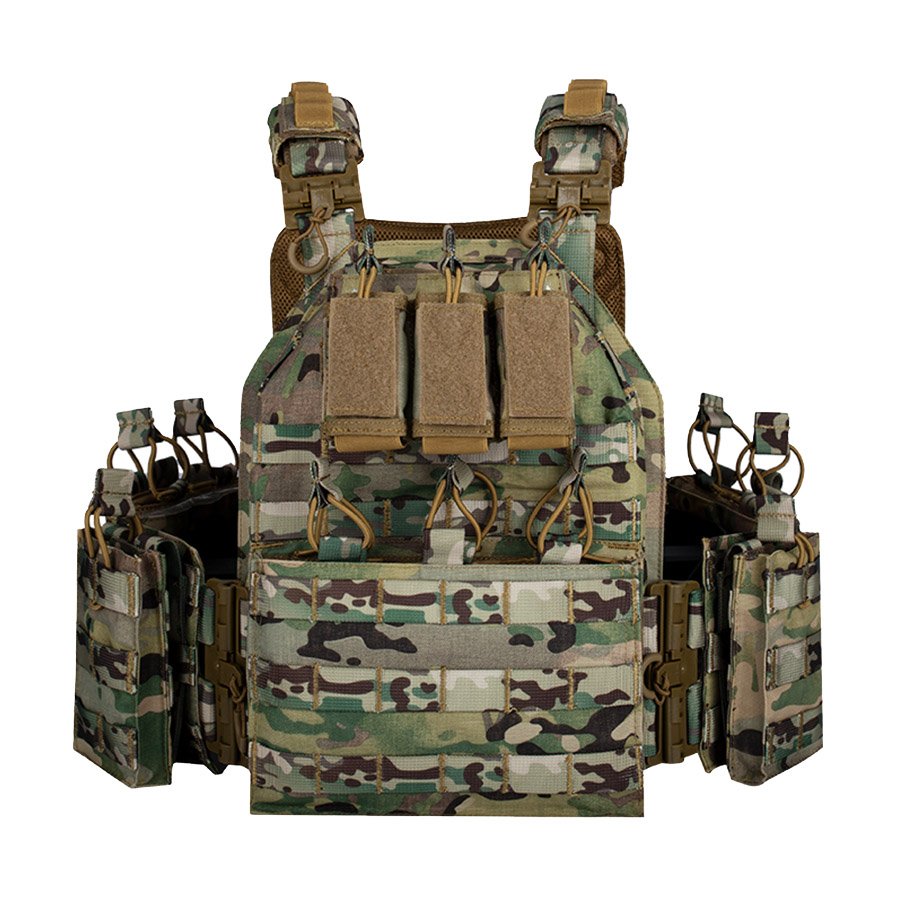
Камуфляжный баллистический жилет с карманами для магазинов
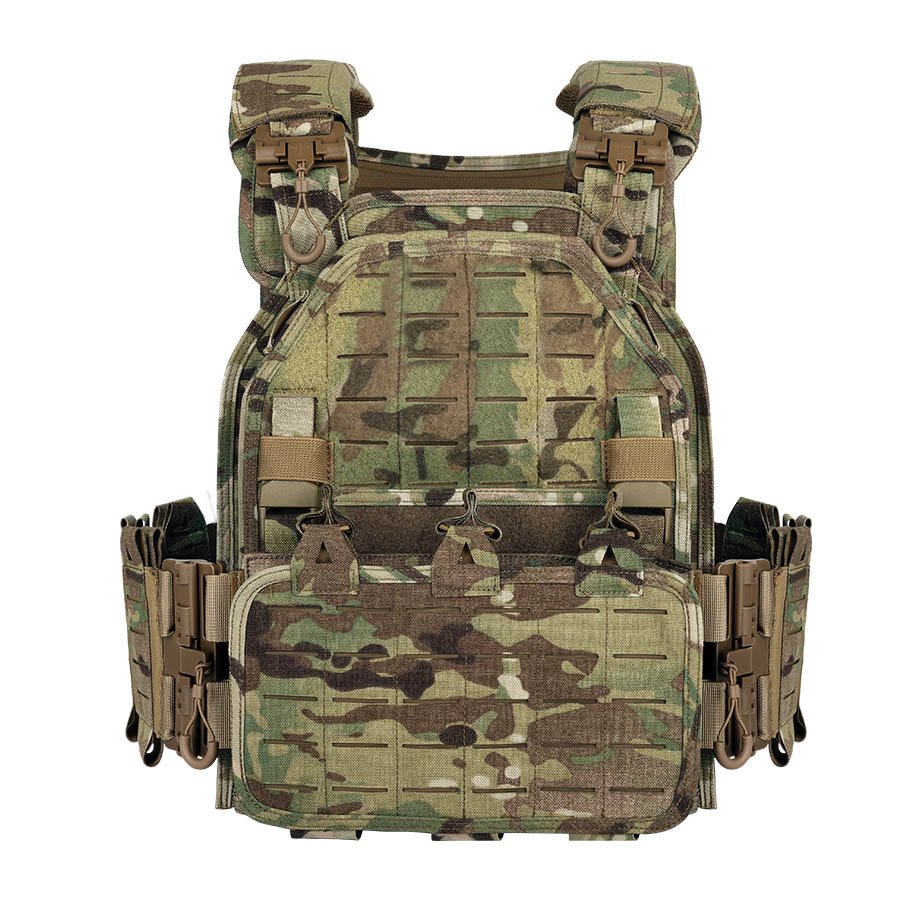
Лучший многокамерный пластинчатый жилет с системой MOLLE, изготовленной методом лазерной резки
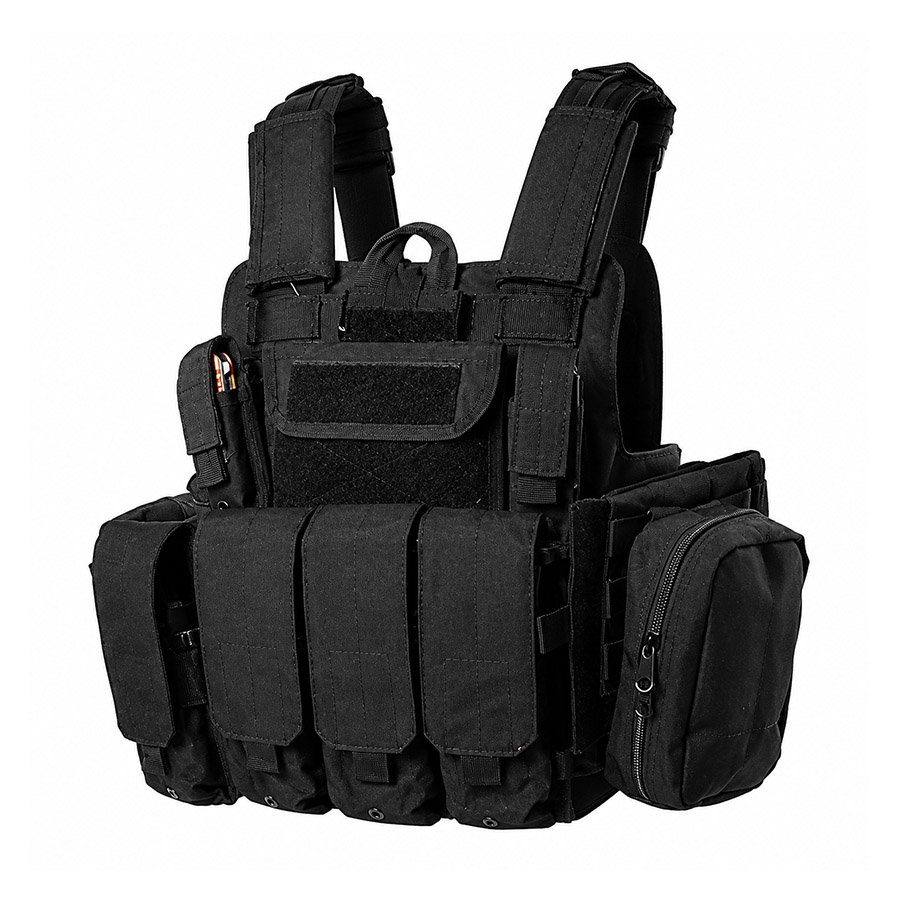
Тактический жилет Molle черного цвета со встроенными карманами
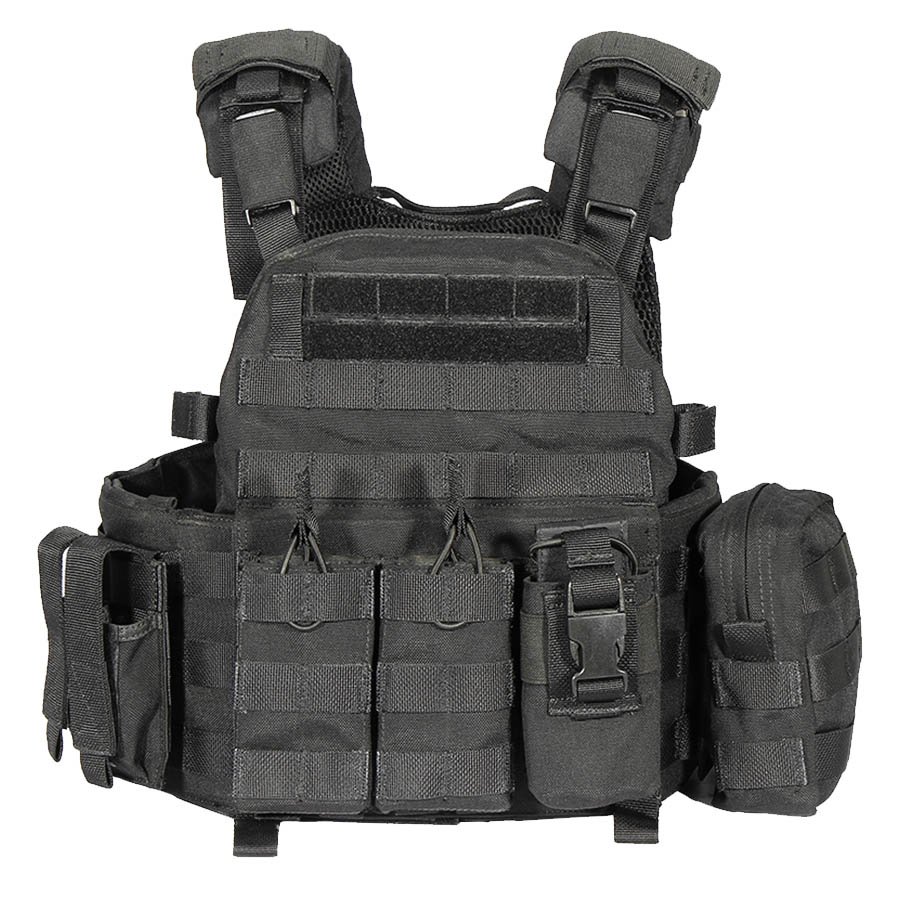
Лучший военный жилет-носитель с боковыми карманами
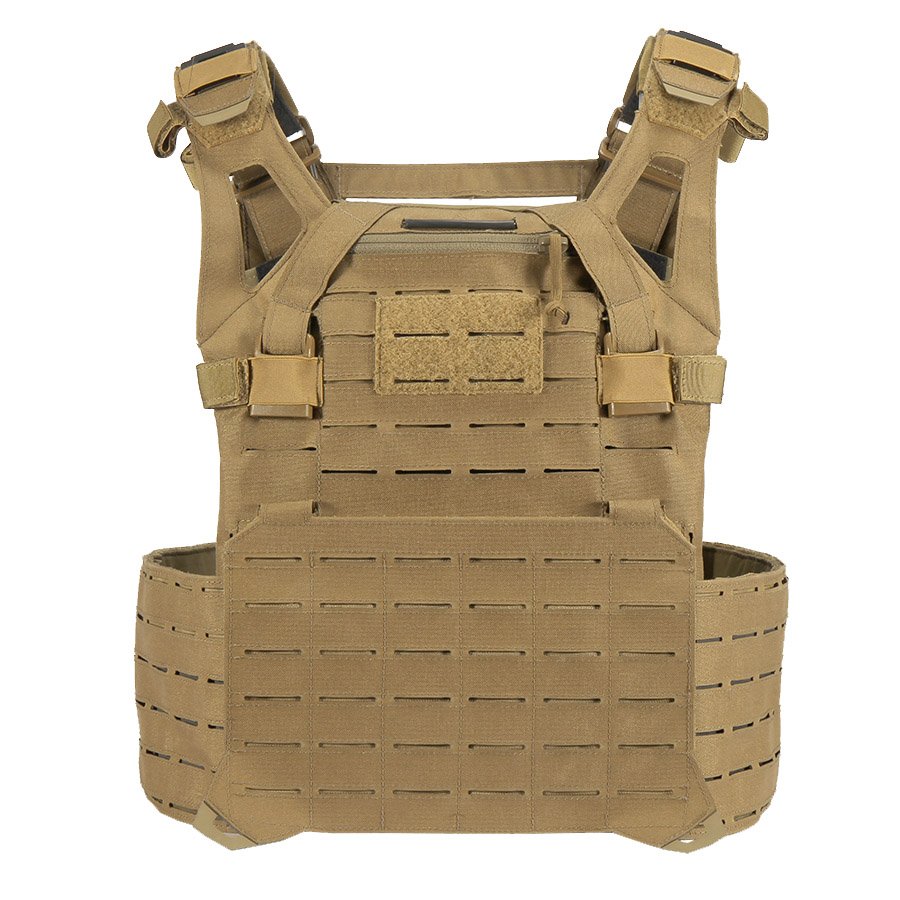
Легкий пластинчатый жилет с карманами, цвет «койот-браун»
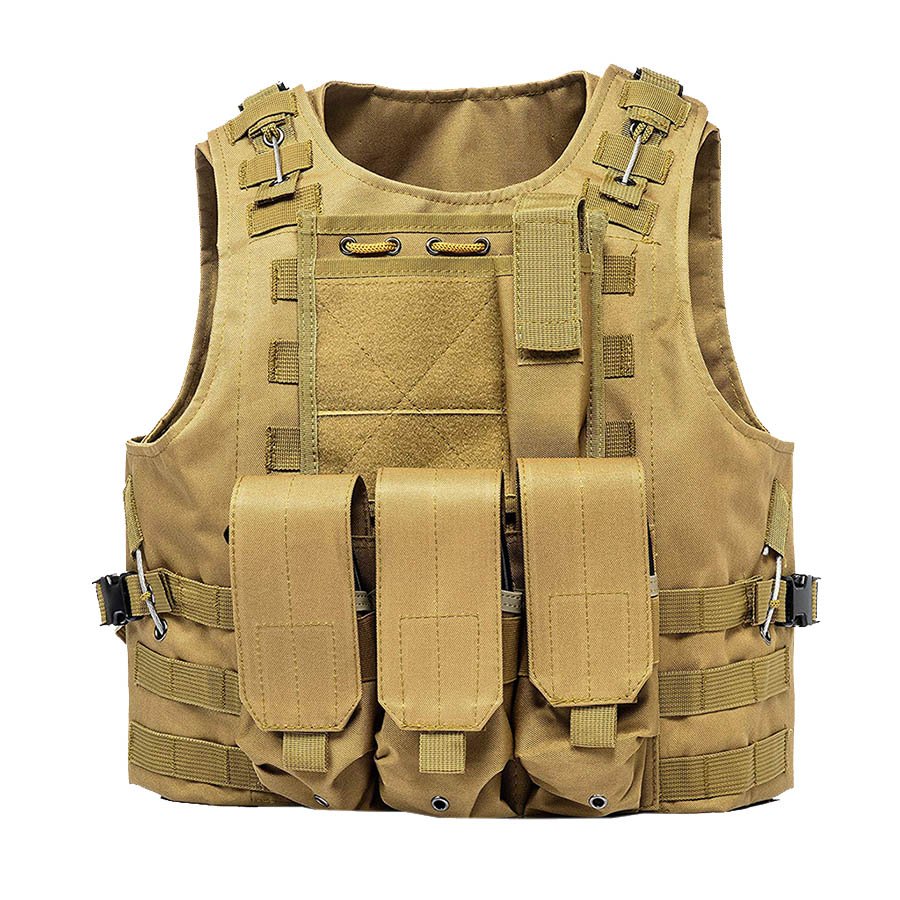
Бежевый жилет для переноски журналов с системой крепления MOLLE
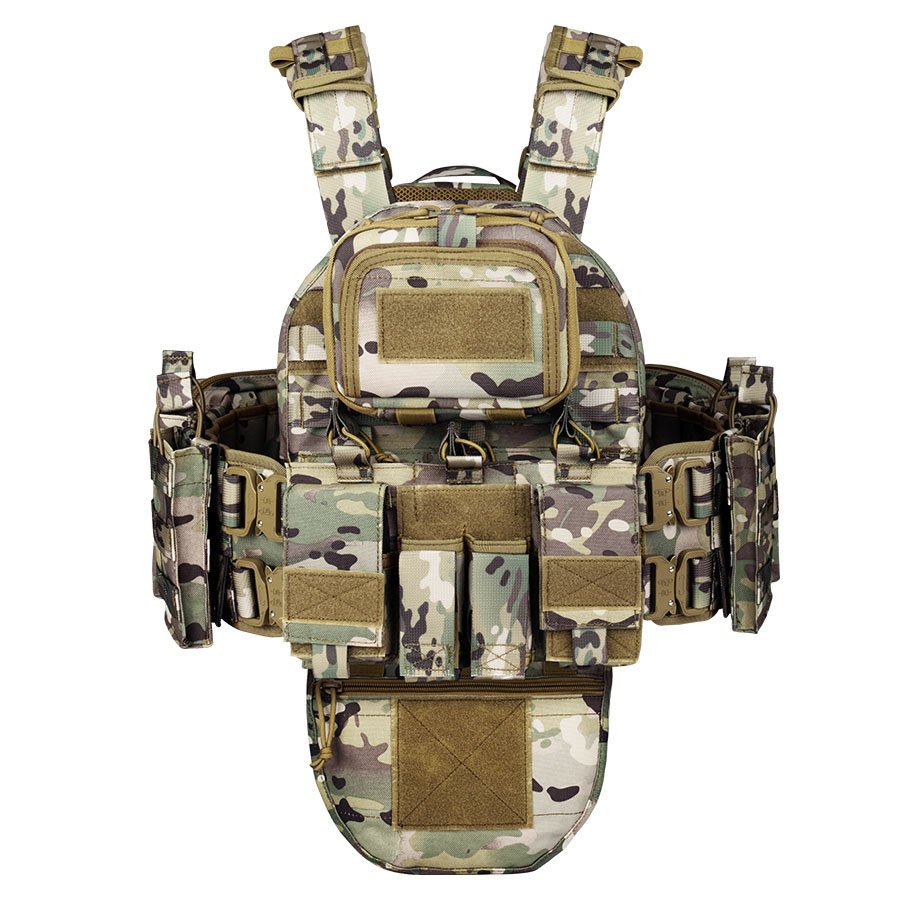
Тактический бронежилет с системой быстрой смены, камуфляжный
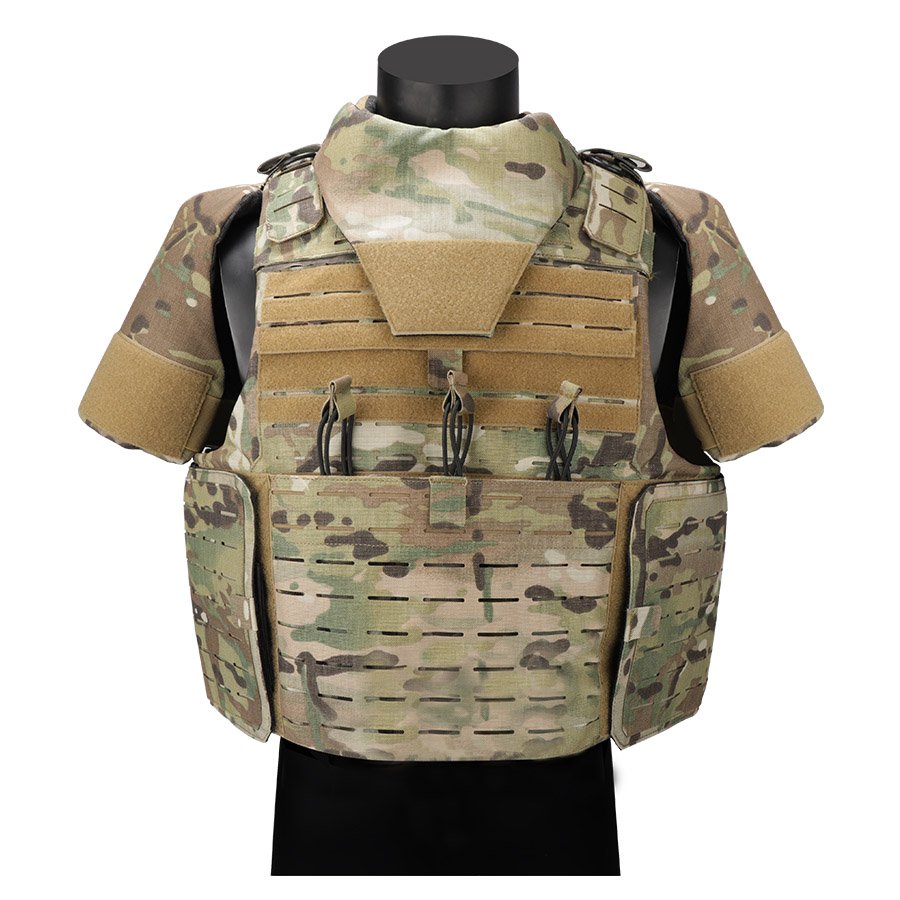
Бронежилет Molle с полной защитой, камуфляж Multicam
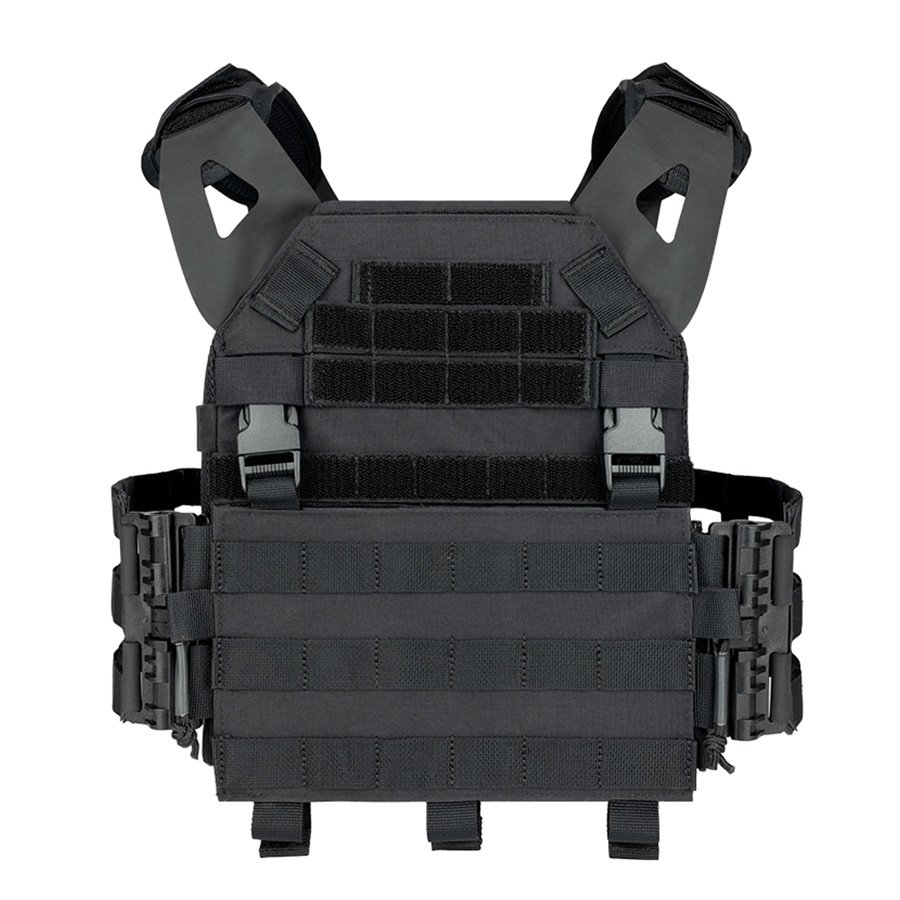
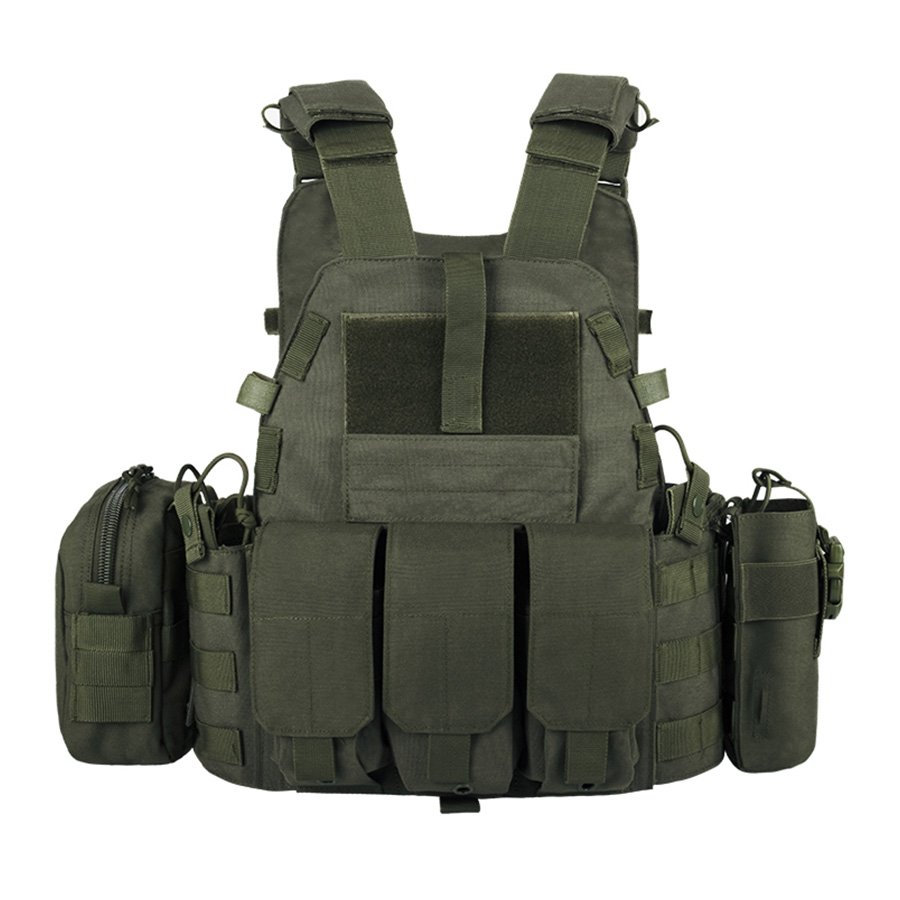
Легкий носитель пластин с подсумками оптом
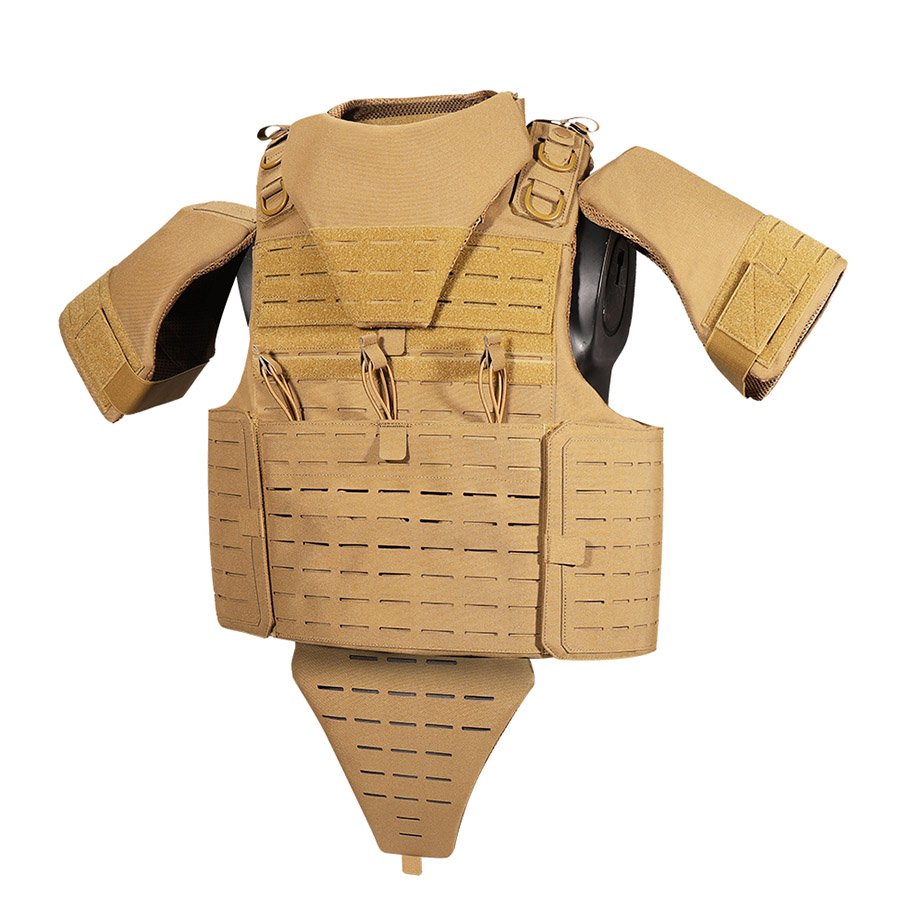
Molle Tactical Full Body Armor-Armorguard
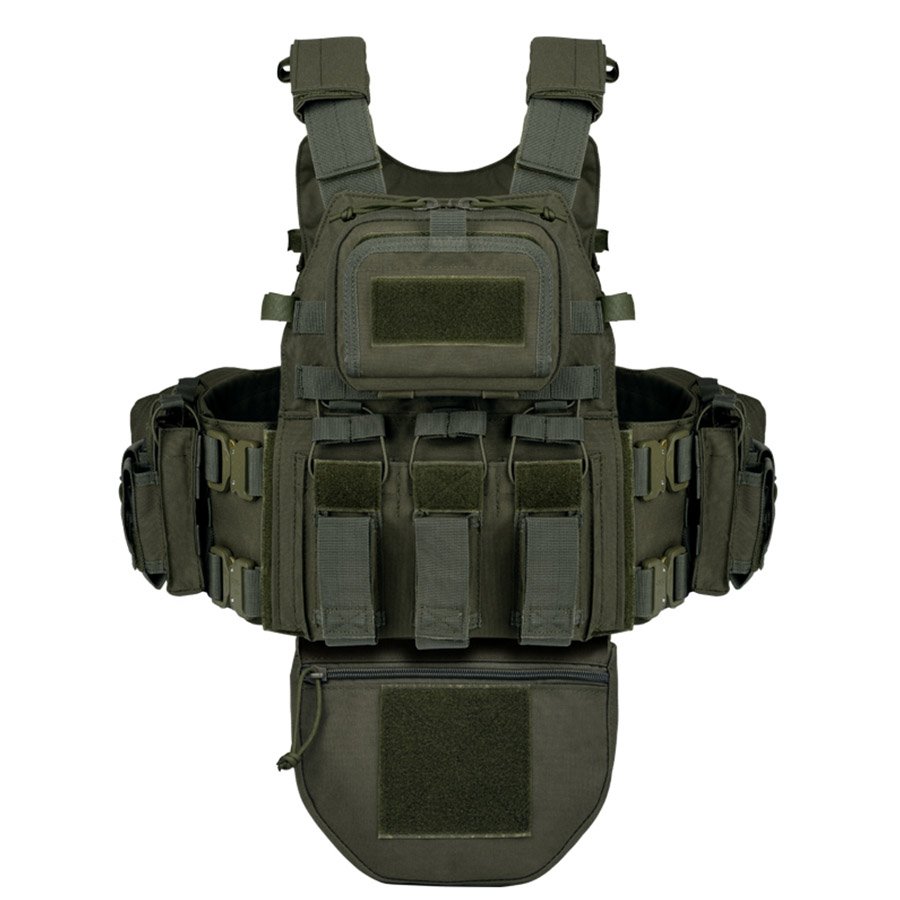
Носитель бронепластин с подсумками для журналов
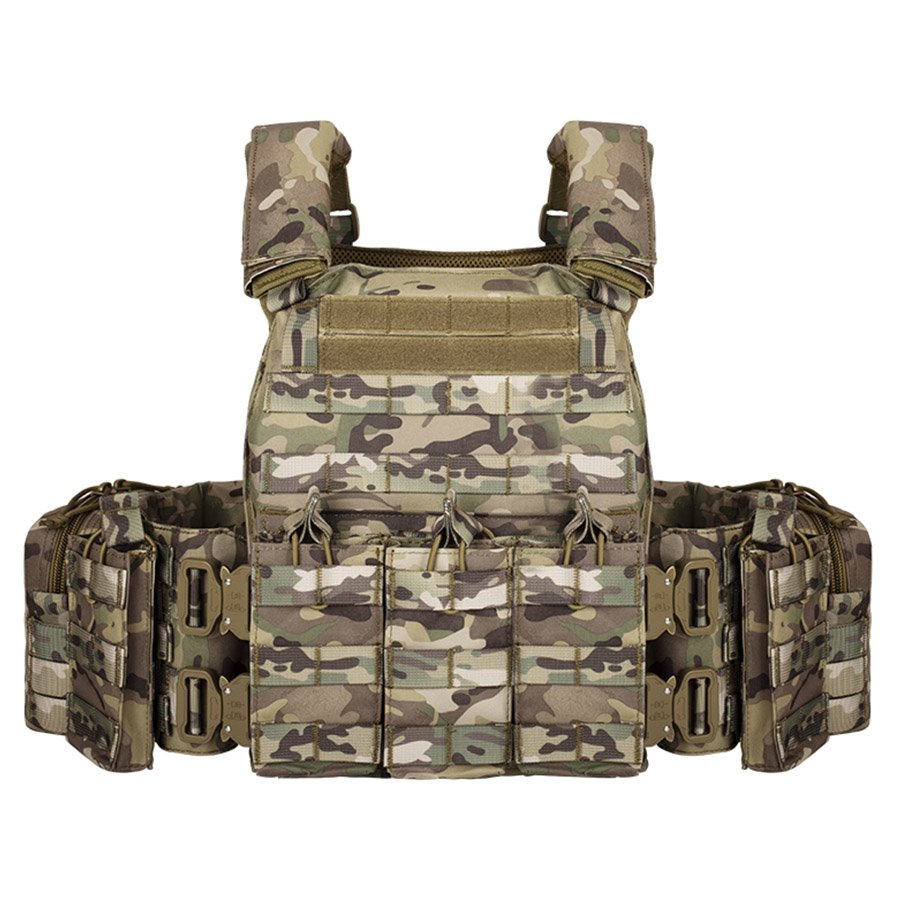
Тактический жилет Armorguard Camo Molle с подсумками для журналов

Molle Police Plate Carrier с подсумками для журналов

Мужской тактический жилет Multicam с поддержкой гидратации
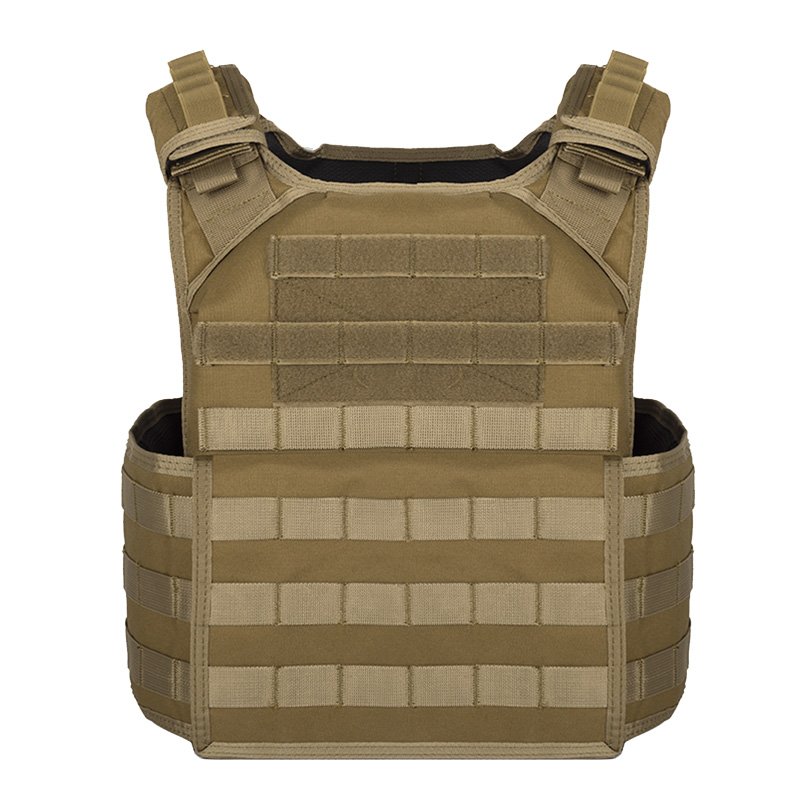
Tan Lightweight Plate Carrier With Molle System

Тактический жилет Plate Carrier Vest Hydration Compatible
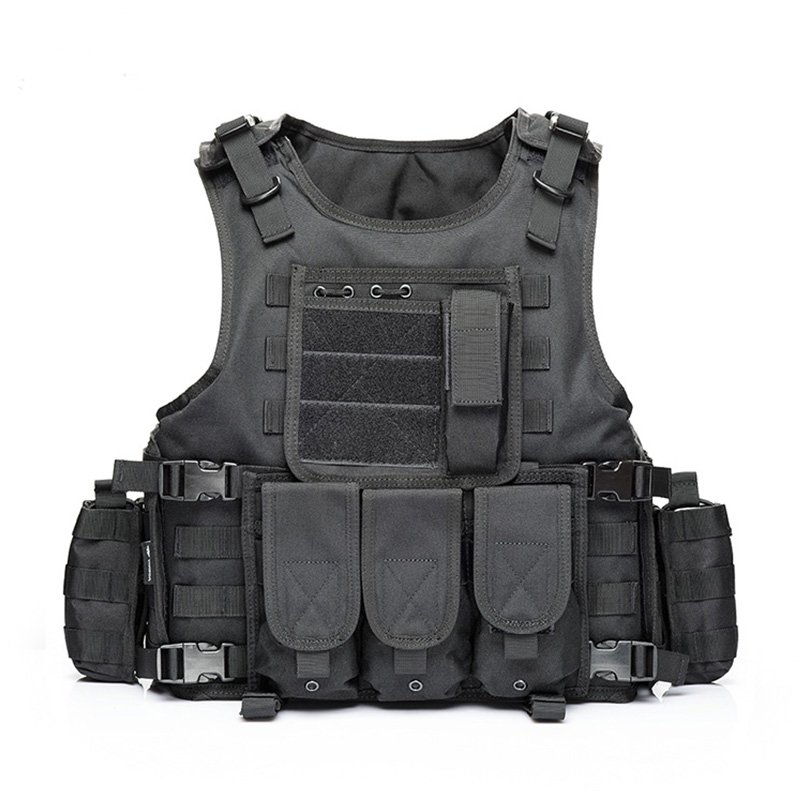
Прочный полицейский жилет-носитель для правоохранительных органов
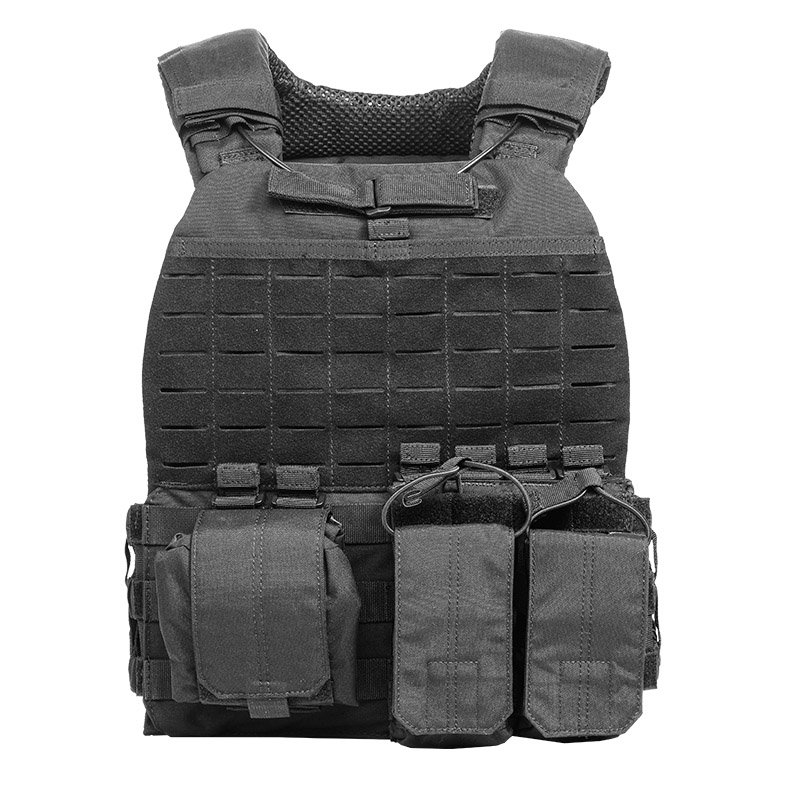
Регулируемые ремни Тактический жилет Molle Серый
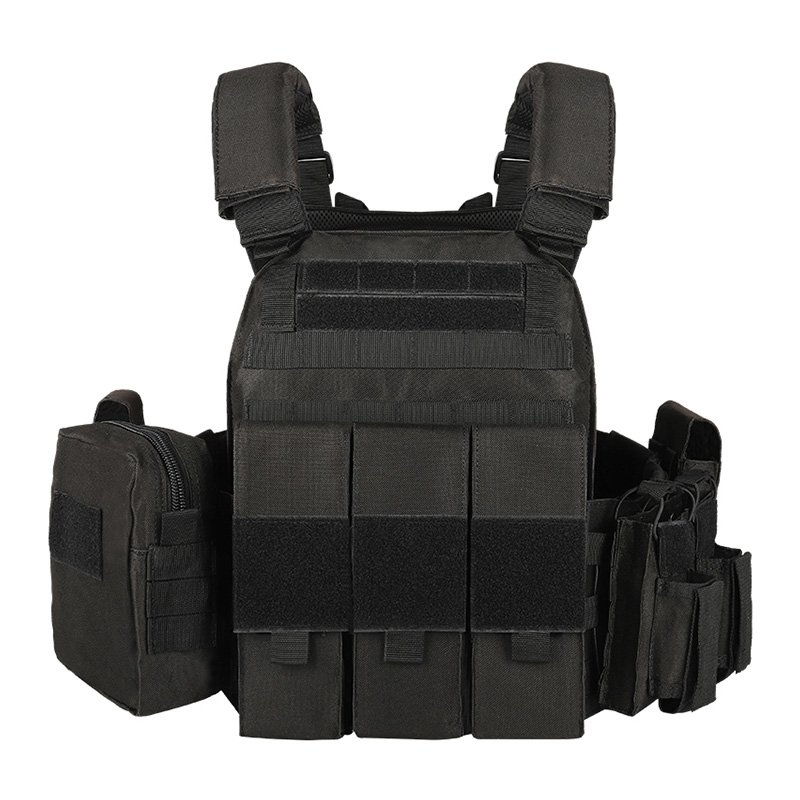
Военный носитель пластин с подсумками для патронов черный
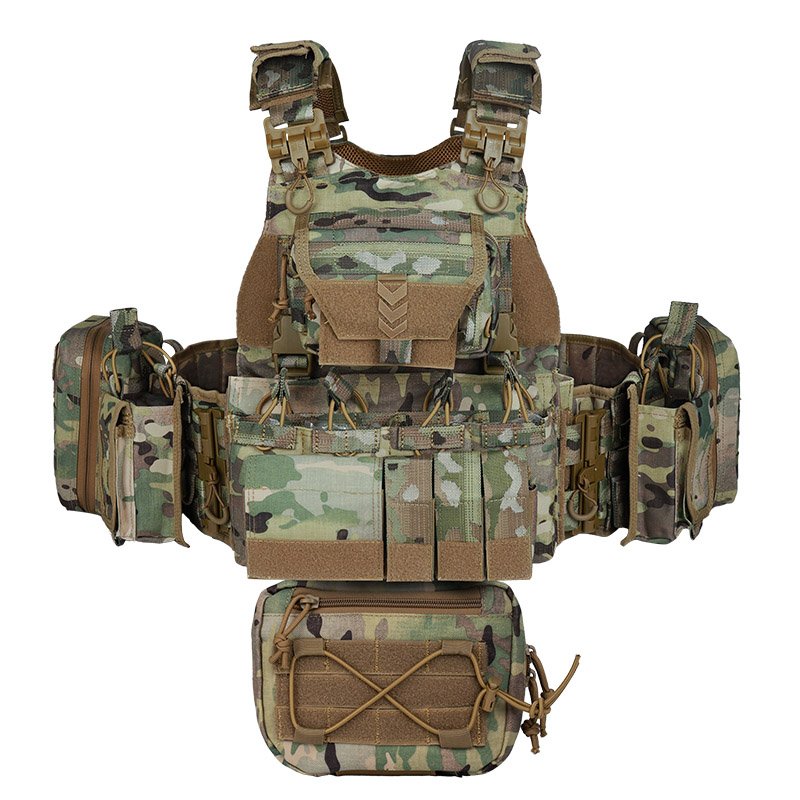
Тактический бронежилет с быстрым креплением и карманами
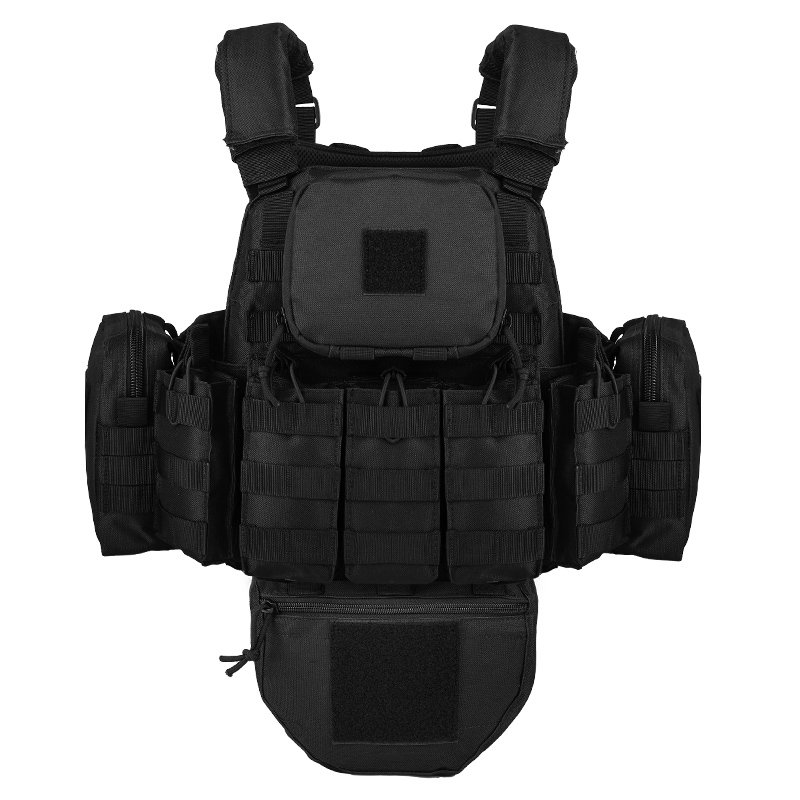
Многофункциональный тактический жилет Plate Carrier Vest в черном цвете
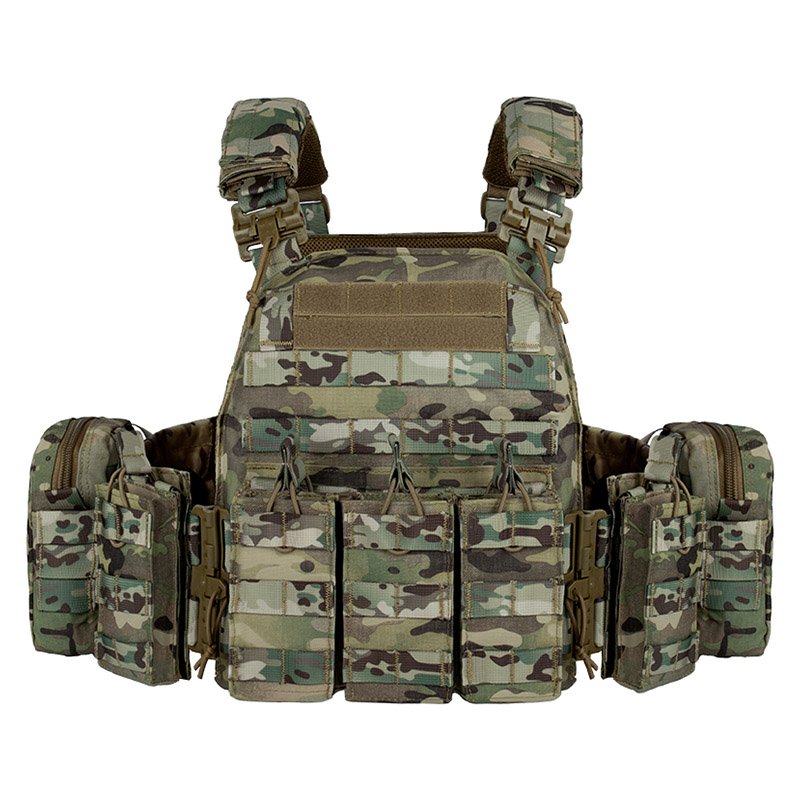
Быстросъемный тактический жилет с молле
Общие тенденции в области конструктивных решений для тактического снаряжения
В период с 2019 по 2026 год под влиянием конфликтов, технологического прогресса, нормативно-правового регулирования и постоянно меняющихся потребностей потребителей тактическое снаряжение будет развиваться в направлении модульности, облегчённой защиты, инклюзивного дизайна, использования экологически устойчивых материалов и цифровой дистрибуции.
Изменения после пандемии COVID-19
Во время эпидемии люди были вынуждены оставаться дома. После окончания эпидемии спрос на активный отдых на природе резко вырос и стал настоящей тенденцией, что привело к значительному увеличению продаж различного гражданского тактического снаряжения для активного отдыха и, как следствие, к расширению рынка тактического снаряжения.
Геополитические конфликты стимулируют спрос
Любой геополитический конфликт, например, российско-украинский конфликт или конфликт между США, Израилем и Ираном, приведет к росту спроса на бронежилеты, каски, тактические жилеты и другие средства индивидуальной защиты.
MOLLE с лазерной резкой становится массовым явлением
Технология лазерной резки позволила повысить точность системы MOLLE, снизить её вес и создать более обтекаемую и модульную несущую конструкцию.
Легкие материалы приобретают статус премиум-класса
Поскольку пользователи стремятся к повышению уровня защиты, мобильности, комфорта и снижению веса, все большую популярность приобретают передовые композитные и облегчающие конструкцию материалы.
PFAS ускоряет переход к новым материалам
Растущий ПФАС ограничения усилили давление со стороны контролирующих органов и способствовали производитель тактического снаряжения разрабатывать более безопасные и экологически чистые материалы.
Цифровые каналы меняют структуру дистрибуции
Электронная коммерция, бренды, работающие напрямую с потребителями (D2C-бренды), и цифровой маркетинг становятся всё более важными каналами для привлечения потребителей тактического снаряжения.