Ever wondered why army colors dominate everything from combat zones to camping trips? These practical shades blend function with tradition, helping wearers stay concealed or command respect in rugged settings.
Whether you’re a military buff or outdoor adventurer, discovering their stories and uses adds a cool edge to your kit.
Let's explore 8 common army colors that bring real-world edge to your gear.
1.GN(Green)

The military color “Green” can be traced back to the late 19th century, but its widespread use and standardization began in the early 20th century, especially during World War I and II, when the military began to realize the need to improve soldier concealment as rifle range and accuracy increased. Traditional bright colors (such as red and blue) are too conspicuous on the battlefield and are easily detected by enemies.
“Green” is more of a commercial or colloquial term, often used to describe a deep green or grayish green color, similar to military Olive Drab or Ranger Green . Meanwhile, the term GN color is easier for ordinary consumers to understand, but it is not used as an official term in the military. The naming of colors by the military is usually very specific and standardized, using clear terms or codes to define colors, such as OD (Olive Drab) and RG (Ranger Green).
2.OD(Olive Drab)

The term ‘Olive Green’ has been used since the 12th century, but it was not until World War II when American soldiers adopted this color of uniform that it was officially referred to as Olive Drab.
Therefore, during World War II, the US military and allied forces had a humorous proverb: “If it moves, salt it. If it doesn’t move, paint it.” The word “paint it” refers to applying OD color.
As time passed, due to the aging of vehicle appearance and color differences in clothing, more and more people who were not familiar with the history of olive green color began to believe that the color after aging was the standard color, and that this type of color was easier to integrate into the environment. Therefore, army olive green gradually became the Olive Drab color (olive brown).
As the name suggests, olive brown is a color commonly referred to as OD color. It is like a deep olive green, the base US Army colors, and even many other countries’ armies around the world use this color.
In the years following the Vietnam War, the colors of most military products worldwide underwent some changes, yet many service members today still refer to them as “olive” or “OD green.” People simply cannot seem to shake the term “olive.”
Why does the full name for “OD Green” include the word “Drab”?
The term “Drab” refers to a dull, muted quality of the color, which helps it blend into natural surroundings, making it an ideal choice for camouflage in various environments.
3.RG(Ranger Green)

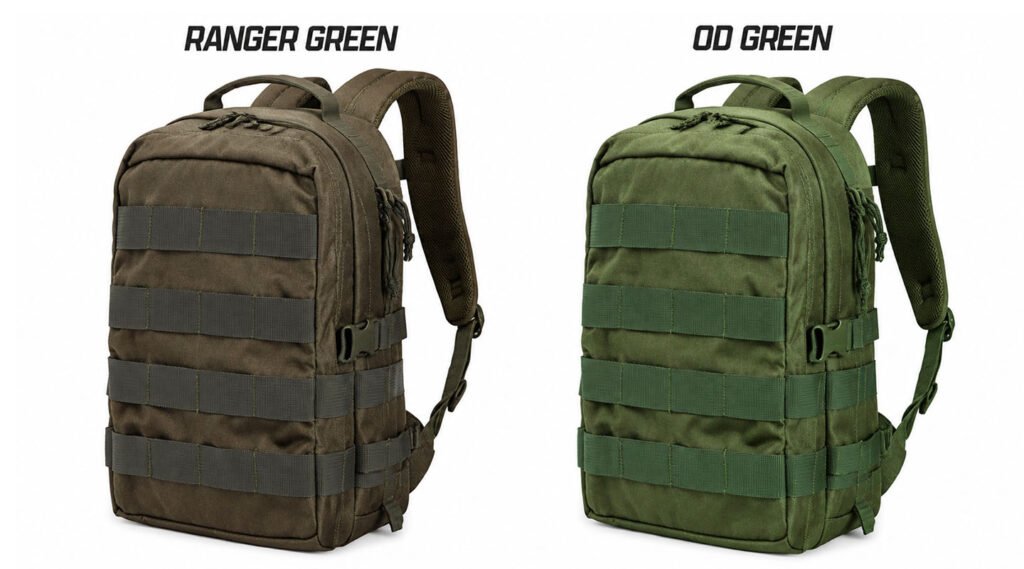
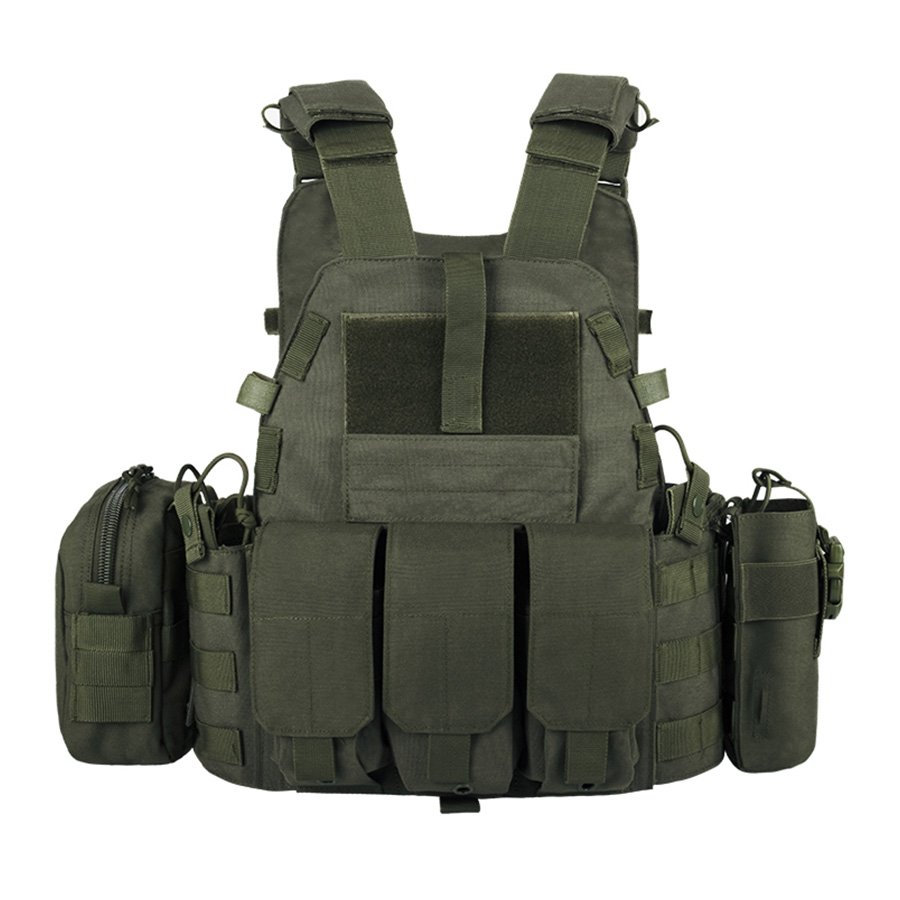
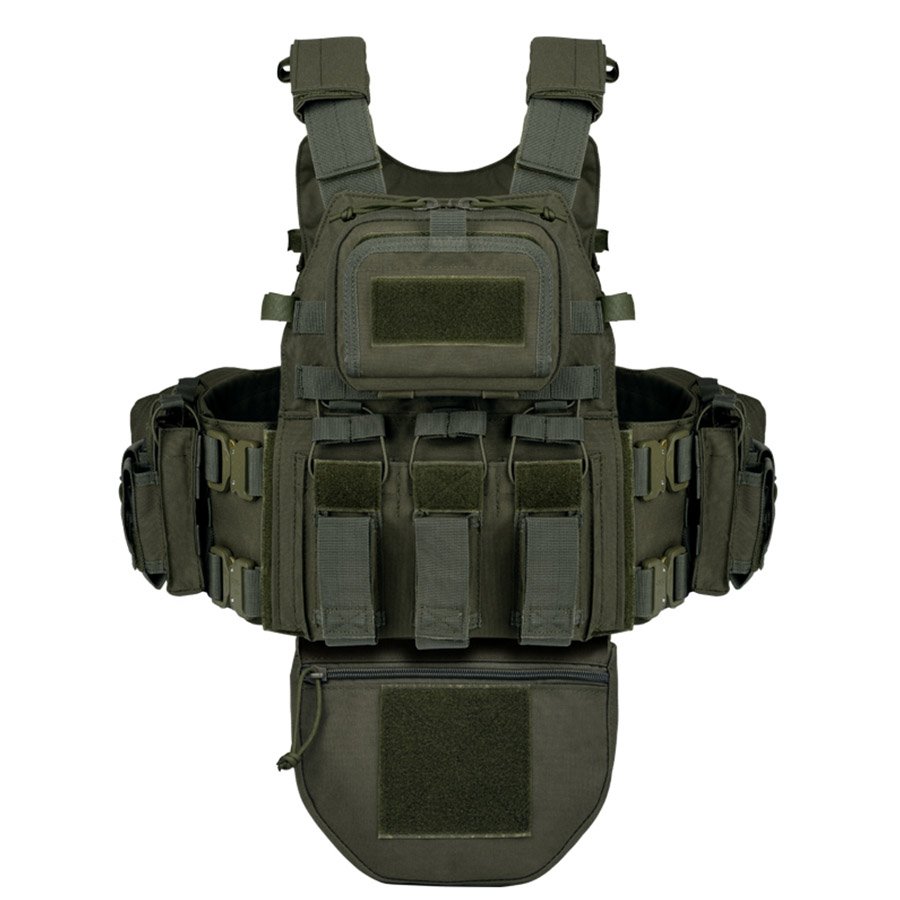
“Ranger Green” (RG) refers to a specific shade of Olive Drab (OD) with lower saturation.It was developed specifically to meet the requirements of Army Special Operations Forces for new colors in their armor and load-carriage systems.
It features more brown tones—resulting in lower brightness—and a dark gray undertone. Thanks to this gray cast, Ranger Green performs well amidst dark foliage and blends into the shadows in low-light conditions.
Prior to the 911 attacks, a new army color known as “Mouse Grey” was under development but was deemed too gray for effective operational use. The fabric dyeing processes of the time yielded inconsistent results, causing “Mouse Grey” to develop unsightly streaking over time when exposed to the elements.
Following the events of 911, the urgent demands of the early Global War on Terror elevated the priority of color development. the project was relaunched in 2003, resulting in the selection of a shade with richer green tones. It was named “Ranger Green” in honor of the unit that first fielded the color.
To achieve the necessary color consistency and durability in the fabric, Ranger Green became the first instance of solution-dyed Cordura material used for military applications.
The Difference Between Ranger Green and OD Green
Olive Drab (OD)—described as a “dark olive green” or “greenish-brown”—is highly effective for camouflage. This protective color established itself as a standard camouflage for military personnel, equipment, and facilities across armed forces worldwide. OD Green was widely utilized by the U.S. Army during World War II for uniforms and gear.
Compared to OD Green, Ranger Green features a more desaturated green base and contains stronger brown undertones. Leaning toward the olive spectrum, this color has traditionally been associated with military uniforms and vehicles.
Beyond military use, Ranger Green is a popular choice for outdoor and tactical apparel, tactical gear, and camping equipment. When compared to standard OD Green, Ranger Green appears softer, more desaturated, and lighter—almost faded in tone.
However, when the two army colors are placed side by side, the contrast between their underlying hues creates a complementary effect, resulting in an overall visually appealing look.
4.FG (Foliage Green)

“Foliage Green” (FG) is a light green shade with gray undertones. it was first developed and utilized in 2002 as part of the U.S. Army’s Universal Camouflage Pattern (UCP) project. Intended to mimic the color of vegetation and provide concealment across woodland and transitional terrains, it served as one of the three colors comprising the UCP scheme, alongside Urban Grey 501 and Desert Sand 500.
However, this color combination performed poorly in real-world applications. Particularly in desert and woodland environments, the light green of FG appeared too bright to blend effectively with the background, making it highly conspicuous at long distances.
Although UCP was eventually phased out, the design philosophy behind FG—using light green to simulate vegetation—continued to influence subsequent camouflage development. For instance, the OCP (Operational Camouflage Pattern) incorporates similar green tones to enhance concealment in woodland and transitional environments.
In summary, FG refers to a specific color rather than a style or pattern. it is not a precise term for a standalone product style. In a commercial context, the label “FG” is generally used simply to describe a light green hue.
However, because the color’s tonal range is relatively narrow (characterized by gray undertones), using it as the sole color designation for clothing or gear can be imprecise. consumers might misunderstand the specific shade, leading to a discrepancy between the actual product and their expectations.
5.MUD (MUD Color)

“MUD color” (or simply “Mud”) is a colloquial term used primarily in civilian or commercial sectors rather than an official designation adopted by any national military. Military color nomenclature is typically highly standardized, utilizing specific names or codes to ensure global consistency. however, the term “MUD color” lacks such standardization and fails to precisely define the specific hue or intended application.
Furthermore, the concept of “MUD color” does not exist among most international tactical gear brands. The closest standard color designation is “EB” (Earth Brown). so I will refer to this category as the “MUD color family”—denoting a range of colors resembling mud.
The MUD color family emerged toward the end of World War II. As jungle and muddy-terrain warfare increased, militaries realized the need for a color that provided effective camouflage in wet, muddy environments, leading to the experimental use of dark brown for concealment.
During the Vietnam War, U.S. and allied forces operating in jungle and muddy terrain discovered that traditional green-and-brown camouflage patterns were ineffective in such wet, sludge-filled environments.
To improve camouflage performance in these conditions, militaries began adopting dark brown or taupe shades that more closely resembled the color of soil—specifically, “EB” (Earth Brown). Thus, the MUD color family was introduced for use on jungle boots, tactical gear, and vehicle paint schemes.
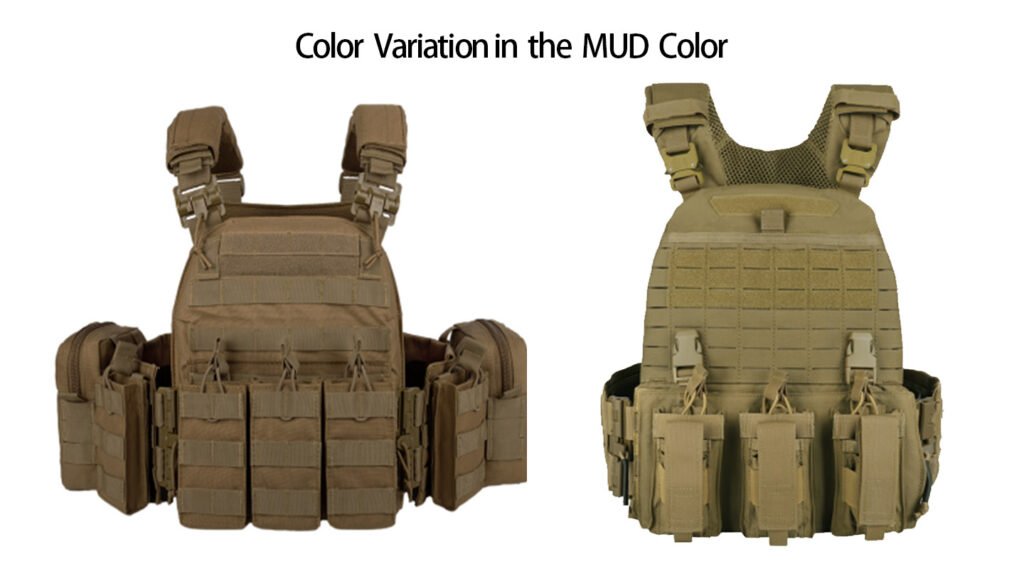
Visible color variations exist between MUD-colored products from different military and tactical gear manufacturers—and even between different product models—due to the lack of a unified standard(see the below picture). indeed, many products labeled as “MUD” actually skew closer to “Tan.”
So, I think we should standardize color usage and gradually establish a formal color reference system.
6.CB (Coyote Brown)

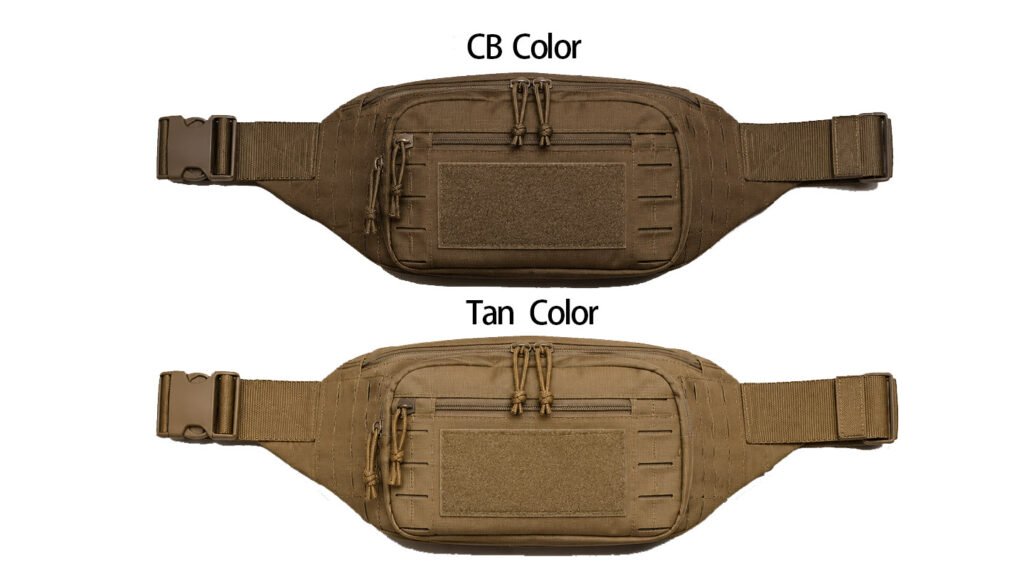
“CB,” or “Coyote Brown,” originated from the U.S. military’s need to develop practical military camouflage colors. The traditional army colors had long dominated, limiting the military’s effectiveness across diverse terrains. brown gear stood out too starkly during night operations, while olive drab was unsuitable for desert environments, failing to provide effective concealment for troops.
This issue became particularly acute during the Gulf War in the early 1990s—specifically during Operation Desert Storm—creating an urgent need for a color that could provide effective camouflage in both desert and woodland environments.
In 2000, as the U.S. military began widespread issuance of BDU (Battle Dress Uniform) combat gear, General James L. Jones Jr., then-Commandant of the Marine Corps, issued a direct order to the Marine Corps Systems Command to develop a new uniform based on an improved color scheme. The project was assigned to the Marine Corps Clothing and Textile Research Facility in Massachusetts.
As the project progressed, the development team realized that the new combat uniform needed to be more than just effective camouflage. It had to be distinctive. Since the Marines would be operating internationally, the uniform needed to reflect the Corps’ unique identity while remaining functional. So they sought input from frontline combat units that had served in the Gulf War.
Ultimately, the team discovered the “Coyote” shade in a line of Ralph Lauren paints and brought a sample back to the research facility. They found that this brown hue adapted effectively to various terrains—including deserts, forests, and urban environments—and complemented other camouflage gear well. They officially designated the color “Coyote Brown” (CB), and it was subsequently adopted rapidly across all branches of the U.S. military.
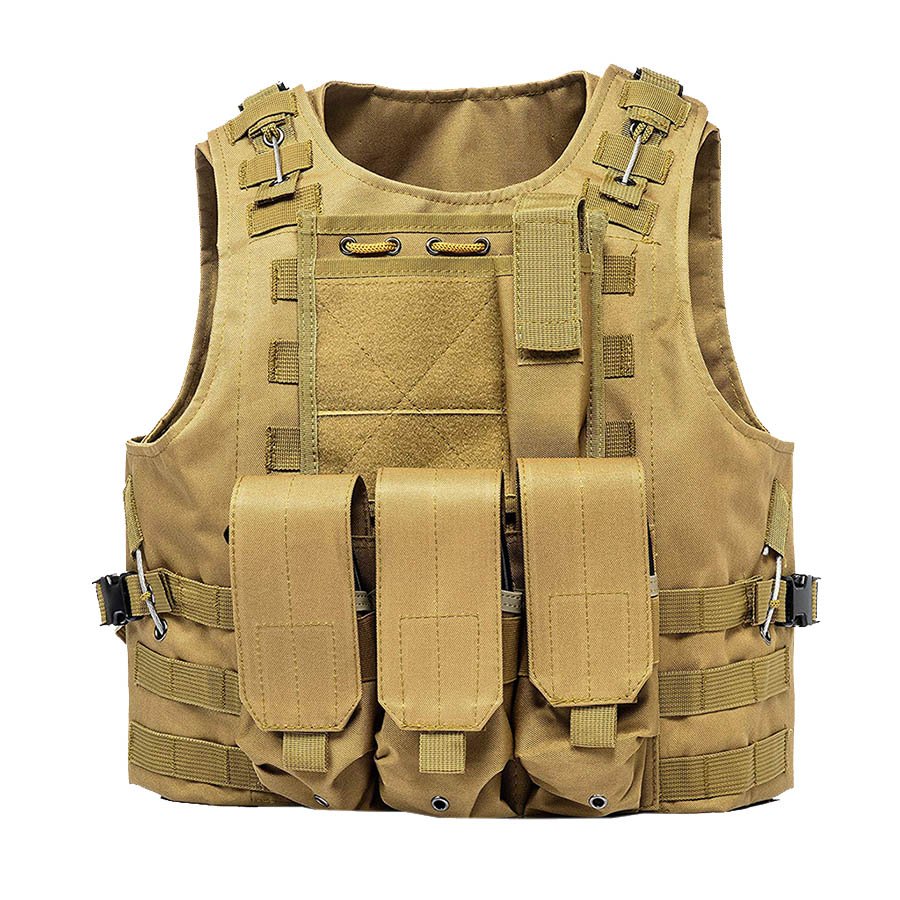
Coyote Brown was first applied to tactical gear—such as the tactical backpacks, vests, and belts found in the MOLLE (Modular Lightweight Load-carrying Equipment) system—and was also utilized for improved versions of Desert Combat Boots.
7.Tan (Coyote Tan)

“Tan”—specifically referred to as “Coyote Tan”—is a light tan shade with subtle yellow or gray undertones. While it may occasionally exhibit a faint greenish cast, its primary hue remains tan.
When placed side-by-side with Coyote Brown (a lighter shade characterized by a blend of yellow and light brown), Coyote Tan appears more distinctly brown in tone.
As U.S. military operations in Iraq and Afghanistan intensified, soldiers found that Coyote Brown appeared too dark in certain extreme desert environments, particularly against sandy and rocky terrain.
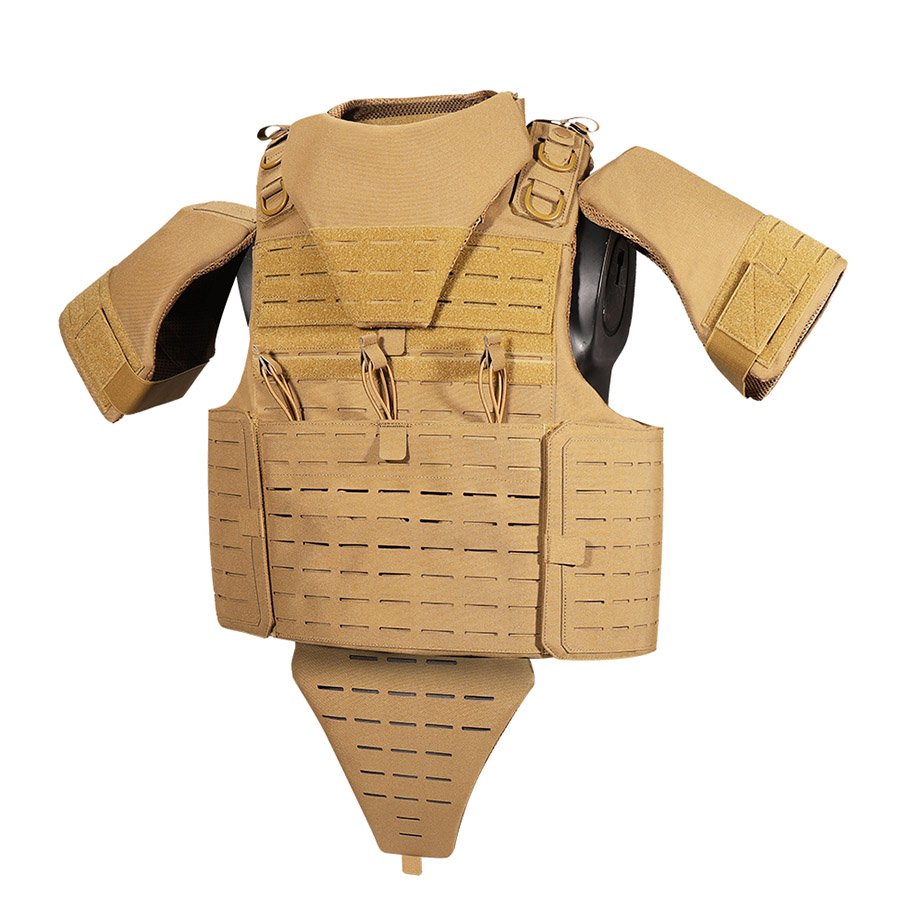
To address this issue, the military developed a lighter variant known as “Coyote Tan.” Closer to the color of sand than Coyote Brown, it is better suited for use in pure desert environments. It is utilized for specific gear—such as certain tactical vests, helmet covers, and backpacks—to provide superior desert camouflage.
8.MC/ CP (Crye Multicam)

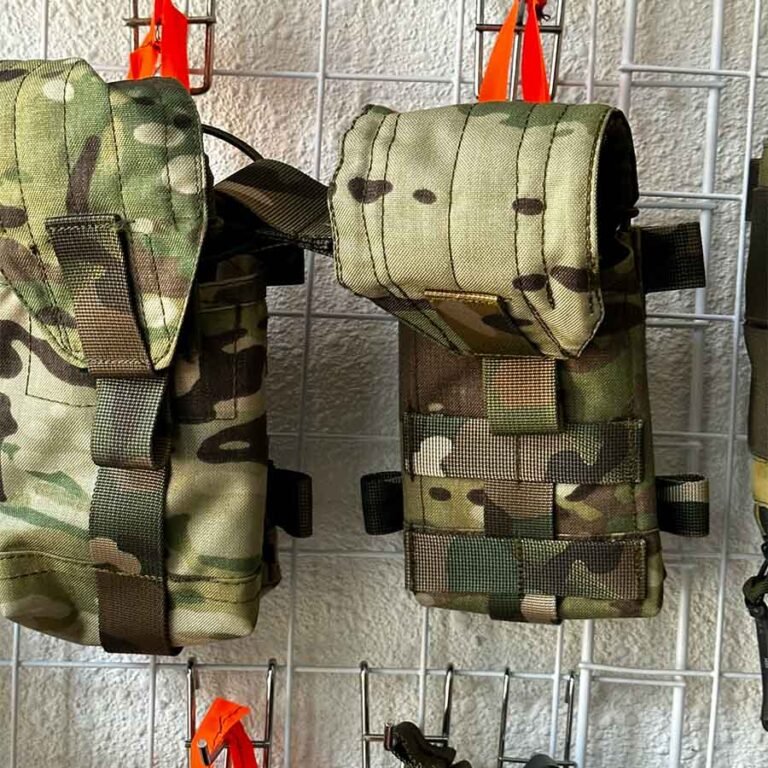
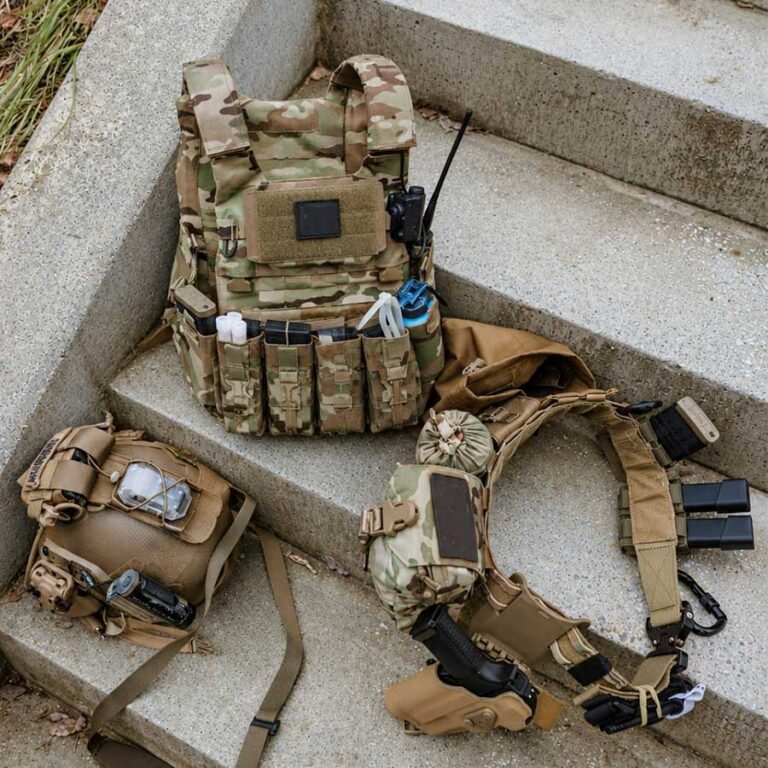
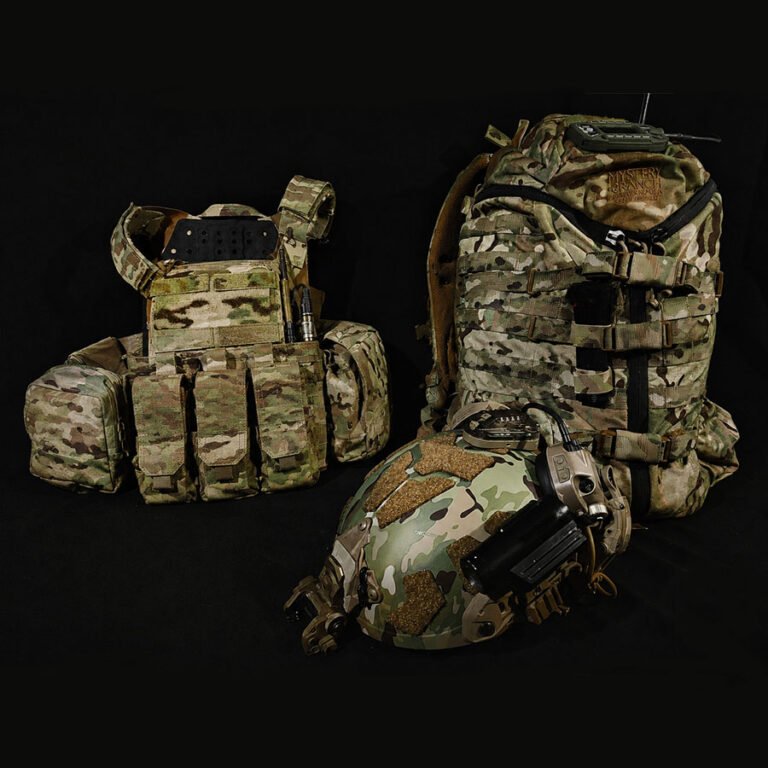
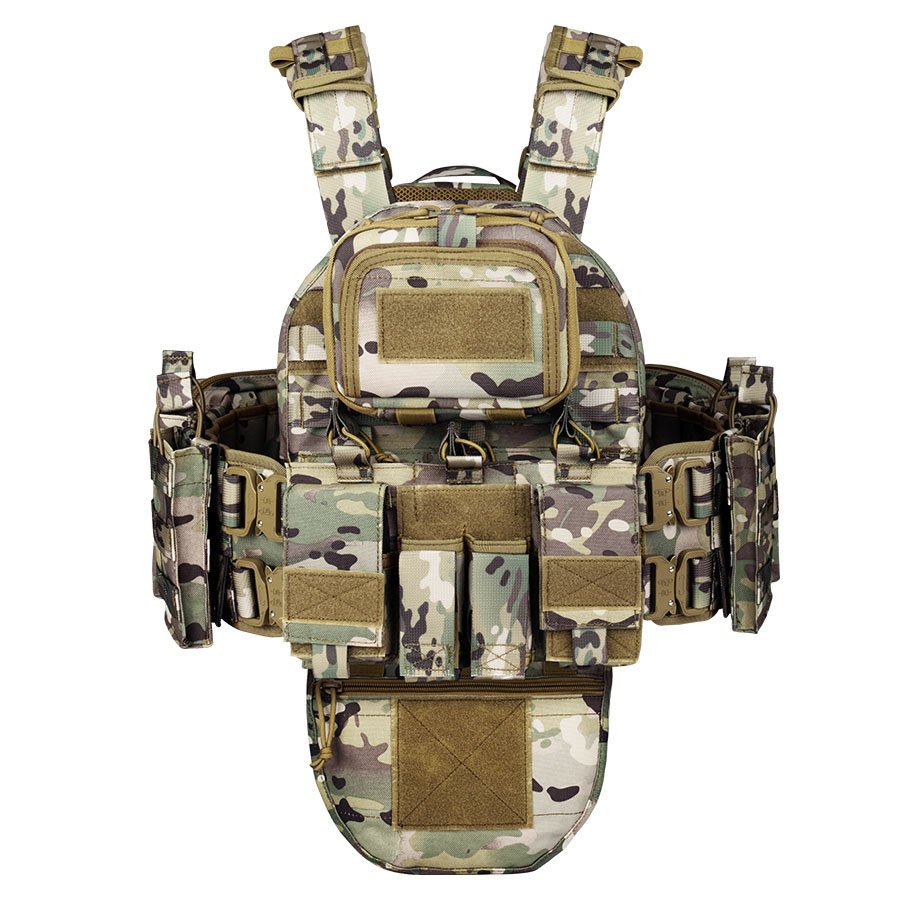
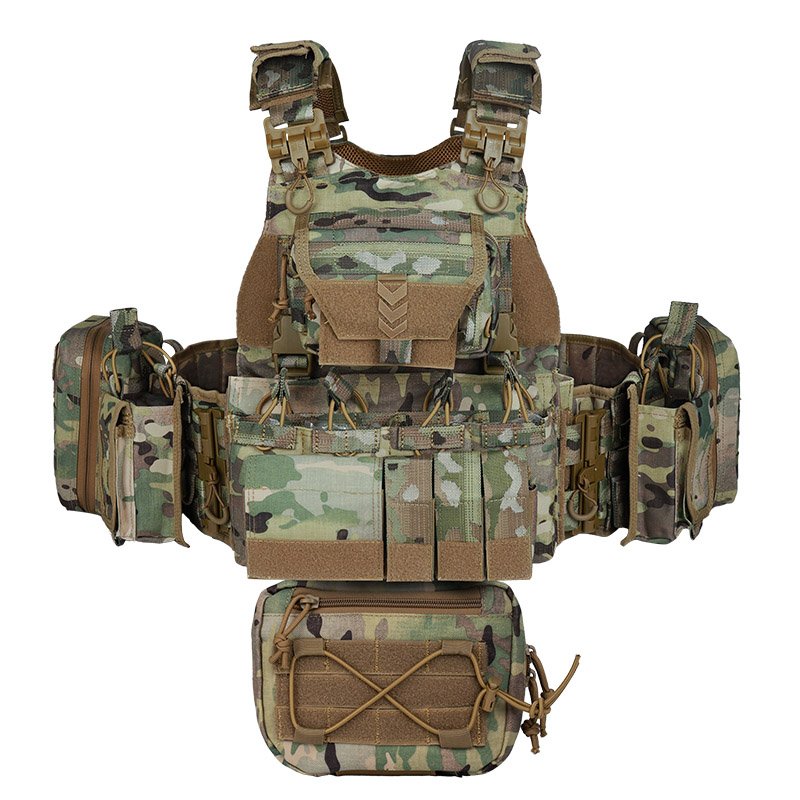
MultiCam (MC) is a multi-colored camouflage pattern—an evolution of the earlier “Scorpion” pattern—jointly developed by Crye Precision and the U.S. Army Soldier Systems Center. Designed specifically for use by the U.S. Army across diverse environments, seasons, elevations, and lighting conditions, it made its debut in 2002.
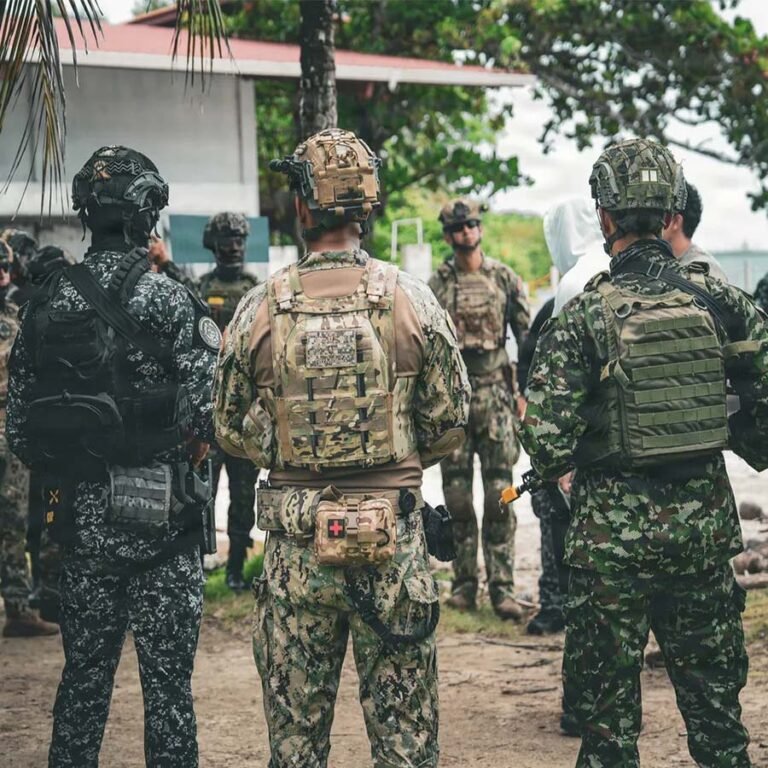
This kind of army color has since gained widespread global adoption; various licensed and unlicensed variants are used by militaries worldwide. It is particularly favored by special operations forces, effectively becoming a standard camouflage choice for the special operations units of major nations.
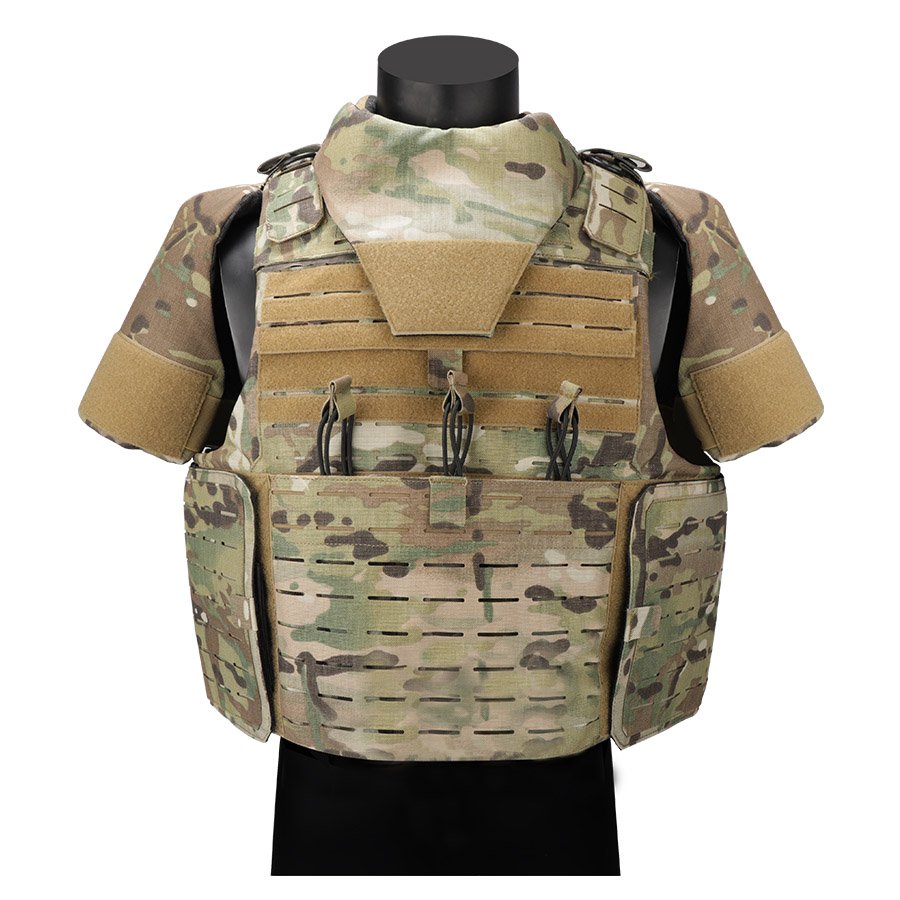
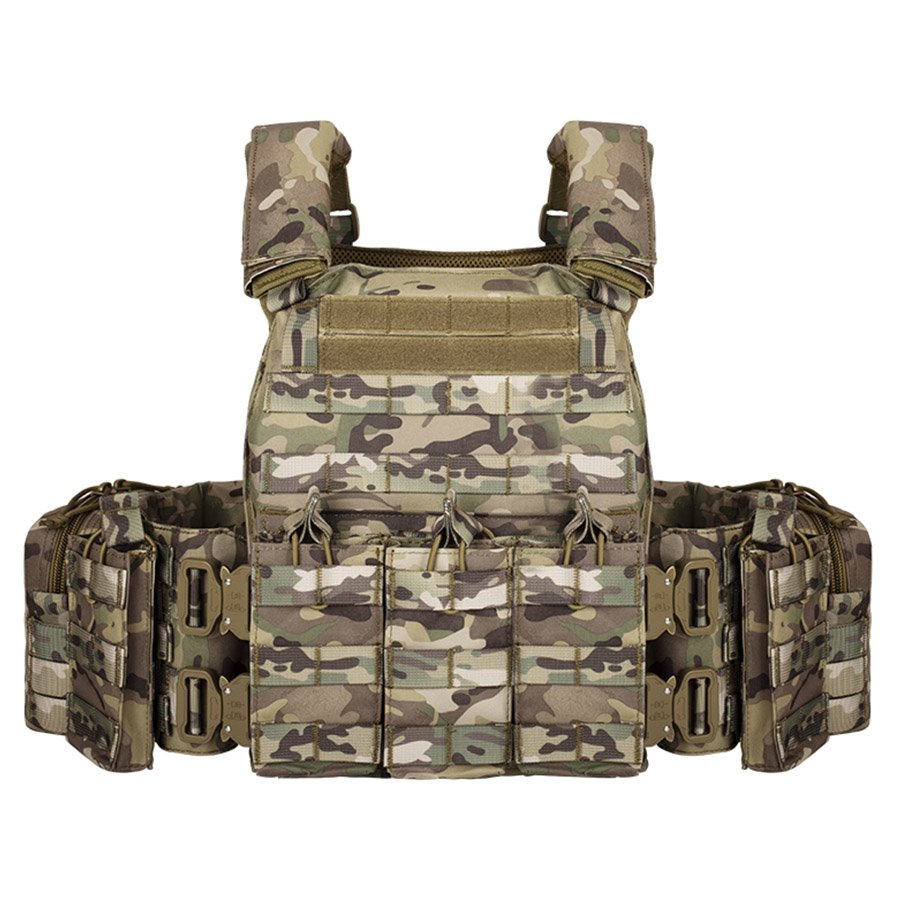
The MultiCam pattern features a background gradient ranging from brown to light tan, overlaid with gradients of dark green, olive green, and lime green. The top layer consists of opaque dark brown and cream-colored shapes distributed throughout the design. This composition allows the fabric to transition between green-dominant and brown-dominant areas, while smaller shapes serve to break up the larger background sections.
Initially, the pattern was considered as a replacement for the U.S. Army’s 3-color desert and woodland patterns; however, in 2004, the Army ultimately selected the Universal Camouflage Pattern (UCP) for its Army Combat Uniform.
Nevertheless, U.S. Army Special Forces continued to use MultiCam to a limited extent in Iraq and Afghanistan during the mid-to-late 2000s. It also remained a feature in demonstrations for the “Future Force Warrior” program.
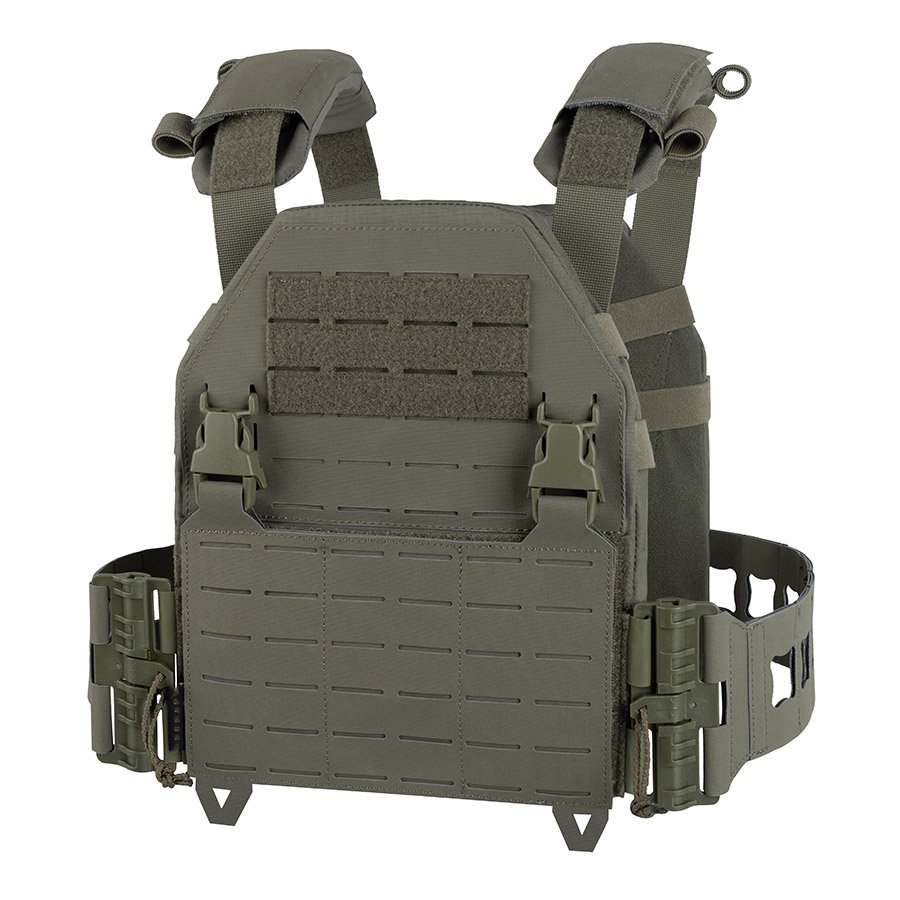
Lightweight Modular Plate Carrier Vest Armorguard
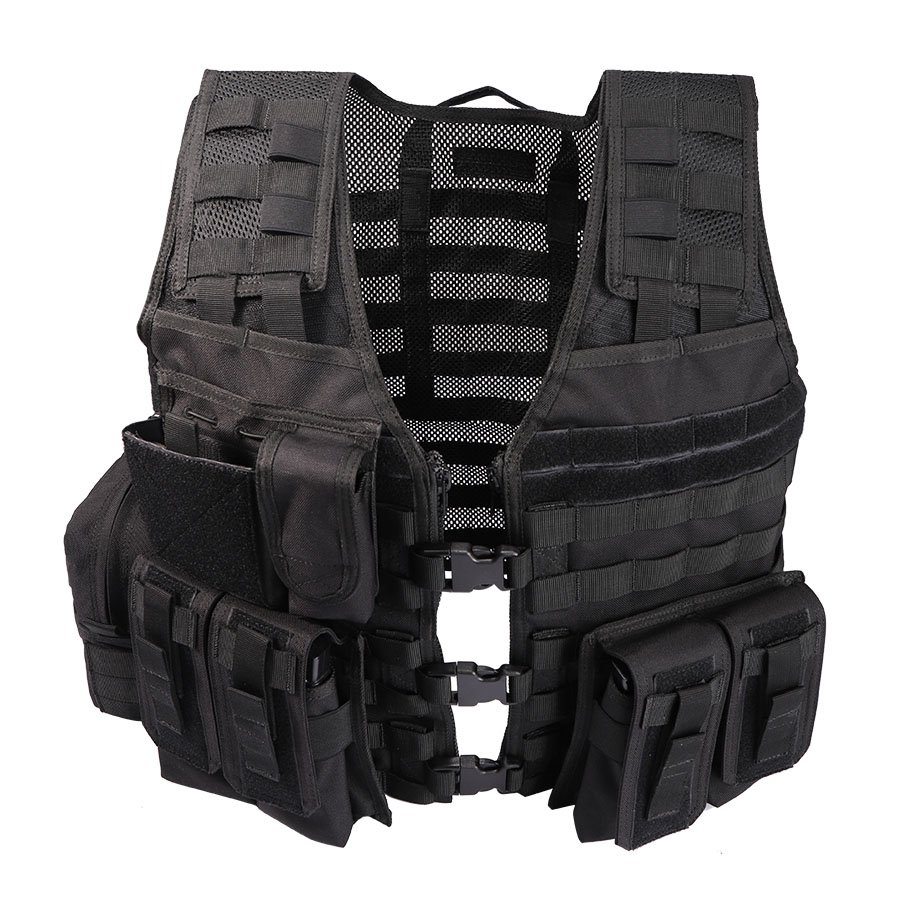
Lightweight Police Outer Vest With Magazine Pouches
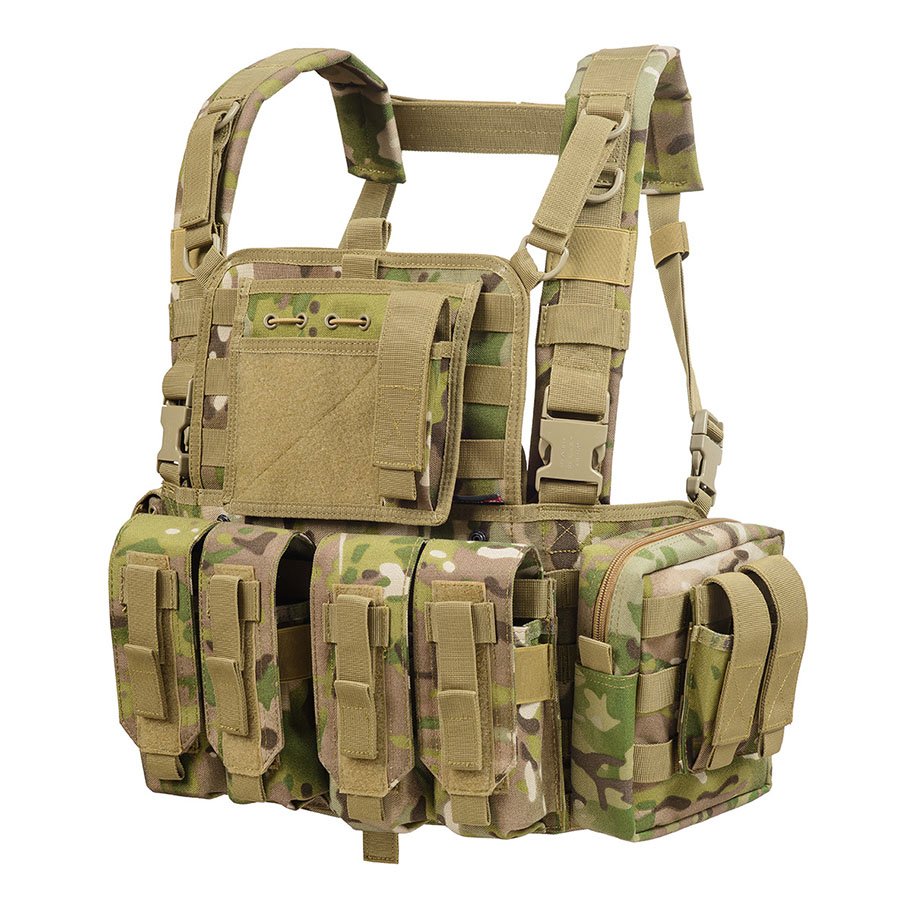
Military Plate Carrier Chest Rig Multicam Color
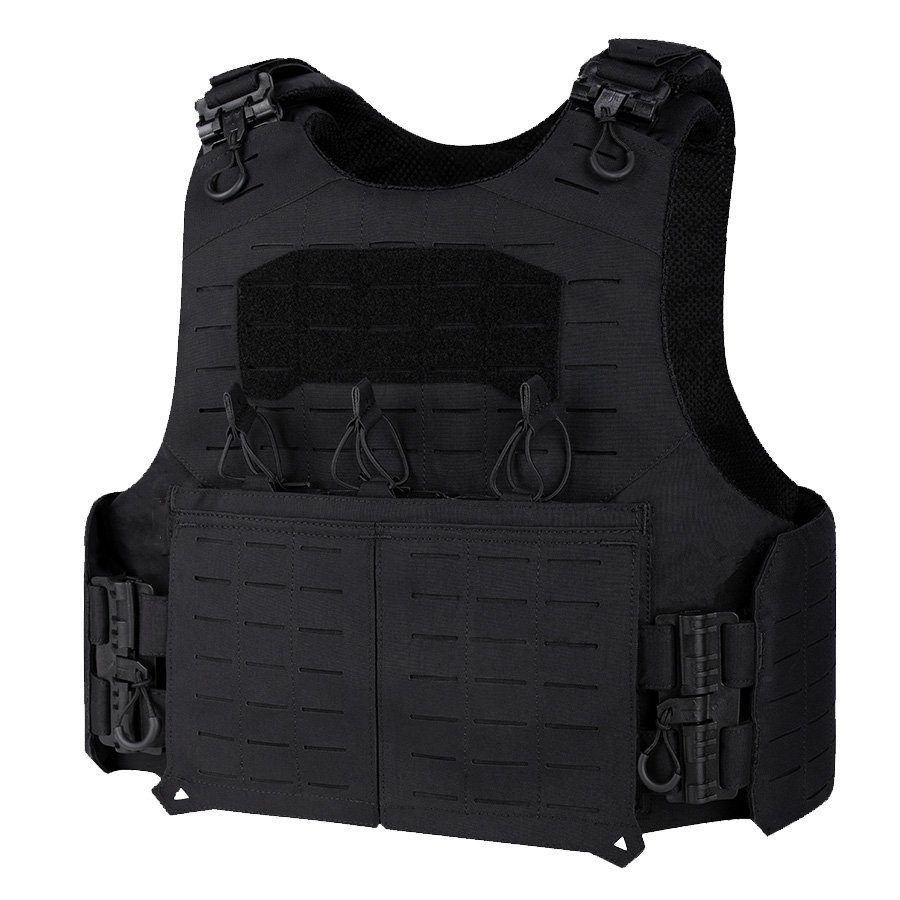
Lightweight Black Plate Carrier Vest Laser Cut Molle
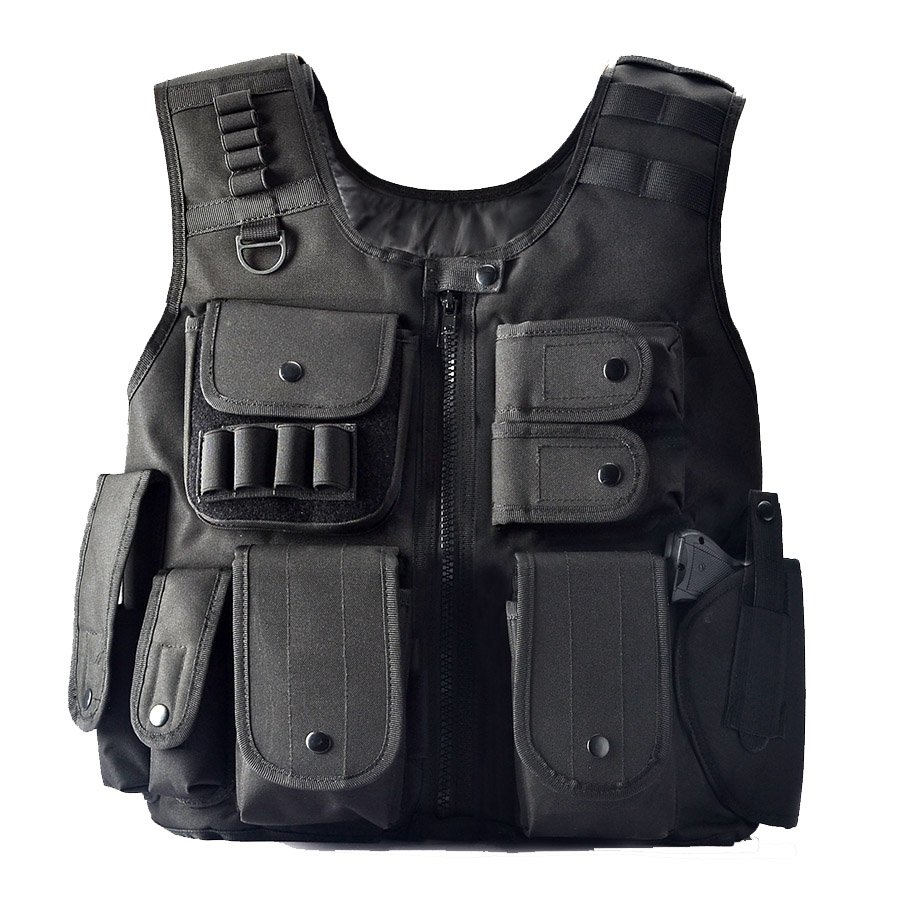
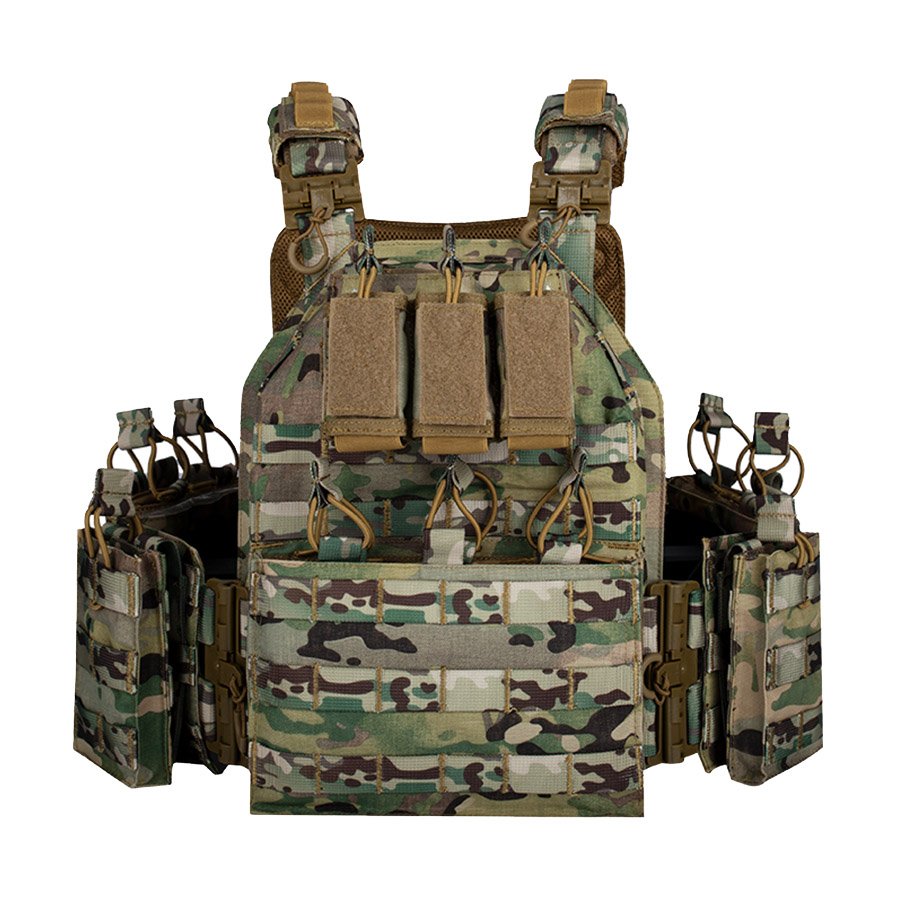
Camo Ballistic Plate Carrier With Magazine Pouches
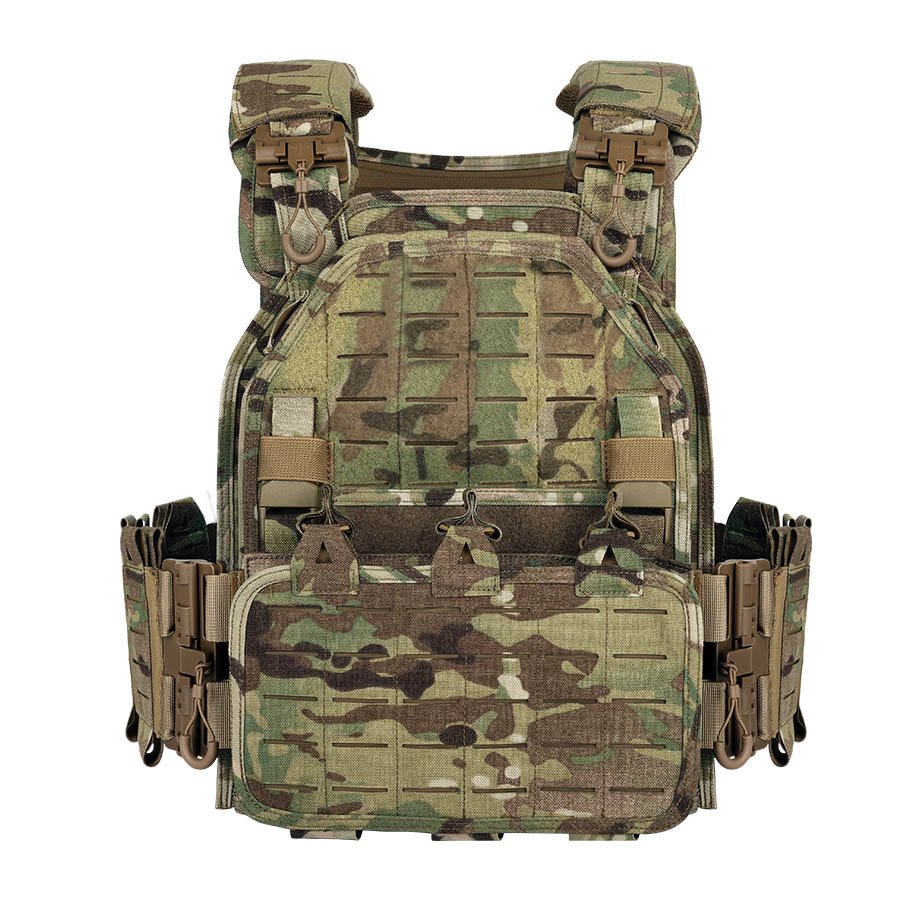
Best Multicam Plate Carrier With Laser Cut Molle
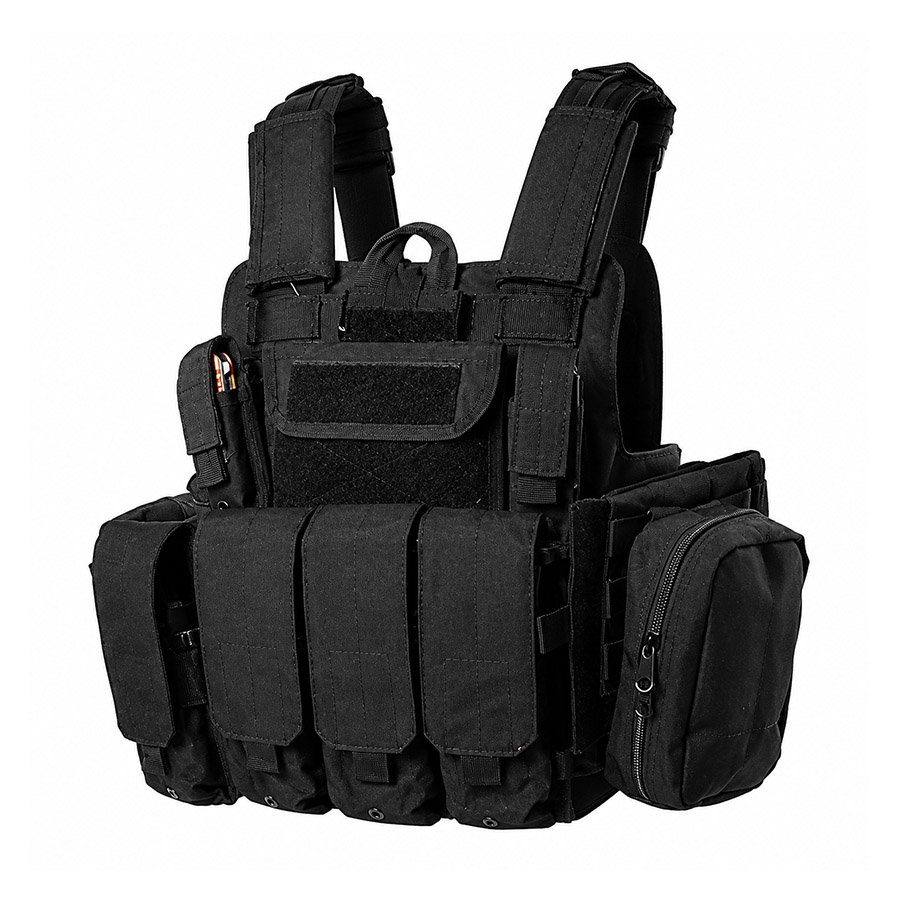
Molle Black Tactical Vest With Integrated Pouches
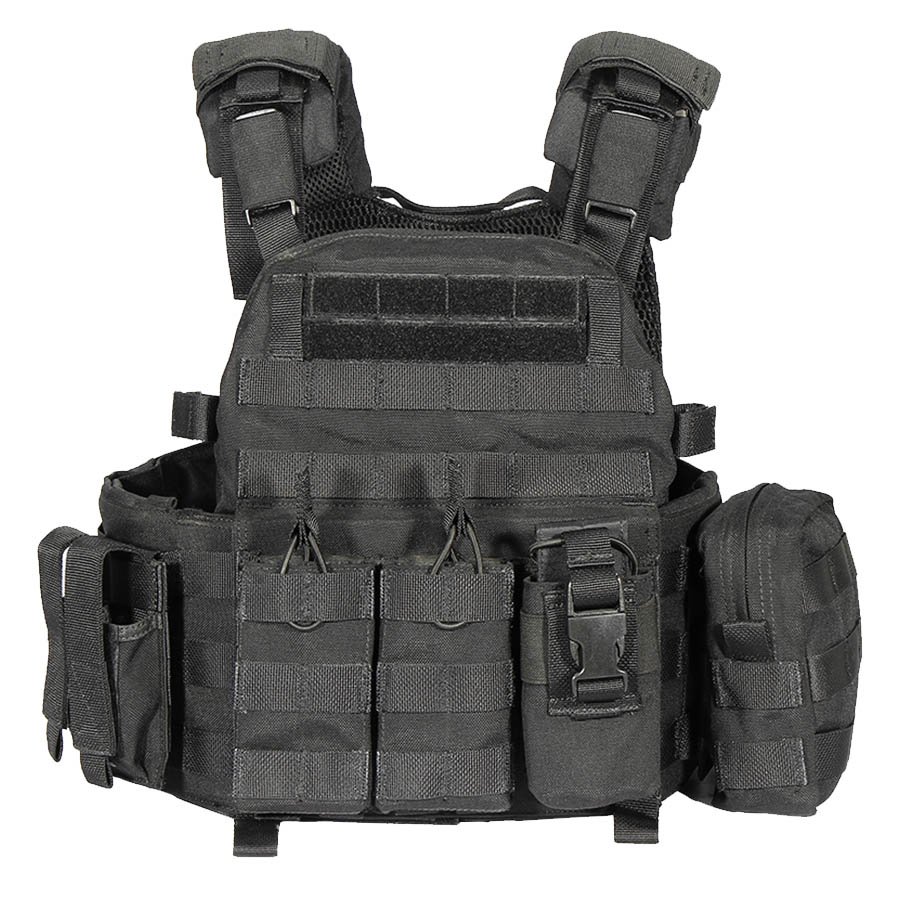
Best Military Plate Carrier With Side Pouches
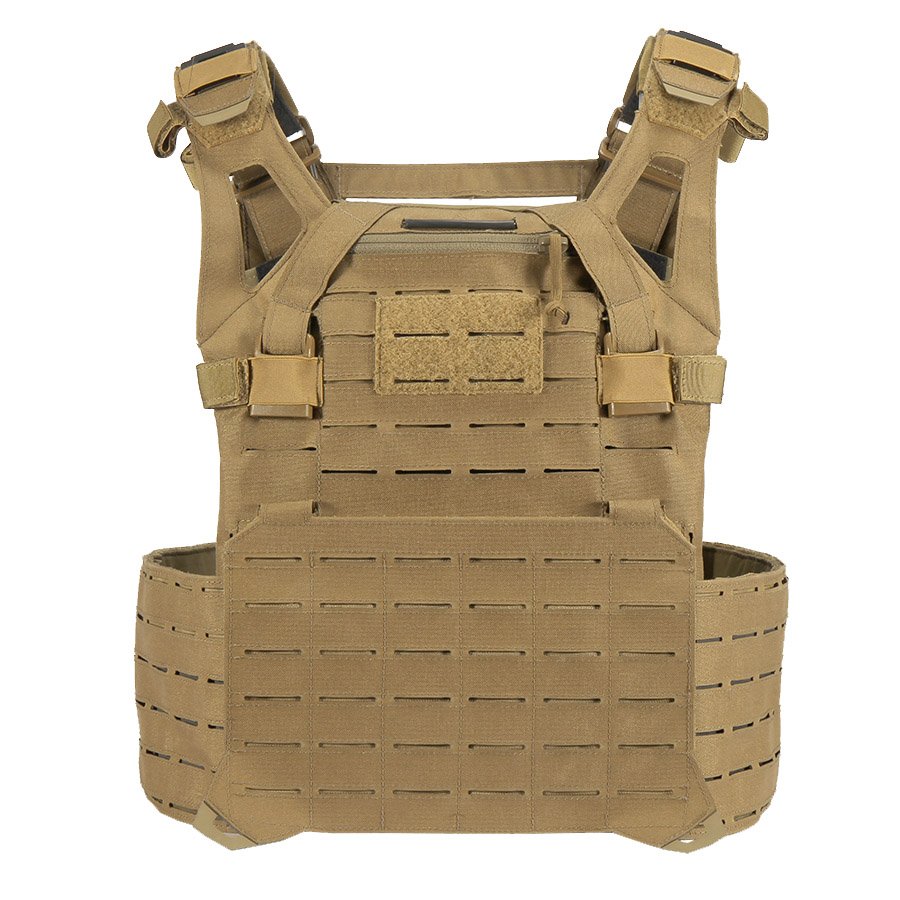
Lightweight Plate Carrier With Pouches Coyote Brown
Tan Magazine Carrier Vest With Molle Webbing
Quick-release Tactical Body Armour Camouflage
Lightweight Black Plate Carrier Vest-Armorguard
Lightweight Plate Carrier With Pouches Wholesale
Armor Plate Carrier With Magazine Pouches
Armorguard Camo Molle Tactical Vest With Magazine Pouches


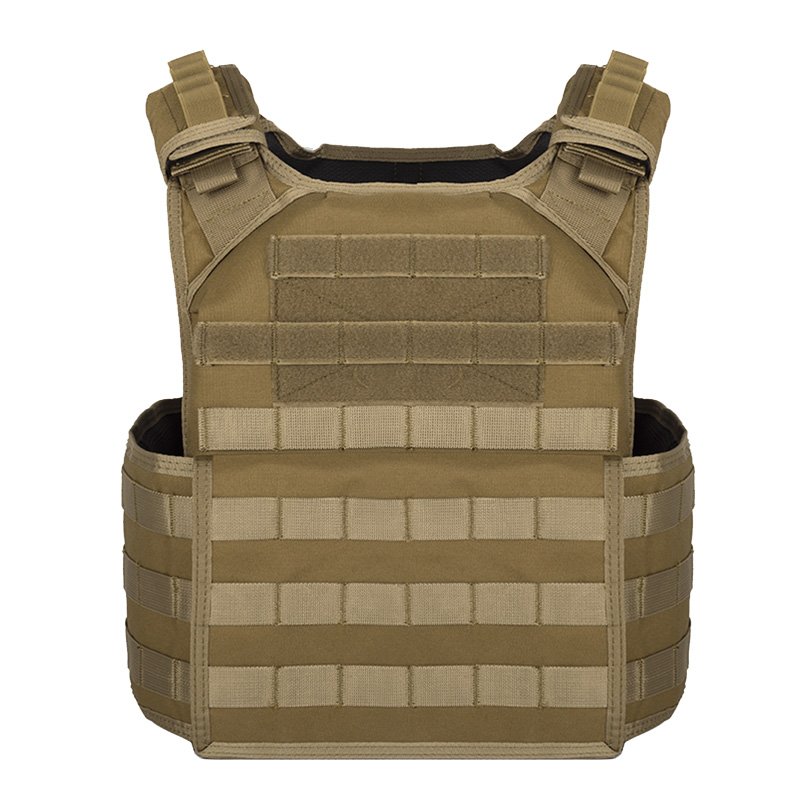
Tan Lightweight Plate Carrier With Molle System

Tactical Plate Carrier Vest Hydration Compatible
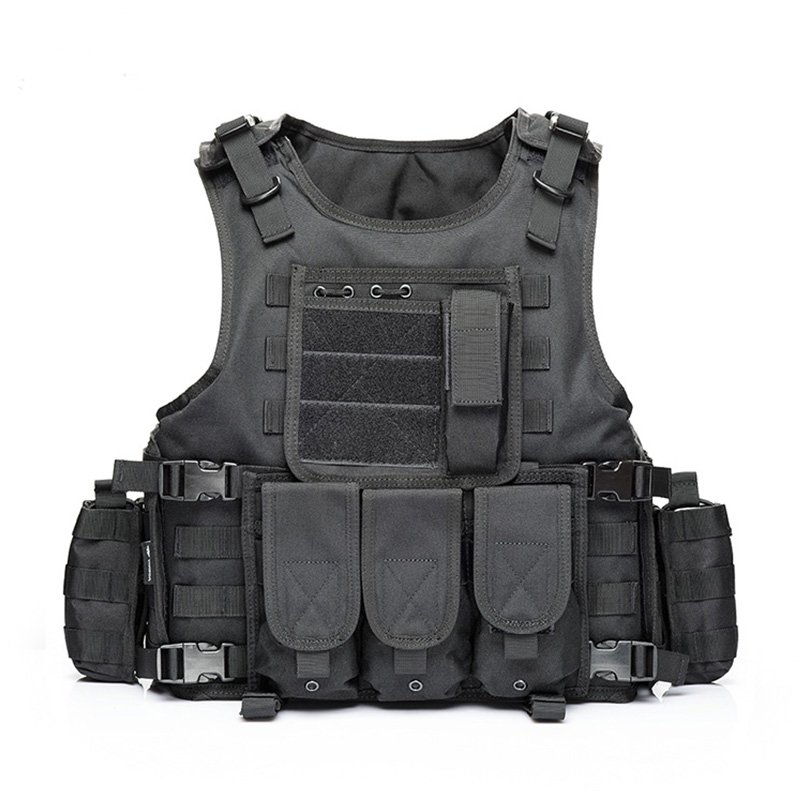
Durable Police Vest Carrier For Law Enforcement
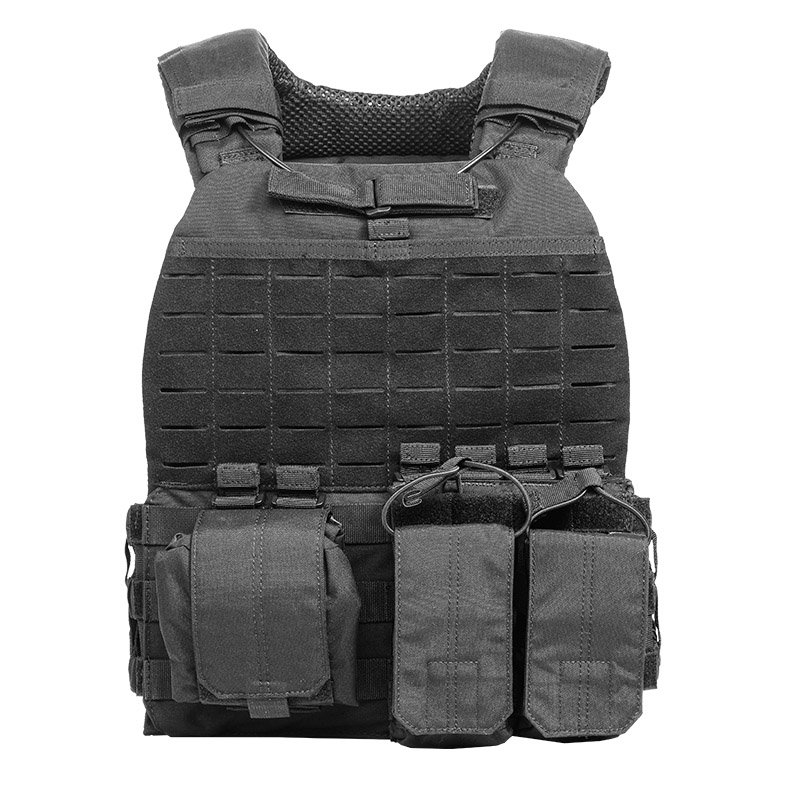
Adjustable Straps Tactical Molle Vest Gray
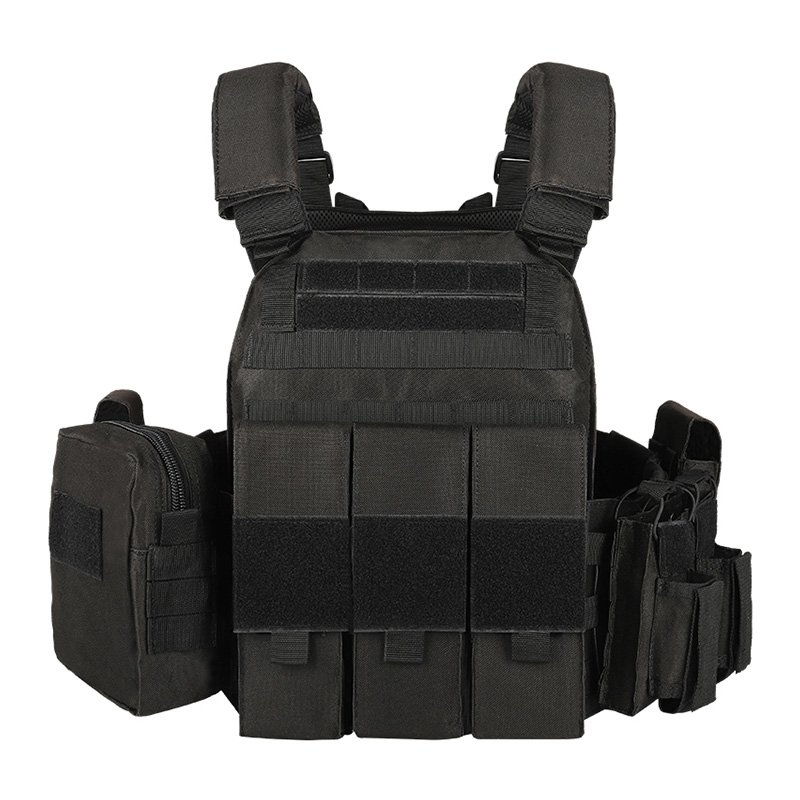
Military Plate Carrier With Mag Pouches Black
Quick Release Tactical Body Armor With Pouches
Multi Functional Tactical Plate Carrier Vest in Black
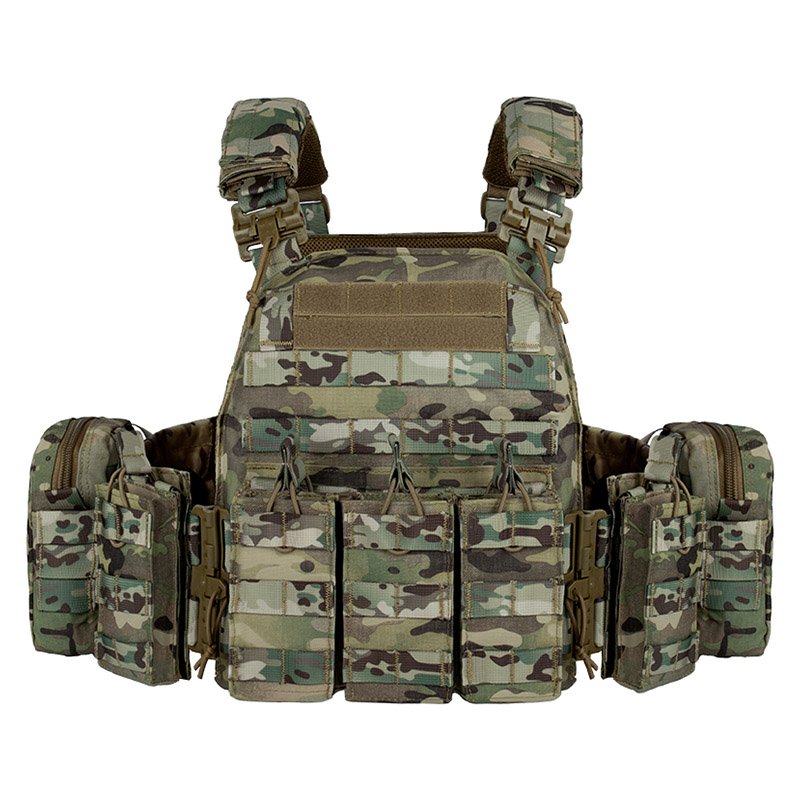
In 2010, led by the U.S. Army, MultiCam was officially reintroduced into U.S. military service, replacing UCP for frontline troops deployed in the War in Afghanistan. It was designated “OEF-CP” (Operation Enduring Freedom Camouflage Pattern), also known as OCP (Operational Camouflage Pattern).
That same year, the pattern was adopted by certain U.S. special operations forces and domestic law enforcement agencies; simultaneously, it was authorized for commercial sale to civilians—referred to by gear enthusiasts and the military alike as “commercial-grade authentic gear.”
On November 25, 2013, Crye Precision (CP) introduced a series of MultiCam (MC) variants, claiming they could reduce the visual and near-infrared signatures of personnel operating in diverse environments.
The “CP” in “CP Camouflage” stands for Crye Precision. As the developer and patent holder of the MultiCam pattern, the company saw its product become widely known as “CP Camouflage,” particularly among military enthusiasts and within the commercial sector.
Historically, MultiCam was not initially adopted officially by the U.S. Army; instead, it gained widespread recognition through the commercial market first. This sequence of events led to the use of different names for the pattern across military and commercial spheres.
What is more, to avoid patent infringement, some manufacturers use the term “CP Camouflage” to indicate that their products are based on Crye Precision designs without being direct copies of the MultiCam pattern, thereby minimizing potential legal risks.