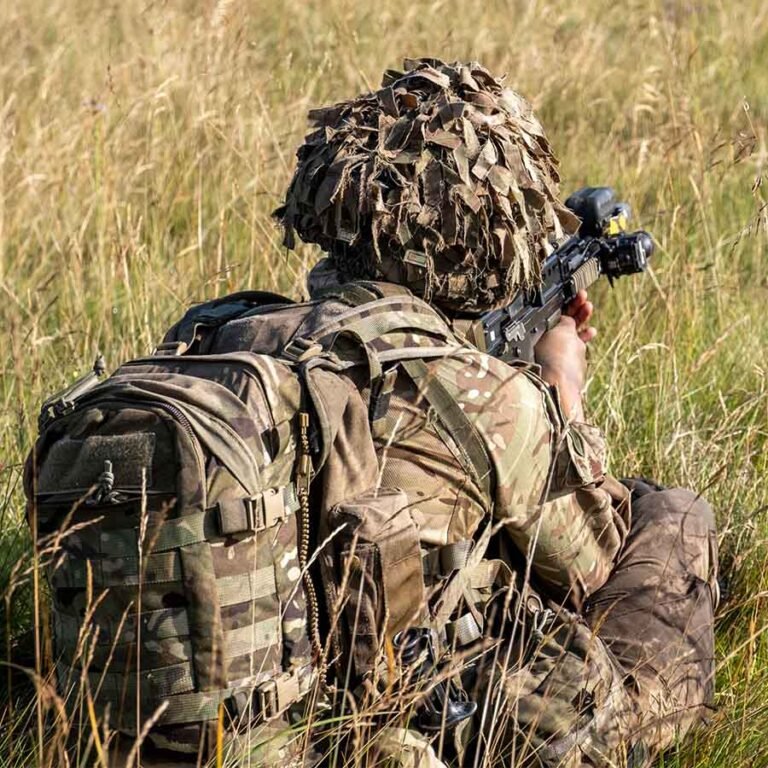
As a tactical gear manufacturer with over 20 years of experience, ArmorGuard produces various tactical backpacks and sells them worldwide. We choose different tactical backpack material options based on each product’s function and intended use.
Many of our clients and end-users have inquired about the material selection for tactical backpacks and how to choose the appropriate materials.
Experienced tactical bag manufacturers select fabrics, webbing, zippers, and reinforcement materials based on expected use, durability requirements, and target prices.
Today, I will explain several common materials used in tactical backpacks and compare their main differences. I hope this knowledge is helpful to you.
Here are 6 main tactical backpack materials.
1.Tactical Backpack Material: Shell Fabrics
Tactical backpacks typically use 500D and 1000D nylon Cordura ,Polyester fiber and tear resistant fabric.
- 500D nylon achieves a good balance between durability, weight, and flexibility.
- 1000D nylon provides greater wear resistance and tear resistance for heavy-duty applications.
- Cordura Fabric is highly valued for its excellent durability and wear resistance, making it a popular choice for high-end tactical bags.
- Polyester, such as 600D or 900D, is typically chosen for its affordability, durability, and excellent UV resistance.
Some tactical backpacks also use ripstop nylon or polyester, which features a reinforced mesh structure that helps prevent small tears from spreading. The fabric can also be coated with PU or TPU coating to improve water resistance.
Nylon vs Polyester : Which is the Better Tactical Backpack Material?
Nylon has excellent abrasion resistance, tear strength, and strength to weight ratio, making it an ideal choice for heavy tactical use, despite absorbing more moisture.
Polyester is more UV-resistant, dries faster, has better color retention, is lower in cost, but has lower wear resistance, making it more suitable for lighter or lower budget packaging.

Nylon Fabric

Polyester Fabric
Cordura vs Nylon : Which is the Better Tactical Backpack Material?
Cordura is a brand of high-tenacity nylon with excellent abrasion resistance and durability. Standard nylon is a broader category, and its performance may vary. Cordura is usually superior to regular nylon in sturdy tactical applications, while still being a special form of nylon itself.
Nylon vs Oxford Fabric : Which is the Better Tactical Backpack Material?
Nylon is a high toughness fiber that has excellent abrasion resistance, tear strength, and strength-to-weight ratio in tactical bags. Oxford is mainly a weaving style with good structure, affordability, and moderate durability.
Nylon is usually superior to standard Oxford in rugged field use, while Oxford is suitable for lighter or cost sensitive applications.
500D Nylon vs 1000D Nylon: Which is the Better Tactical Backpack Material?
500D nylon is lighter and more flexible, balancing durability and reduced weight in everyday or mobility focused tactical backpack. 1000D nylon is thicker, harder, and more wear-resistant, making it more suitable for heavy-duty, high wear applications and extreme field conditions.
500D Cordura vs 1000D Cordura: Which is the Better Tactical Backpack Material?
The 500D Cordula is lighter in weight and has excellent durability, making it suitable for multifunctional tactical backpacks. The 1000D Cordura is heavier and more robust, providing greater wear and tear resistance for heavy military and tactical applications.
2.Tactical Backpack Material: Coatings
To achieve water and rain resistance, the tacticla backpack fabrics are typically treated with coatings such as PU, TPU, or DWR.
- Tactical backpacks typically have a polyurethane (PU) coating on the fabric bottom to achieve reliable waterproofing and durability at a moderate cost.
- Thermoplastic polyurethane (TPU) laminates have excellent long-term waterproofing and flexibility, making them an ideal choice for key areas such as hydration sleeves.
- Durable waterproof (DWR) finish, often free of PFC/PFAS, helps remove surface moisture.
Other treatment methods may include UV stabilizers for sun protection, mold inhibitors, and infrared (IR) signature management for military applications. These enhance weather protection without completely affecting breathability or weight.
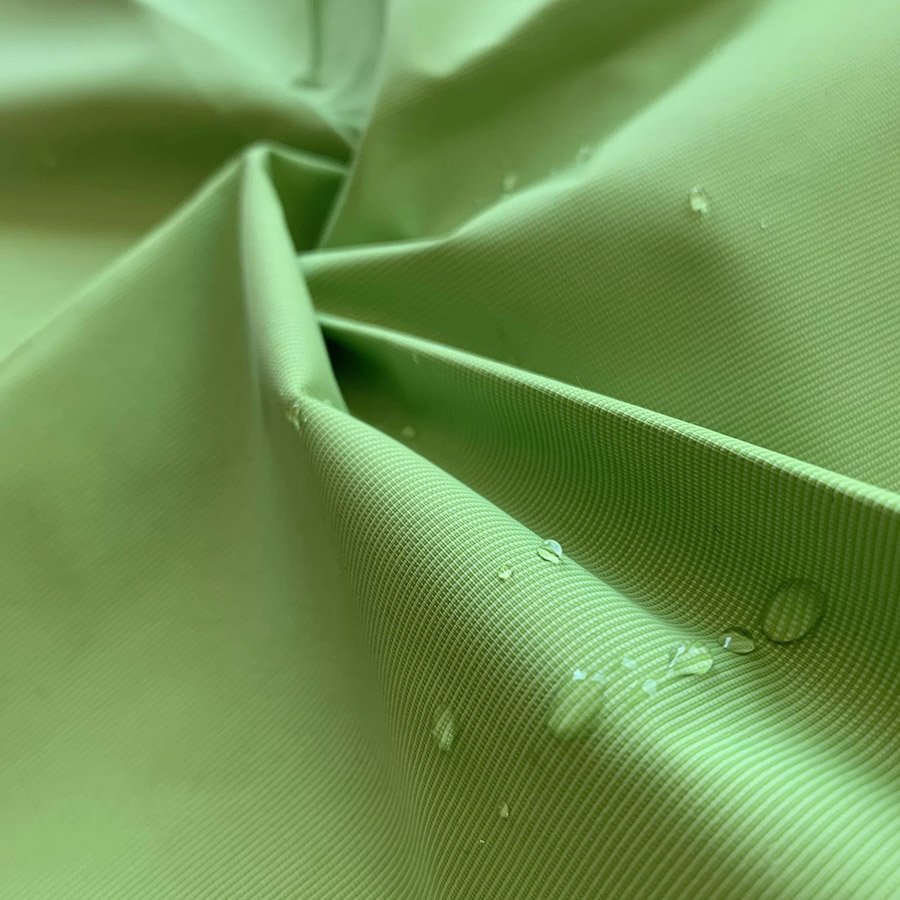
pu coating fabric
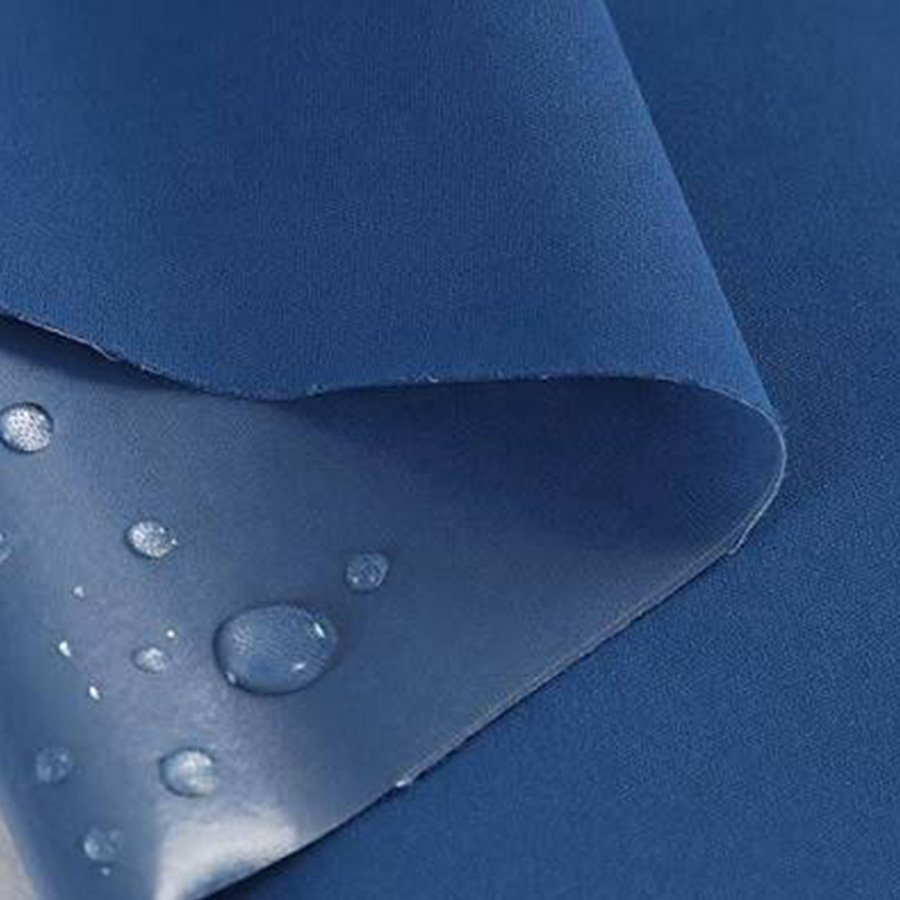
TPU coating fabric
3.Tactical Backpack Material: Webbing/straps
The commonly used webbing on tactical backpacks include nylon and polyester straps, with nylon being particularly popular due to its high tensile strength, flexibility, and wear resistance.
MOLLE/PALS webbing is another basic type, usually sewn onto backpacks to connect pouches and accessories. Some modern tactical bags use laser-cut MOLLE, which can reduce weight and create cleaner profile.
Nylon Webbing vs Polyester Webbing: Which is the Better Tactical Backpack Material?
Nylon webbing provides higher tensile strength, controllable stretching, and excellent wear resistance for load-bearing belts. Polyester webbing has better UV resistance, lower moisture absorption, and less elasticity, making it more stable in size, but it is usually not very durable under extreme pressure.
Sewn MOLLE vs Laser-Cut MOLLE : Which is the Better Tactical Backpack Material?
Sewn MOLLE uses stitched nylon webbing, which has proven durability, high load-bearing capacity, and easy field repair, but increases weight and bulk.
Laser-cut MOLLE creates slots on laminated fabrics to achieve a lighter, thinner, lower-profile, snag-resistant design, although it can be less repairable and slightly less robust under extreme abuse.
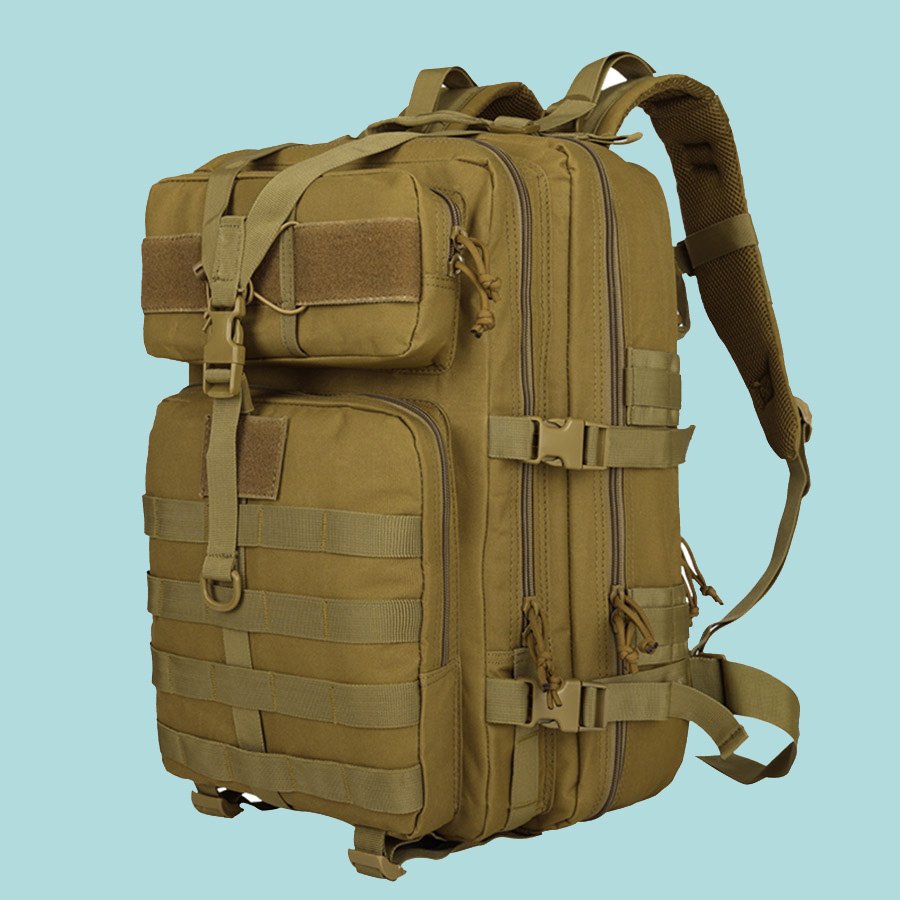
Sewn MOLLE
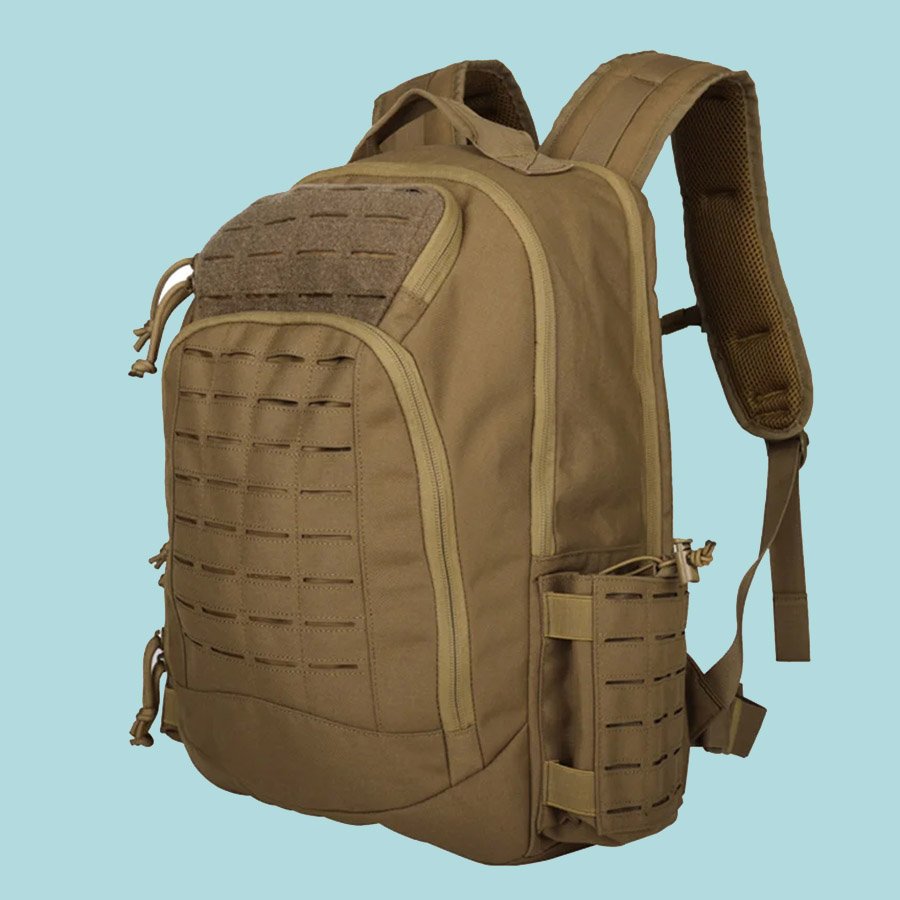
Laser-Cut MOLLE
4.Tactical Backpack Material: Padding/foam
We can see that tactical bags usually use EVA foam, PE foam and PU foam for buffering, structure and load distribution.
- EVA foam is widely used in shoulder straps, back panels, waist belts, and protective compartments because it provides good cushioning, flexibility, and elasticity.
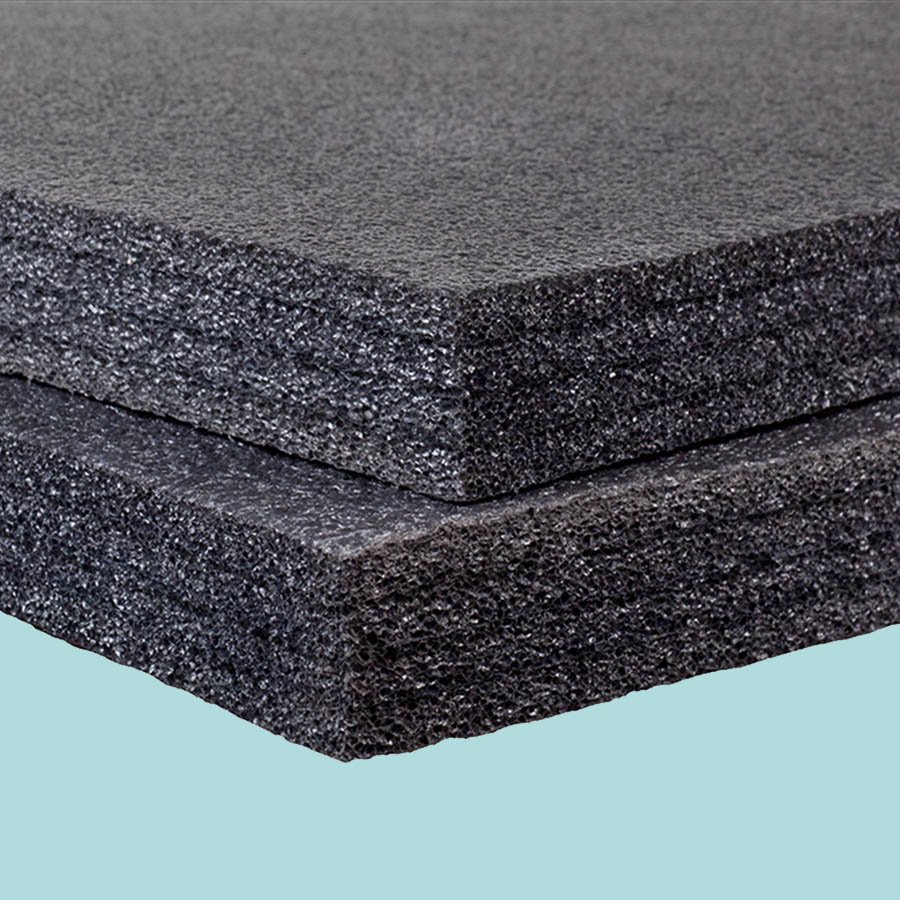
- PE foam is stronger and provides better structural support, making it suitable for backplane, reinforcement and protection inserts.
- PU foam provides soft cushioning and is often used in places where comfort is prioritized.
Many tactical backpacks also add 3D spacer mesh or breathable air mesh to the foam. These materials can improve ventilation, reduce heat accumulation, and enhance comfort when worn for extended periods of time.
EVA Foam vs PE Foam: Which is the Better Tactical Backpack Material?
EVA foam provides better cushioning, flexibility, and comfort, making it an ideal choice for shoulder straps and back panels. PE foam is firmer and harder, more suitable for structural support and reinforcement.
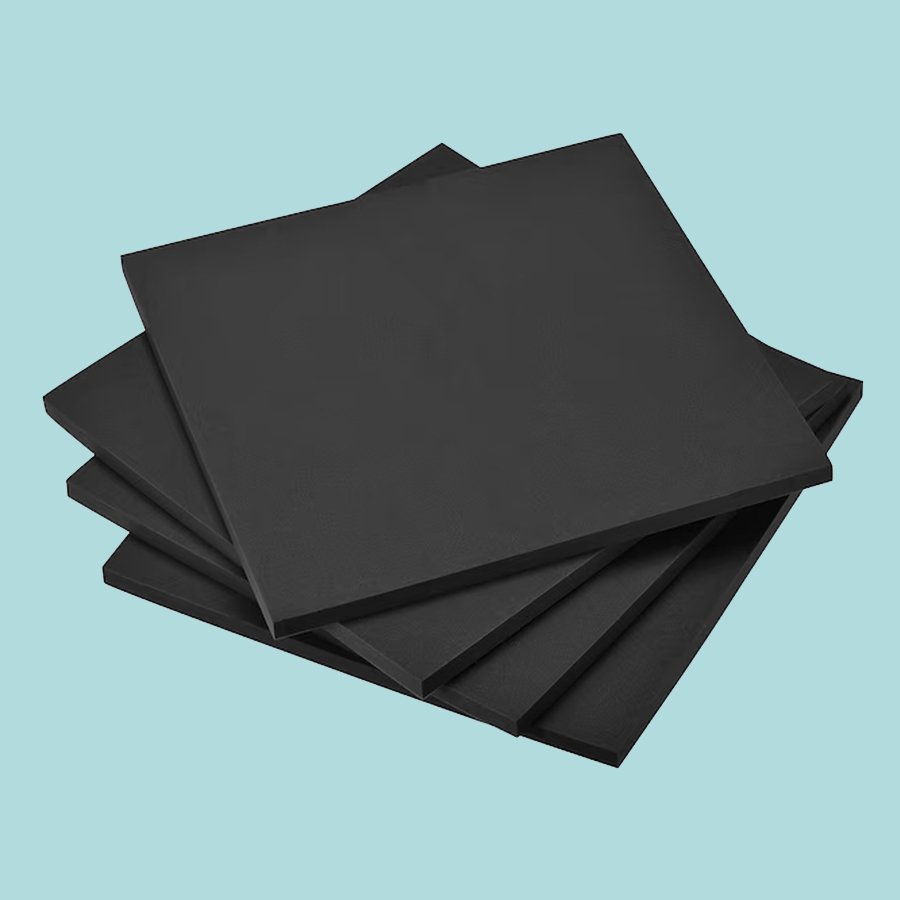
EVA Foam
PE Foam
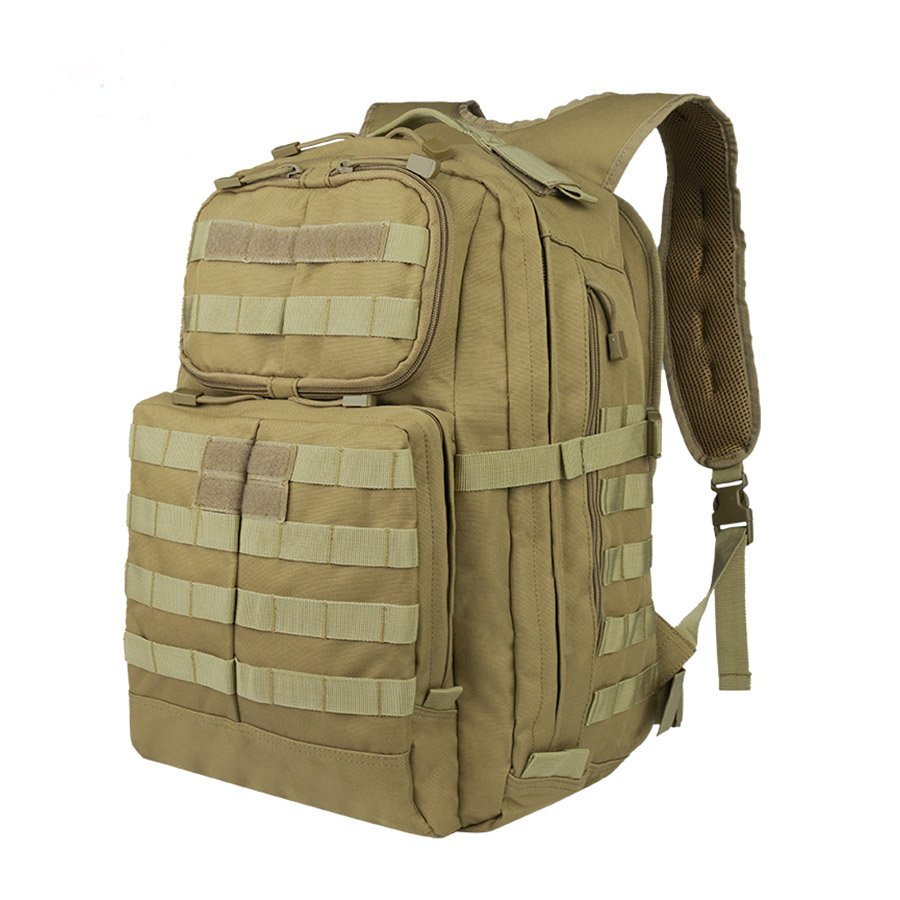
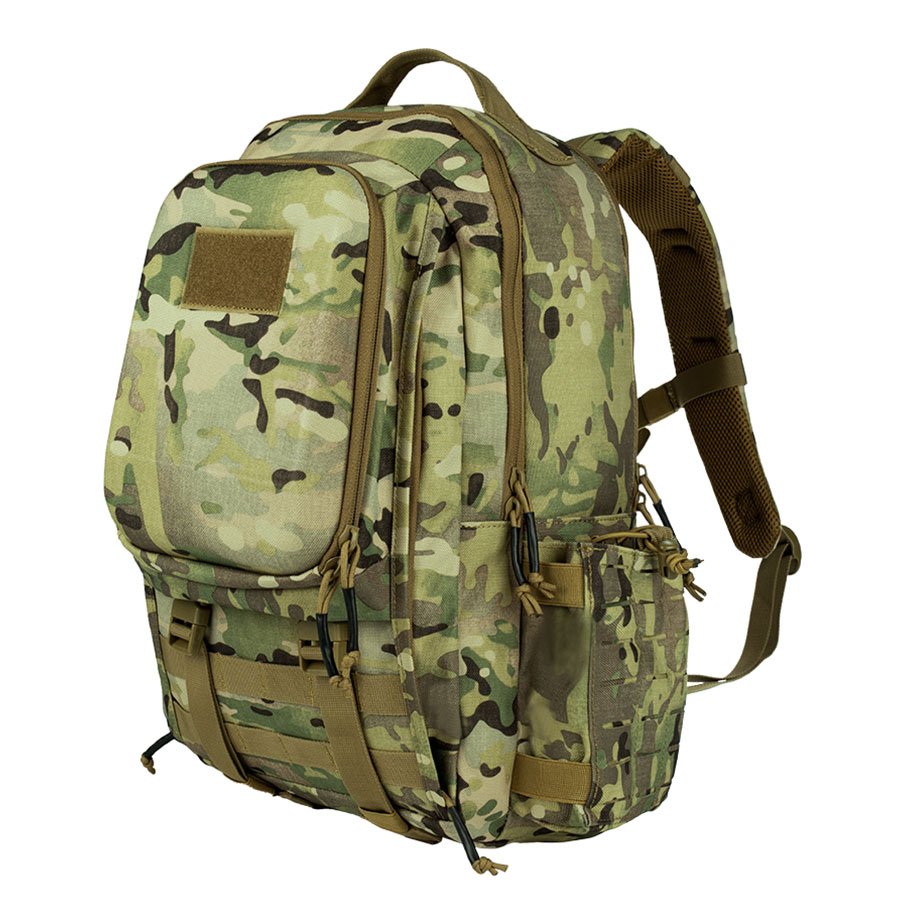
Lightweight Tactical Hiking Pack With Velcro 30L
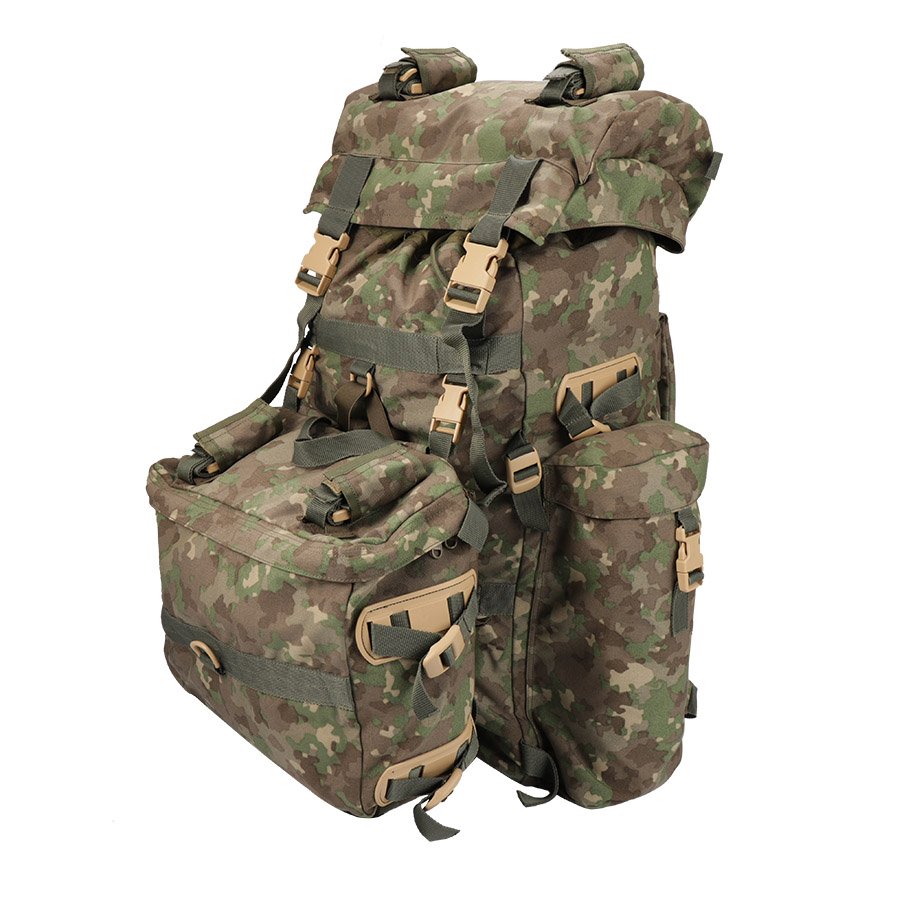
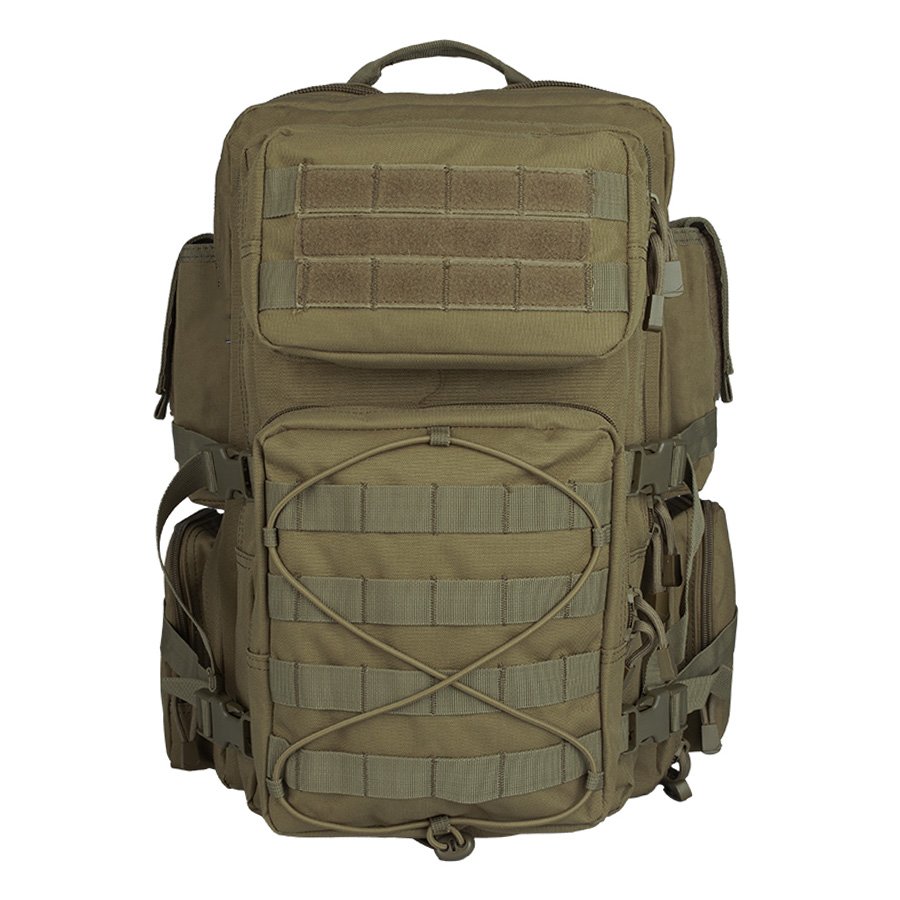
Large Modular Military Rucksack Camouflage
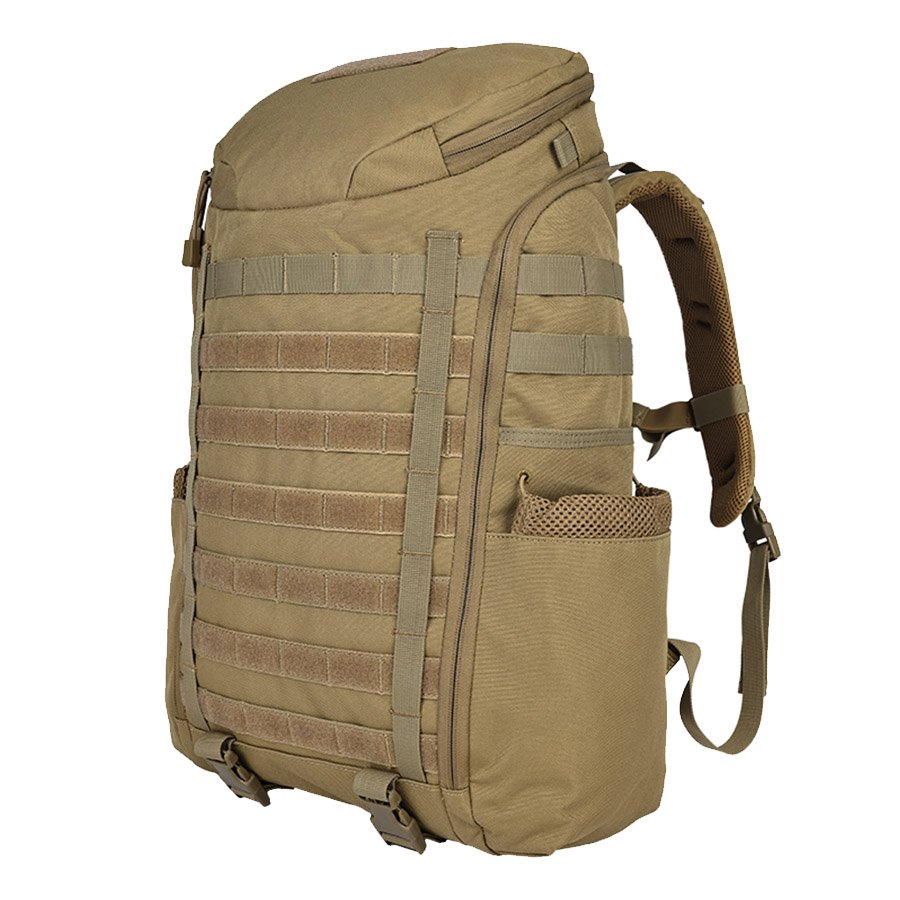
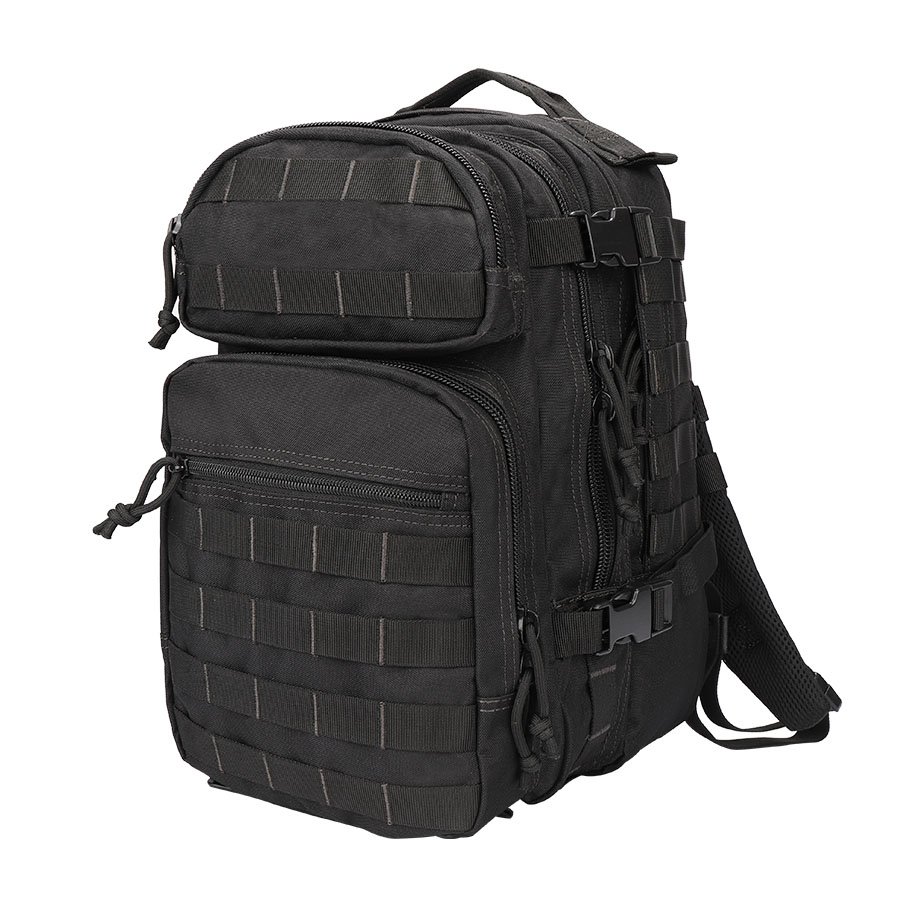
Zippered Top Lid Molle Assault Pack Coyote Brown
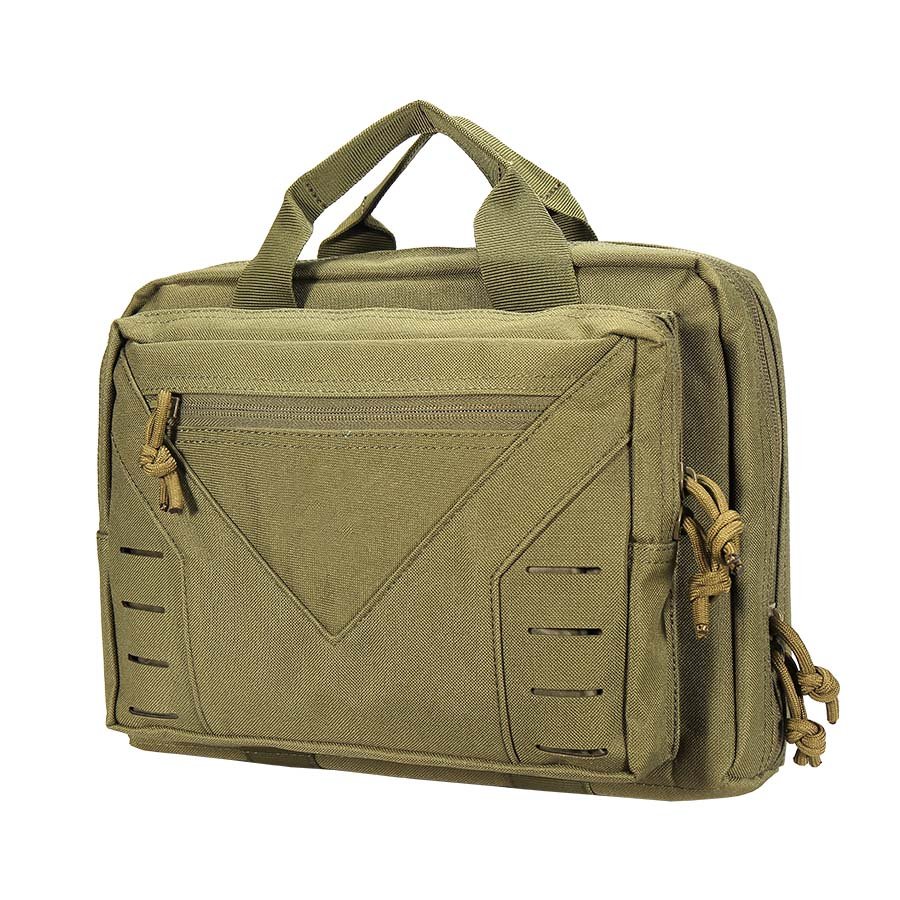
Durable Military Laptop Bag With Laser Cut Molle
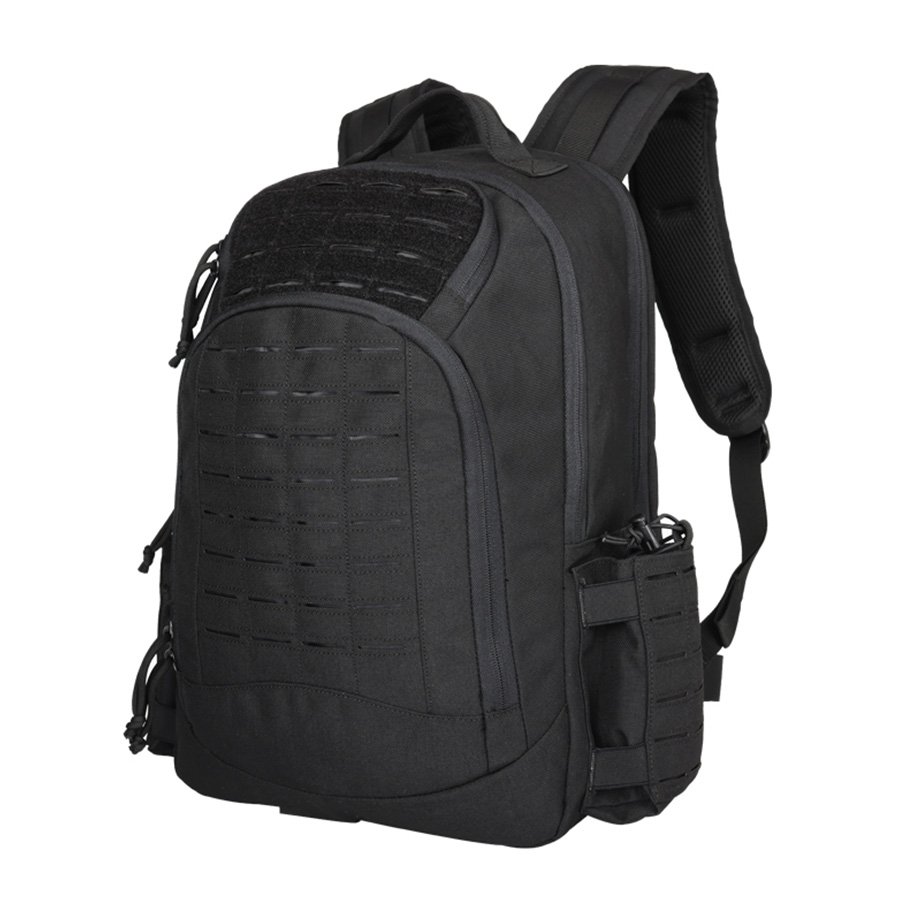
Waterproof EDC Tactical Backpack With Laser Cut Molle
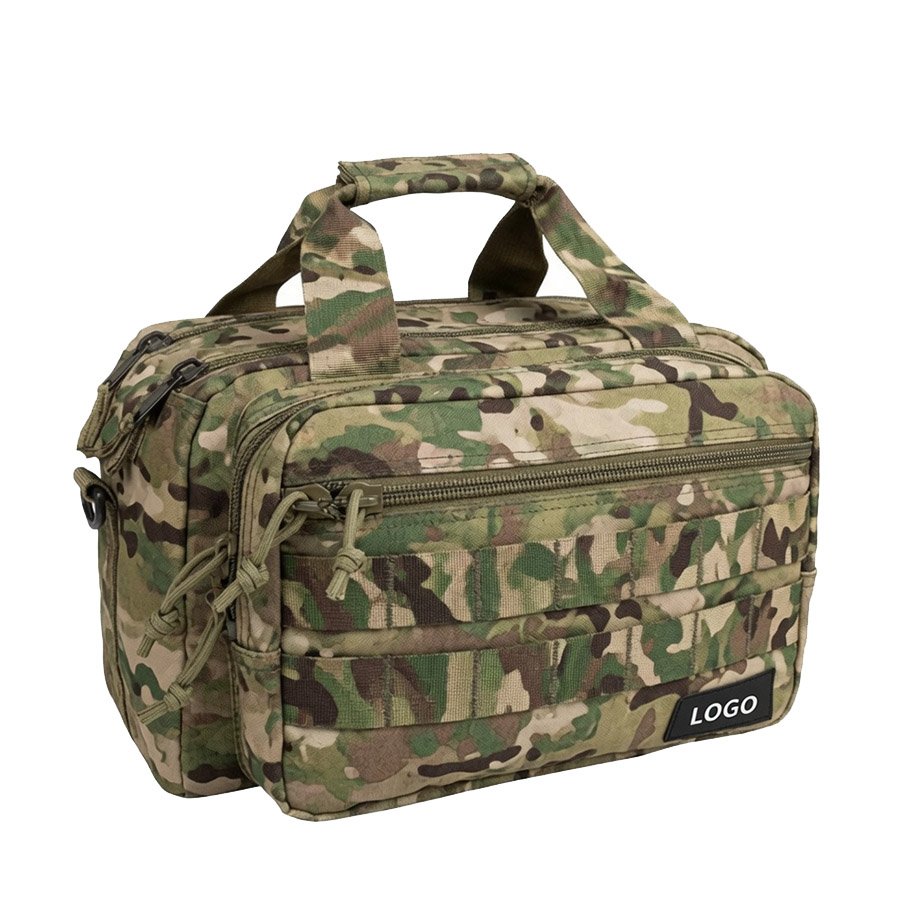
Camo Tactical Gun Range Bag With Molle Webbing
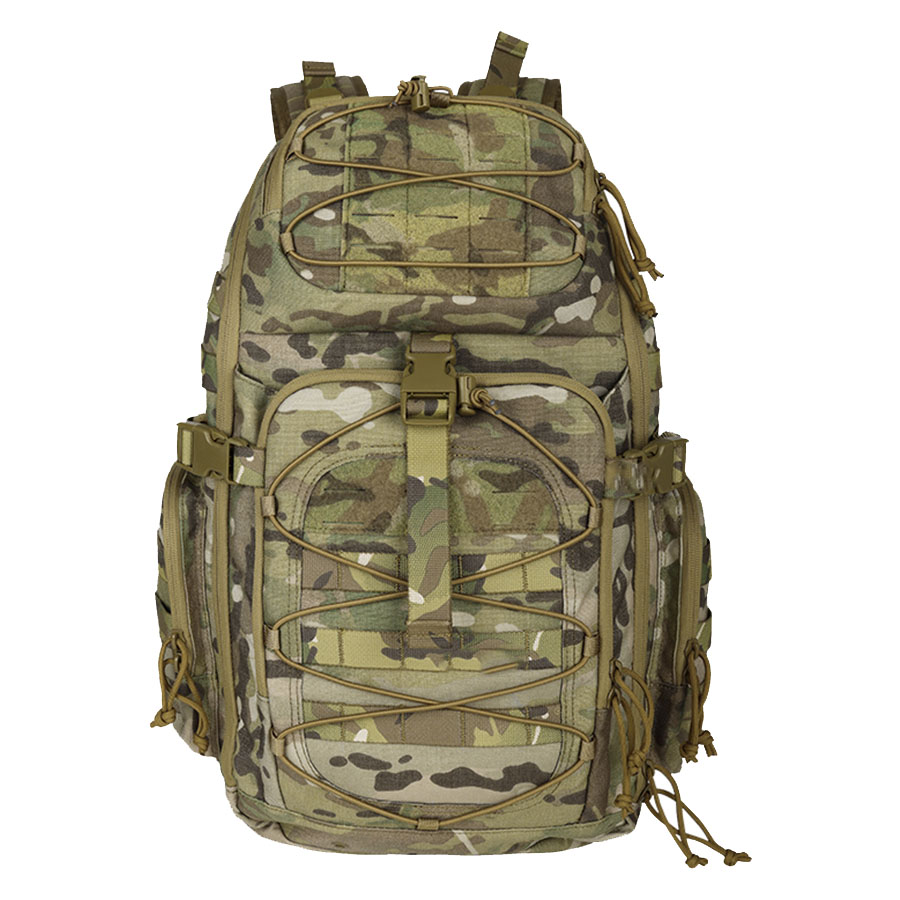
Multicam Tactical Backpack With Compression Straps
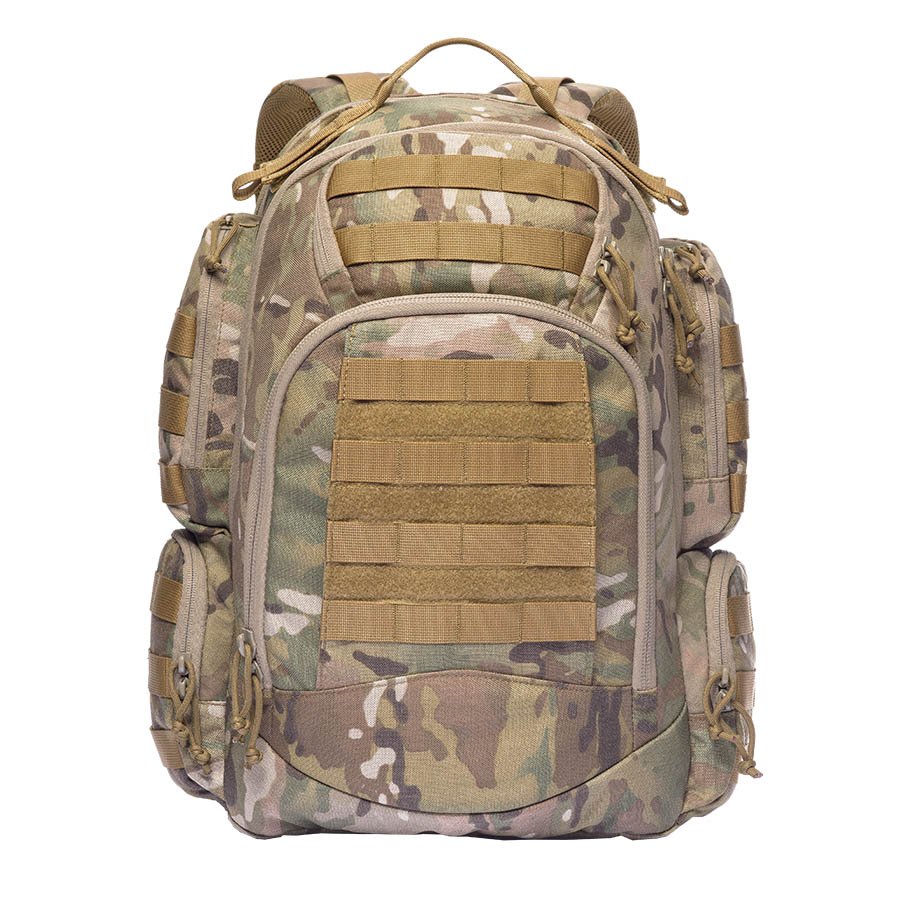
Tactical Combat Backpack For Hiking And Camping
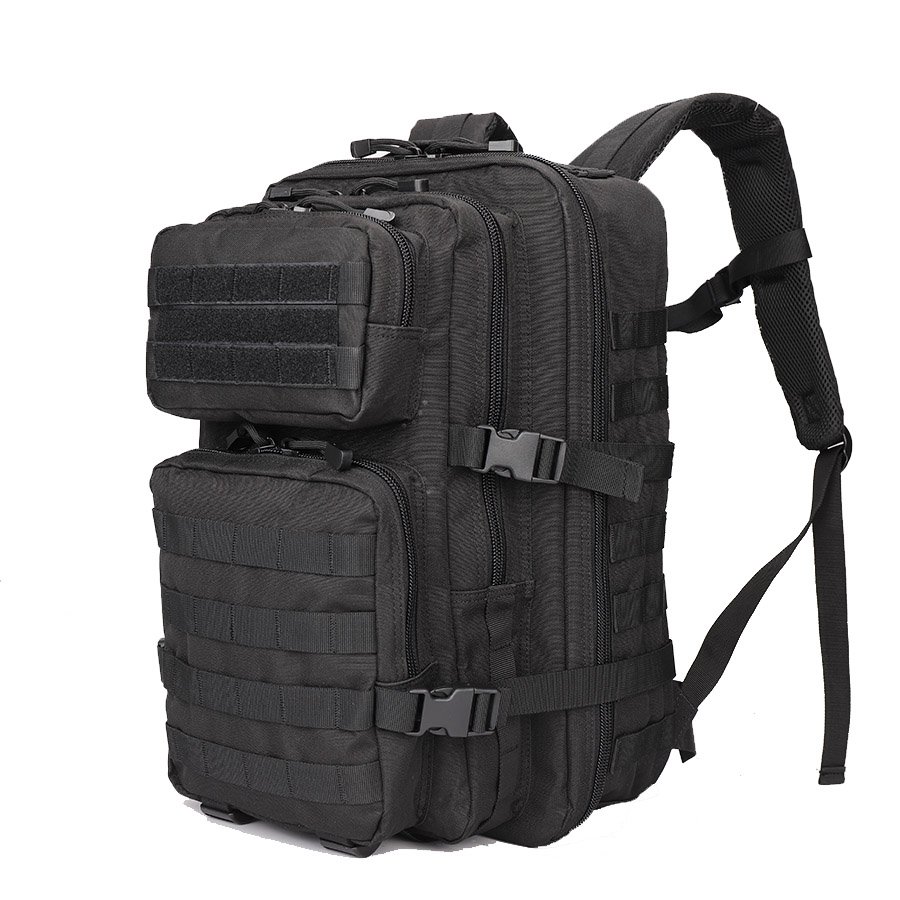
Big Tactical Molle Backpack For Hiking And Traveling
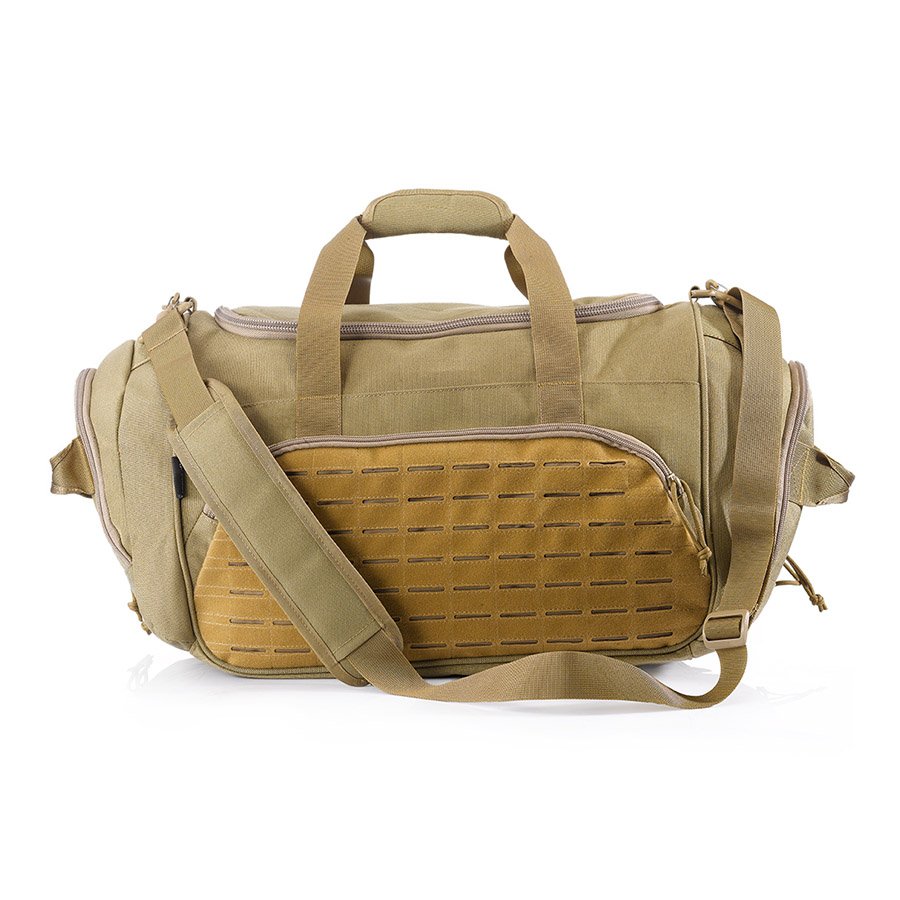
Fashion Nylon Outdoor Tactical Duffel Bag Tan
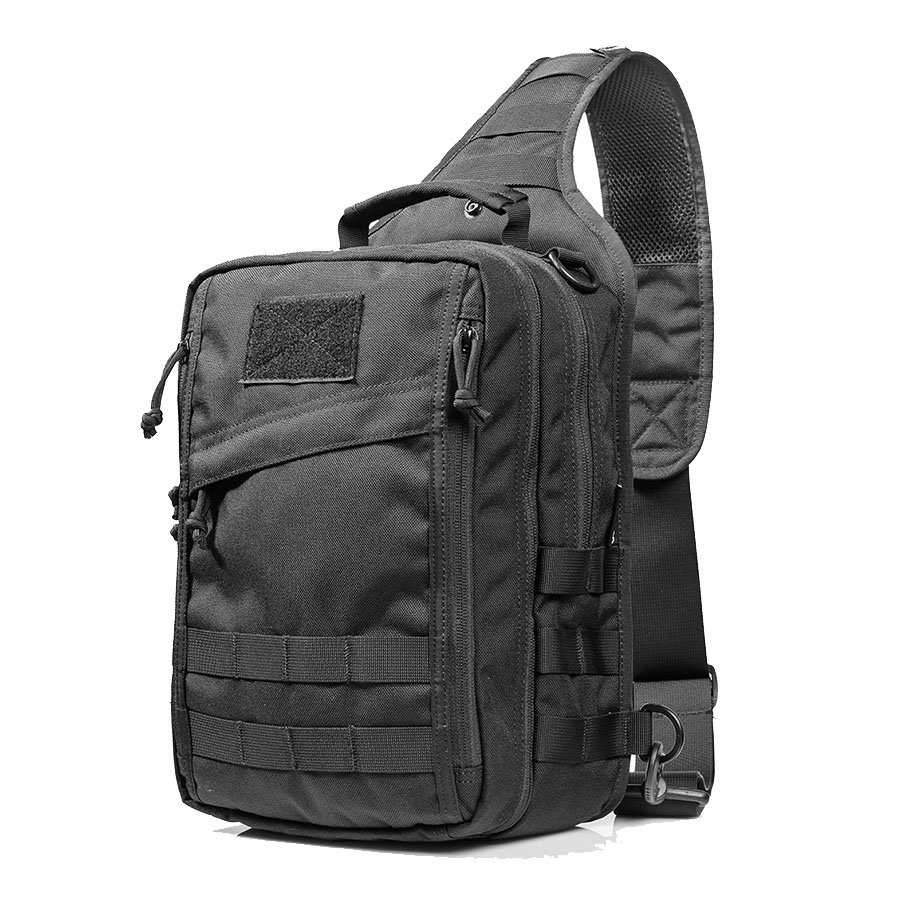
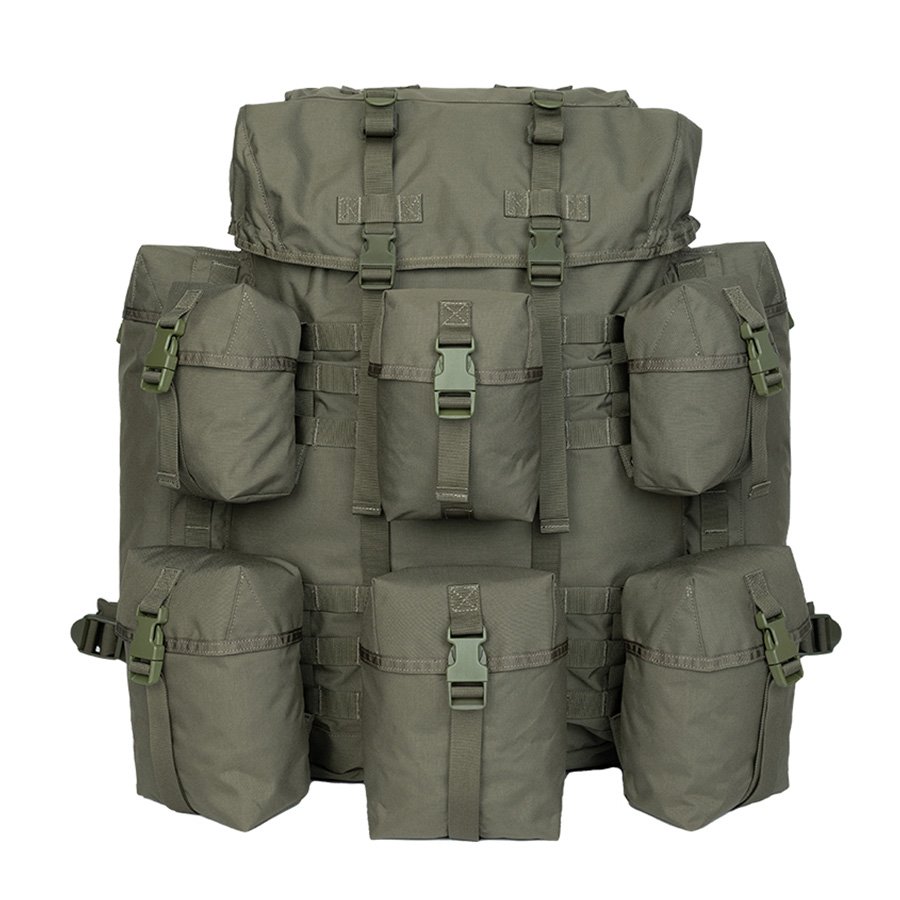
Tactical ALICE Backpack With Frame-Armorguard
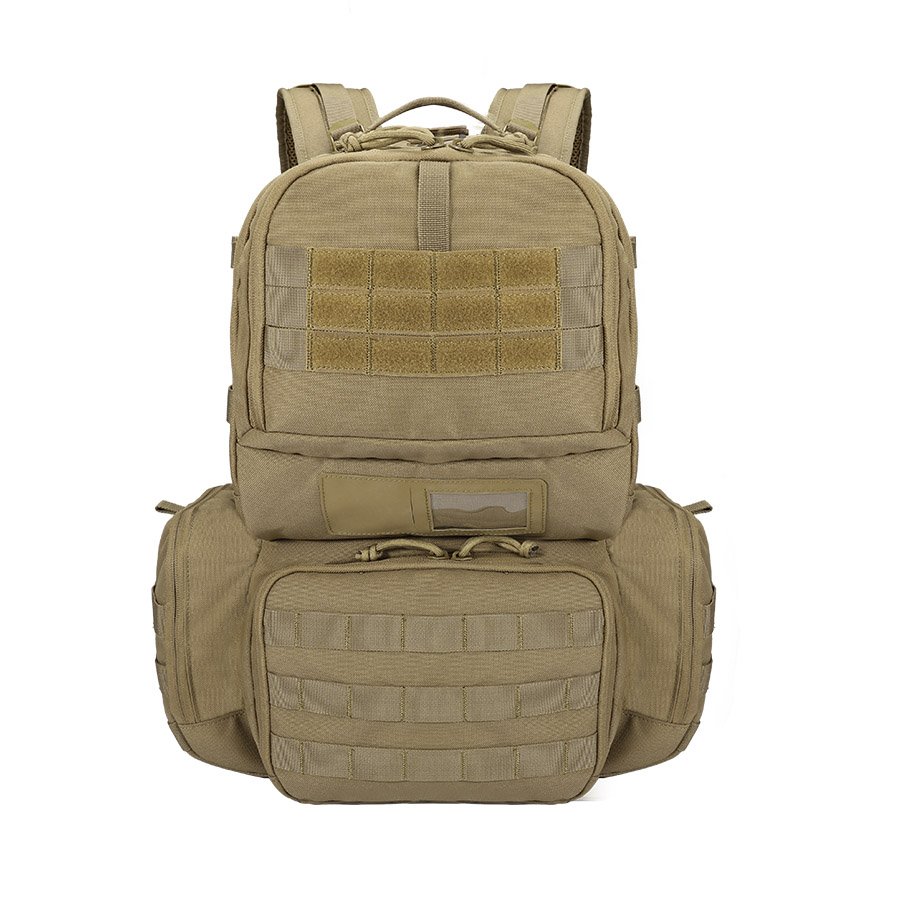
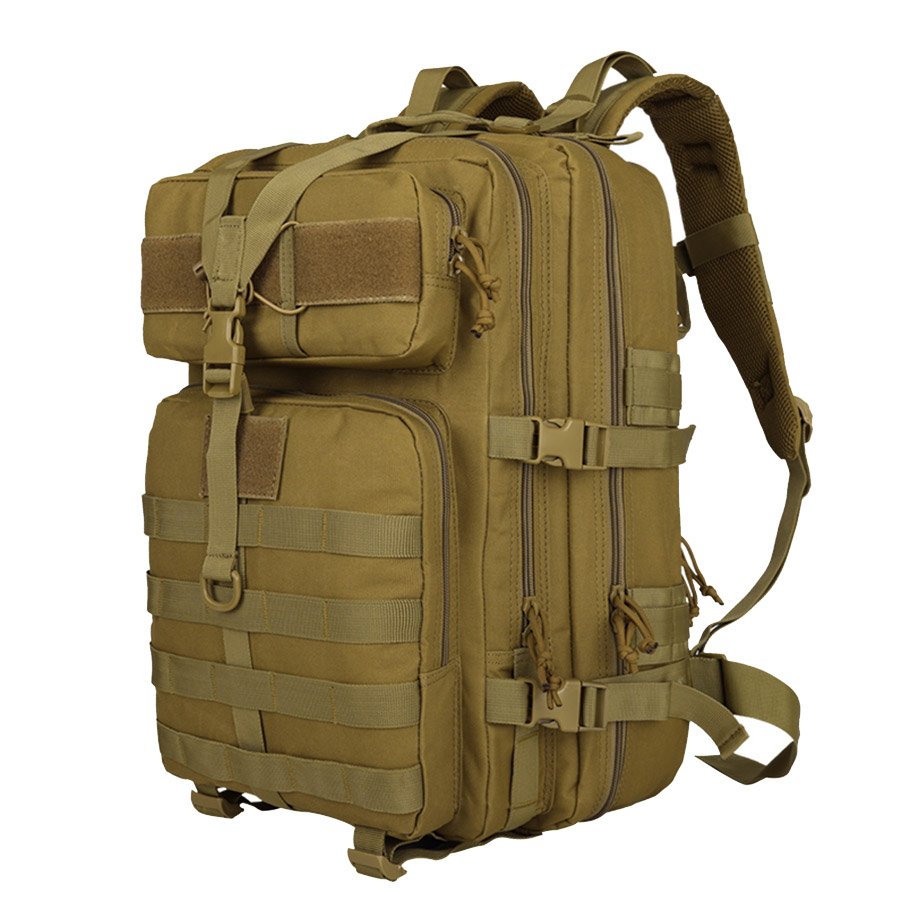
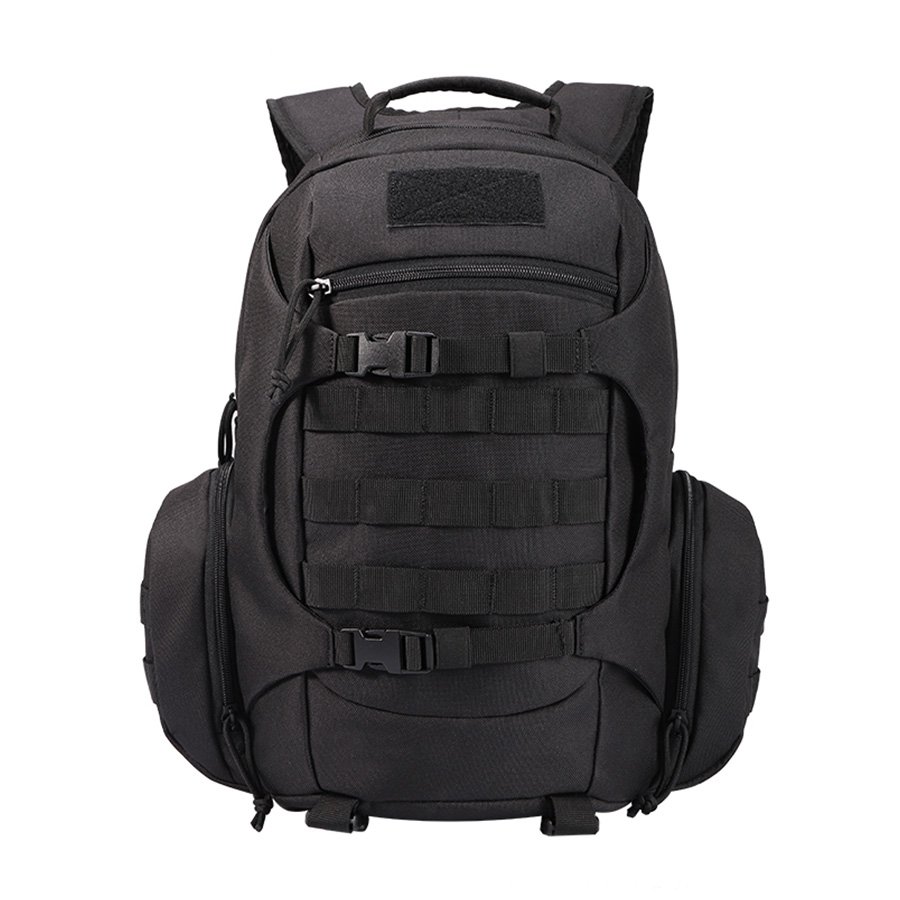
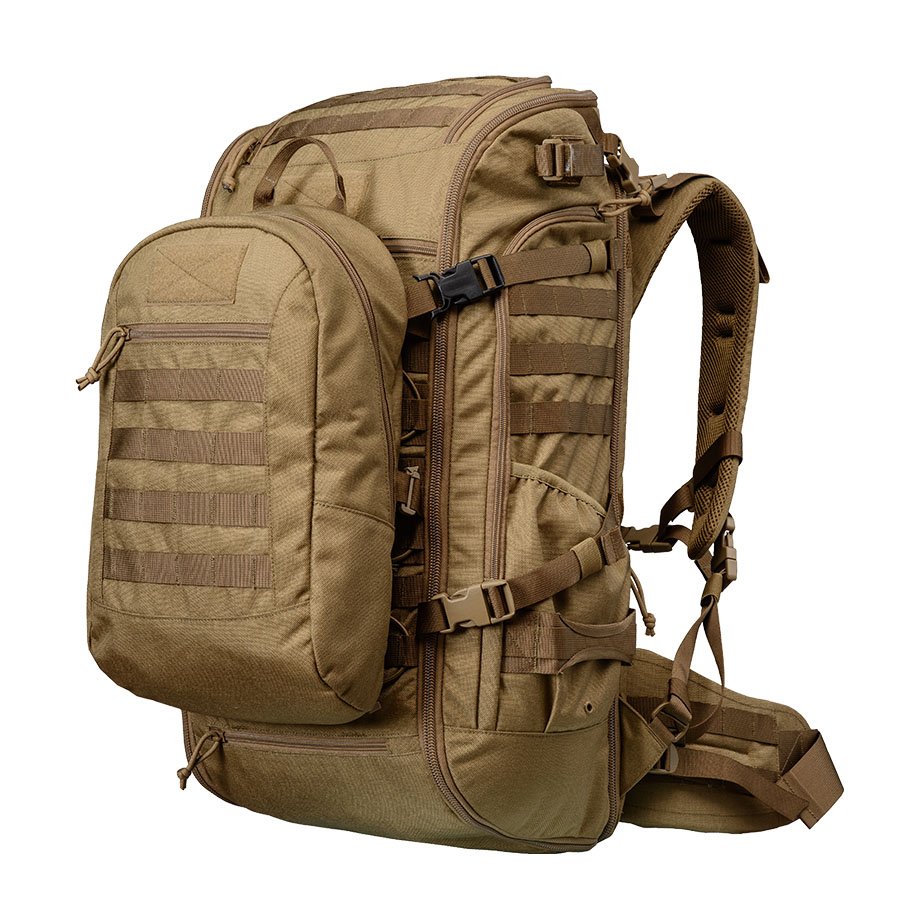
Military Assault Pack With Detachable Compartment
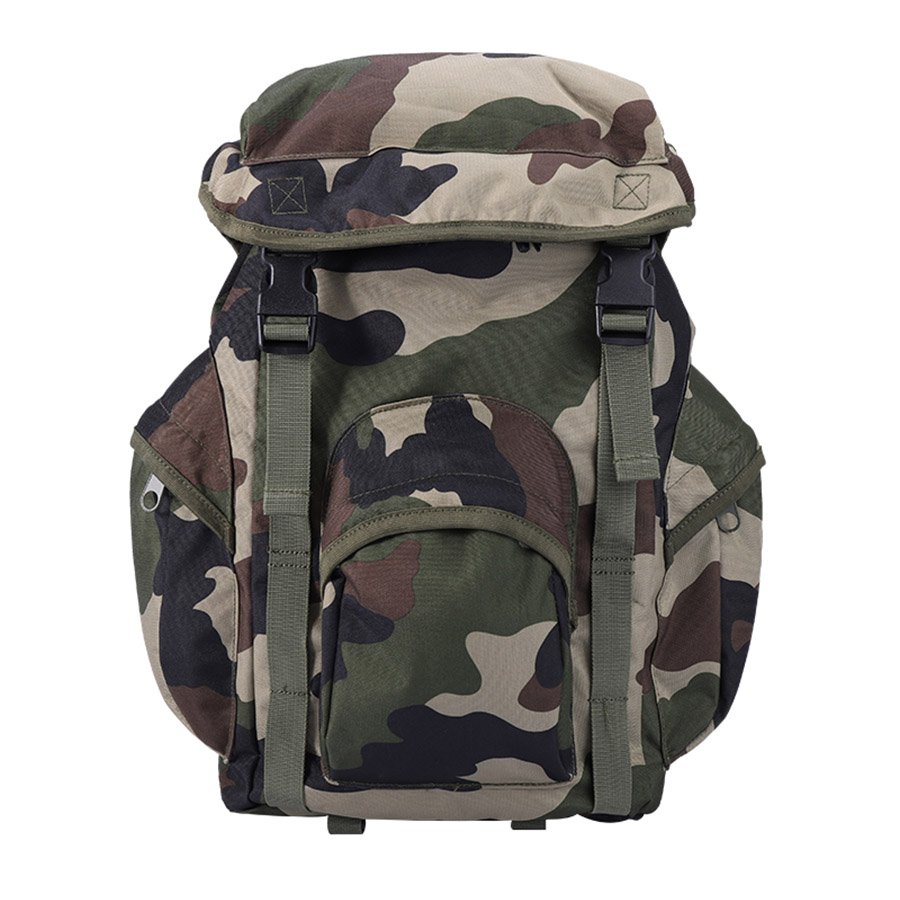
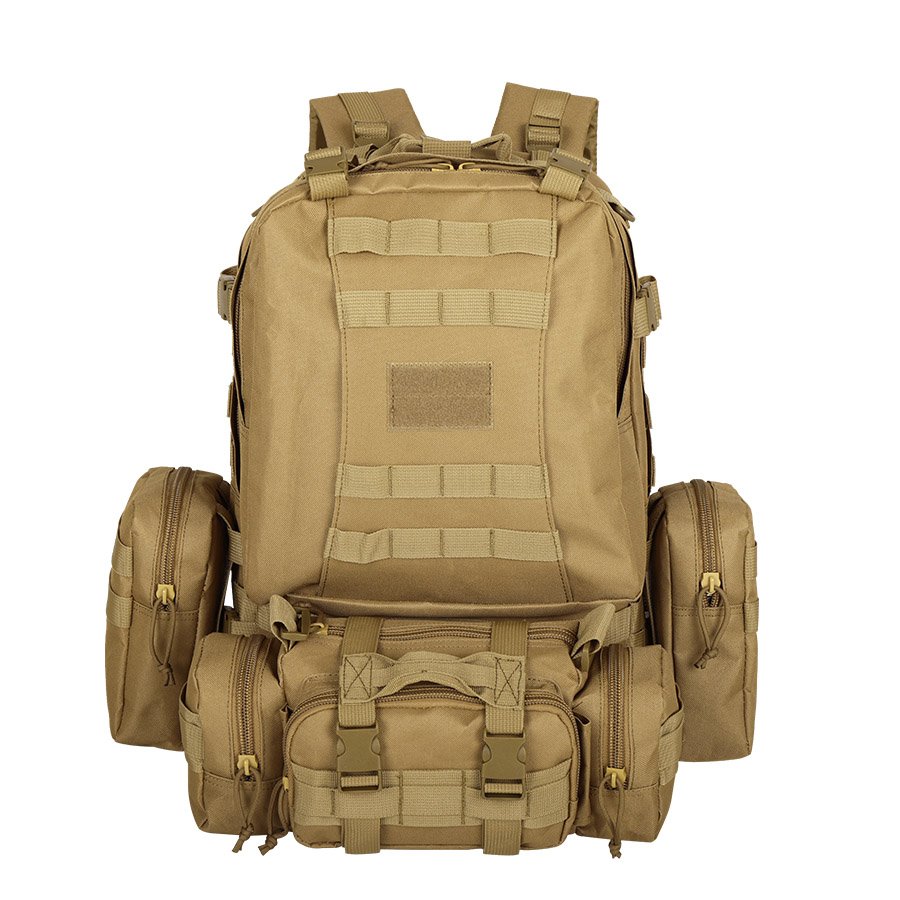
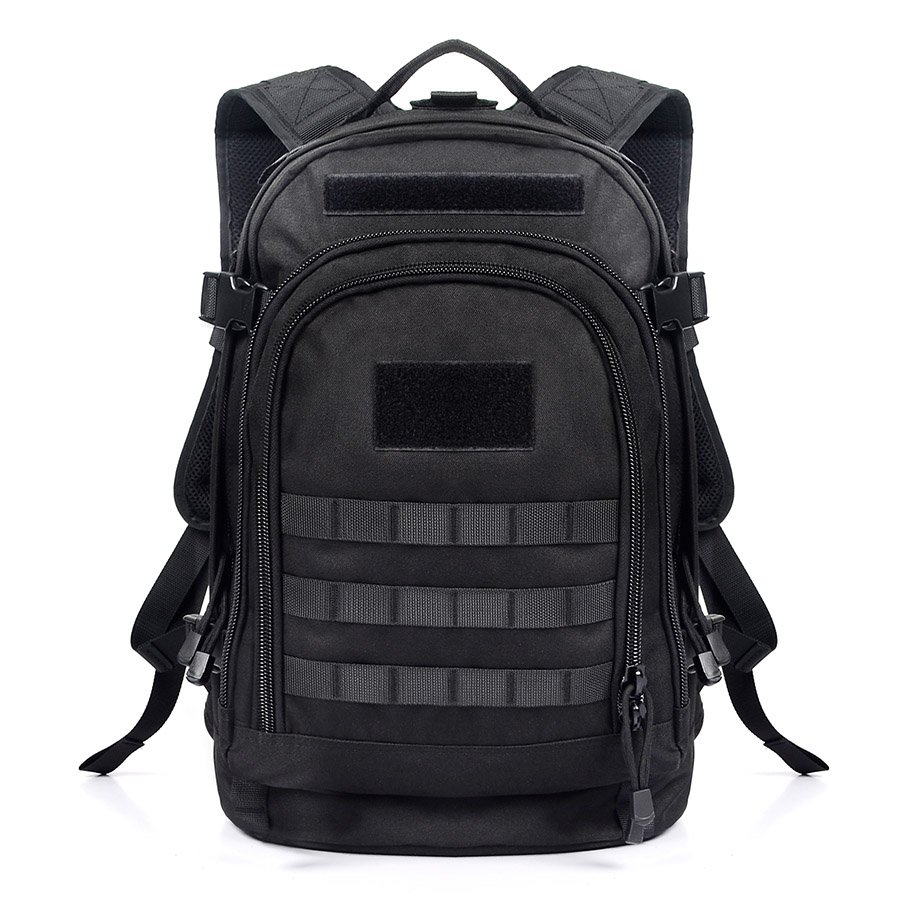
Armorguard Oxford Molle Assault Pack With Velcro
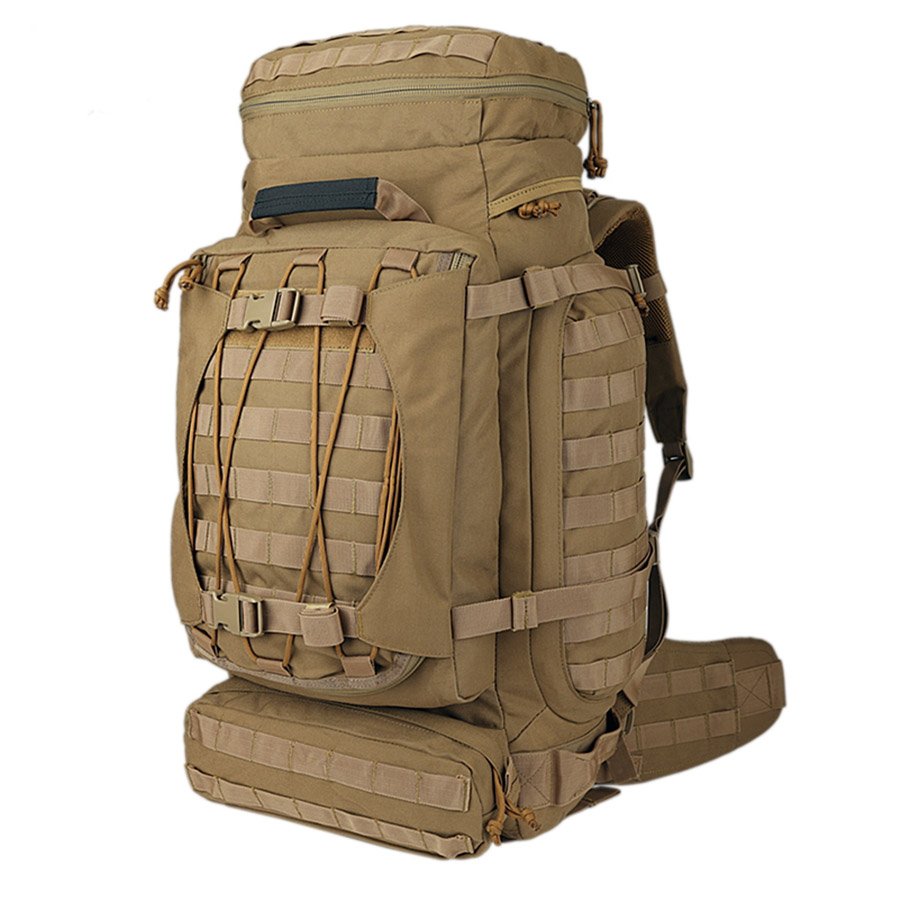
Large Military Rucksack Backpack Wholesale
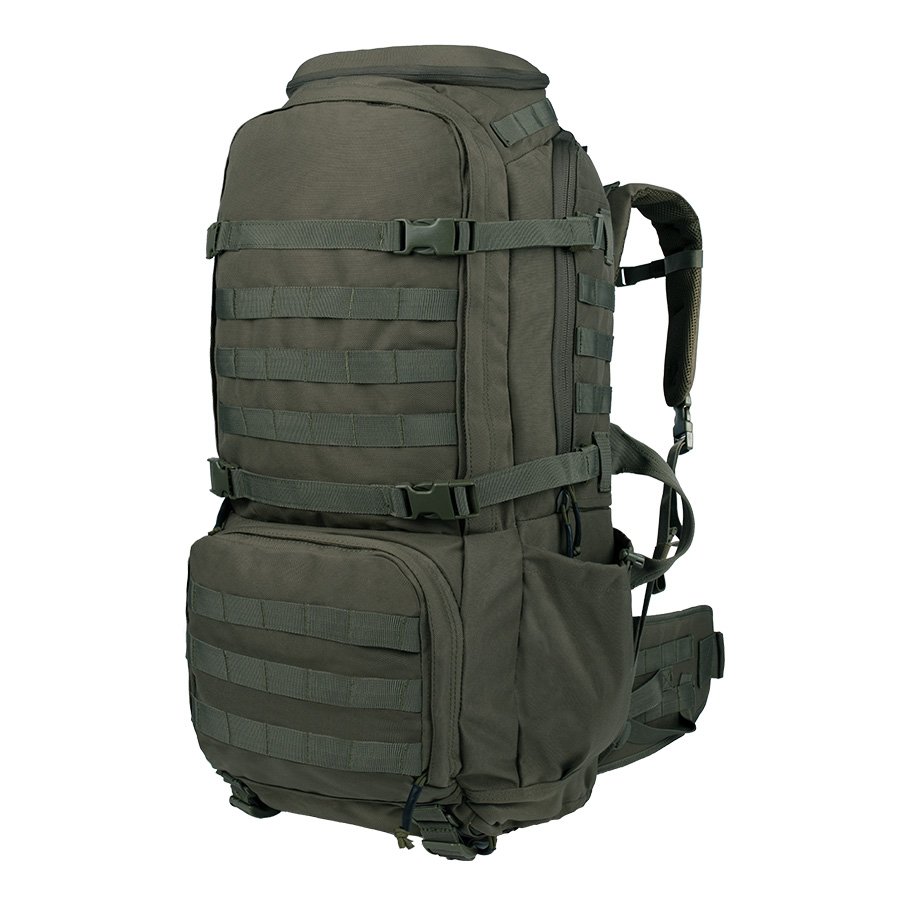
Armorguard Large Army Hiking Backpack With Molle
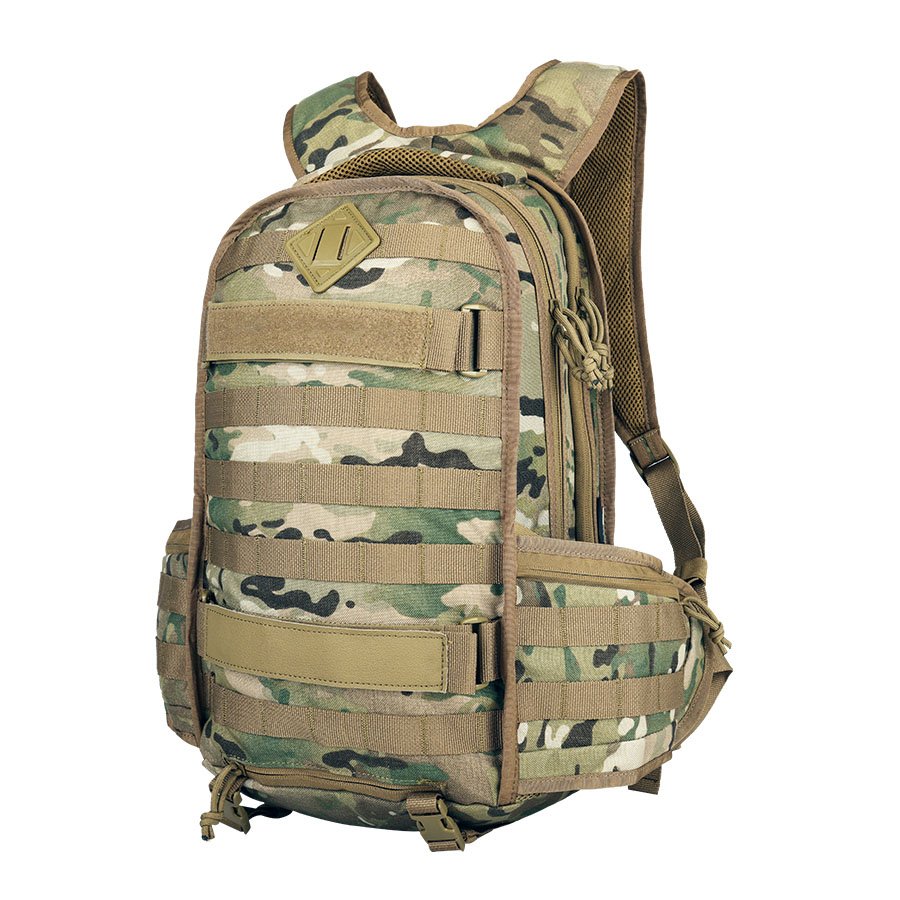
Armorguard Molle Army Camo Backpack 40L
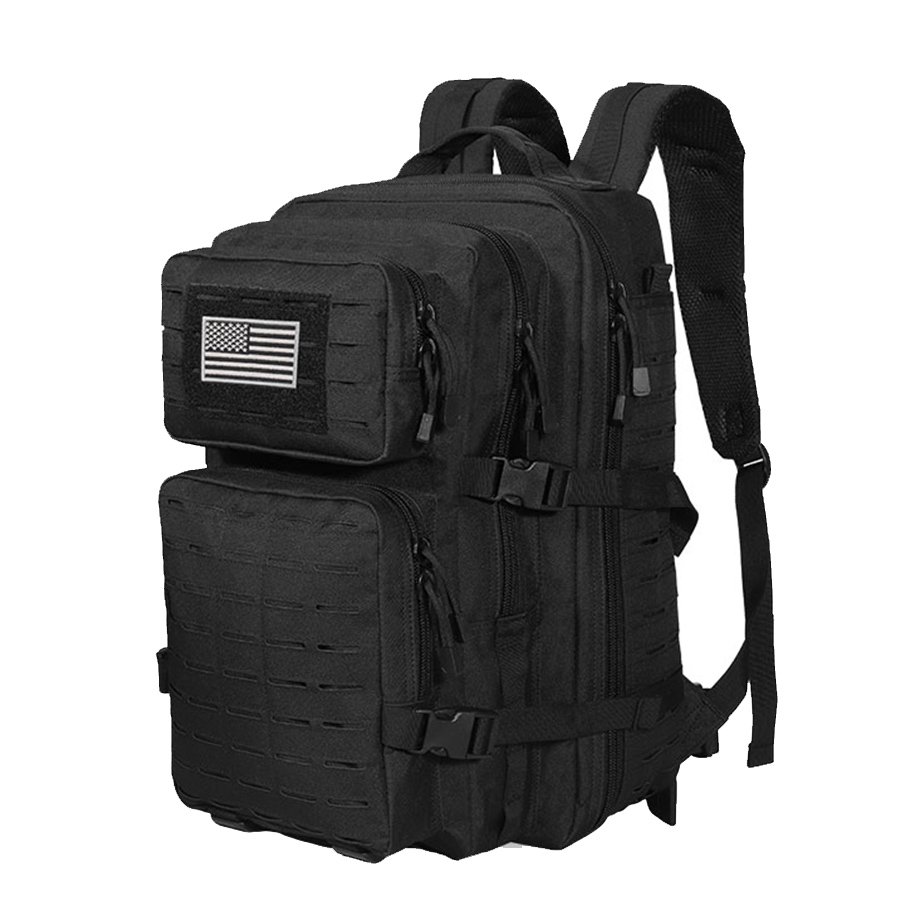
Armorguard Military Style Backpack Laser Cut Molle
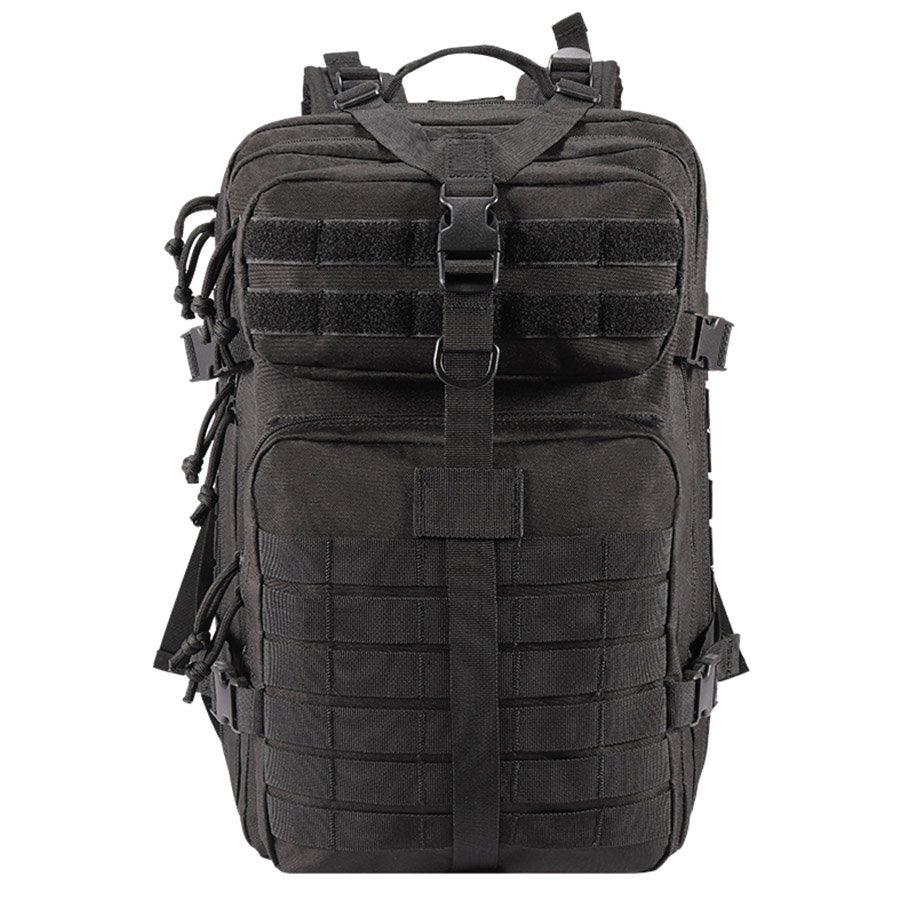
Armorguard 3P Tactical Black Backpack With Molle
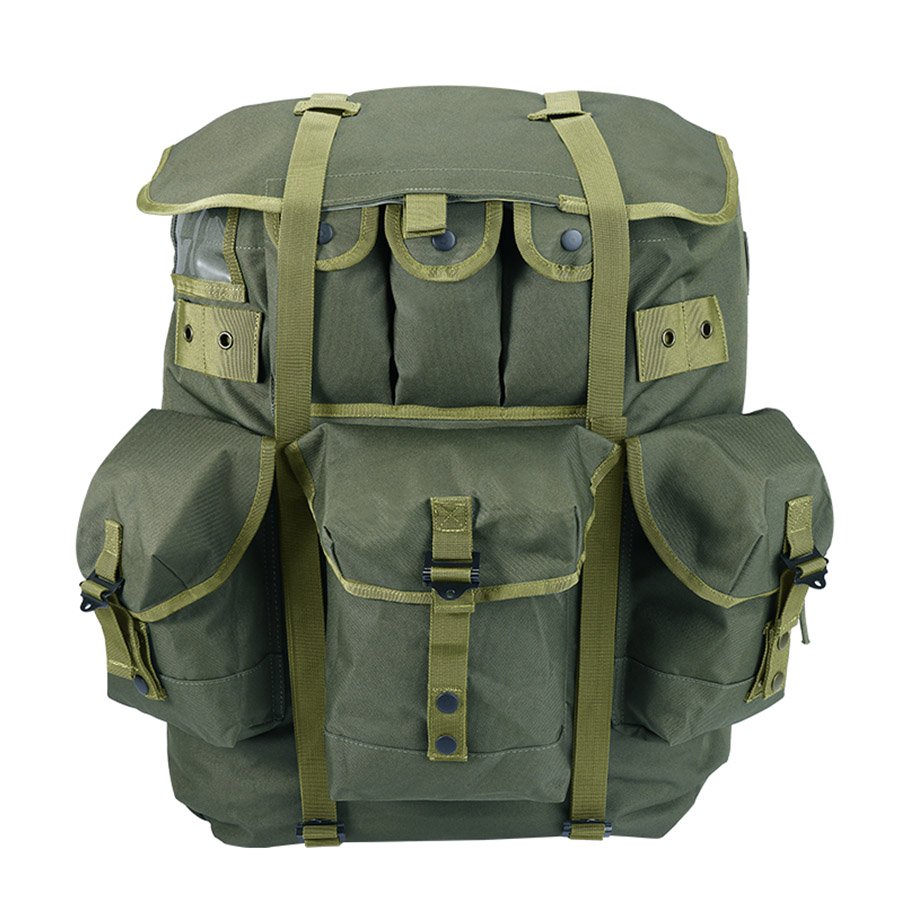
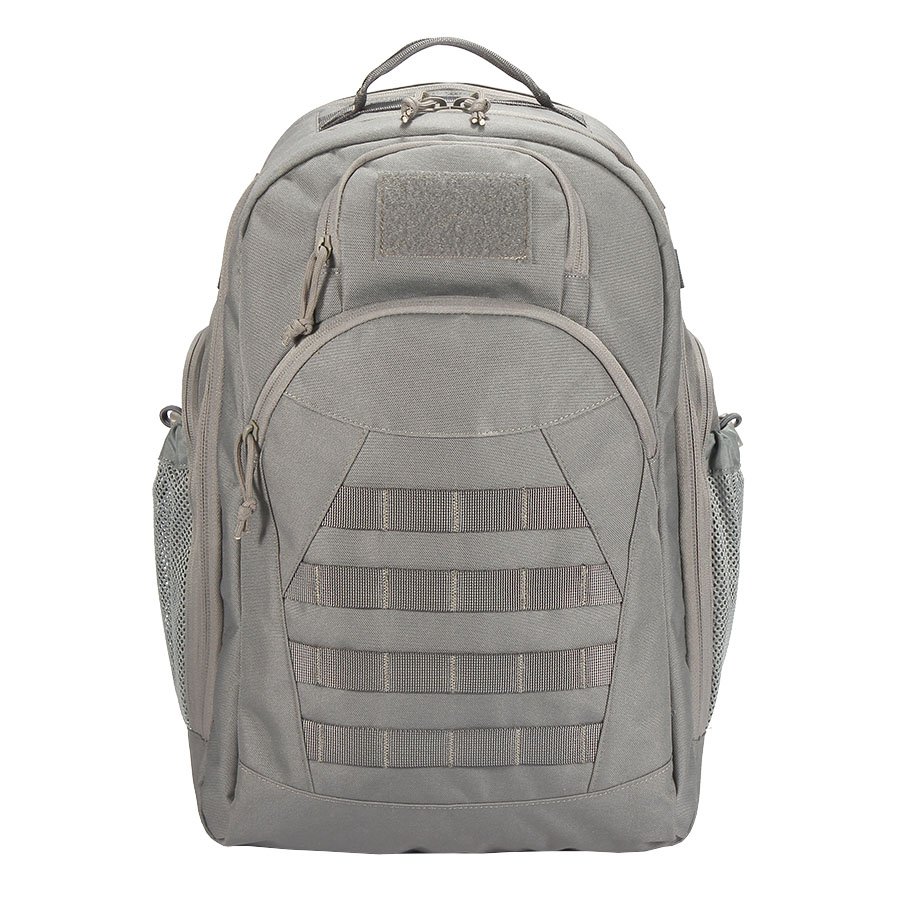
Armorguard Molle Tactical Laptop Bag Waterproof
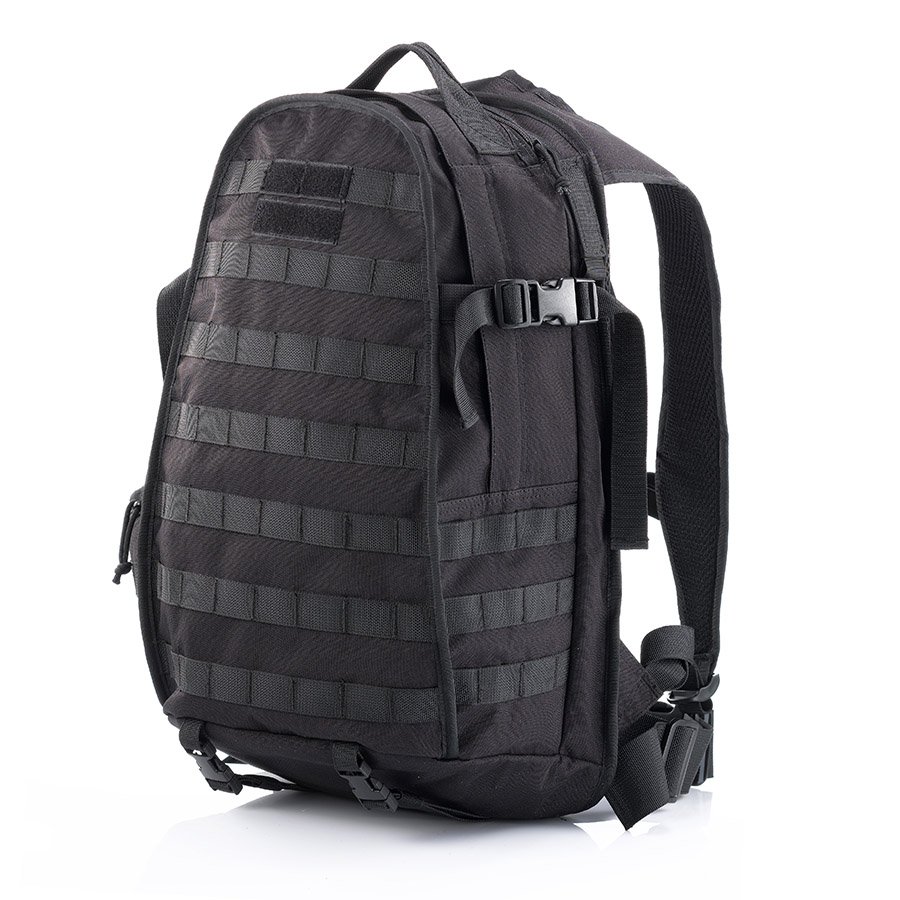
Armorguard Molle Assault Backpack Waterproof

Large Rucksack Backpack Army With Hydration Pack
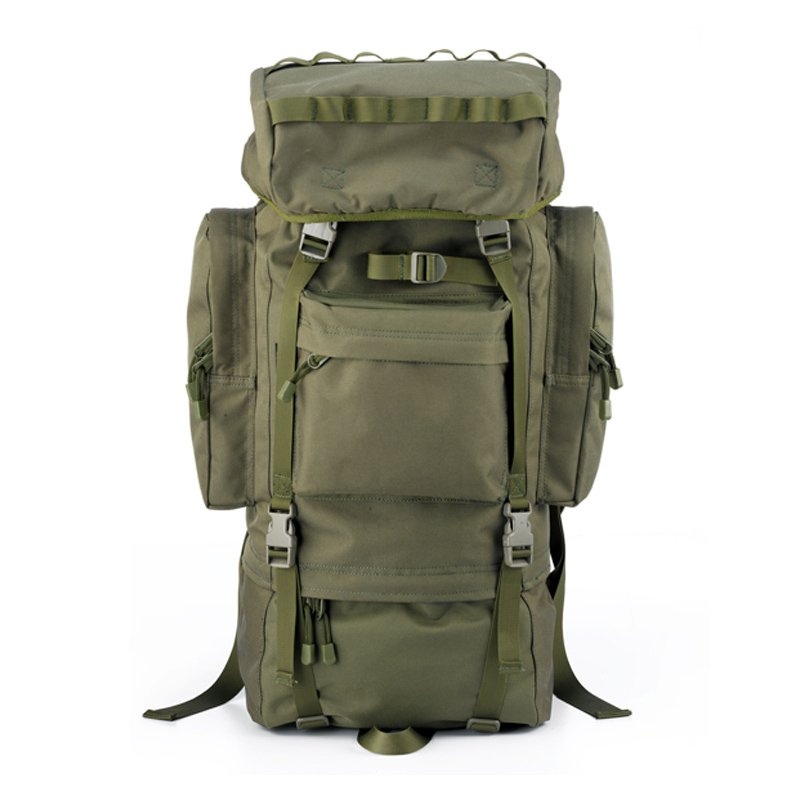
Large Tactical Hiking Backpack Multiple Pockets
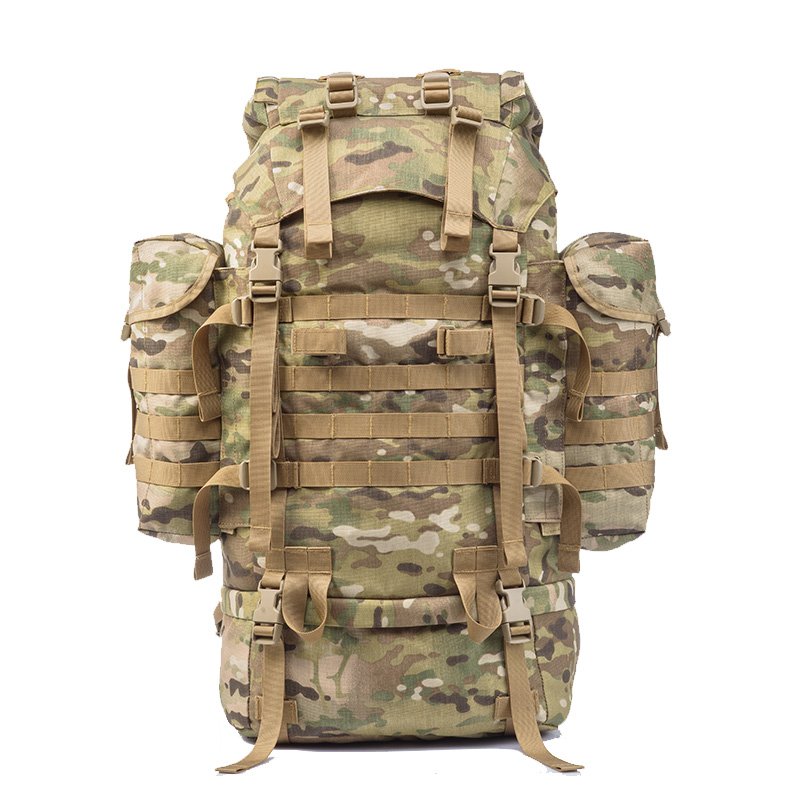
Multicam Military Style Rucksack With Molle
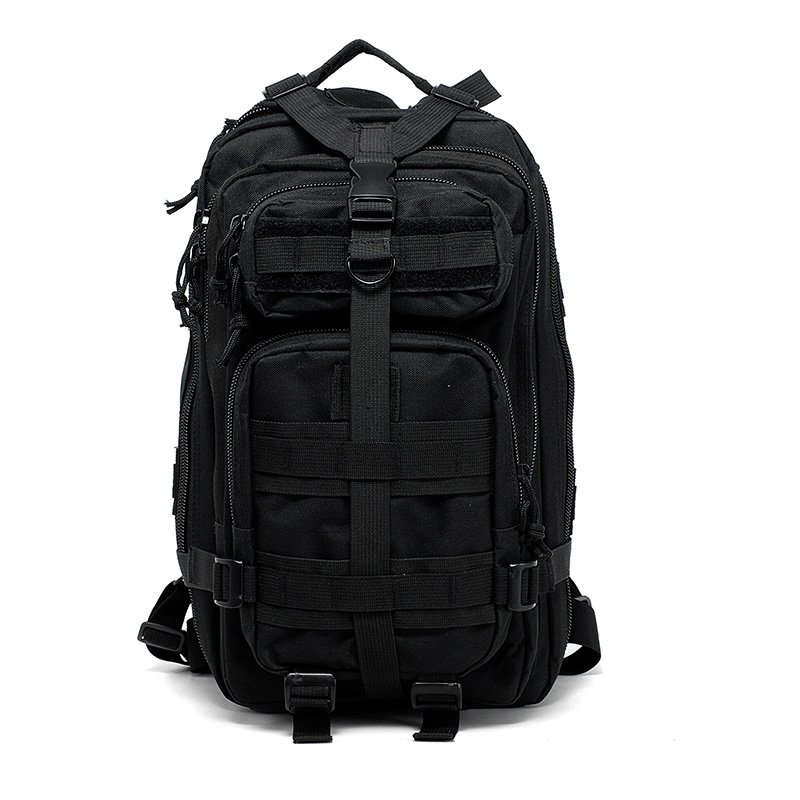
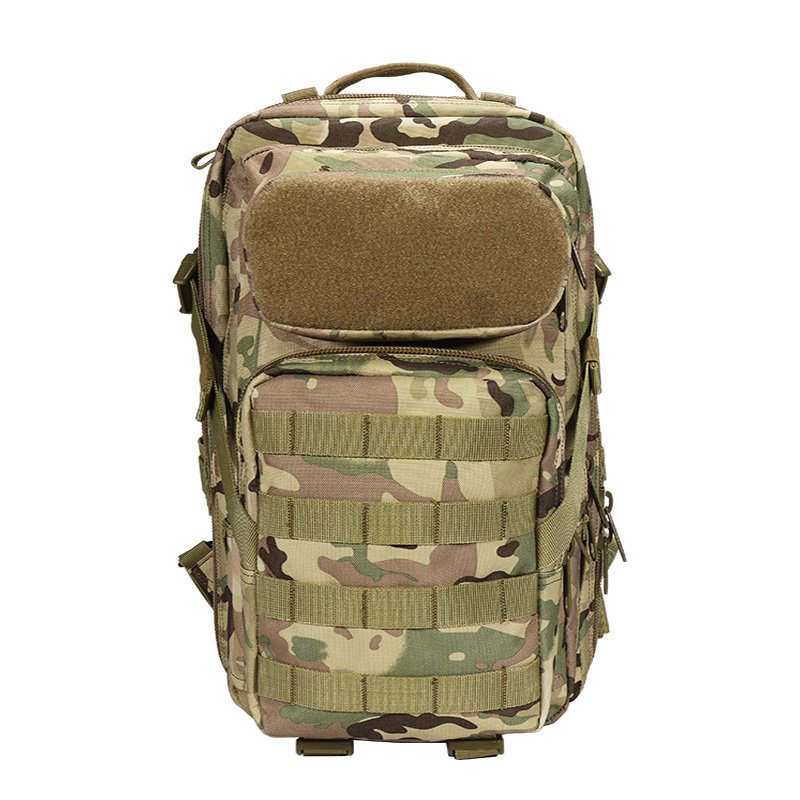
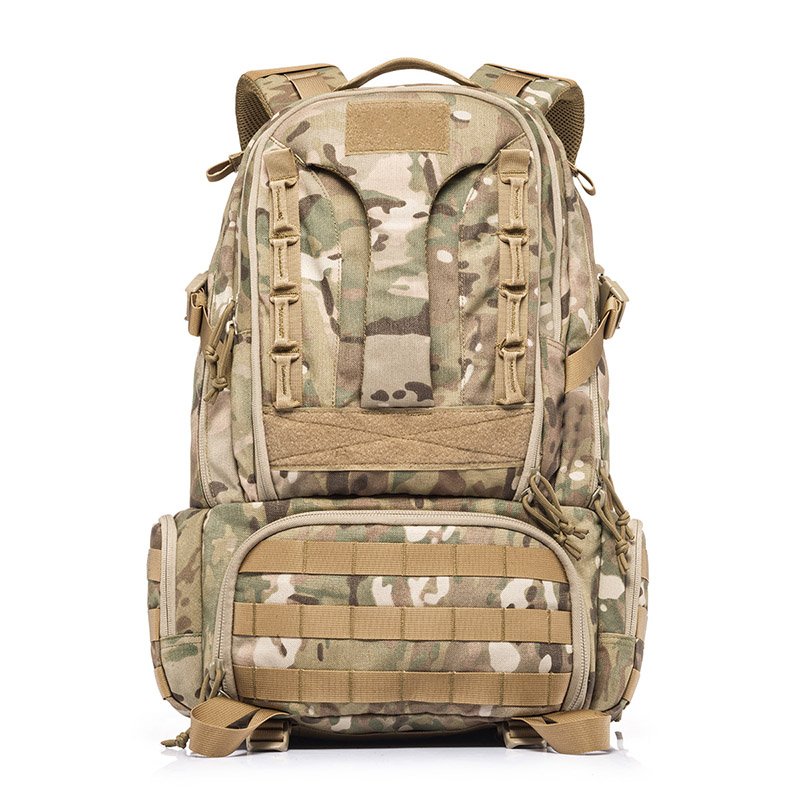
Molle Tactical Assault Pack With Shoes Compartment
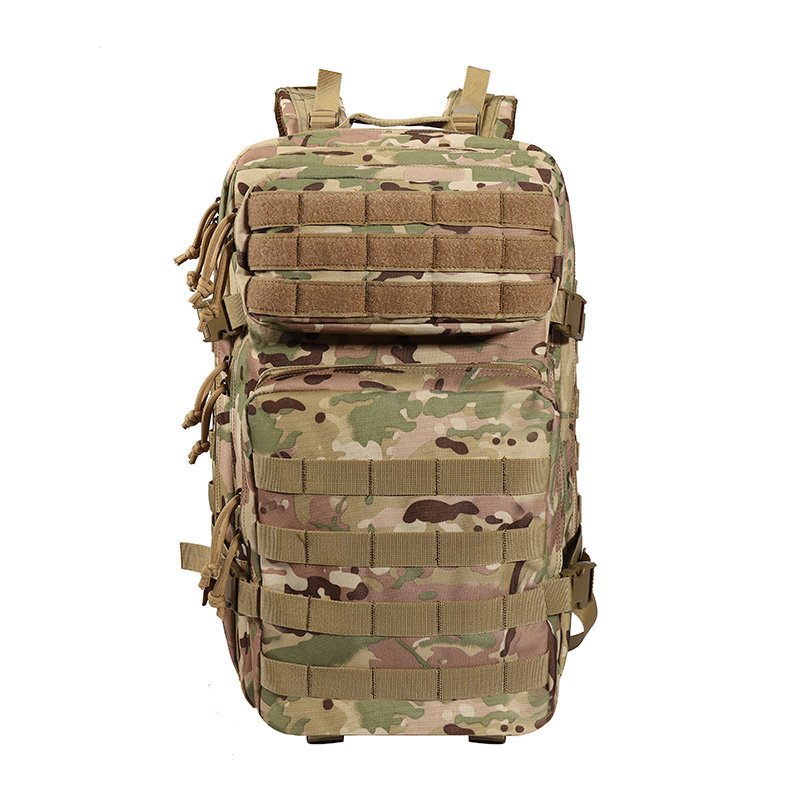
Molle Camouflage Tactical Backpack Waterproof
5.Tactical Backpack Material: Buckles
The common buckles used on tactical backpacks include side-release buckles, ladder-lock buckles, tri-glide buckles quick-release buckles, and G-hooks.
- Side-release buckles are widely used in chest straps, waist belts, and compression belts.
- Ladder-lock locks and tri-glide buckles allow users to safely adjust the length of the belt.
- The quick-release buckle provides convenient access and quick disassembly, especially for load-bearing applications. The G-hooks provides a low-profile connection option.
These buckles are usually made of POM (acetal), nylon, or polypropylene , and due to their strength and durability, POM and nylon are often more suitable for demanding tactical applications.
POM Buckles vs Nylon Buckles: Which is the Better Tactical Backpack Material?
POM buckles have high stiffness, dimensional stability, low moisture absorption, and stable performance under humid or wet conditions.
Nylon buckles have excellent impact resistance and toughness, but they absorb moisture and may soften over time, affecting the fit. POM is typically used for reliable tactical purposes.
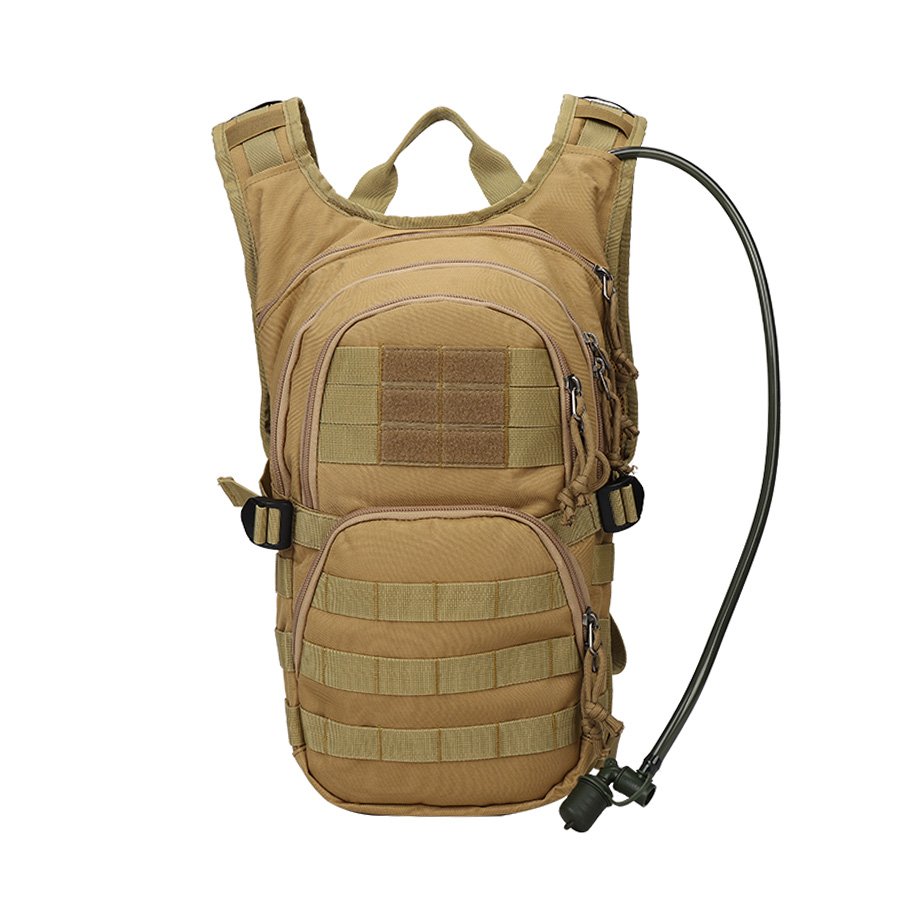
Molle Hydration Backpack For Hunting & Cycling
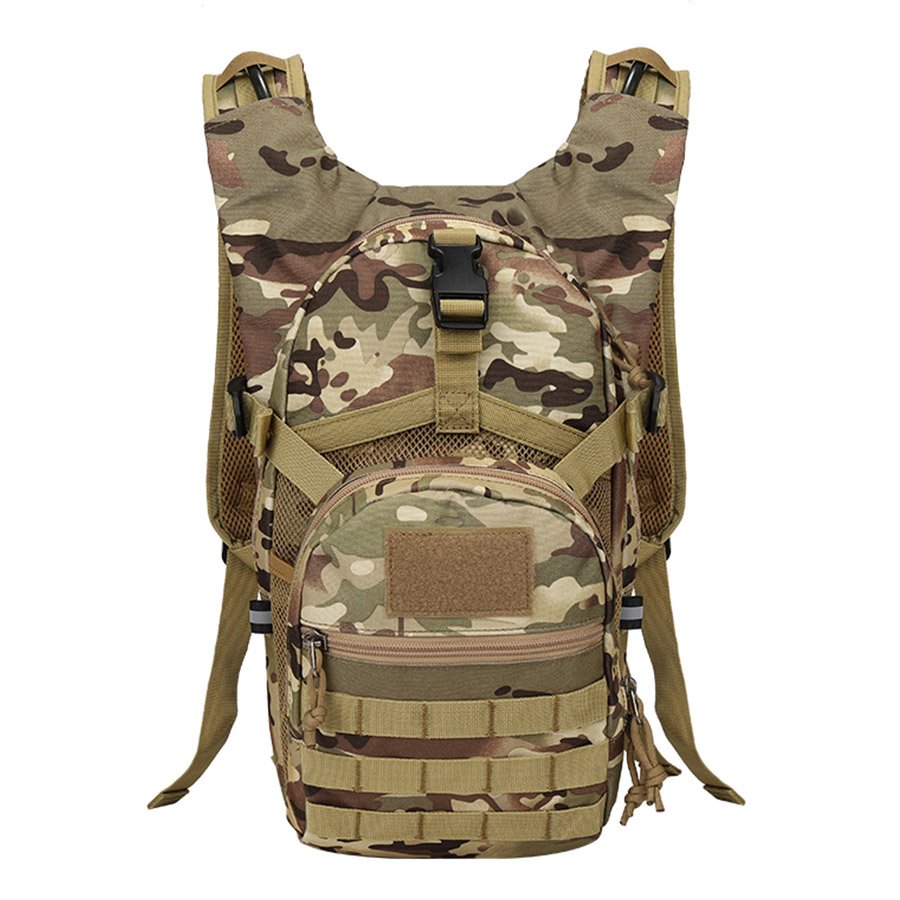
Molle Hydration Pack With Hydration Bladder
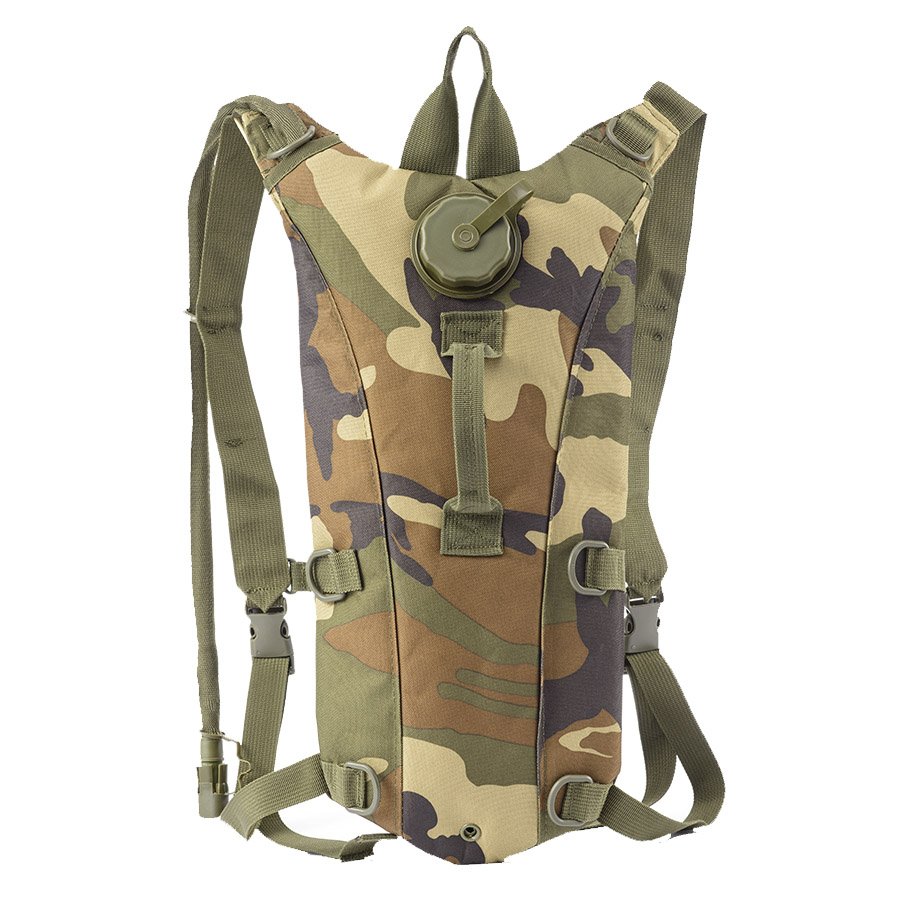
Camouflage Tactical Hydration Backpack-Armorguard
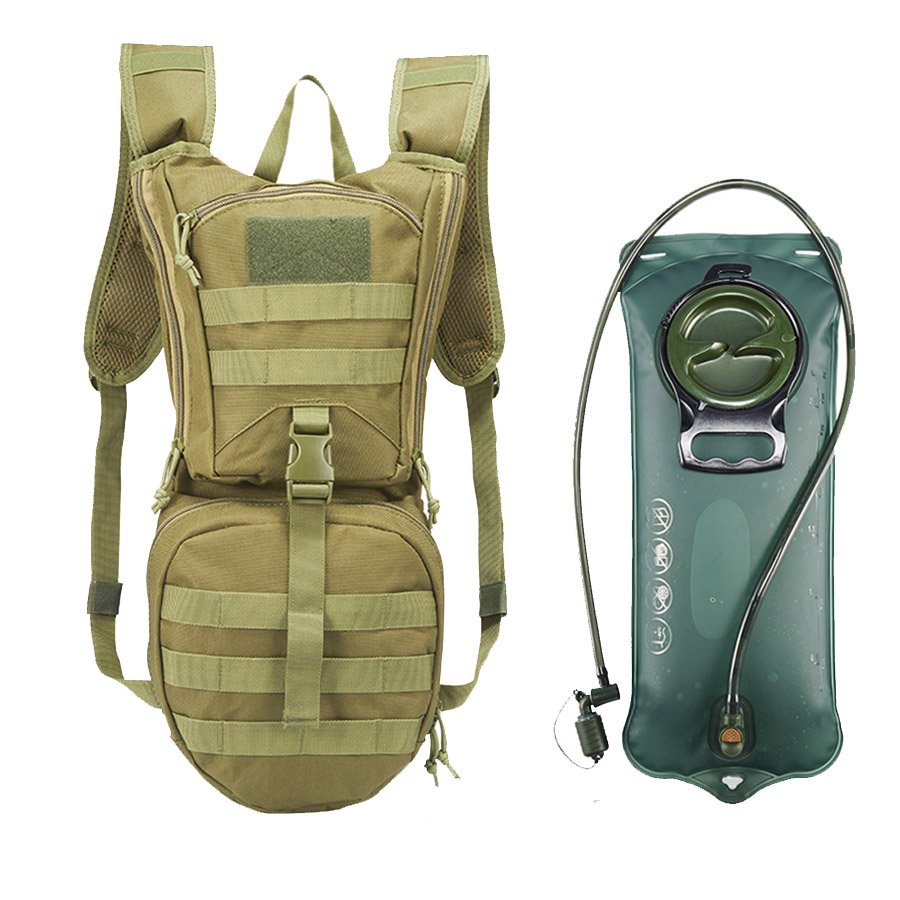
Armorguard Tactical Hydration Pack With Molle Webbing
6.Tactical Backpack Material: Zippers
Tactical backpacks typically use coil zippers, molded-tooth zippers, metal zippers, and waterproof zippers.
- Coil zipper is lightweight and flexible, widely used in general compartments and pockets.
- The molded-tooth zipper has higher durability and stain resistance, making it suitable for heavy-duty applications. Metal zippers have excellent strength and a sturdy appearance, but are heavier.
- Waterproof zipper adopts a special structure or coating that helps prevent water penetration, making it suitable for outdoor and harsh weather environments.
Zippers also come in different sizes, such as # 5, # 8, and # 10 , with larger sizes generally providing greater strength for heavy tactical backpacks.
Coil Zipper vs Molded Zipper:Which is the Better Tactical Backpack Material?
Coil zipper is lightweight, flexible, and runs smoothly. Molded zippers are usually more sturdy, resistant to dirt and wear, and more suitable for heavy-duty tactical backpacks.
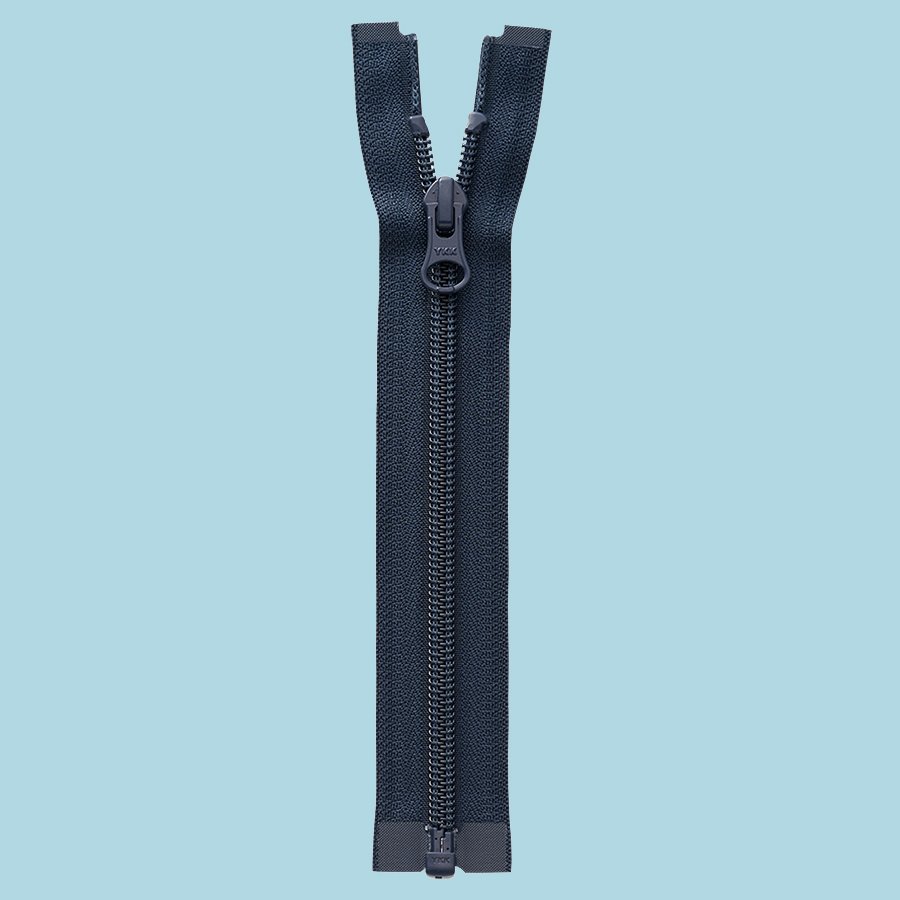
Coil Zipper
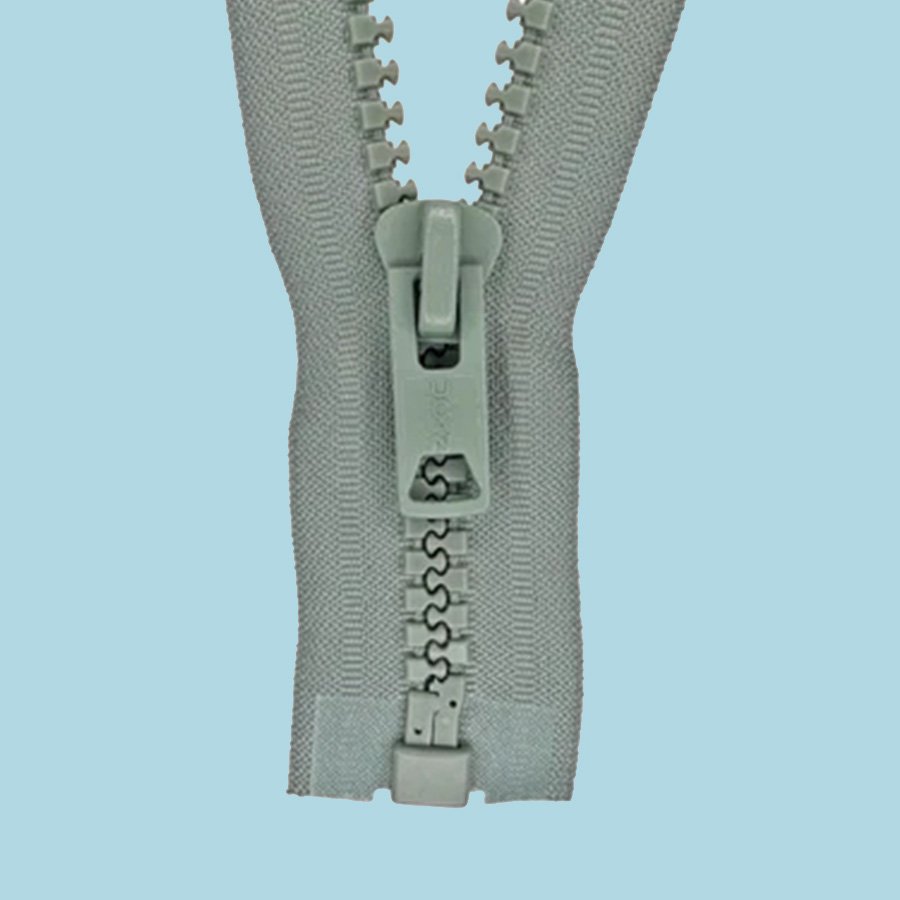
Molded Zipper
In addition to these six materials, there are other important materials. Experienced tactical backpack manufacturers can always choose fabrics, webbing, zippers, and reinforcement materials based on expected applications, durability requirements, and target budgets.
I hope this knowledge is useful to you. If you have relevant knowledge, I also hope you can share it with everyone.