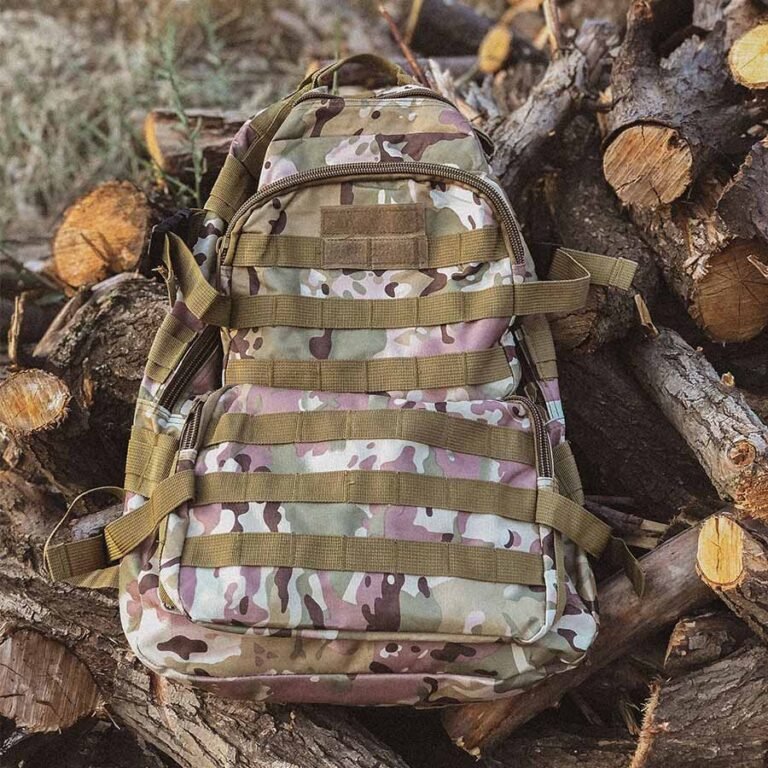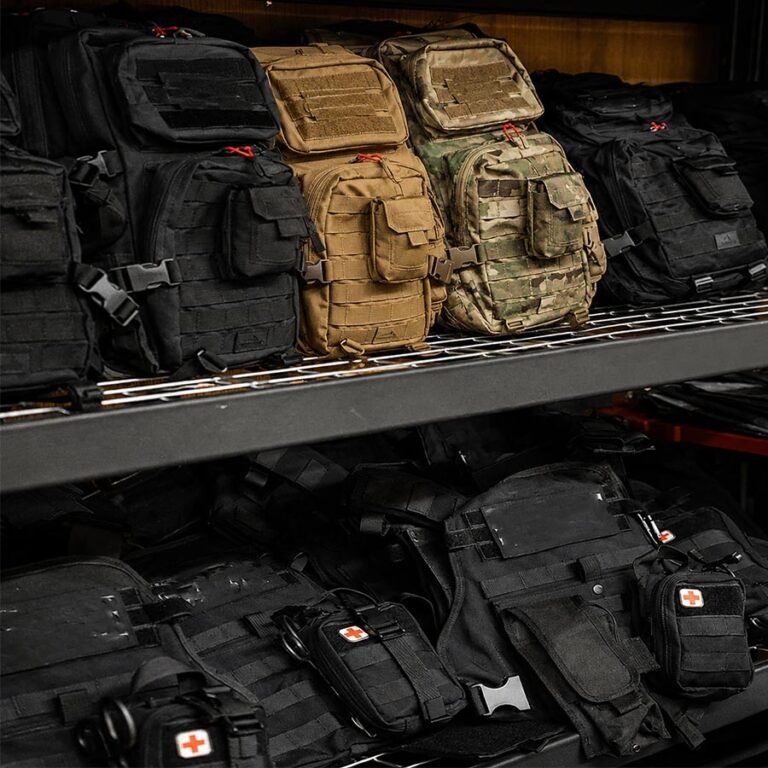
When I first explored military and tactical equipment, I found tactical acronyms everywhere, from uniforms and bulletproof vests to backpacks and equipment systems. Understanding these terms can make it easier to follow discussions and select appropriate equipment.
In this article, I will introduce the most common tactical abbreviations and explain their meanings, helping enthusiasts quickly establish their knowledge of the tactical world.
The list of tactical acronyms and abbreviations
1. UNIFORMS & CAMOUFLAGE PATTERNS
BDU – Battle Dress Uniform
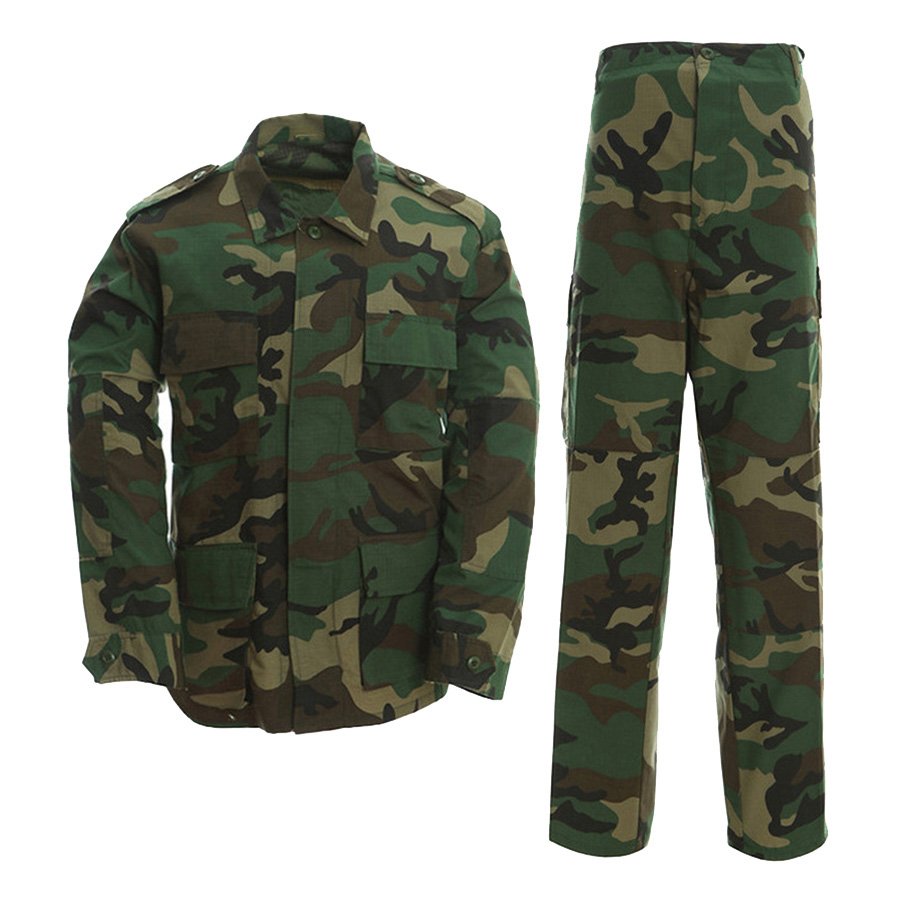
BDU is the U.S. military’s standard camouflage combat uniform introduced in 1981. It featured a woodland or desert pattern, four-pocket design, and was widely used until replaced by the ACU in the mid-2000s.
DCU – Desert Combat Uniform
DCU is the U.S. military’s three-color desert-pattern combat uniform used from the early 1990s through the mid-2000s. It replaced the six-color “chocolate chip” pattern and was worn extensively in Iraq and Afghanistan before the ACU.
ACU – Army Combat Uniform
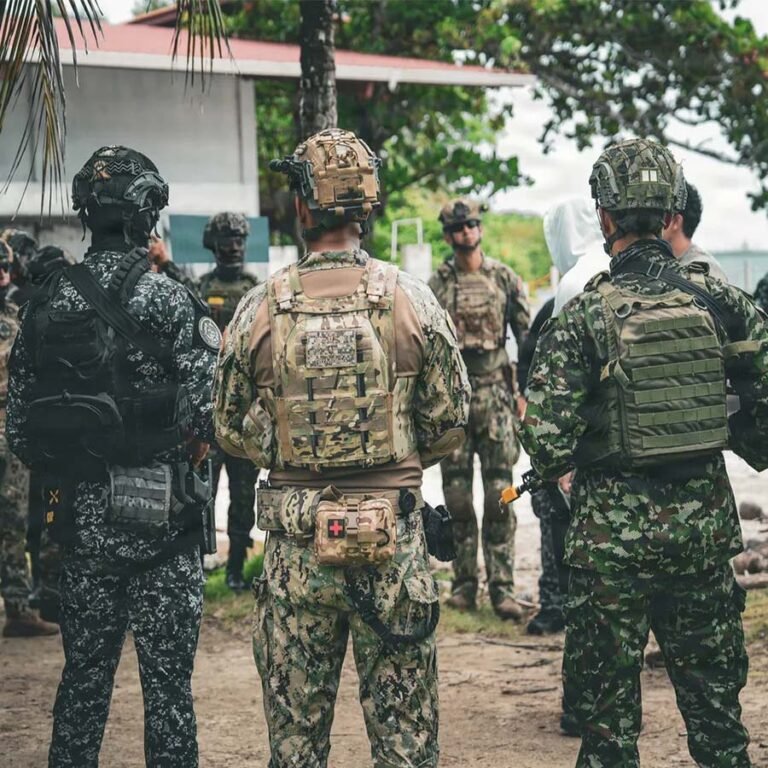
ACU (Army Combat Uniform) is the U.S. Army’s primary combat uniform, introduced in 2004–2005 to replace the BDU. It features a digital pattern (initially UCP, later OCP), improved fit, and modular design for modern field use.
What are the differences between the BDU, ACU, and DCU?
BDU was introduced in the 1980s and became the standard combat uniform for decades. It was mainly designed for woodland environments and featured durable fabric, camouflage patterns, and traditional buttoned pockets.
DCU was a desert-adapted version of the BDU, introduced for hot and arid environments such as the Middle East. It used a three-color desert camouflage pattern with lighter materials to improve concealment and comfort in sandy conditions.
ACU replaced both BDU and DCU in the 2000s as a modern combat uniform. It introduced improved features such as Velcro closures, enhanced pocket designs, better compatibility with body armor and MOLLE equipment, and updated camouflage patterns like UCP and OCP.
In short, BDU is the classic woodland uniform, DCU is the desert variant, and ACU is the modern all-environment combat uniform.

G2/G3/G4 – Generation 2/3/4 Combat Apparel System
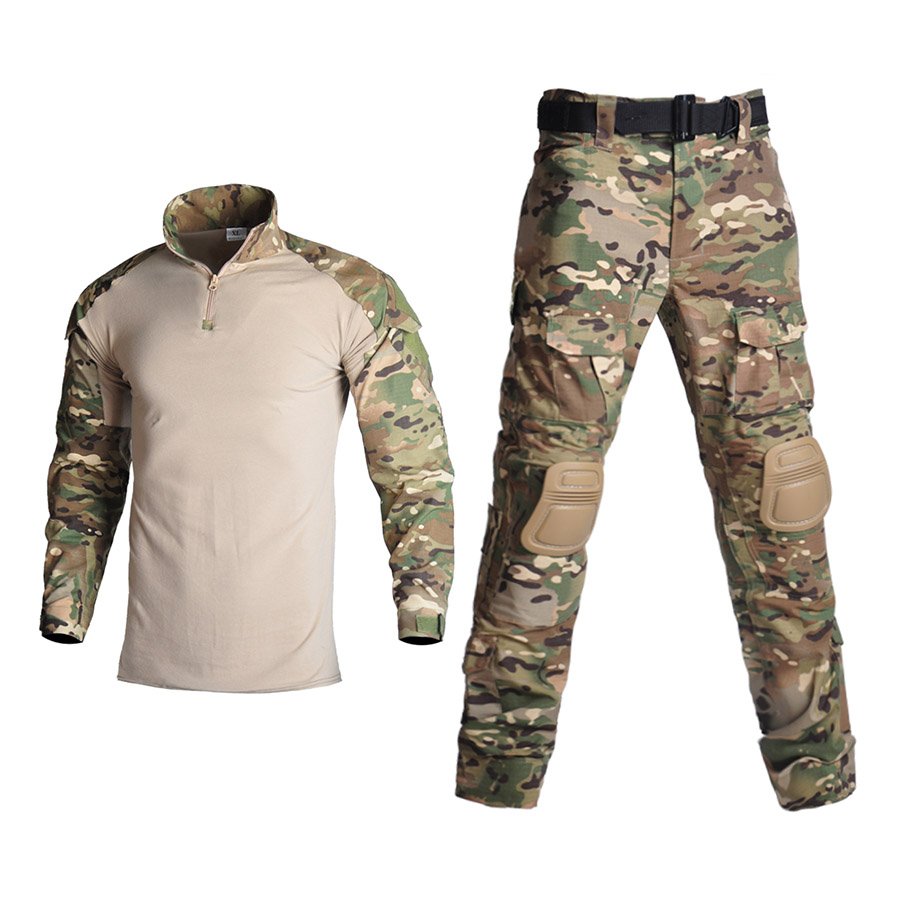
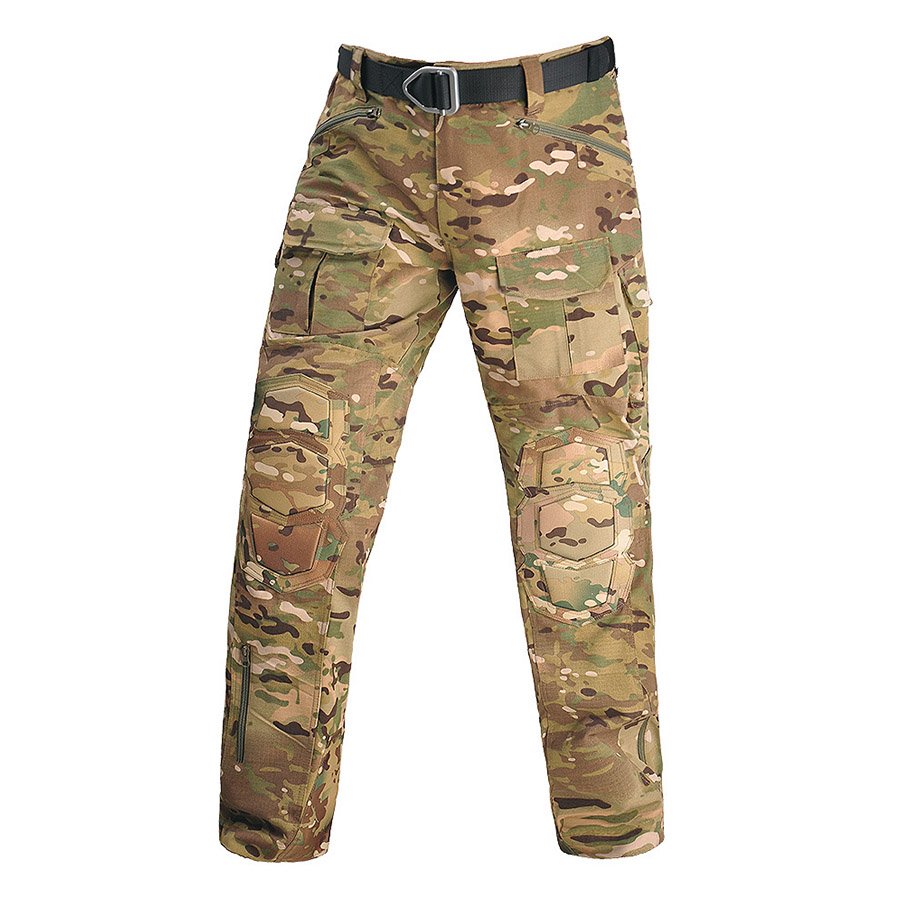
The tactical acronyms G2/G3/G4 refer to successive generations of Crye Precision’s combat apparel system (shirts and pants).
G2 introduced improved mobility and commercial availability.
G3 became the widely adopted standard with stretch panels and refined pockets.
G4 features lighter VTX stretch fabric, updated pocket layouts, and enhanced durability for modern tactical use.
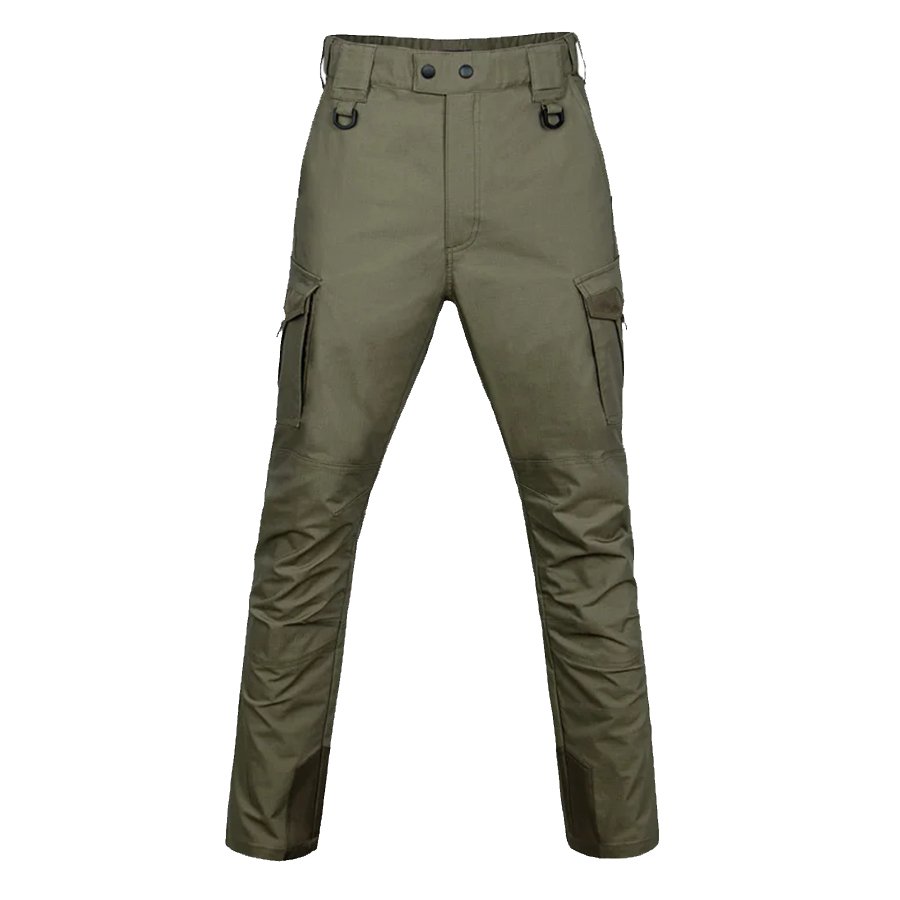
Ranger Green Waterproof Combat Pants For Men
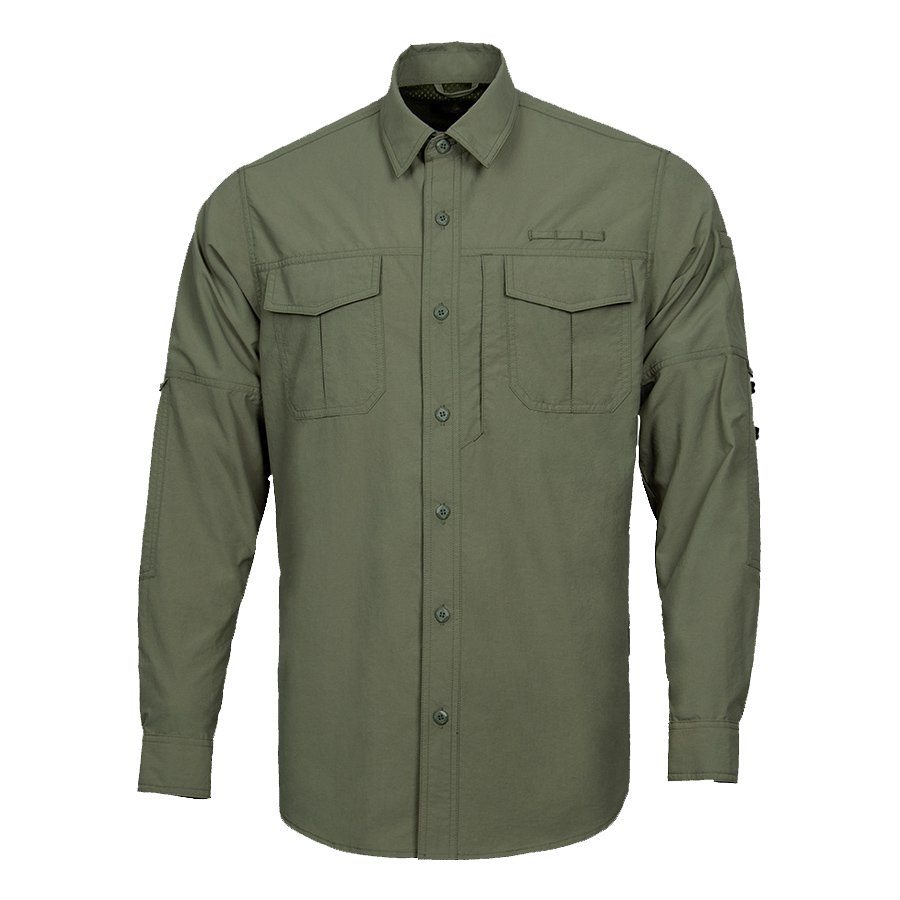
Cool Breathable Men’s Tactical Shirt Long-sleeve
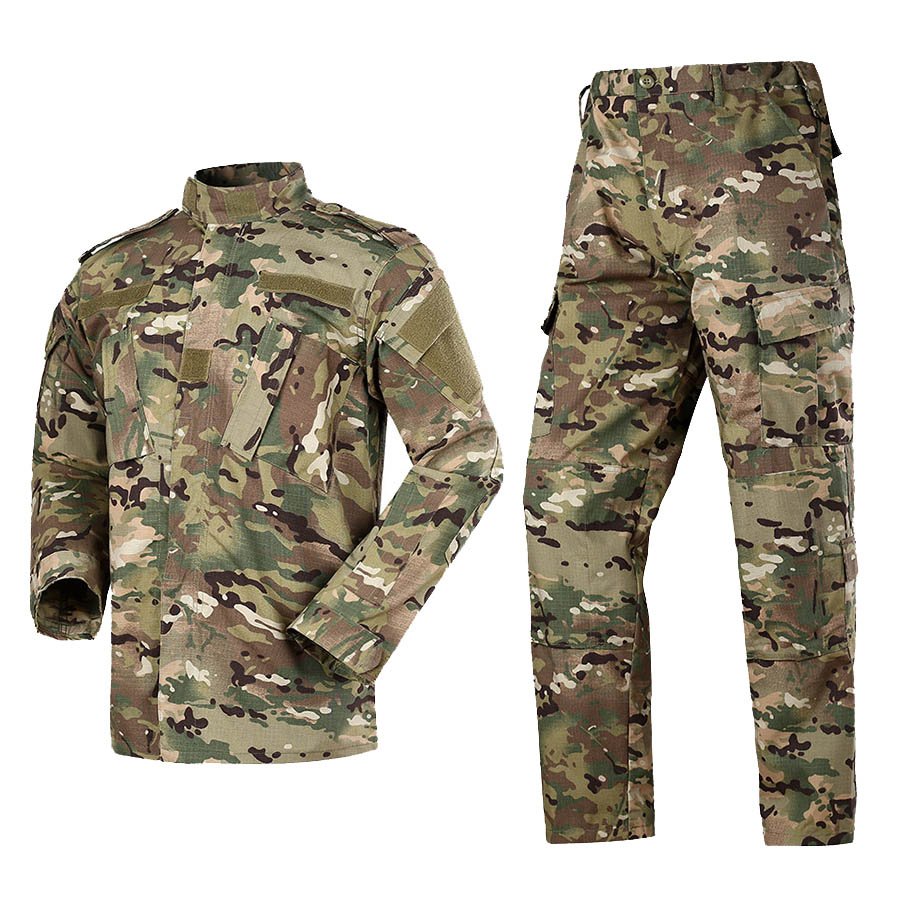
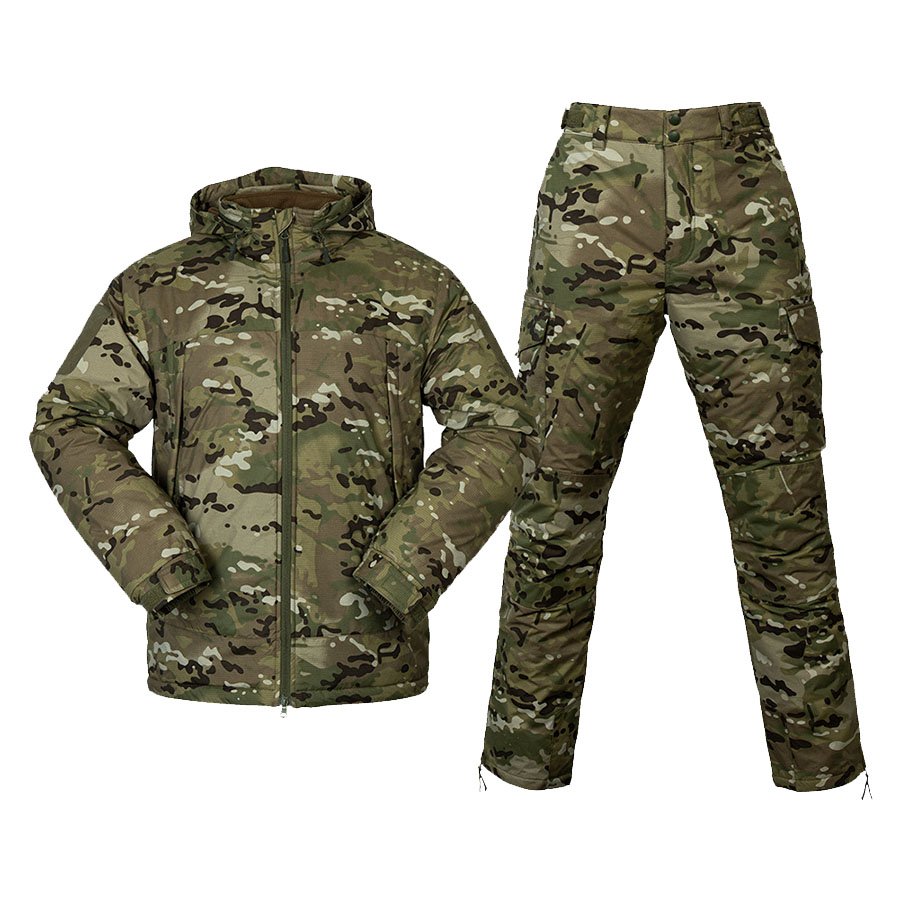
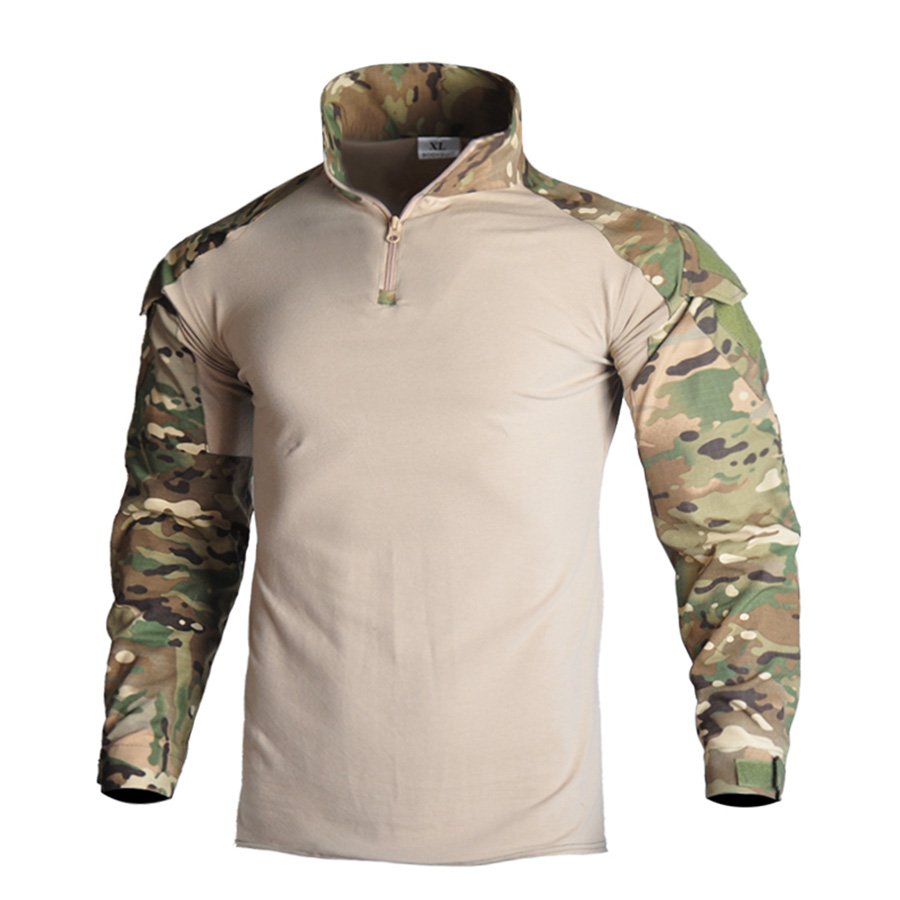
OCP – Operational Camouflage Pattern
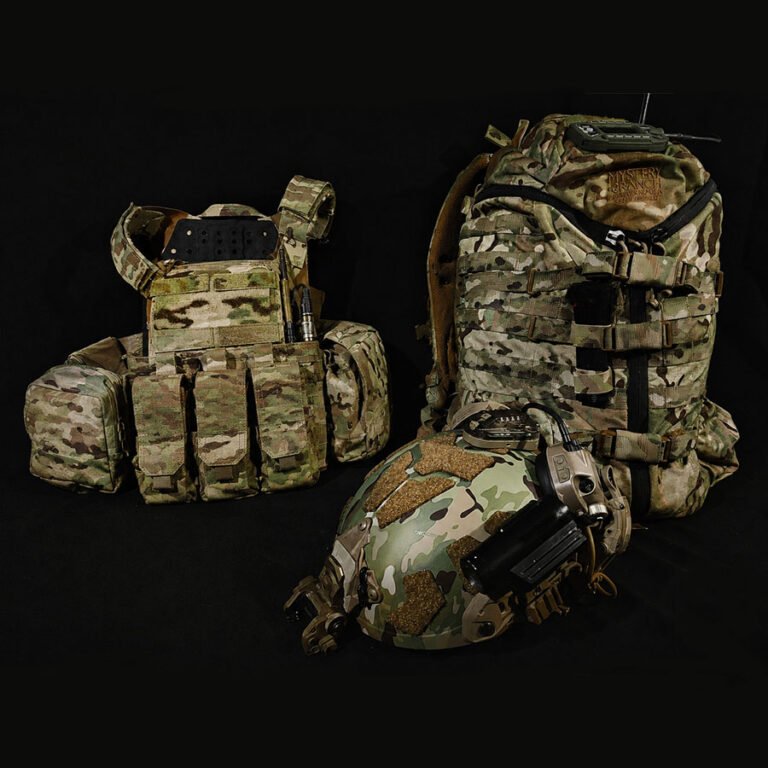
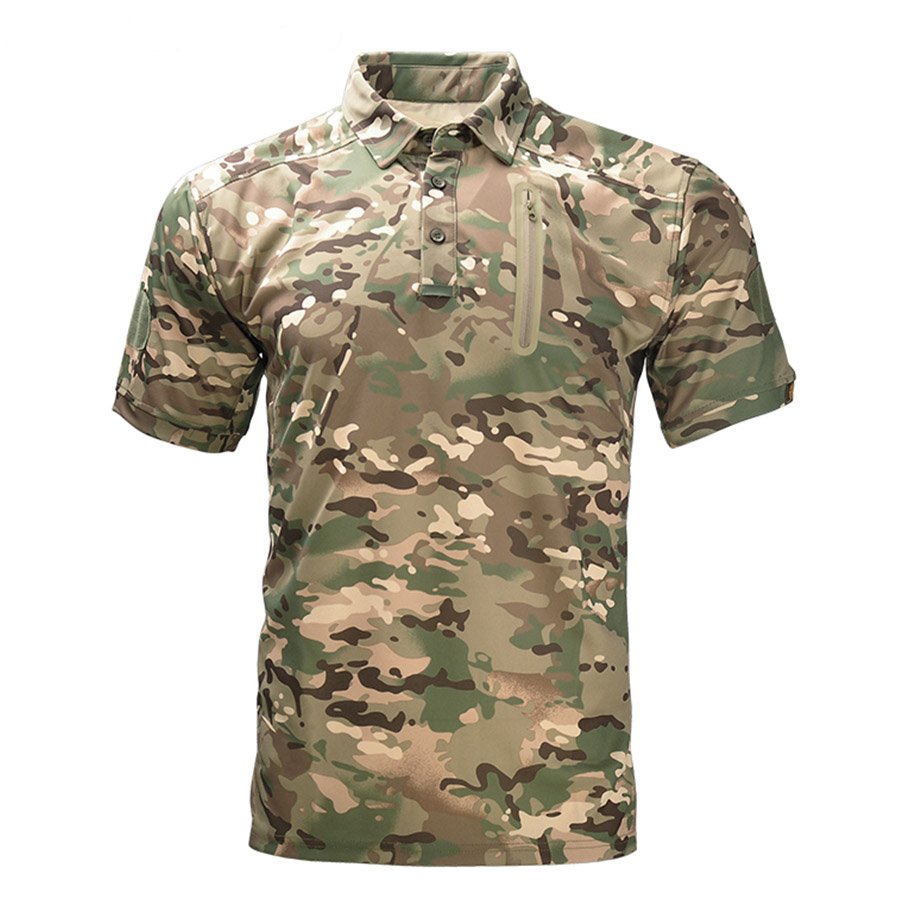
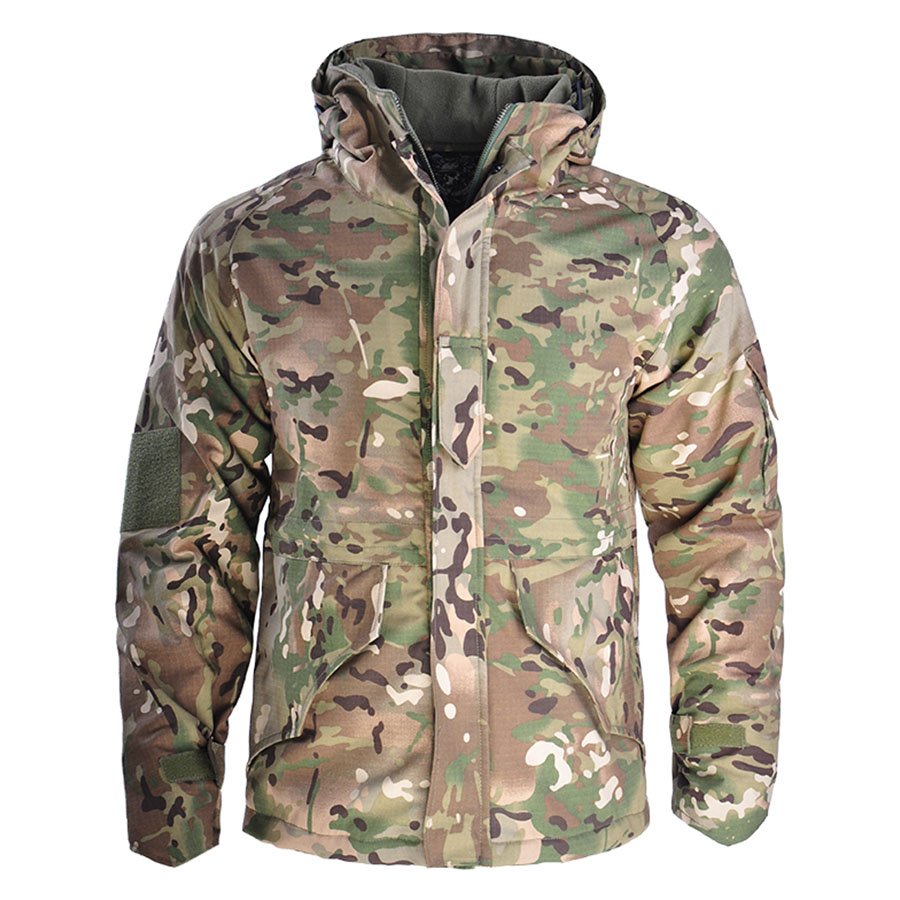
OCP is the U.S. Army’s current multi-terrain camouflage pattern, adopted in 2015 to replace the ineffective Universal Camouflage Pattern (UCP). Also known as Scorpion W2, it closely resembles MultiCam and is used on the Army Combat Uniform (ACU) for better concealment across diverse environments.
UCP – Universal Camouflage Pattern
UCP is the digital, pixelated camouflage pattern used on the U.S. Army Combat Uniform (ACU) from 2004 to the mid-2010s. Designed as an all-environment pattern, it performed poorly in most terrains and was replaced by the Operational Camouflage Pattern (OCP).
CP – Camouflage Pattern
CP most often means Camouflage Pattern (especially the interim OEF-CP/MultiCam used in Afghanistan) or Crye Precision, the company that designed MultiCam and the popular G2/G3/G4 combat uniforms and gear widely used in military and tactical communities.
2. VESTS, PLATE CARRIERS, & BODY ARMOR
LBV – Load-Bearing Vest
LBV is a tactical vest that distributes the weight of magazines, ammo, and gear across the torso. It offers hands-free carry and was a common precursor to modern plate carriers and MOLLE systems.
PC – Plate Carrier
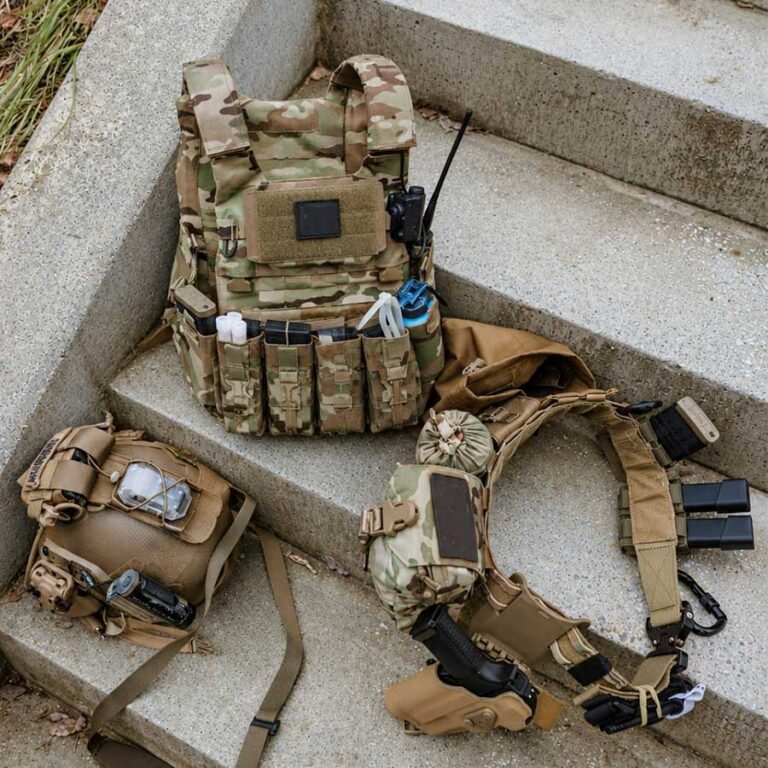
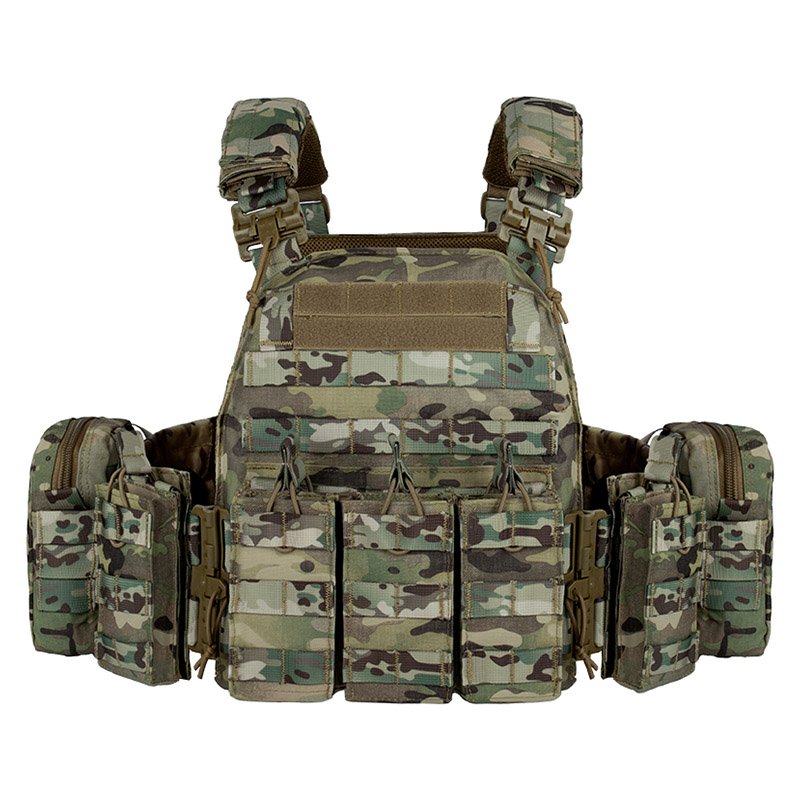
The military acronym PC is a lightweight tactical vest designed primarily to hold hard ballistic armor plates for rifle protection. It typically features MOLLE webbing for attaching pouches and is more modular and less bulky than traditional body armor.
MTV – Modular Tactical Vest
MTV is a U.S. Marine Corps body armor system introduced in the mid-2000s. It offers improved modularity, weight distribution, and comfort over earlier Interceptor armor, while holding soft armor and hard plates.
OTV – Outer Tactical Vest
The military acronym OTV is the outer carrier of the U.S. military’s Interceptor Body Armor system. It holds soft armor panels and accepts hard plates (SAPI/ESAPI), providing fragmentation and ballistic protection for the torso.
IOTV – Improved Outer Tactical Vest
IOTV is the U.S. Army’s upgraded body armor carrier that replaced the earlier OTV. It offers better weight distribution, a quick-release system, improved modularity, and holds soft armor plus hard plates for enhanced protection and comfort.
NIJ – National Institute of Justice (body armor standards)
NIJ (National Institute of Justice) is the U.S. agency that establishes ballistic resistance standards for body armor. Its rating system (Levels II, IIIA, III, IV, etc.) defines the types of handgun and rifle threats armor must stop, serving as the primary benchmark for civilian, law enforcement, and tactical protective gear.
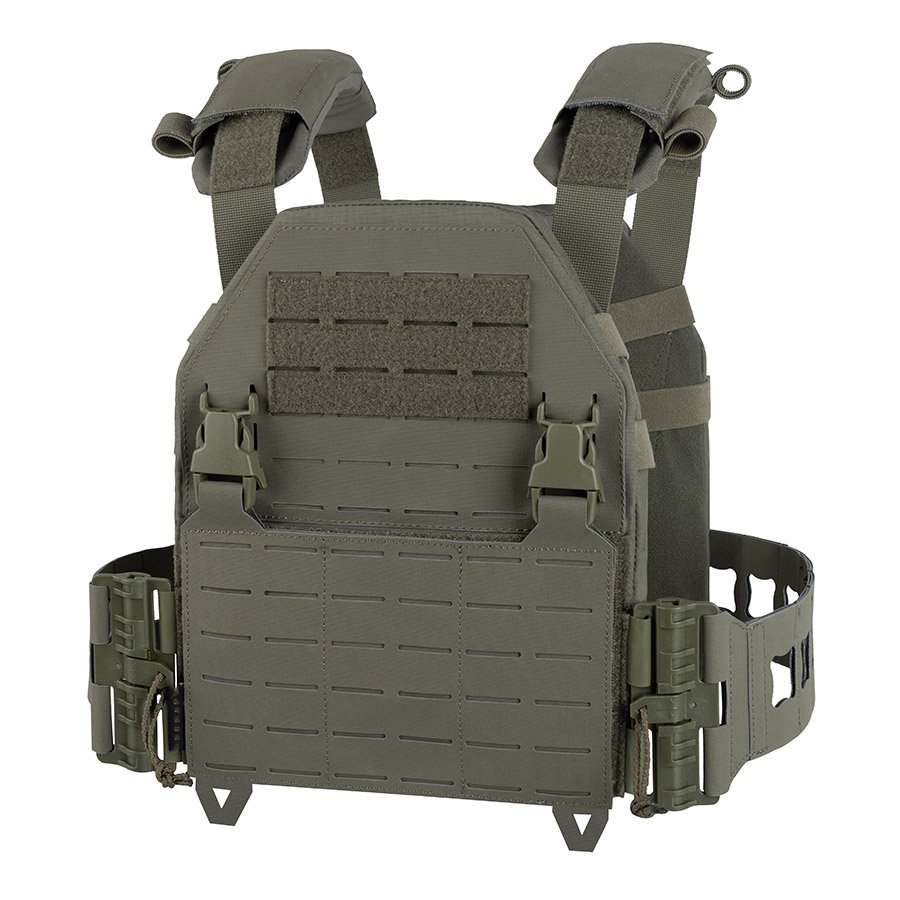
Lightweight Modular Plate Carrier Vest Armorguard
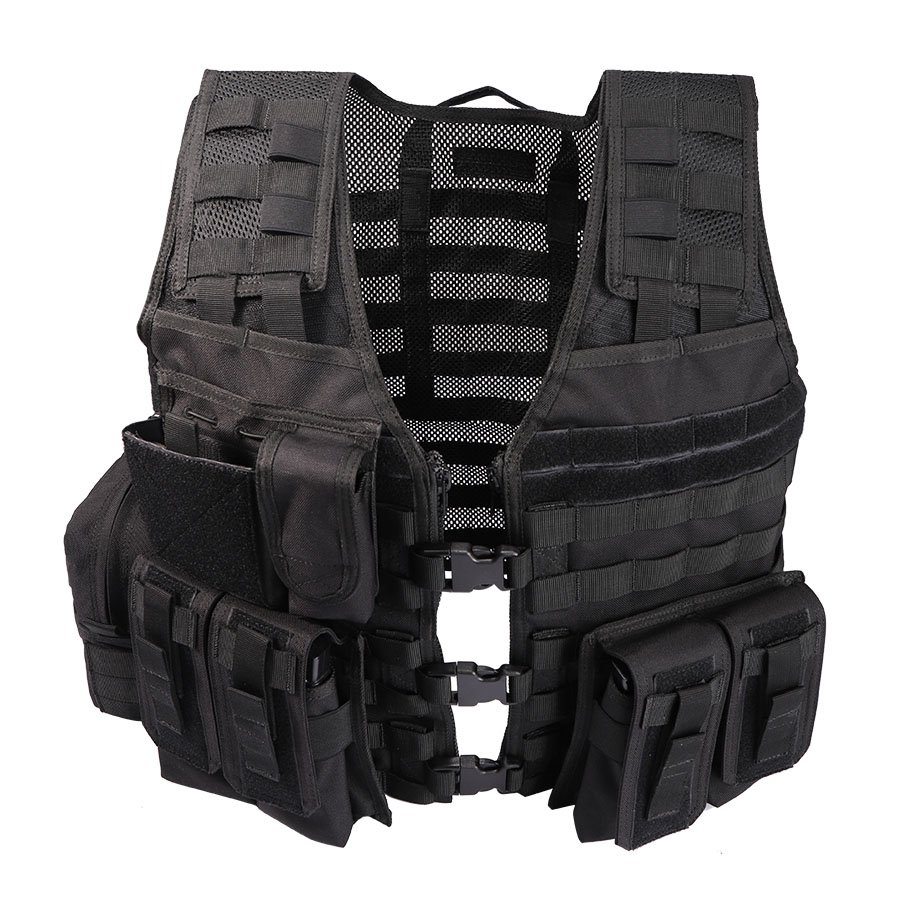
Lightweight Police Outer Vest With Magazine Pouches
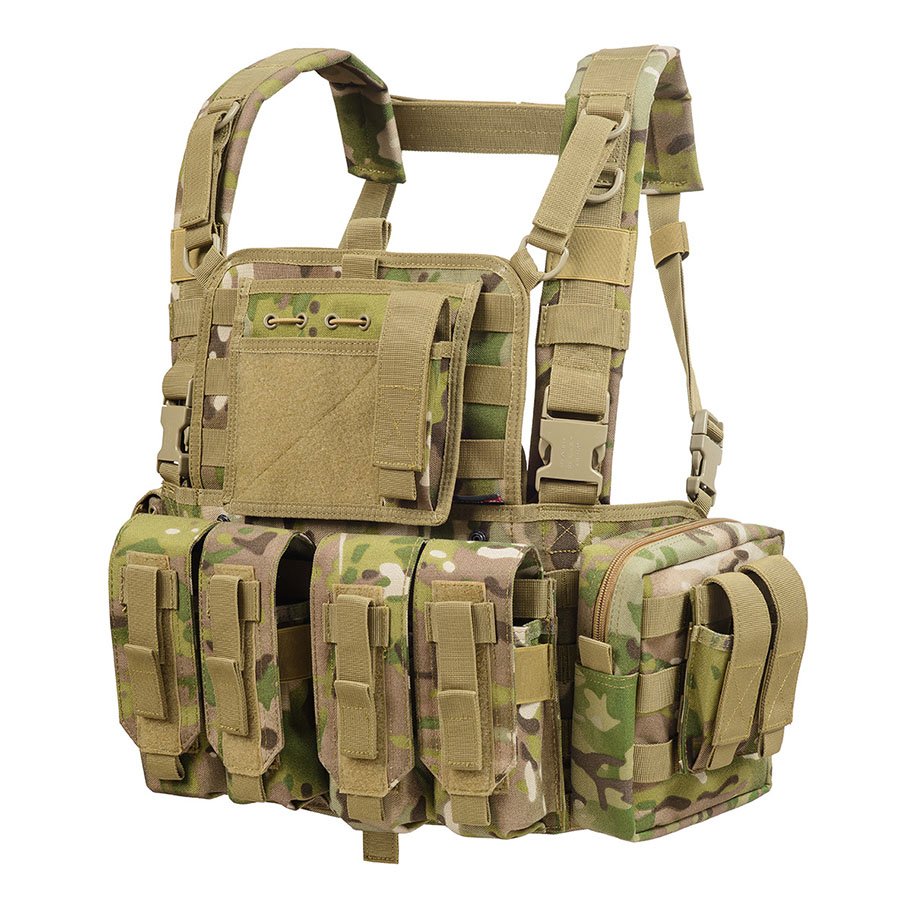
Military Plate Carrier Chest Rig Multicam Color
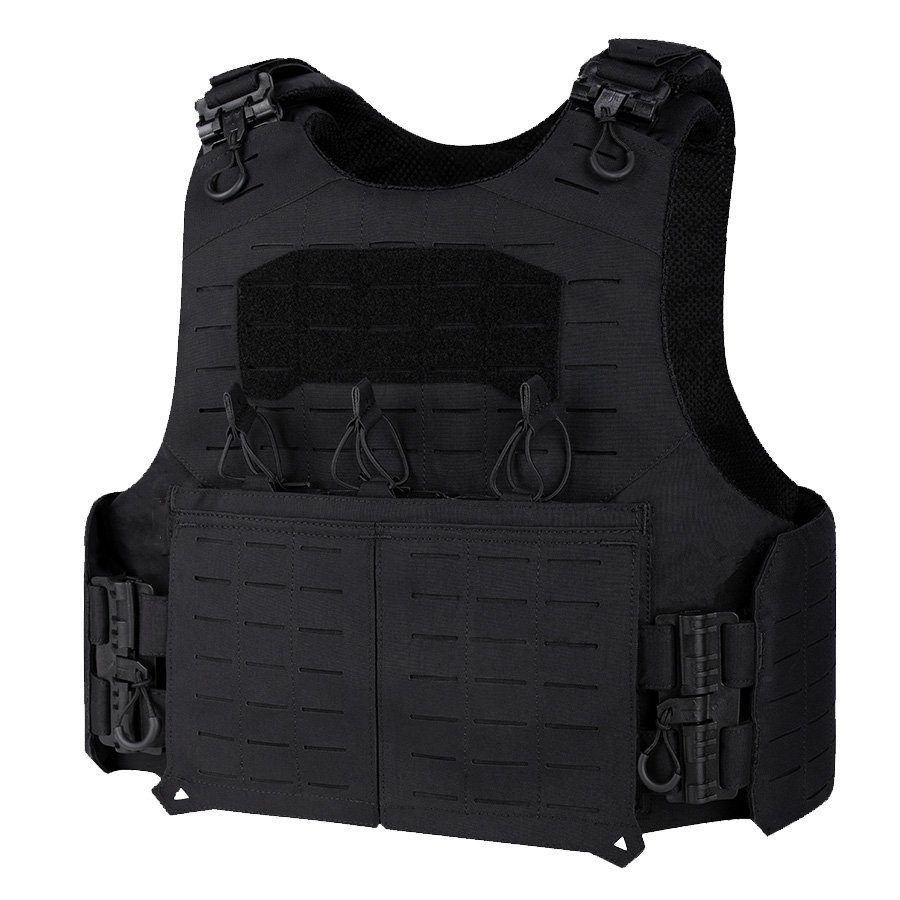
Lightweight Black Plate Carrier Vest Laser Cut Molle
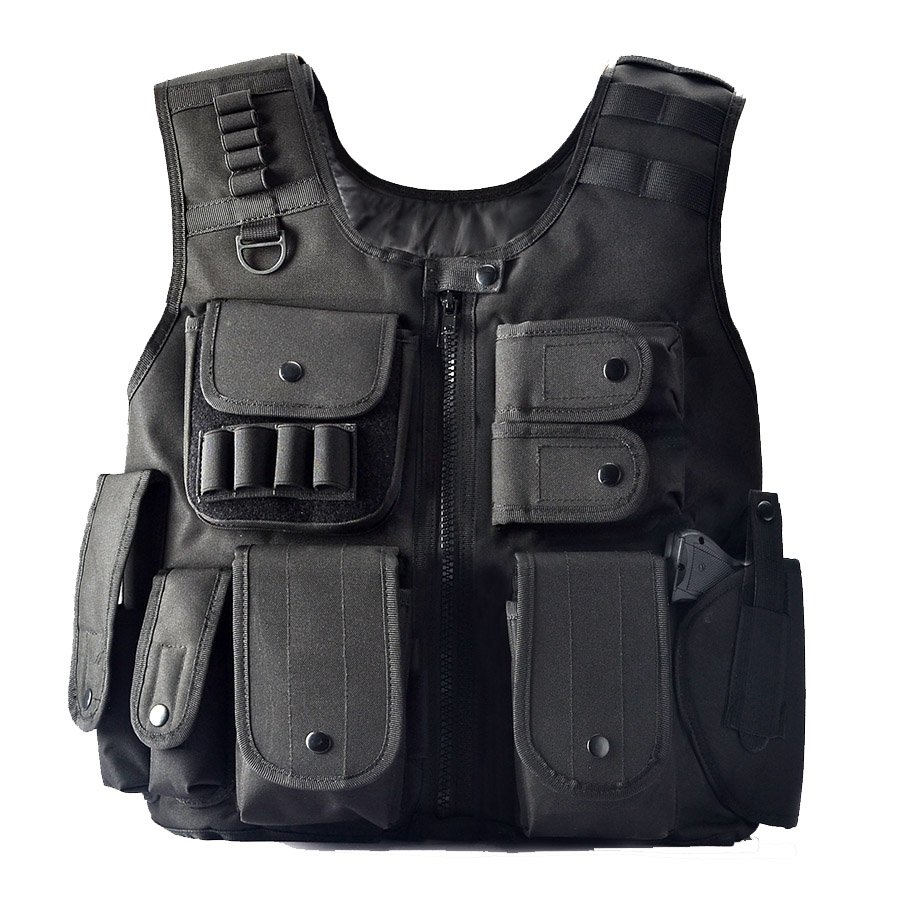
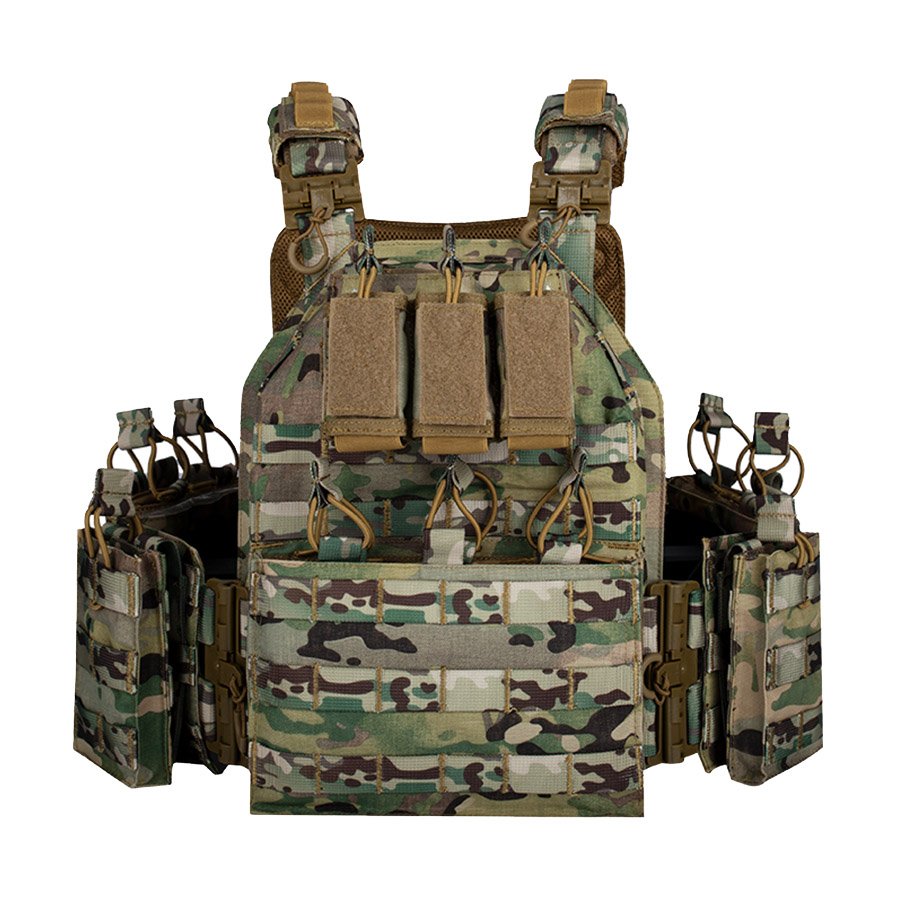
Camo Ballistic Plate Carrier With Magazine Pouches
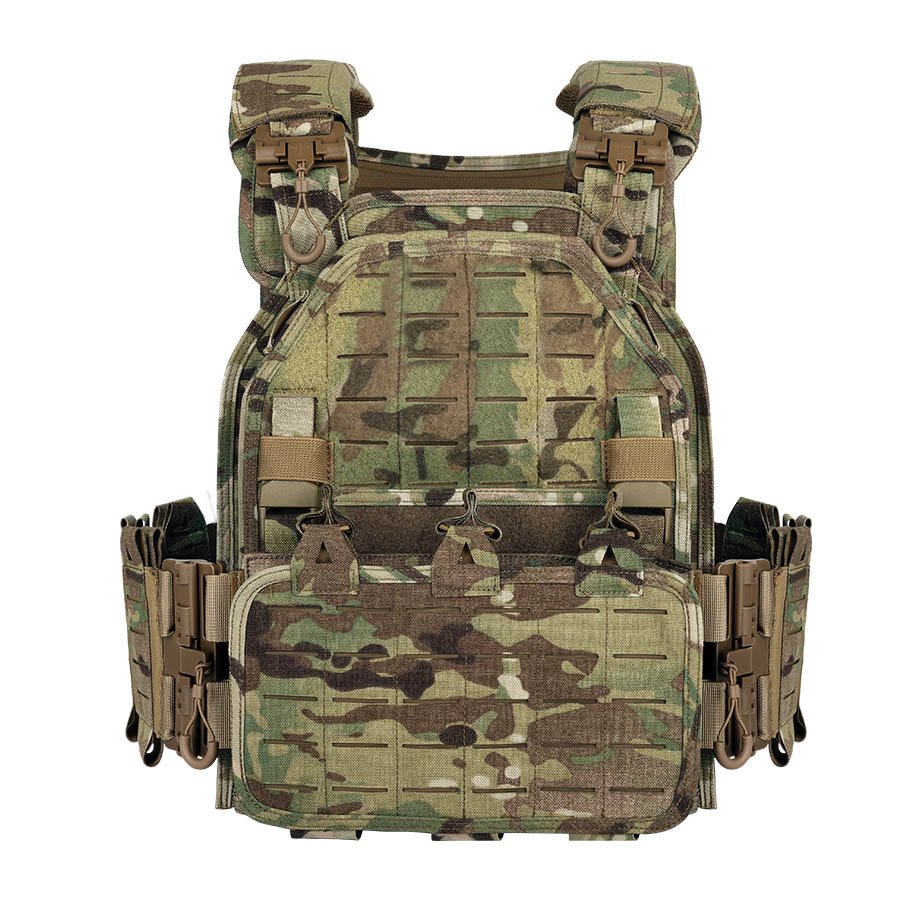
Best Multicam Plate Carrier With Laser Cut Molle
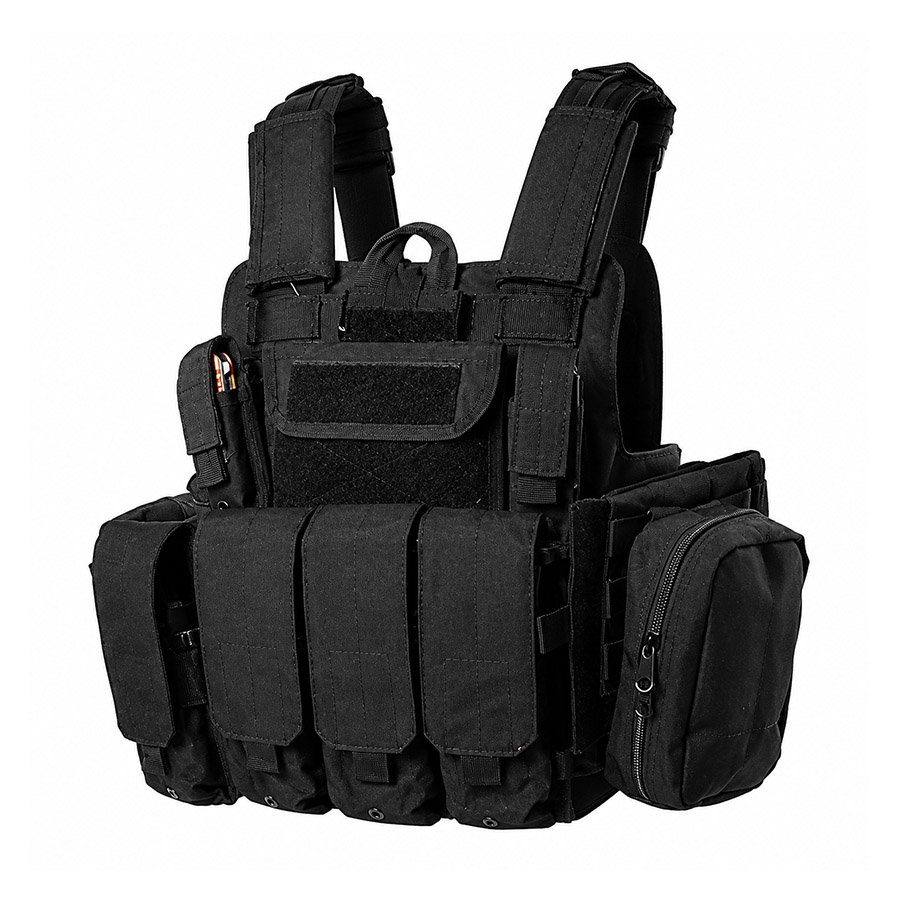
Molle Black Tactical Vest With Integrated Pouches
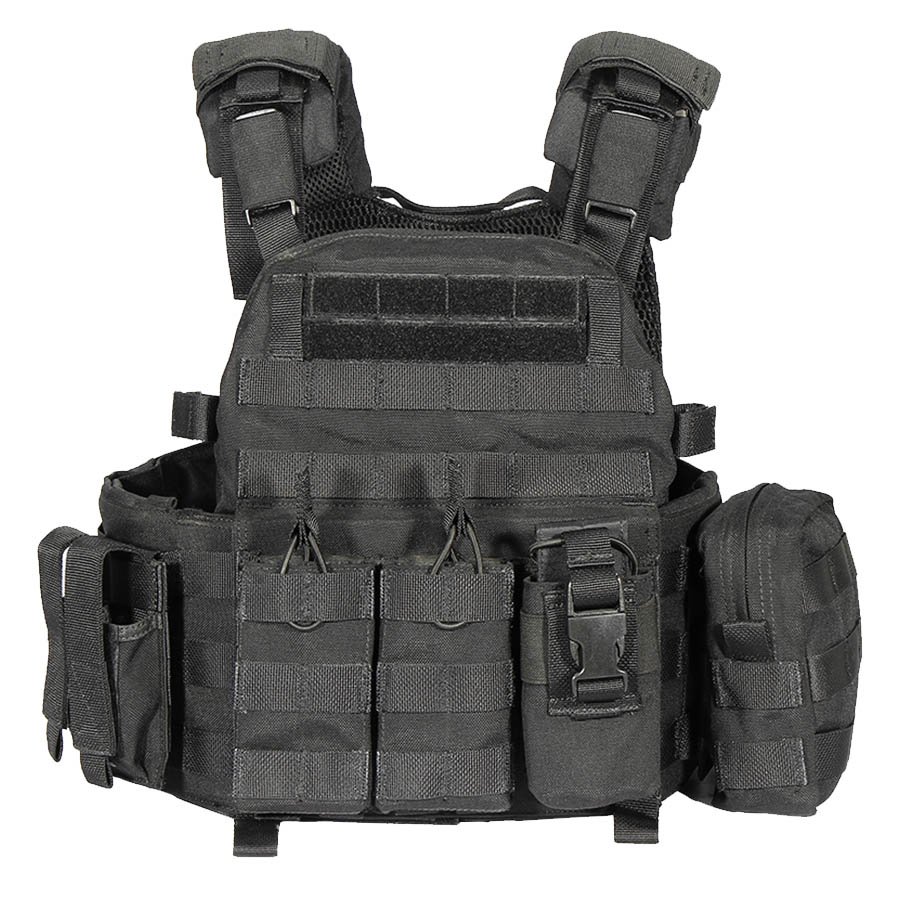
Best Military Plate Carrier With Side Pouches
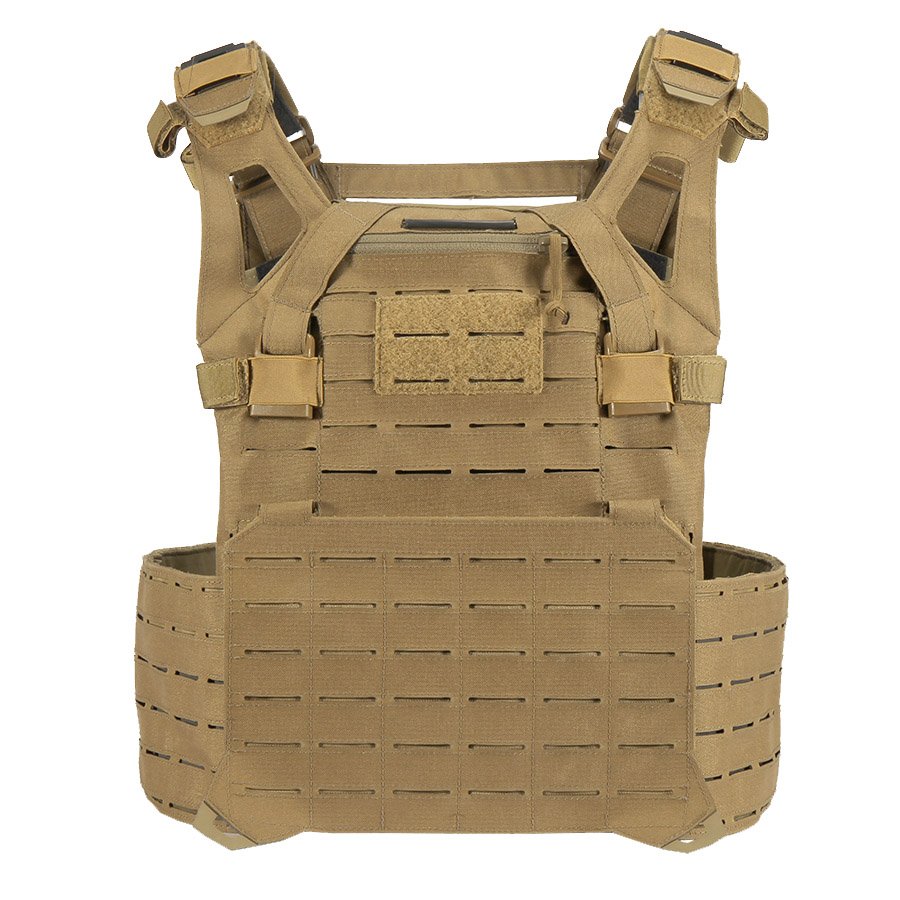
Lightweight Plate Carrier With Pouches Coyote Brown
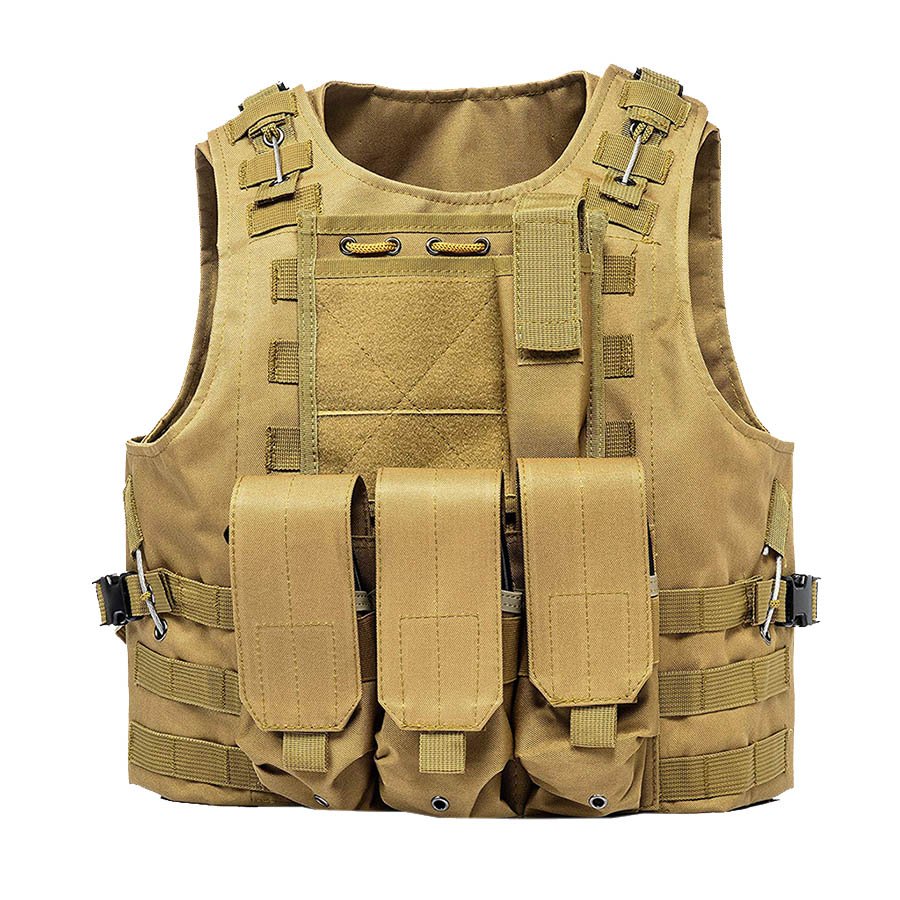
Tan Magazine Carrier Vest With Molle Webbing
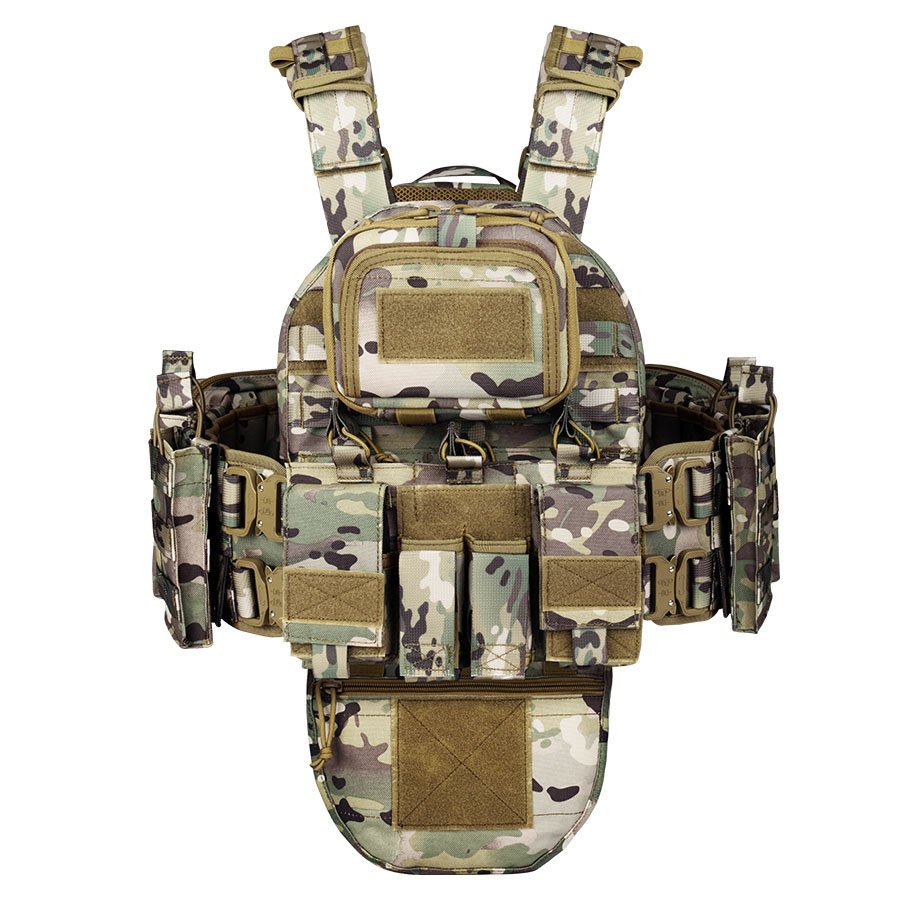
Quick-release Tactical Body Armour Camouflage
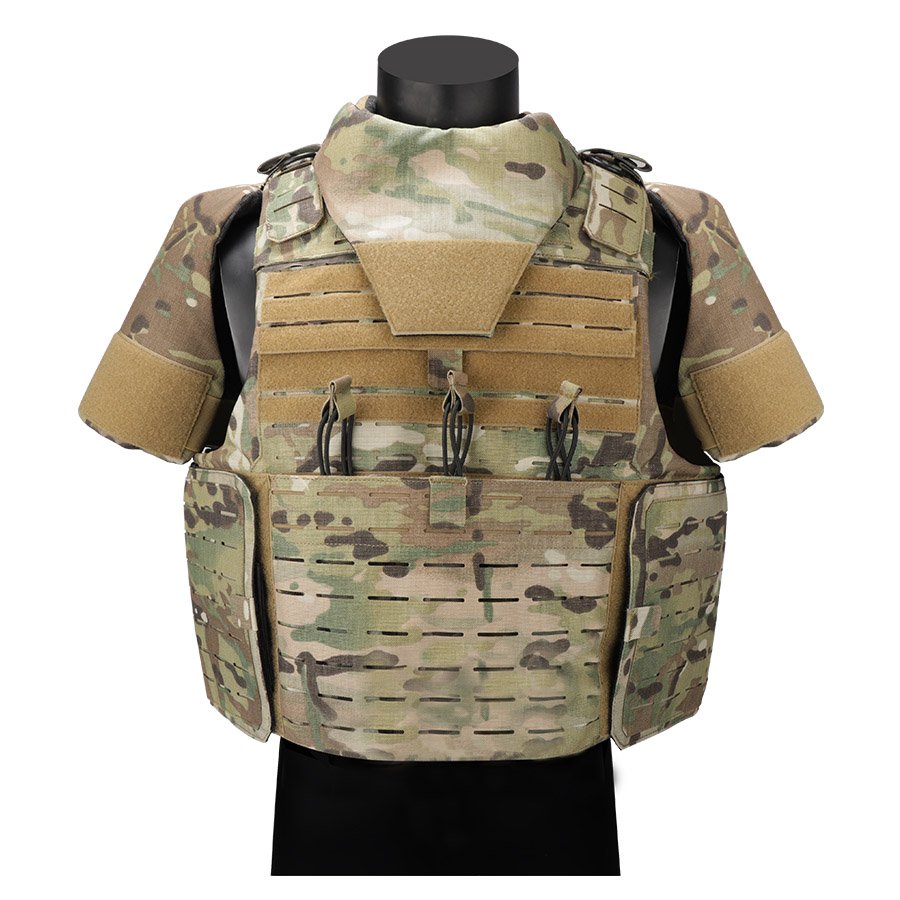
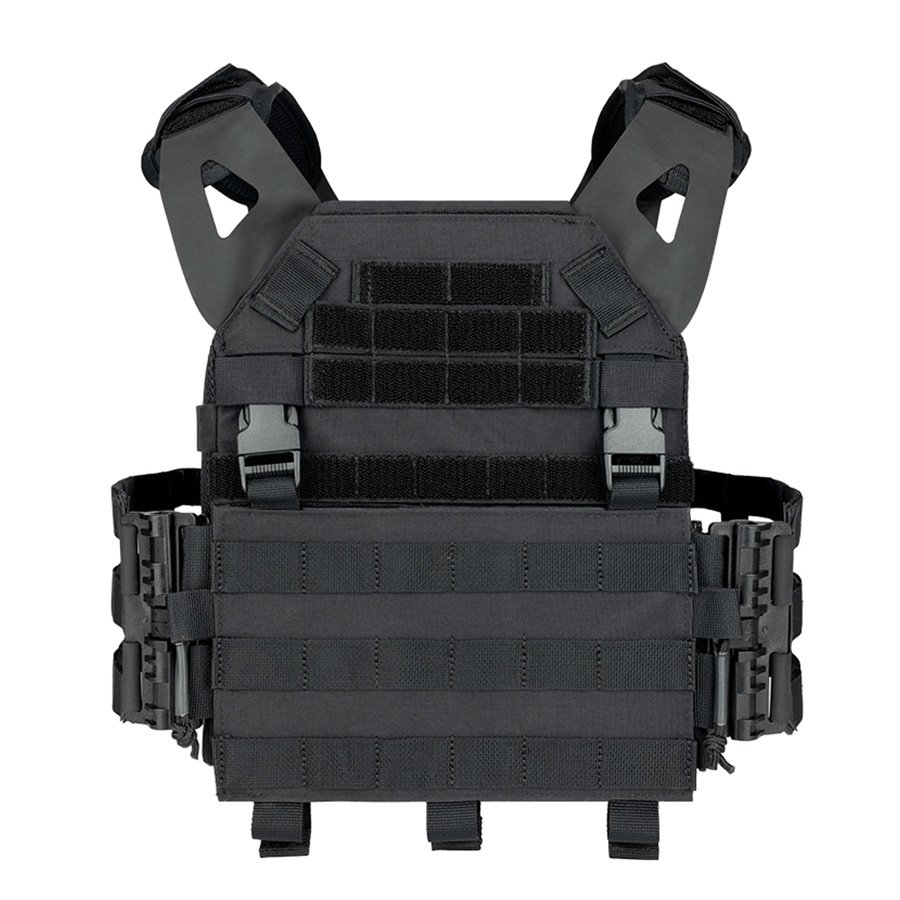
Lightweight Black Plate Carrier Vest-Armorguard
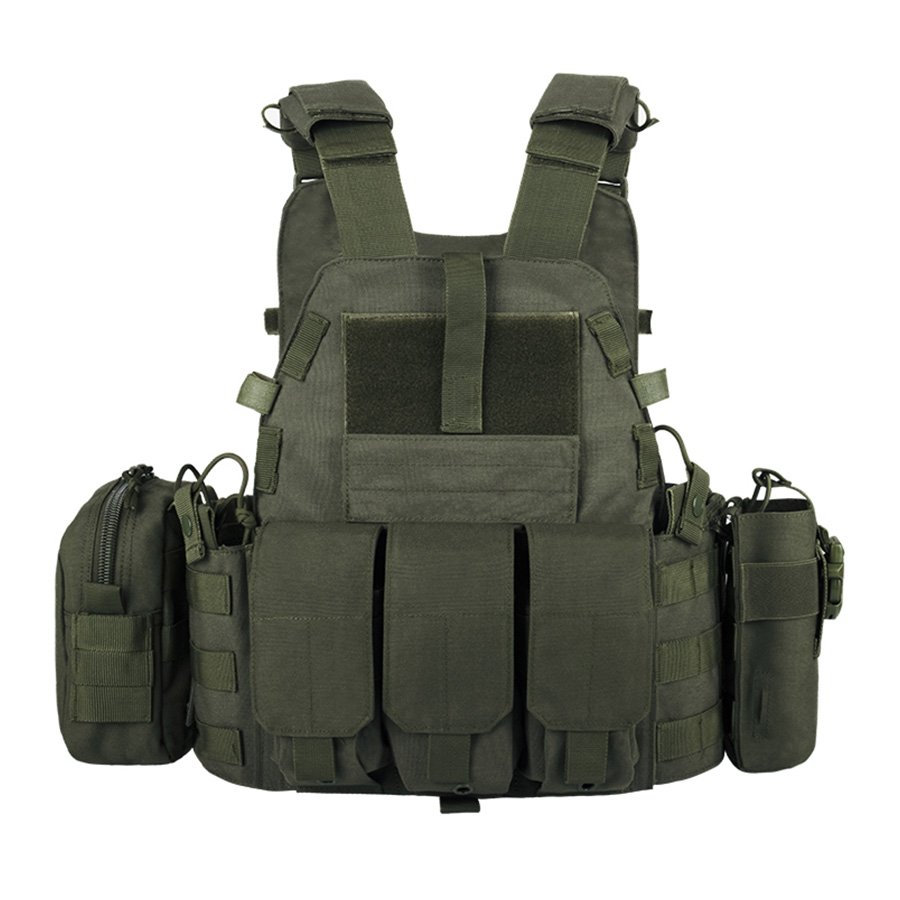
Lightweight Plate Carrier With Pouches Wholesale
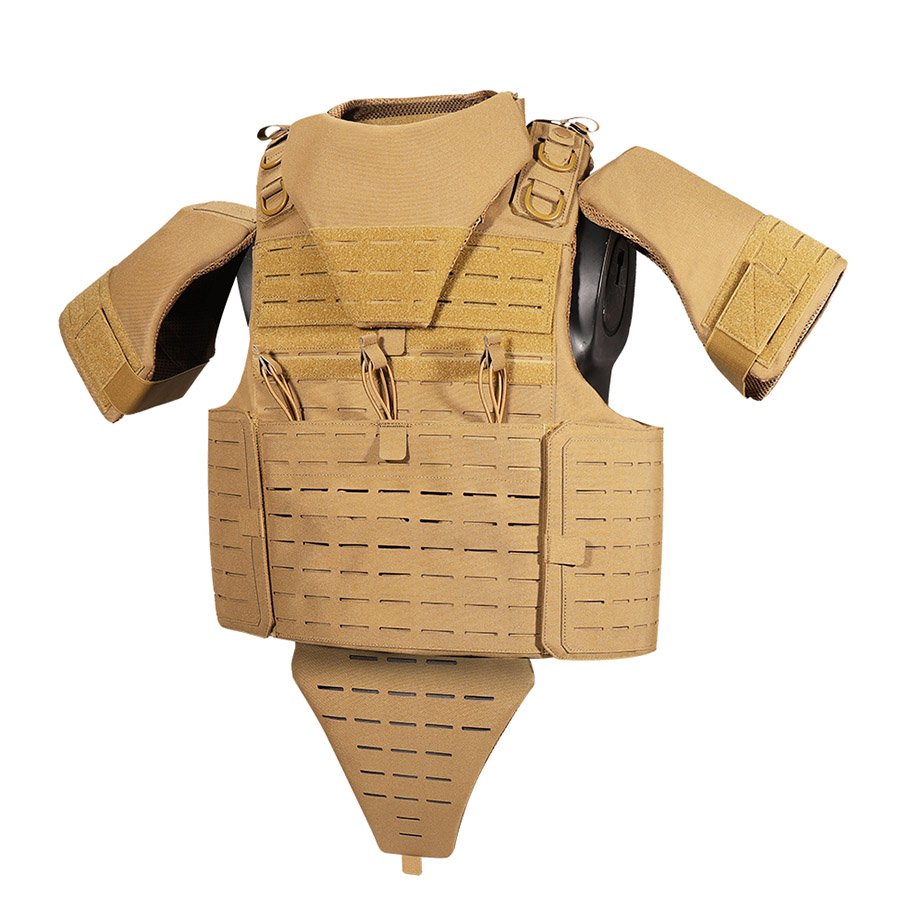
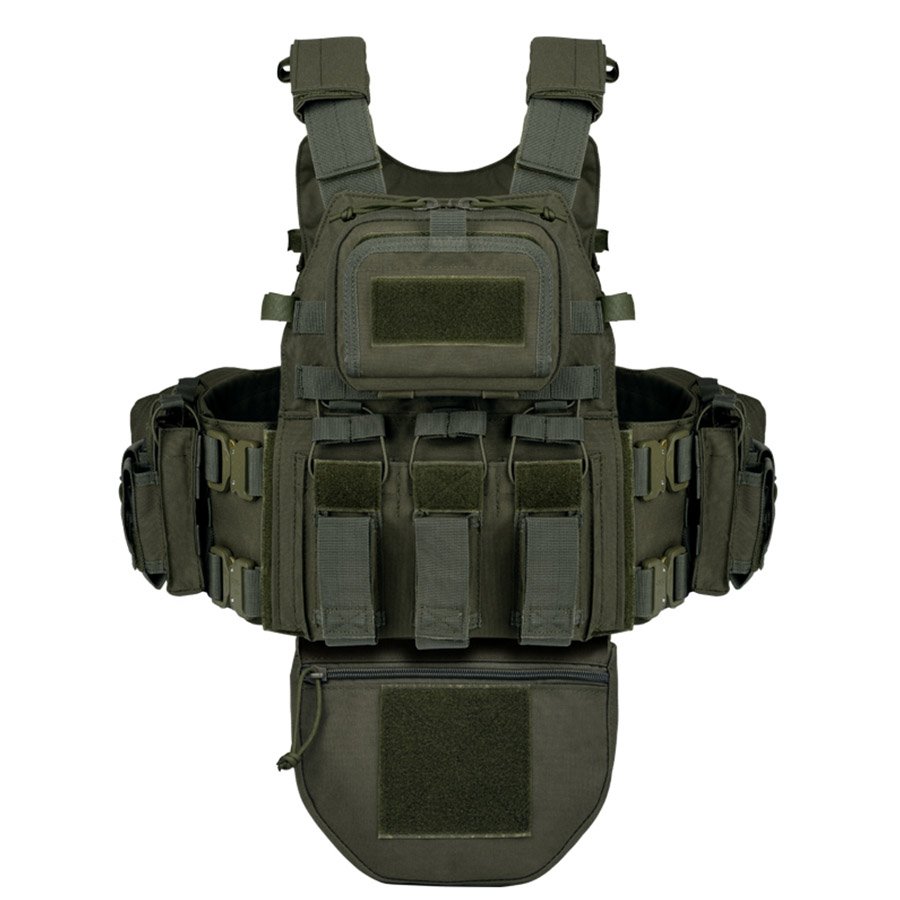
Armor Plate Carrier With Magazine Pouches
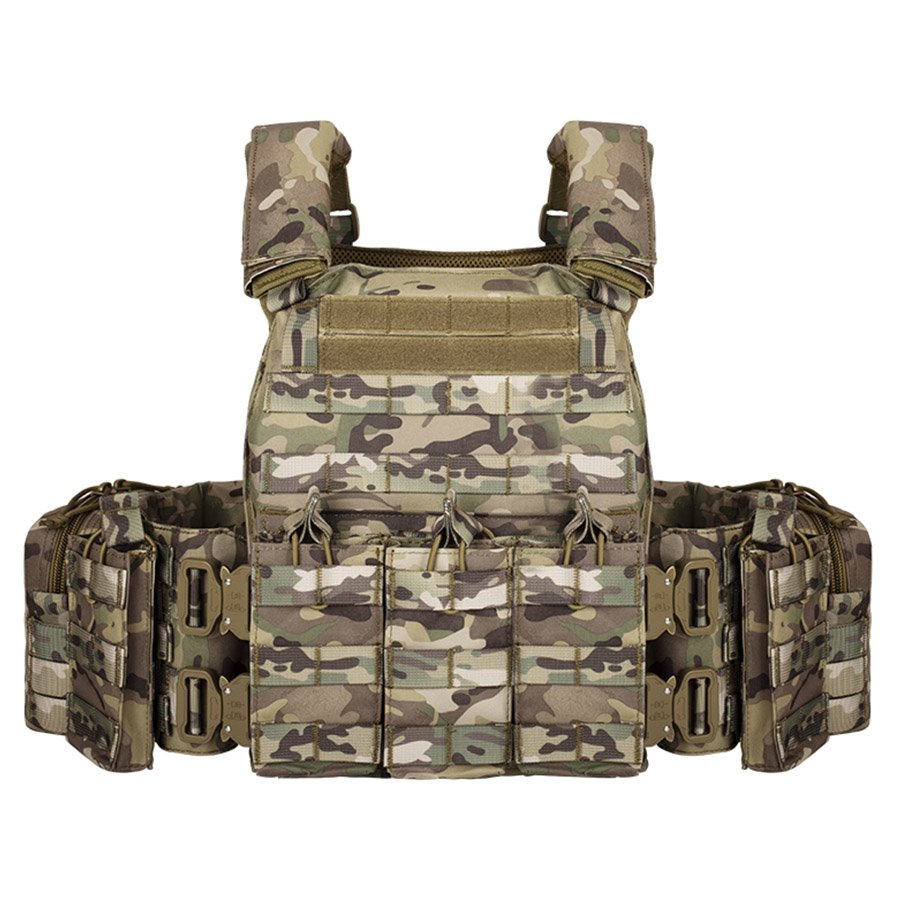
Armorguard Camo Molle Tactical Vest With Magazine Pouches


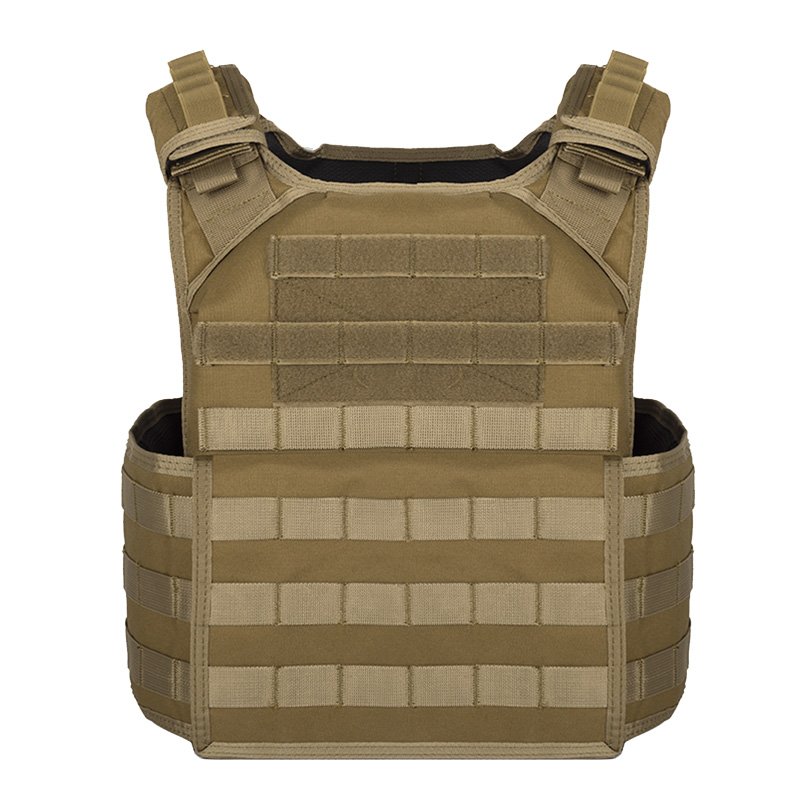
Tan Lightweight Plate Carrier With Molle System

Tactical Plate Carrier Vest Hydration Compatible
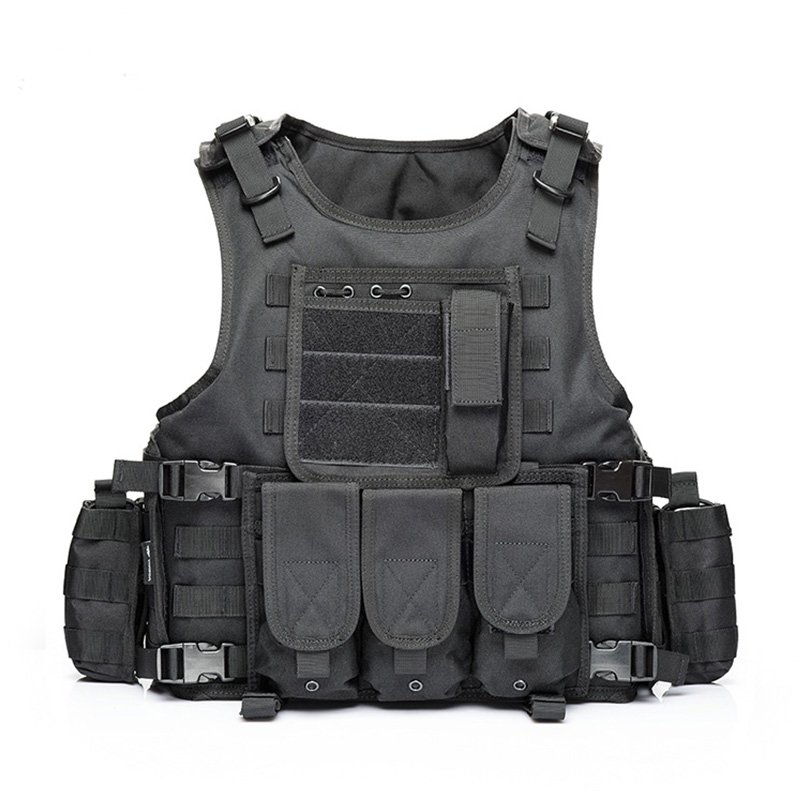
Durable Police Vest Carrier For Law Enforcement
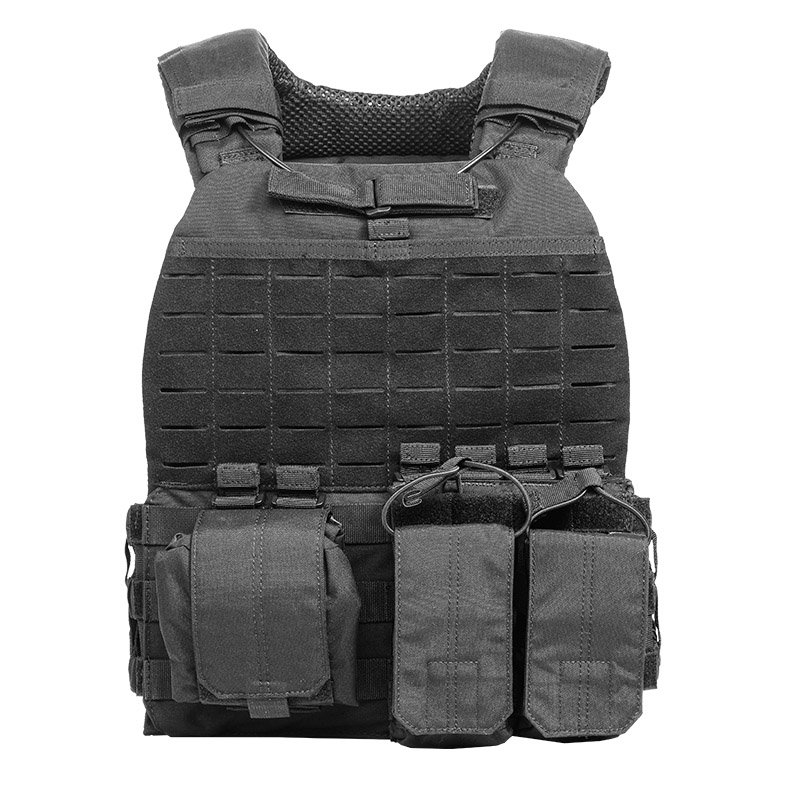
Adjustable Straps Tactical Molle Vest Gray
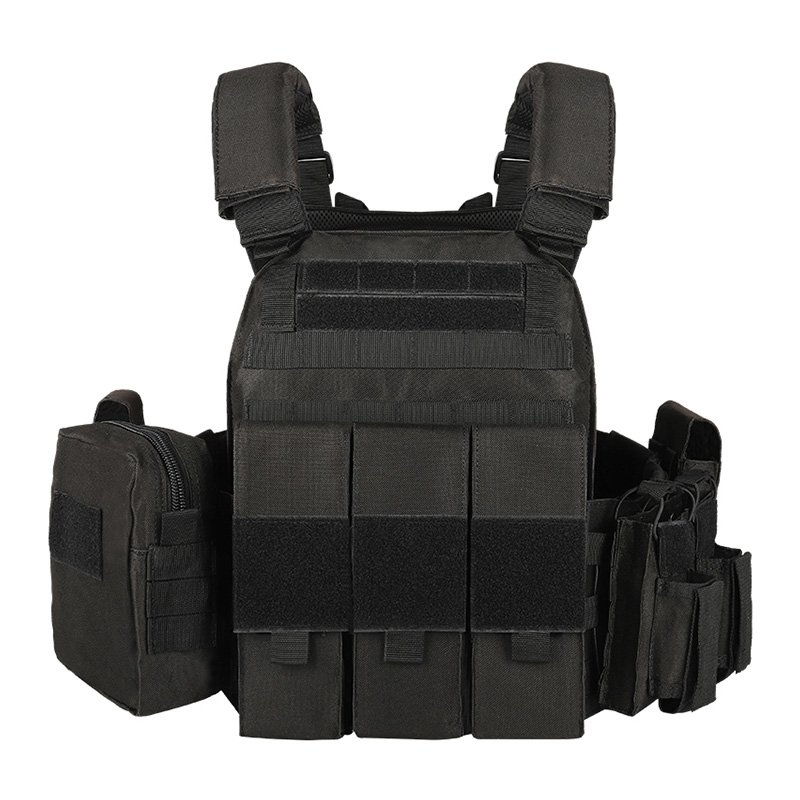
Military Plate Carrier With Mag Pouches Black
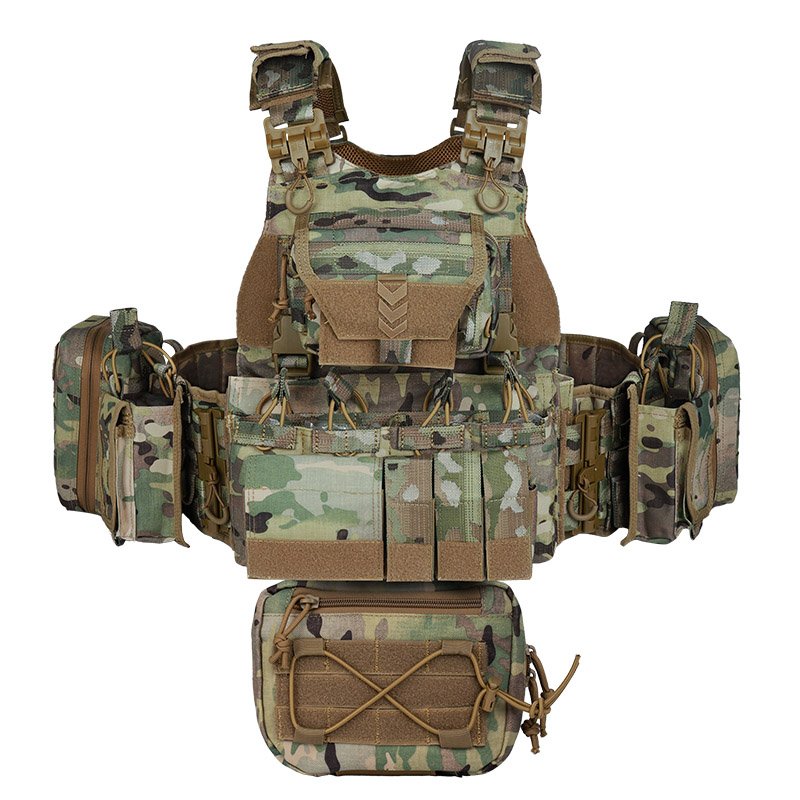
Quick Release Tactical Body Armor With Pouches
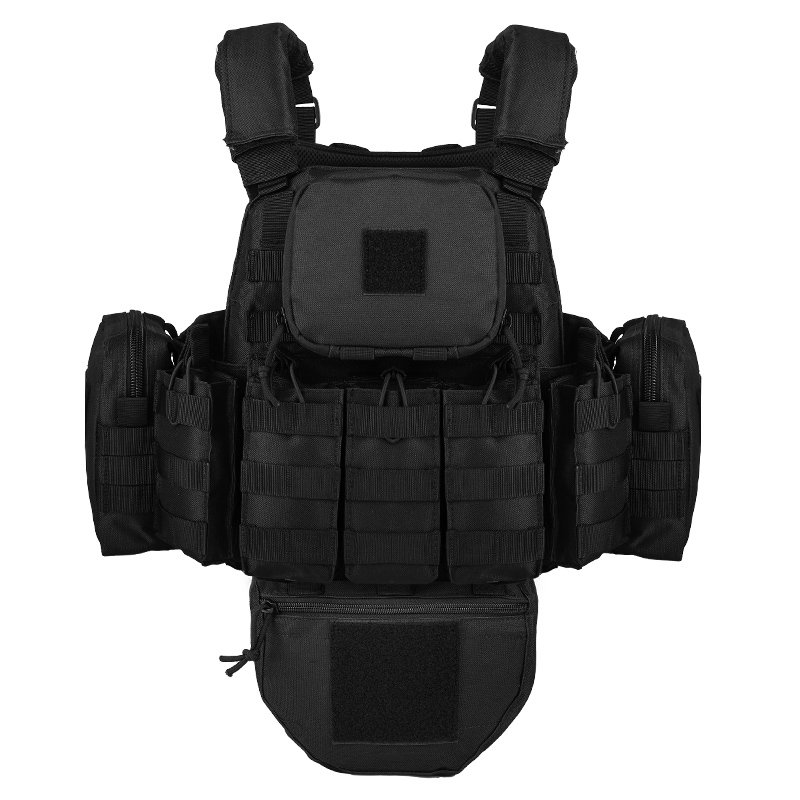
Multi Functional Tactical Plate Carrier Vest in Black
3.TACTICAL BAGS
ALICE – All-purpose Lightweight Individual Carrying Equipment
The tactical acronym ALICE is a U.S. military load-carrying system introduced in the 1970s. It features an external-frame rucksack, suspenders, belt, and pouches, and was widely used until largely replaced by the modular MOLLE system in the early 2000s.
BOB – Bug Out Bag
BOB is a portable emergency kit packed with essential survival gear, food, water, clothing, and tools. Designed for quick evacuation during disasters or threats, it typically sustains one person for at least 72 hours.
EDC – Everyday Carry
EDC refers to the essential items a person routinely carries for daily utility, self-defense, or preparedness. Common examples include a knife, flashlight, multi-tool, wallet, keys, and sometimes a firearm or medical kit.
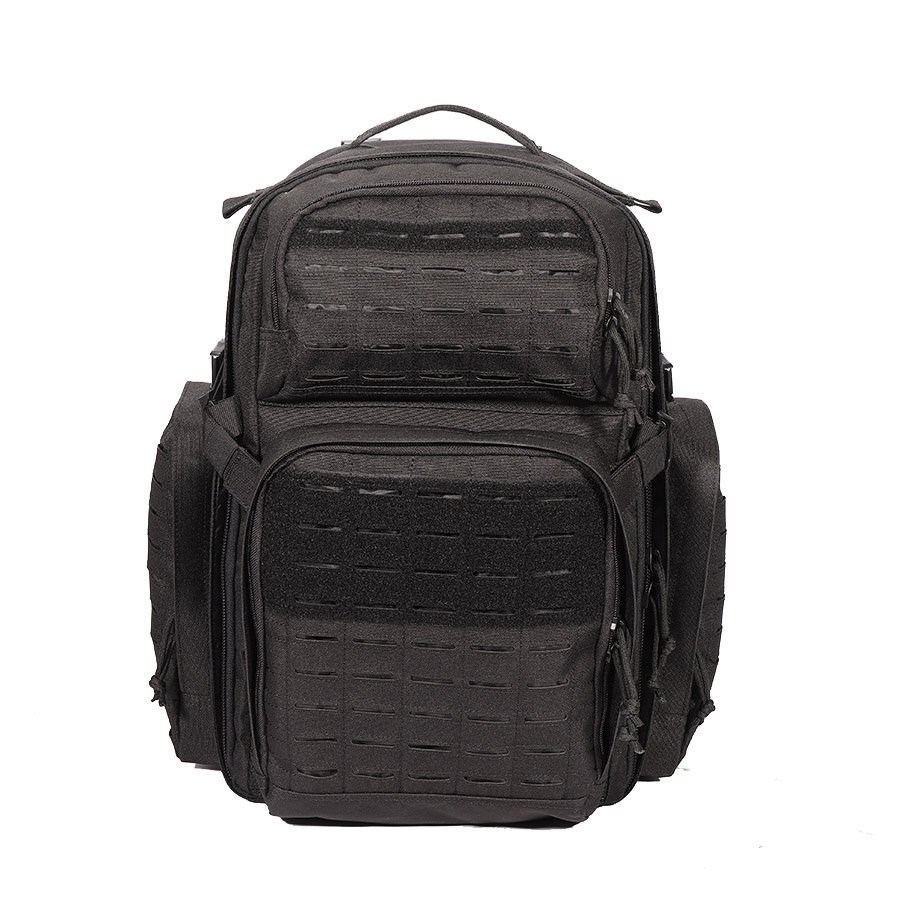
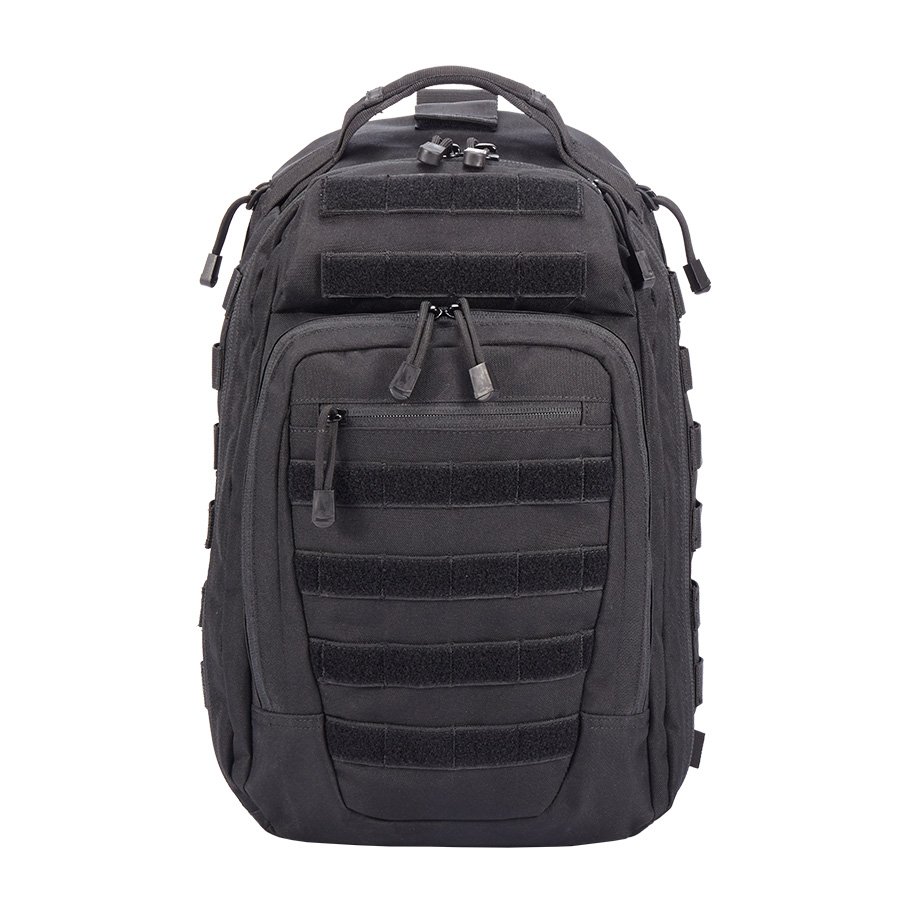
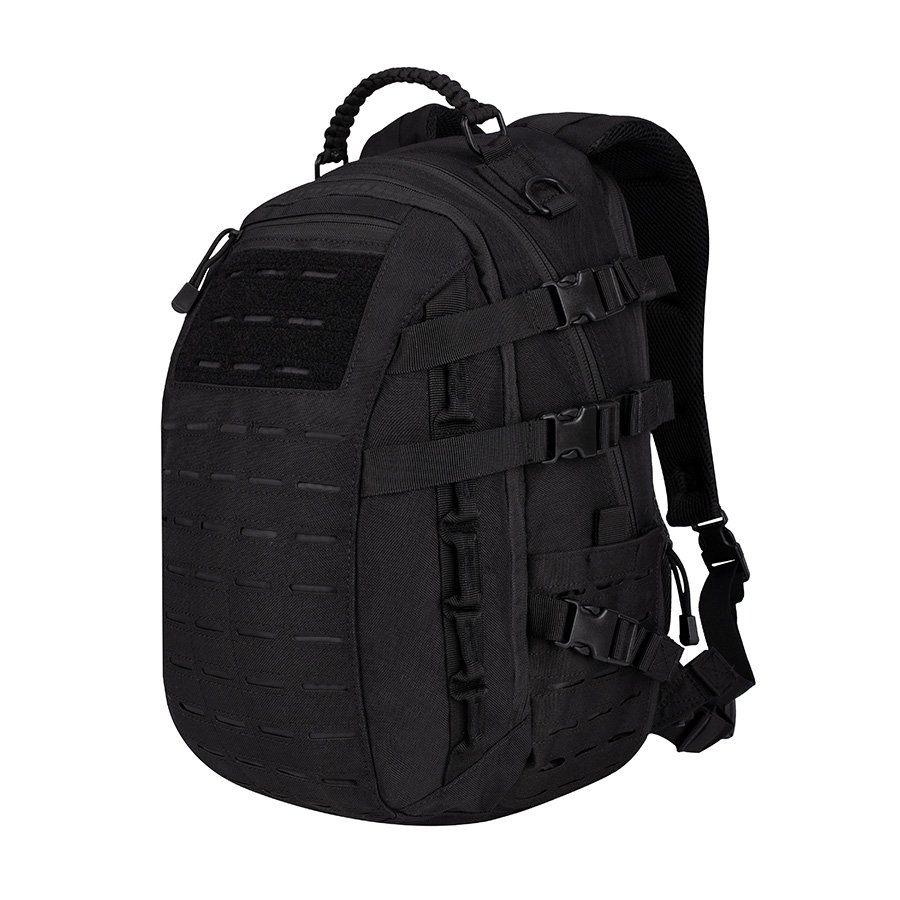
Lightweight Tactical Hiking Pack With Velcro 30L
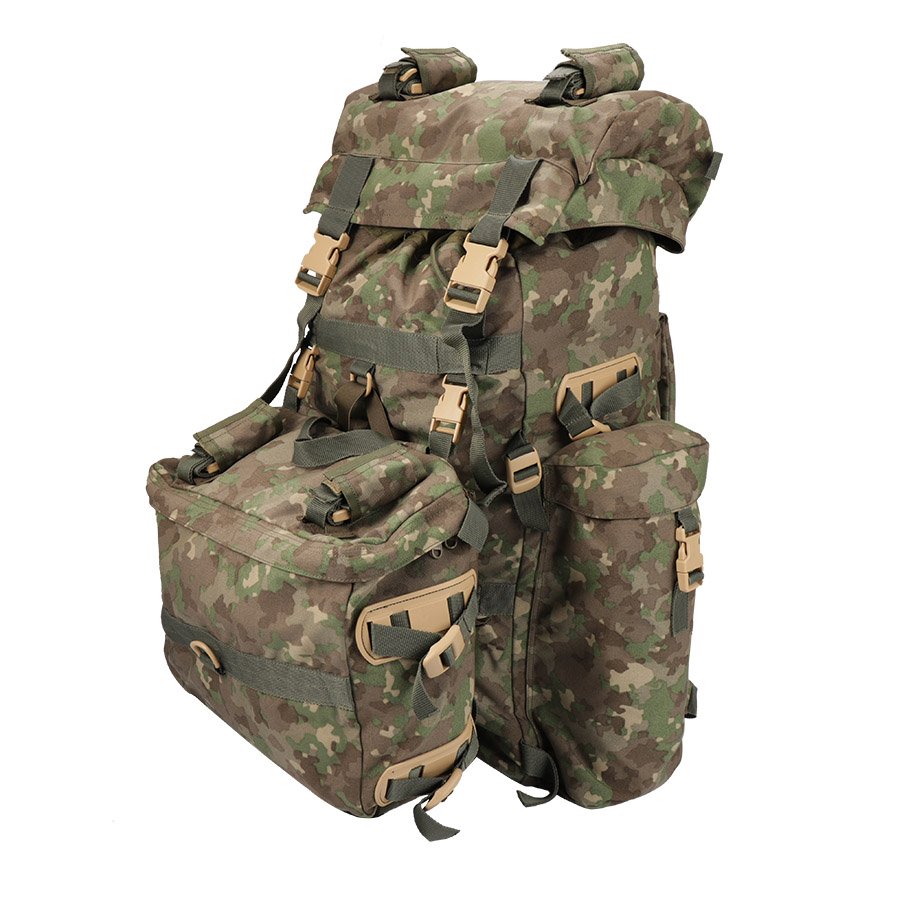
Large Modular Military Rucksack Camouflage
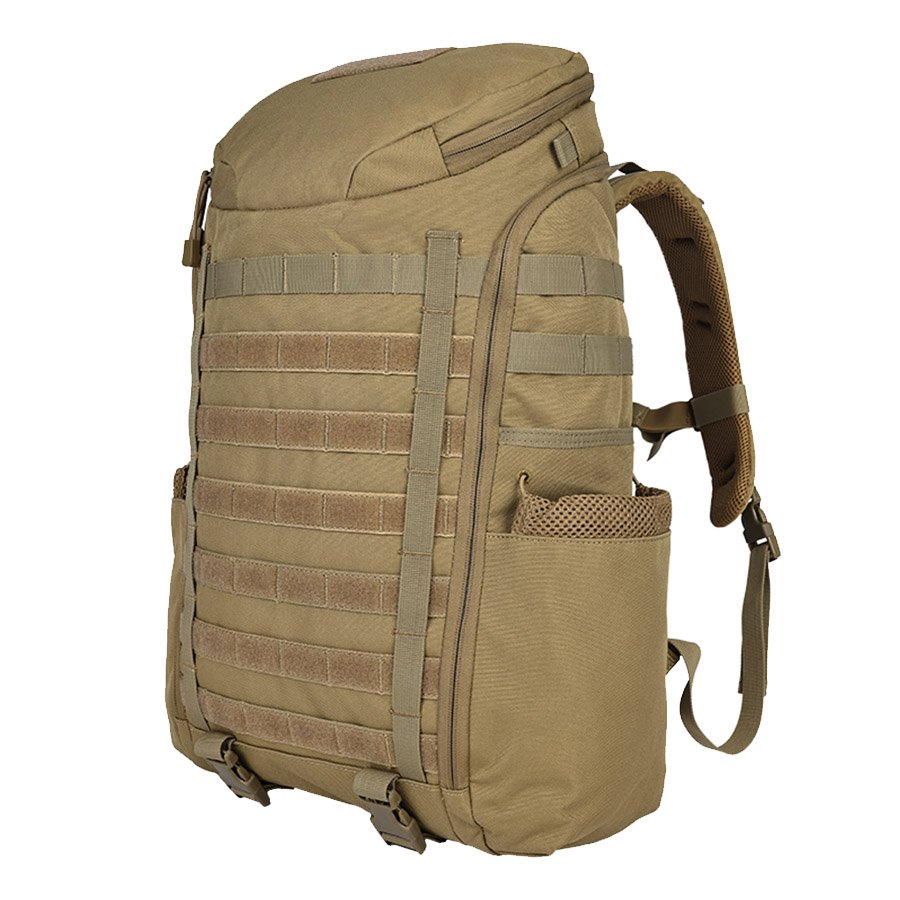
Zippered Top Lid Molle Assault Pack Coyote Brown
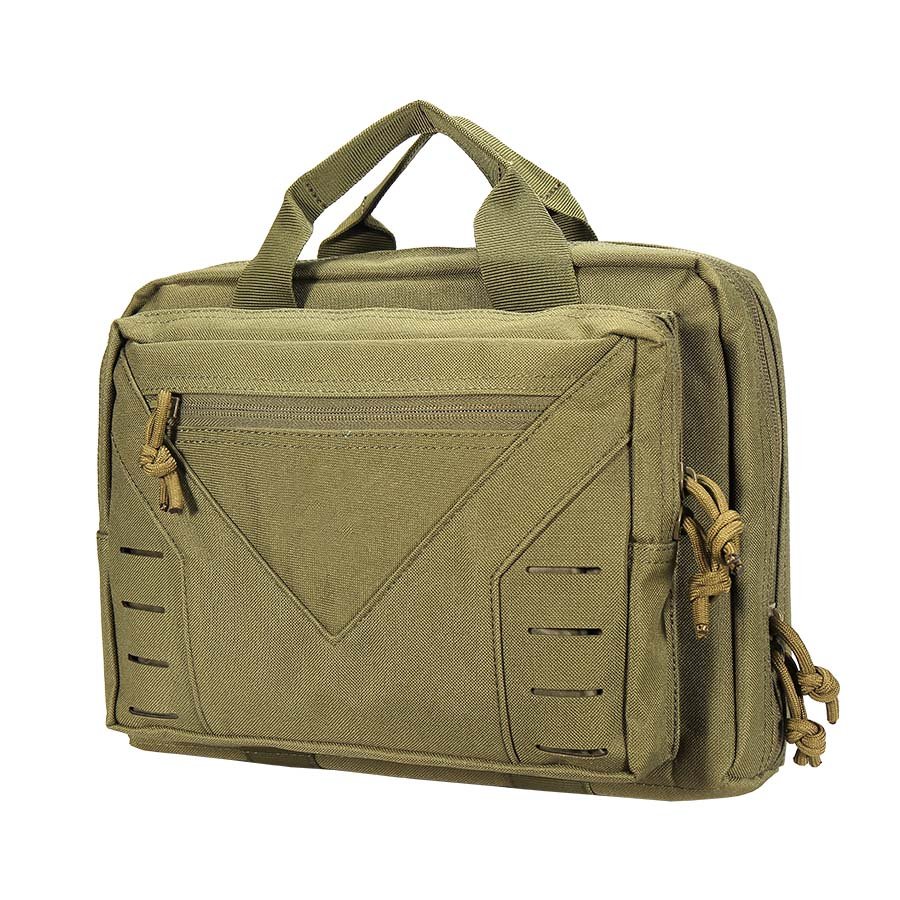
Durable Military Laptop Bag With Laser Cut Molle
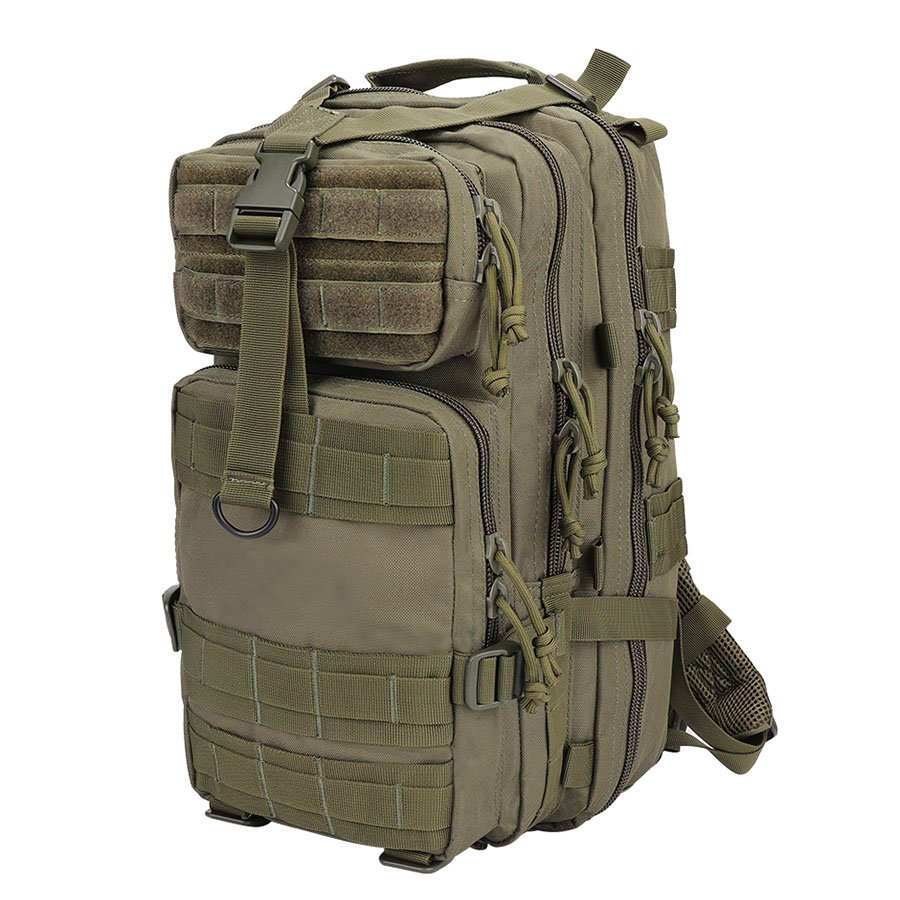
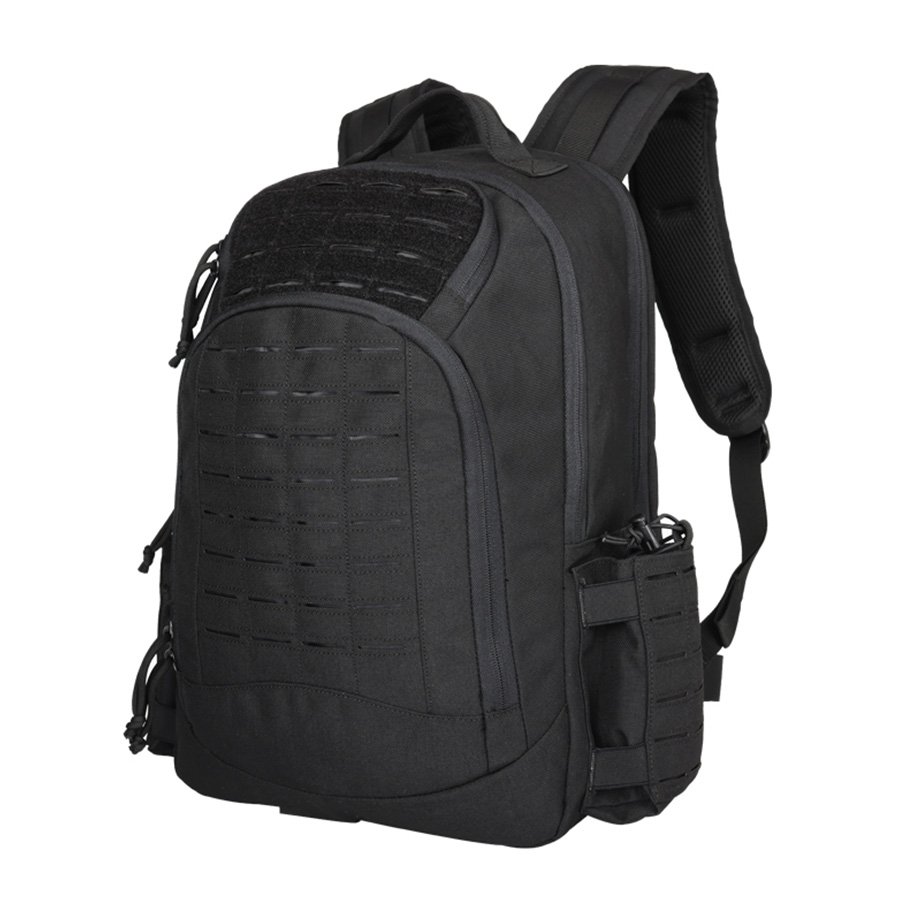
Waterproof EDC Tactical Backpack With Laser Cut Molle
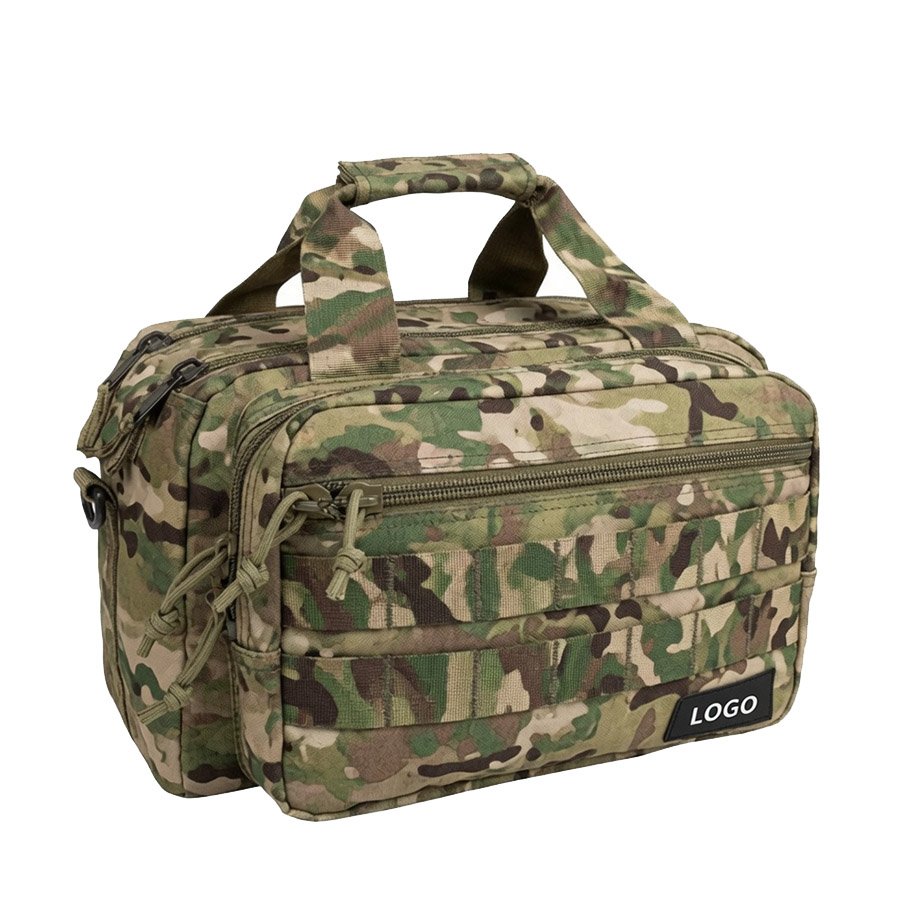
Camo Tactical Gun Range Bag With Molle Webbing
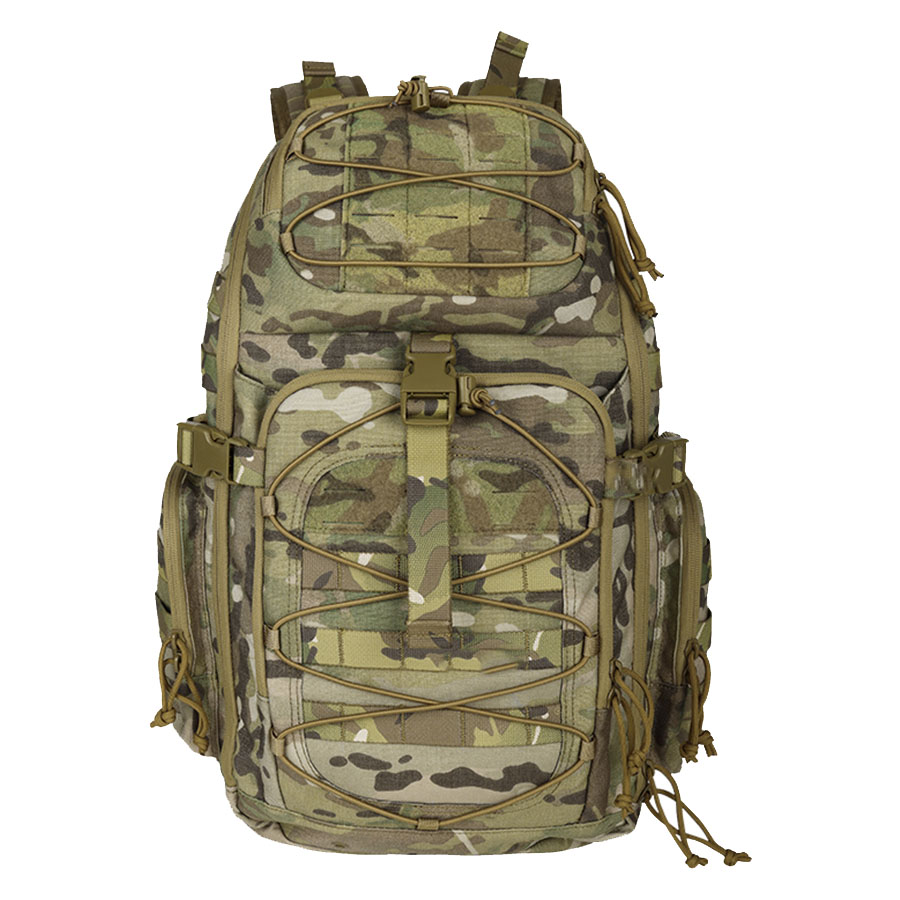
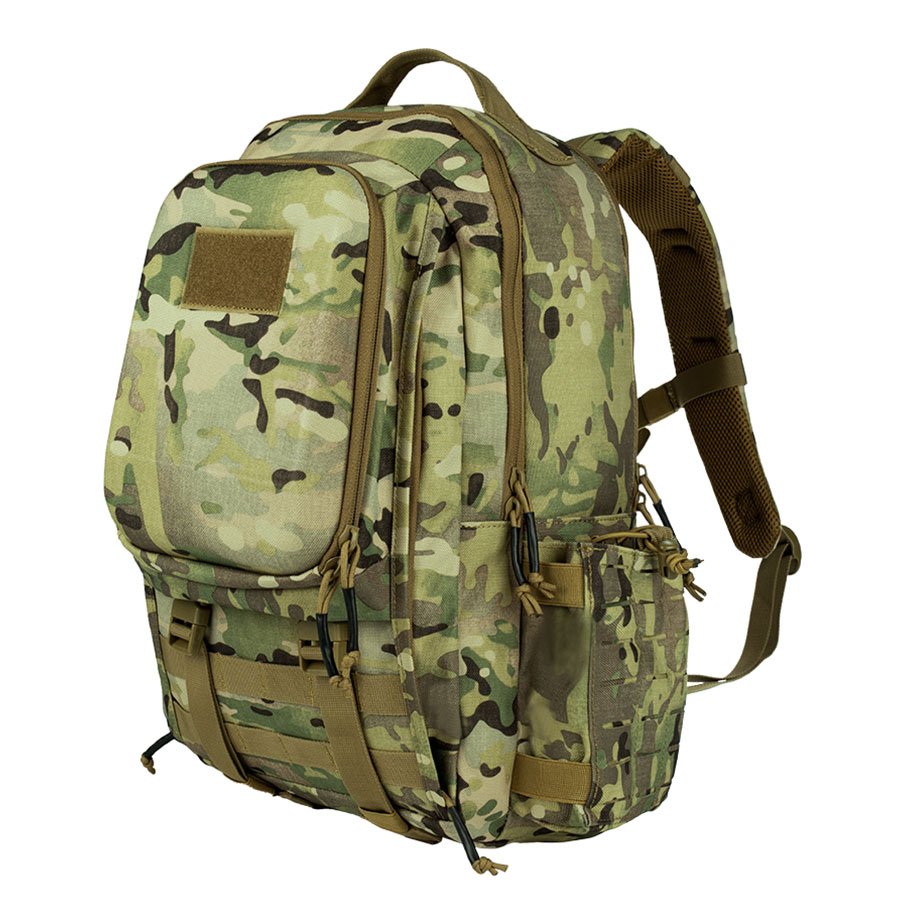
Multicam Tactical Backpack With Compression Straps
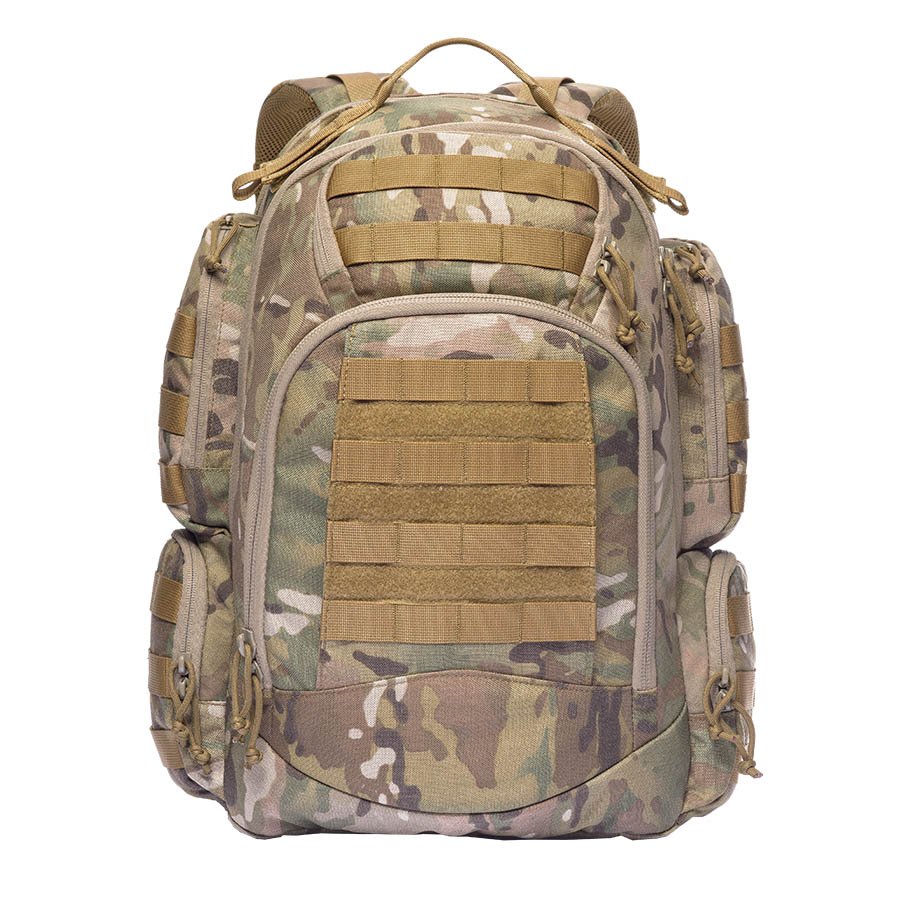
Tactical Combat Backpack For Hiking And Camping
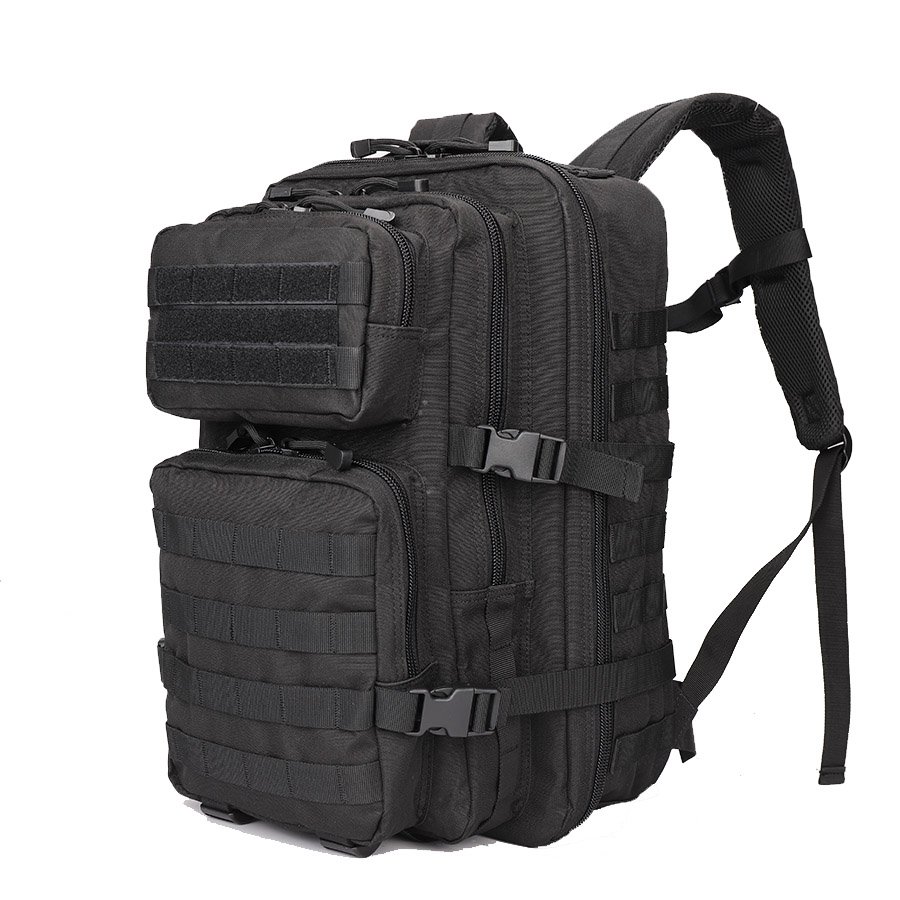
Big Tactical Molle Backpack For Hiking And Traveling
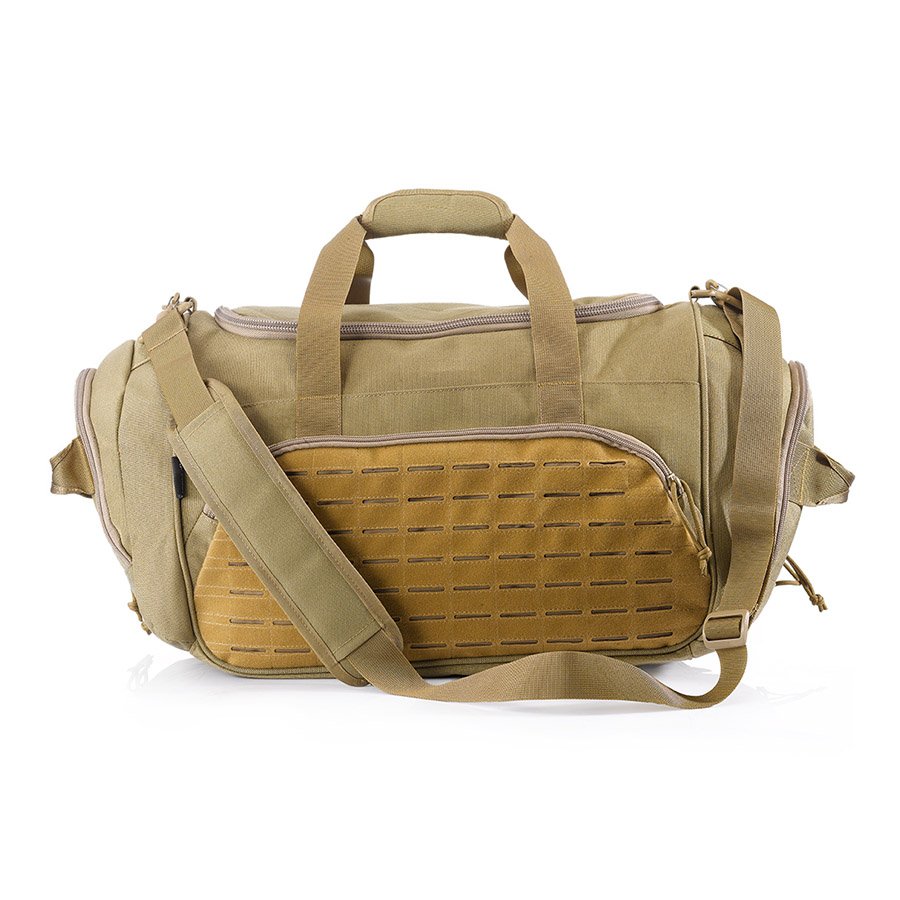
Fashion Nylon Outdoor Tactical Duffel Bag Tan
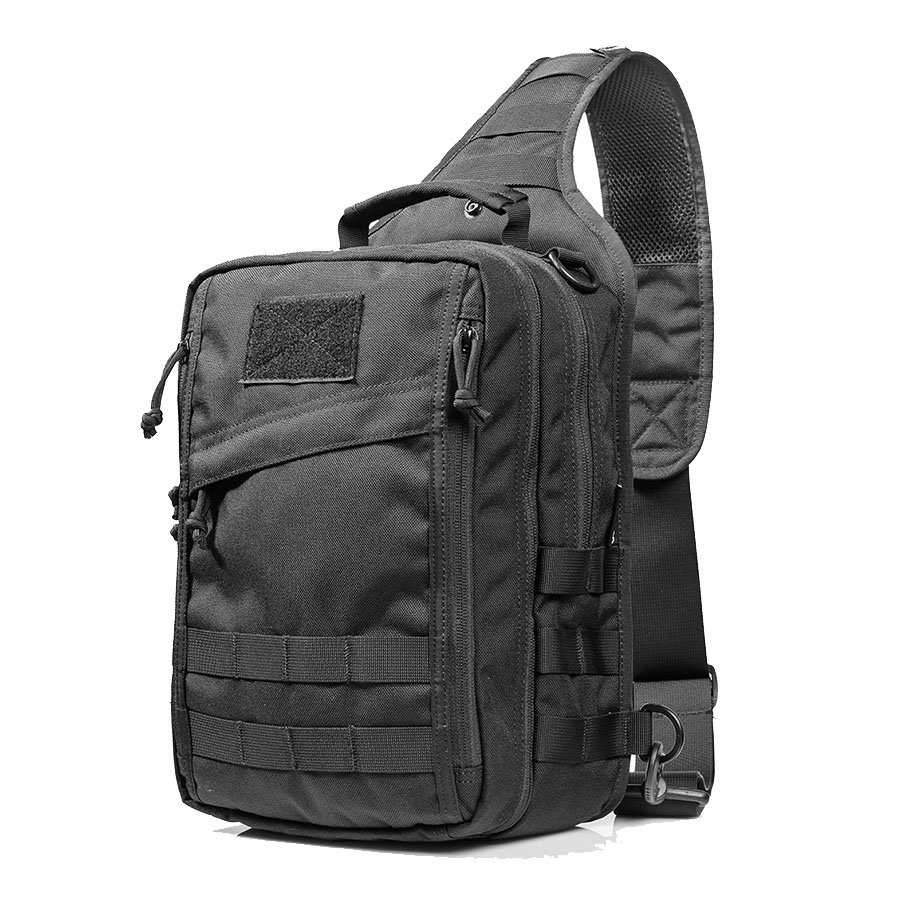
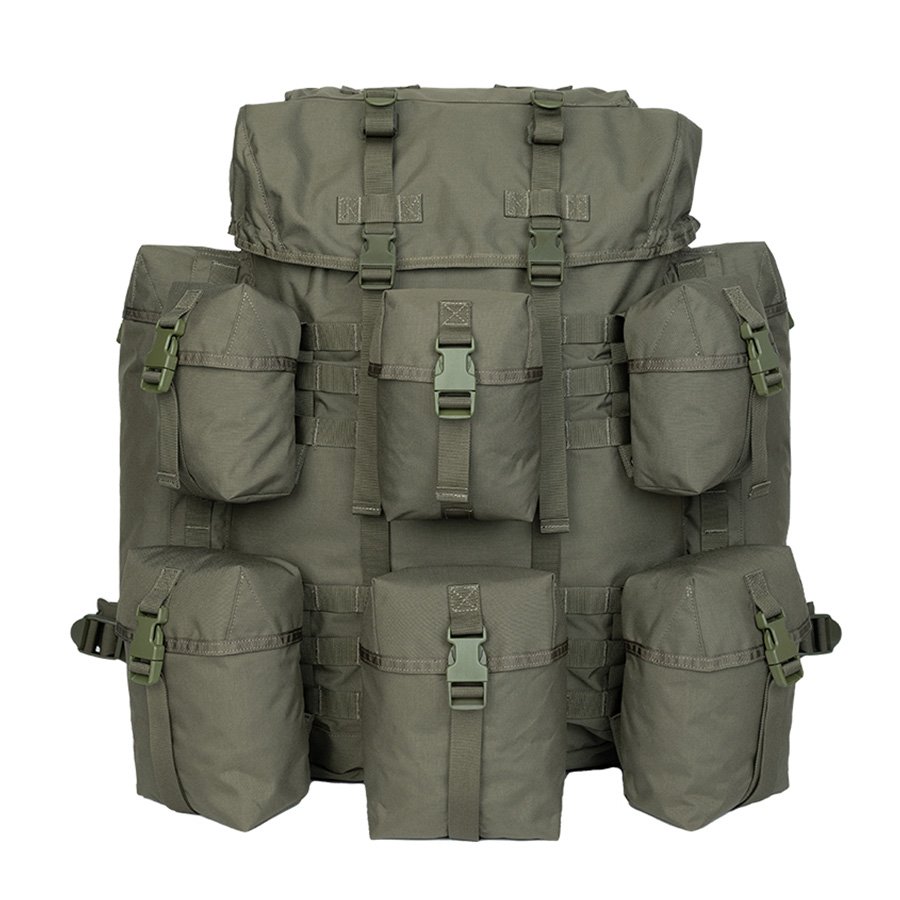
Tactical ALICE Backpack With Frame-Armorguard
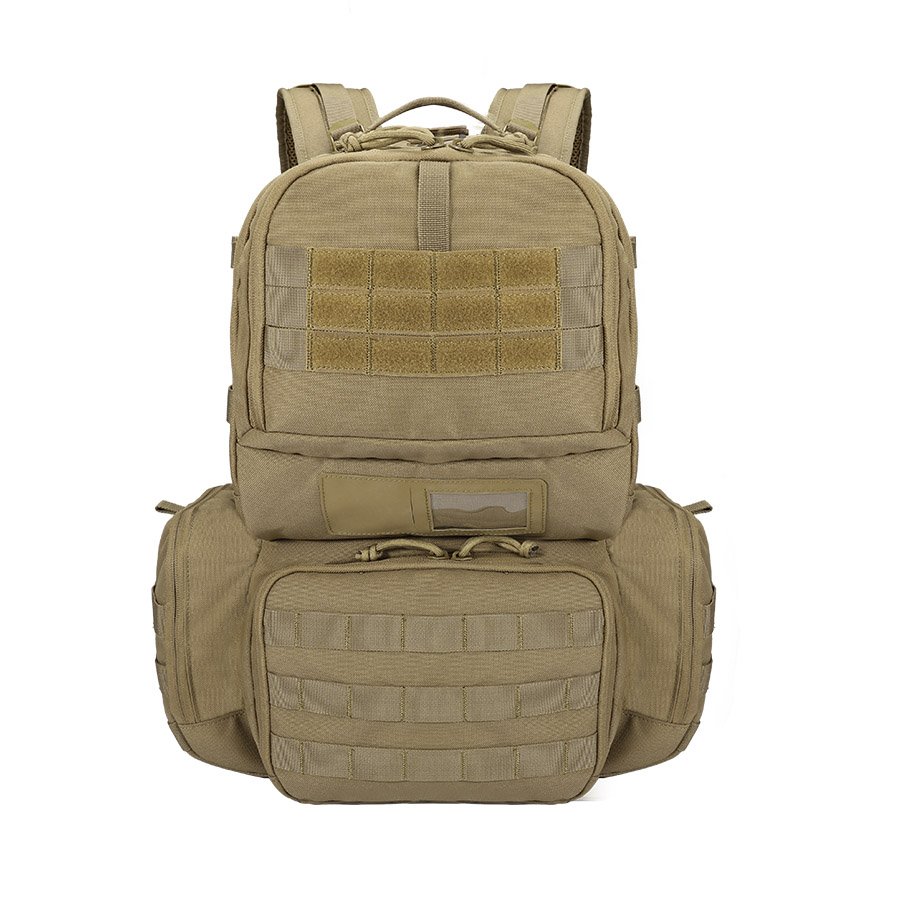
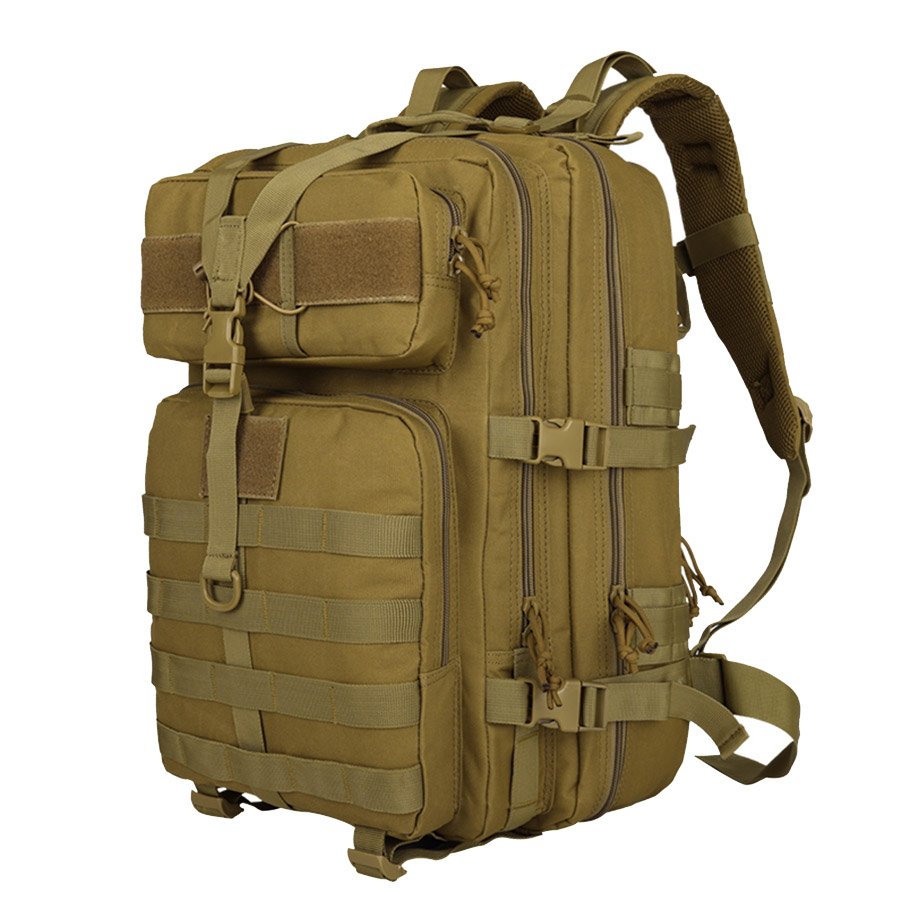
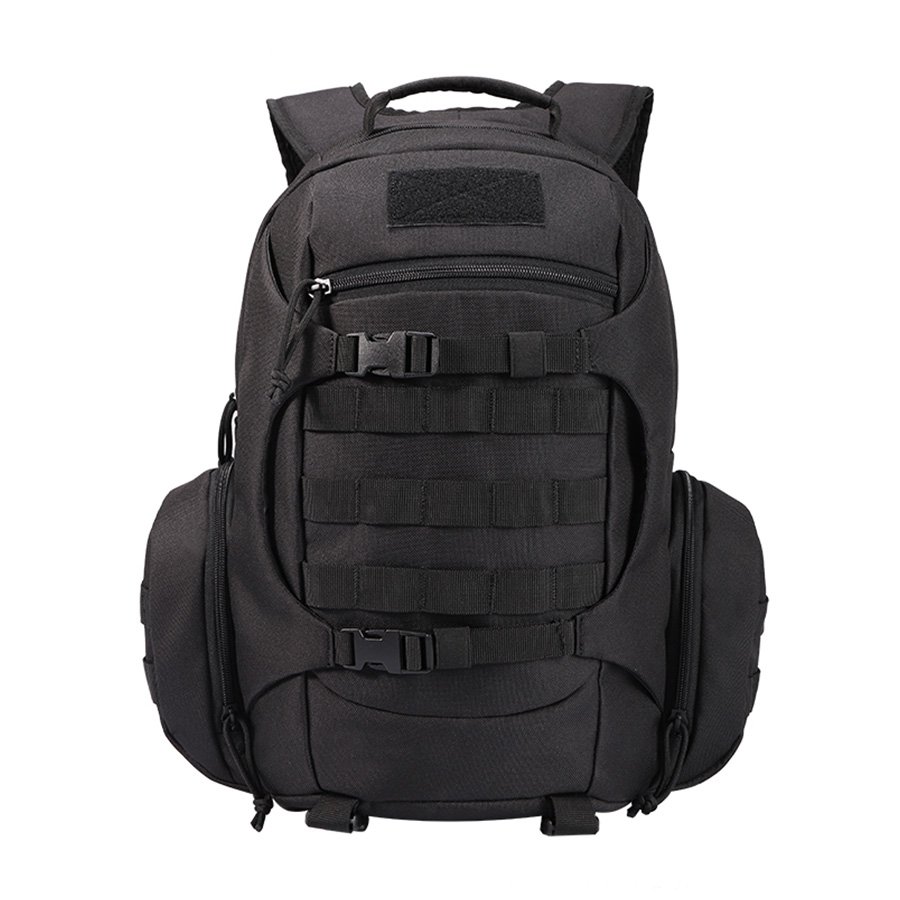
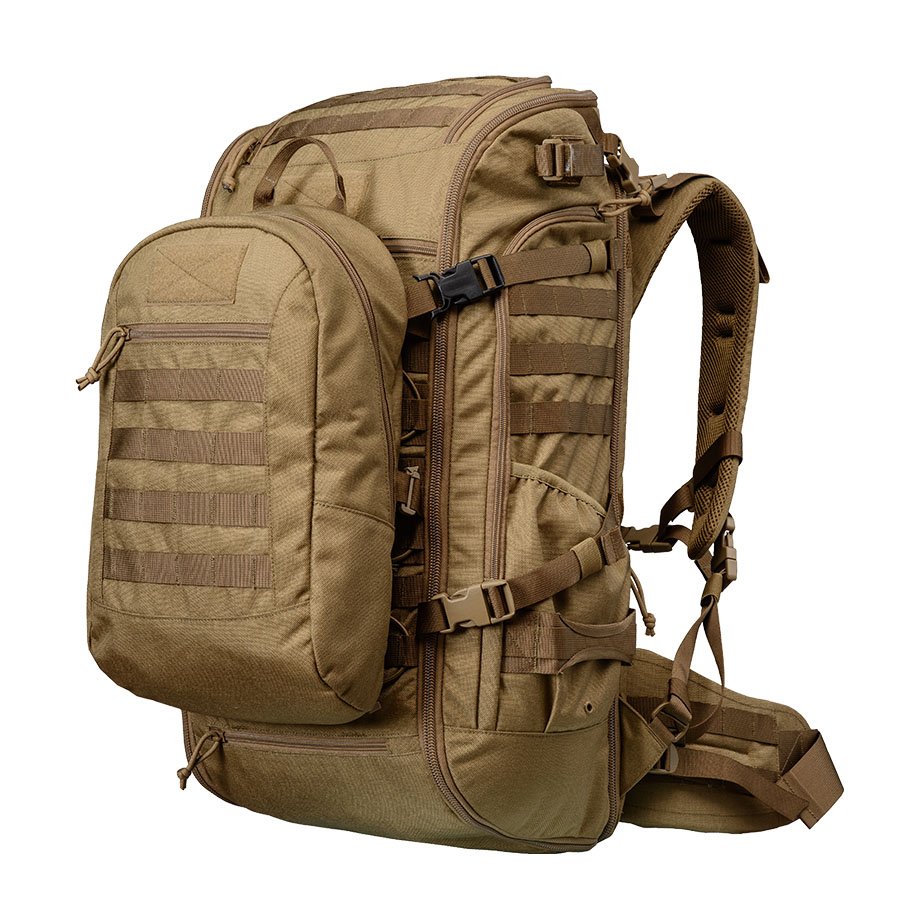
Military Assault Pack With Detachable Compartment
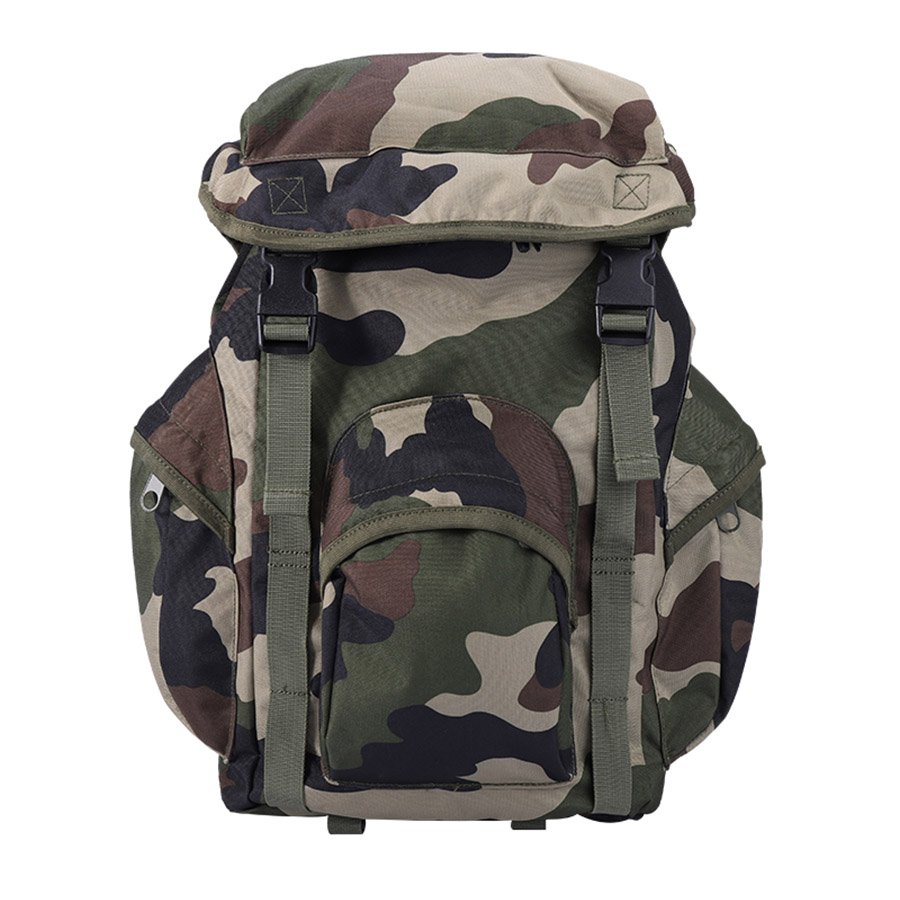
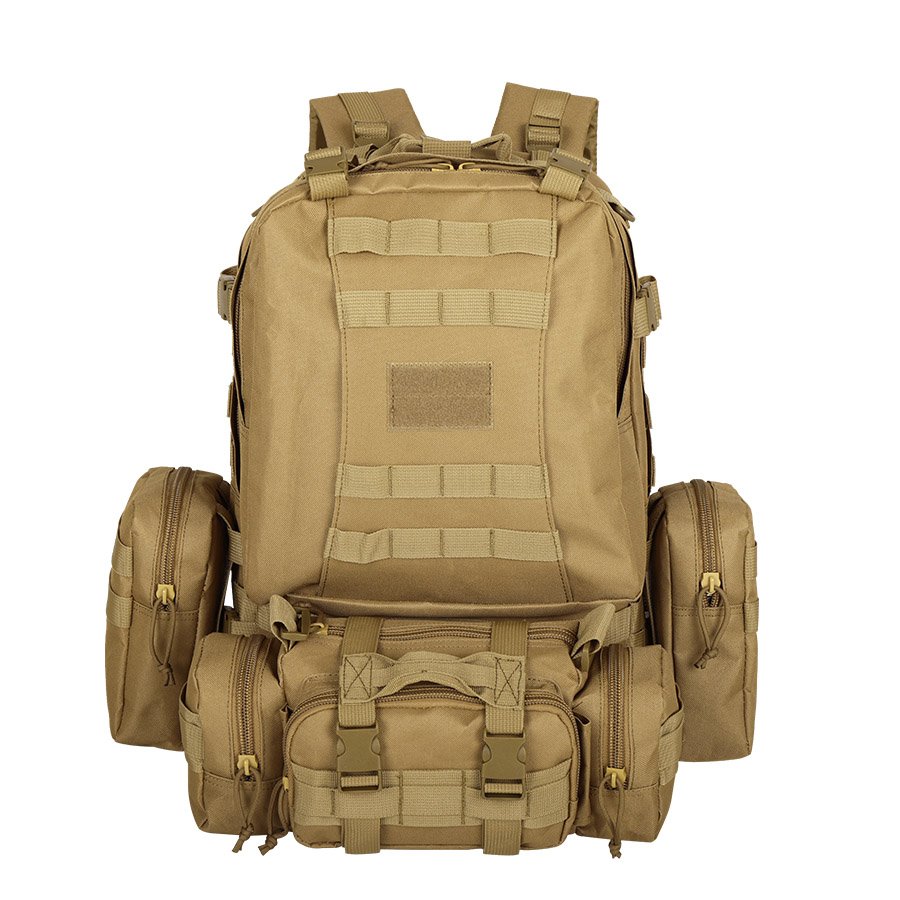
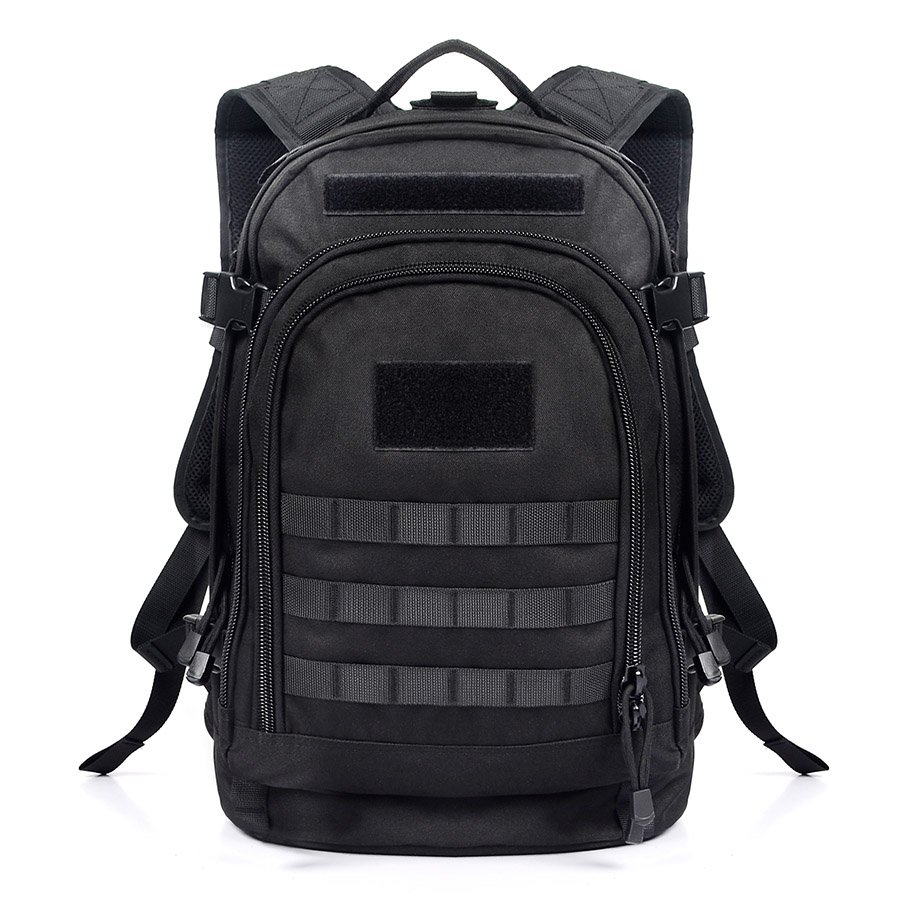
Armorguard Oxford Molle Assault Pack With Velcro
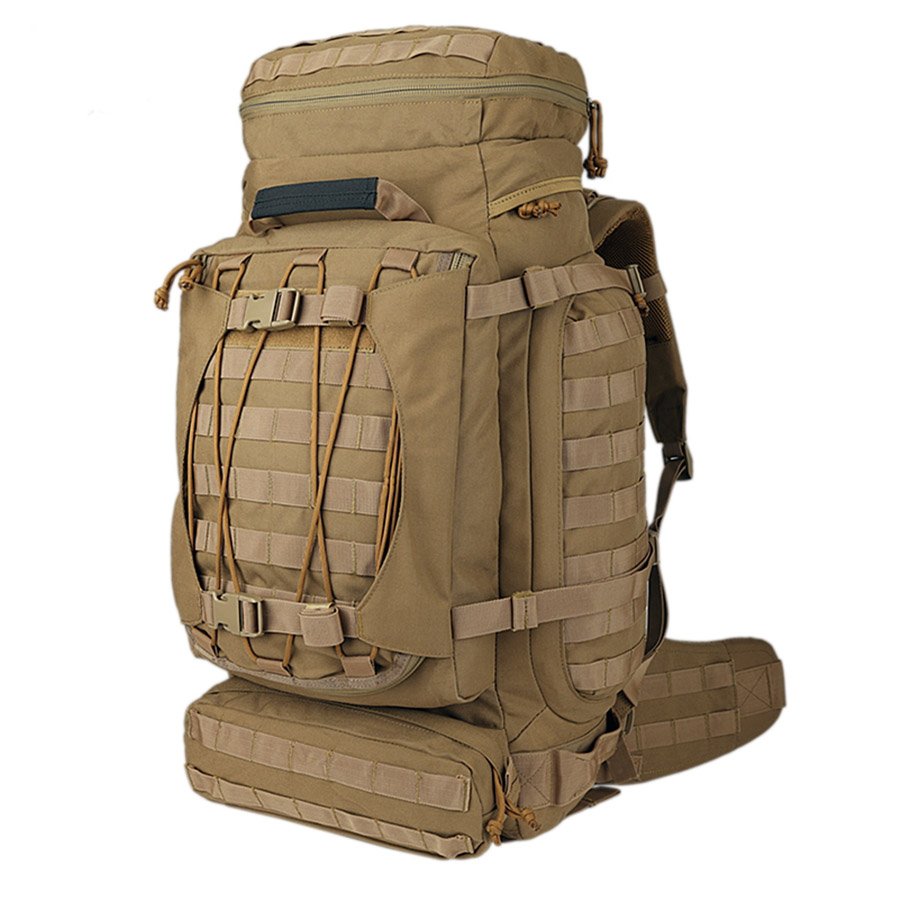
Large Military Rucksack Backpack Wholesale
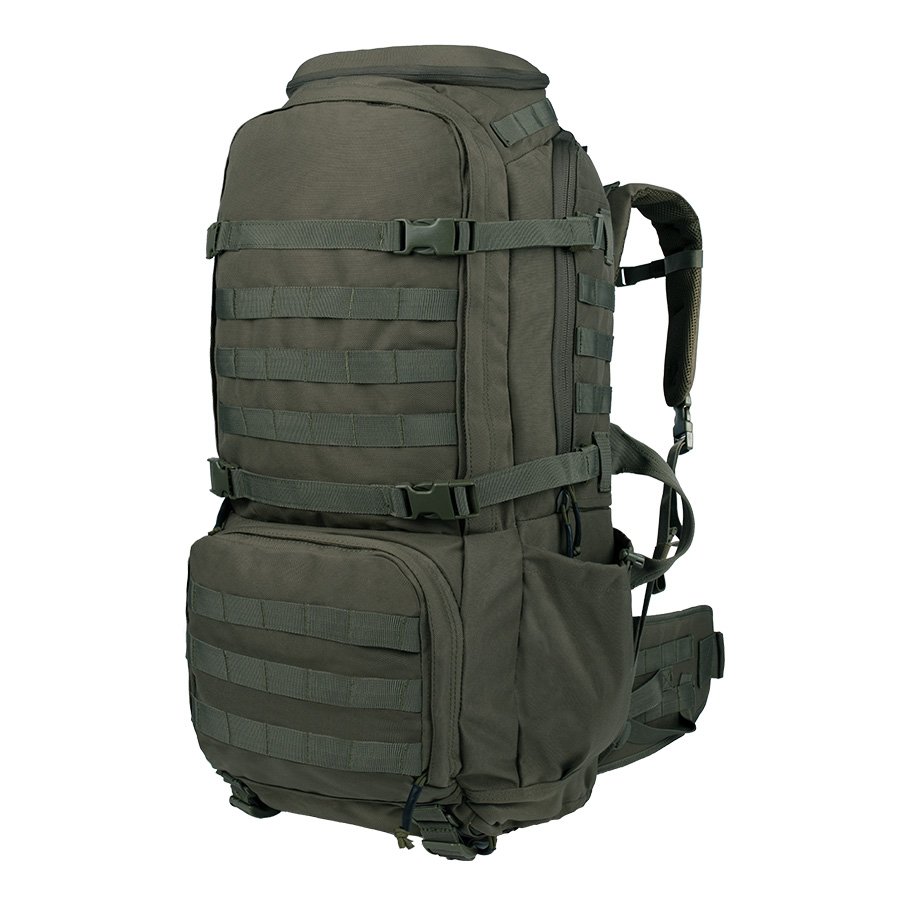
Armorguard Large Army Hiking Backpack With Molle
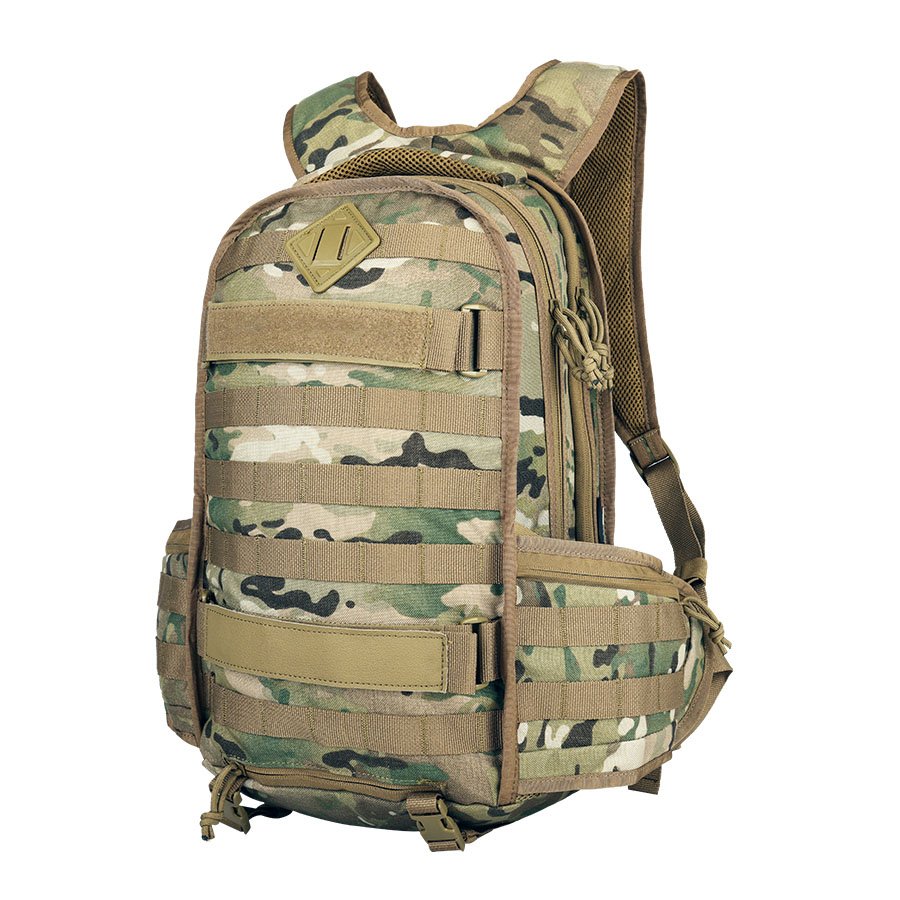
Armorguard Molle Army Camo Backpack 40L
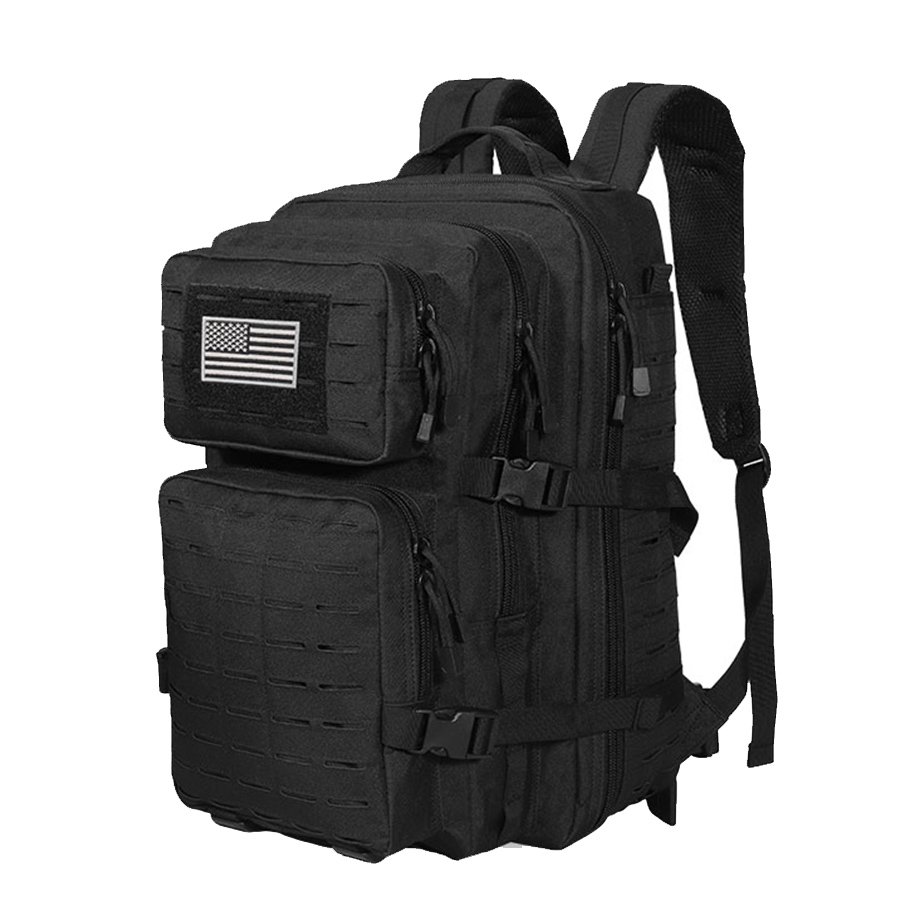
Armorguard Military Style Backpack Laser Cut Molle
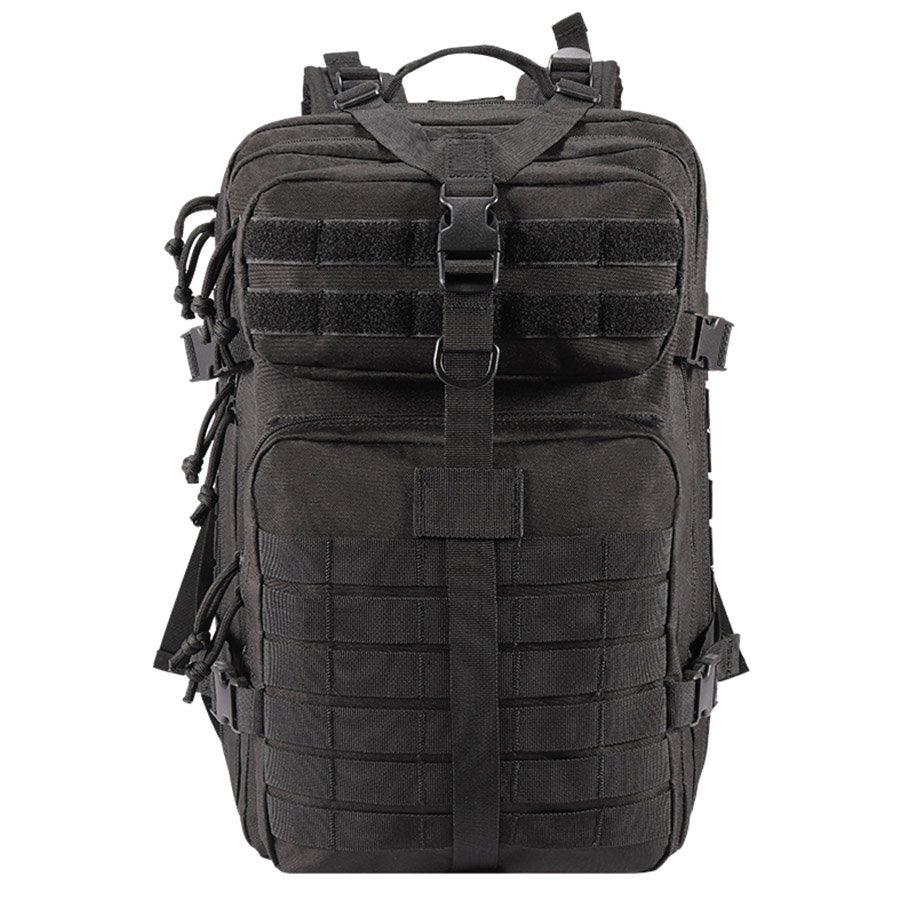
Armorguard 3P Tactical Black Backpack With Molle
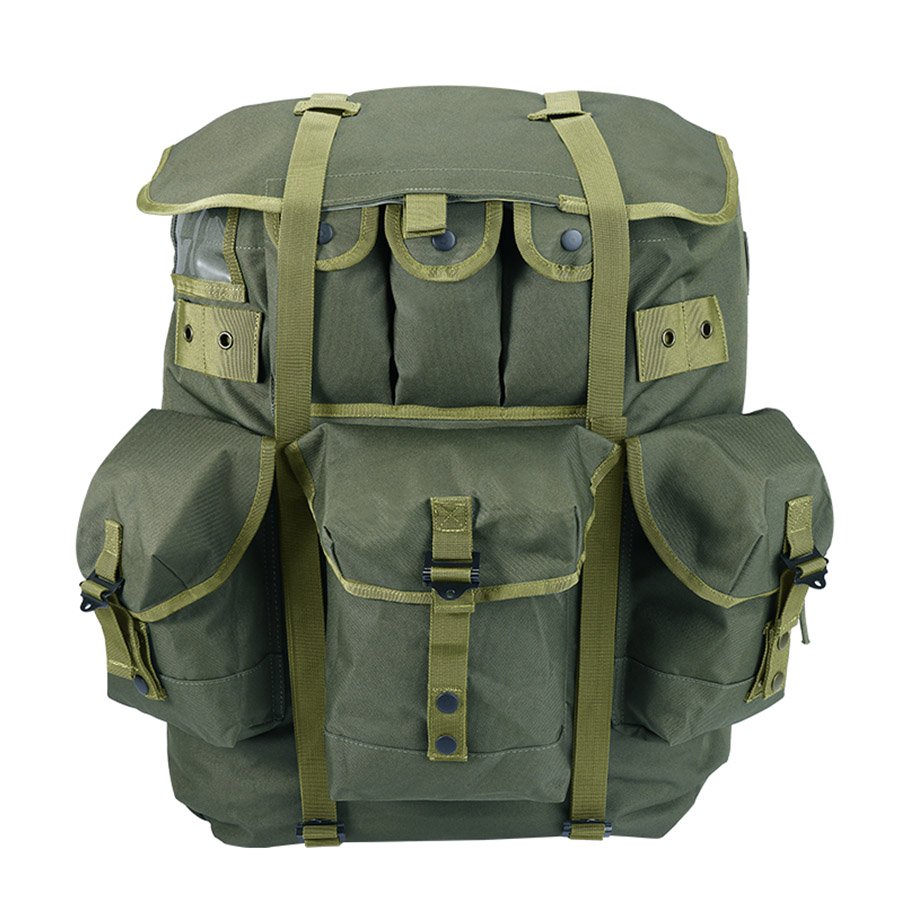
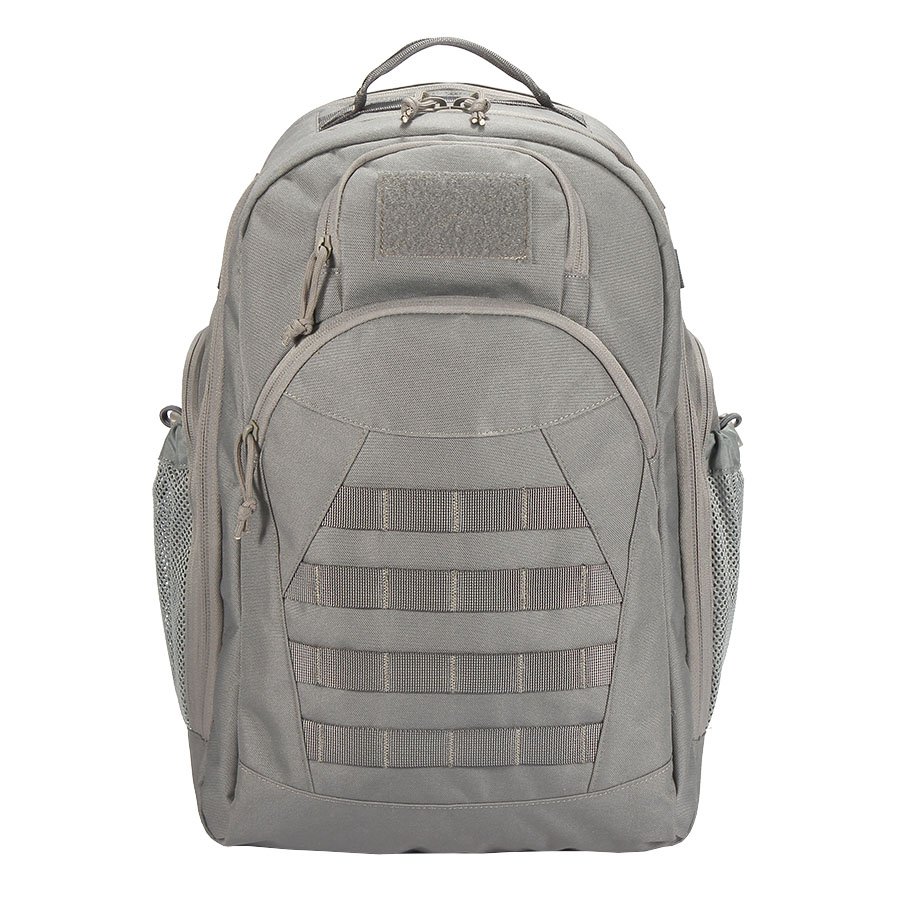
Armorguard Molle Tactical Laptop Bag Waterproof
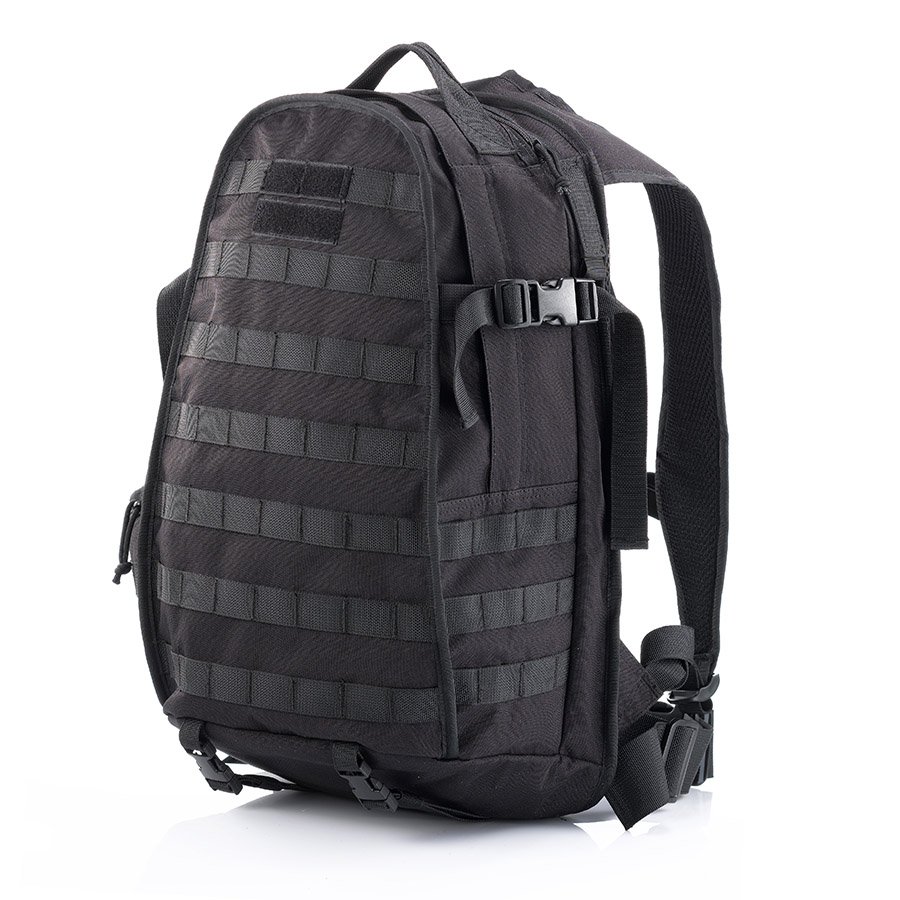
Armorguard Molle Assault Backpack Waterproof

Large Rucksack Backpack Army With Hydration Pack
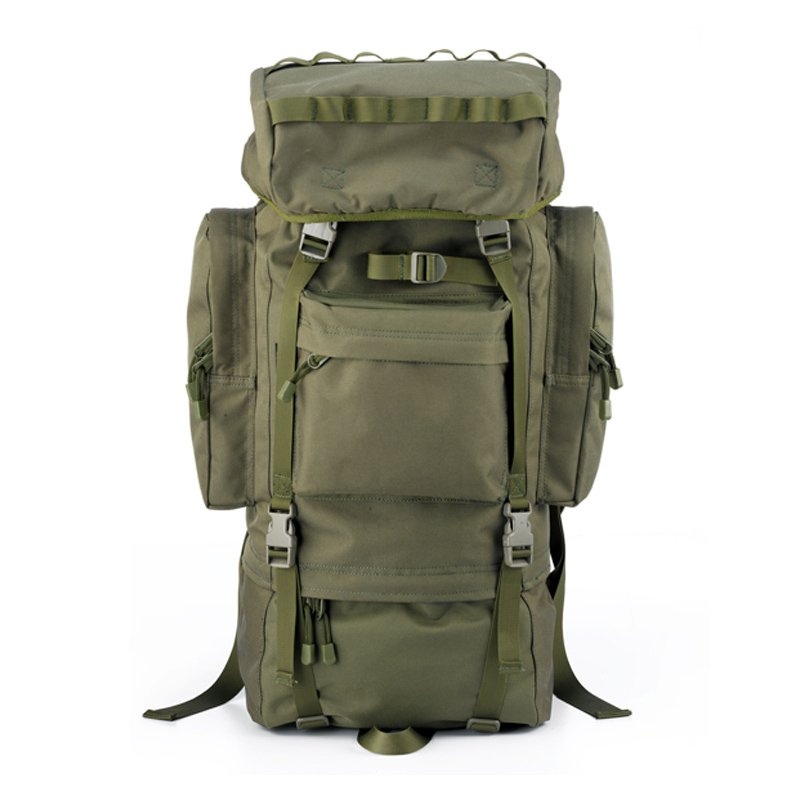
Large Tactical Hiking Backpack Multiple Pockets
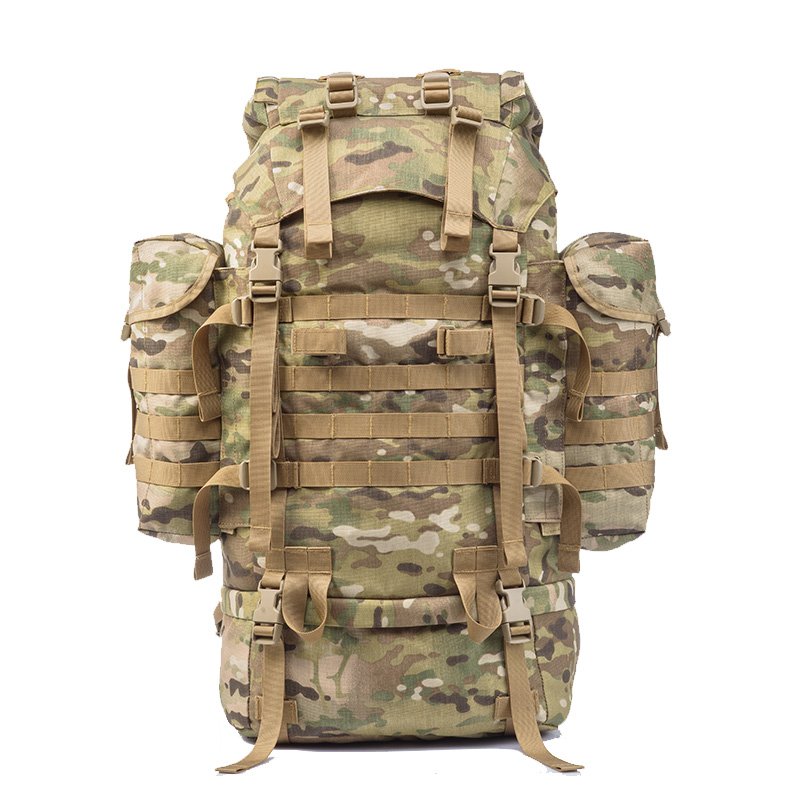
Multicam Military Style Rucksack With Molle
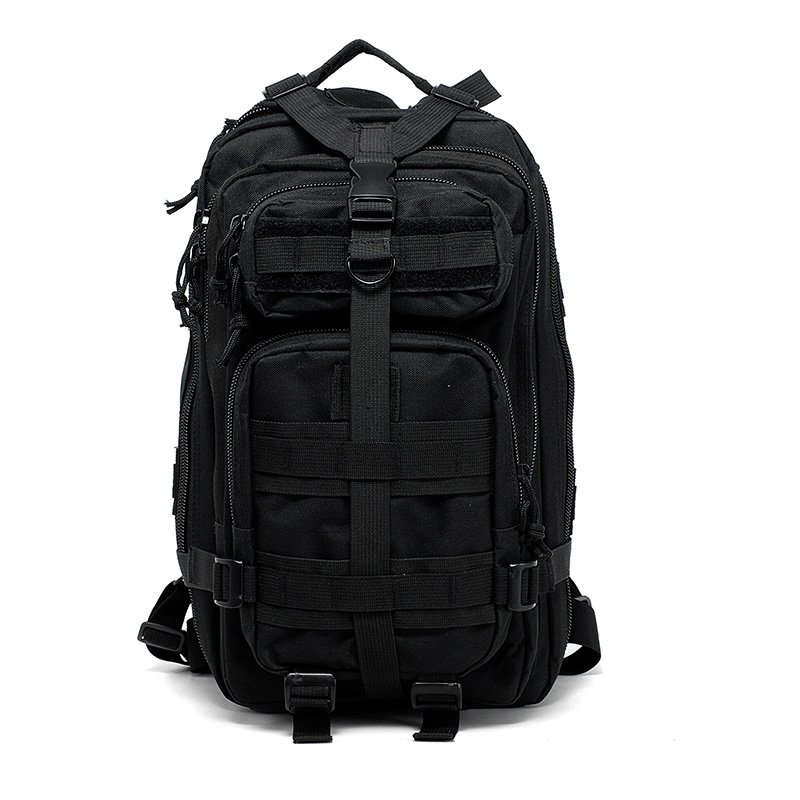
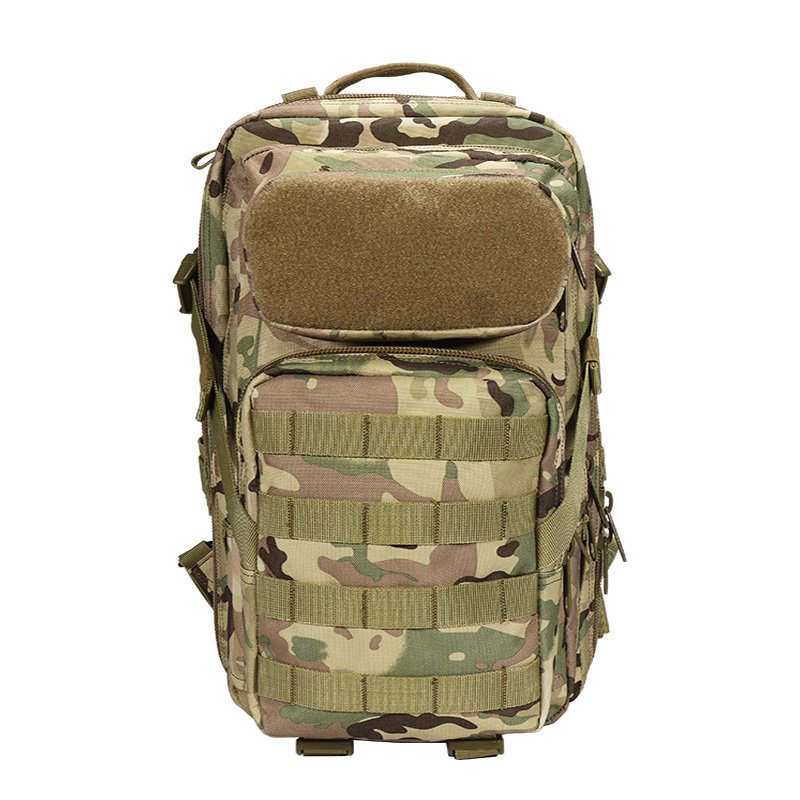
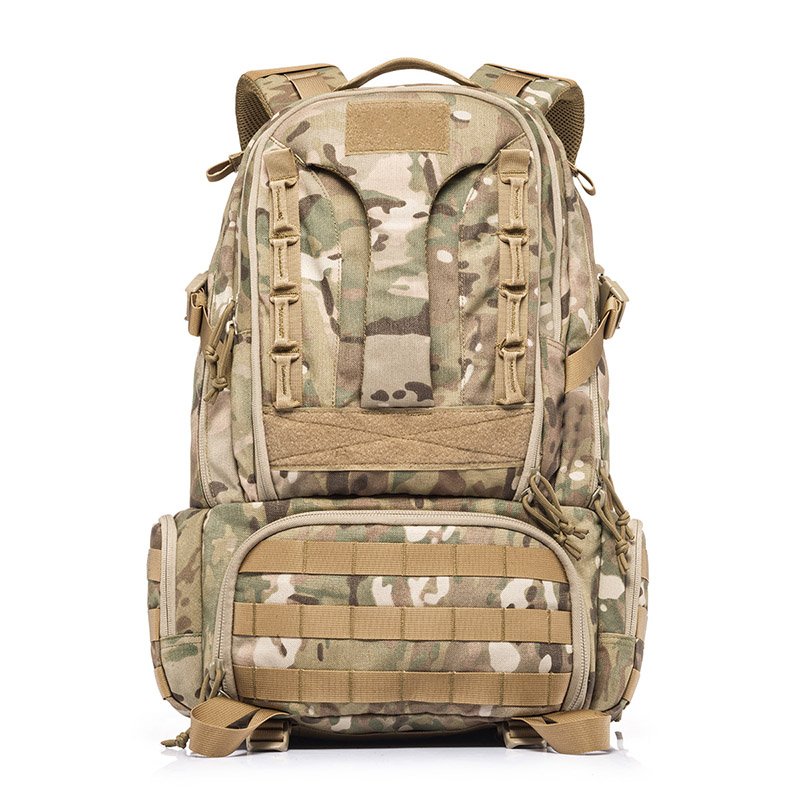
Molle Tactical Assault Pack With Shoes Compartment
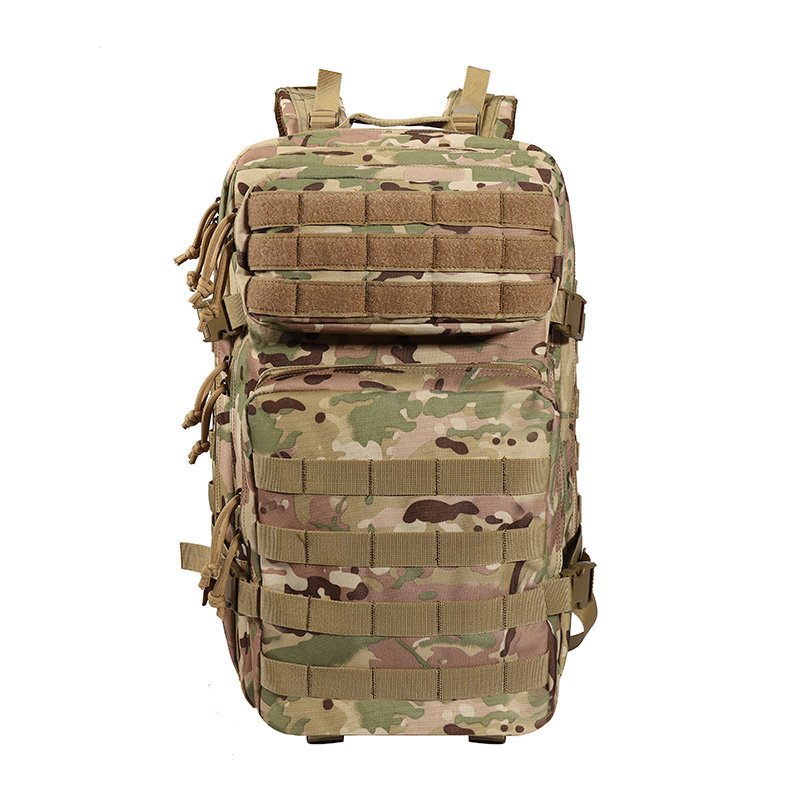
Molle Camouflage Tactical Backpack Waterproof
4.HELMETS & HEADGEAR
PASGT –Personnel Armor System for Ground Troops
PASGT is a 1980s U.S. military protective system consisting of a Kevlar helmet and vest. The helmet, often called the “K-pot,” provided improved ballistic protection over the steel M1 and was widely used until replaced by the ACH and MICH.
MICH – Modular Integrated Communications Helmet
MICH is a U.S. military combat helmet designed for special operations forces. It offers improved ballistic protection, modularity for mounting accessories, and better integration with communications headsets compared to earlier PASGT helmets.
ACH – Advanced Combat Helmet
ACH is the standard U.S. Army combat helmet that replaced the PASGT. It provides improved ballistic protection, reduced weight, better fit, and modular rails/mounts for night-vision devices and accessories.
FAST – Future Assault Shell Technology Helmet
FAST is a high-cut combat helmet design, originally by Ops-Core. It features side rails, an NVG shroud, and a raised cut for better headset compatibility and situational awareness, widely used by special operations forces.
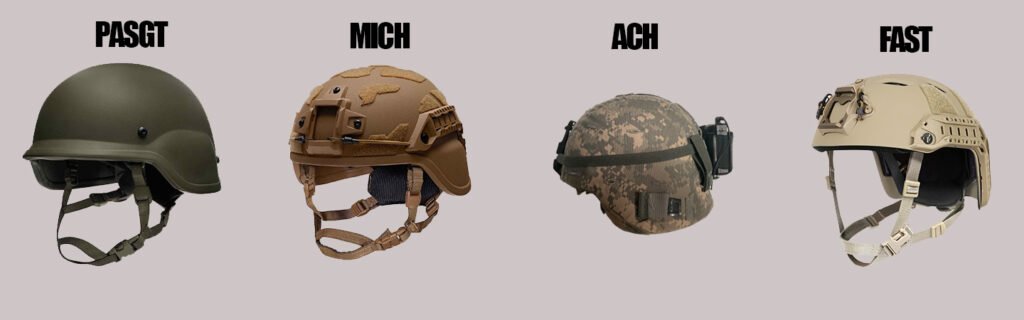
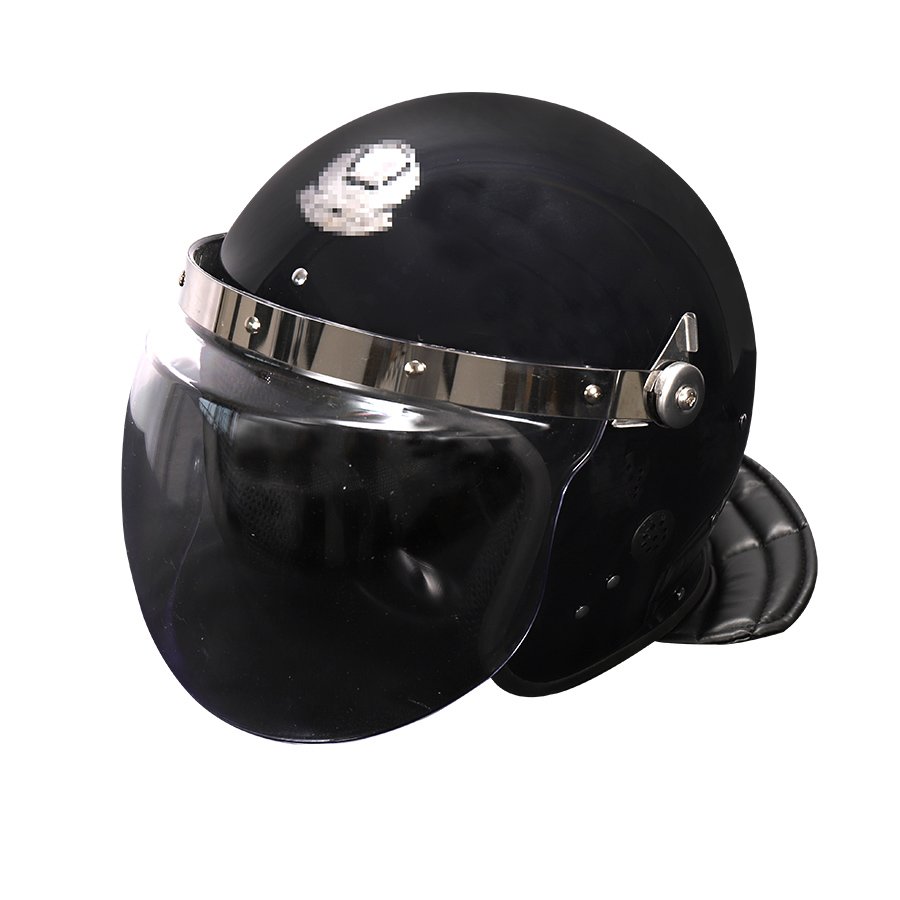
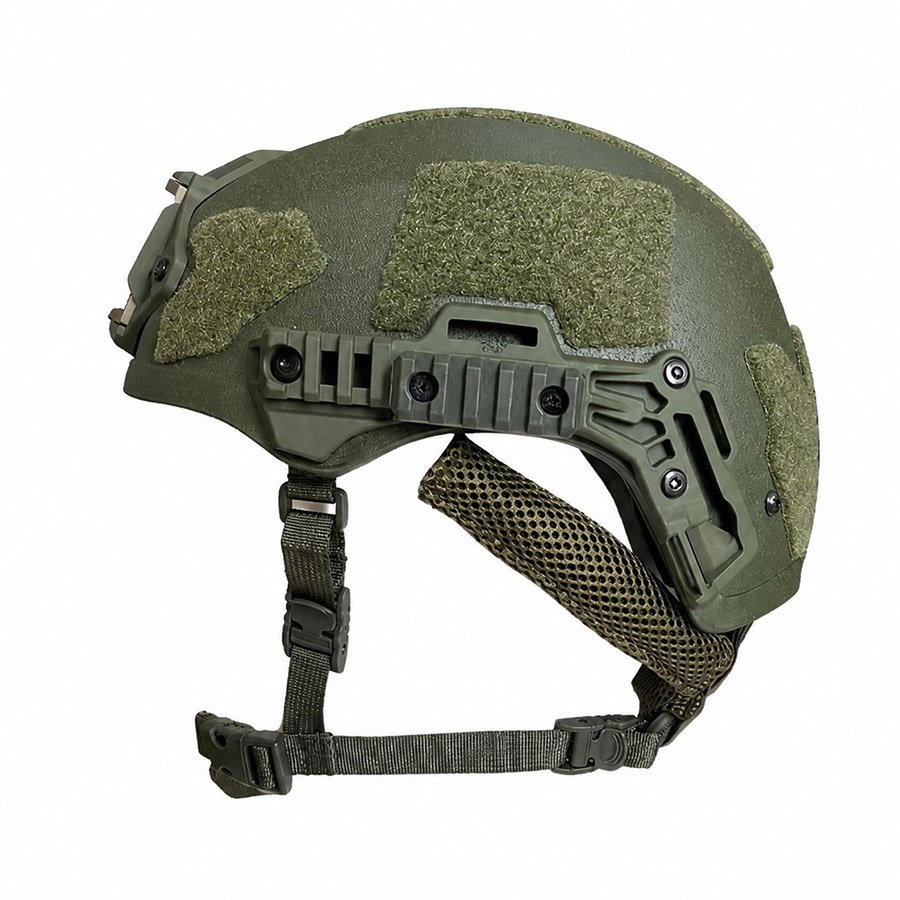
Tactical Ballistic Helmet for Mil & Le Applications
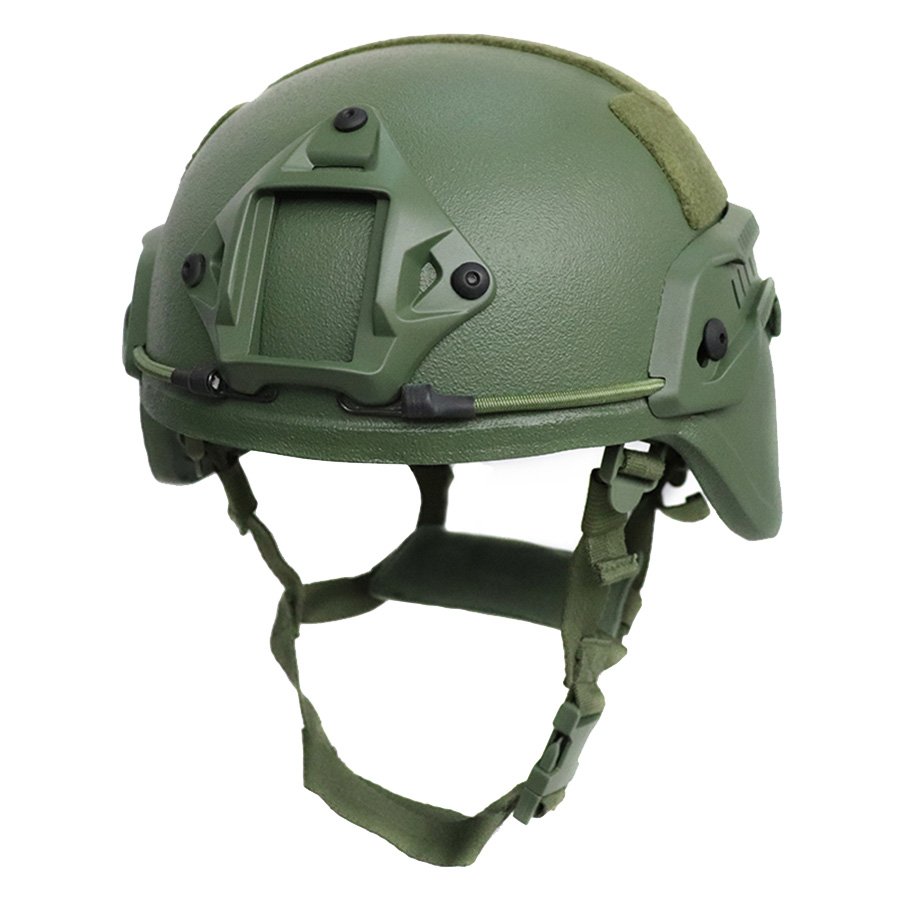
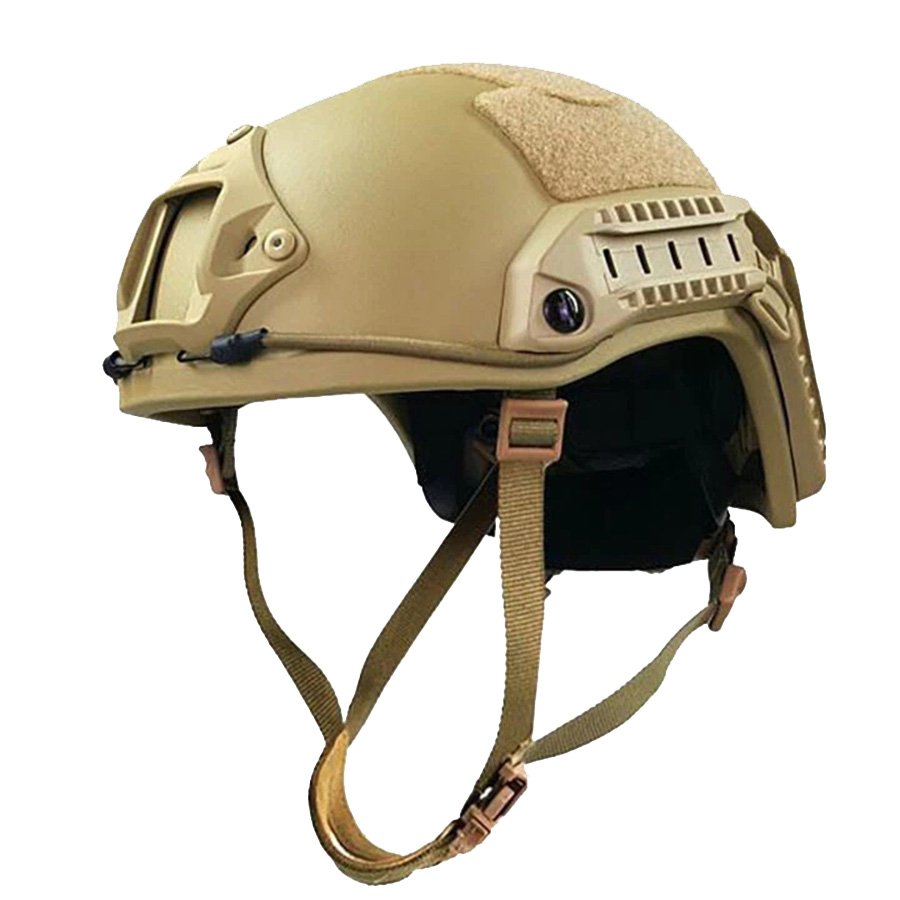
5. LOAD CARRIAGE & BELTS
MOLLE – Modular Lightweight Load-carrying Equipment
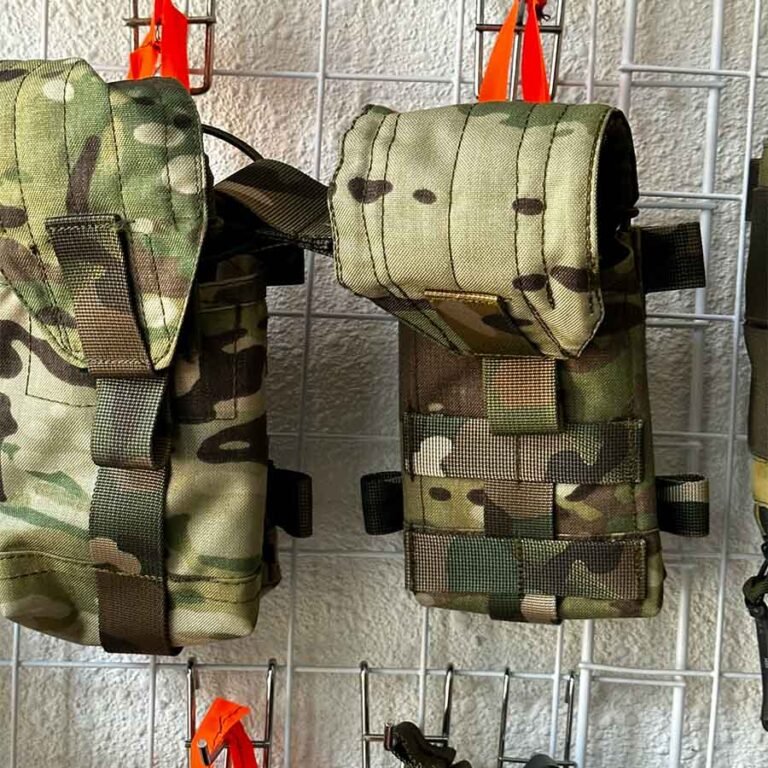
MOLLE is the modular gear system that uses PALS webbing grids to attach pouches and accessories to vests, packs, and belts. It replaced the older ALICE system and remains the standard for tactical load carriage.
PALS – Pouch Attachment Ladder System
PALS is the standardized grid of heavy-duty nylon webbing rows stitched onto tactical gear. It allows pouches, holsters, and accessories to be securely attached and rearranged. PALS forms the core attachment method of the MOLLE load-carrying system used on vests, packs, and belts.
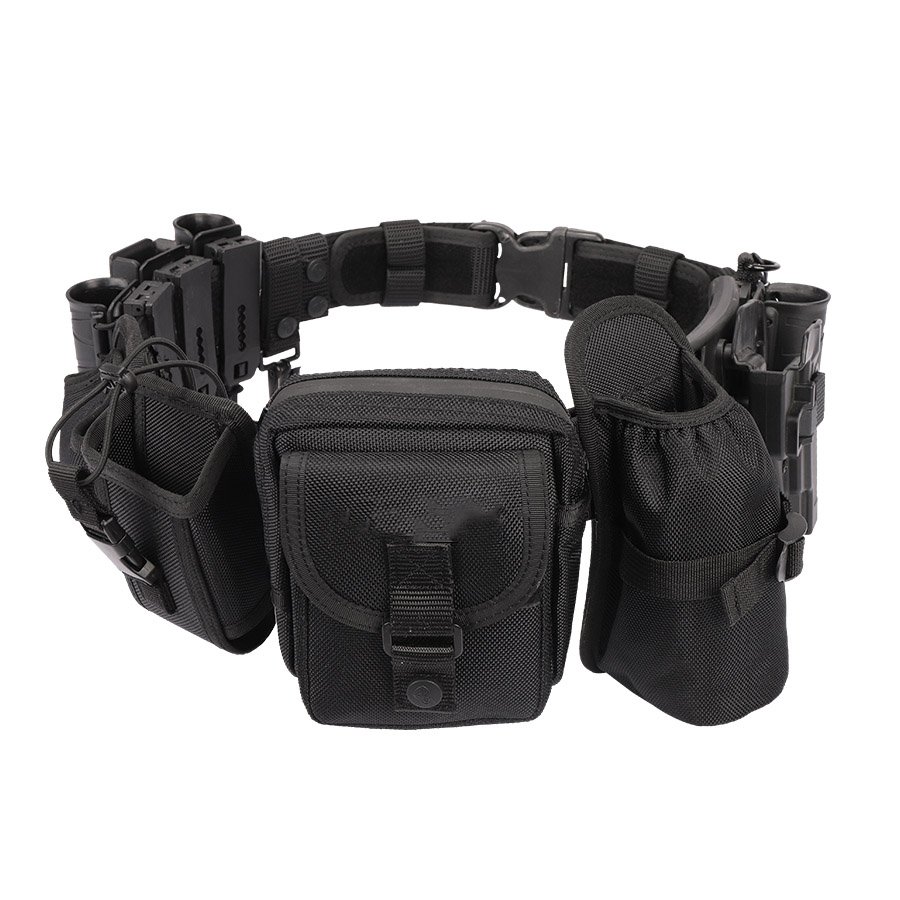
LBT – Load-Bearing Tactical Belt
LBT is a reinforced tactical belt designed to carry essential gear such as a holster, magazines, tourniquet, dump pouch, and medical kit. It distributes weight around the hips, often used as a “battle belt” or first-line gear platform in military and tactical setups.
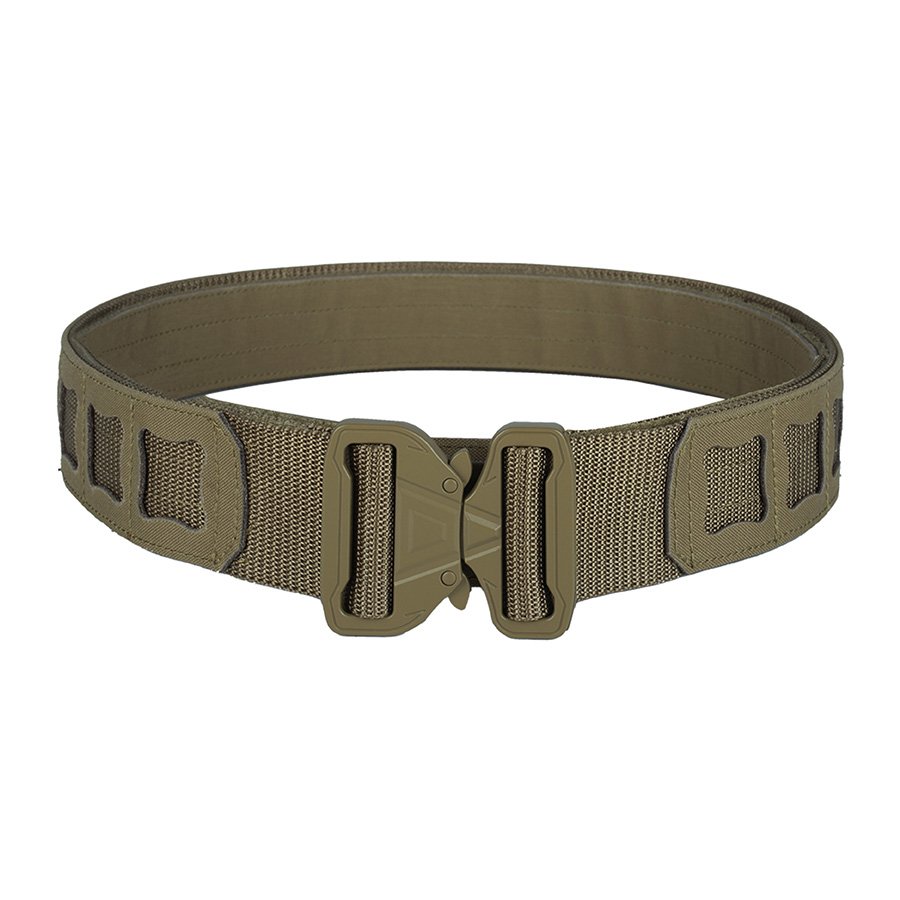
Quick-release Nylon Tactical Belt Coyote Brown
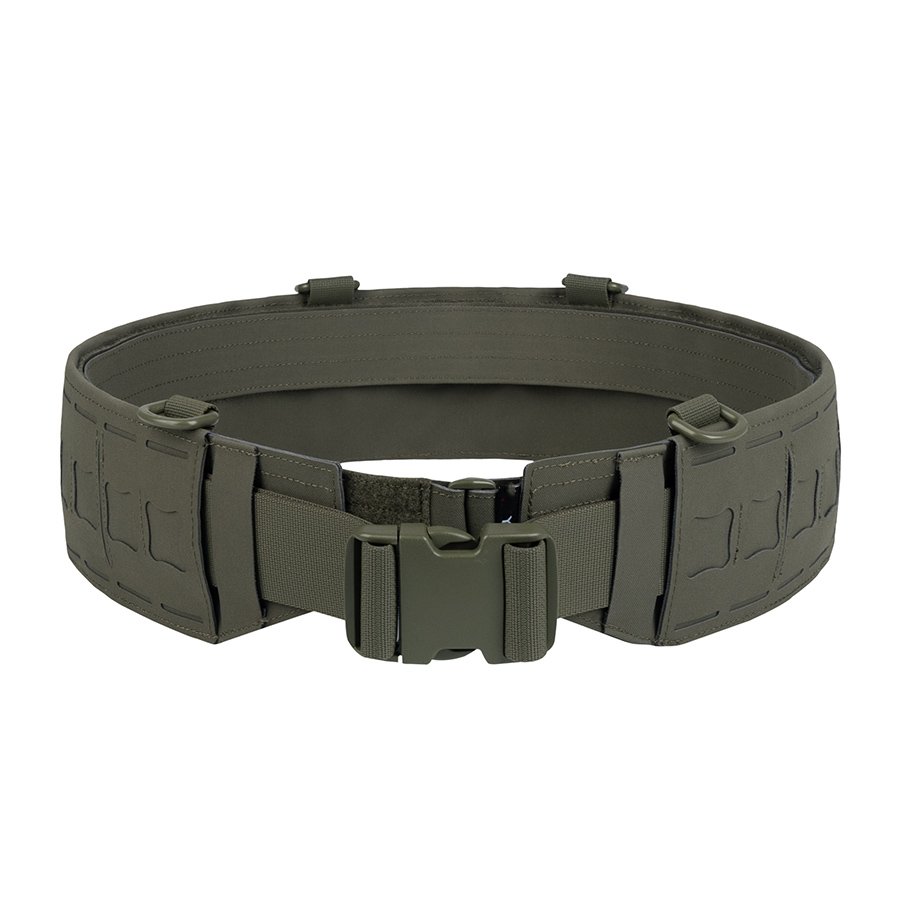
Heavy Duty Mens Military Belt Laser-cut Molle
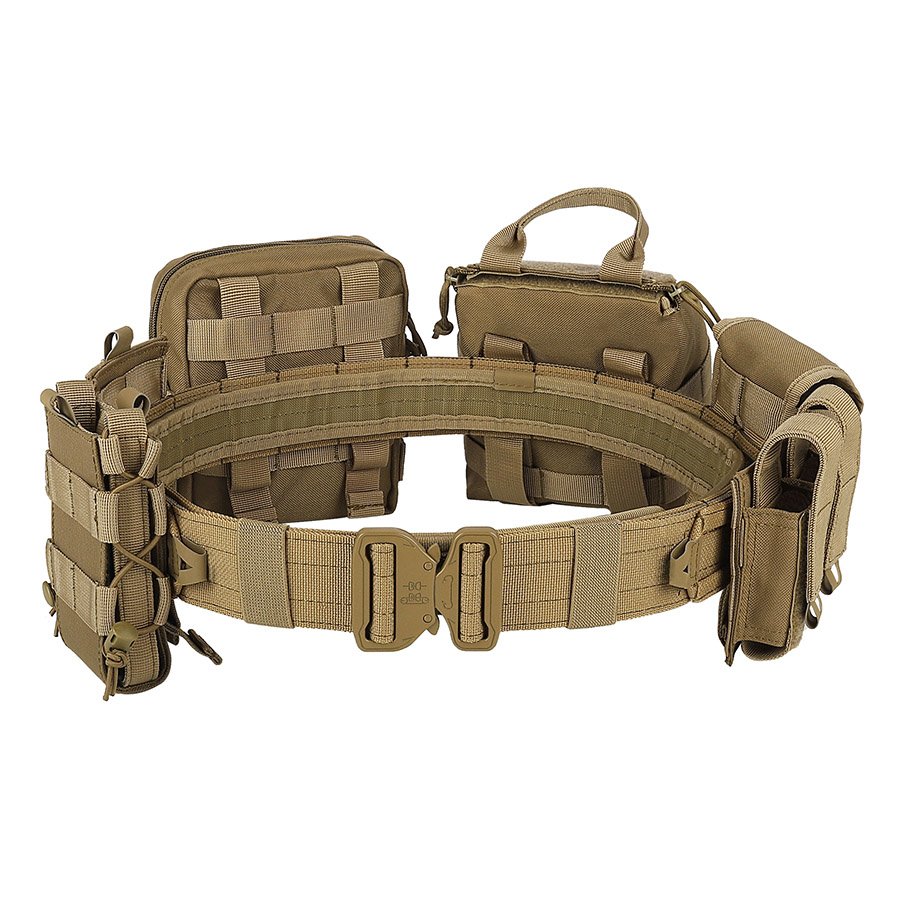
Tactical Battle Belt For Law Enforcement & Outdoor
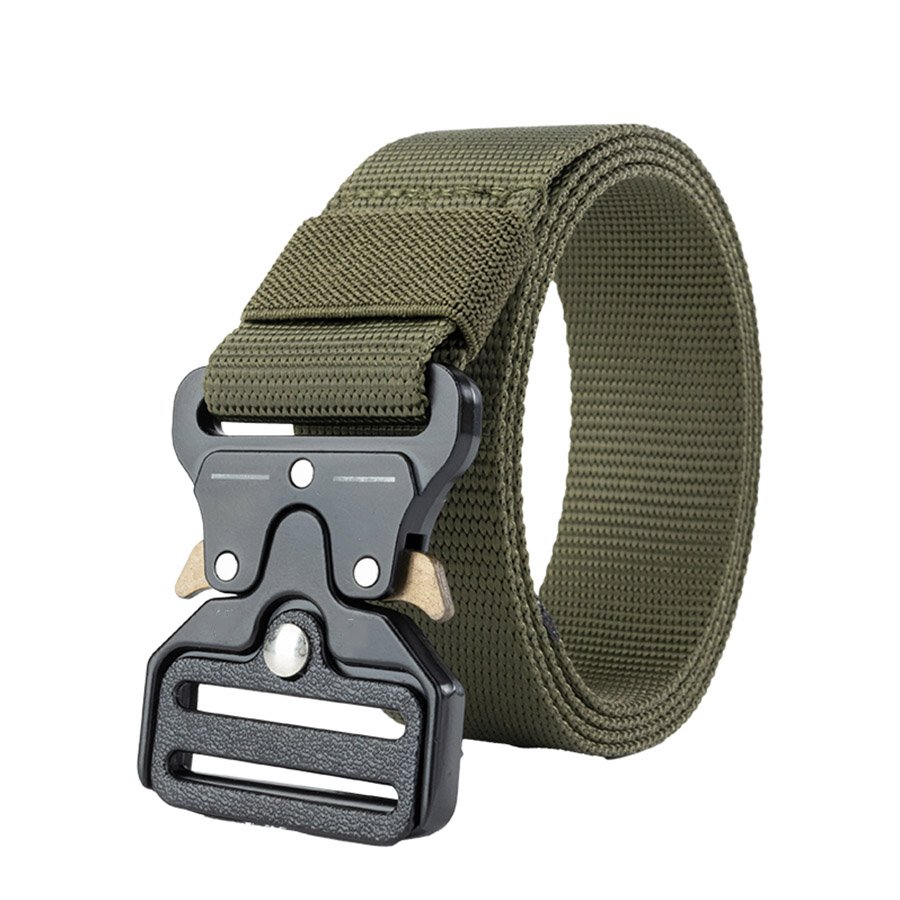
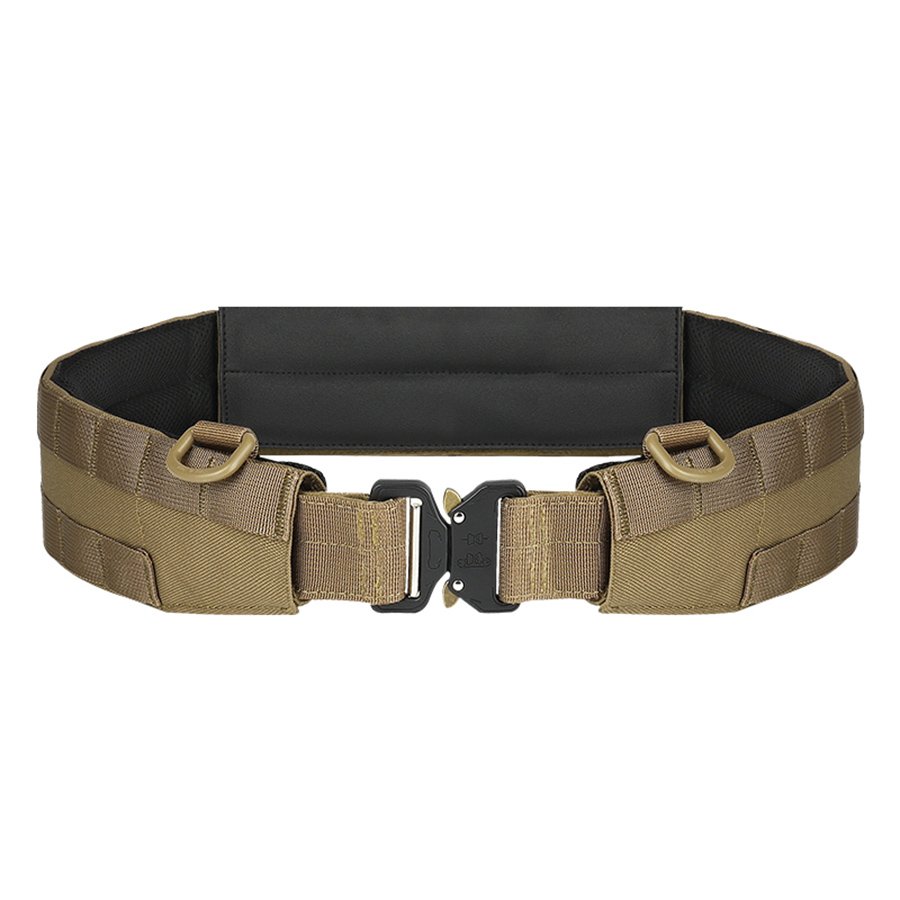
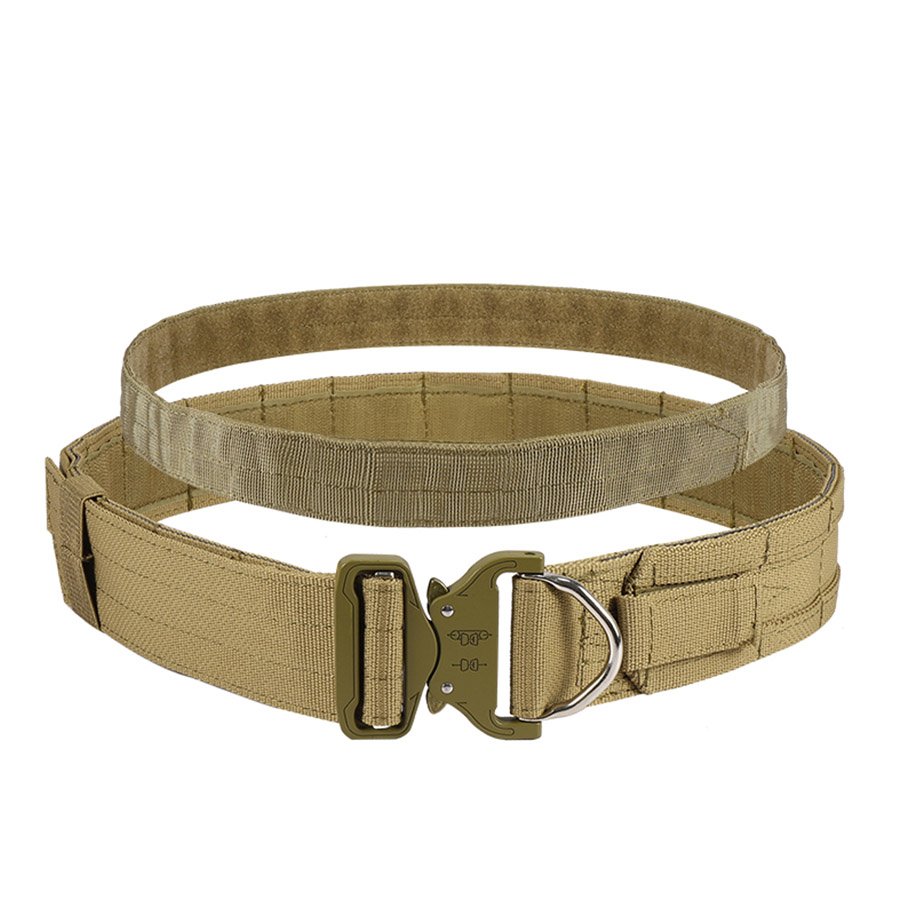
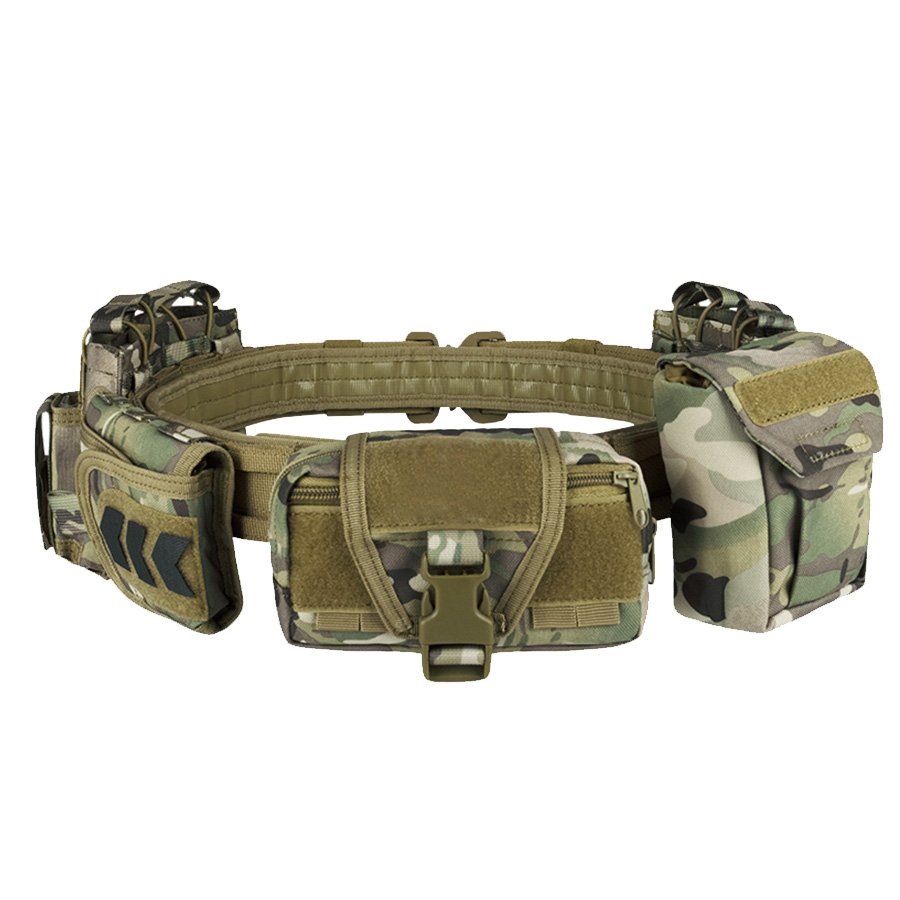
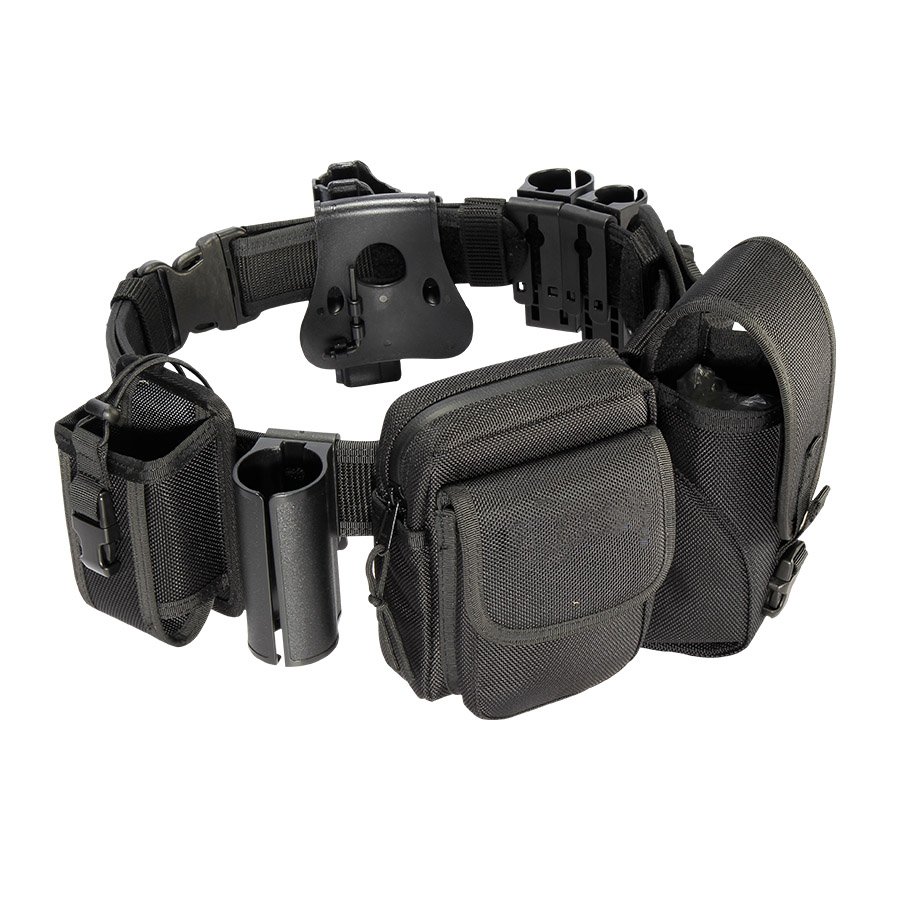
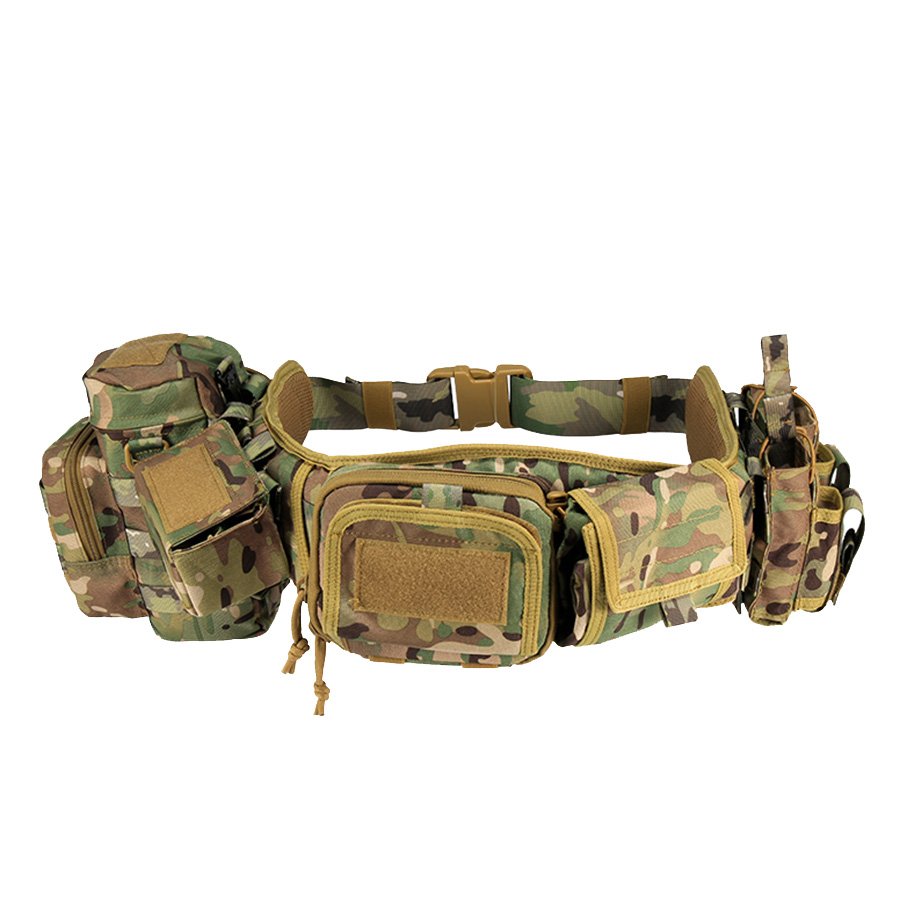
Armorguard Camo Velcro Tactical Belt With Pouches
6. OPTICS & SENSORS
NVG – Night Vision Goggles
NVG are electro-optical devices that amplify ambient light or use infrared illumination to enable vision in darkness. Worn on the head or helmet, they are standard equipment for military and tactical operations in low-light conditions.
IR – Infrared
IR (Infrared) refers to light wavelengths invisible to the naked eye, widely used in tactical gear for night-vision devices, IR lasers, illuminators, and markers. These tools allow operators to see, aim, or signal in darkness without being detected by the unaided eye.
7.Others
SAR – Search and Rescue
SAR refers to coordinated operations to locate, assist, and recover people in emergency situations. In tactical and outdoor environments, SAR teams use specialized equipment, navigation tools, medical gear, and survival skills for missions involving missing persons, disasters, combat zones, or remote areas.
IFAK – Individual First Aid Kit
IFAK is a compact medical kit designed for personal emergency care in tactical, military, and outdoor environments. It typically contains trauma supplies such as tourniquets, pressure dressings, chest seals, gauze, and medical tools to treat life-threatening injuries quickly.
SF – Special Forces
The tactical acronym SF refers to elite military units trained for specialized missions such as unconventional warfare, counterterrorism, reconnaissance, and direct action. Special Forces personnel receive advanced training in combat skills, survival, weapons, communications, and tactical operations, often operating in challenging environments with specialized gear.